NYC Storefront Gate Law 2026: What Business Owners Need to Know About Local Law 75 Enforcement Starting July 1
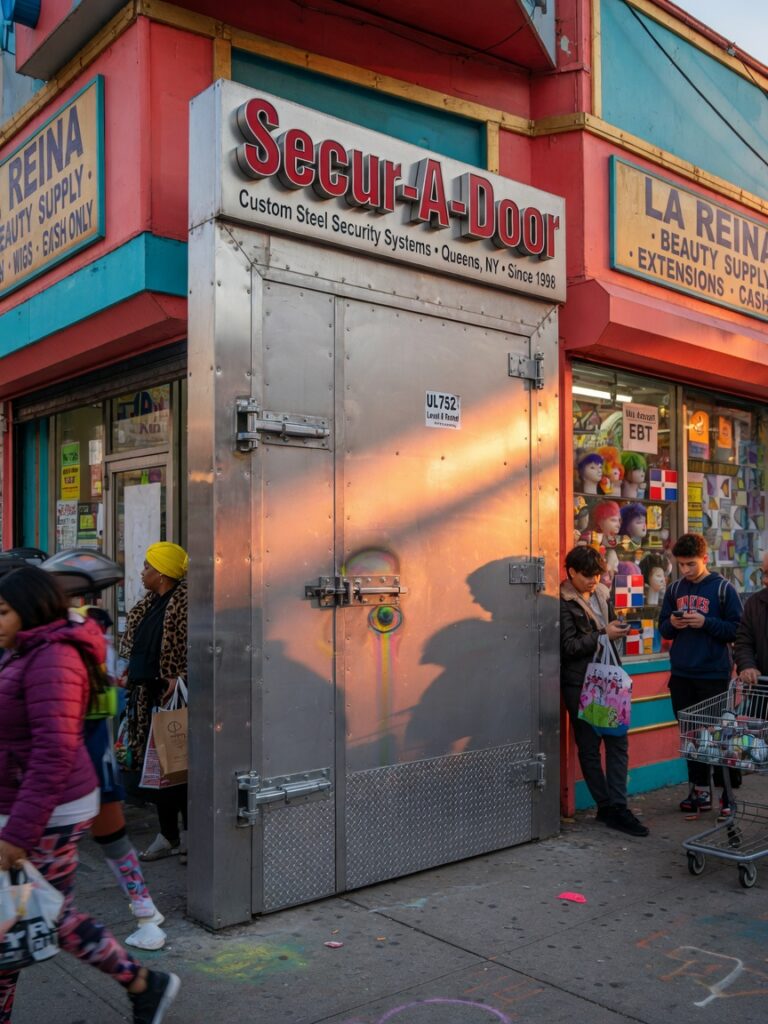
New York City is finally cracking down on an obscure but long-standing regulation that could dramatically change the appearance of commercial corridors across the five boroughs. Starting July 1, 2026, the city will begin enforcing Local Law 75 of 2009, which mandates that all commercial storefront security gates must be at least 70% transparent. The days of solid metal roll-down gates may soon be over for thousands of small businesses.
This enforcement comes after a 16-year grace period, leaving many business owners surprised and concerned about both the cost and logistics of compliance. With replacement costs often exceeding $10,000 per gate, the looming deadline has sparked frustration among small business communities and prompted some City Council members to urgently seek delays or revisions to the law.
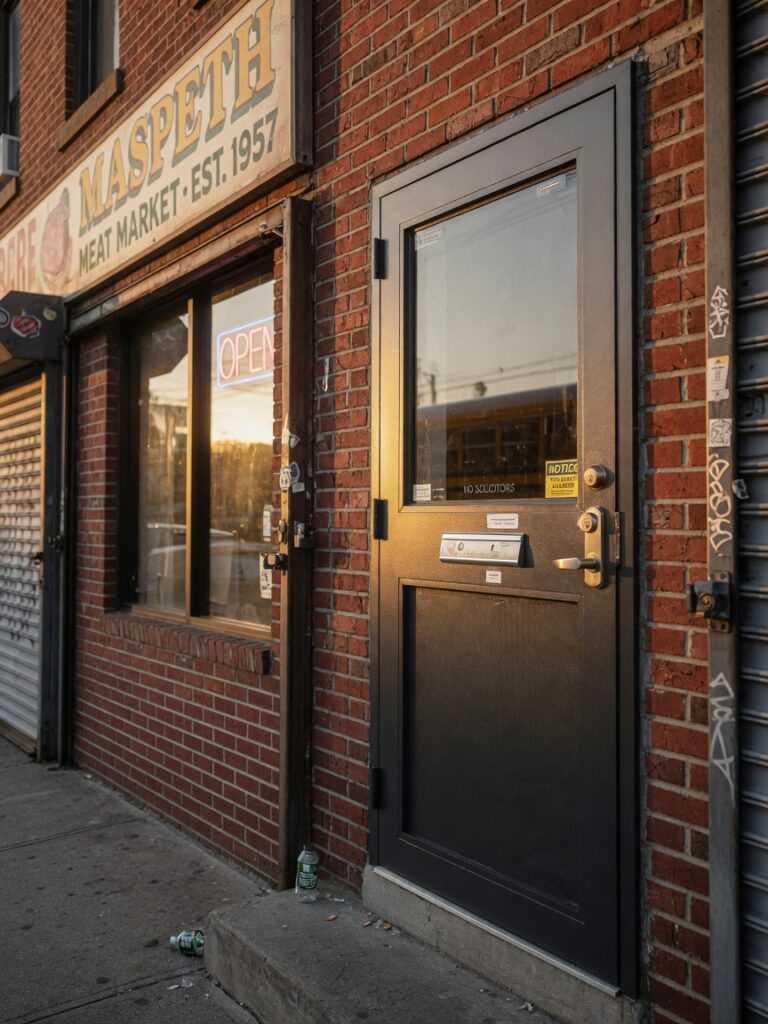
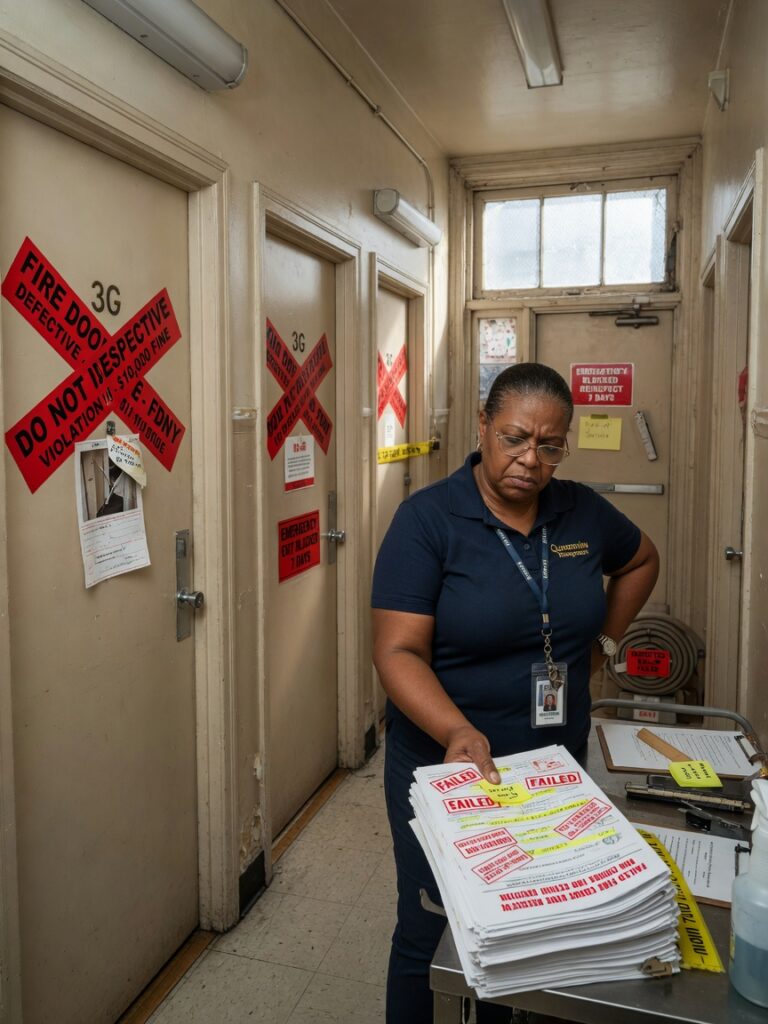
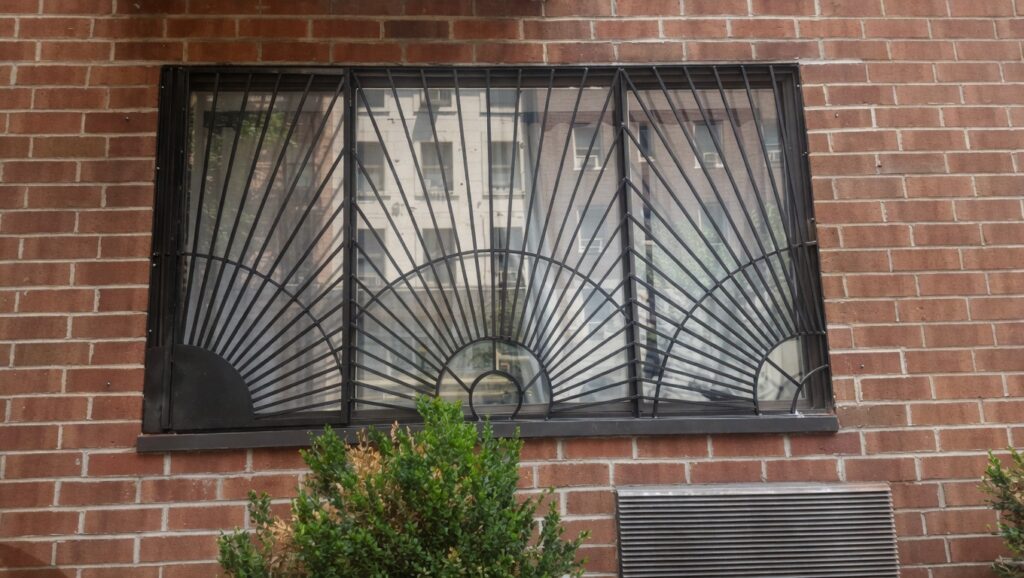
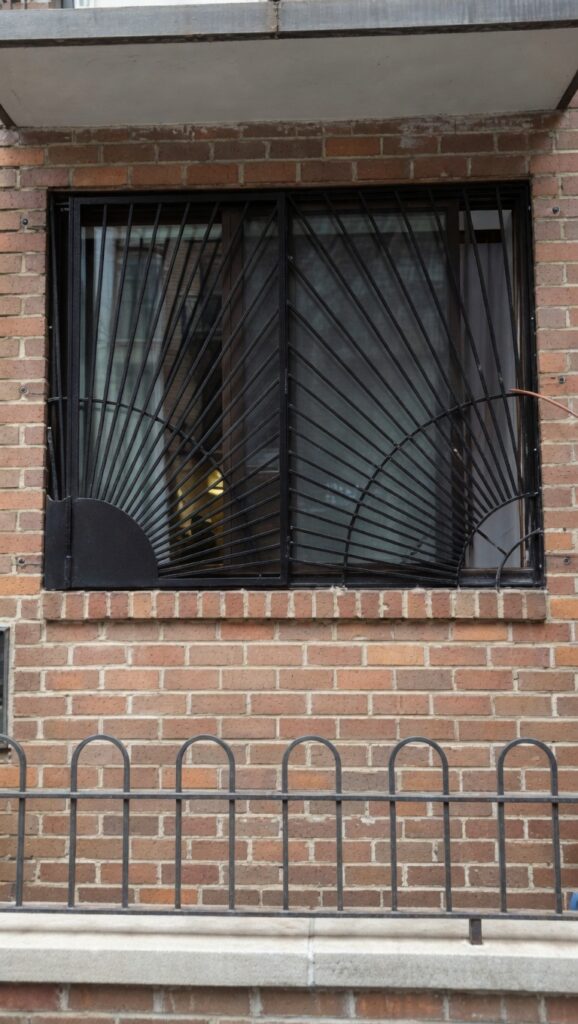
Image Grid 1
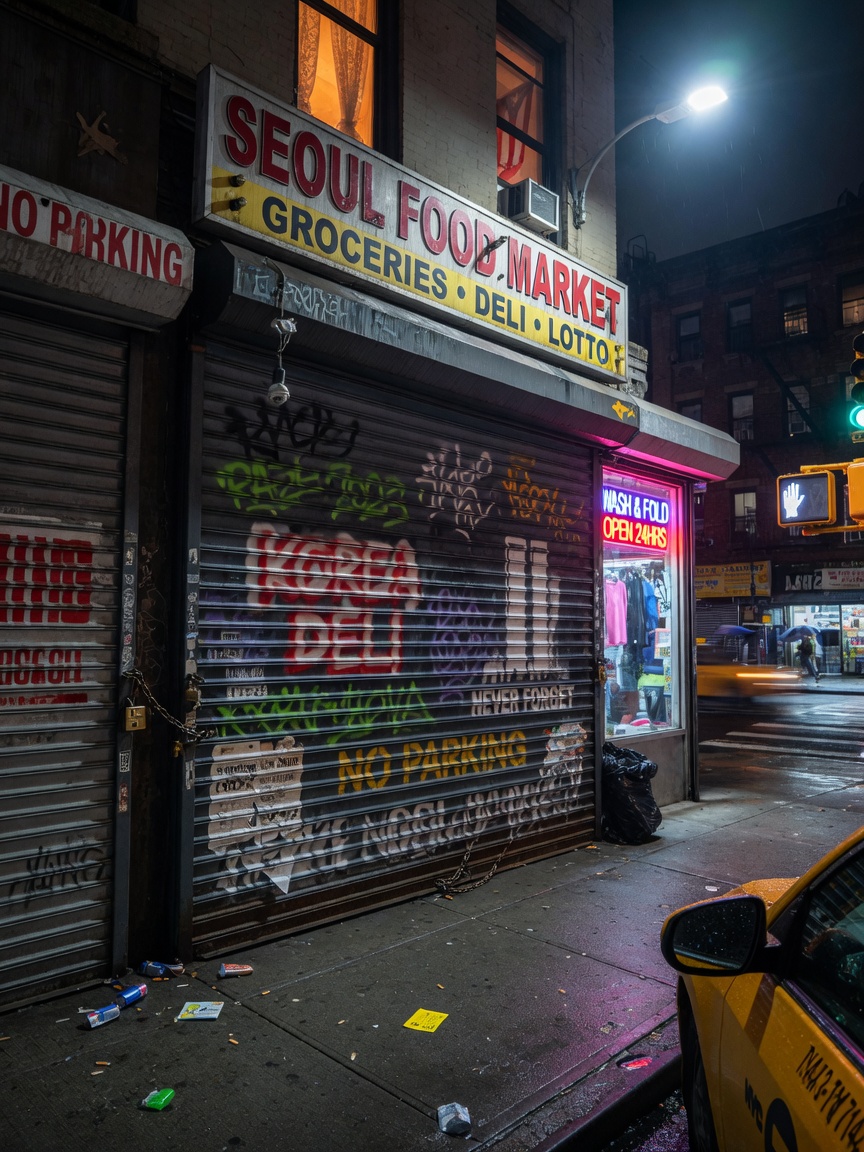


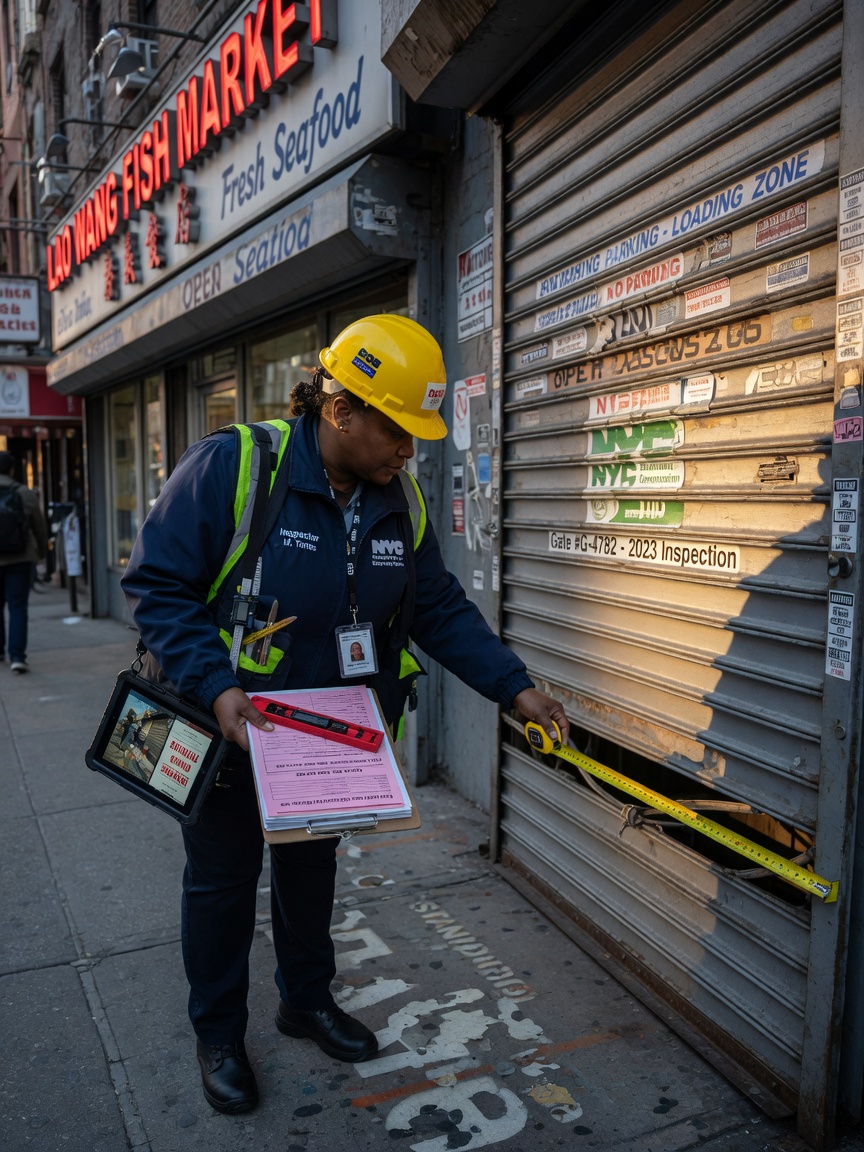
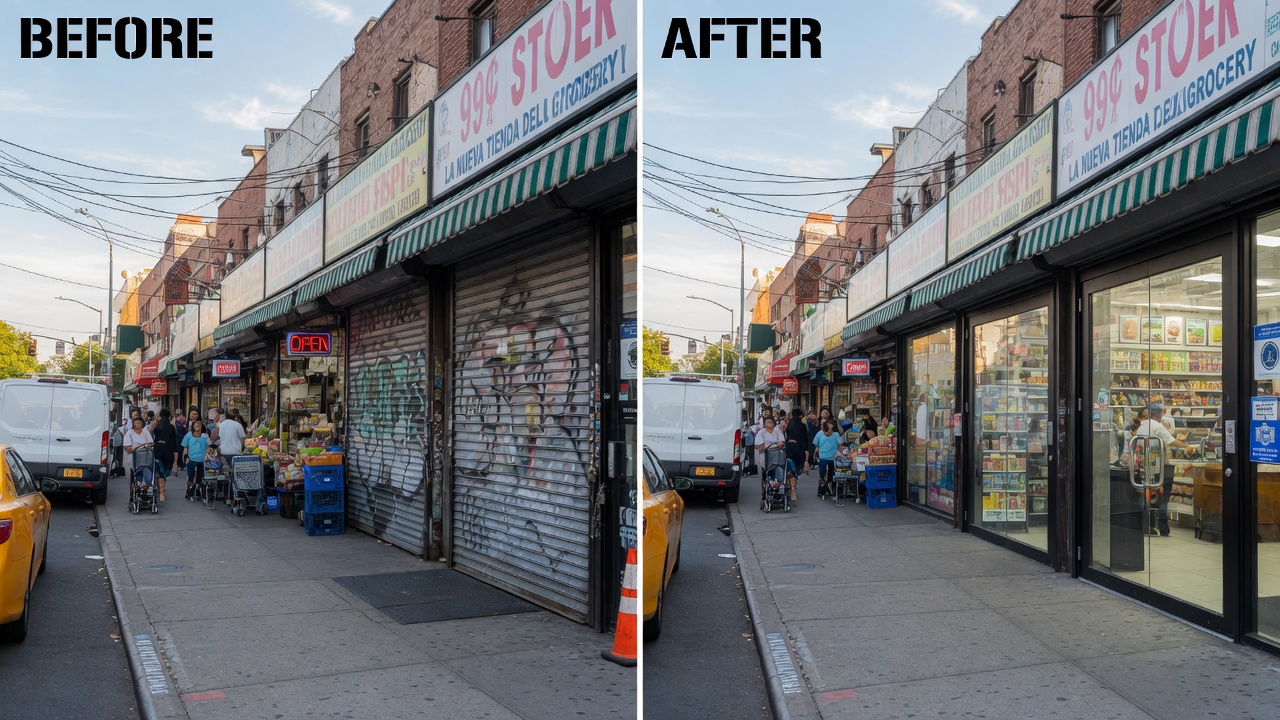

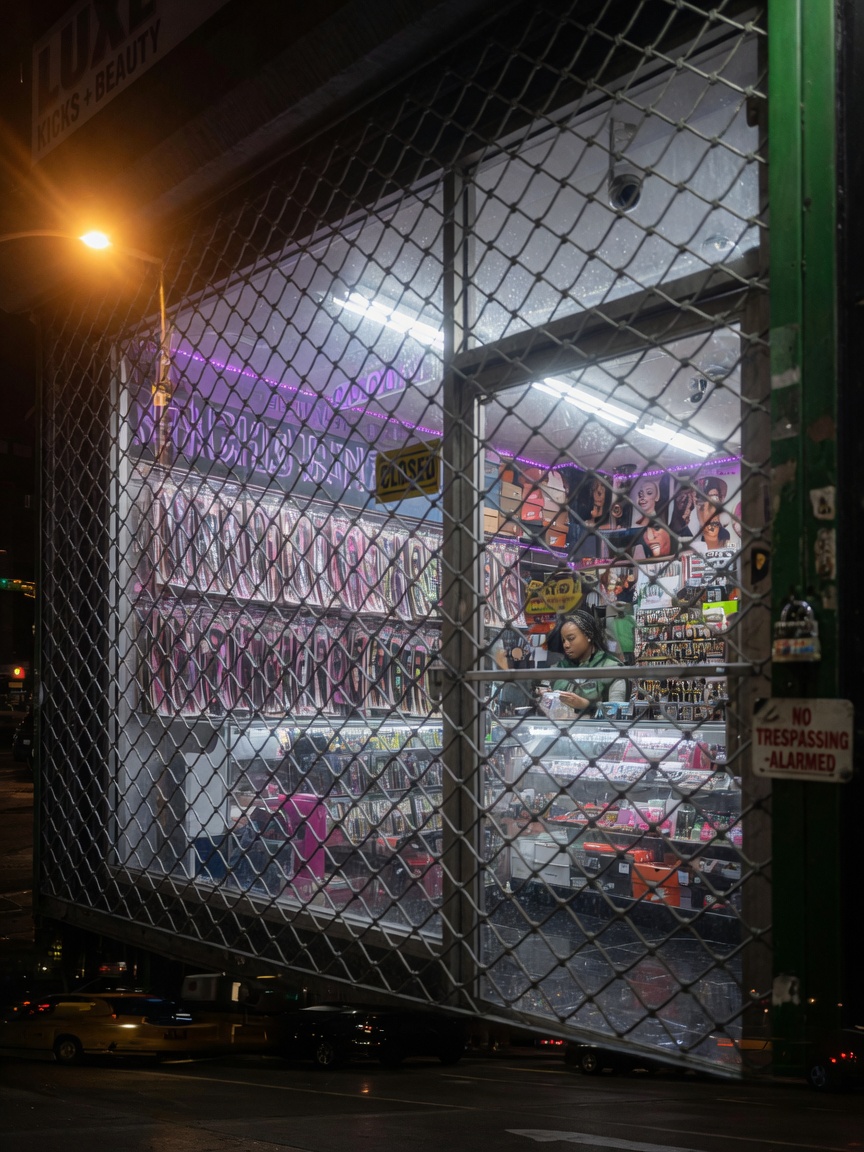

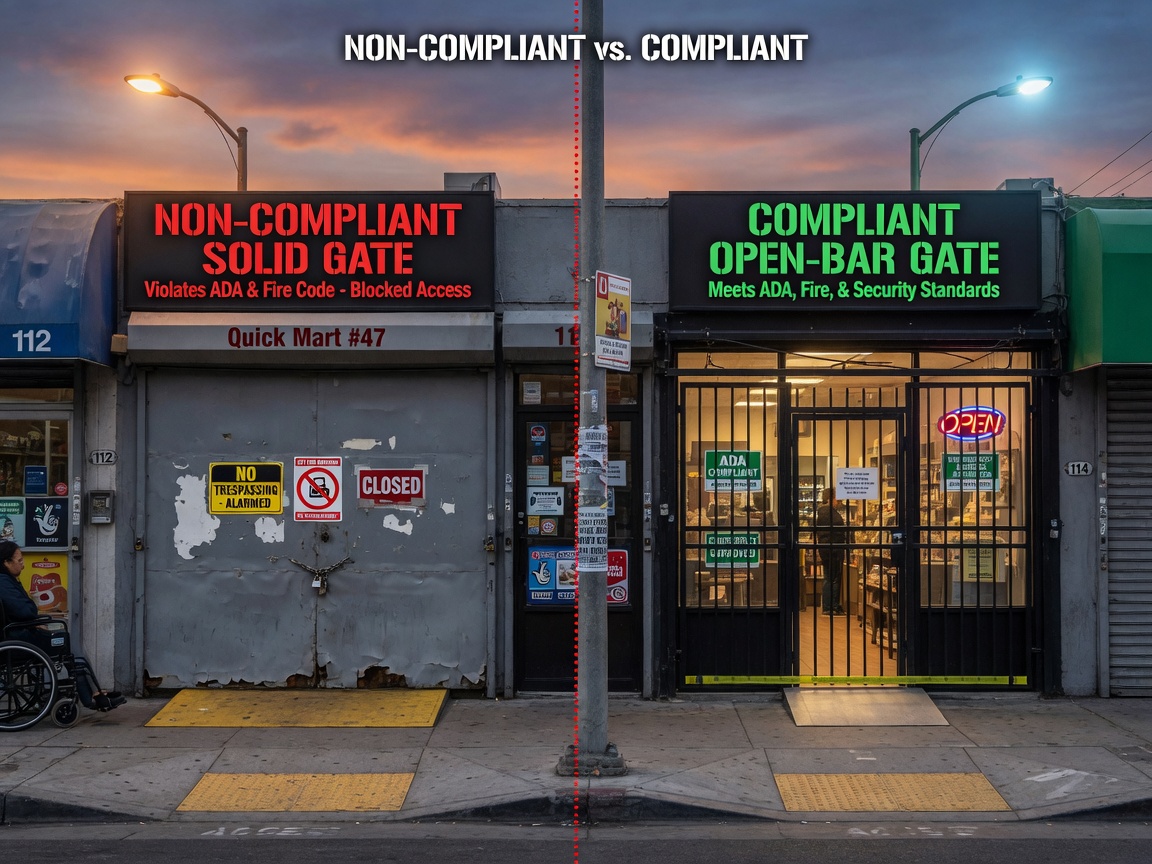
This comprehensive guide explores everything business and property owners need to know about the NYC storefront gate law, including compliance requirements, penalty structures, approved alternatives, and practical steps to prepare before the July 1 enforcement date.
The Origins and Purpose of Local Law 75
Local Law 75 was passed in 2009 with two primary objectives: reducing graffiti and improving public safety. City officials argued that solid metal gates created opportunities for taggers while simultaneously creating blind spots that hindered police and firefighters during emergencies.
By requiring security gates to maintain at least 70% transparency, the legislation aimed to deter criminal activity through increased visibility while allowing first responders to quickly assess situations inside businesses without needing to breach the gates.
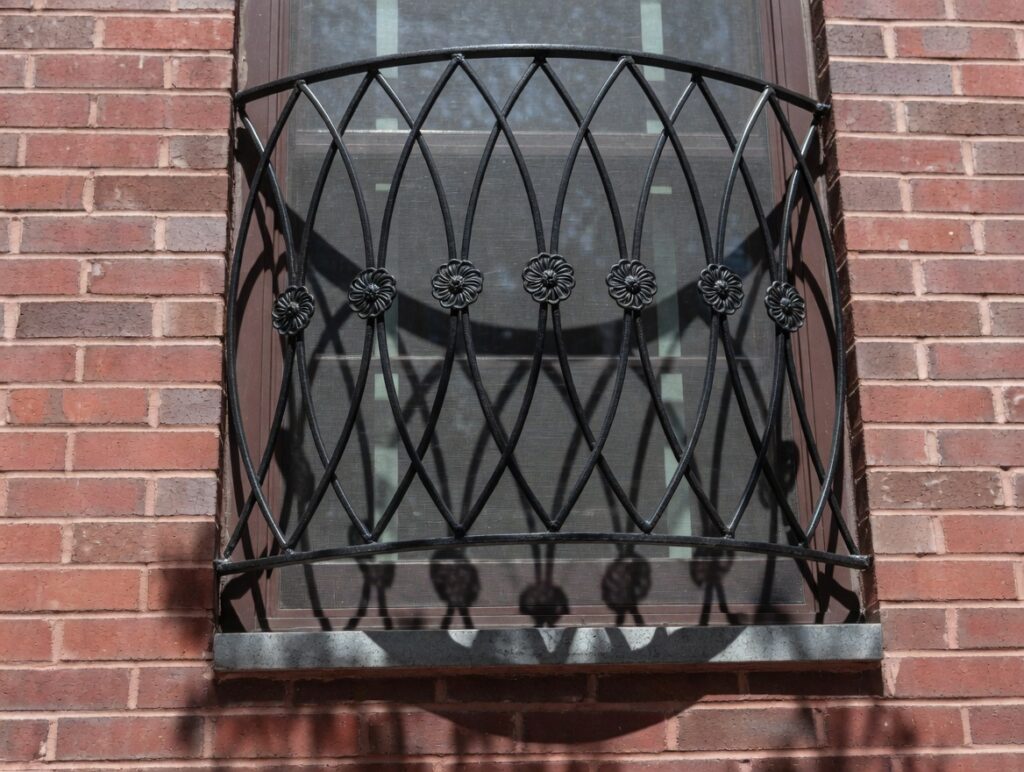
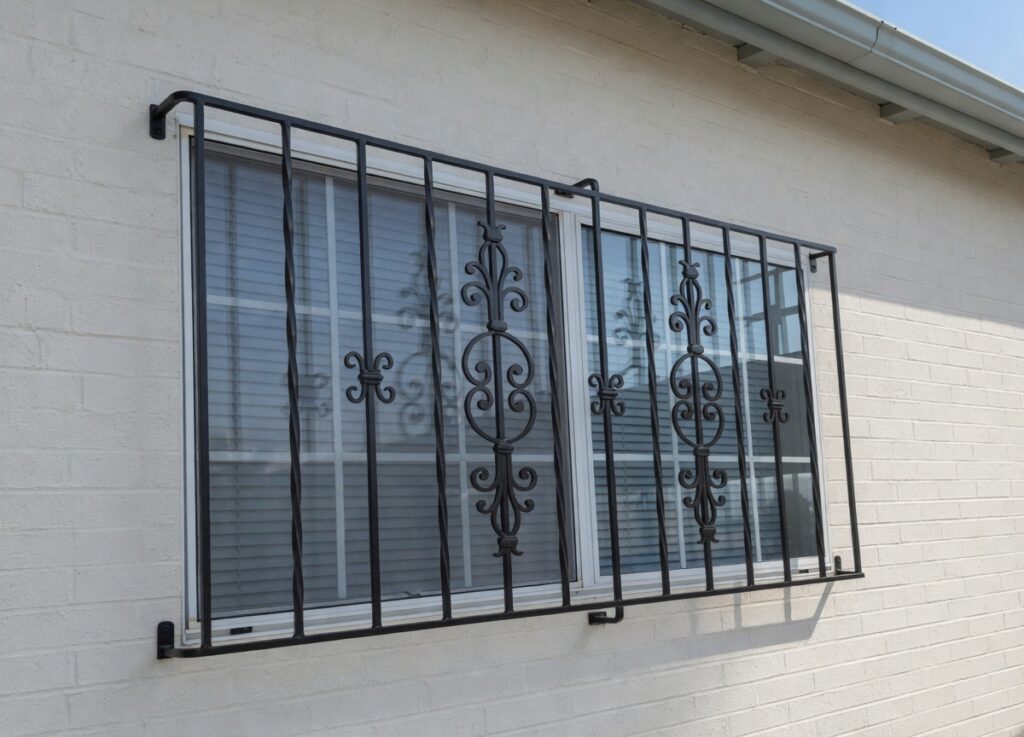
Image Grid 2
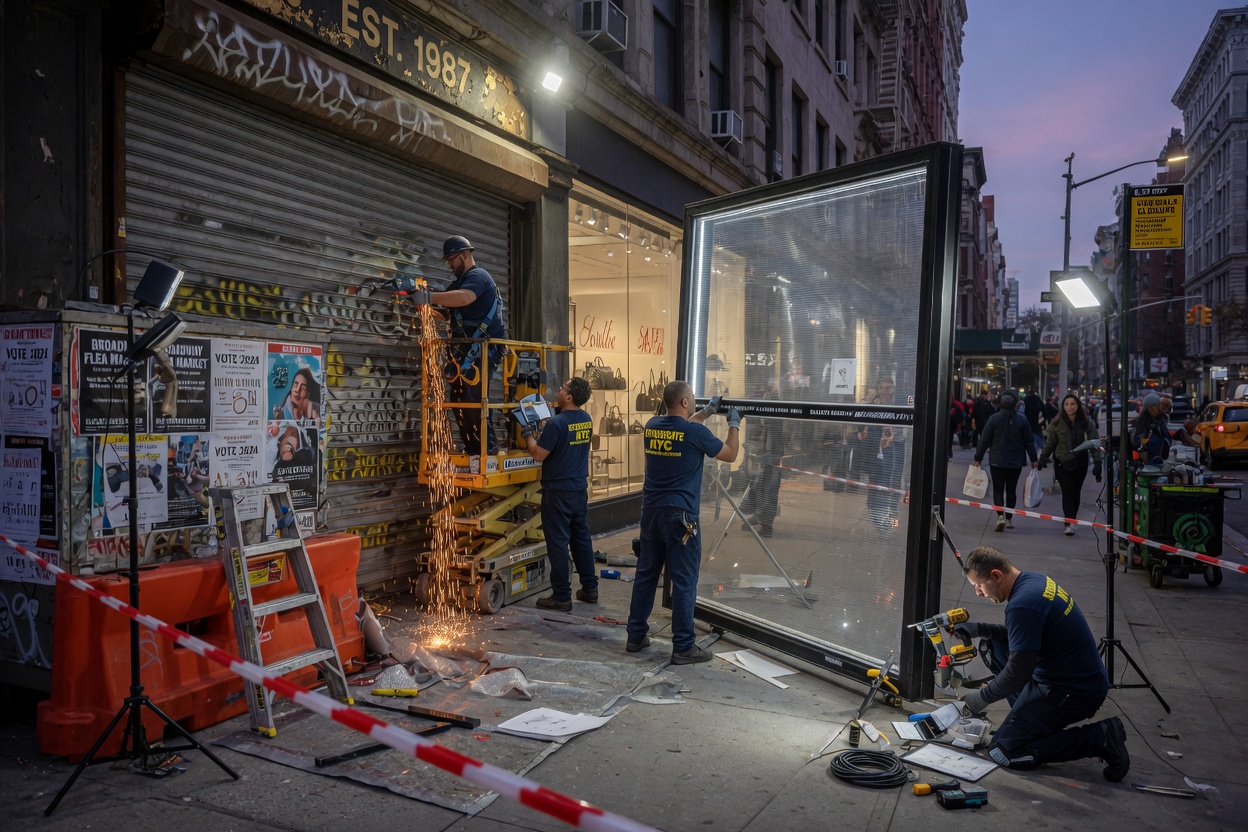

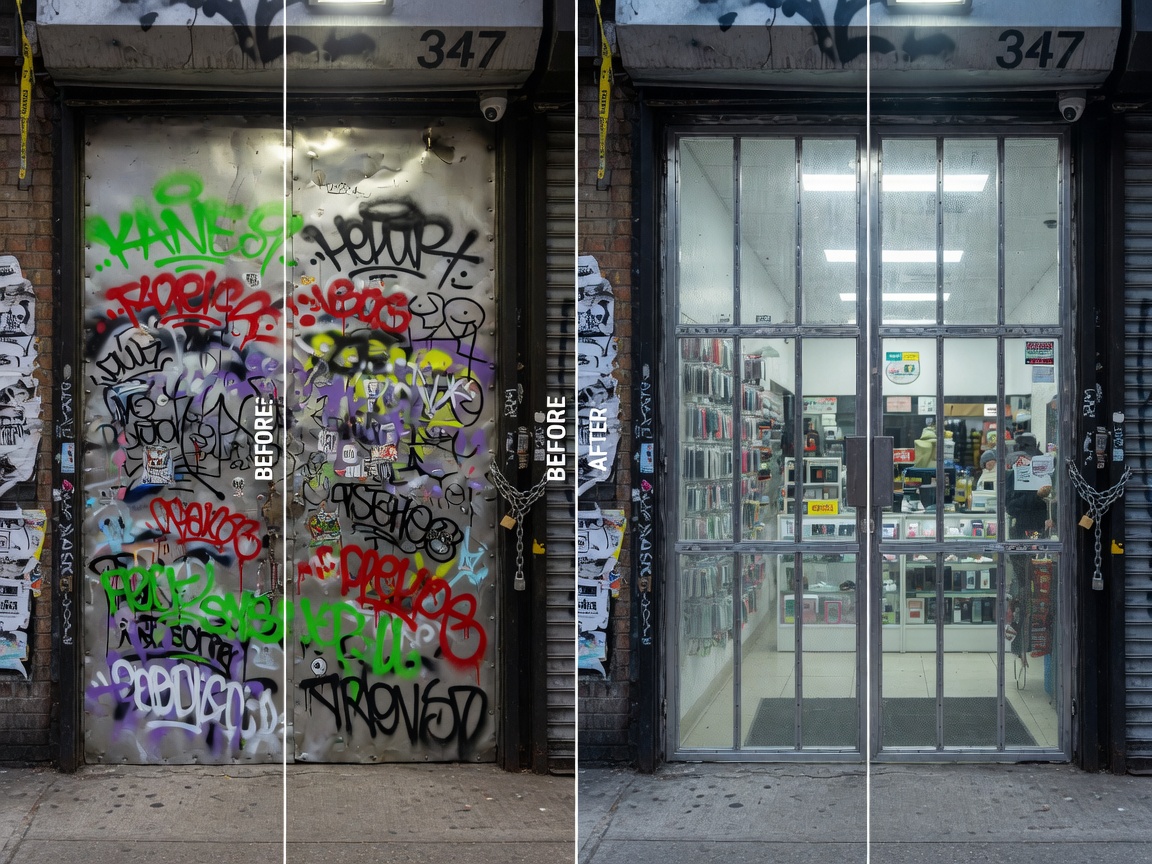

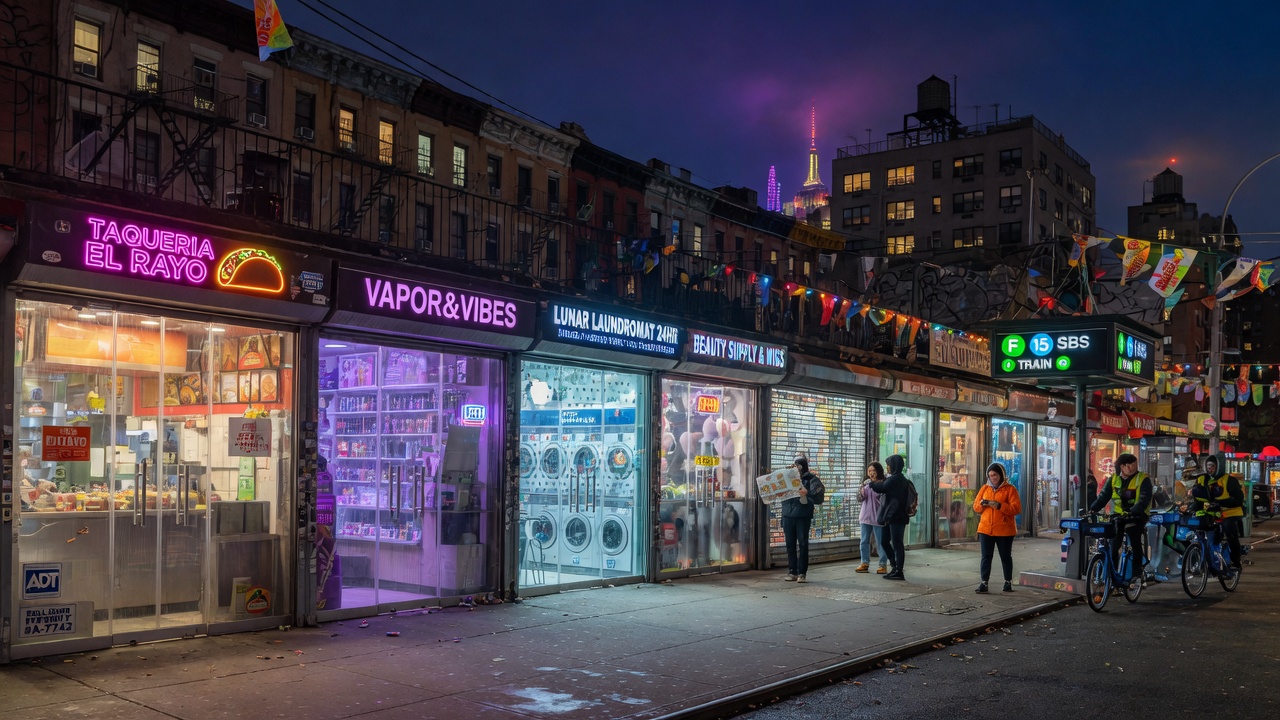



Despite its good intentions, the law included an unusually long phase-in period. For nearly sixteen years, enforcement was minimal, allowing thousands of businesses to continue using traditional solid roll-down gates. That grace period is now ending.
Why Enforcement Is Happening Now
The sudden push for enforcement has caught many by surprise. While the law has technically been on the books since 2009, several factors have converged to bring it to the forefront in 2026:
- Increased focus on quality-of-life issues across NYC neighborhoods
- Pressure from community groups and anti-graffiti advocates
- Recent high-profile incidents highlighting the safety benefits of transparent gates
- Department of Buildings (DOB) prioritizing compliance with existing legislation
According to reporting from Gothamist and local news outlets, the Department of Buildings will begin issuing violations starting July 1, 2026. Business owners who have been operating under the assumption that the law was dormant are now facing urgent decisions.
What the NYC Storefront Gate Law Actually Requires
The core requirement of Local Law 75 is straightforward but significant: all roll-down security gates on commercial properties must maintain a minimum of 70% transparency when fully closed.
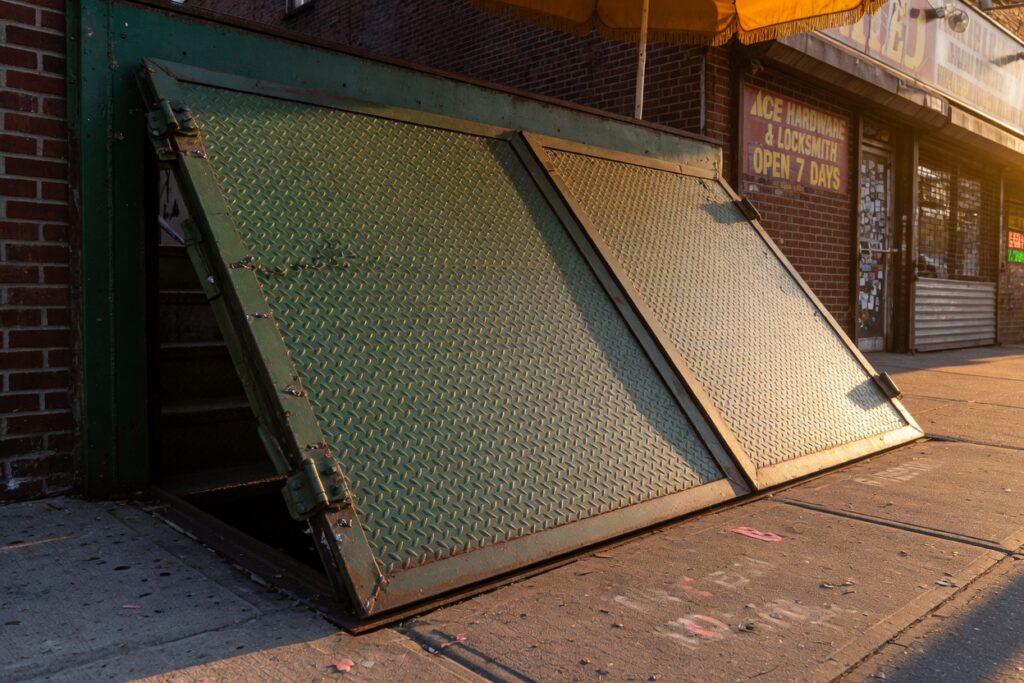
This means that at least 70% of the gate’s surface area must allow visibility through it. Traditional solid metal gates that block nearly 100% of visibility will no longer be permitted on commercial storefronts.
Approved Gate Types for Compliance
Business owners have several compliant options to replace their existing solid gates:
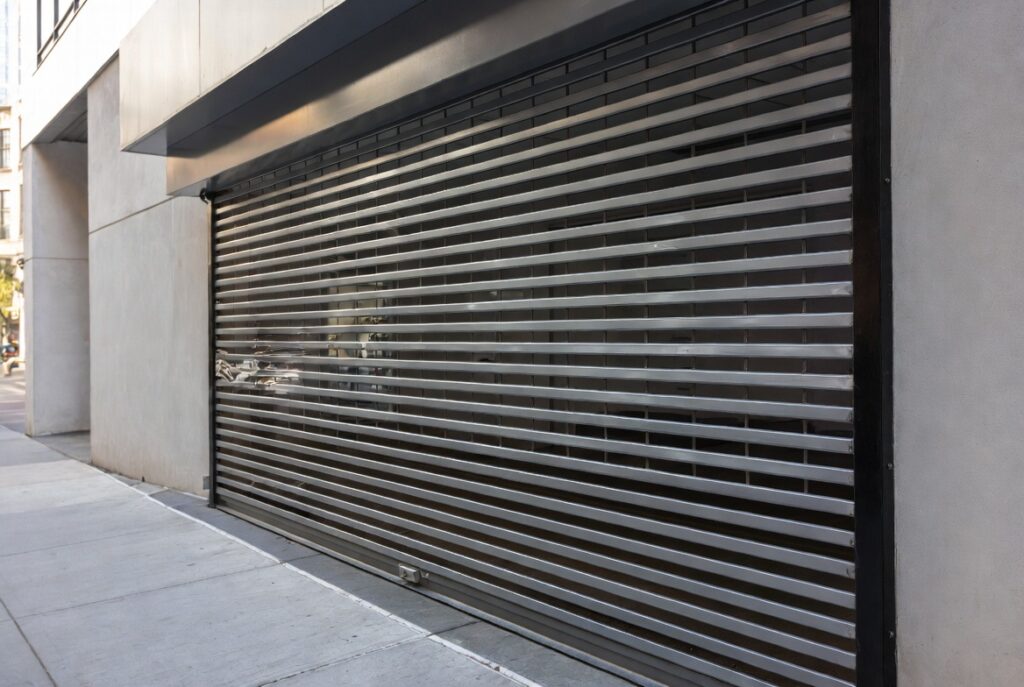
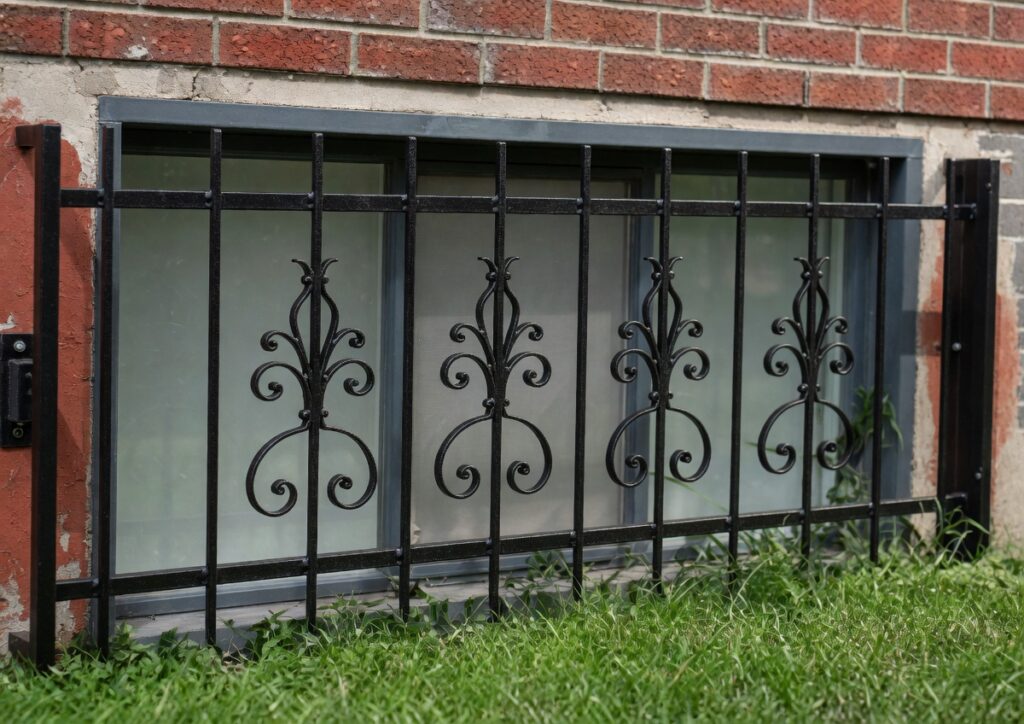
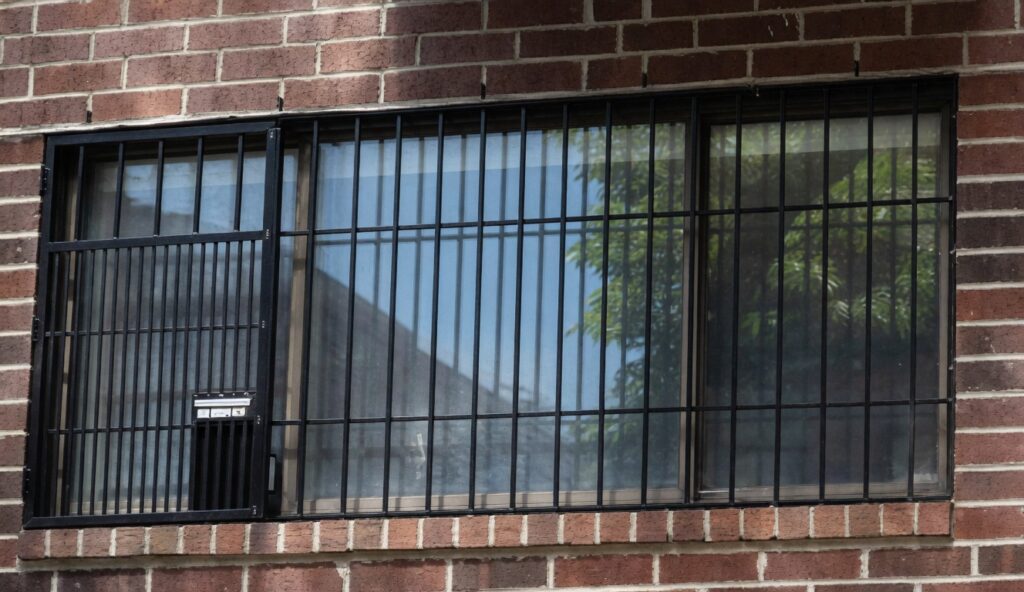
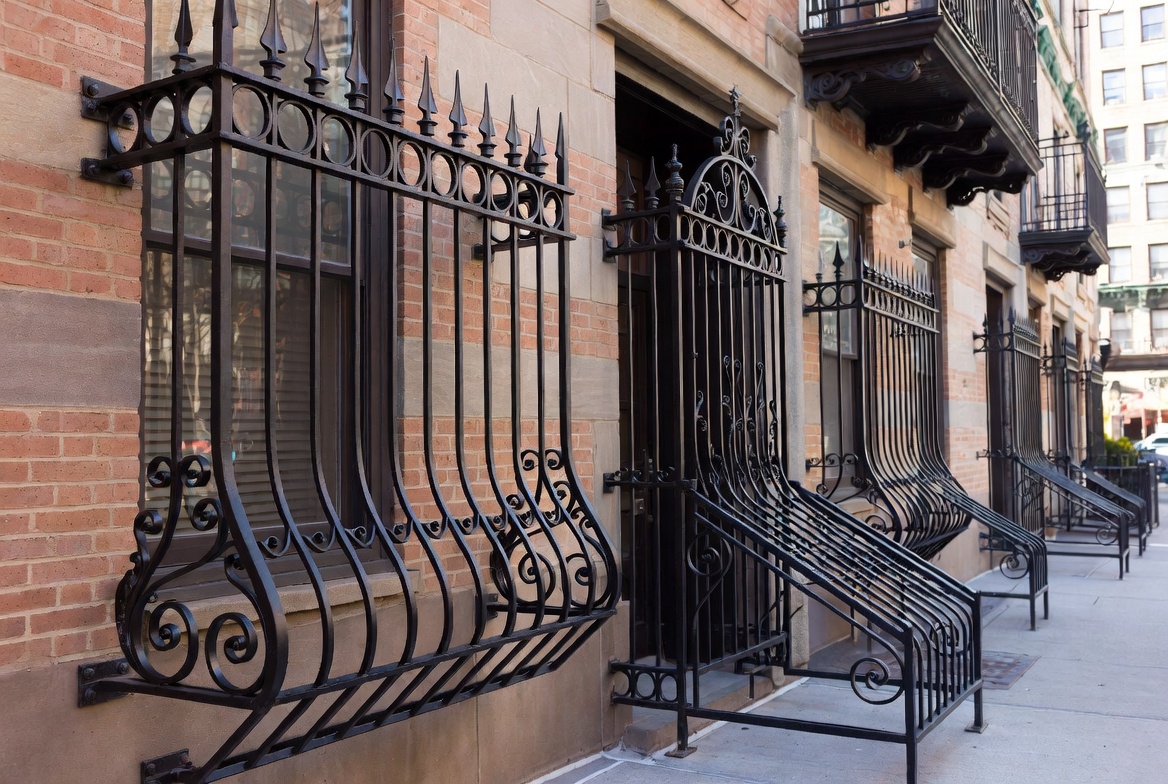
- Open-mesh or chain-link style grilles: These provide excellent visibility while maintaining reasonable security levels.
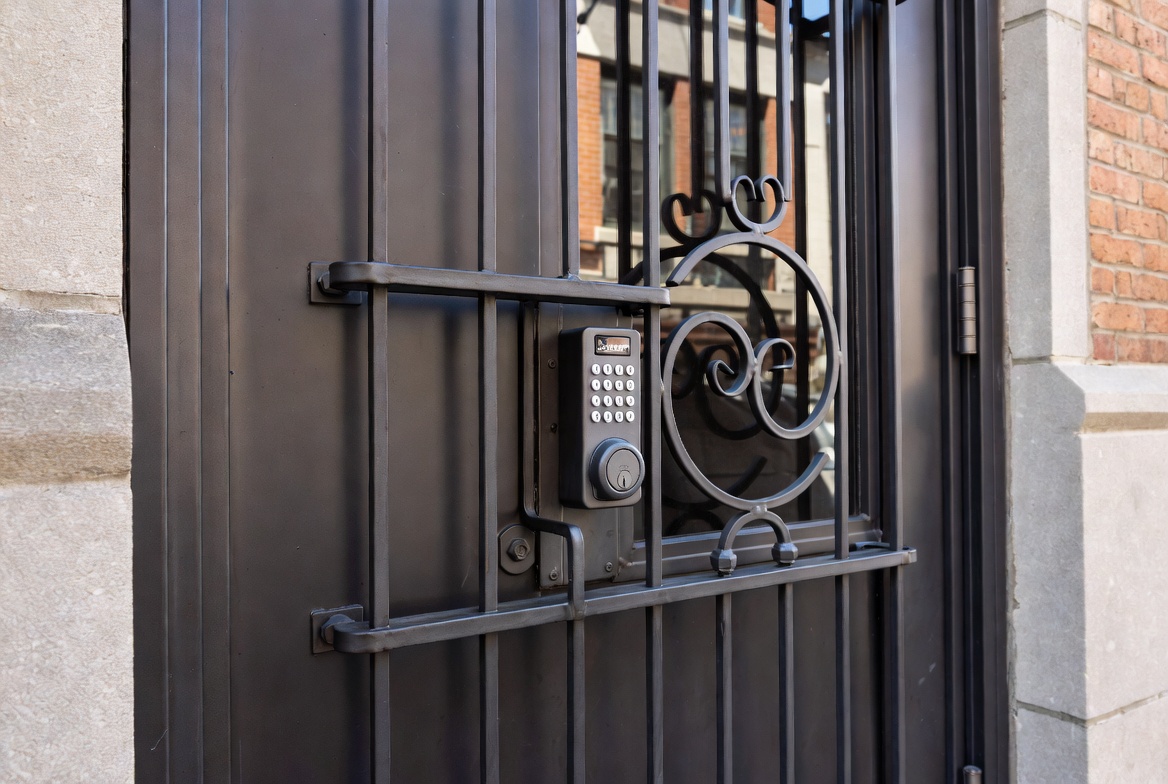
- Open-bar grilles: Vertical or horizontal bar designs that offer both security and transparency.
- Perforated metal gates: Modern designs featuring precisely calculated hole patterns that achieve the required 70% visibility threshold.
- Clear polycarbonate or glass-infused designs: High-impact transparent materials that provide maximum visibility.
- Hybrid designs: Combinations of the above that meet the visibility standard while addressing security concerns.
Importantly, the law applies to both new installations and existing gates. Property owners cannot simply repair or repaint their current solid gates—they must be fully replaced with compliant alternatives.
The Financial Impact on Small Businesses
One of the most contentious aspects of the NYC storefront gate law is the significant cost of compliance. Industry estimates suggest that replacing a single standard storefront gate with a compliant transparent model can cost between $8,000 and $15,000, depending on size, material, and complexity.
For multi-unit buildings or businesses with multiple entrances, these costs can quickly multiply into the tens or even hundreds of thousands of dollars. This represents a substantial burden for small business owners already struggling with high operating costs in New York City.
Beyond the initial replacement cost, there are additional expenses to consider:
- Installation labor and potential structural modifications
- Permitting and inspection fees
- Possible reinforcement of building facades
- Temporary security measures during the transition period
Penalty Structure for Non-Compliance
The financial consequences of ignoring the law are significant and escalate quickly. According to the Department of Buildings:
- First offense: $250 civil penalty
- Subsequent violations: Up to $1,250 per violation
- Daily fines may apply for continued non-compliance
Beyond direct fines, outstanding DOB violations create additional complications. Properties with unresolved violations often face difficulties when owners attempt to sell, refinance, or secure new insurance coverage. These violations can remain on record and create long-term complications for building owners.
Current Legislative Efforts to Delay or Modify the Law
In response to concerns from the business community, several City Council members have begun advocating for either a delay in enforcement or modifications to the existing requirements. These efforts reflect the tension between the law’s public safety goals and the practical challenges facing small businesses.
As of now, no formal changes have been approved. Until legislation is passed and signed into law, the July 1 enforcement date remains in effect. Business owners should not assume that relief is guaranteed, as the legislative process can be unpredictable.
Advocates for delay argue that the 16-year phase-in period was insufficiently communicated to business owners, particularly those who purchased properties or opened businesses after the law was originally passed.
How to Check Your Property’s Compliance Status
Business and property owners should take immediate steps to understand their current situation. The most direct way to begin is by contacting NYC311, either through the website, mobile app, or by calling 311.
When inquiring, be prepared to provide your property address and details about existing security gates. DOB inspectors can provide guidance on whether your current setup complies with Local Law 75 or what specific changes are needed.
Property owners should also review their lease agreements, as many commercial leases assign responsibility for such upgrades to either the tenant or the landlord. This distinction can significantly impact who bears the financial burden of compliance.
Choosing the Right Compliant Gate System
When selecting a replacement for your existing solid gates, several factors should guide your decision:
Security Considerations
While transparency is now mandatory, security remains essential. Look for systems that balance visibility with protection against break-ins. Many modern transparent gates incorporate reinforced materials and sophisticated locking mechanisms that maintain security without sacrificing the required visibility.
Aesthetic Impact
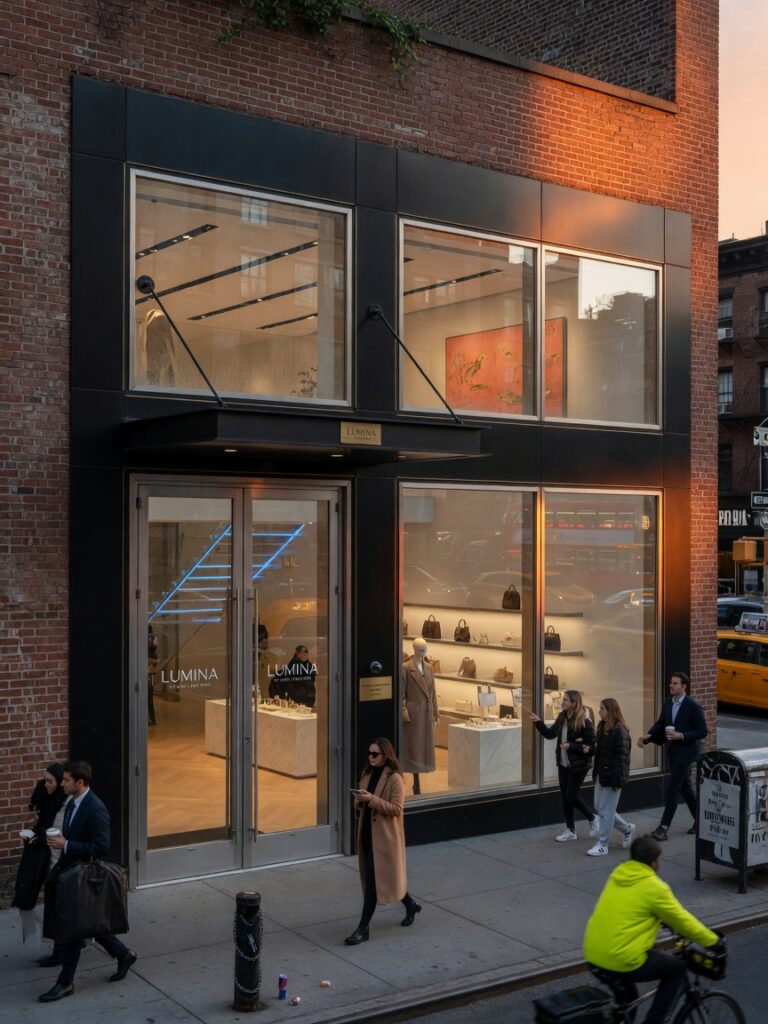
The transition from solid to transparent gates will dramatically change the nighttime appearance of many commercial streets. Business owners should consider how new gate designs align with their brand aesthetic and the overall character of their neighborhood.
Maintenance Requirements
Different gate materials and designs have varying maintenance needs. Factor in long-term maintenance costs when comparing options. Some transparent designs may require more frequent cleaning to maintain their appearance, particularly in high-traffic urban environments.
Insurance Implications
Consult with your insurance provider before making changes. Some insurers may offer premium adjustments based on the installation of approved security systems, while others may have specific requirements regarding gate types.
Timeline for Compliance and Best Practices
Given the approaching deadline and potential backlog of installations, business owners should act sooner rather than later. Industry experts recommend beginning the process immediately to avoid last-minute complications and potential installation delays.
A recommended timeline includes:
- Assess current gate configuration and compliance status
- Research and select compliant gate systems
- Obtain necessary permits and approvals
- Schedule professional installation
- Arrange for DOB inspection
The Broader Impact on NYC Neighborhoods
The enforcement of this law represents more than just a regulatory change—it will fundamentally alter the visual landscape of commercial districts across New York City. From Brooklyn’s vibrant shopping corridors to Manhattan’s bustling business districts, the shift toward transparent gates will create a more open and illuminated streetscape after dark.
Advocates argue this change will enhance pedestrian safety, reduce crime, and create a more welcoming environment for residents and visitors alike. Critics counter that the financial burden on small businesses may lead to closures or reduced services, potentially harming the very communities the law aims to protect.
Preparing Your Business for Compliance
Business owners should consider the following action steps:
- Document your current gate system with photographs and measurements
- Budget for the replacement costs and explore financing options
- Consult with architects or contractors experienced in NYC building codes
- Engage with local business associations to stay informed about potential legislative changes
- Communicate transparently with customers about any temporary disruptions during installation
Resources for NYC Business Owners
Several resources are available to help business owners navigate this transition:
- NYC311 portal for official compliance information
- Department of Buildings website for technical specifications
- Local business improvement districts (BIDs) for neighborhood-specific guidance
- Trade organizations representing building owners and retailers
Conclusion: Balancing Safety, Security, and Small Business Reality
The enforcement of Local Law 75 represents a significant moment for New York City’s commercial landscape. While the goals of reducing graffiti and enhancing public safety are commendable, the implementation presents real challenges for small business owners already operating on thin margins.
As the July 1, 2026 deadline approaches, the coming months will likely see continued debate in City Hall, increased activity from contractors specializing in compliant gate systems, and a gradual transformation of storefronts across the five boroughs.
Business and property owners who take proactive steps now will be best positioned to navigate this regulatory change successfully. By understanding the requirements, exploring compliant options, and engaging with the ongoing legislative conversation, NYC’s business community can work toward solutions that balance safety, security, and economic reality.
Whether the law ultimately undergoes modification or remains as written, one thing is clear: the era of solid metal storefront gates in New York City is coming to an end. The businesses that prepare effectively will not only avoid penalties but may also discover that transparent, modern security solutions can enhance rather than detract from their street presence.
This article will be updated as new information becomes available regarding potential legislative changes to the NYC storefront gate law.