Commercial Door Installation Mistakes NYC Businesses Make (And How to Avoid Them)
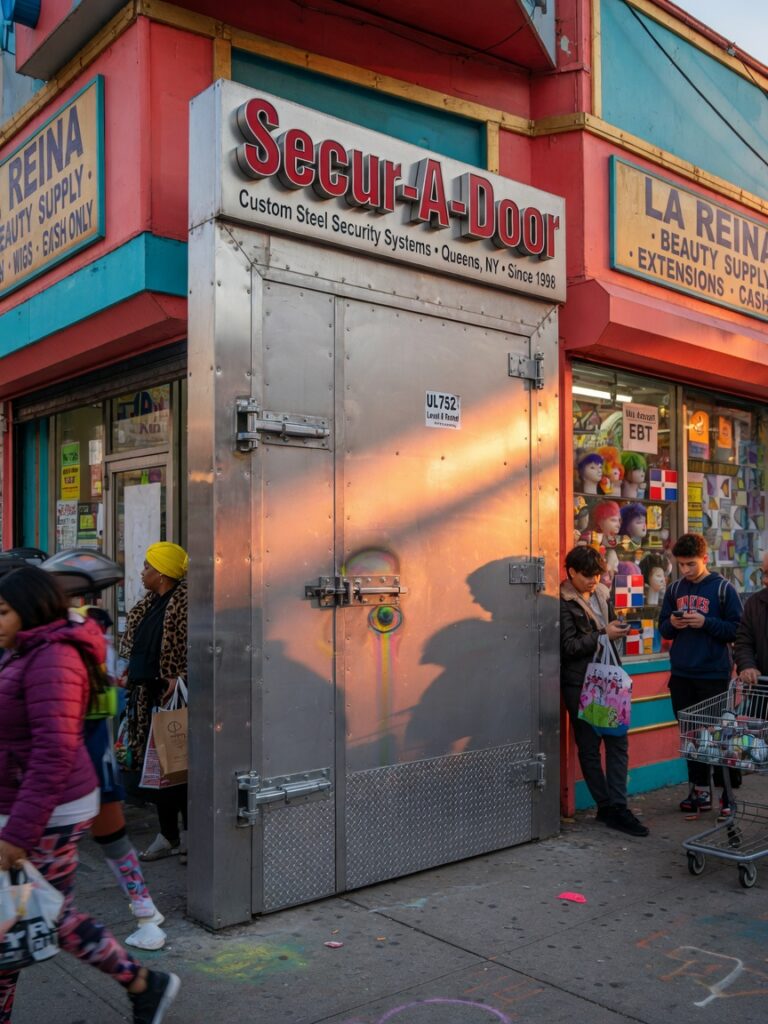
In the fast-paced environment of New York City, commercial doors and storefronts take a beating. Between heavy pedestrian traffic, harsh weather cycles, and strict building codes, your doors must perform flawlessly every single day. Yet every year, building owners and property managers across the five boroughs and Westchester/Yonkers pay dearly for preventable commercial door installation mistakes.
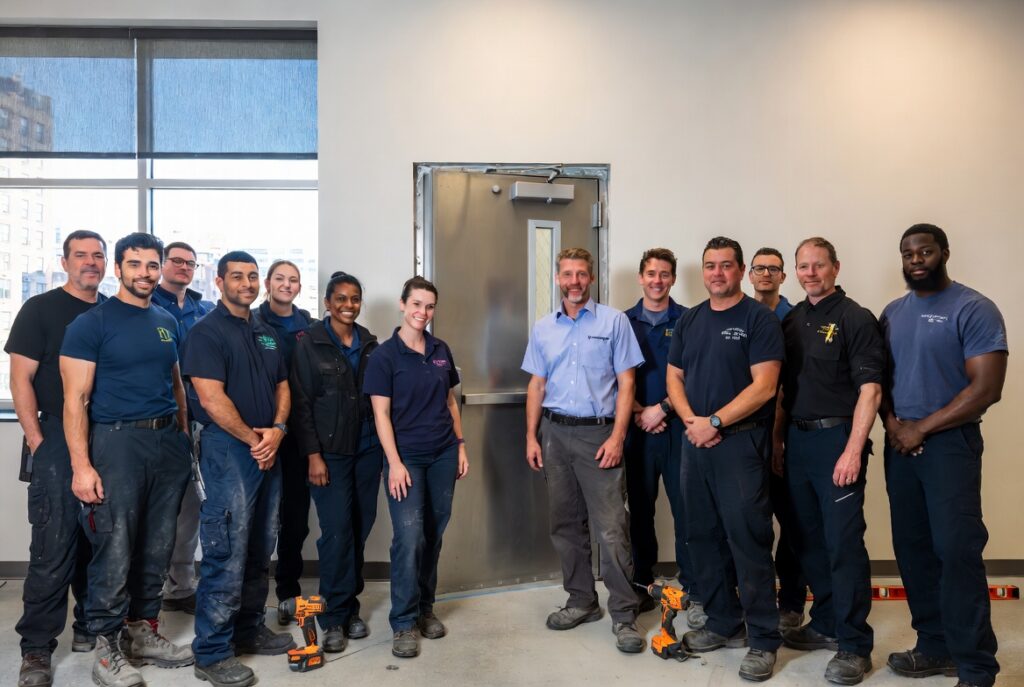
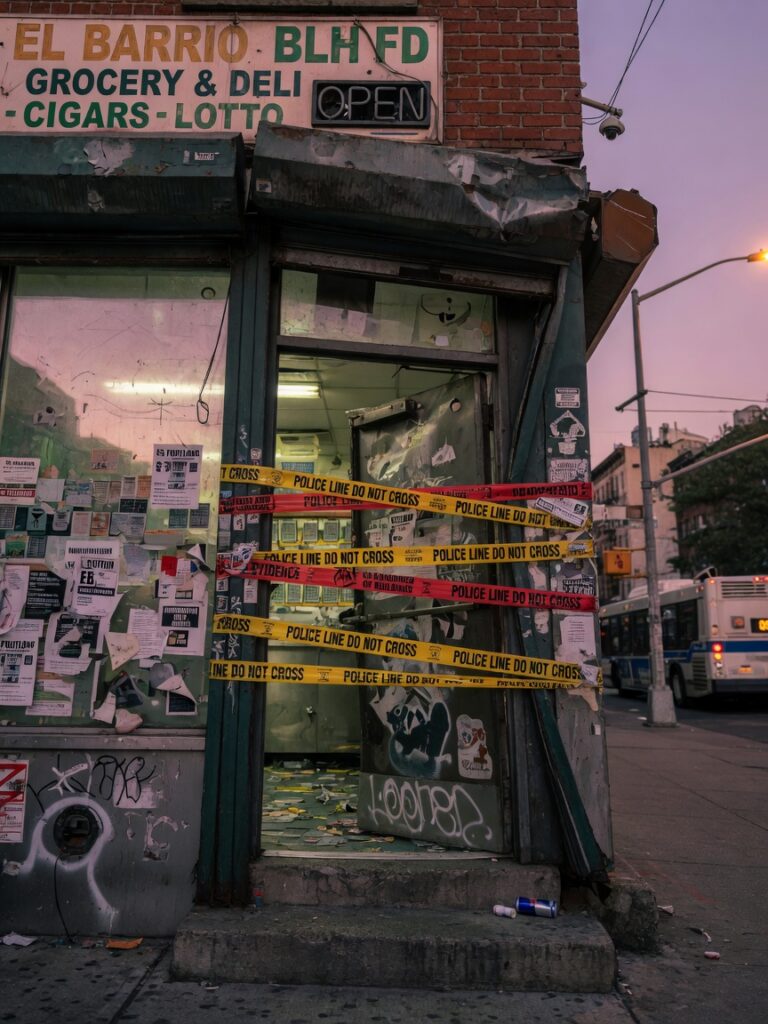
From hidden code violations that trigger Department of Buildings (DOB) violations to energy-wasting gaps that inflate Con Edison bills, these errors cost businesses far more than the original installation price. After 40+ years of specializing in correcting other companies’ work, our team has seen the same costly mistakes repeated across Manhattan, Brooklyn, Queens, Bronx, and Staten Island.
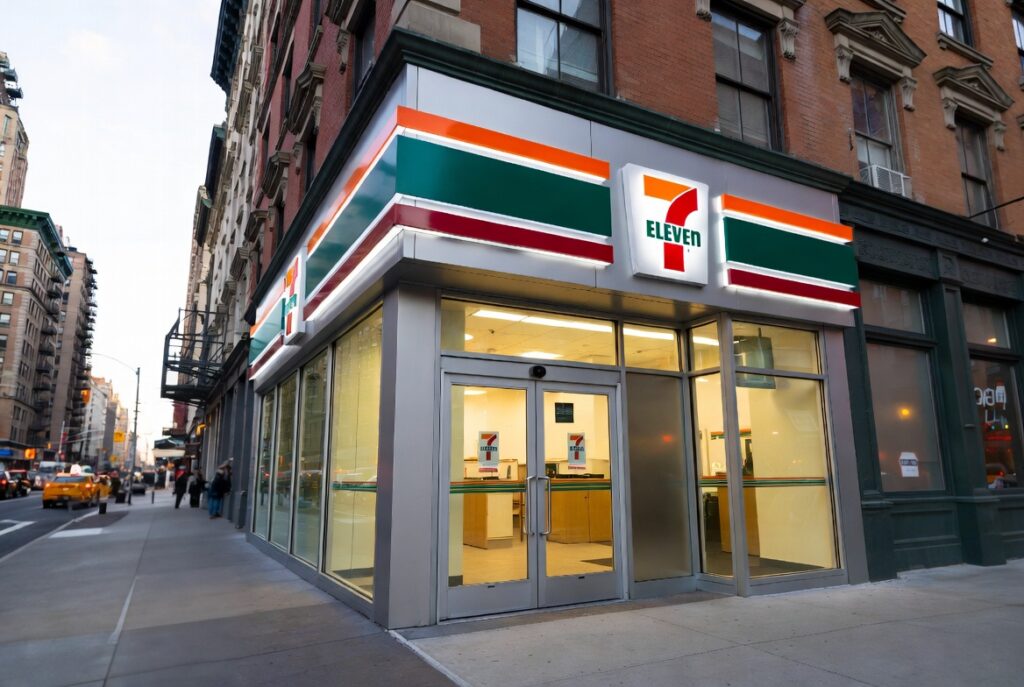
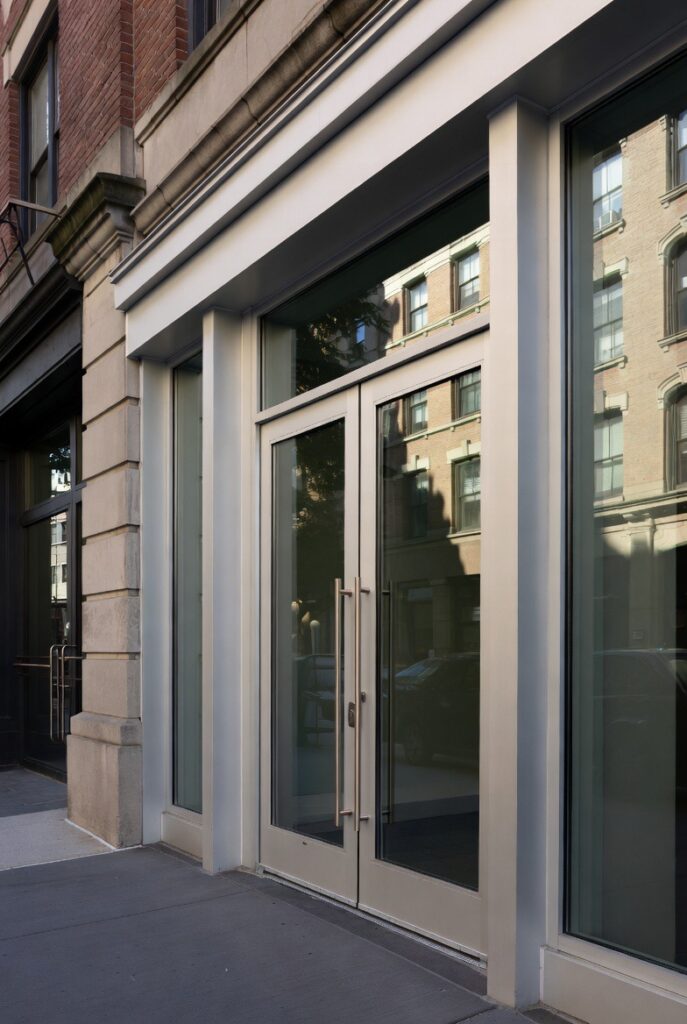
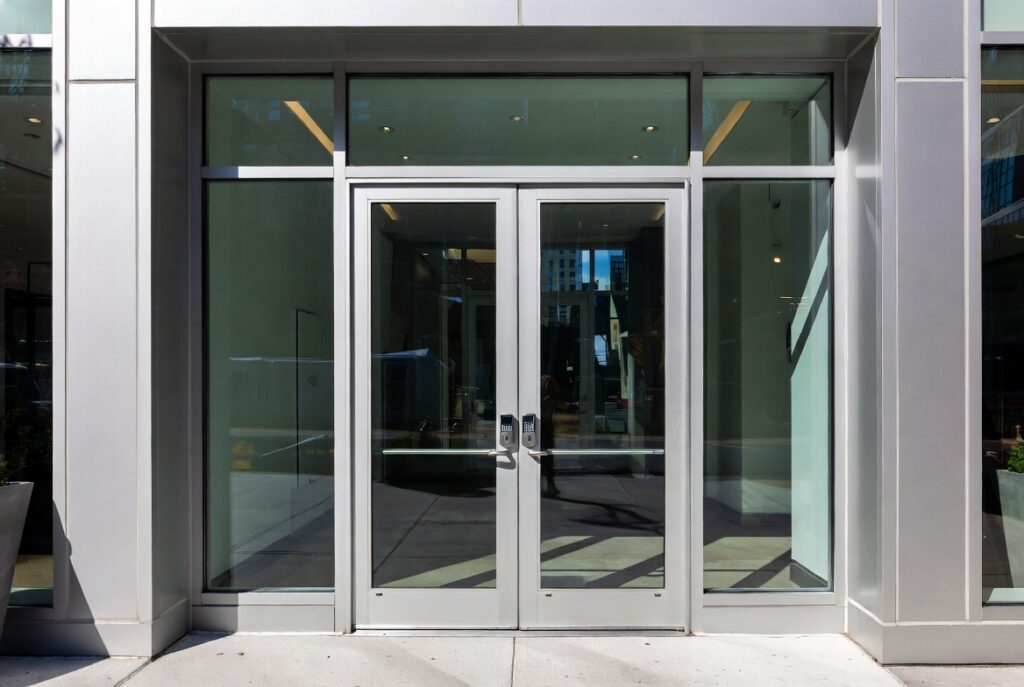
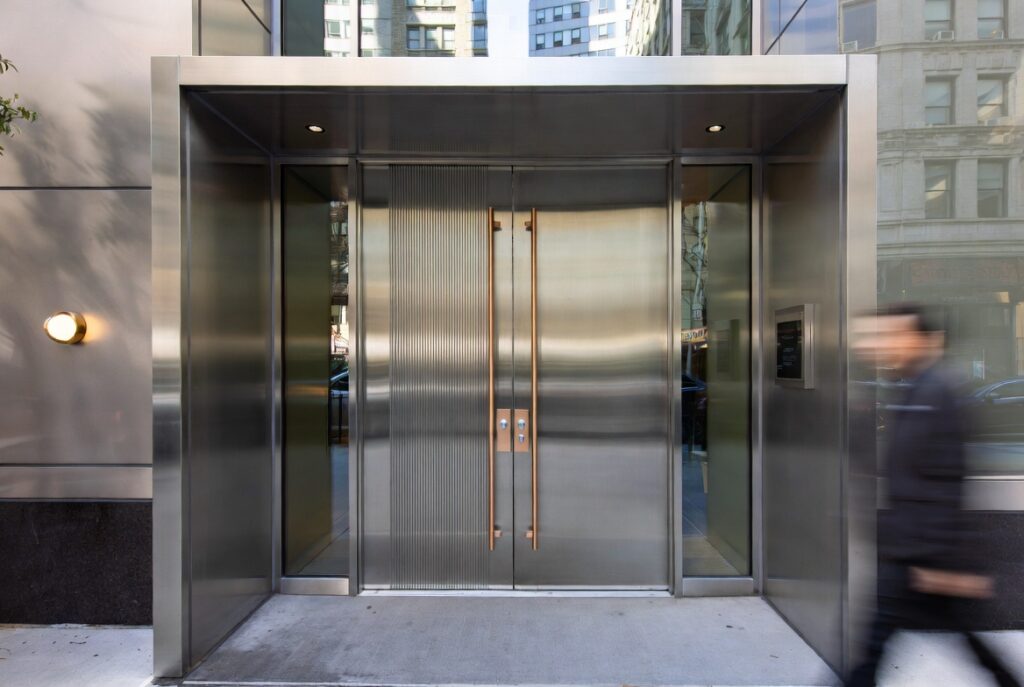
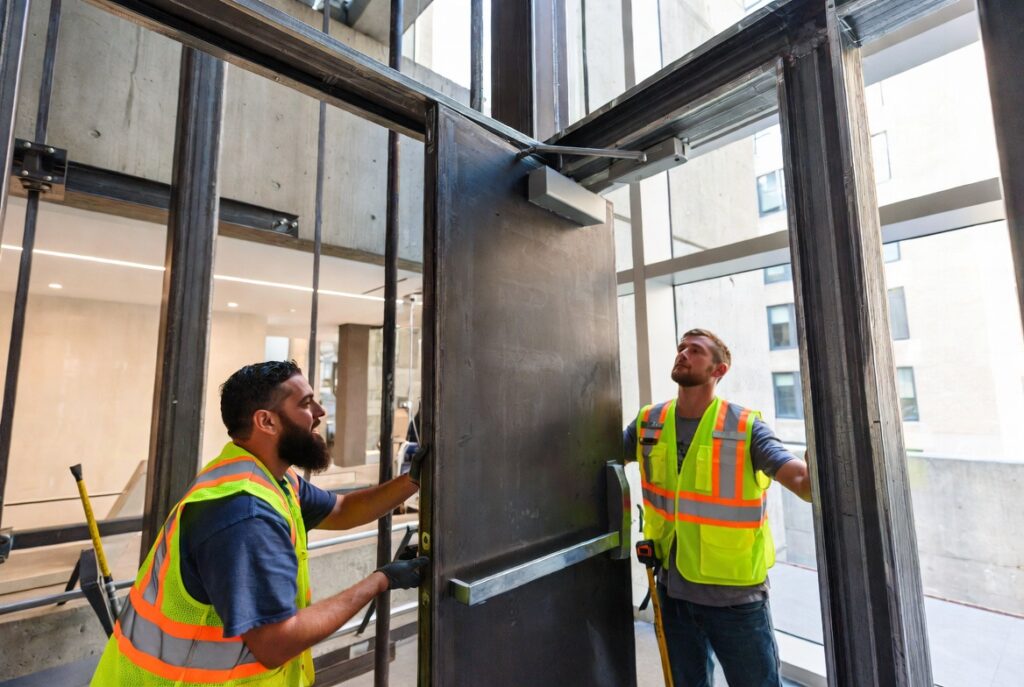
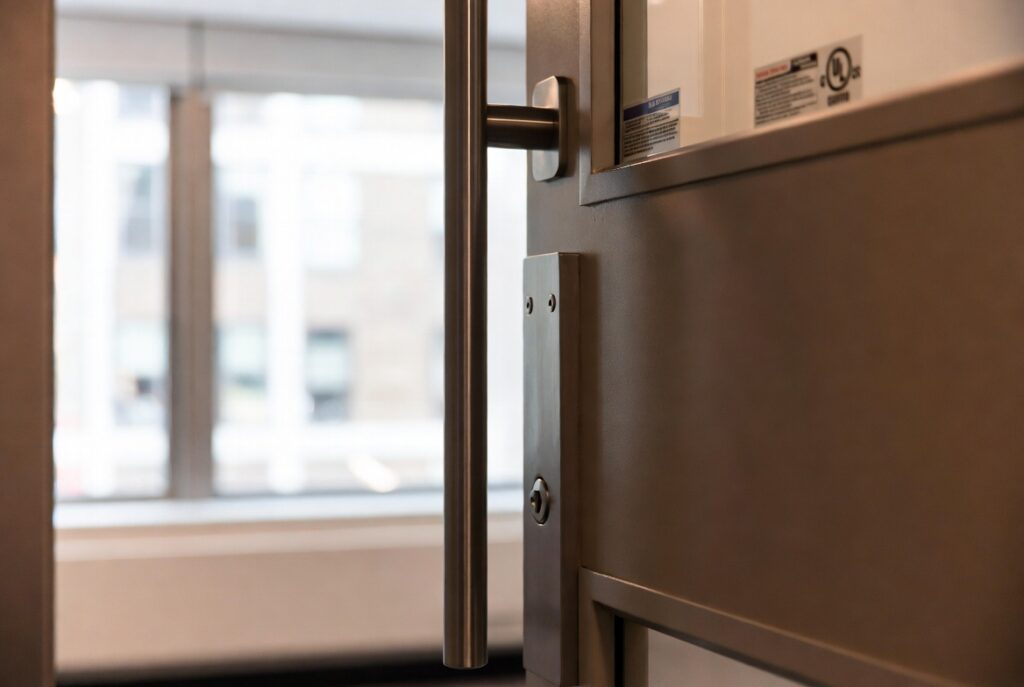
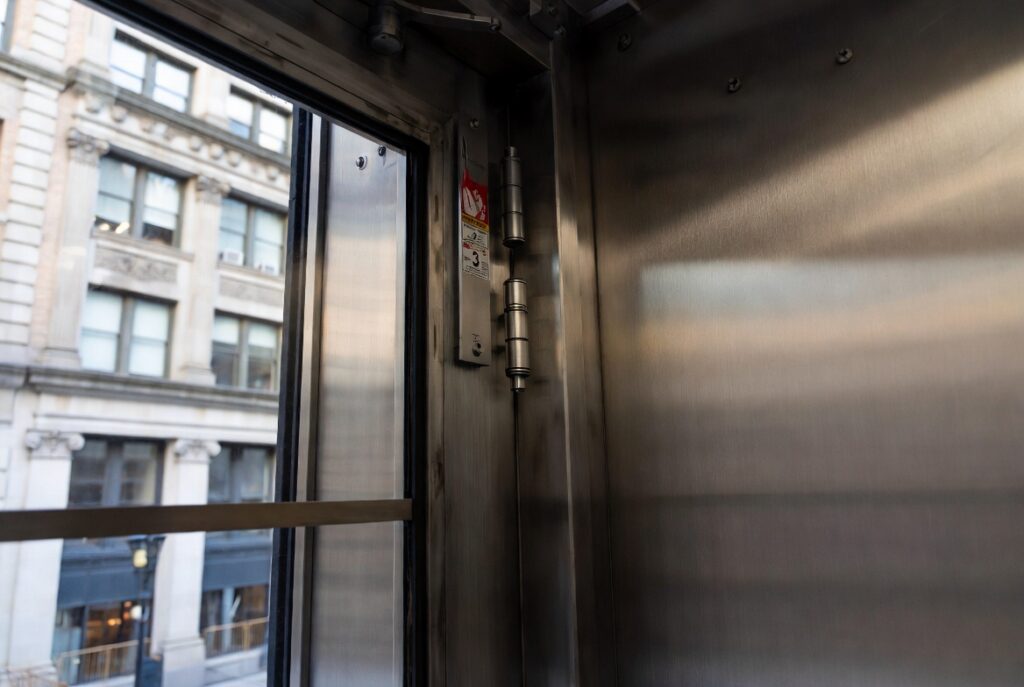
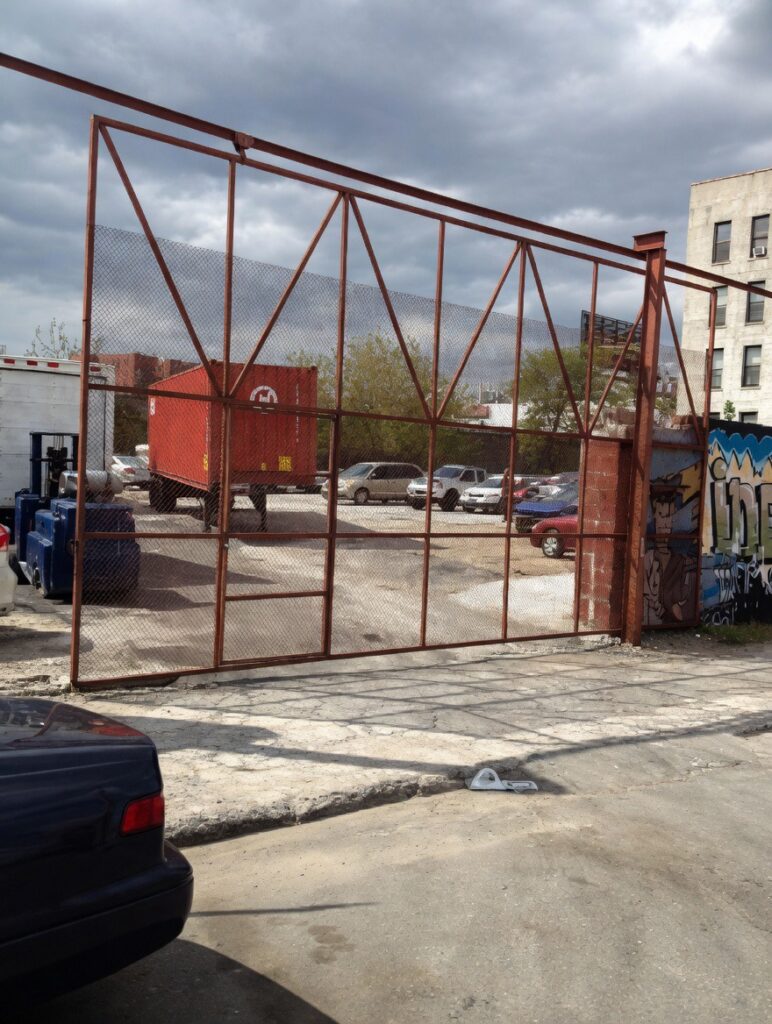
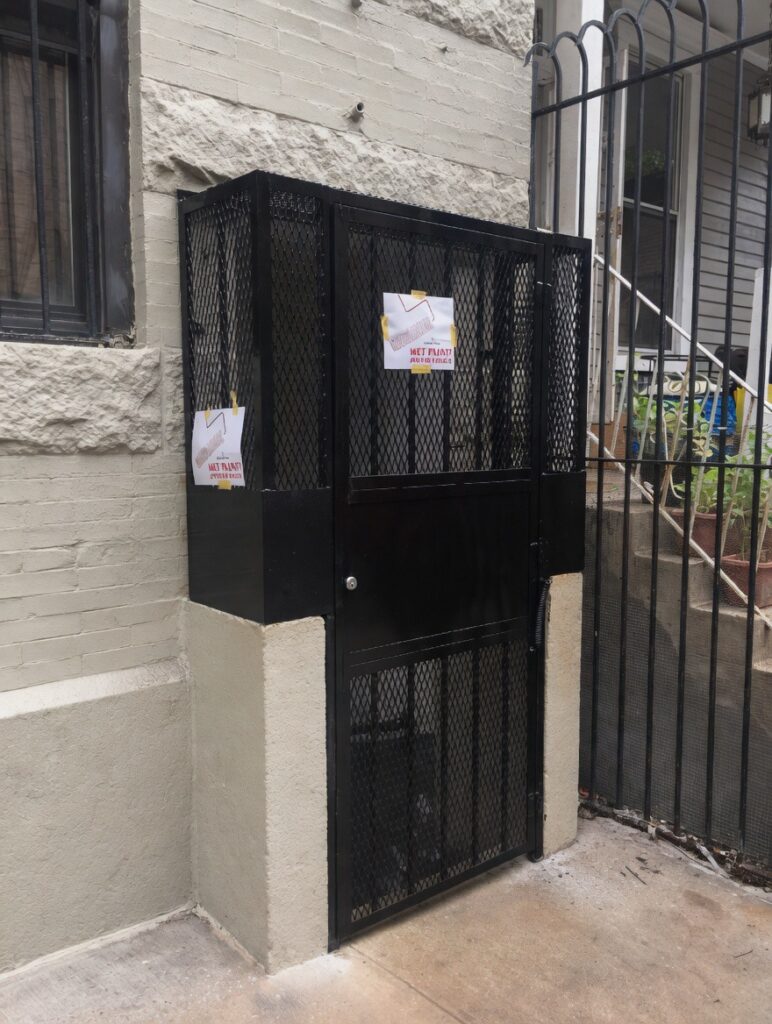
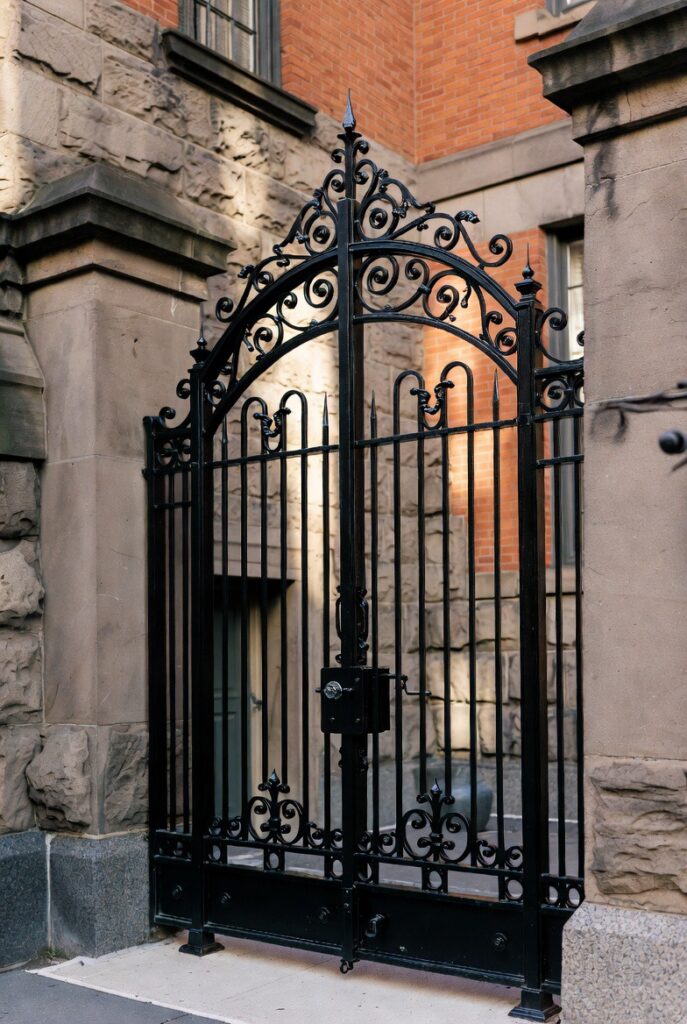
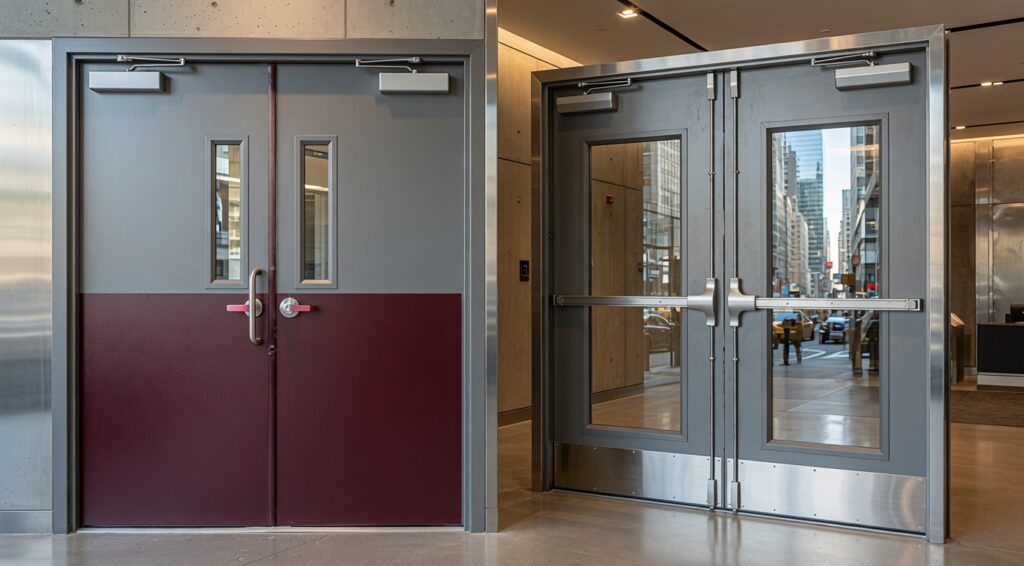
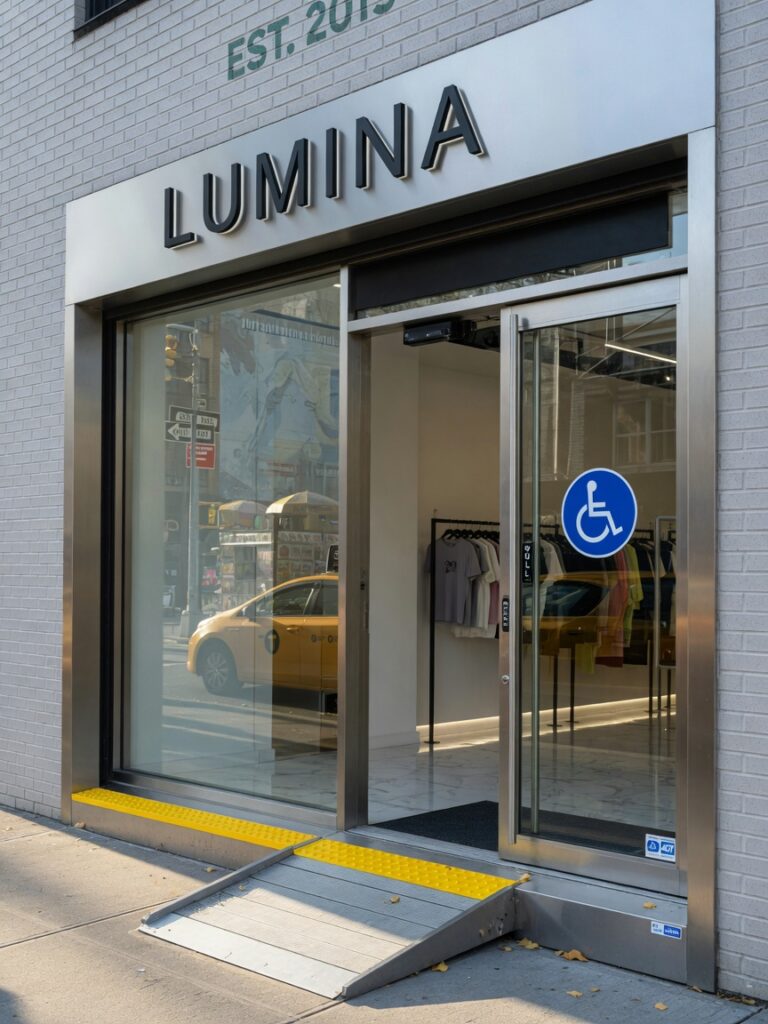
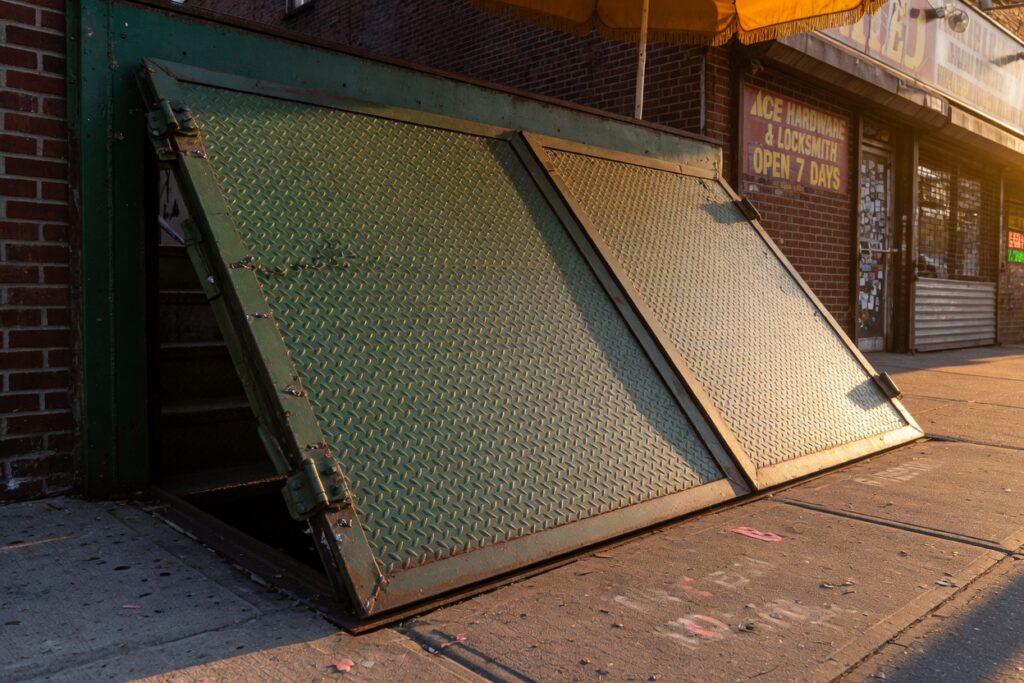
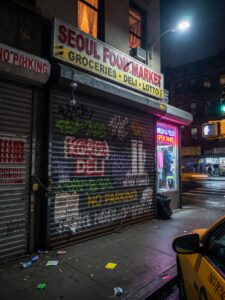
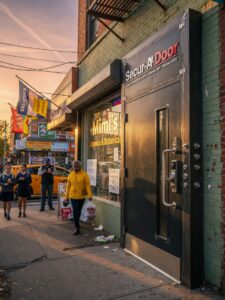
Image Grid 1
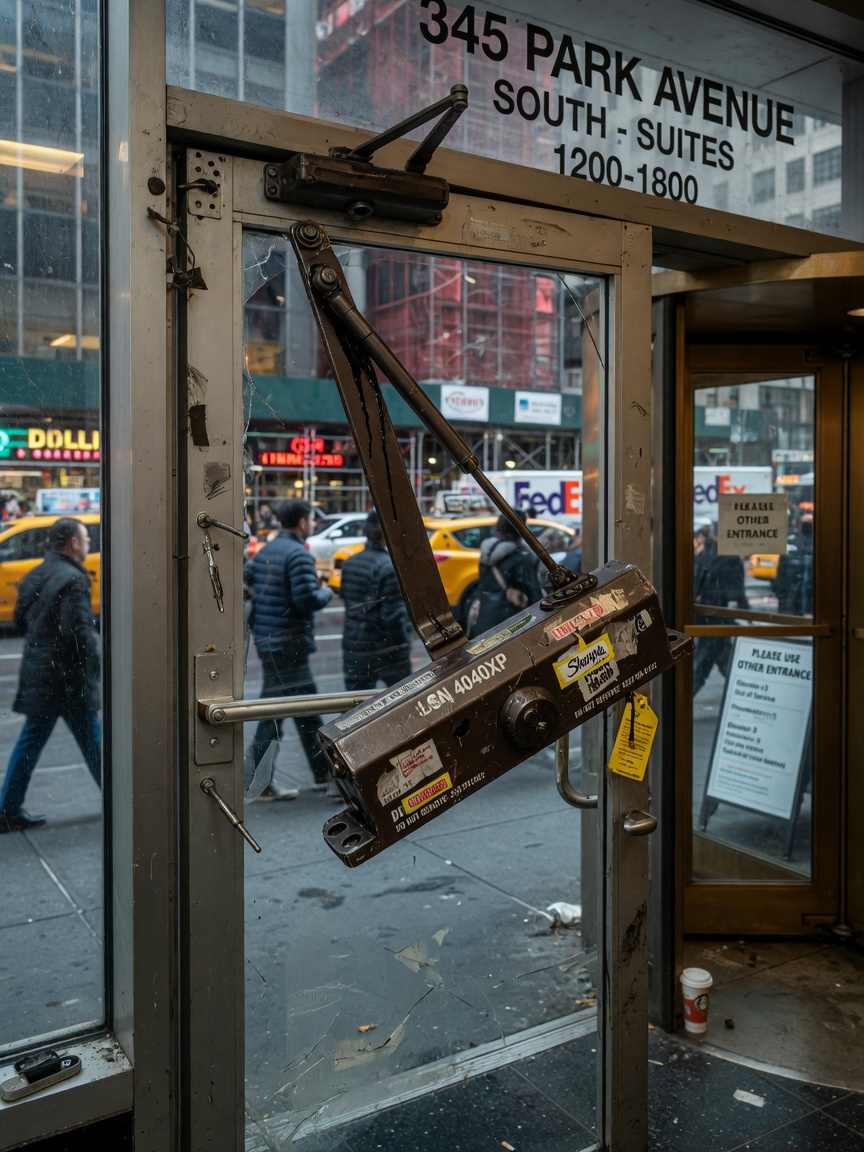
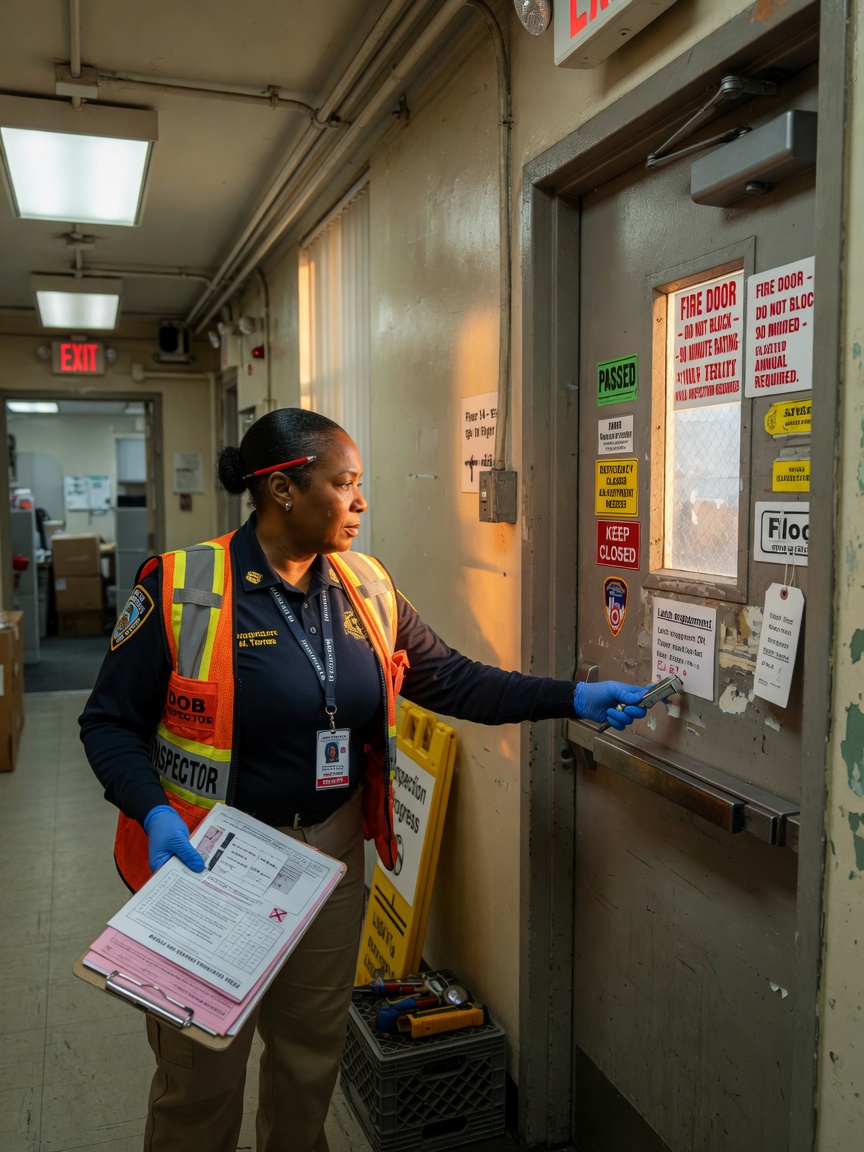
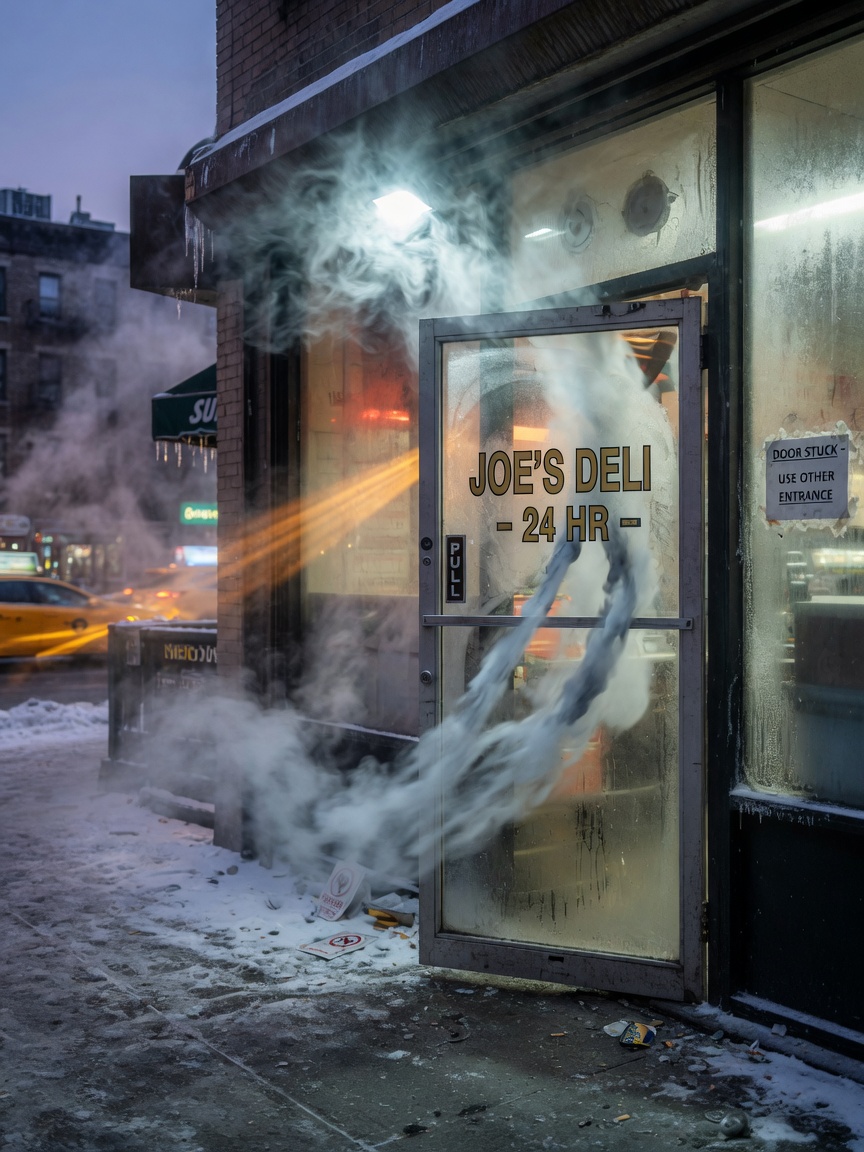
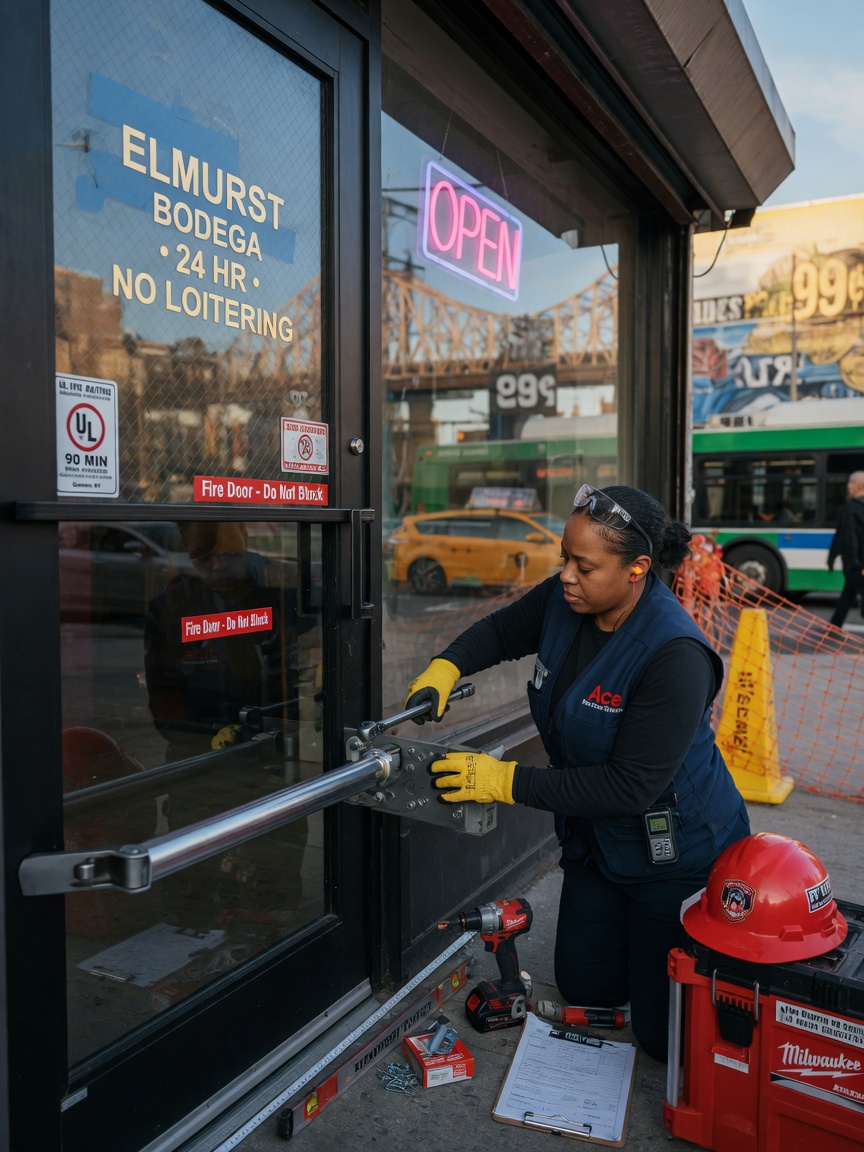
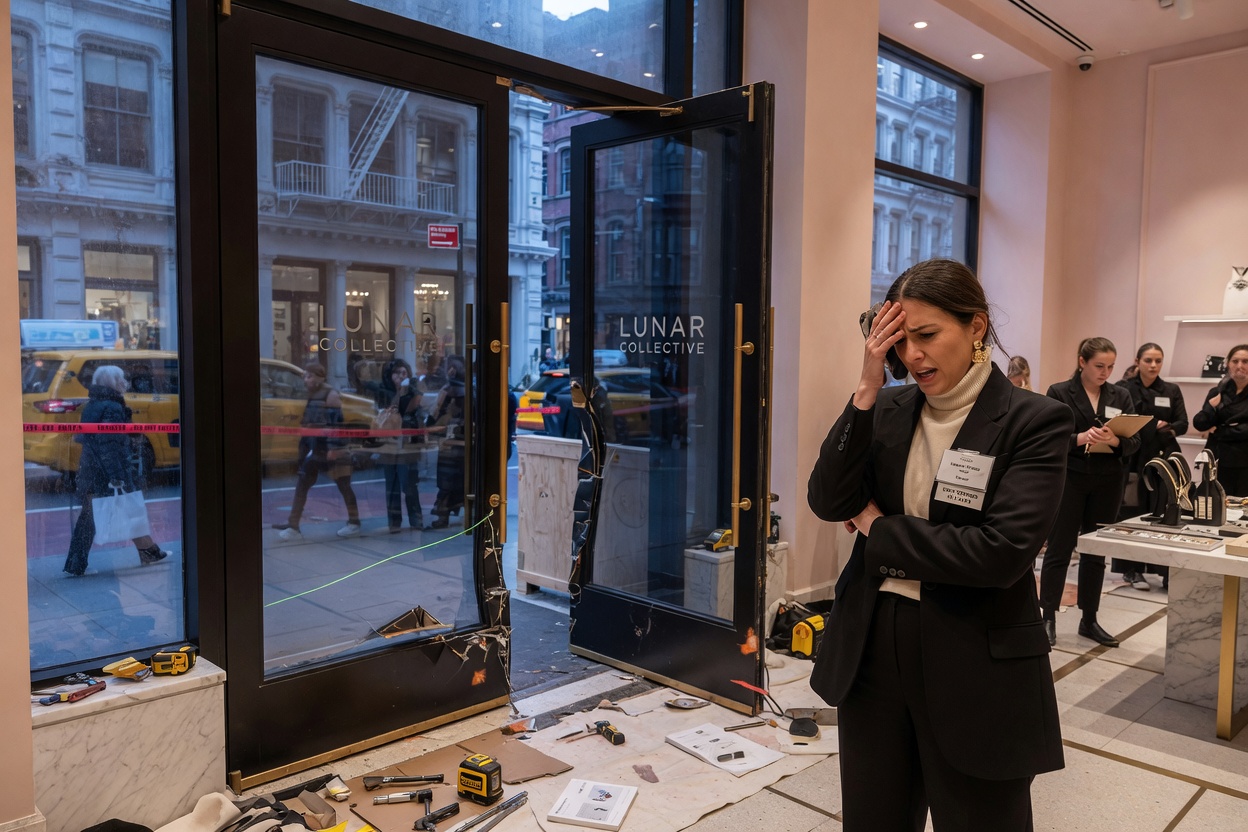
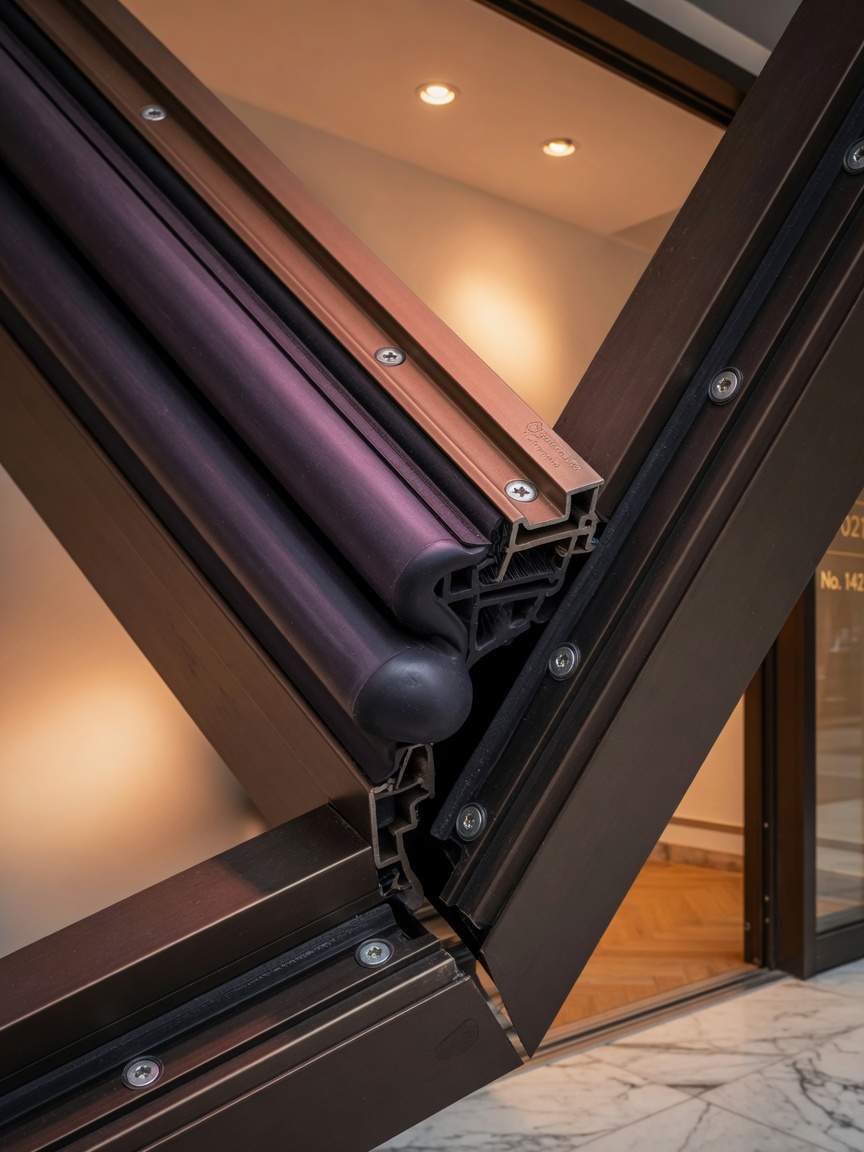
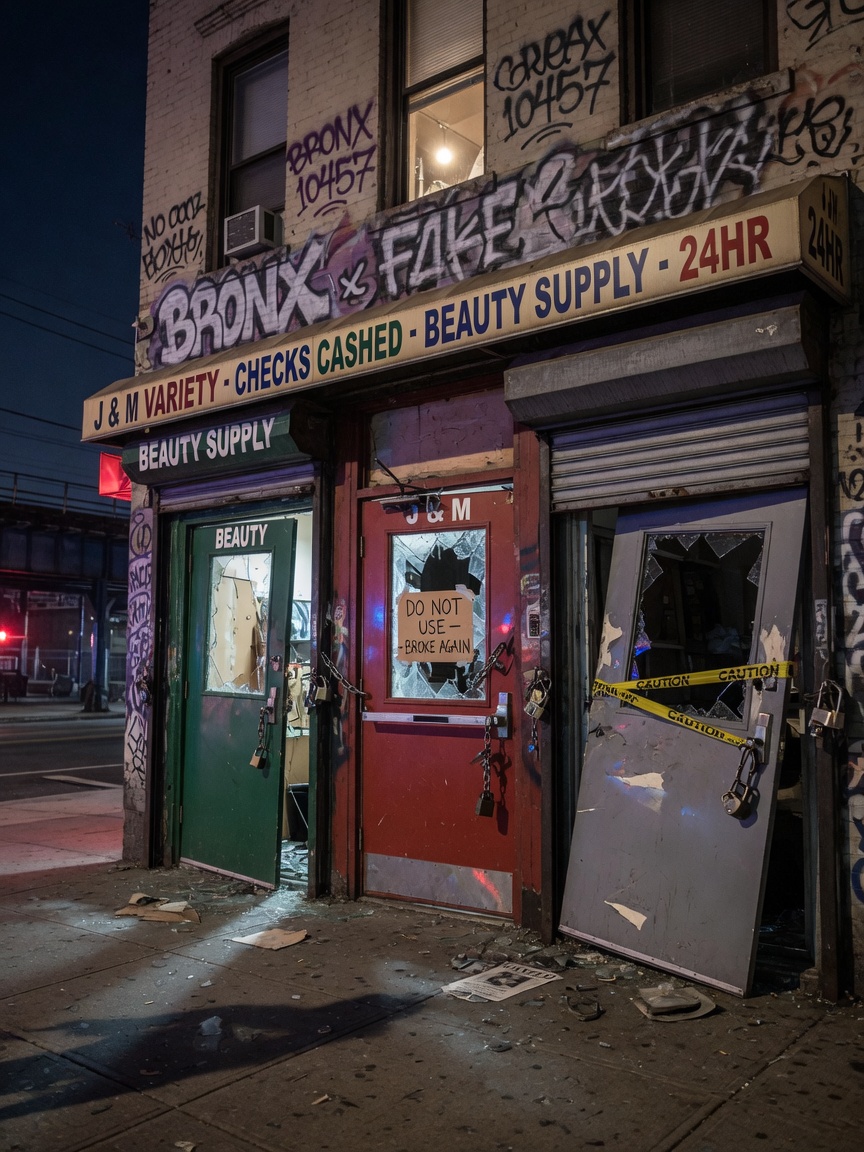
This comprehensive guide reveals the six most expensive commercial door installation mistakes NYC businesses make and, more importantly, shows you exactly how experienced professionals prevent them before they become expensive problems.
Skipping Proper Site Measurement and Frame Evaluation
The single most common commercial door installation mistake in NYC is inadequate site measurement and existing frame assessment. In a city where buildings range from pre-war structures to brand-new high-rises, no two openings are exactly alike.
Why NYC Buildings Present Unique Measurement Challenges
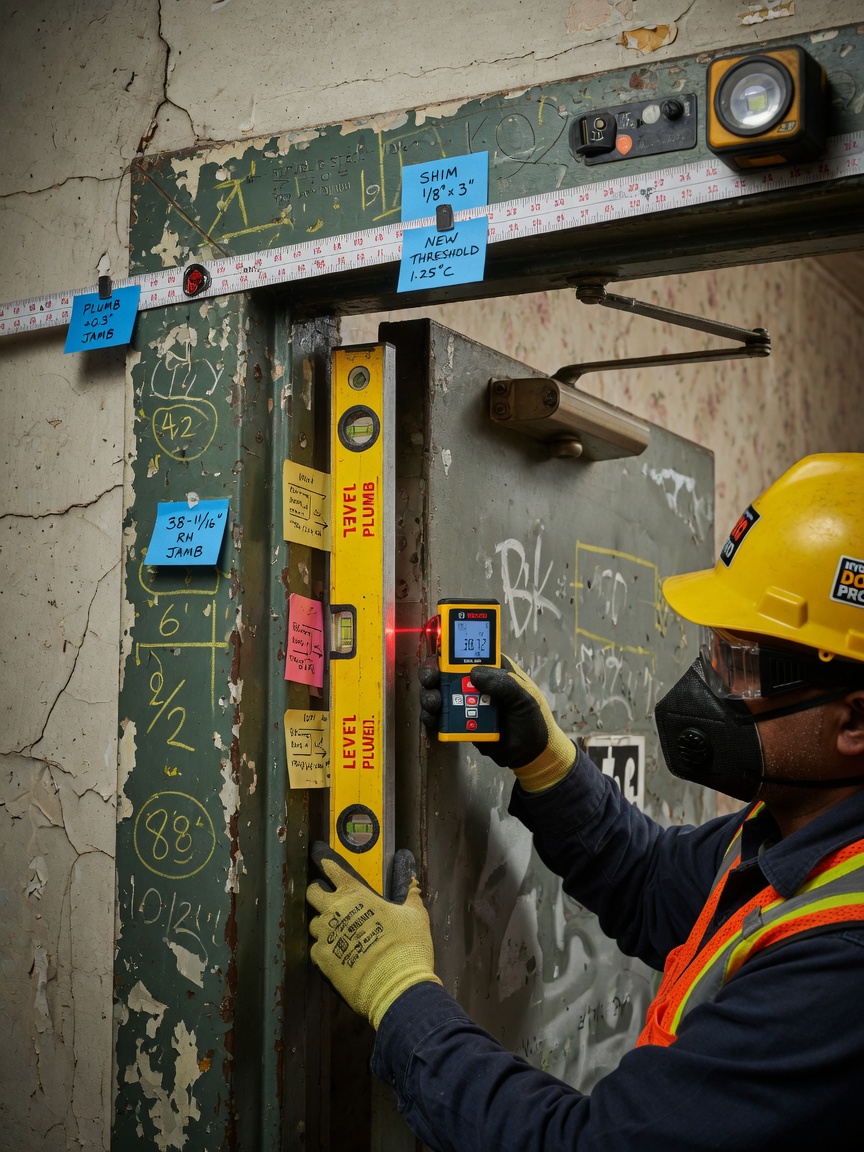
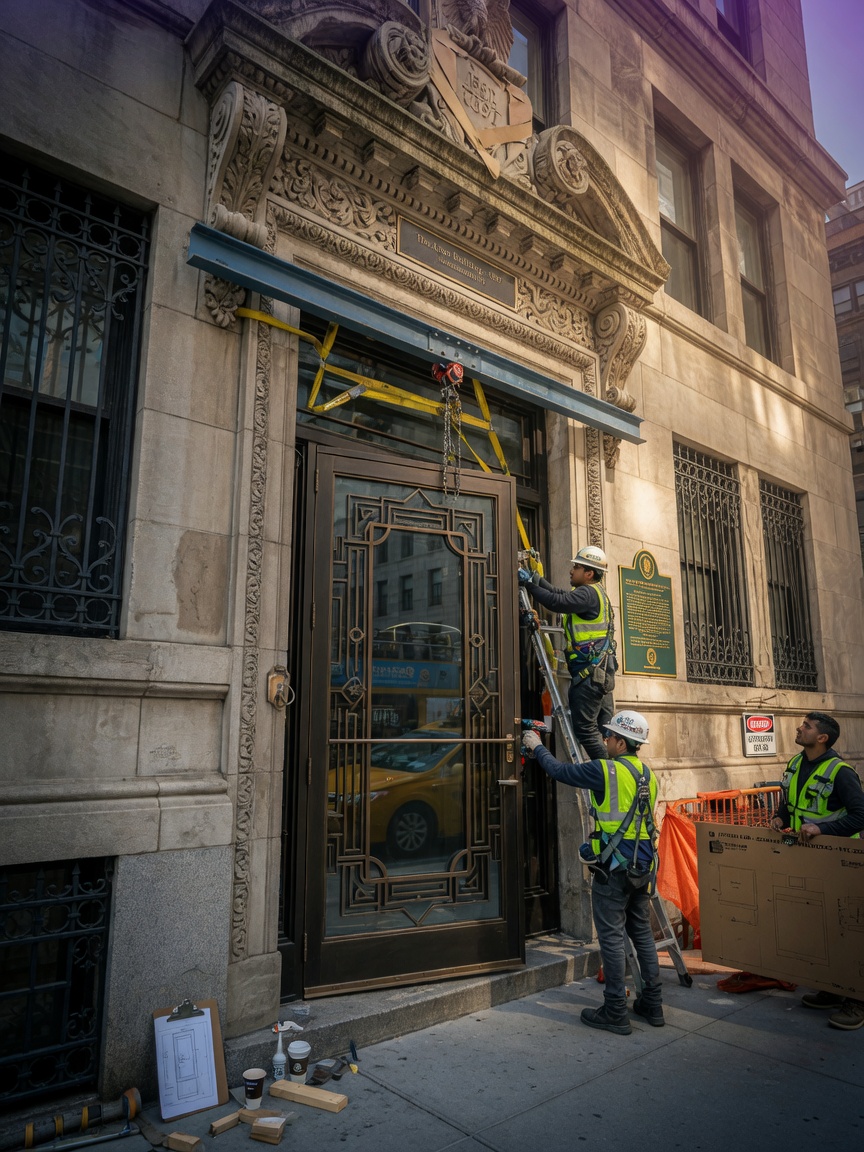
Older Manhattan and Brooklyn buildings often have settled frames that are no longer perfectly square. Newer constructions in Hudson Yards or Long Island City may have structural steel that creates clearance issues not visible to the untrained eye. Simply measuring width and height is never enough.
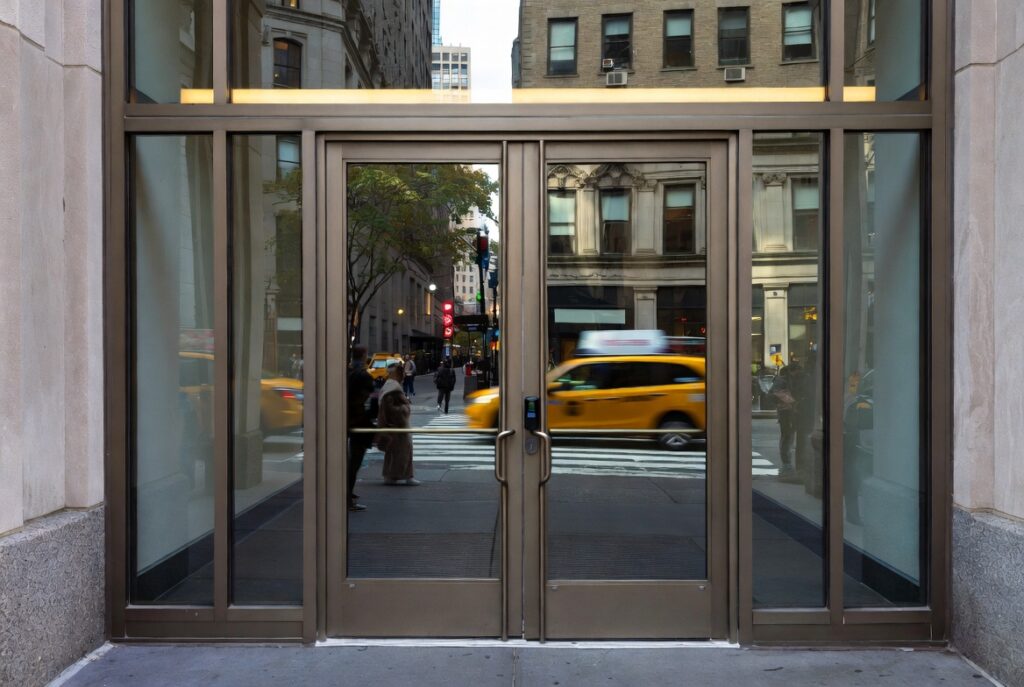
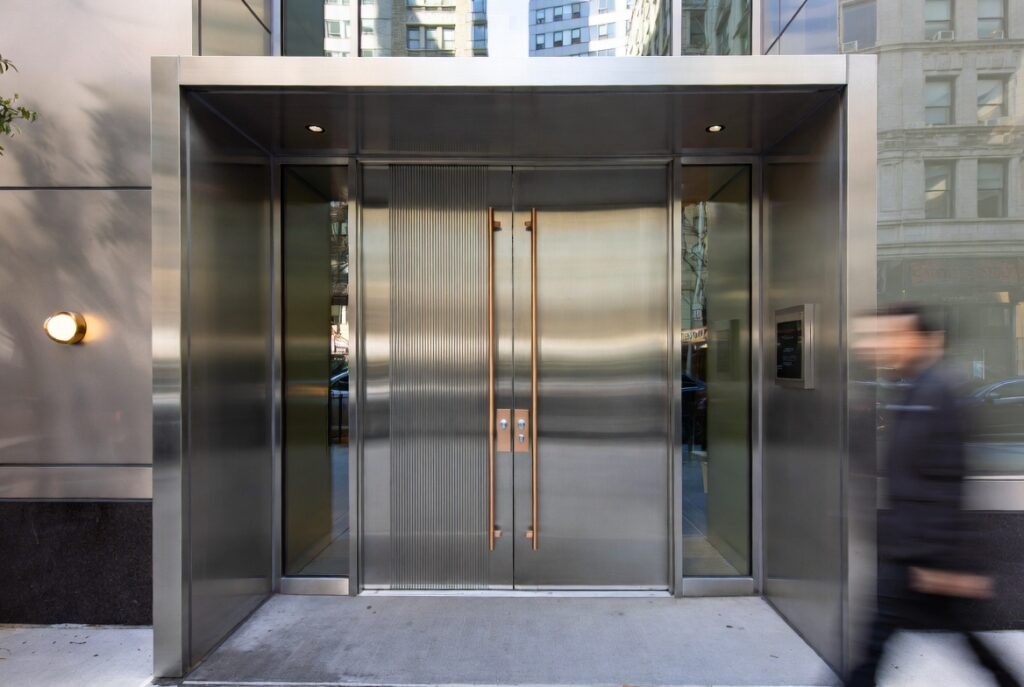
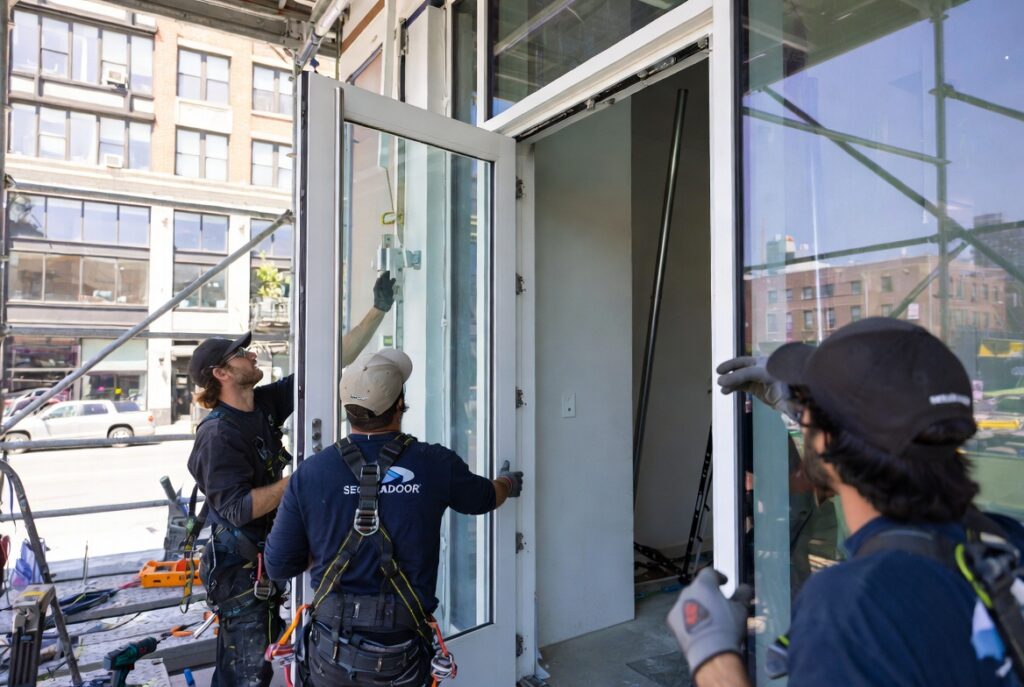
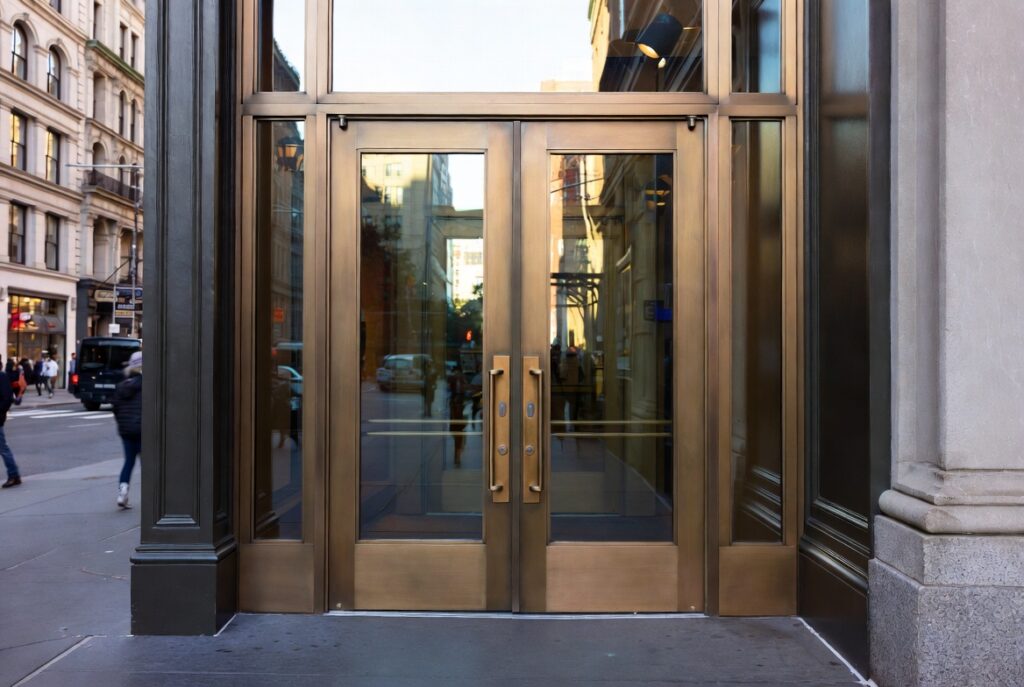
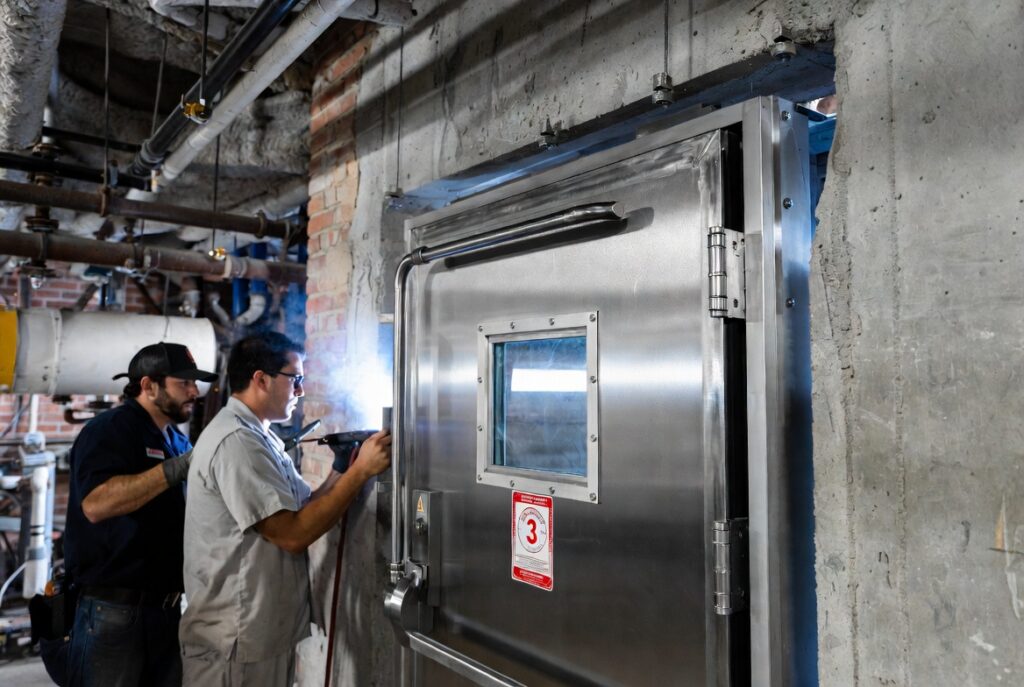
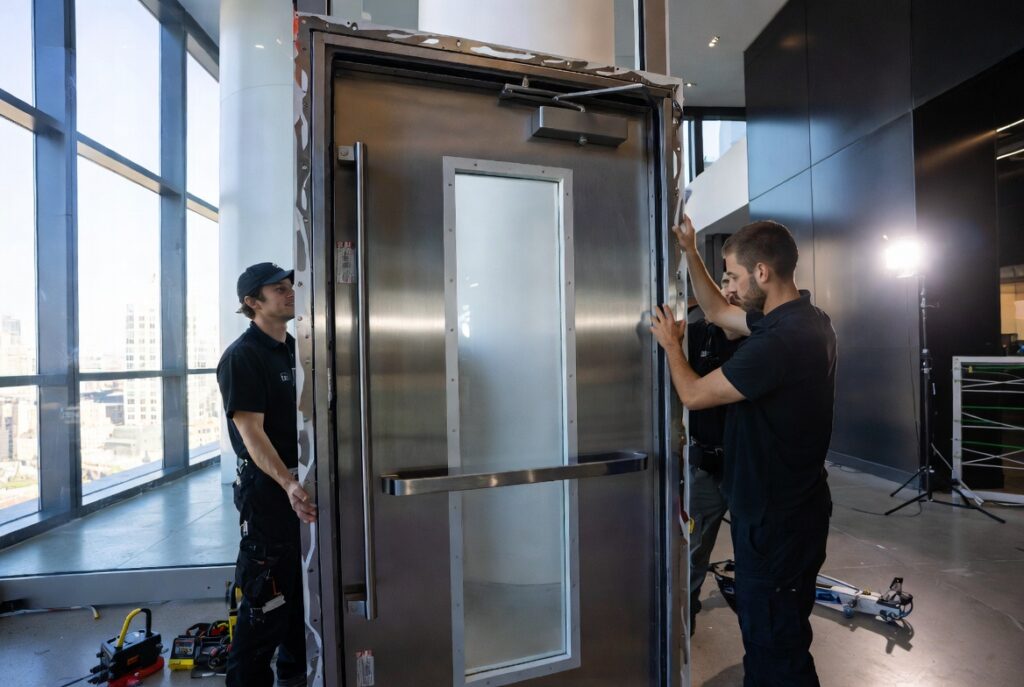
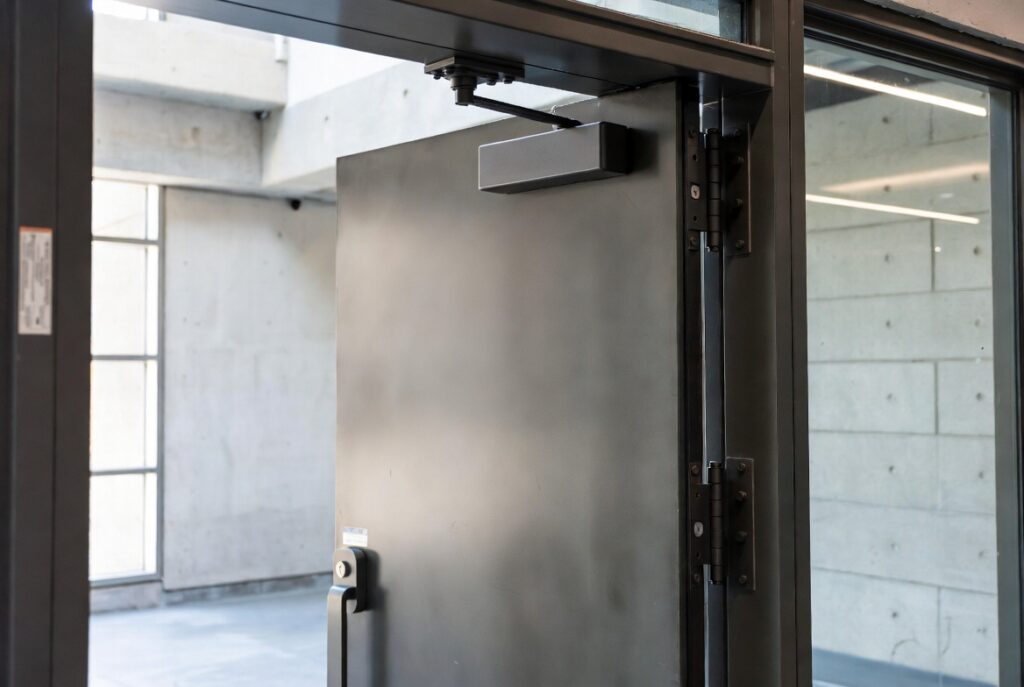
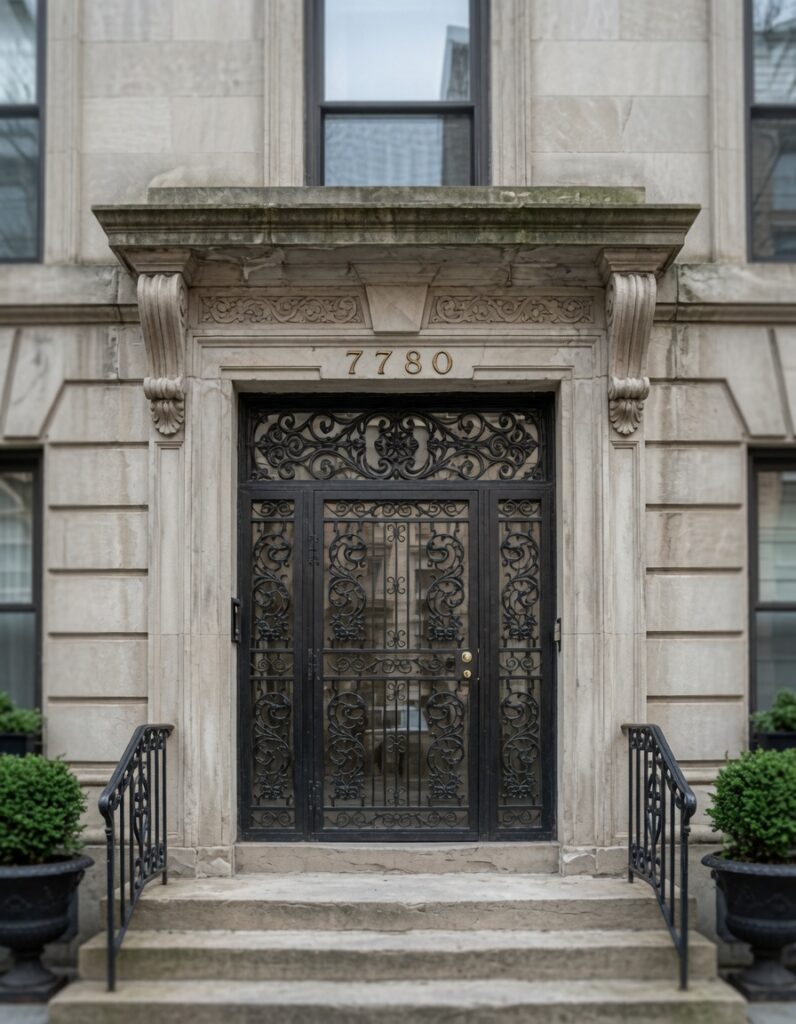
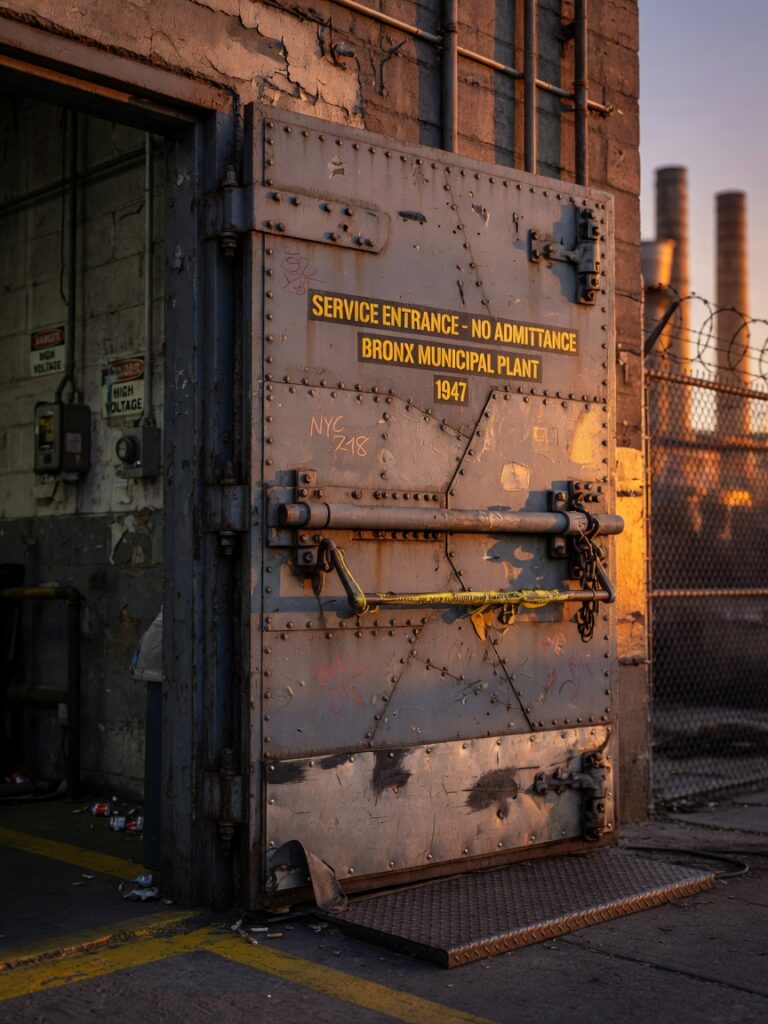
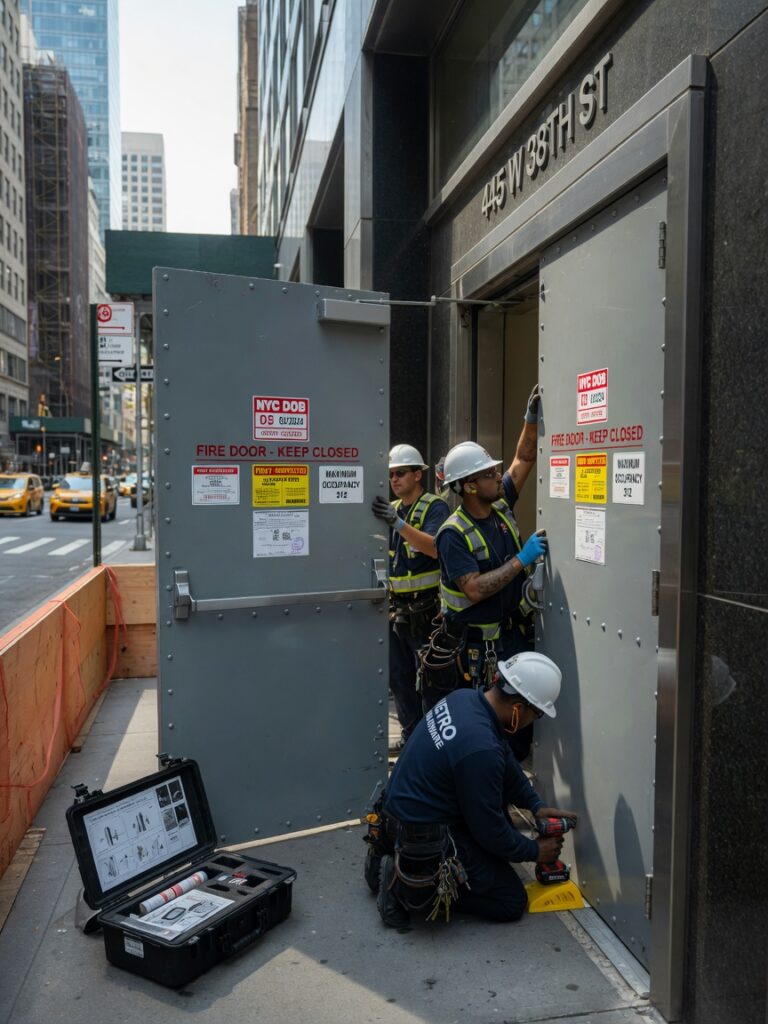
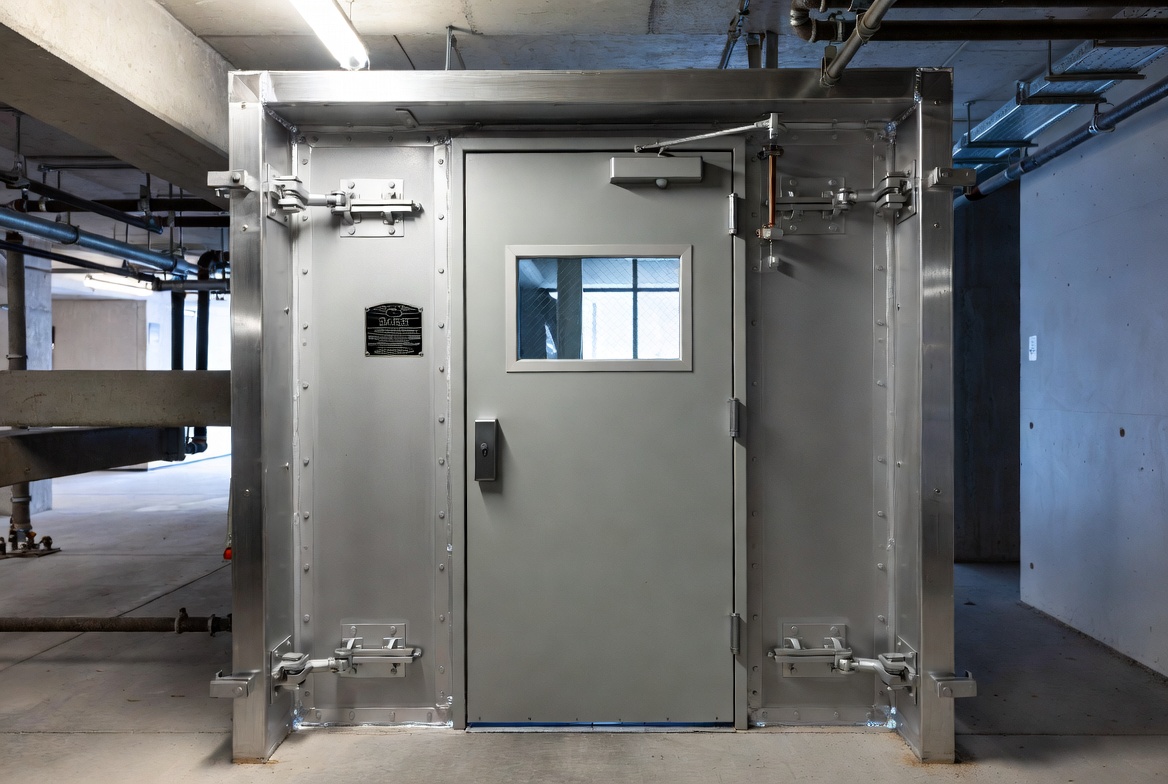
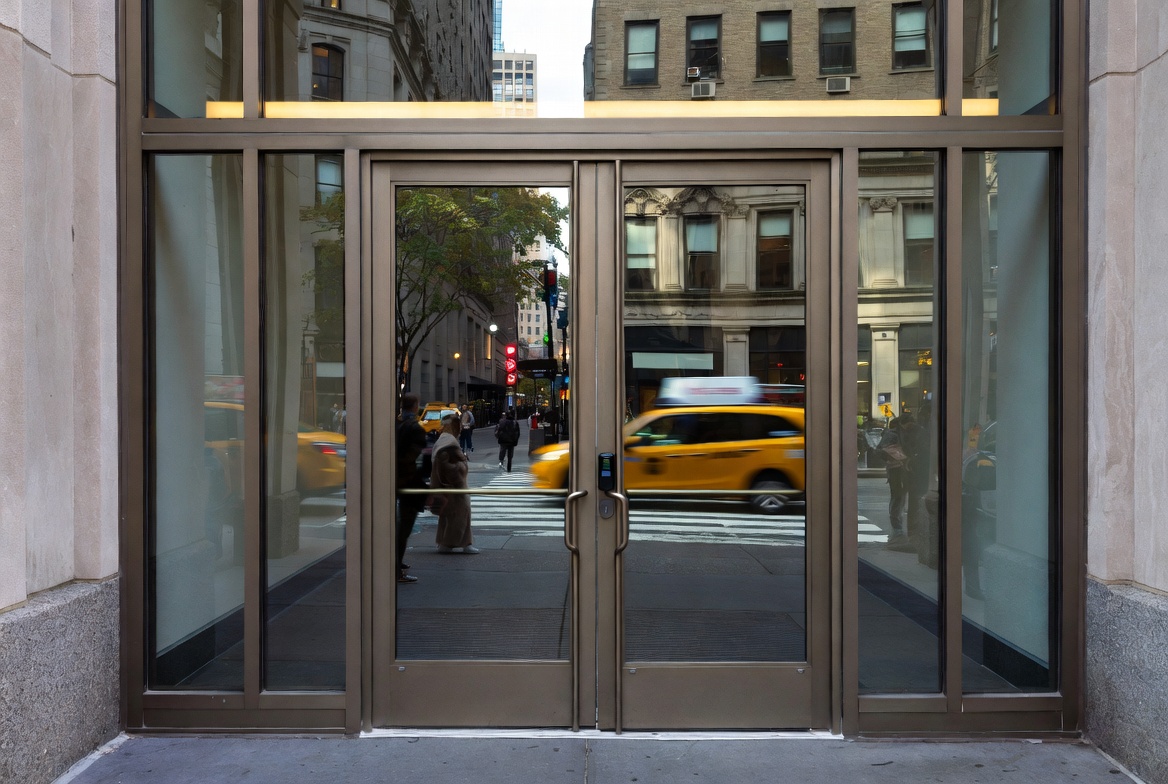
Image Grid 2

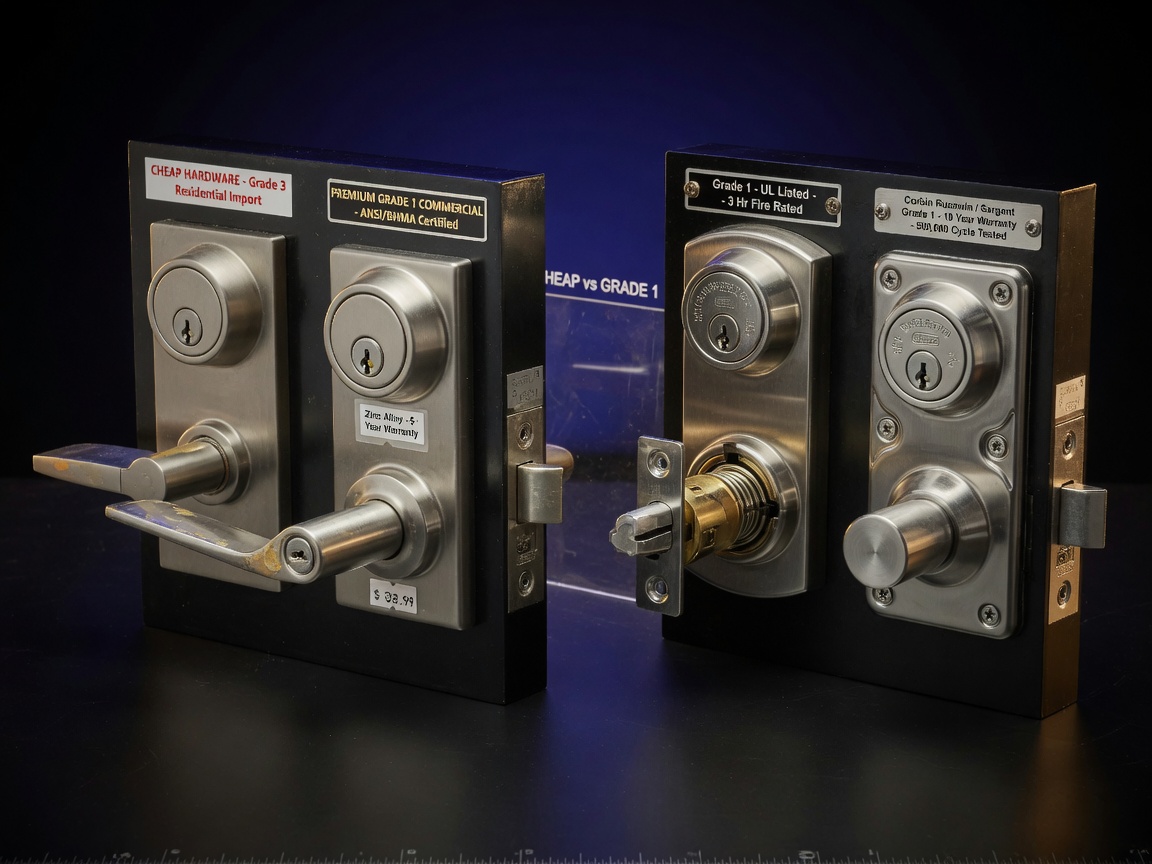
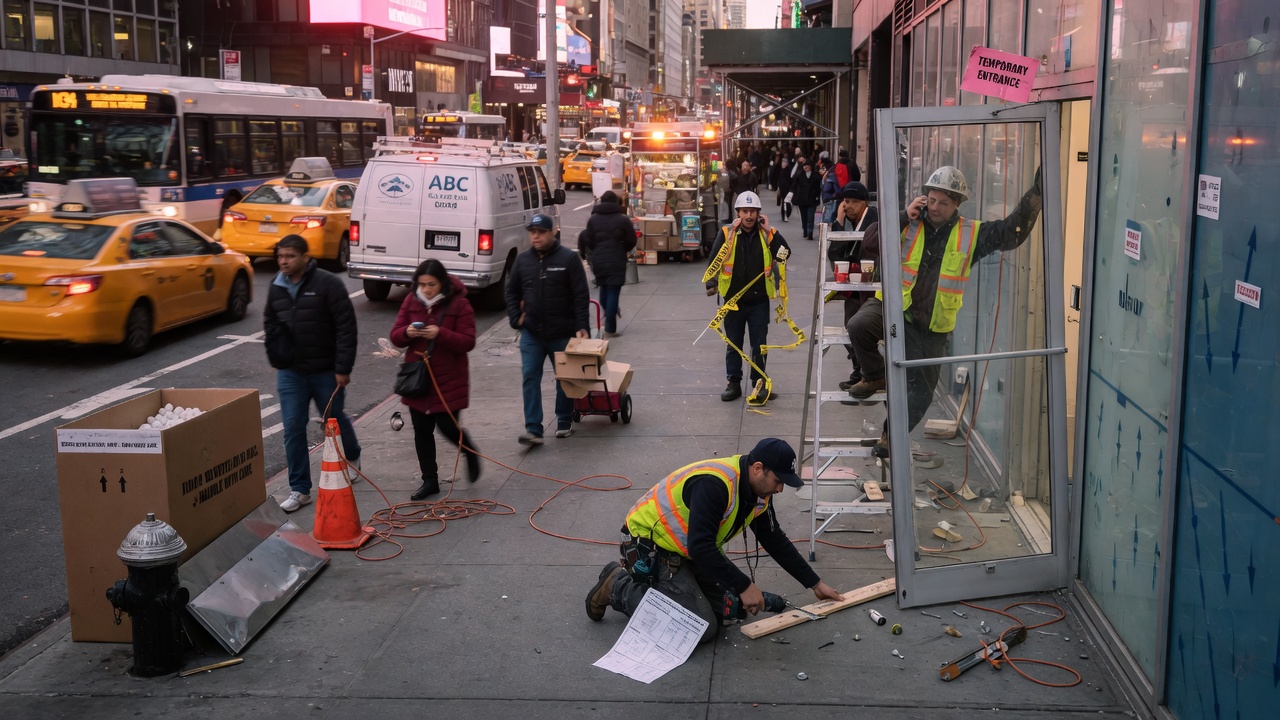
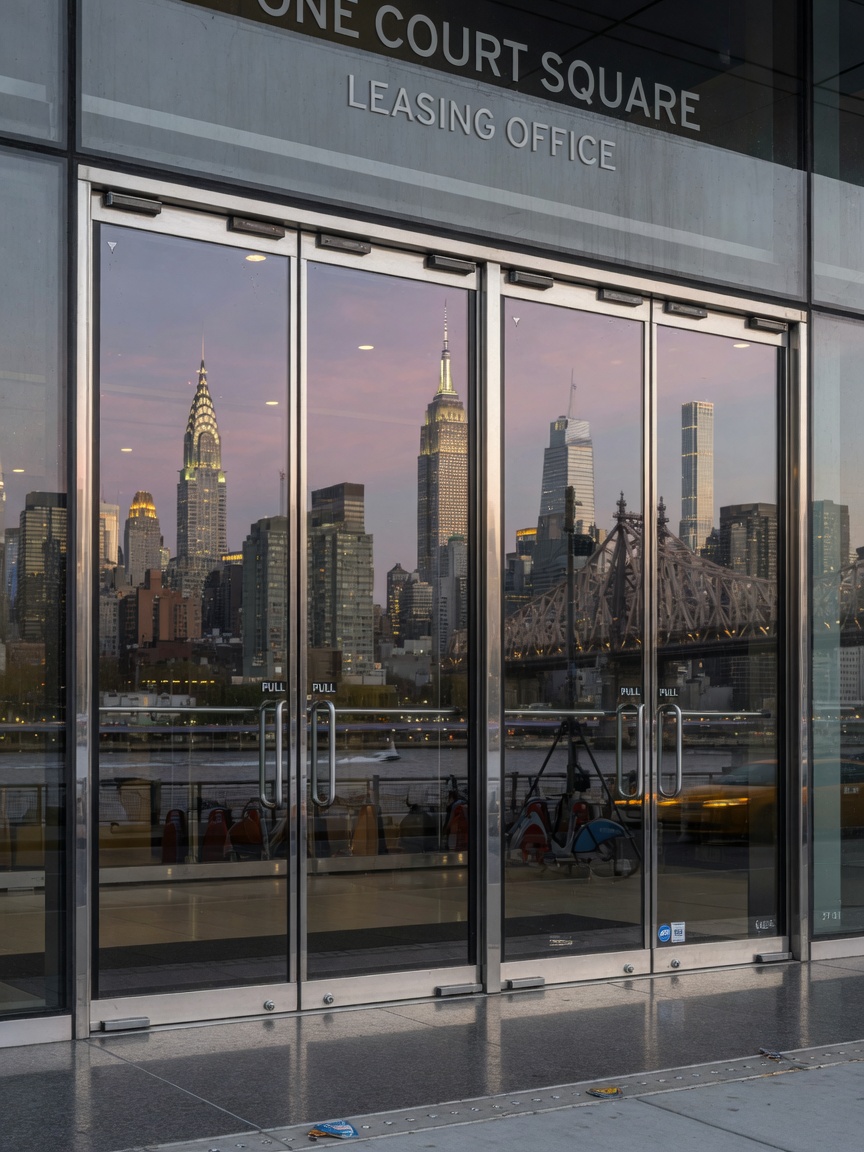
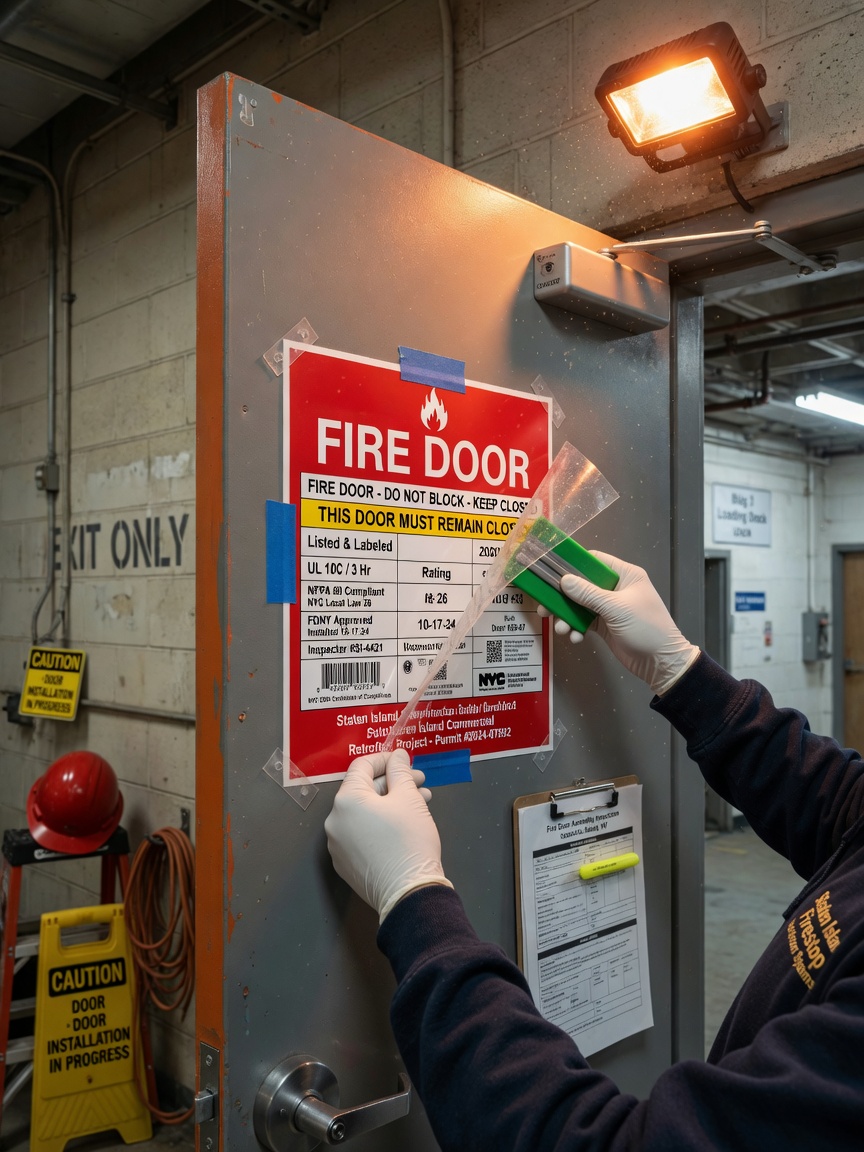

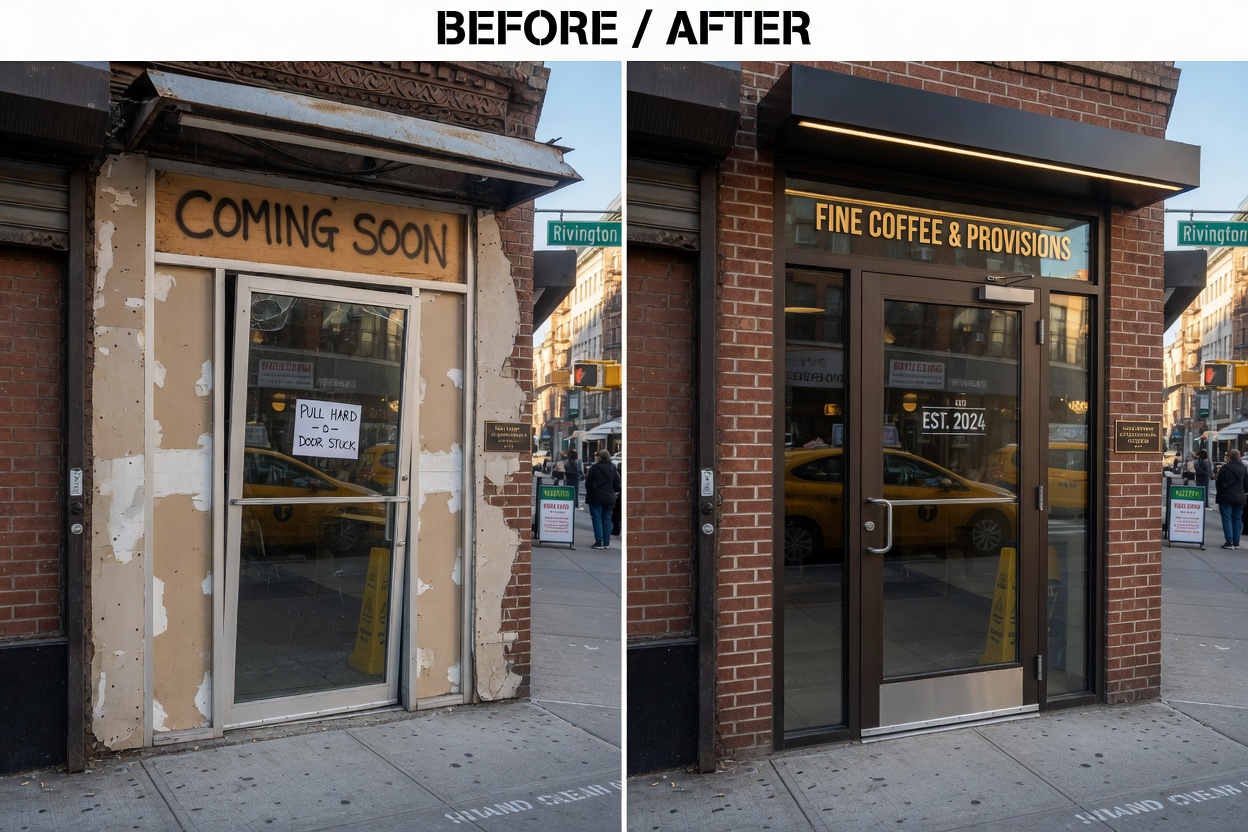
Common measurement failures include:
- Failing to check plumb, square, and level on all planes
- Not accounting for uneven floors or thresholds
- Ignoring wall thickness variations in historic buildings
- Overlooking protruding sprinkler heads, electrical conduits, or HVAC components
- Disregarding wind load requirements specific to high-rise applications
The Costly Consequences of Bad Measurements
When measurements are rushed, doors arrive that simply don’t fit correctly. This leads to excessive force requirements for operation, premature hardware failure, and security vulnerabilities. In fire-rated applications, improper fit can mean the difference between code compliance and a failed inspection.
We recently corrected a Midtown office building where the previous installer’s measurements were off by just ⅜ of an inch. The result? Four storefront doors that wouldn’t close properly, triggering multiple tenant complaints and a $14,000 correction project.
How Experienced Installers Prevent Measurement Errors
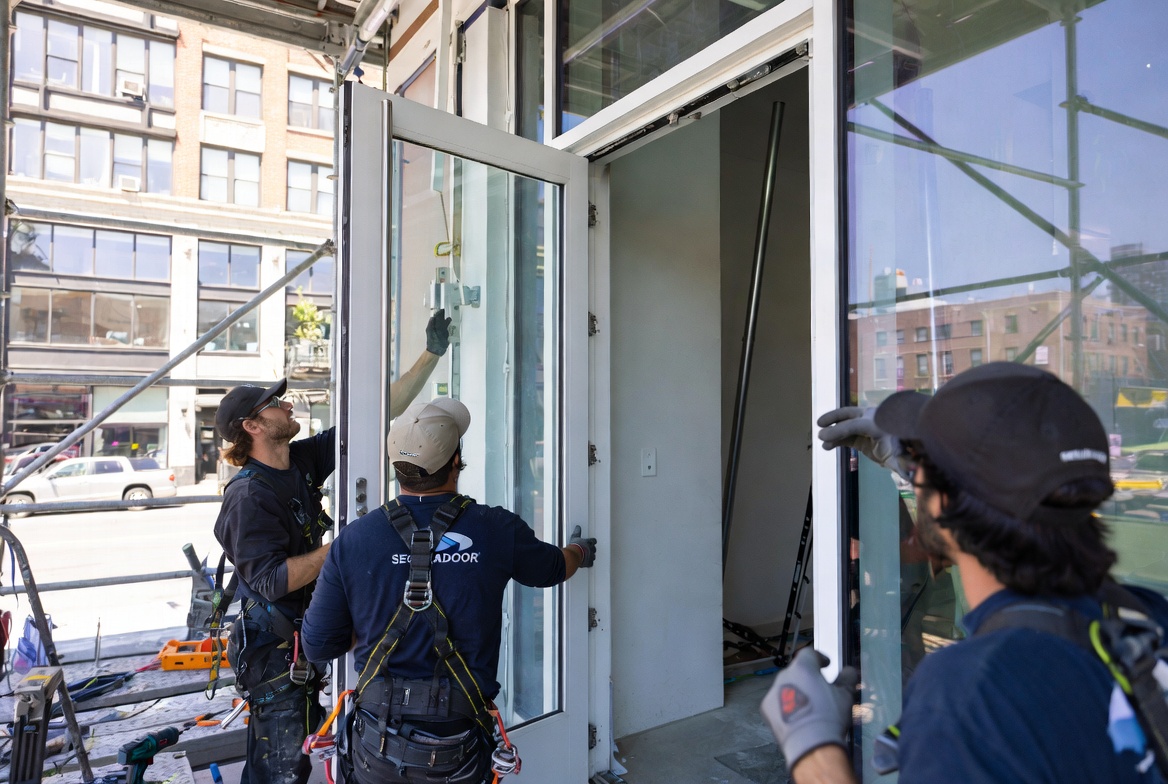
Professional NYC commercial door specialists use digital measuring systems combined with traditional verification methods. They document every opening with photos, notes on structural anomalies, and precise measurements taken at multiple points. This thorough approach eliminates surprises during installation.
Choosing Hardware That Fails NYC Traffic and Code Demands
Another frequent commercial door installation mistake NYC businesses make involves selecting hardware that cannot withstand the city’s punishing demands or meet stringent code requirements.
Understanding NYC’s Unique Traffic Patterns
A storefront door in Times Square or Downtown Brooklyn may see over 2,000 cycles per day. Most residential-grade hardware fails within months under these conditions. Yet many building owners still accept the lowest bid that includes inadequate closers, hinges, and panic devices.
Critical Fire Door Installation Errors New York Sees Too Often
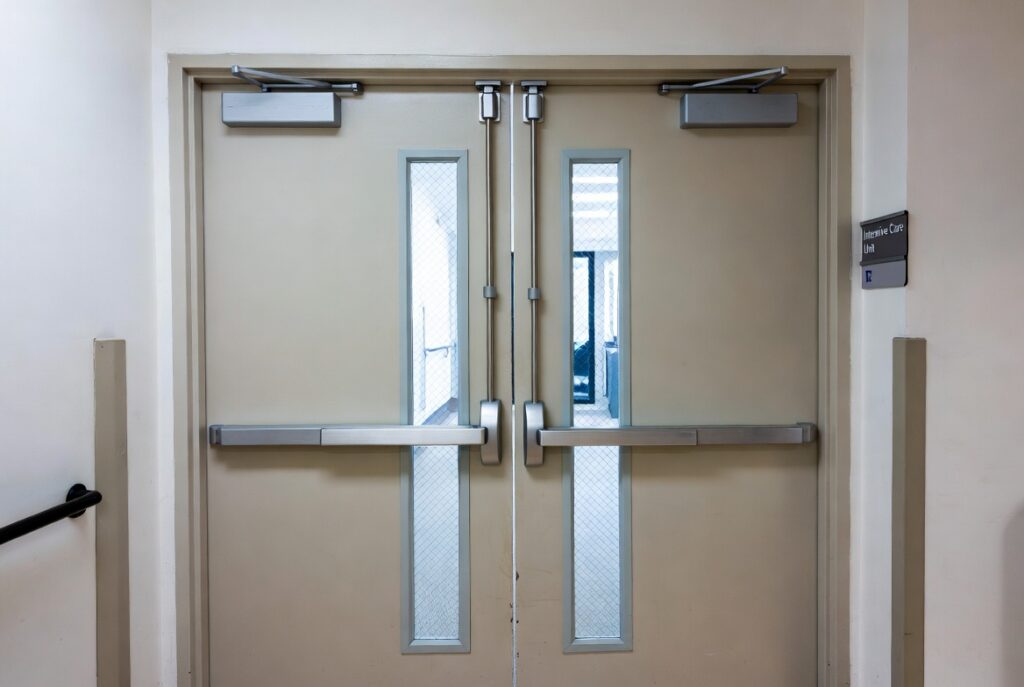
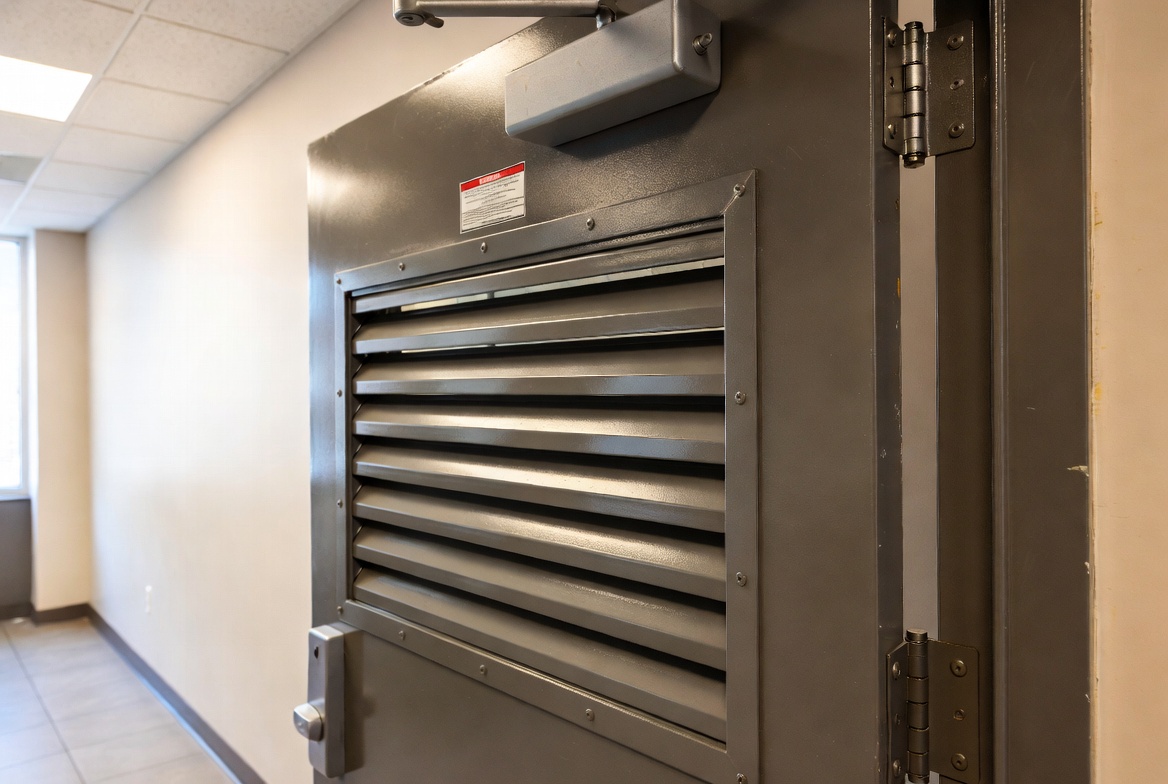
Fire door installation errors New York inspectors catch regularly include:
- Using non-fire-rated hardware on rated openings
- Installing fire exit devices that don’t match the door’s fire rating
- Improperly installed door closers that prevent positive latching
- Using painted or coated fasteners on fire-rated assemblies
- Failing to maintain the required door undercut for proper operation
These mistakes don’t just create code violations—they can have life-safety implications during emergencies.
Selecting Hardware for NYC’s Demanding Environment
Experienced commercial door companies specify Grade 1 hardware tested to withstand at least 1,000,000 cycles. They ensure all components—from weatherstripping to thresholds—are rated for both the door’s function and the building’s specific location and exposure.
Ignoring Permit and Inspection Requirements Upfront
Perhaps the most expensive commercial door installation mistakes NYC businesses make involve building permits and inspections. Many contractors and property managers assume that “it’s just doors” and proceed without proper documentation.
NYC DOB Requirements for Commercial Door Work
In New York City, replacing or modifying commercial doors often requires permits, particularly when:
- Altering means of egress
- Modifying fire-rated assemblies
- Changing hardware on required exits
- Installing new storefront systems
- Performing structural modifications to accommodate new doors
The Price of Skipping Permits
DOB violations for unpermitted work can exceed $5,000 per opening. Stop-work orders can halt entire tenant build-outs. Insurance claims may be denied if an incident occurs with unpermitted modifications. The headache and financial impact far exceed the cost of doing the work properly from the beginning.
How Professionals Manage Compliance
Experienced commercial door installers in NYC handle permit acquisition as part of their standard process. They maintain relationships with local DOB offices and understand the specific requirements for each borough. This proactive approach prevents delays and protects building owners from future liability.
Poor Alignment and Sealing That Leads to Energy and Security Issues
Even when the right doors and hardware are selected, poor installation technique creates problems that persist for the life of the building. Improper alignment and sealing rank among the most common storefront door problems NYC businesses face.
The Hidden Costs of Air Infiltration
In a city with extreme seasonal temperature swings, even small gaps around commercial doors create significant energy loss. A poorly sealed door in a Manhattan retail space can add thousands to annual HVAC costs while creating uncomfortable drafts for customers and staff.
Security Vulnerabilities Created by Poor Installation
Doors that don’t close and latch properly become easy targets for break-ins. In NYC’s competitive retail environment, even one security breach can have devastating consequences. Misaligned doors also create pinch points and operational hazards that increase liability.
Professional Installation Standards
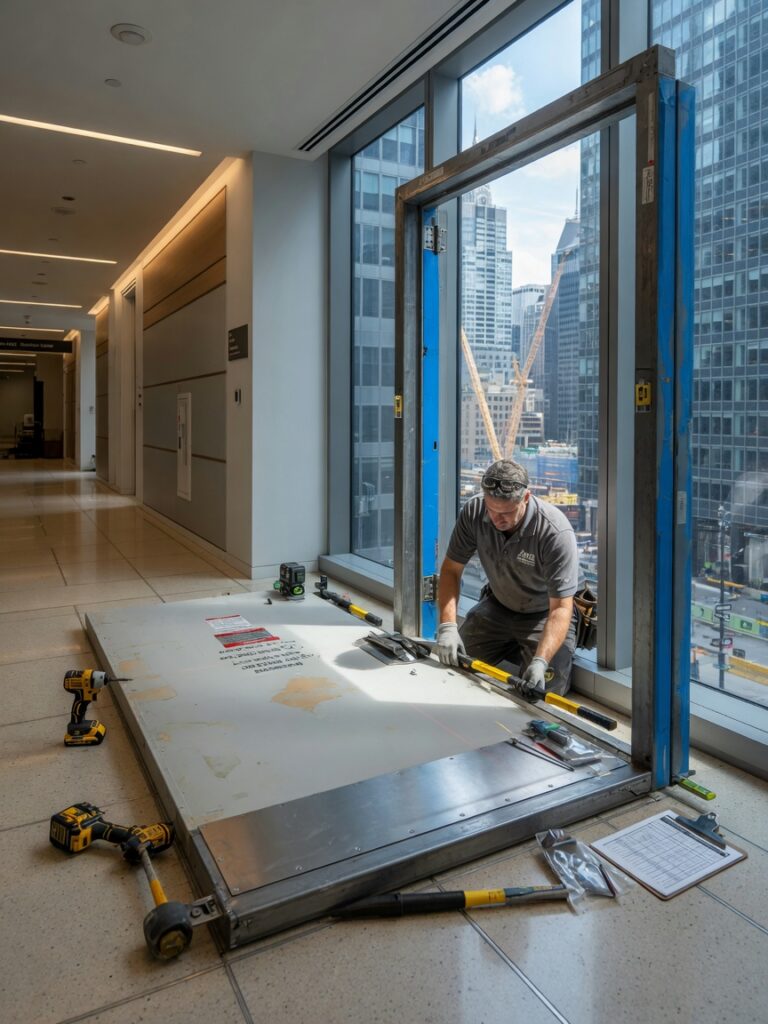
Expert installers use precision leveling tools and laser alignment systems to ensure doors operate perfectly. They understand the critical relationship between door, frame, and hardware, making micro-adjustments that most general contractors never consider. Quality weatherstripping systems are installed with careful attention to corner joints and meeting stiles.
Hiring Non-Specialized Crews for Fire-Rated or Custom Work
One of the most dangerous commercial door installation mistakes NYC businesses make is hiring general contractors or handymen for specialized work like fire-rated door installation or custom storefront systems.
The Specialized Knowledge Required for Fire-Rated Assemblies
Fire door installation requires specific training and experience that goes far beyond hanging a standard door. Each component must maintain the fire rating of the entire assembly. Even small deviations—like using the wrong type of intumescent seal—can cause a fire door to fail during an actual fire.
Common mistakes we see from non-specialized crews include:
- Drilling unnecessary holes in fire-rated doors
- Using incorrect fasteners that compromise door integrity
- Modifying door edges without proper fire-rated materials
- Installing doors without the required labels intact and visible
- Failing to properly coordinate with frame modifications
Why Custom Storefront Work Requires Specialists
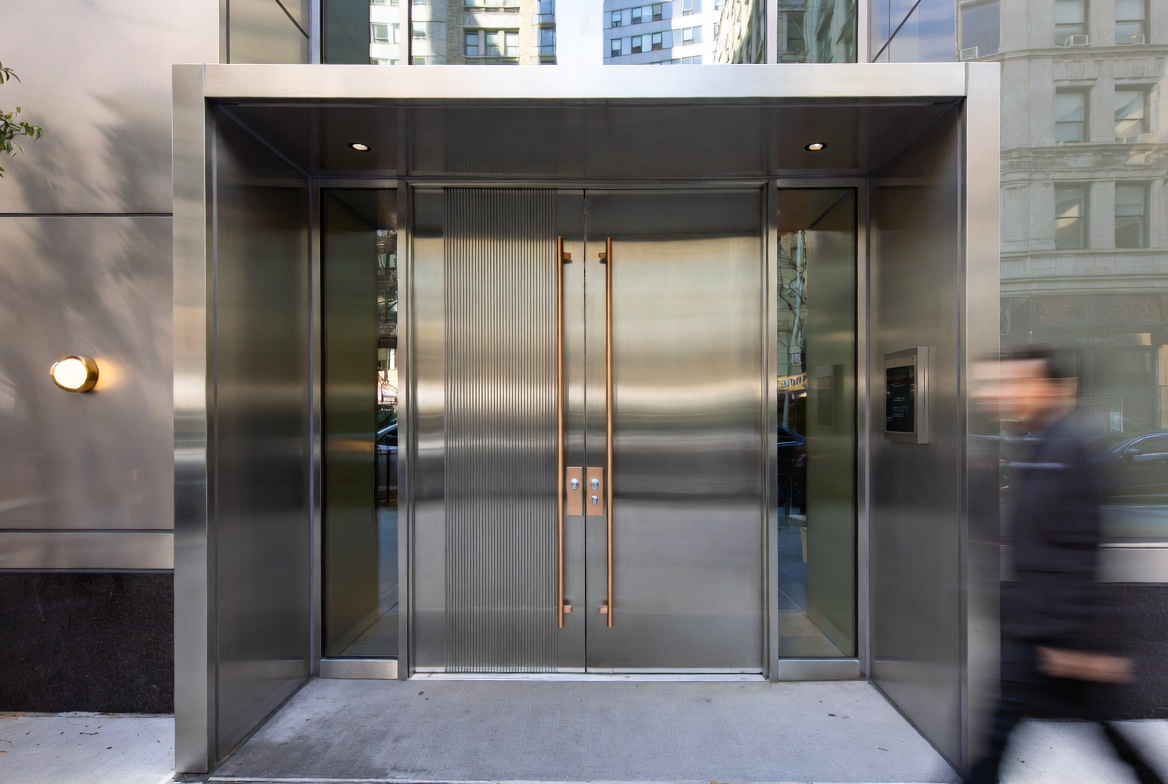
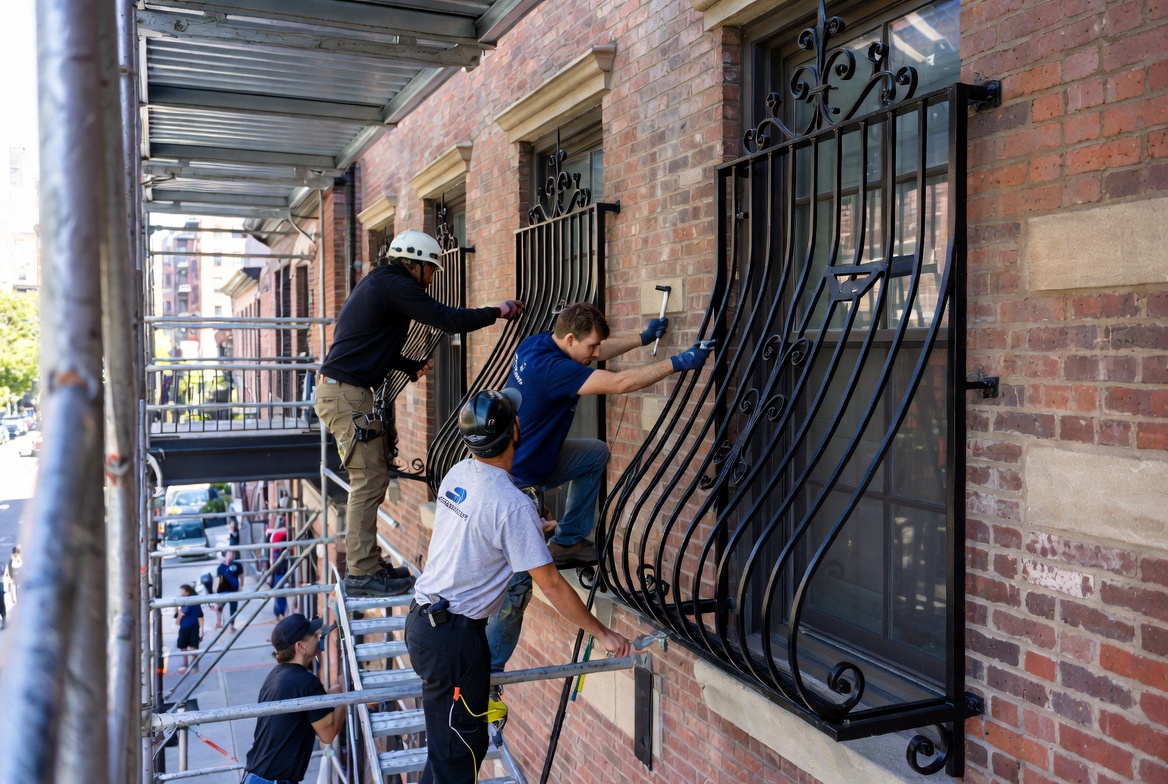
NYC’s unique architectural landscape often requires custom solutions for historic buildings, landmark properties, or unique modern designs. These projects demand specialized fabrication and installation knowledge that only experienced commercial door companies possess.
How to Vet Quotes and Teams Before Signing in NYC
Avoiding cheap commercial door quotes NYC offers is perhaps the most important decision a building owner can make. Here’s how to separate qualified specialists from risky low bidders.
Red Flags in Commercial Door Quotes
Beware of quotes that:
- Are significantly below market rate without clear explanation
- Don’t mention permits or code compliance
- Fail to specify exact hardware models and grades
- Don’t include detailed measurements or site survey
- Offer extremely short completion timelines
- Lack specific warranties on both products and labor
Questions to Ask Potential Commercial Door Installers
Qualified NYC specialists should readily provide:
- References from similar projects in your borough
- Proof of proper insurance and licensing
- Documentation of manufacturer certifications
- Examples of past DOB approvals
- Detailed installation methodology
- Clear timeline with contingency planning
The Value of Experience in New York City
Companies with decades of experience across the five boroughs understand the unique challenges of NYC construction—from navigating narrow sidewalks to coordinating with building management and unions. This institutional knowledge cannot be replicated by new or out-of-area contractors.
Conclusion: Investing in Proper Commercial Door Installation
The commercial door installation mistakes NYC businesses commonly make share one thing in common: they all cost significantly more to fix than they would have cost to prevent. From code violations and energy waste to security breaches and premature failure, these problems impact your bottom line daily.
By choosing experienced specialists who understand New York City’s unique requirements, businesses protect their investment, ensure code compliance, and provide safe, attractive, and energy-efficient entrances for years to come.
Don’t let your commercial doors become another cautionary tale. The right installation partner will help you avoid every mistake outlined in this guide while delivering doors that perform beautifully in the demanding NYC environment.
Whether you’re planning a complete storefront renovation or simply replacing aging office suite doors, take the time to vet your installation team thoroughly. Your building, your tenants, and your budget will thank you for years to come.