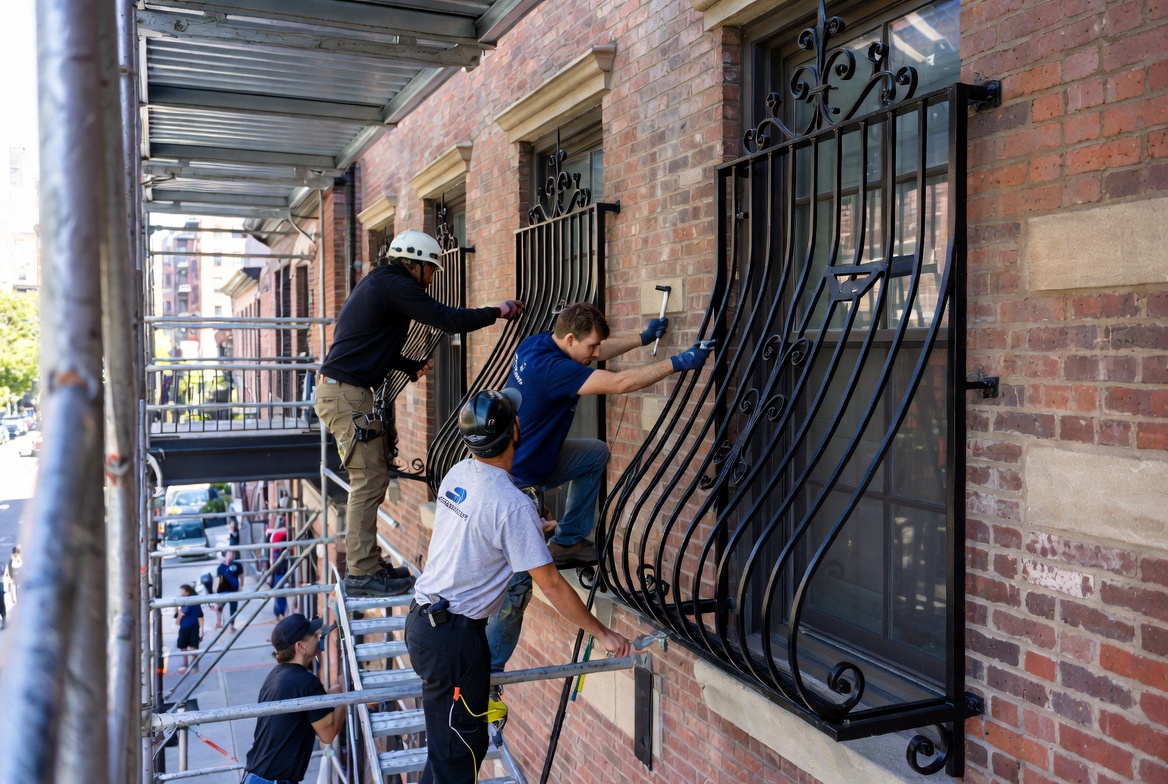
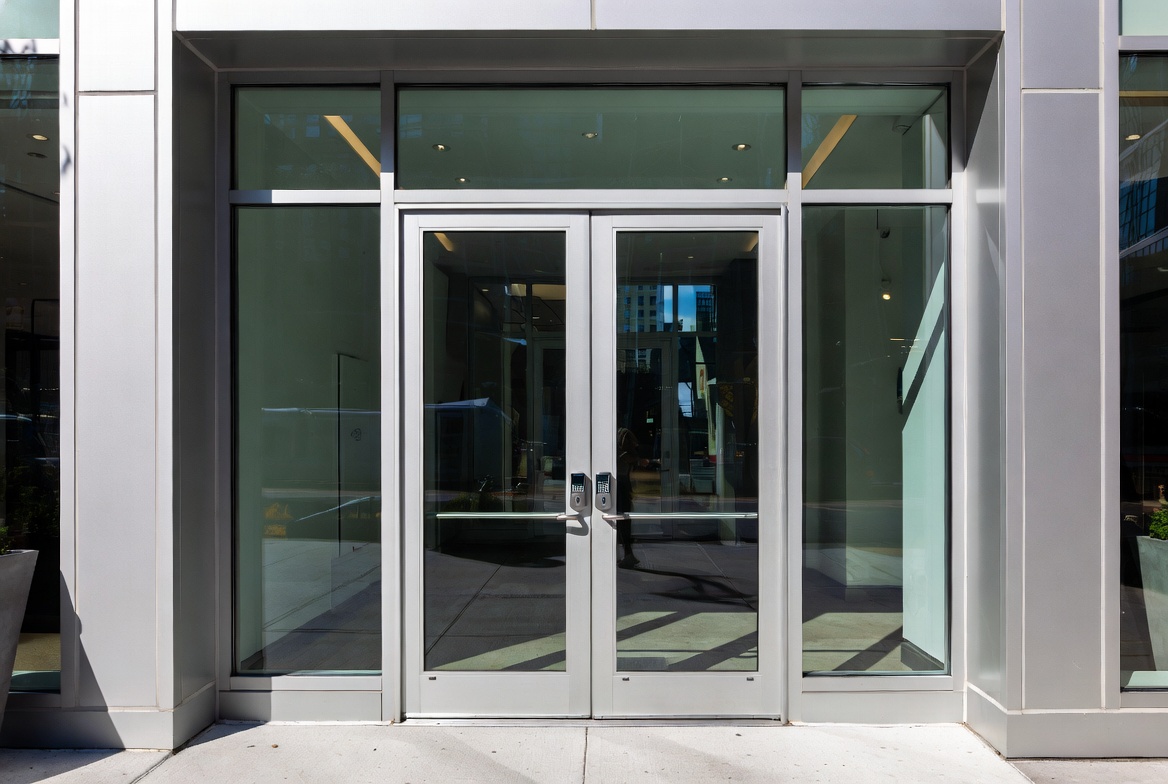
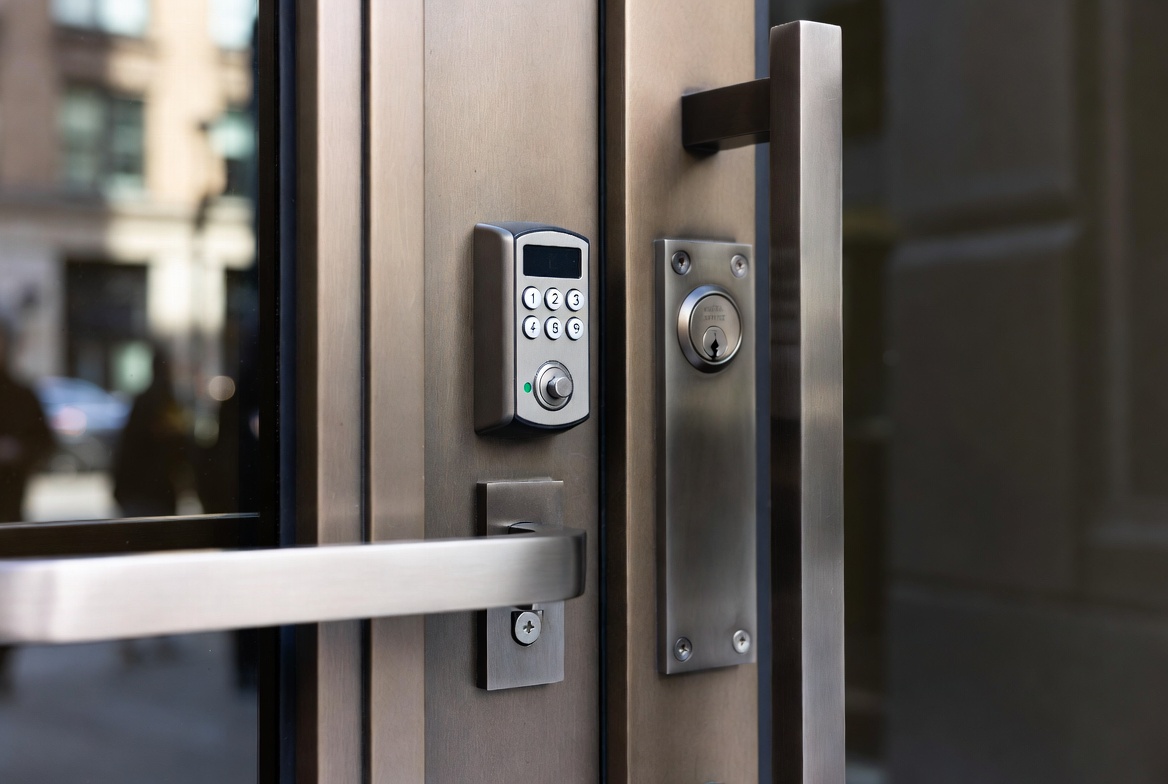
NYC Commercial Door Security Failures: Proven Problem-Solution Fixes
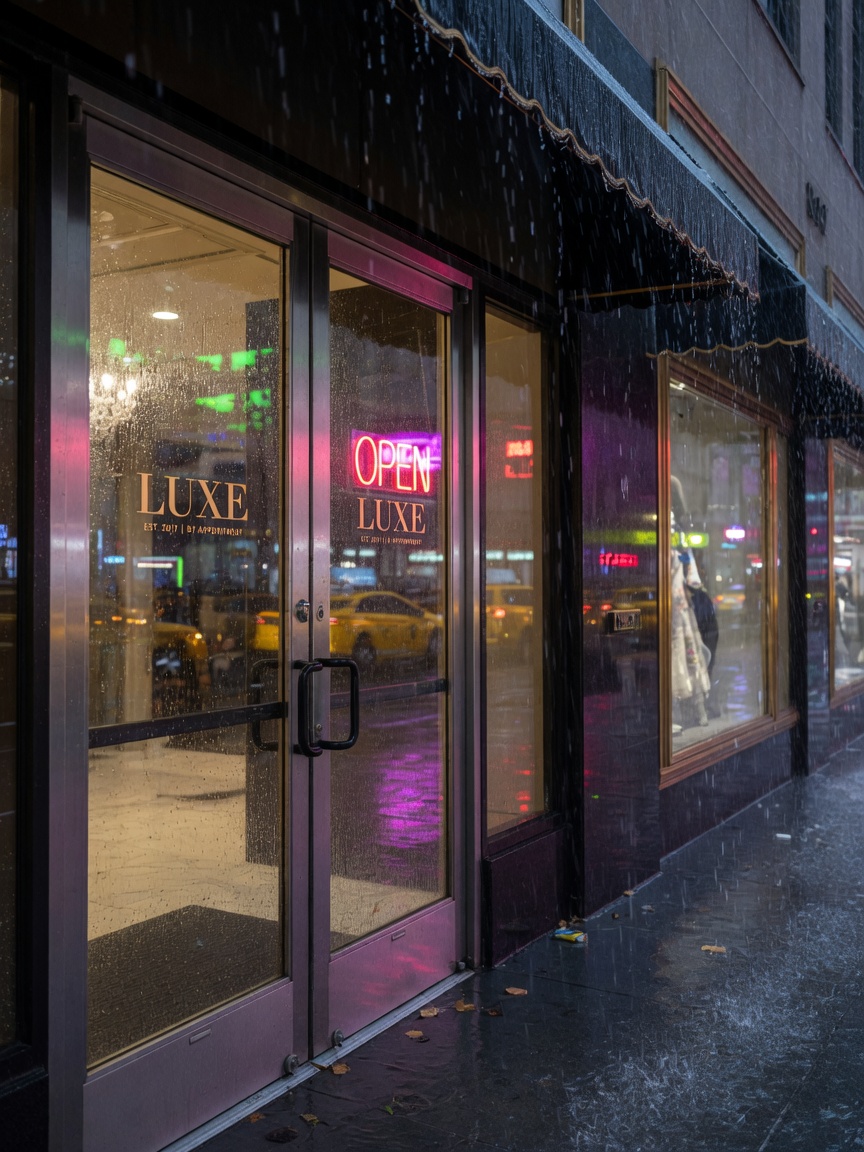
In the bustling streets of New York City, commercial doors serve as the first and most critical line of defense for retail stores, office buildings, and mixed-use properties. Yet every year, building managers and retail owners face costly security breaches stemming from failing doors that violate Local Law 75 and trigger insurance premium increases. This guide cuts through vendor fluff to deliver pragmatic diagnostic tools, material specifications, repair-versus-replacement cost comparisons for 2026, and maintenance schedules that actually work.
Why NYC Commercial Door Security Failures Are More Expensive Than You Think
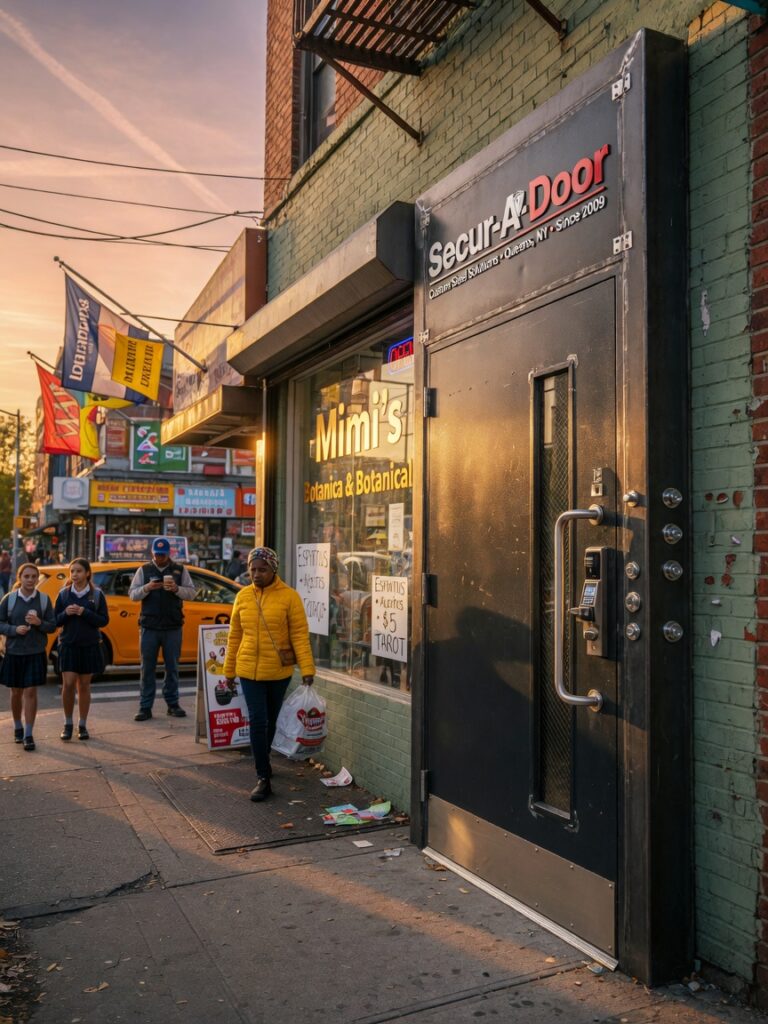
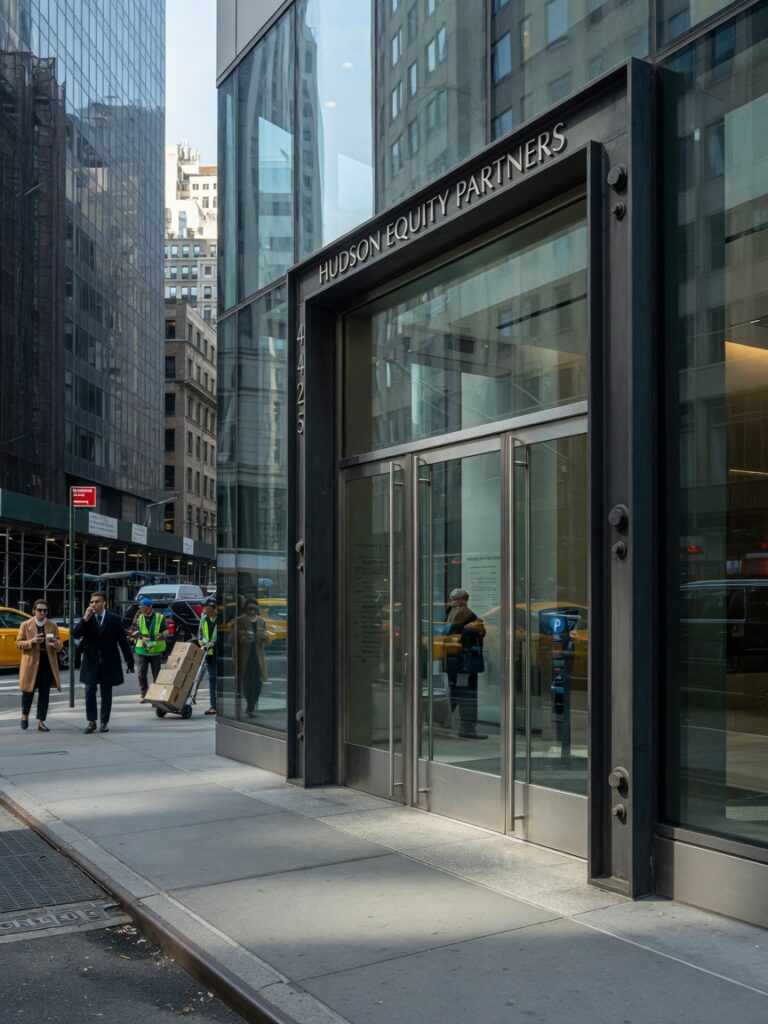
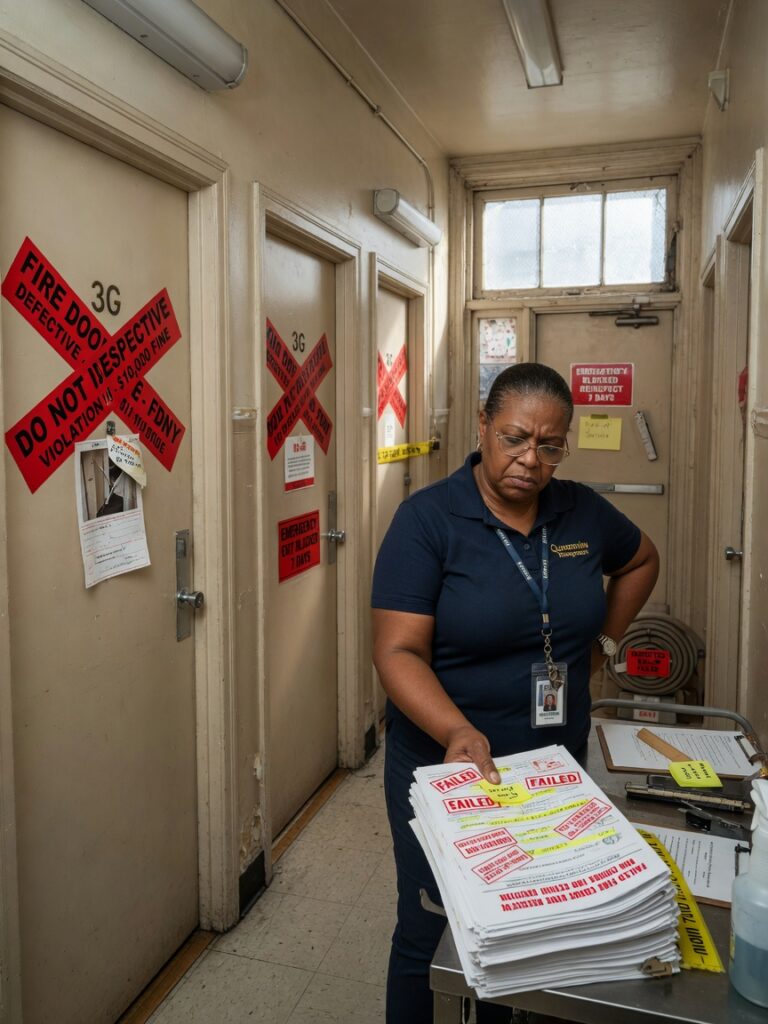
According to FDNY and DOB data, over 40% of commercial building violations in 2024-2025 involved storefront doors and frames. These failures don’t just create security vulnerabilities—they result in fines ranging from $1,500 to $5,000 per violation, increased insurance premiums of 15-30%, and potential liability in the event of a break-in or injury.
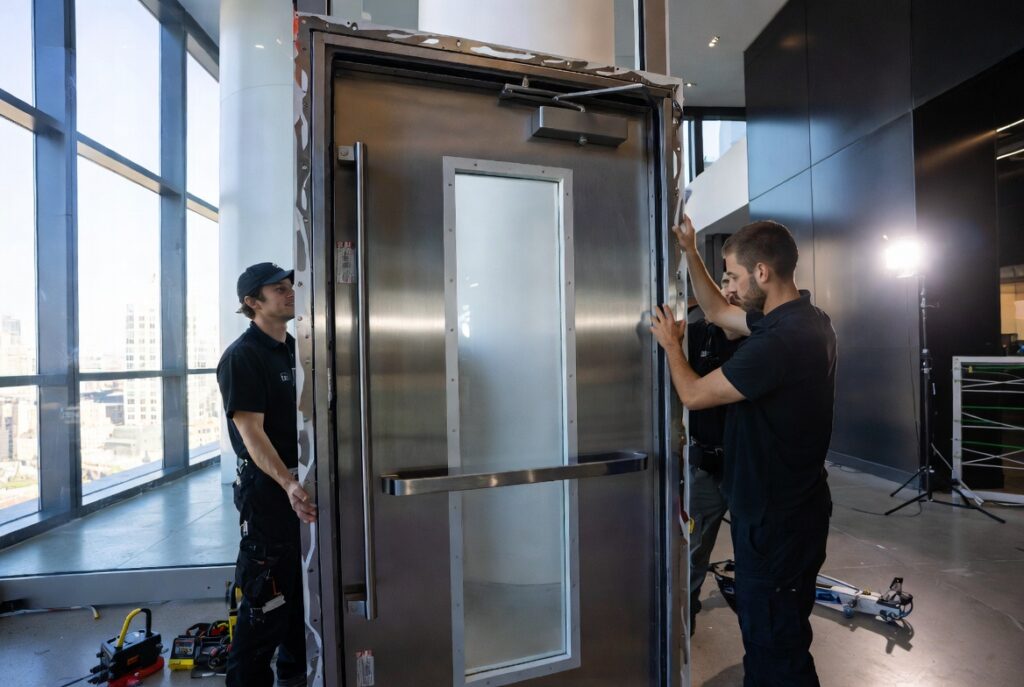
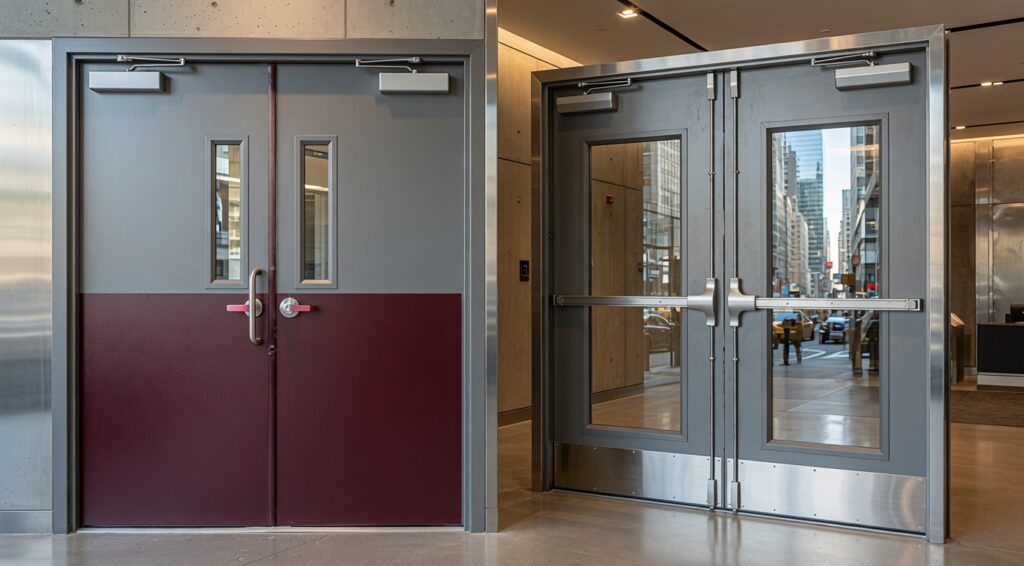
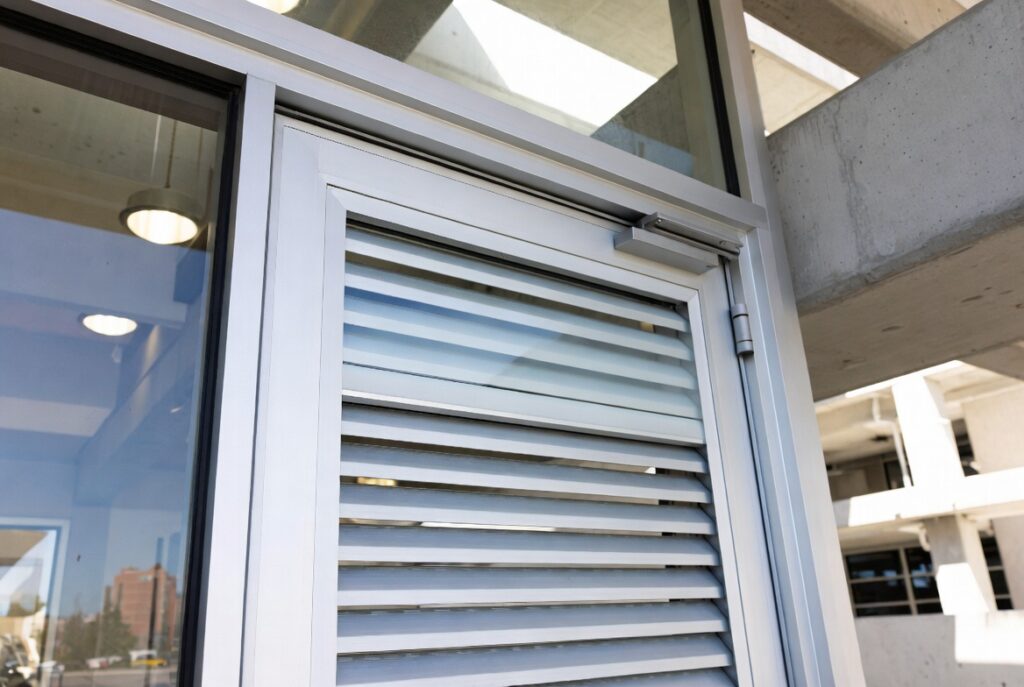
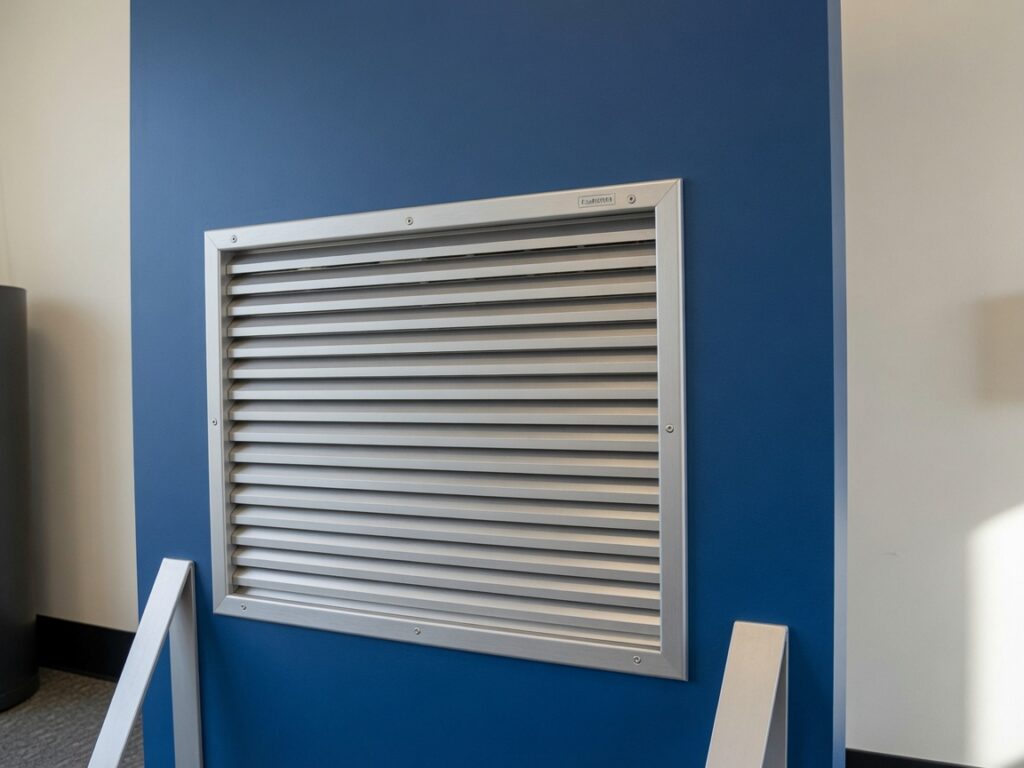
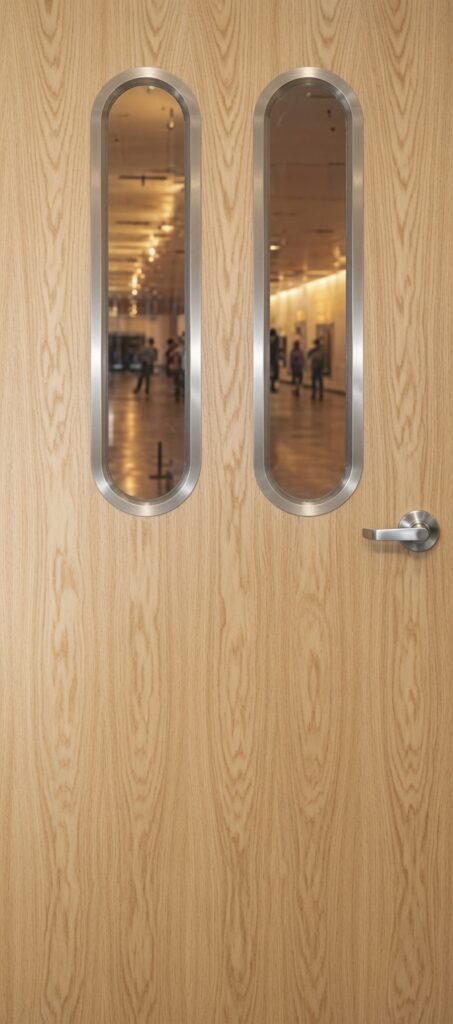
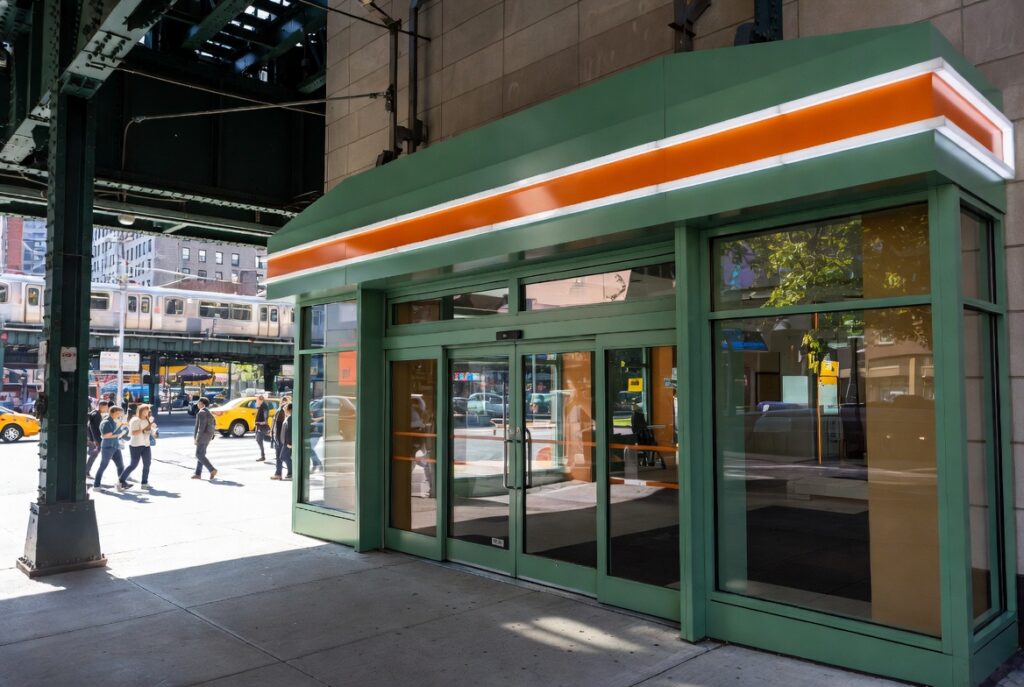
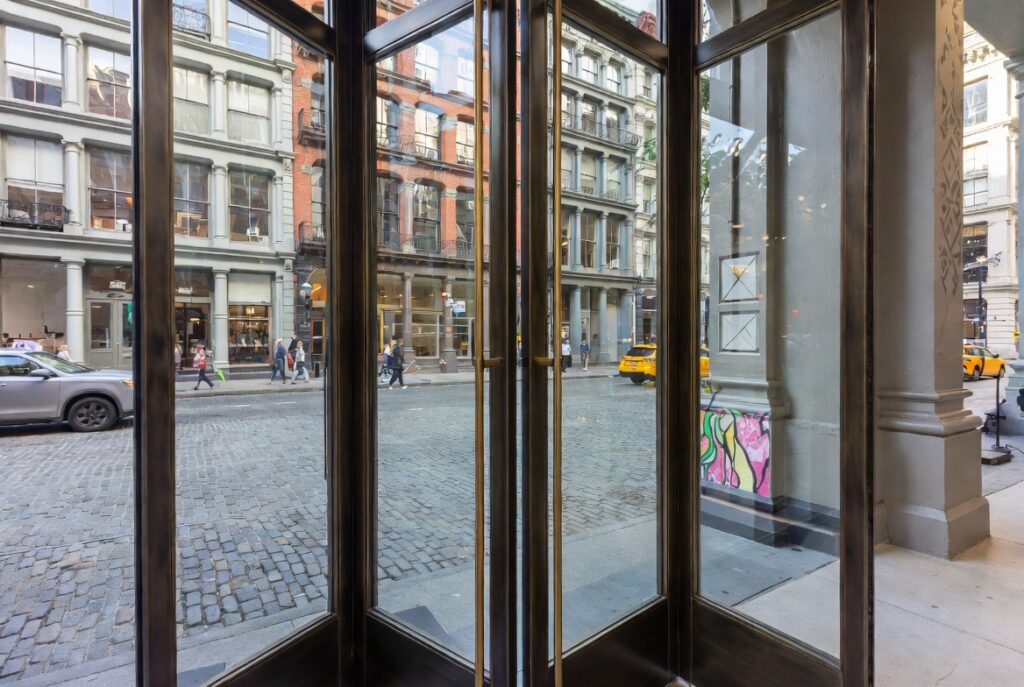
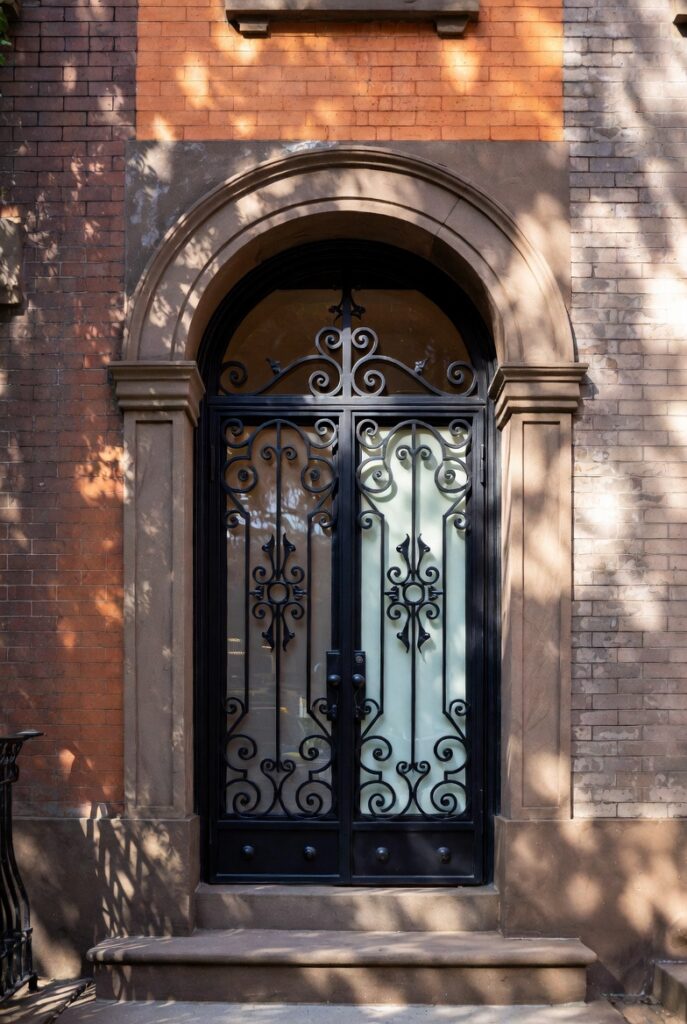
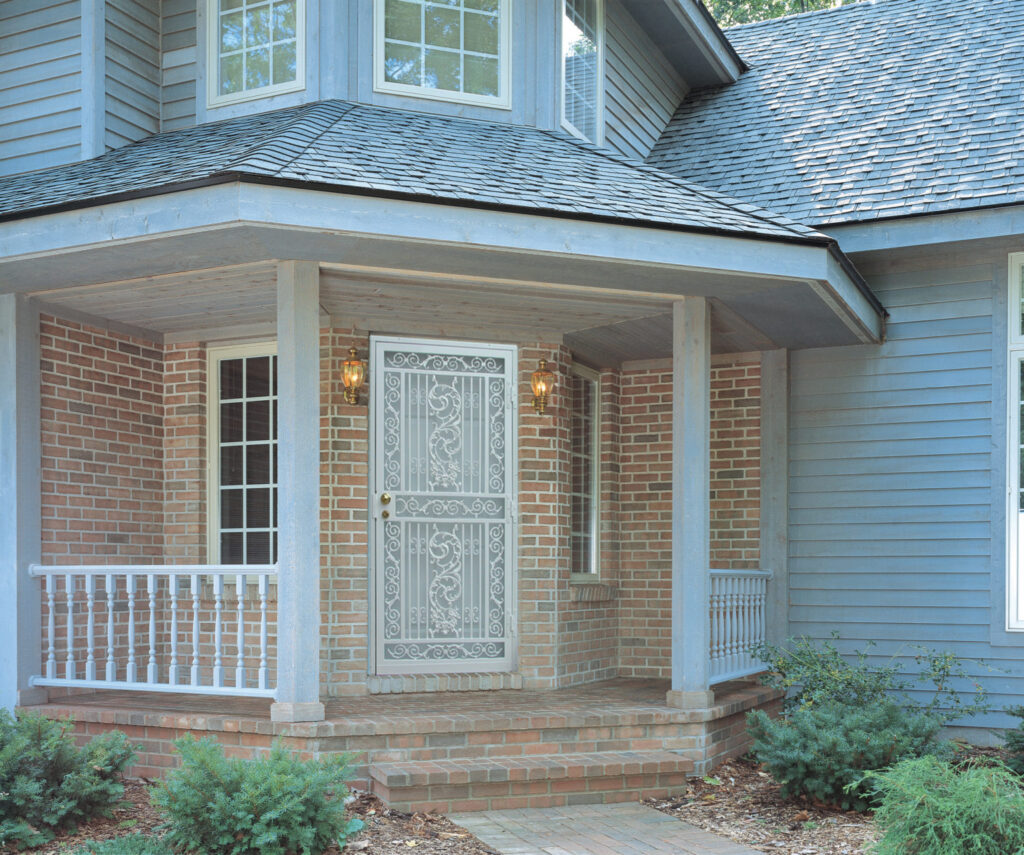
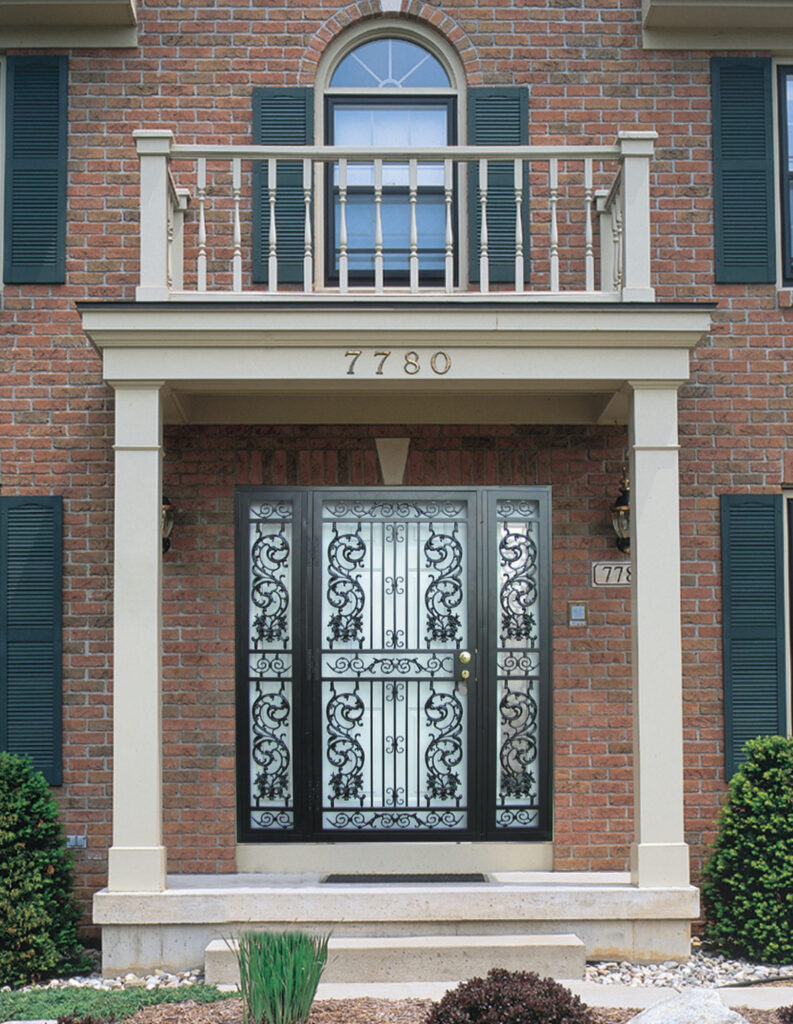
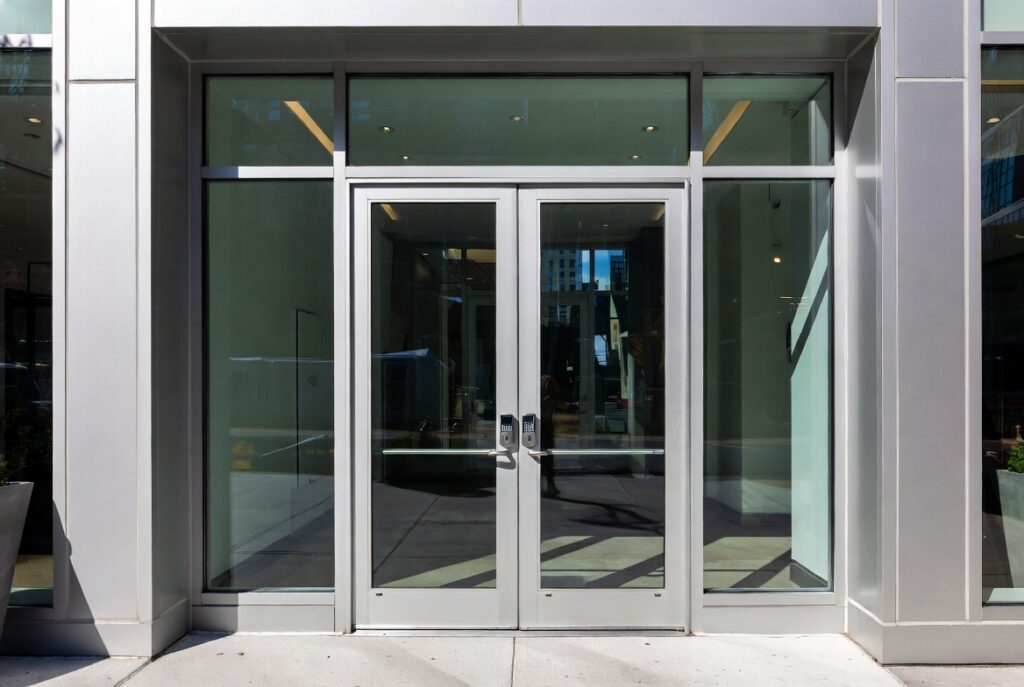
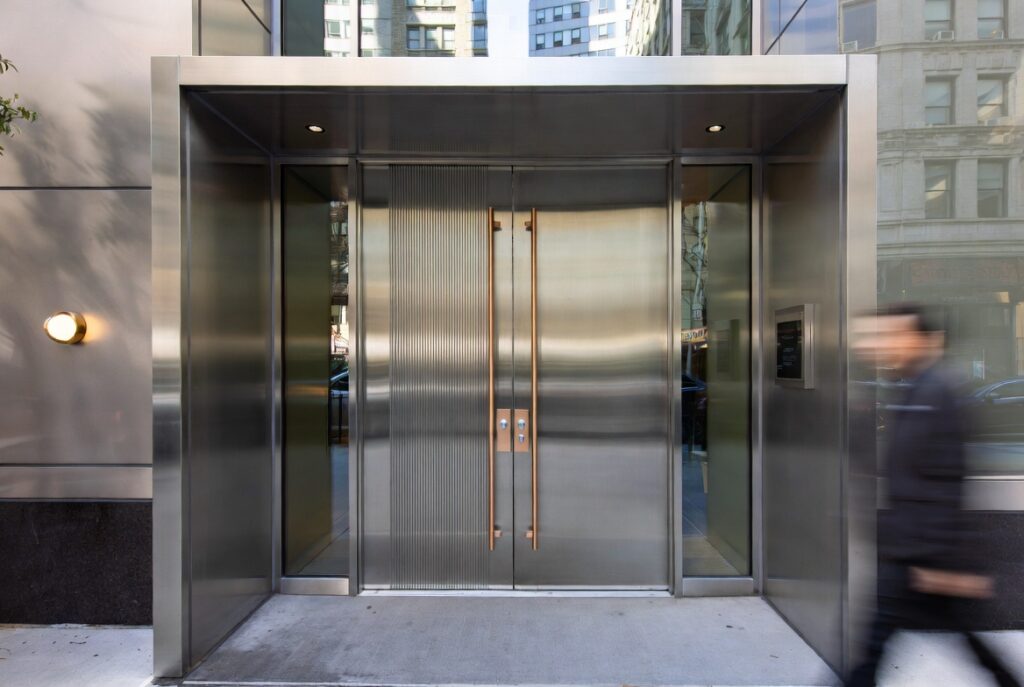
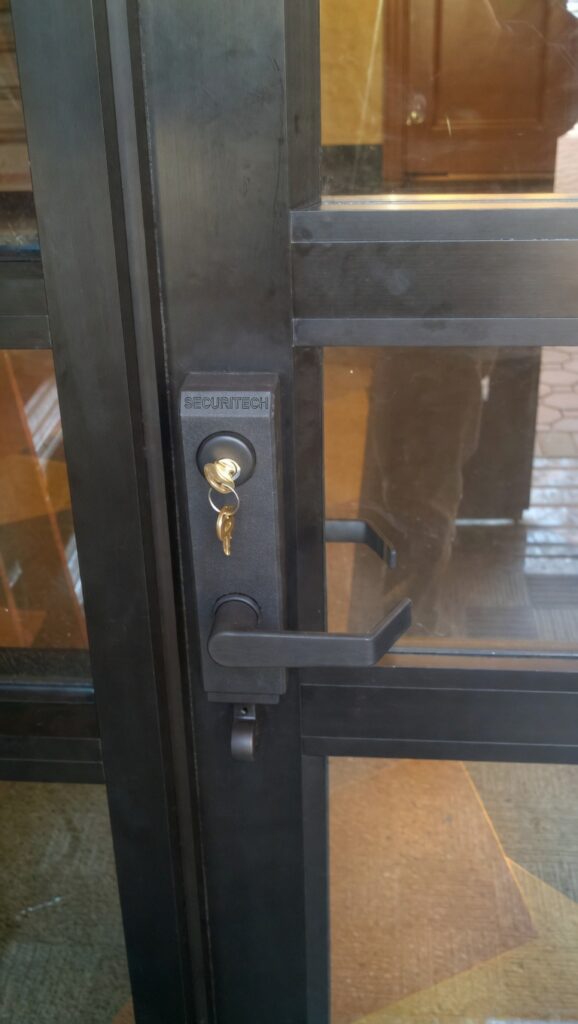
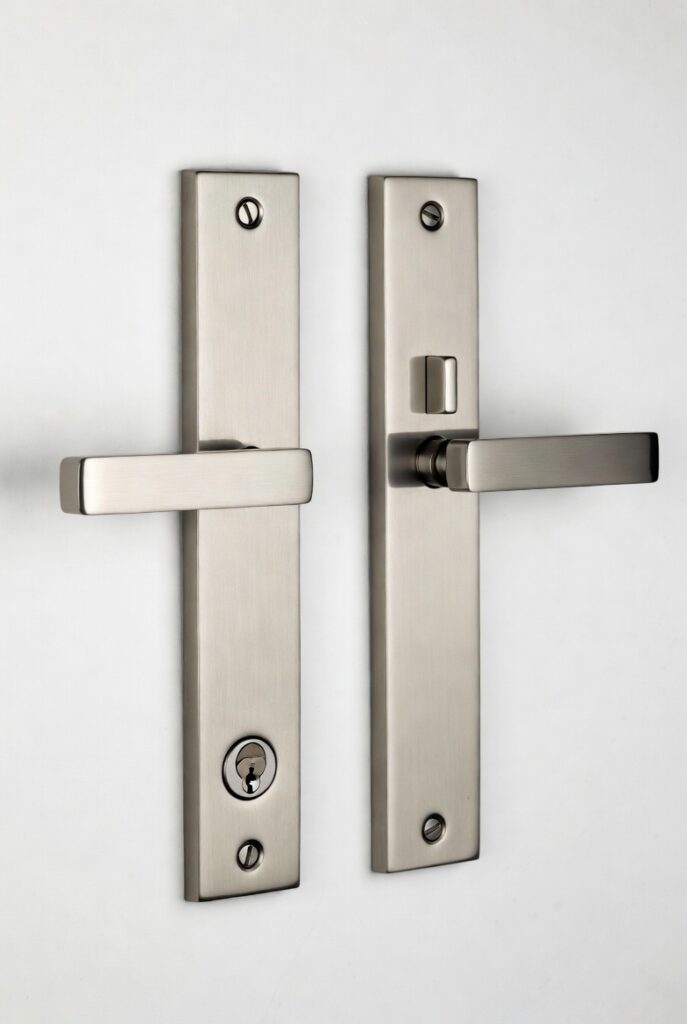
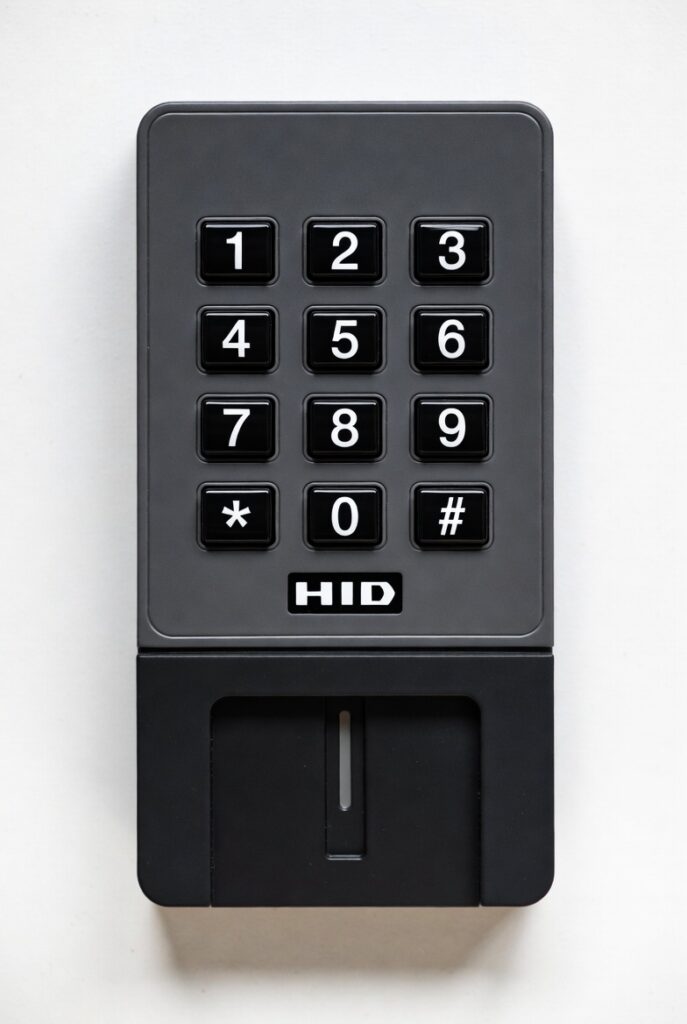
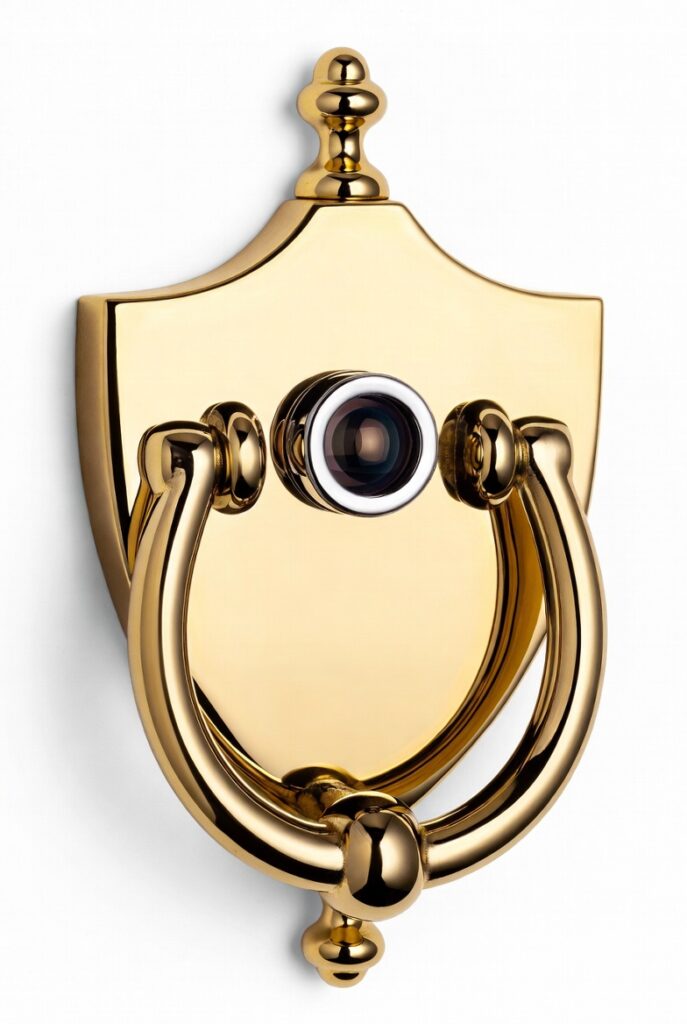
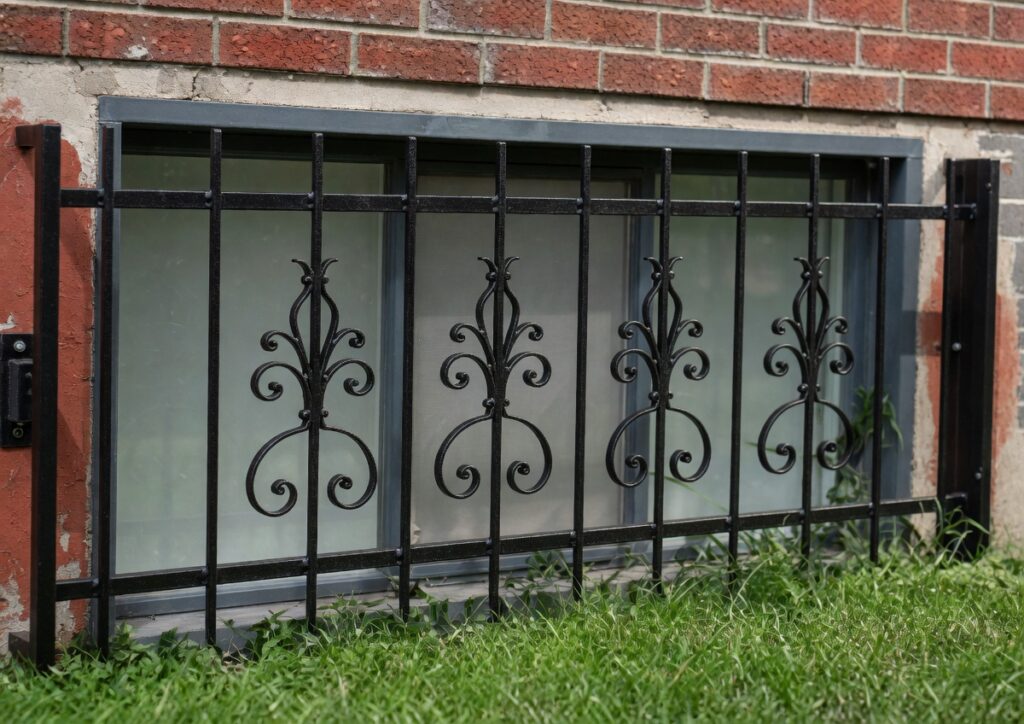
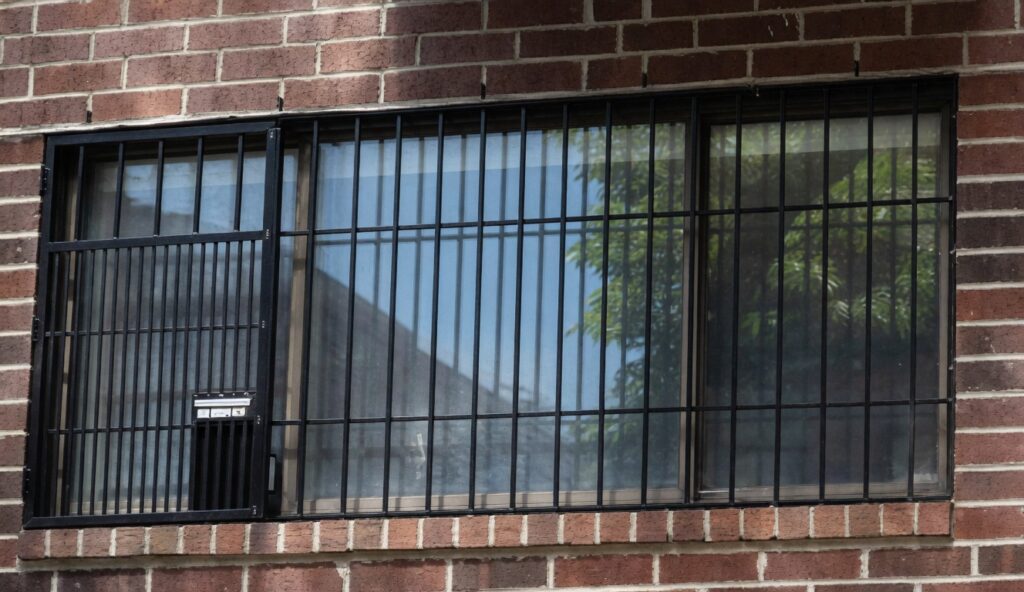
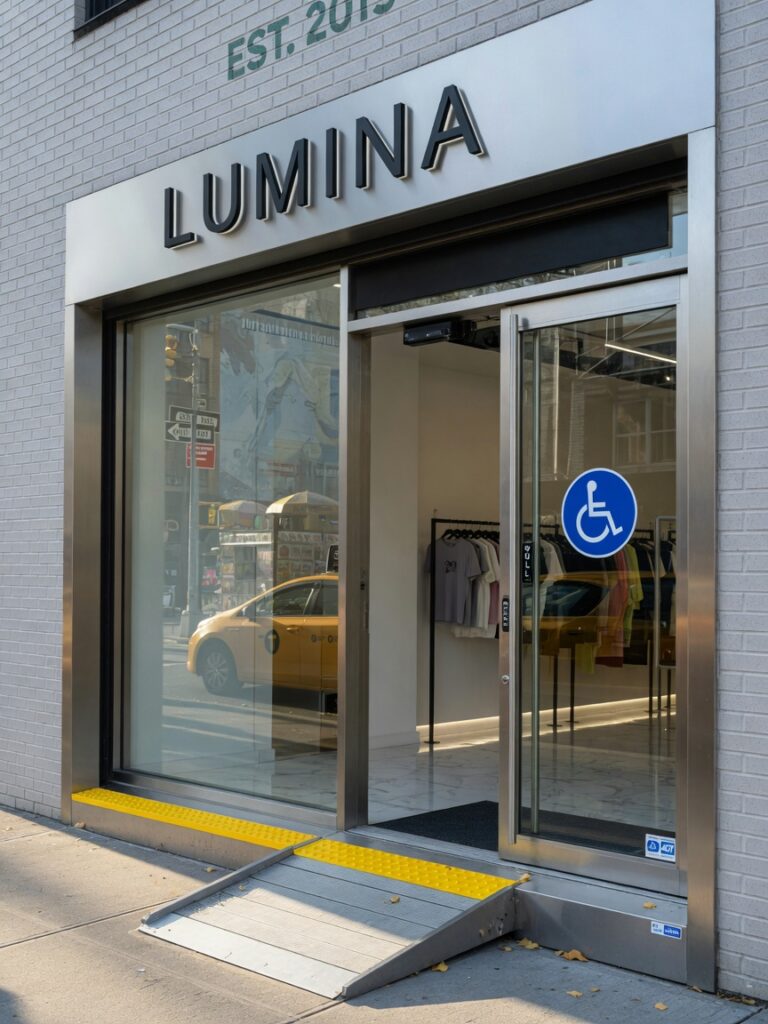
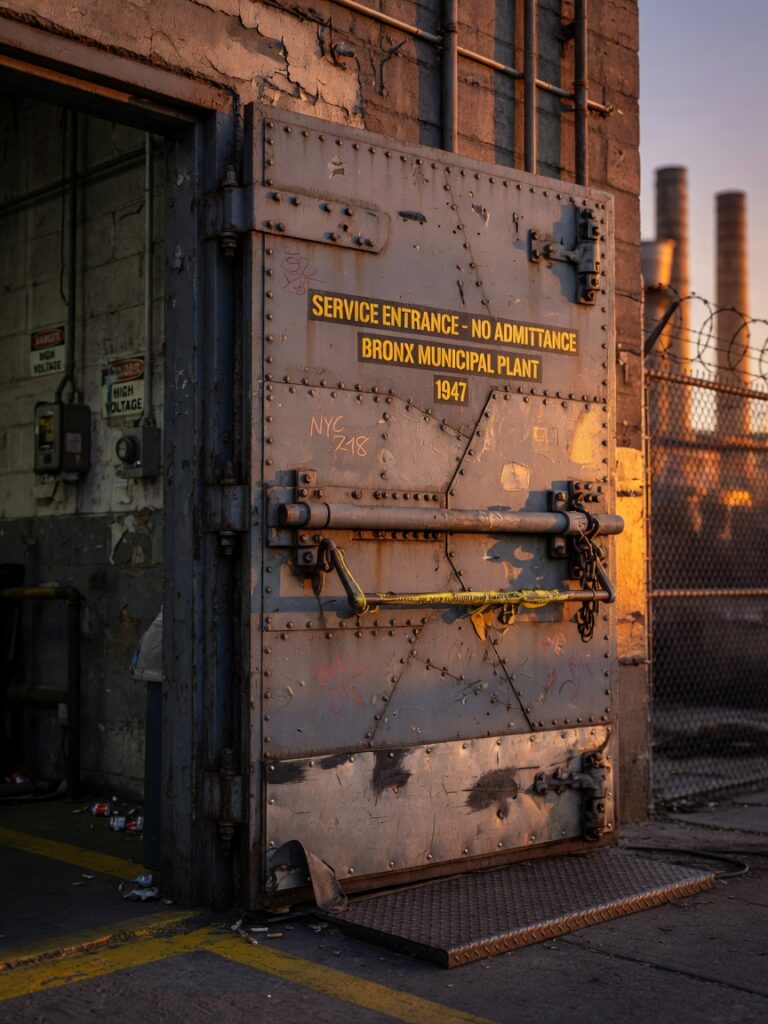
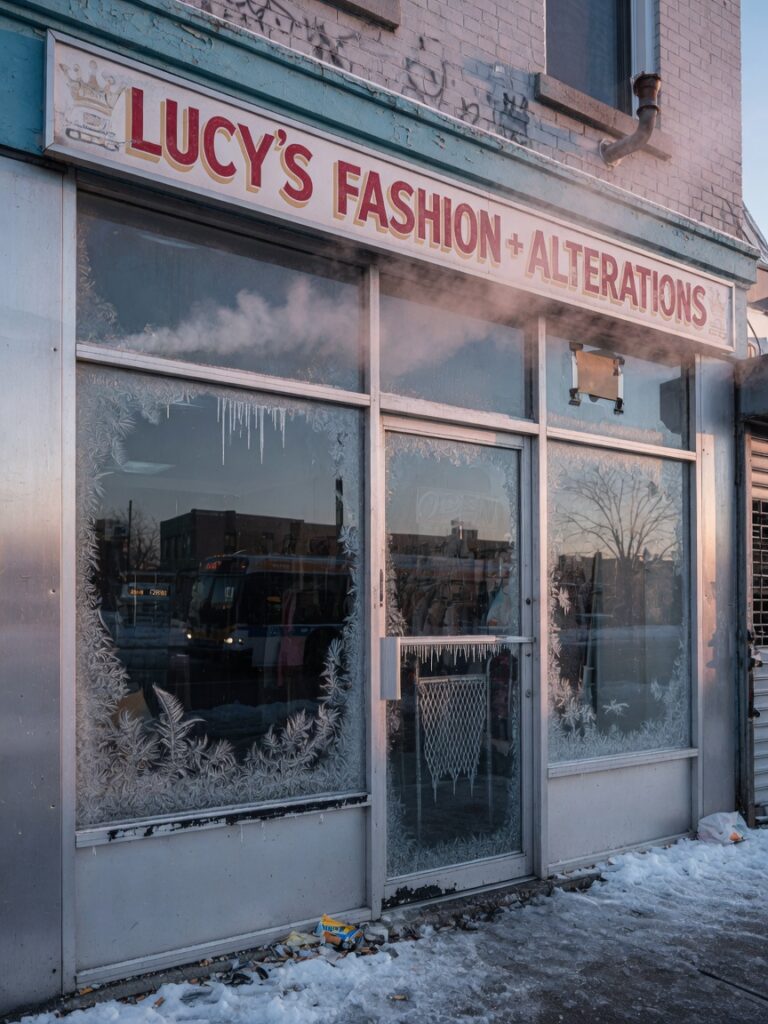
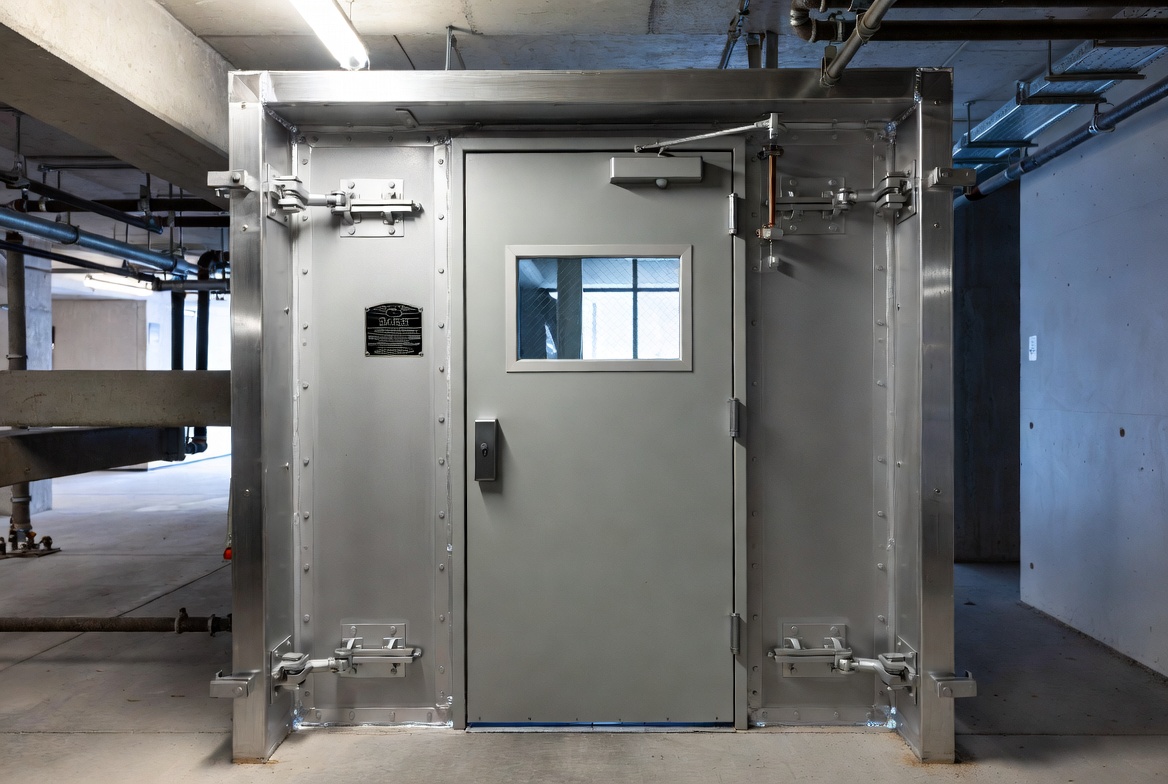
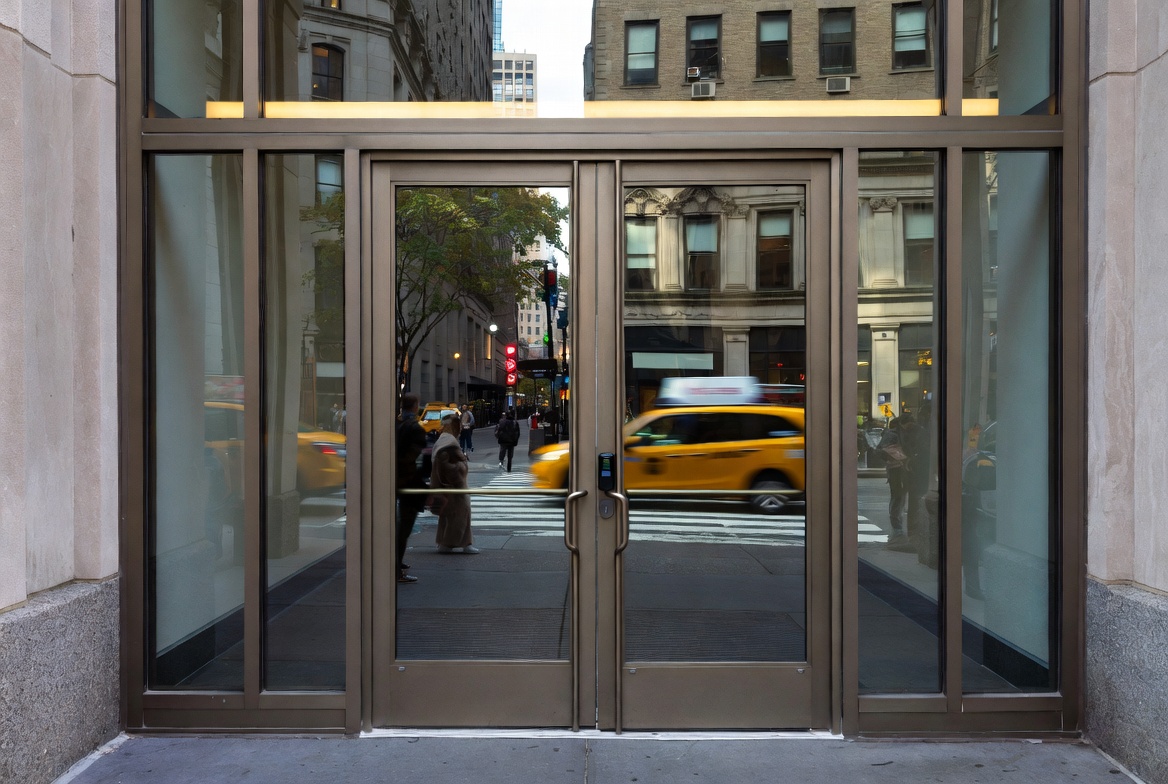
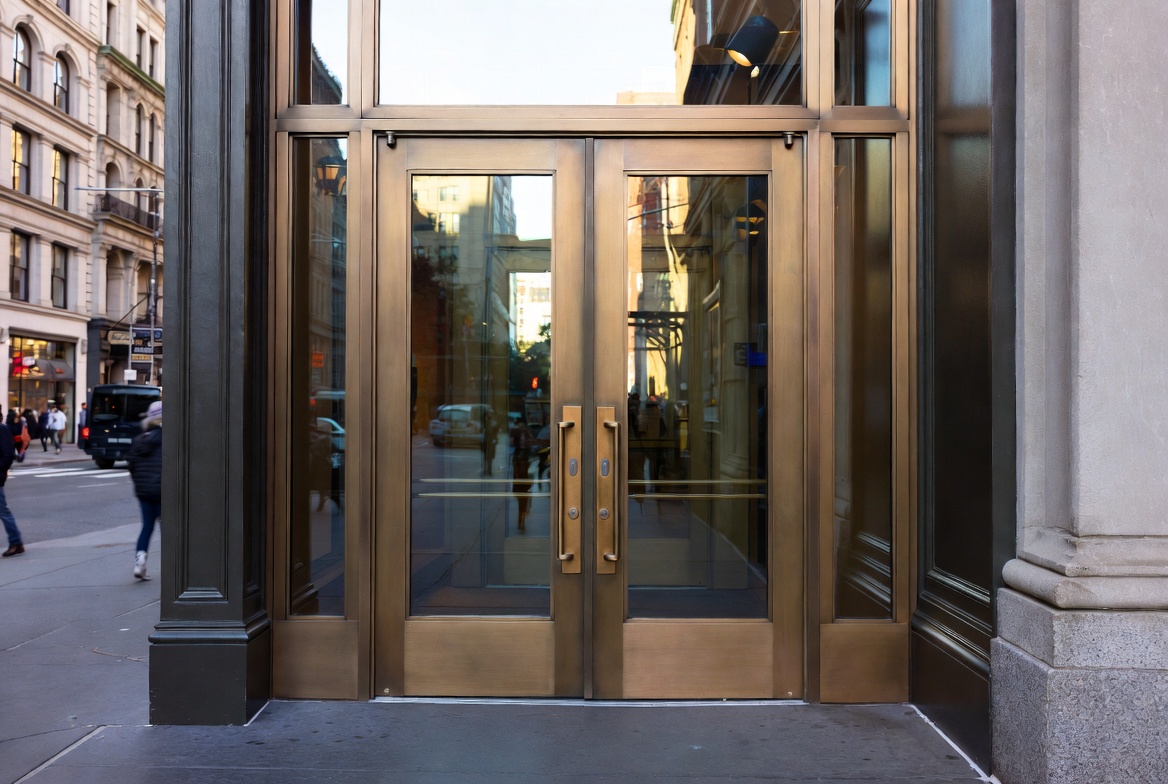
Image Grid 1
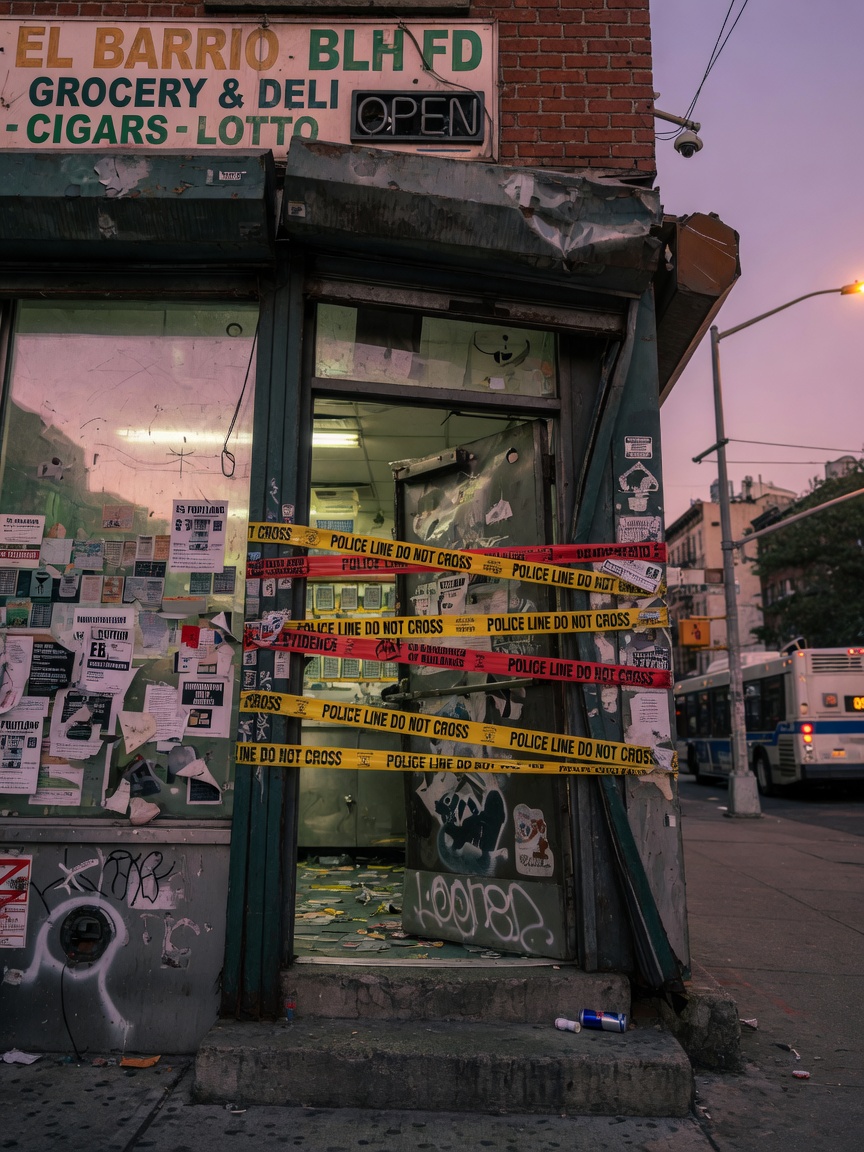
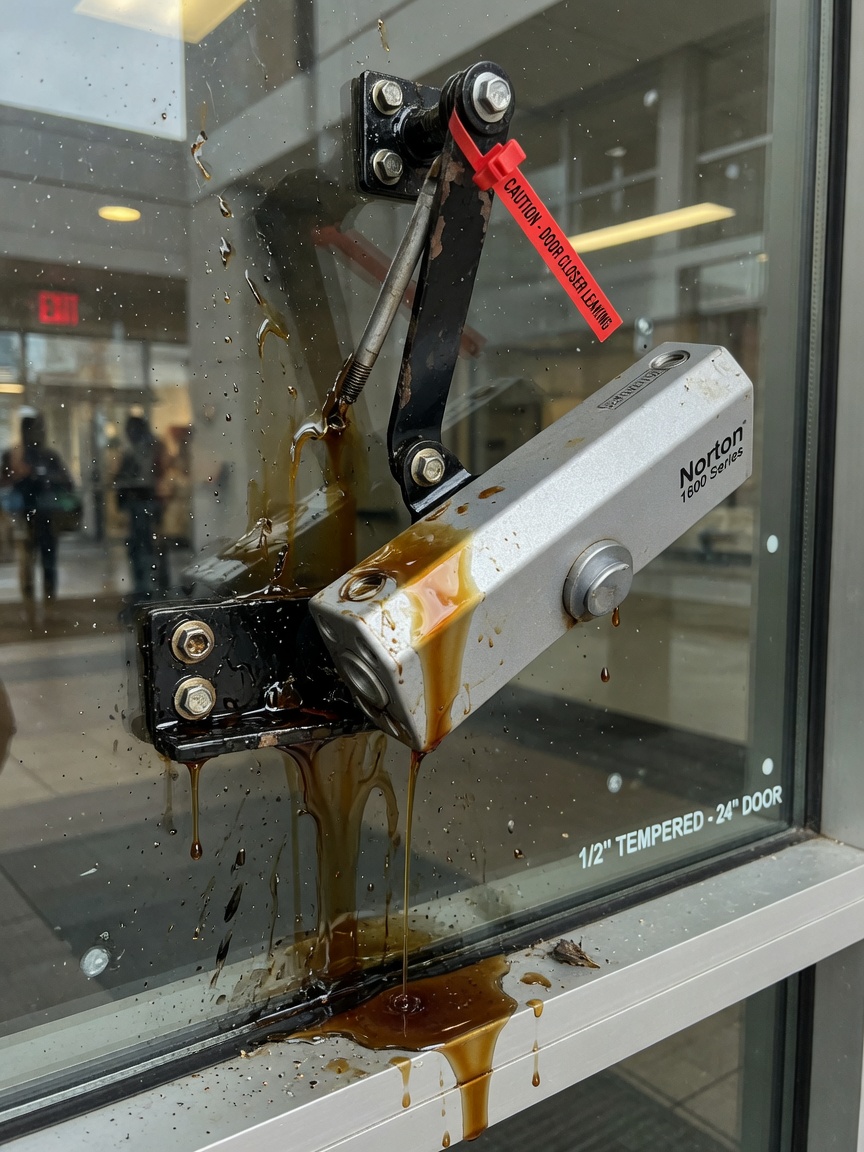
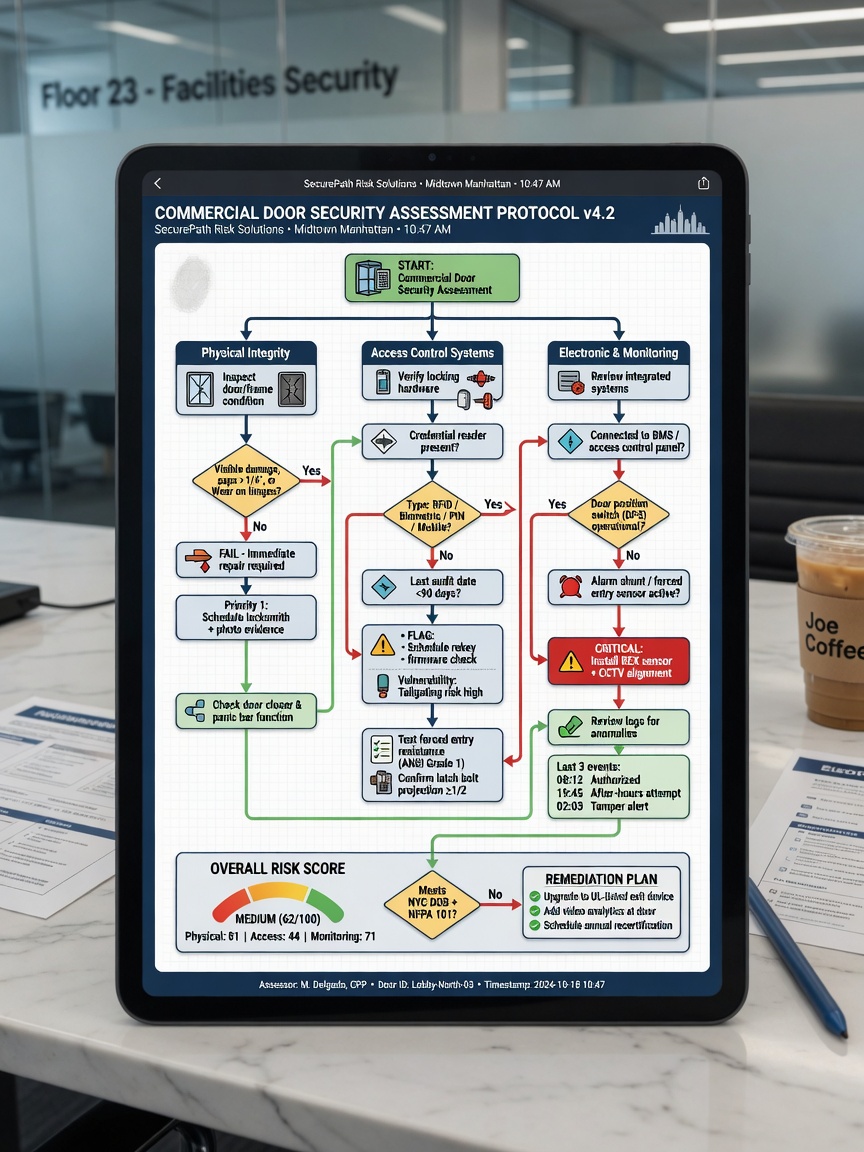
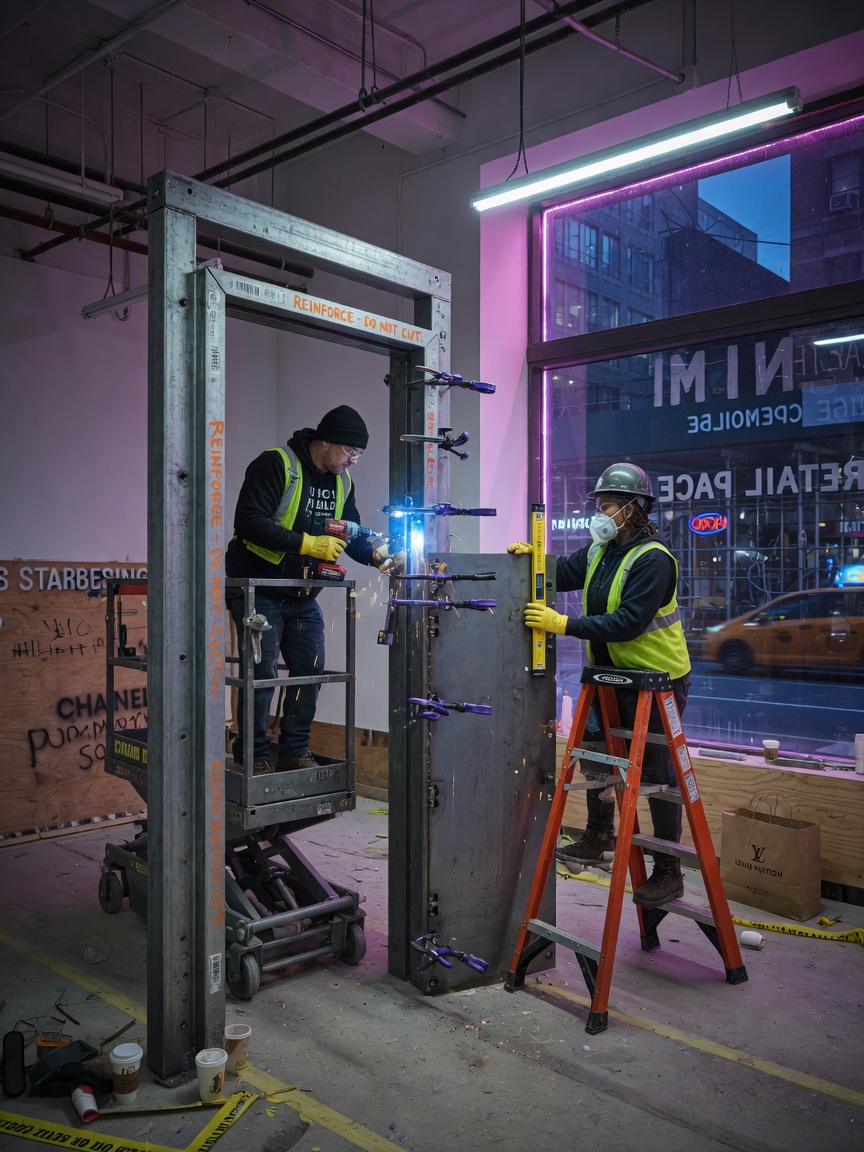
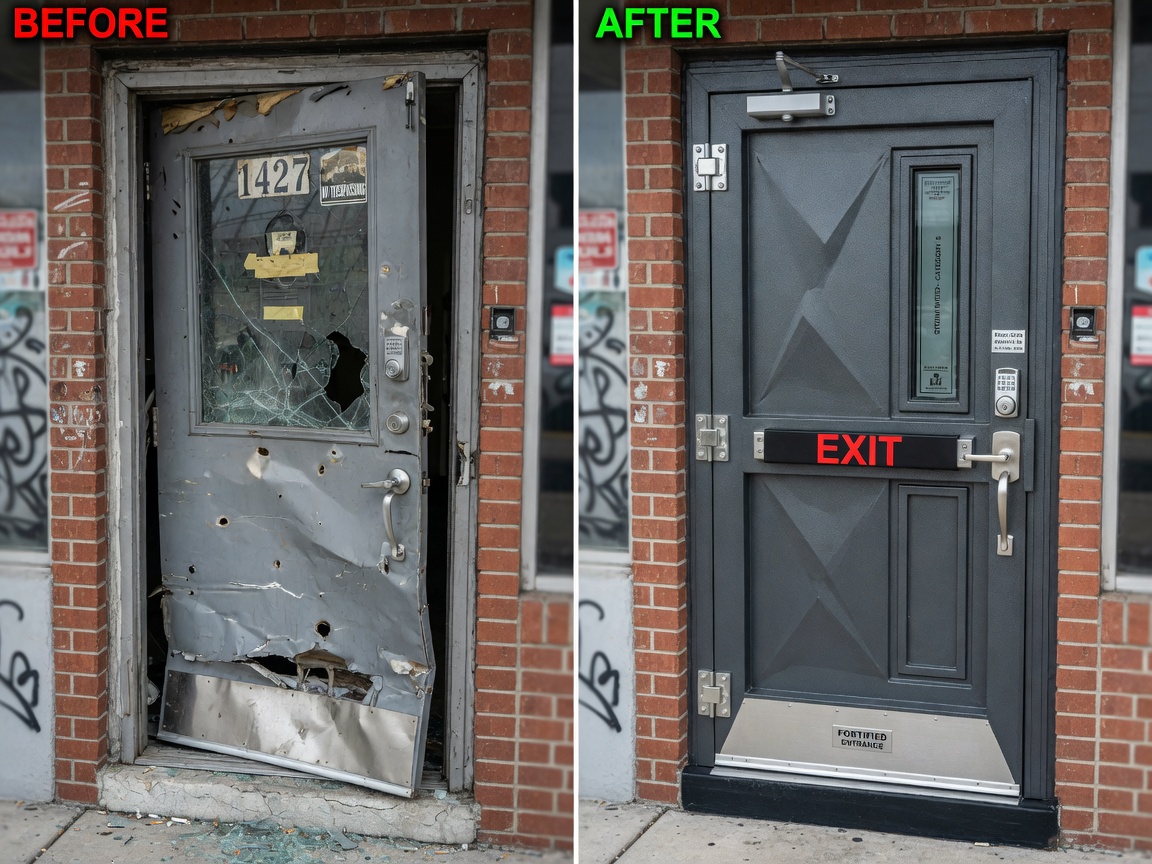
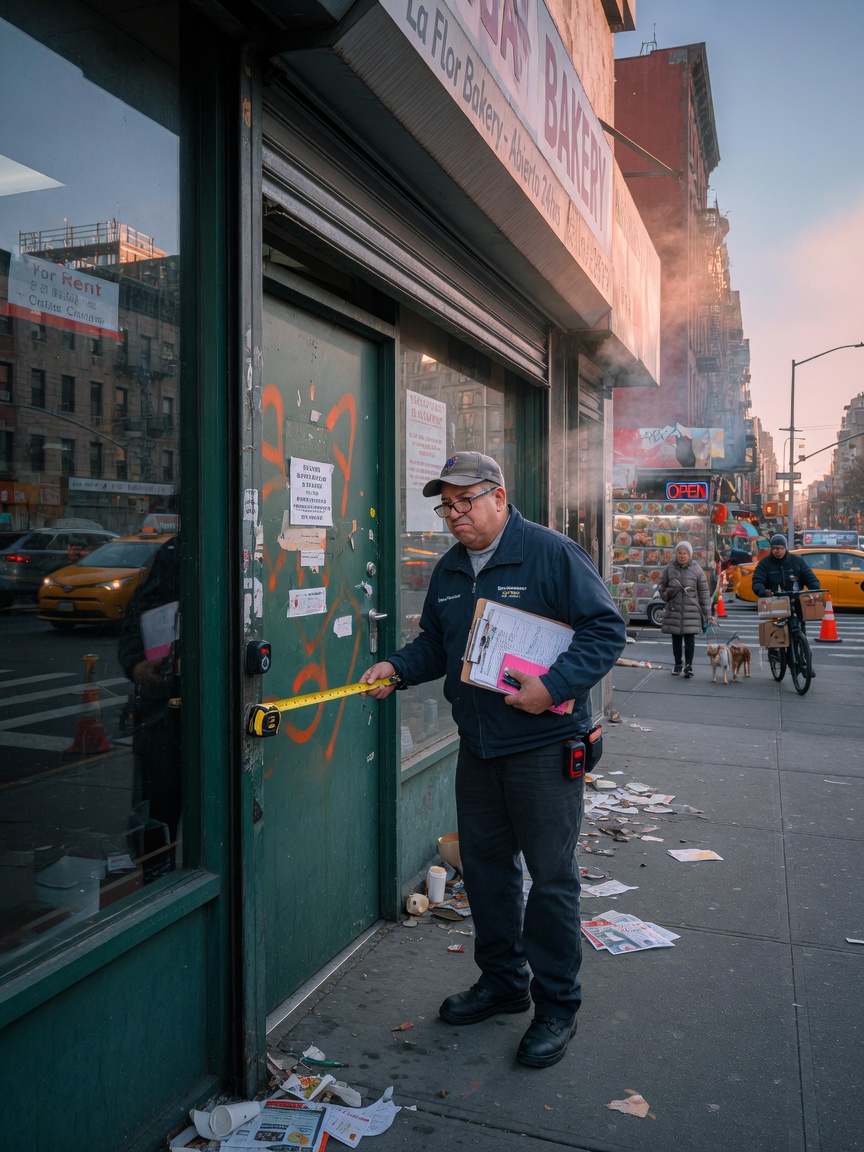
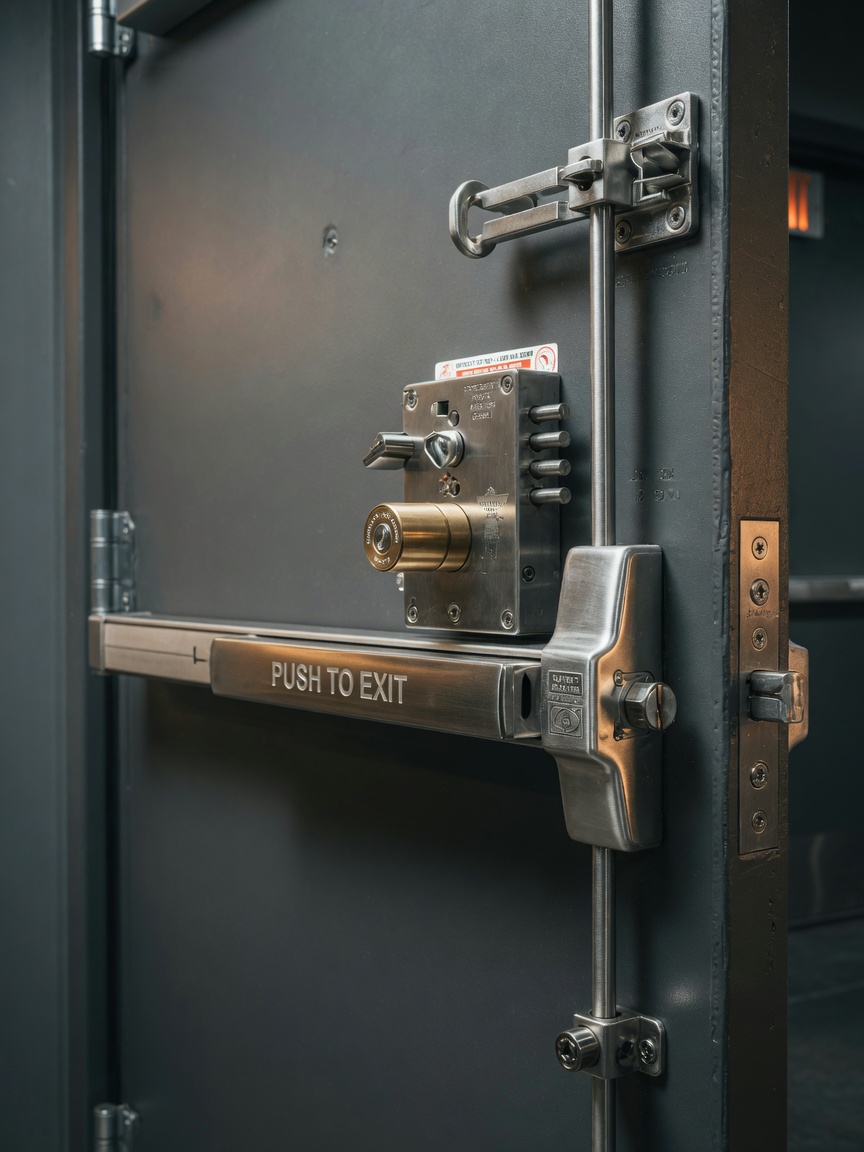
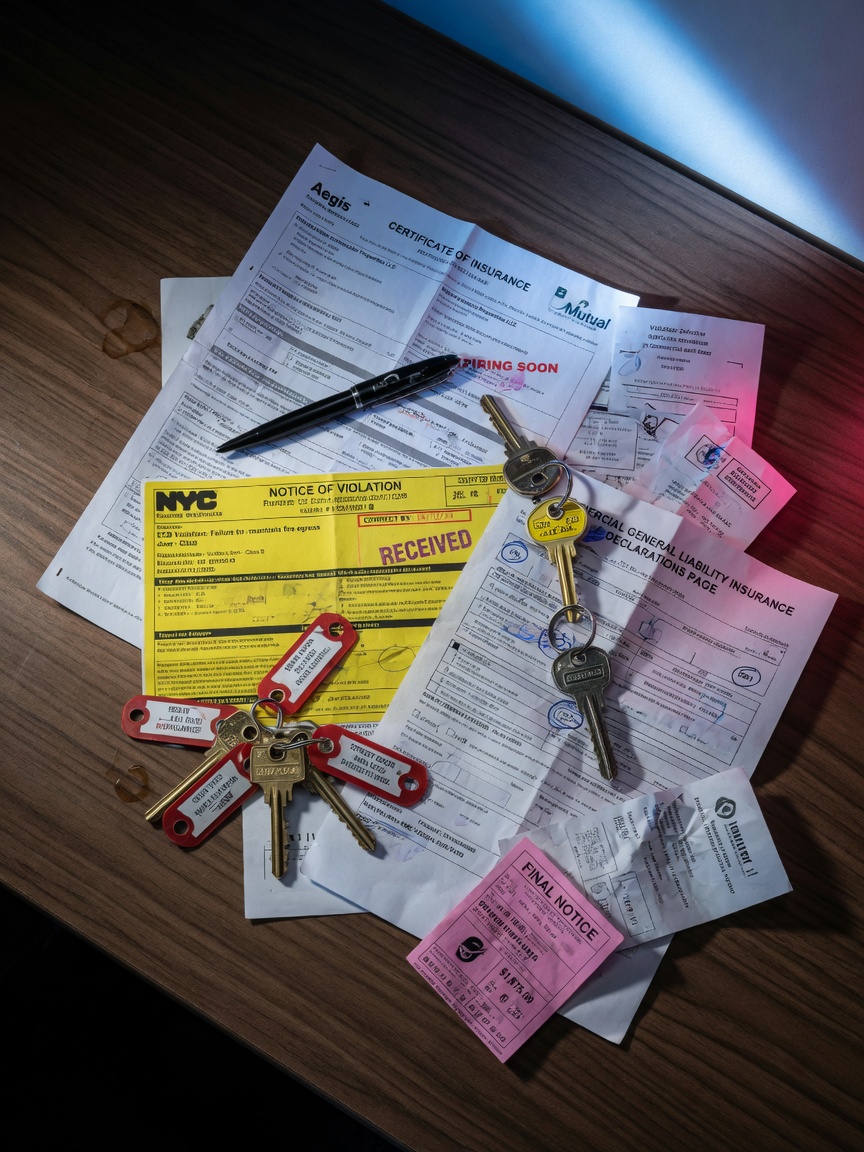
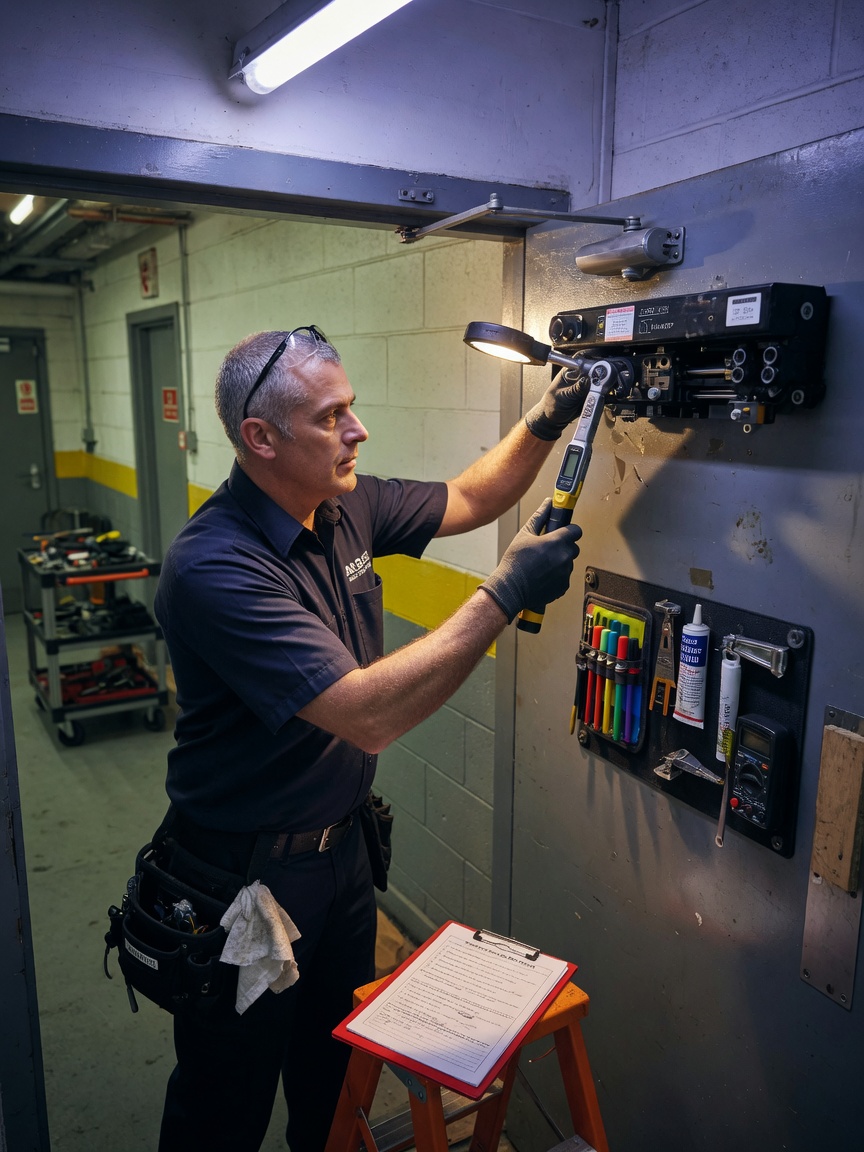
Building managers and retail owners who treat doors as simple maintenance items quickly discover that deferred repairs create cascading problems that affect everything from energy efficiency to insurance compliance.
Common NYC Commercial Door Security Failures and Their Root Causes
1. Warped Frames and Misaligned Doors
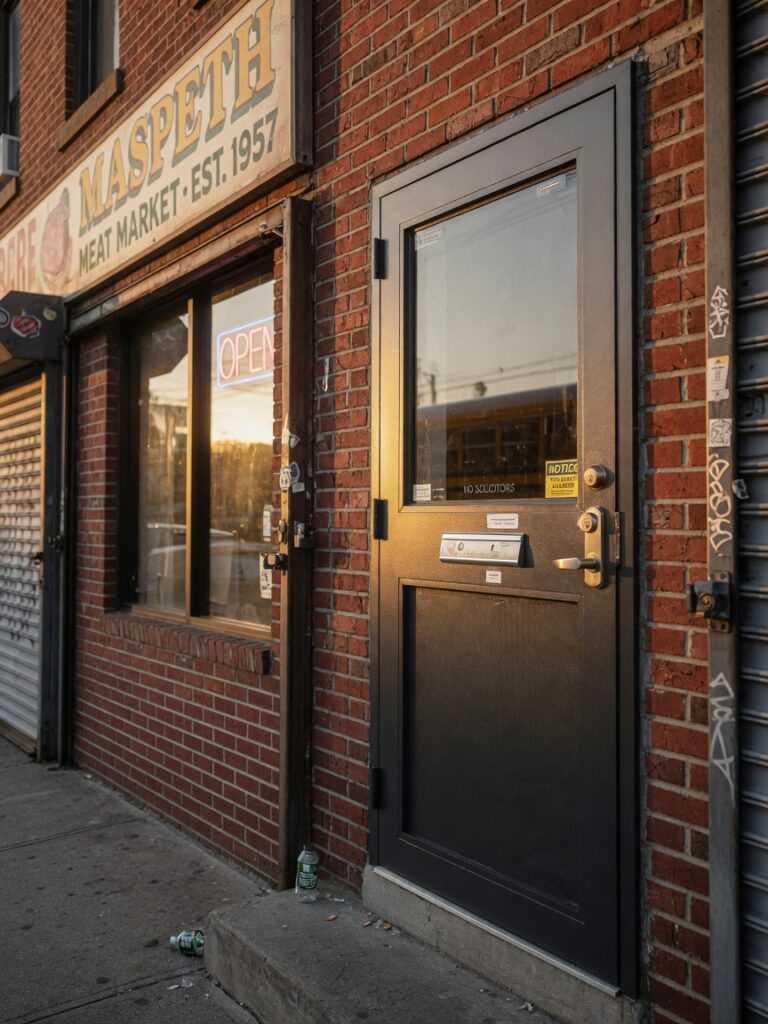
Thermal cycling, building settlement, and repeated impact from delivery carts cause steel frames to warp. In NYC’s humid summers and freezing winters, this distortion prevents proper sealing and latching—creating both security gaps and energy loss.
2. Failing Door Closers and Panic Hardware
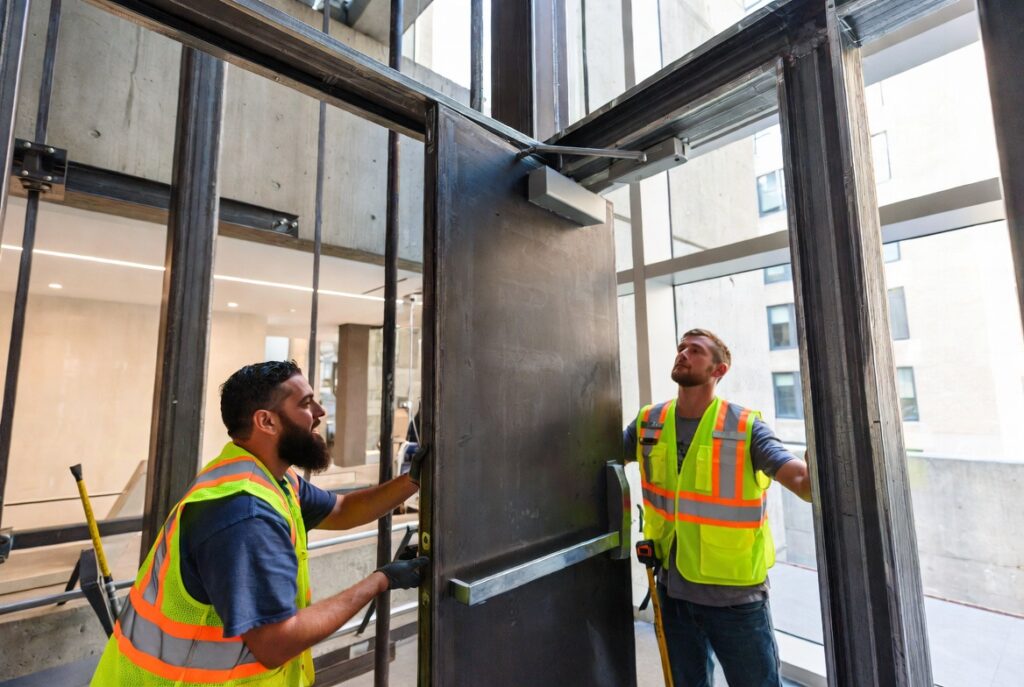
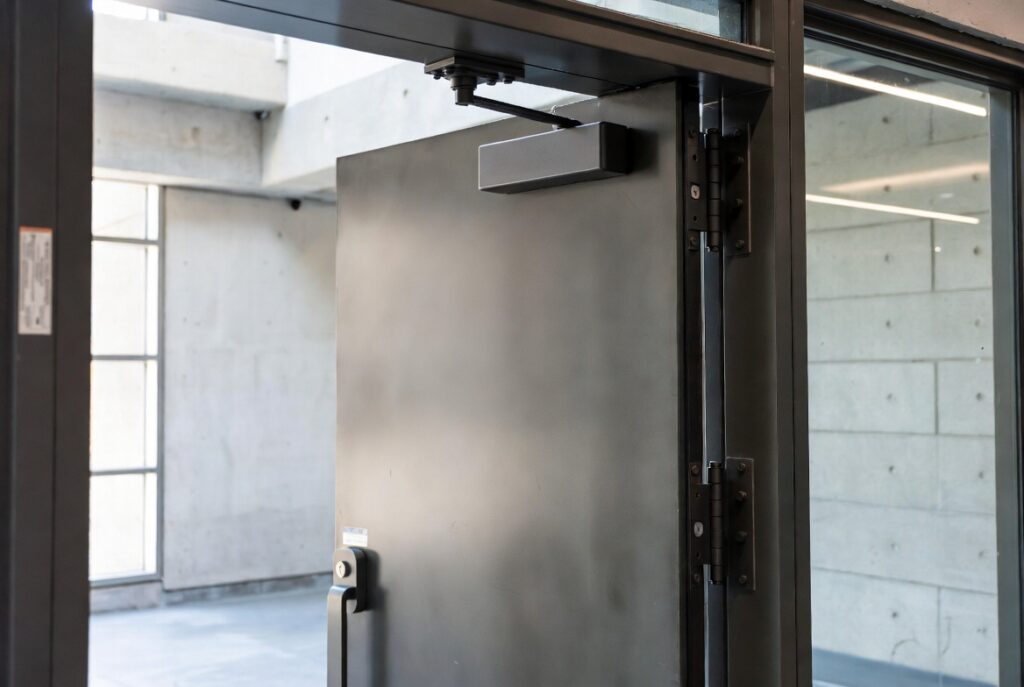
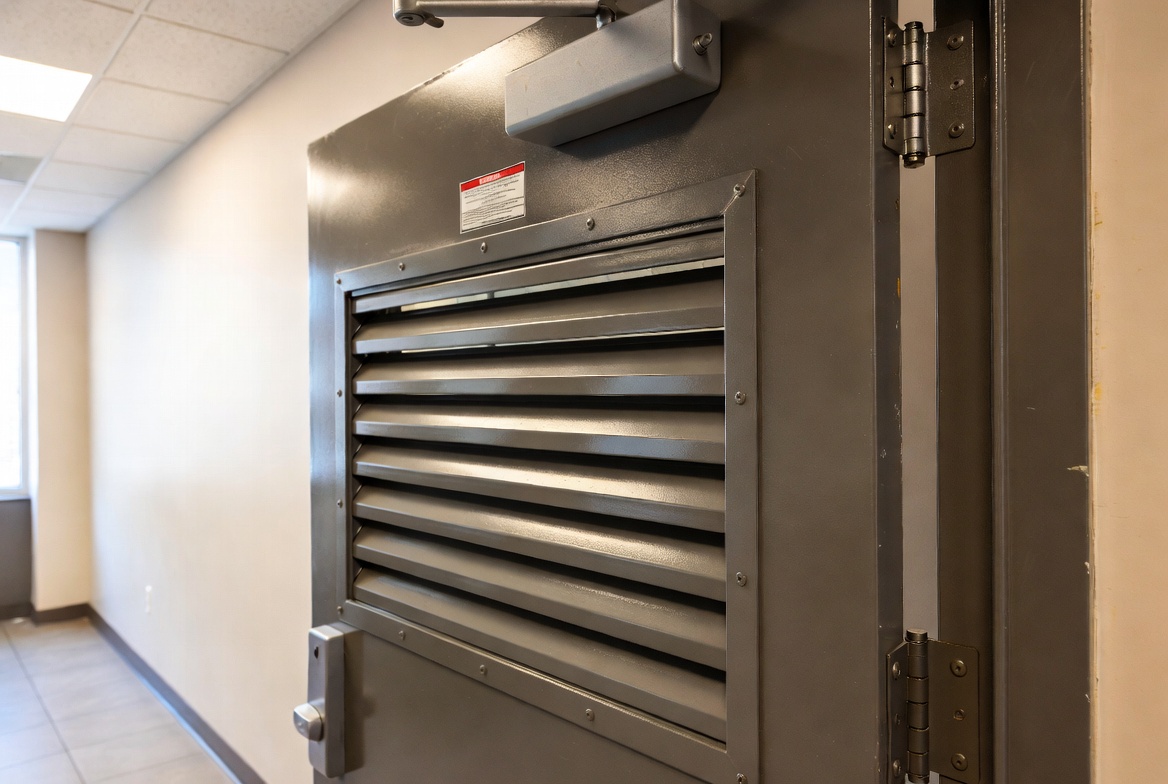
Commercial-grade closers are rated for 500,000 cycles. In high-traffic Manhattan storefronts, many exceed this within 18-24 months. When closers fail, doors either slam dangerously or remain partially open—both violations of Local Law 75 and ADA requirements.
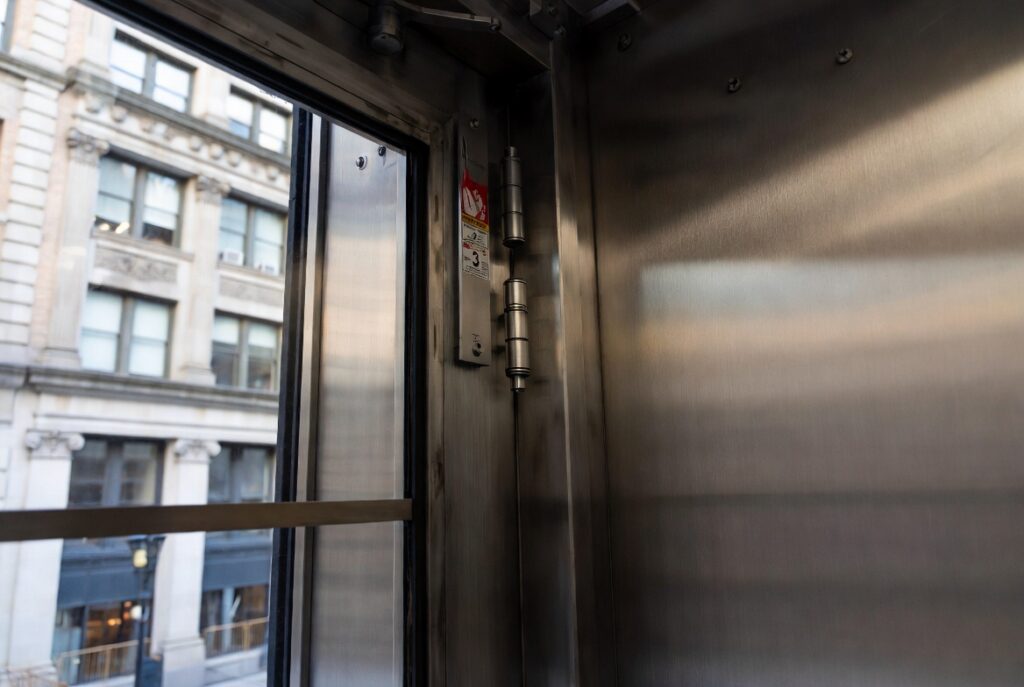
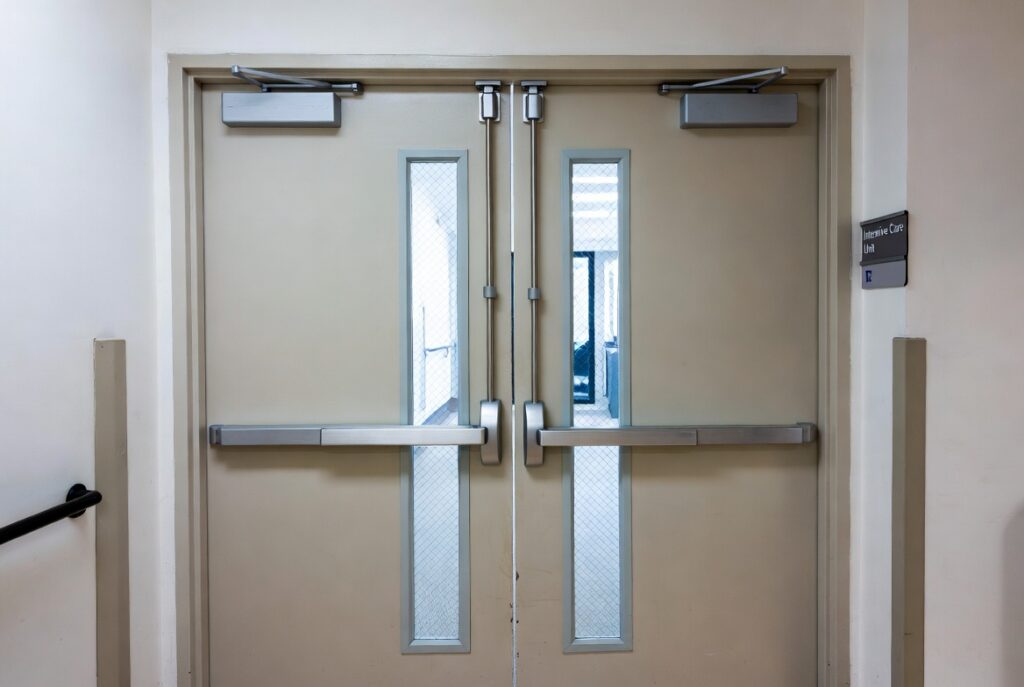
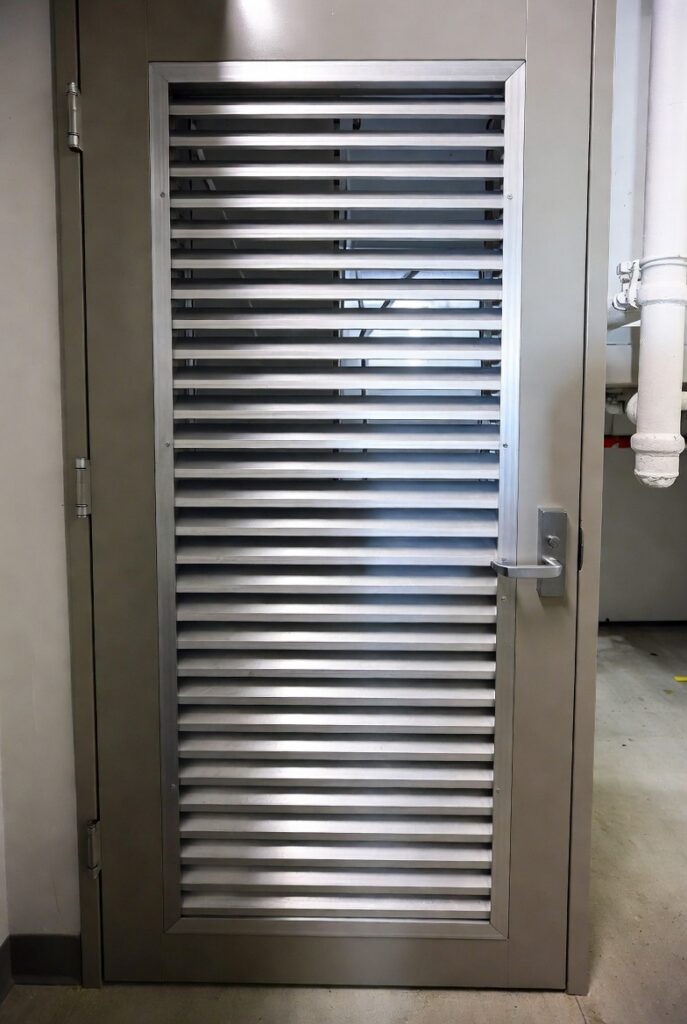
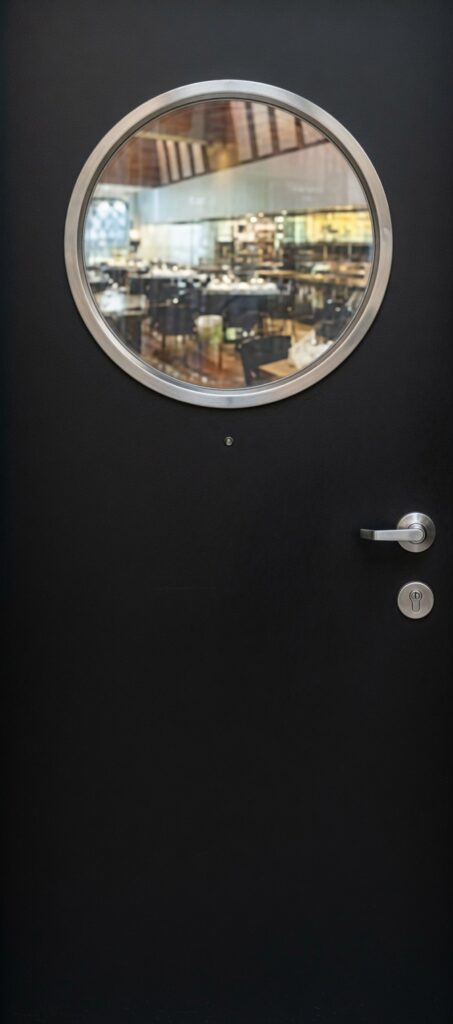
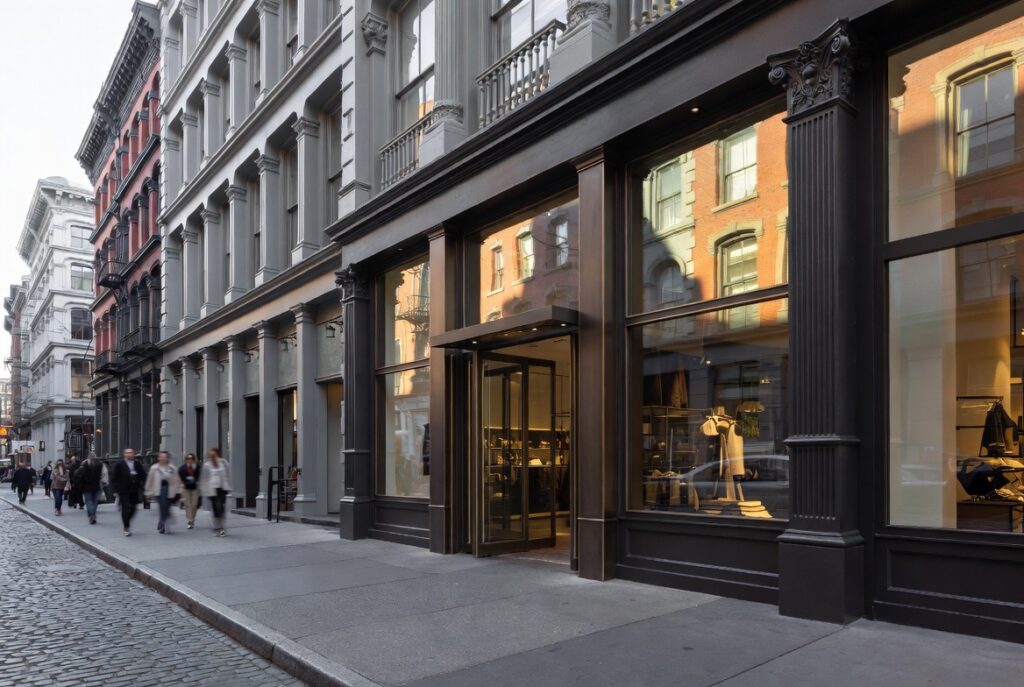
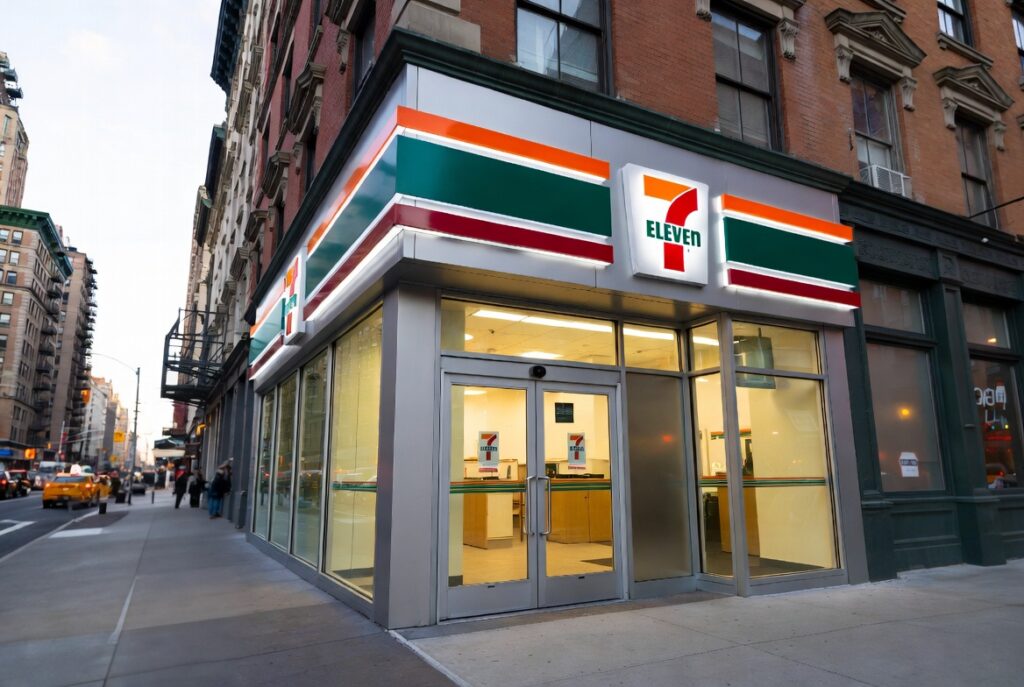
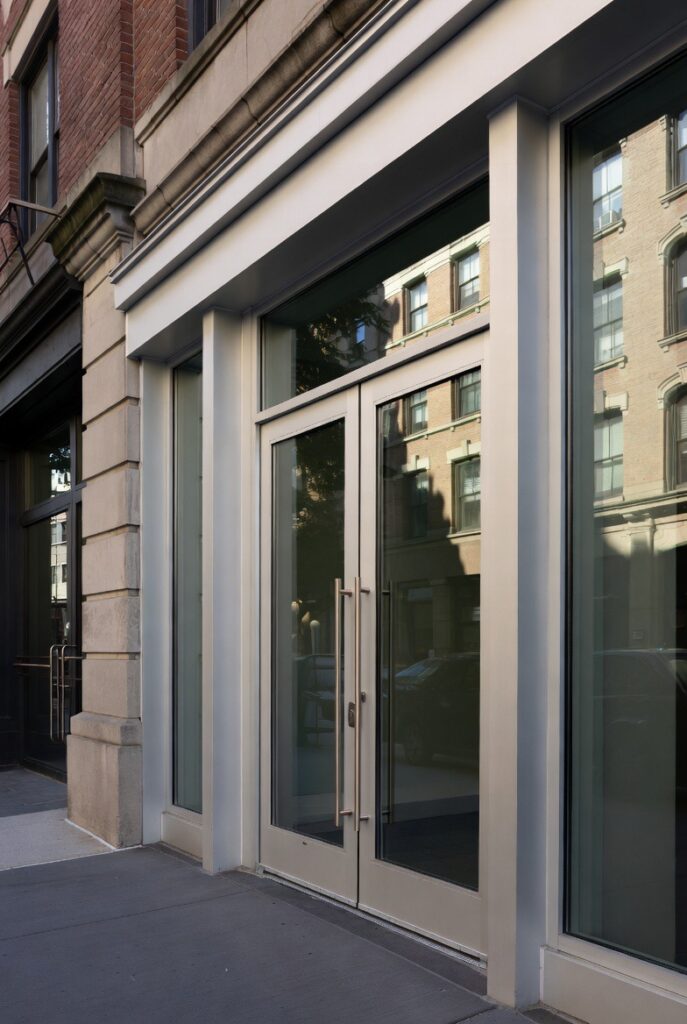
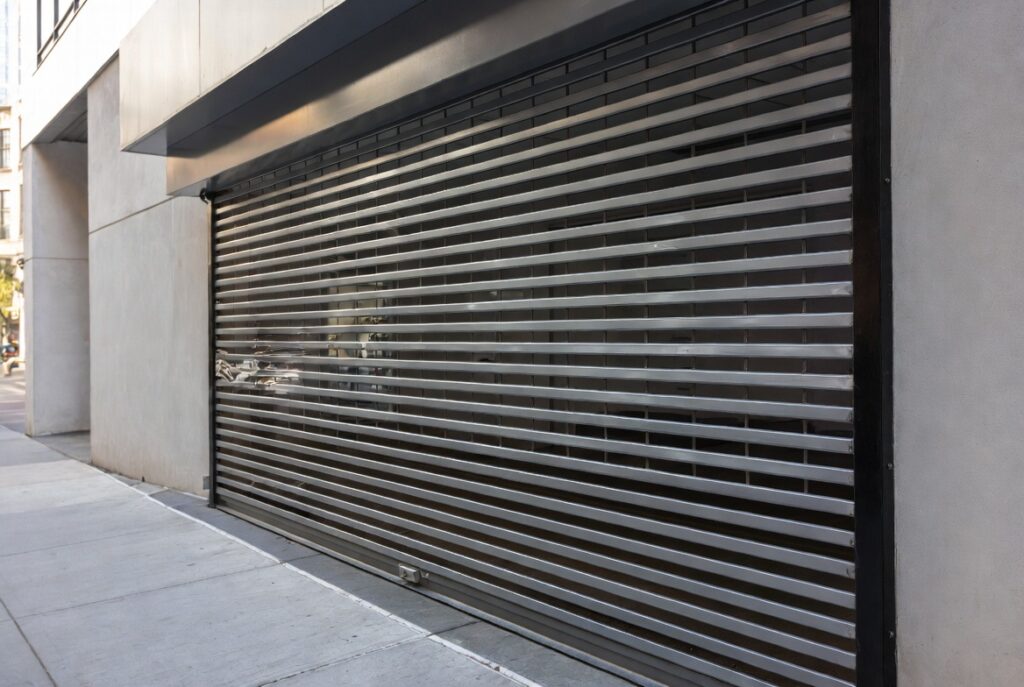
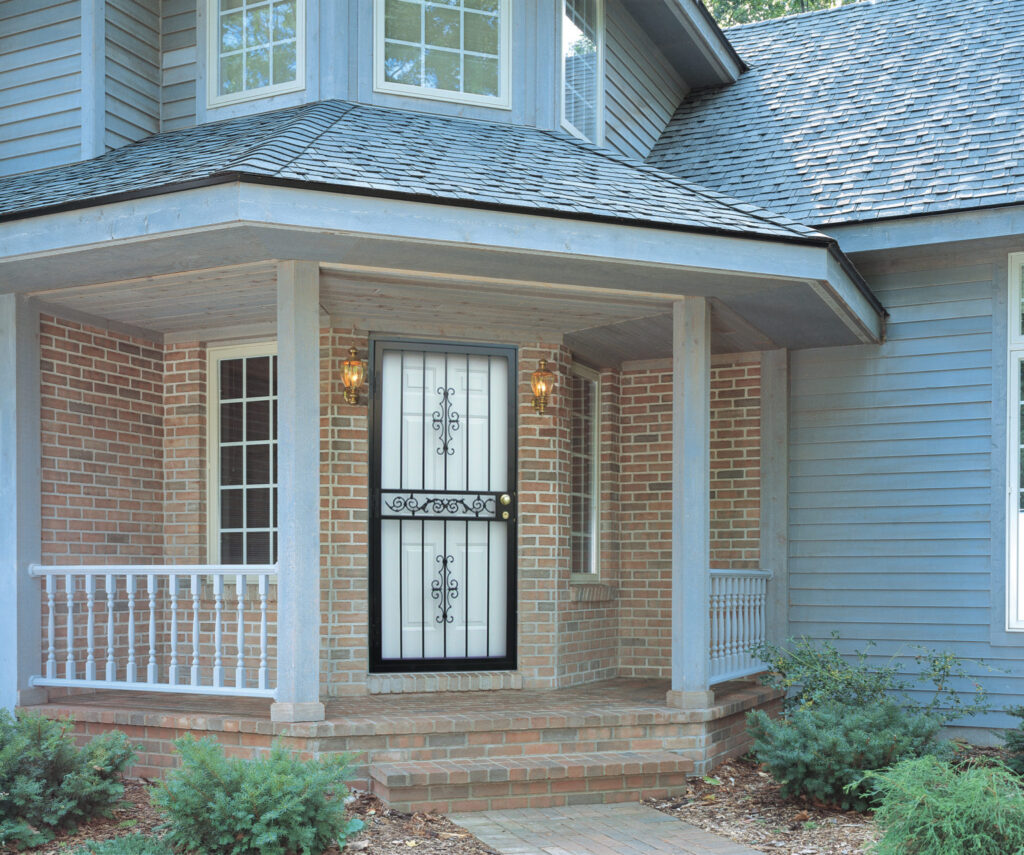
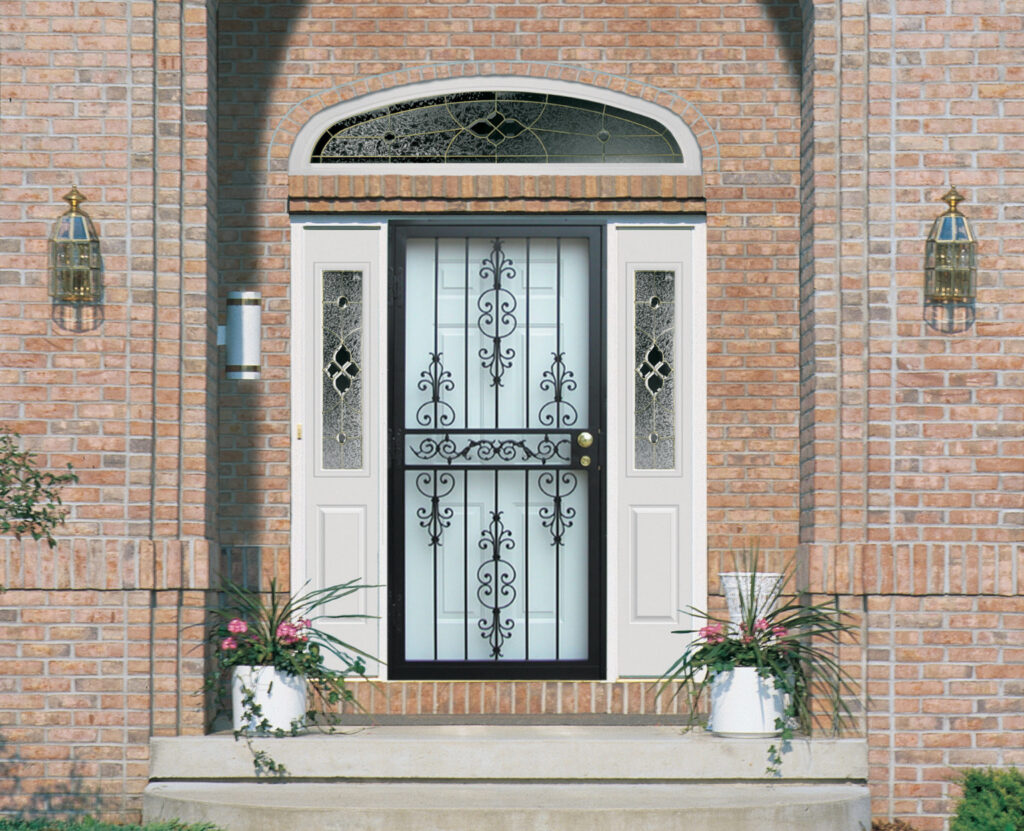
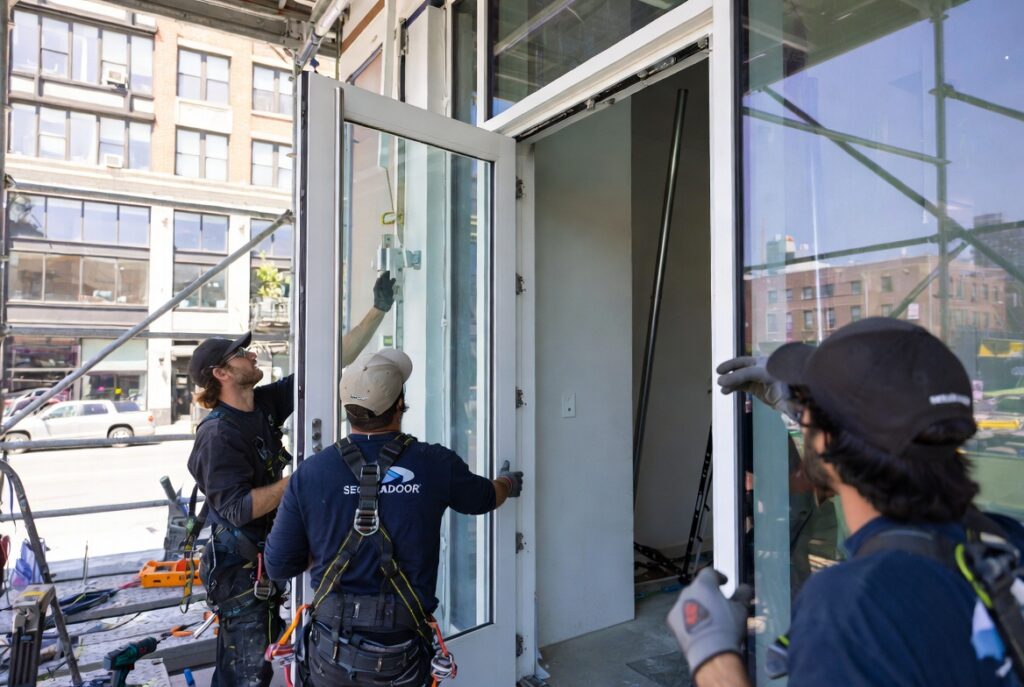
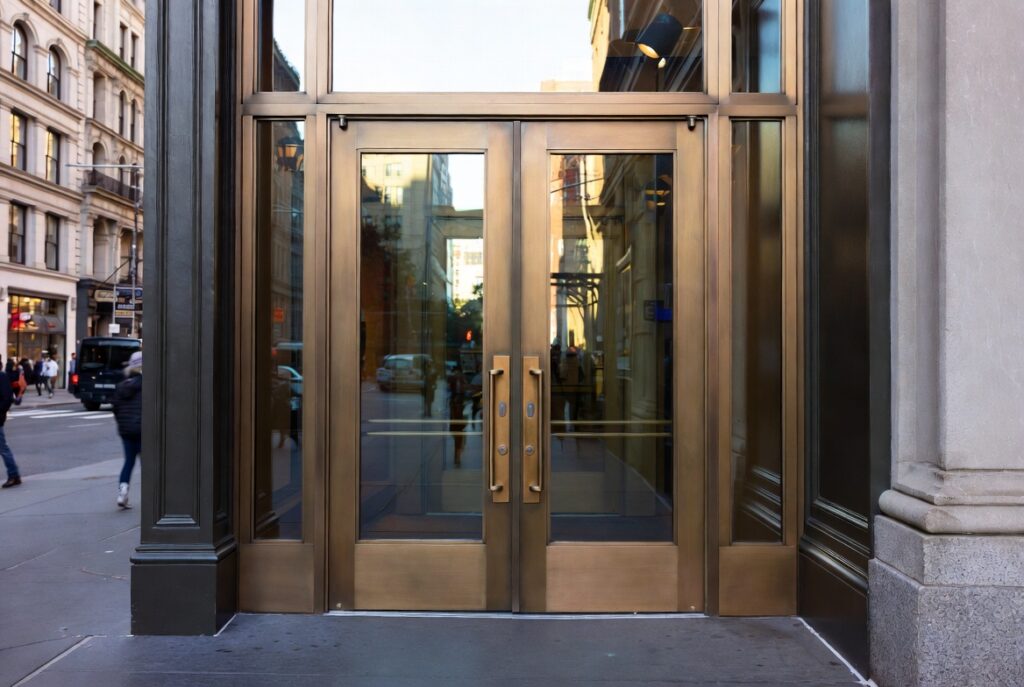
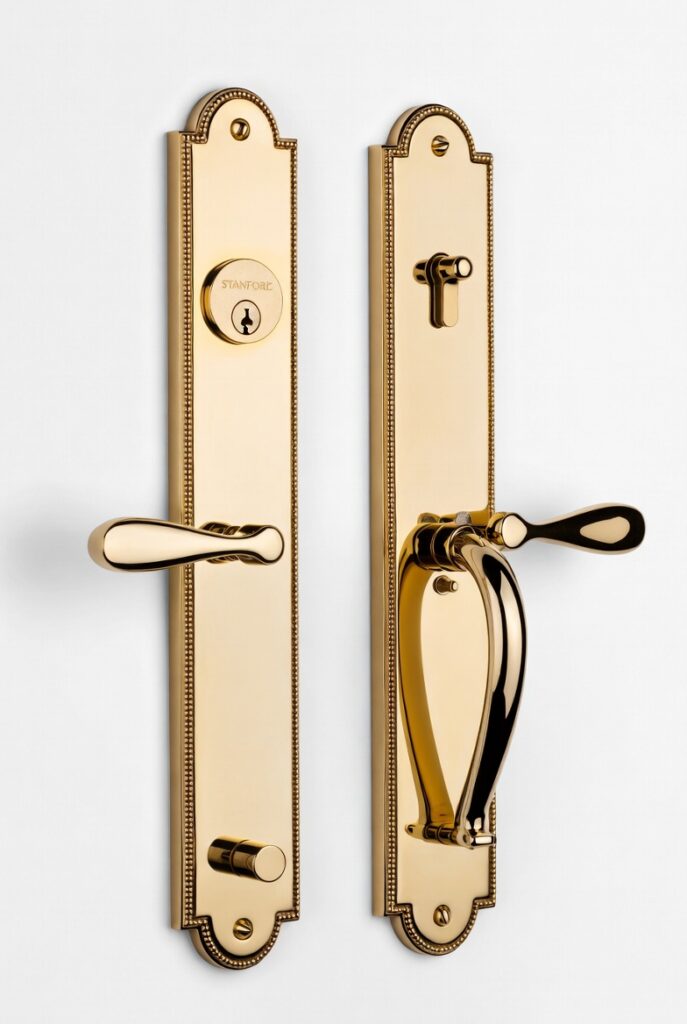
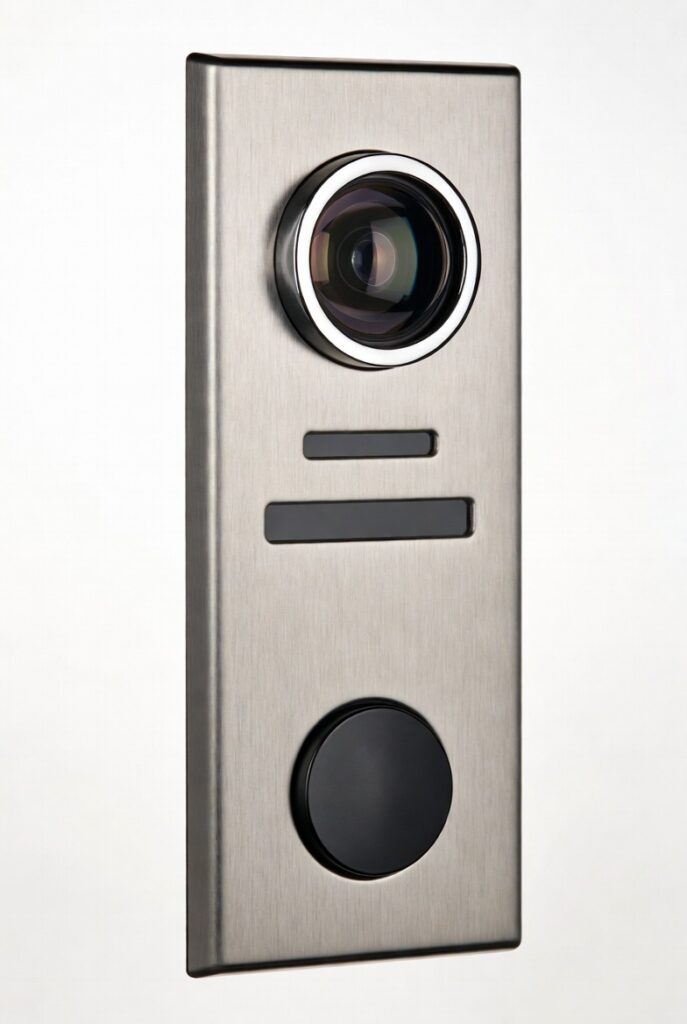
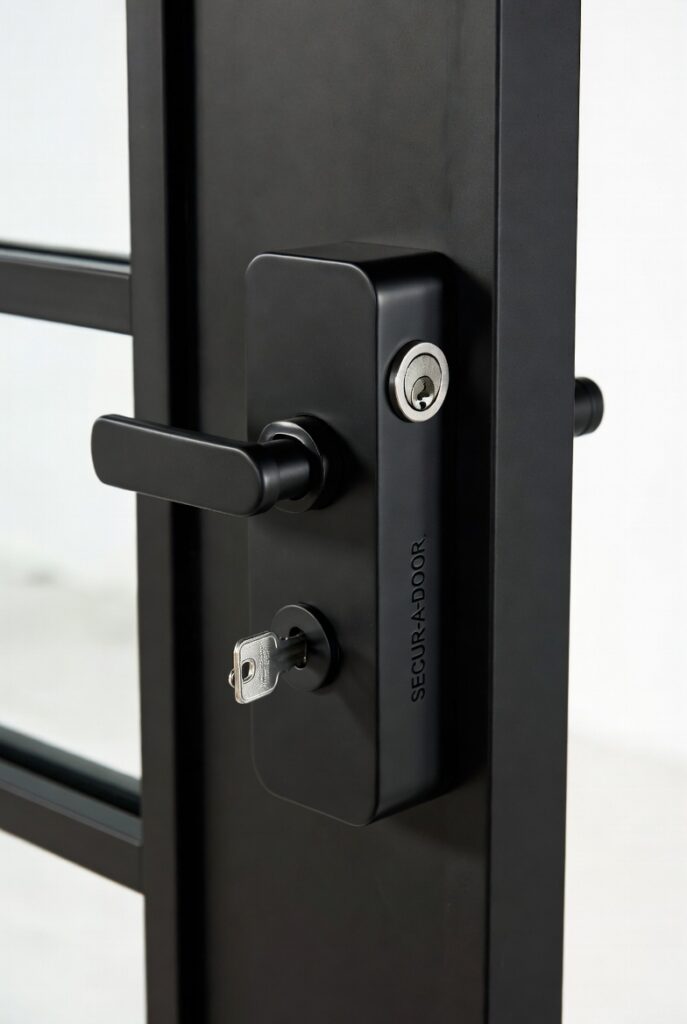
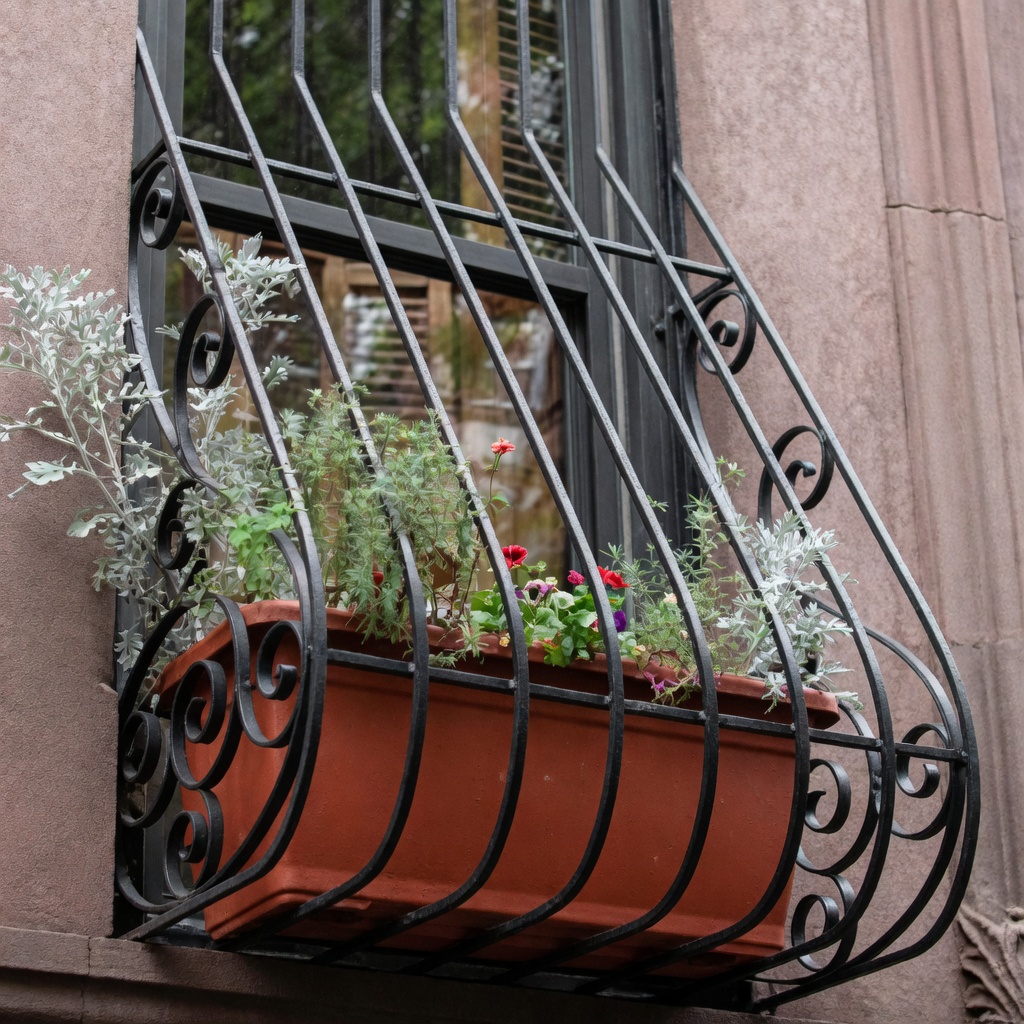
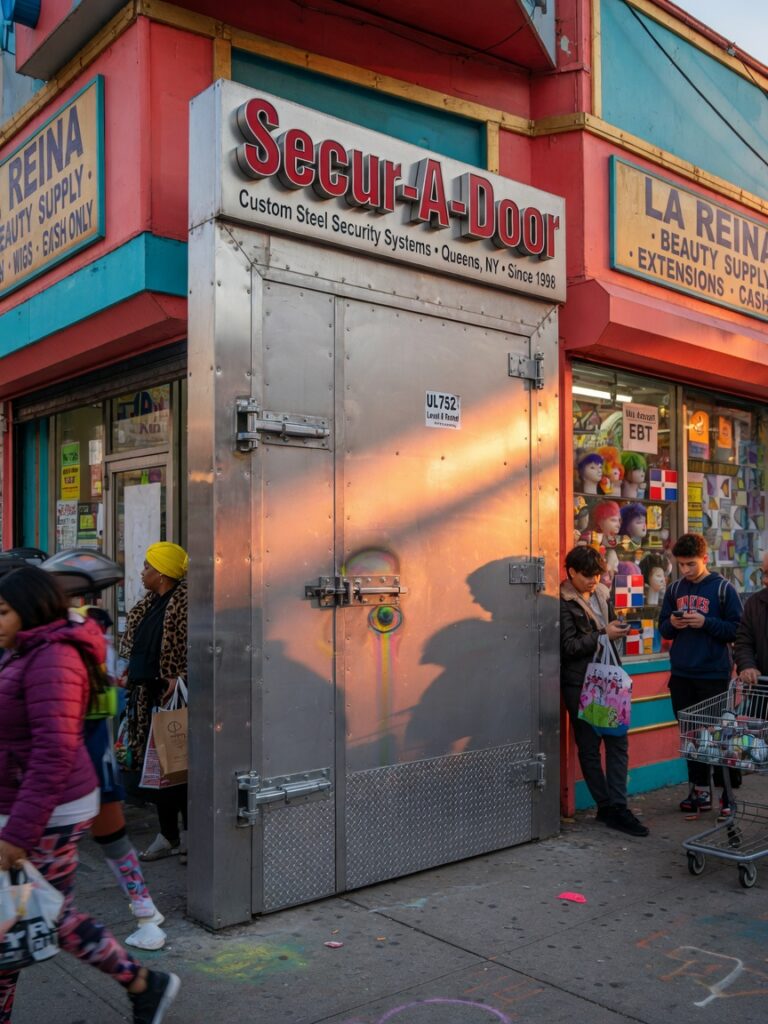
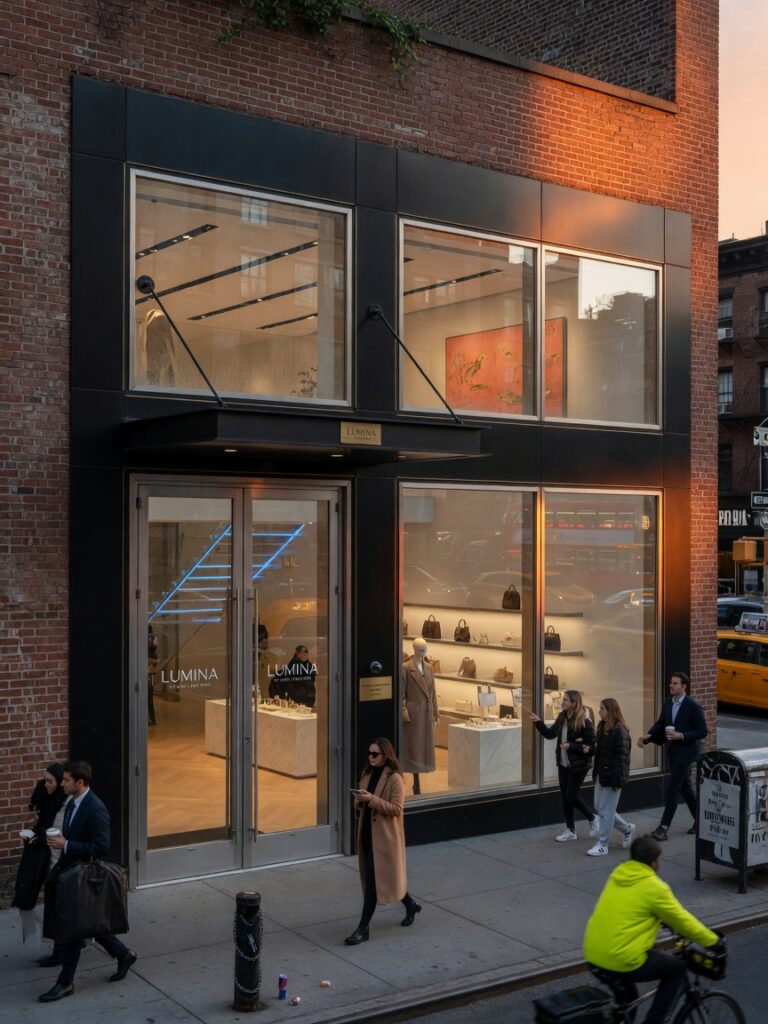
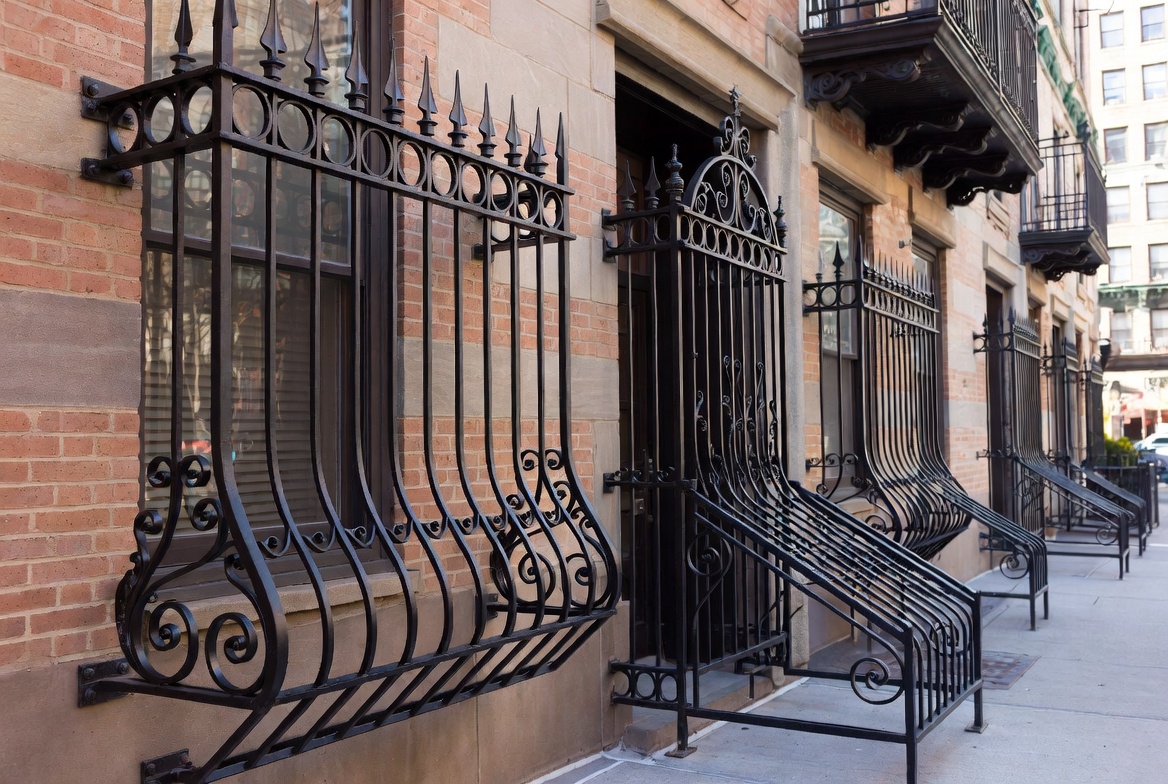
Image Grid 2
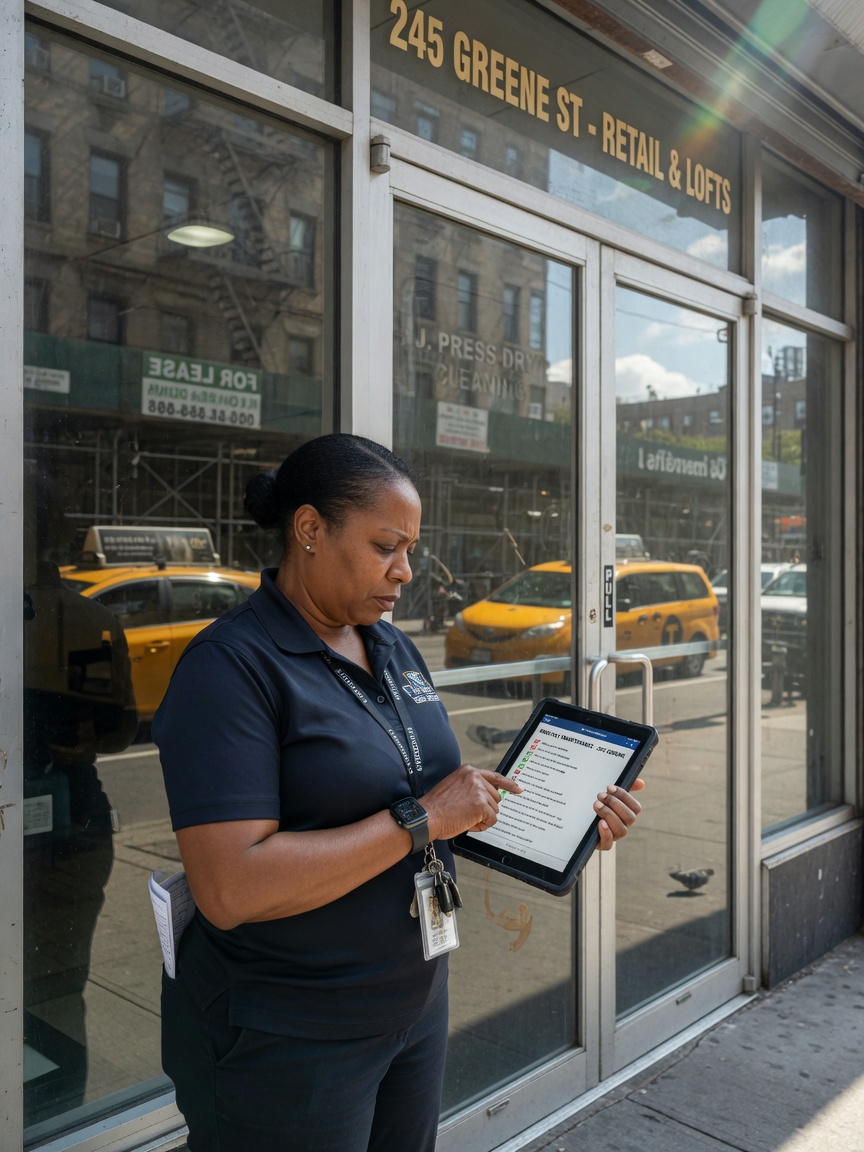
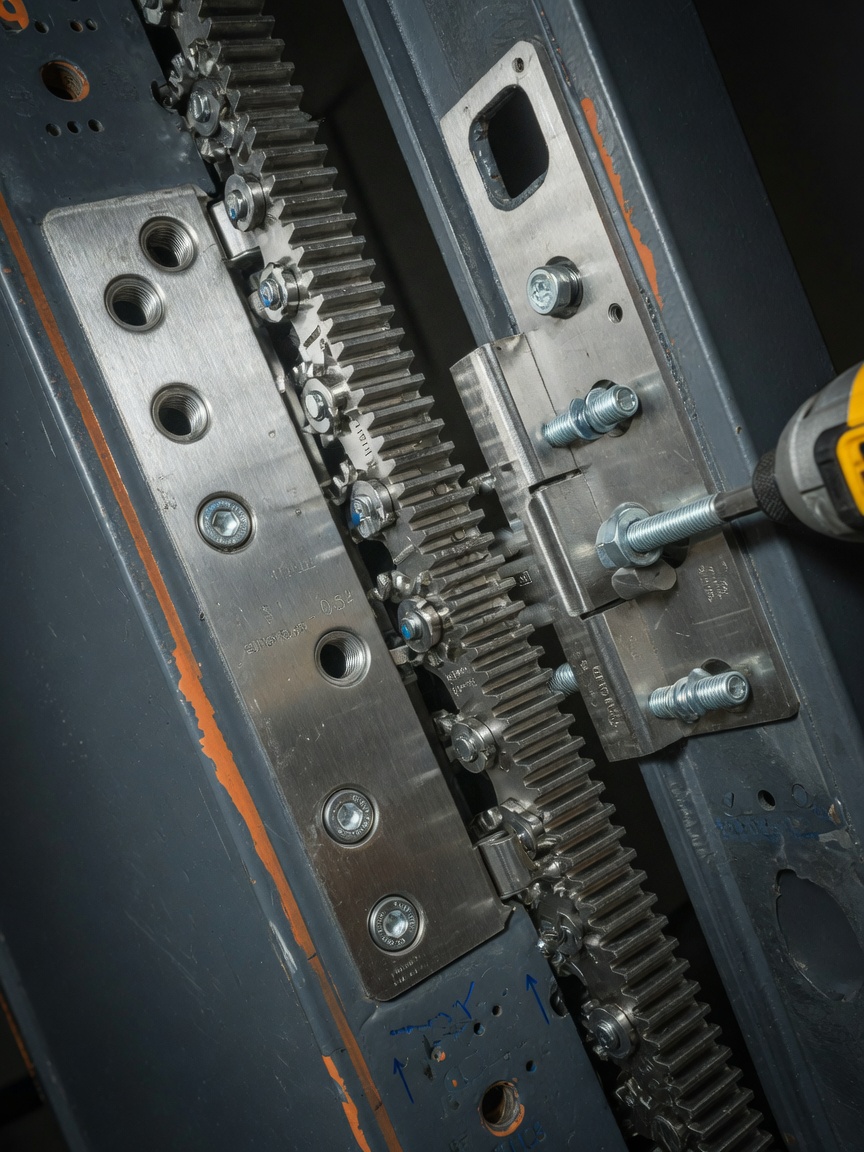
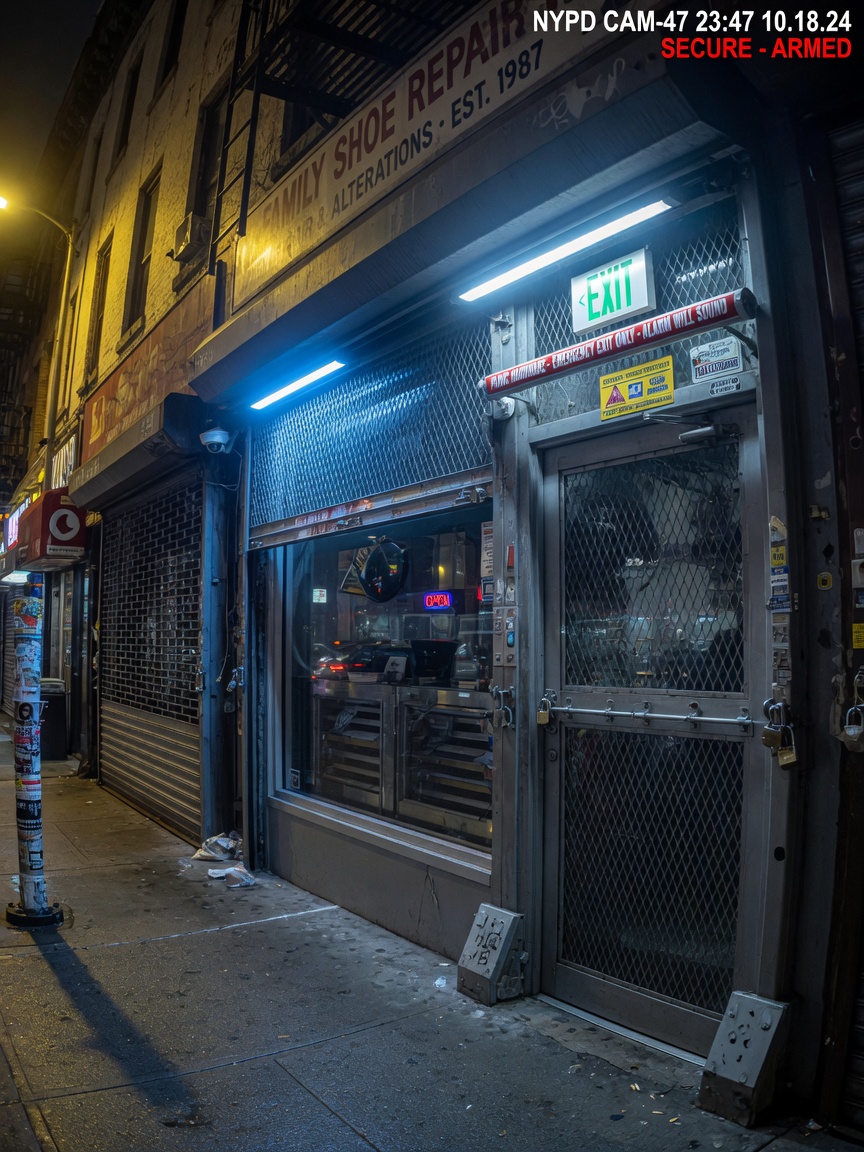
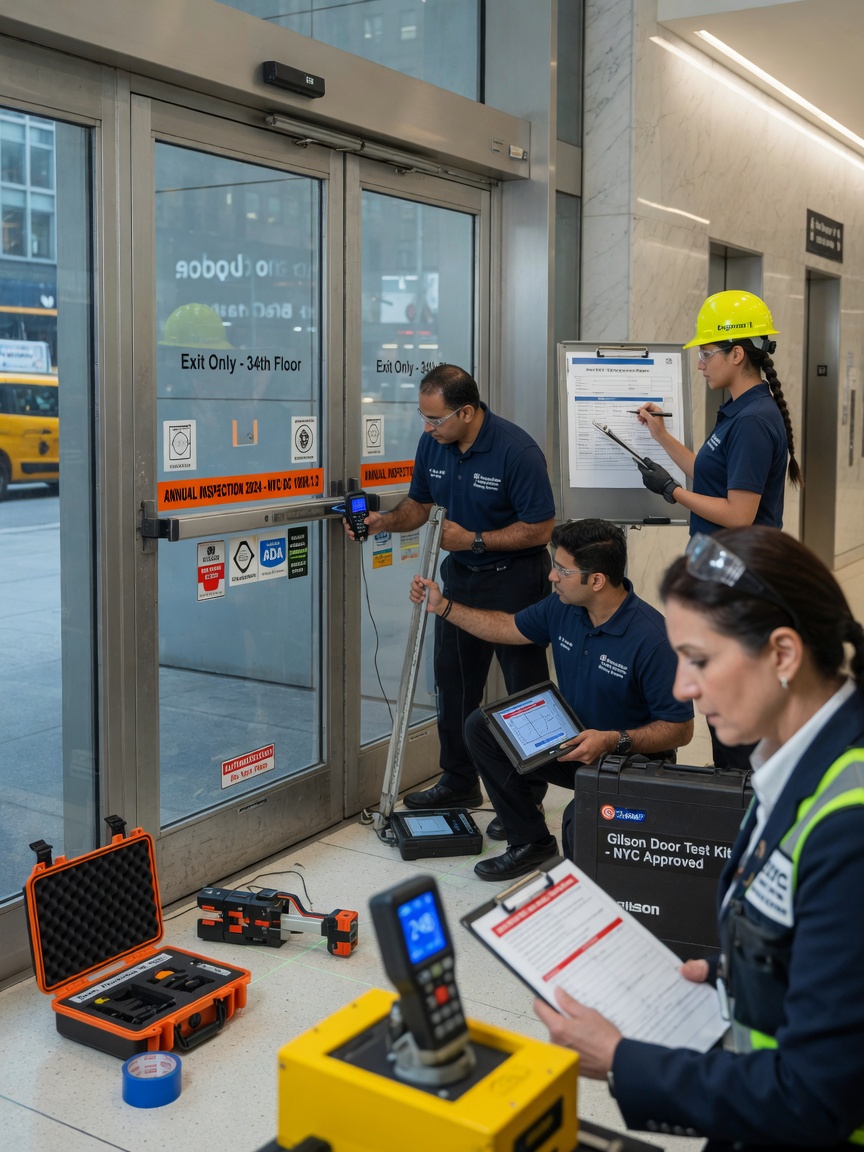
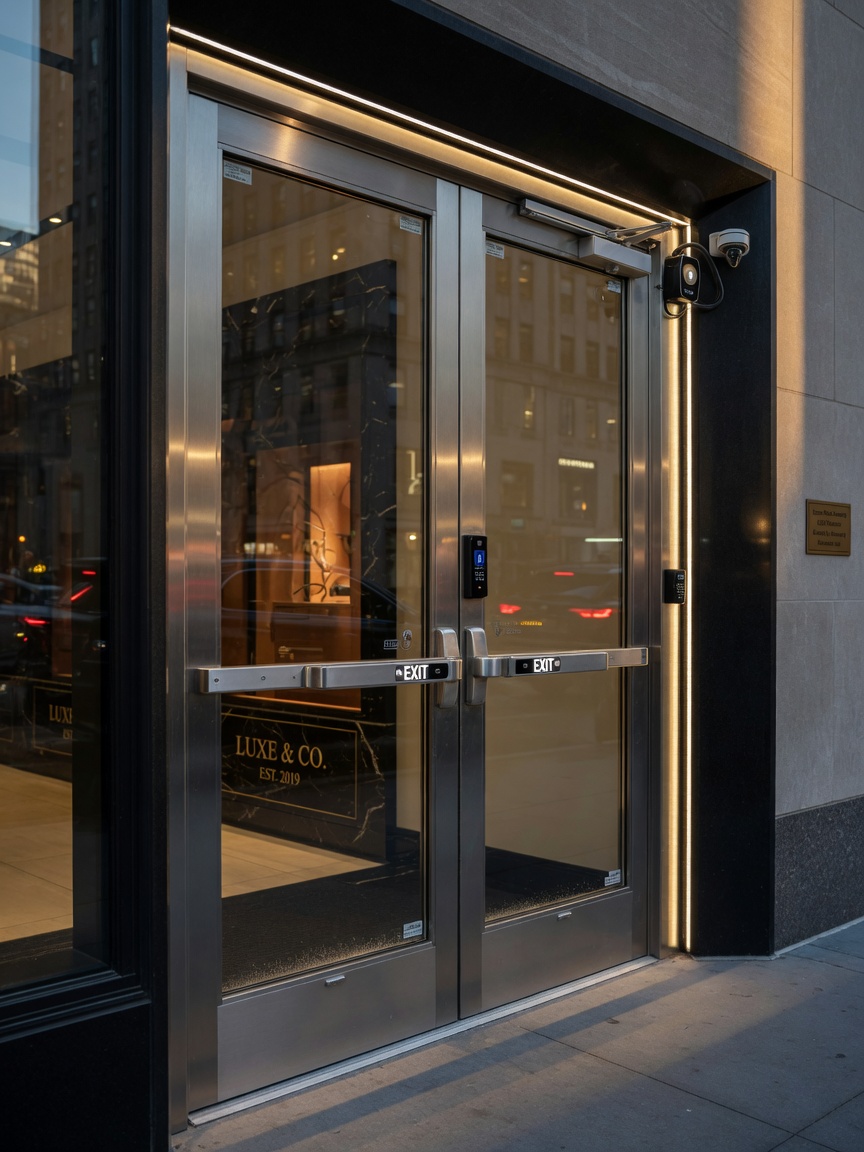
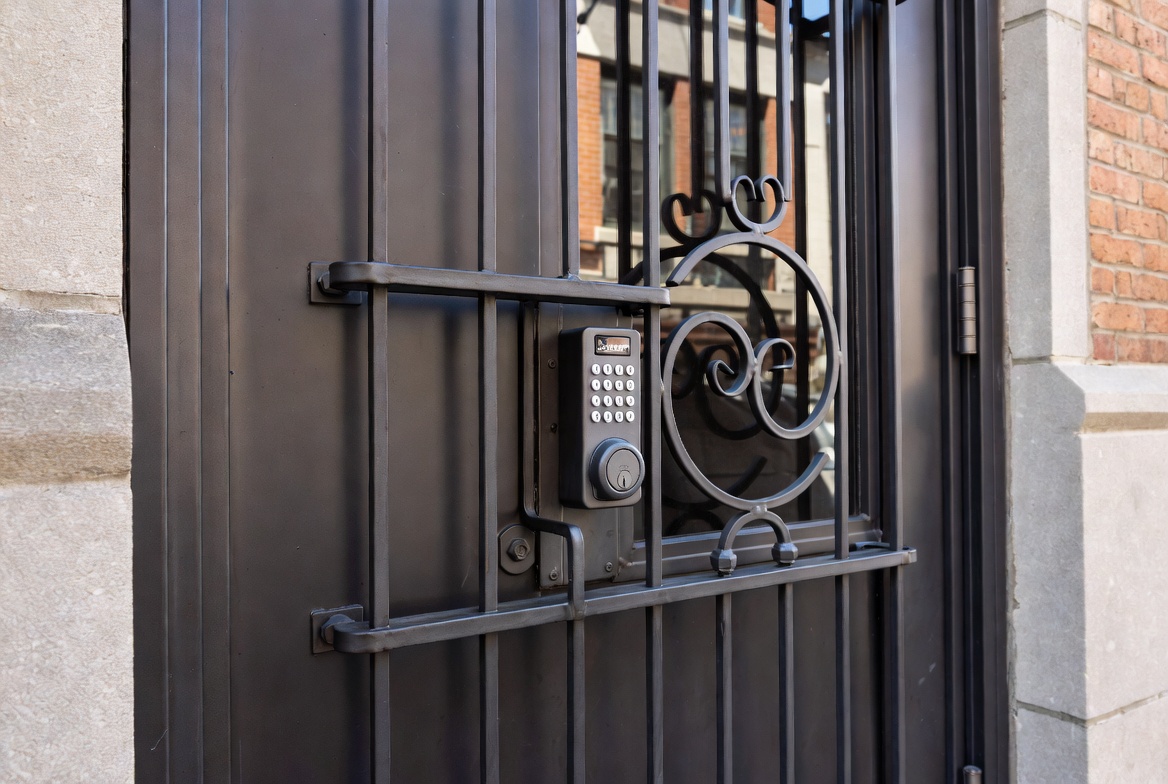
3. Compromised Locking Systems and Strike Plates
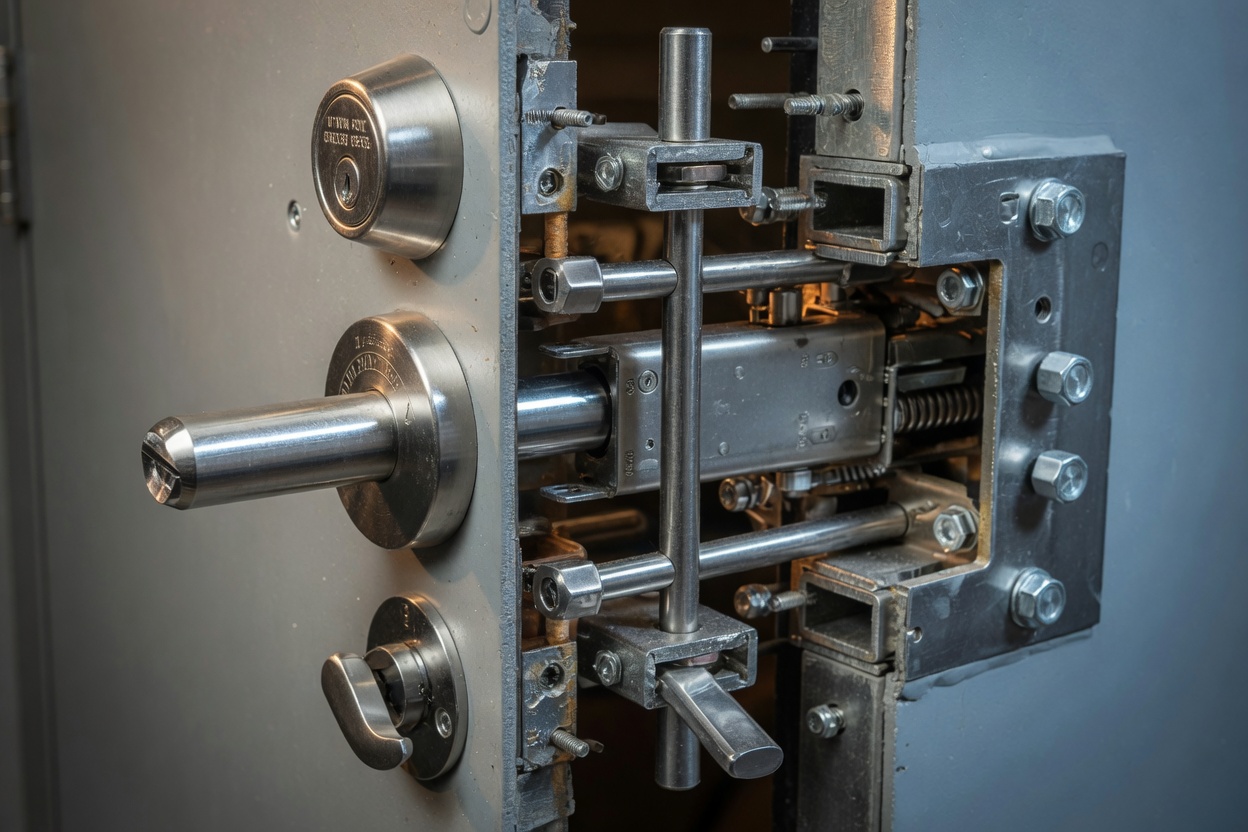
Standard Grade 2 locks and thin strike plates offer minimal resistance against modern burglary tools. Many NYC properties still use hardware installed during the 1990s that fails current NYC Building Code and insurance underwriting standards.
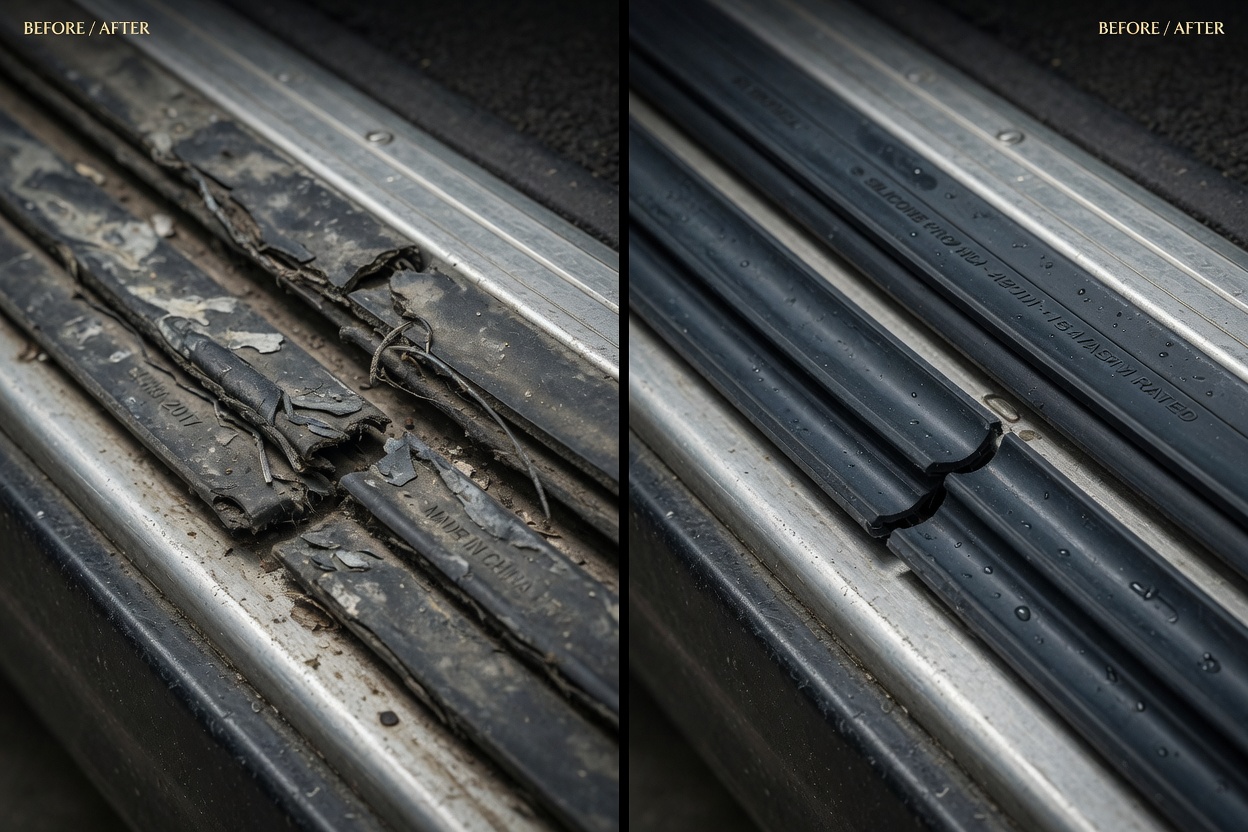
4. Deteriorated Weatherstripping and Thresholds
Degraded seals allow not only drafts but also easy manipulation of latch bolts with simple tools—a favorite method among opportunistic thieves in retail corridors.
Diagnostic Flowchart: How to Identify Critical Door Failures
Use this systematic approach to diagnose issues quickly:
- Step 1: Visual inspection – Check for visible gaps greater than ⅛ inch between door and frame.
- Step 2: Operational test – Does the door close and latch without assistance? Does it drag or stick?
- Step 3: Hardware examination – Test closer speed and force. Check for loose screws or worn pivot points.
- Step 4: Security test – Attempt to manipulate the latch bolt with a credit card or thin tool while door is closed.
- Step 5: Code compliance check – Verify panic hardware, egress width, and fire-rating labels are intact and current.
When any of these tests fail, immediate action is required to avoid fines and security breaches.
Material Specifications for Heavy-Gauge Steel Reinforcements
For lasting NYC commercial door security, upgrade to these proven specifications:
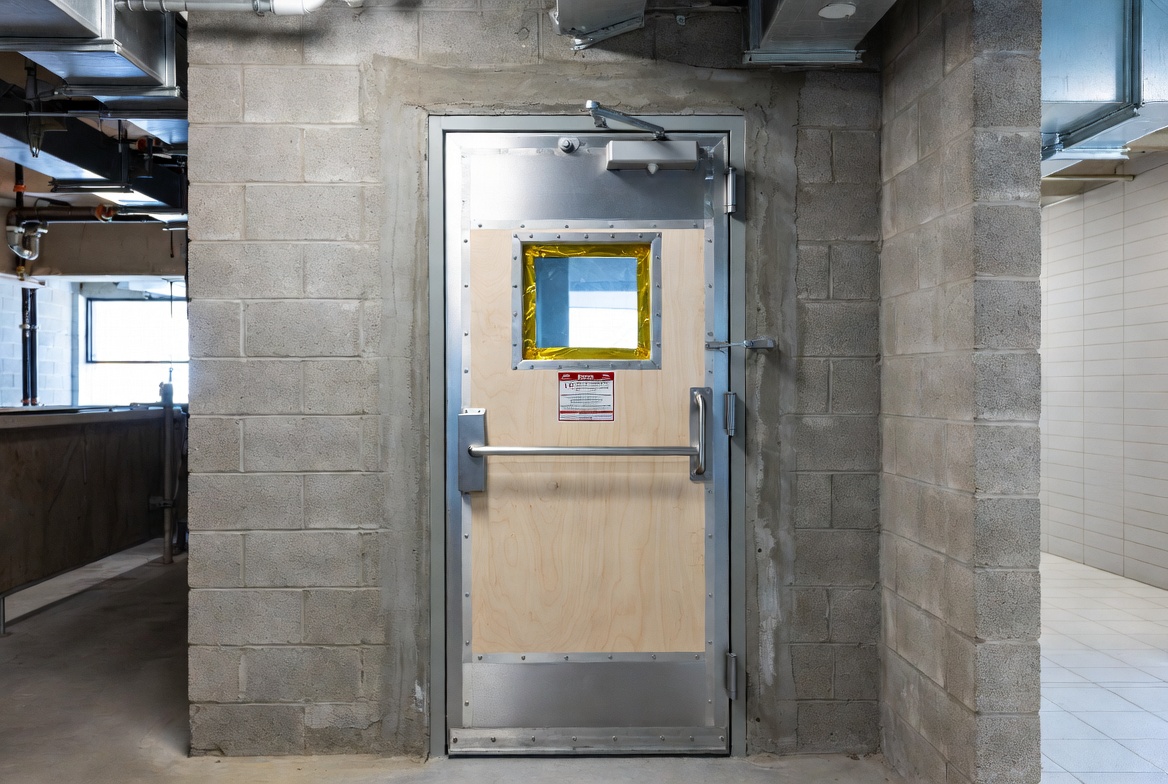
- 16-gauge or heavier steel frames (14-gauge in high-impact zones)
- 12-gauge steel door skins with polyurethane core
- Stainless steel continuous geared hinges (minimum 0.120″ thick)
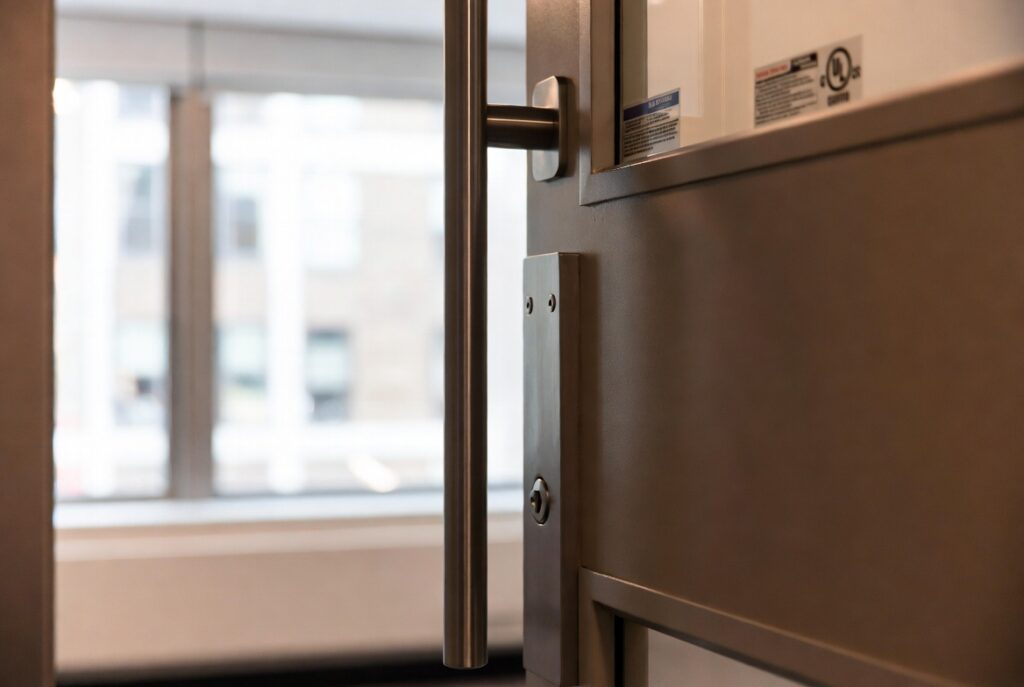
- Grade 1 panic hardware certified to ANSI/BHMA A156.3
- Electric strikes compatible with 12V DC fail-secure operation
- 3-point locking systems with 1″ throw deadbolts
These materials withstand NYC’s harsh weather cycles while meeting or exceeding Local Law 75 wind-load and impact requirements.
Storm-Rated Solutions That Comply with Local Law 75
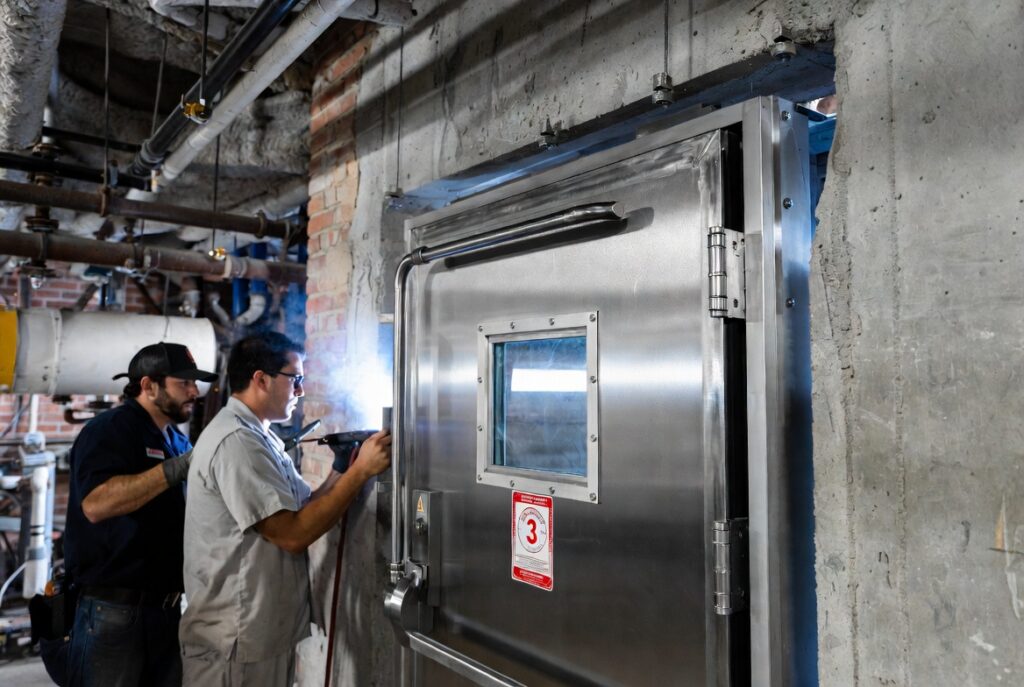
Local Law 75 mandates specific performance standards for exterior openings in hurricane-prone zones. Smart building managers integrate storm-rated commercial doors that simultaneously improve security and maintain code compliance. Look for products tested to Miami-Dade protocols with NOA certification that also carry NYC DOB approvals.
Integrating reinforced mullions, heavy-duty thresholds, and multi-point locking systems creates a unified system that protects against both wind-driven rain and forced entry while remaining fully compliant.
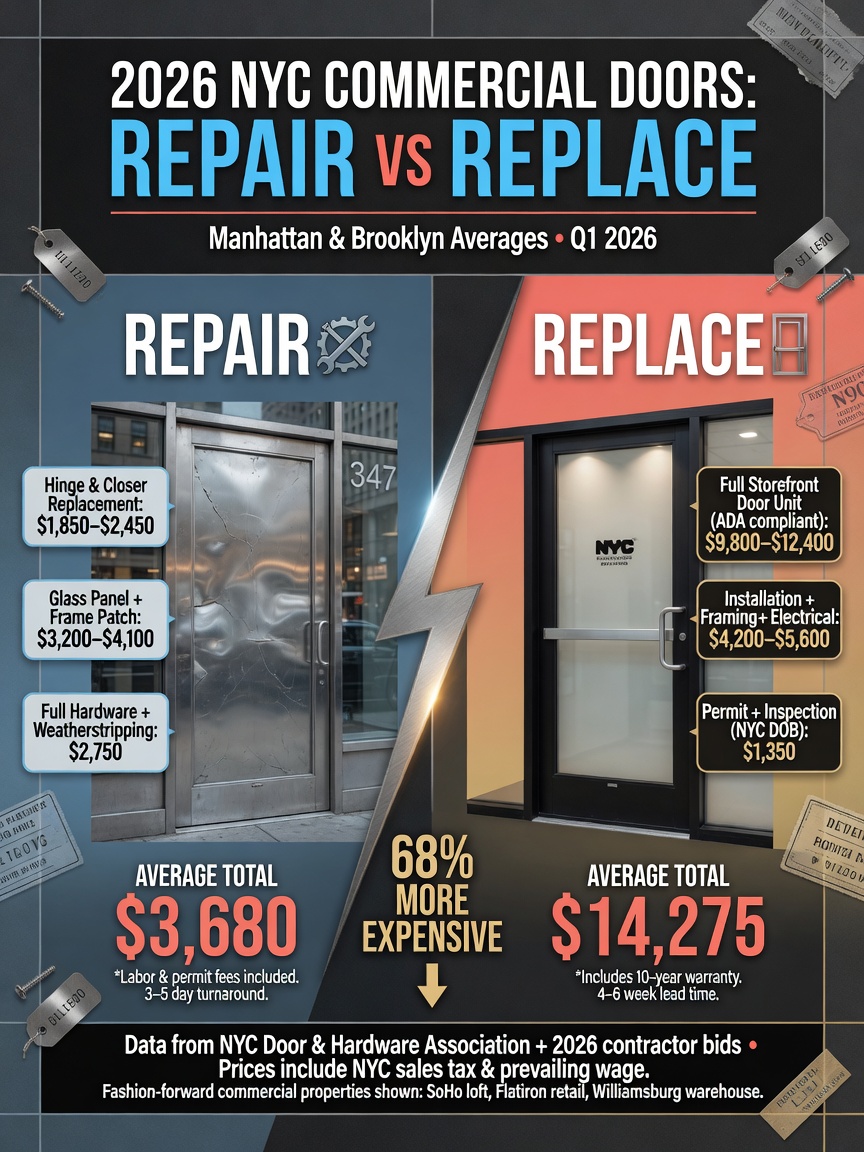
2026 Cost Comparison: Repair vs. Full Replacement
Current market data for NYC metro area (adjusted for 2026 projected labor and material increases):
| Option | Typical Cost Range | Long-term Value | Insurance Impact |
|---|---|---|---|
| Targeted Repair (closer, hinges, seals) | $850 – $2,400 per door | 2-4 years | Minimal reduction |
| Frame Reinforcement + New Hardware | $3,200 – $5,800 per opening | 7-10 years | 10-18% premium reduction |
| Full Code-Compliant Replacement | $6,750 – $11,200 per storefront door | 15-25 years | 22-35% premium reduction |
Properties completing full replacements with documented security upgrades typically see insurance premium reductions that offset 35-60% of project cost within three years.
Actionable Maintenance Schedule to Prevent Failures
Implement this quarterly maintenance checklist:
Monthly Tasks
- Inspect and clean door tracks and thresholds
- Test all panic hardware and verify positive latching
- Lubricate hinges and pivot points with lithium-based grease
Quarterly Tasks
- Check closer adjustment and speed settings
- Inspect weatherstripping and replace if compressed more than 50%
- Tighten all visible fasteners and verify strike plate alignment
Annual Professional Inspection
- Full structural assessment of frames for warping or fatigue
- Fire-rating and code compliance audit
- Security vulnerability assessment with recommended upgrades
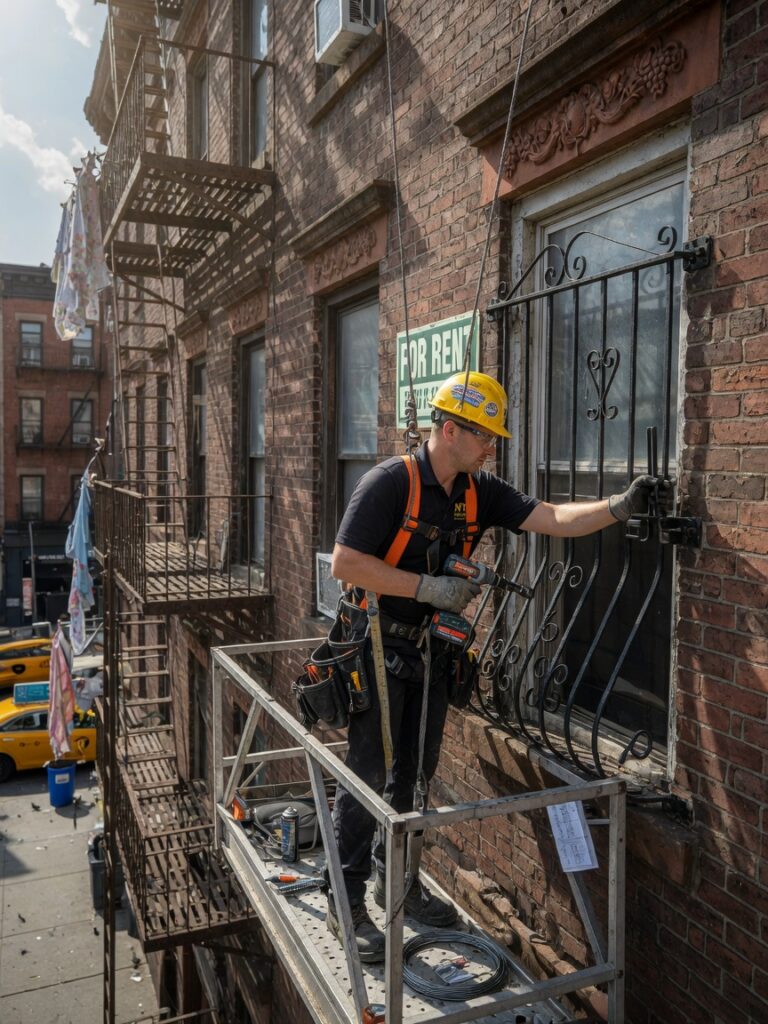
Following this schedule dramatically reduces emergency repairs and helps demonstrate due diligence to insurance carriers.
Insider Tactics for Building Managers and Retail Owners
1. Document everything. Keep photographic records and maintenance logs—insurance companies and DOB inspectors respond favorably to organized documentation.
2. Bundle security upgrades with energy efficiency improvements. Many NYC rebate programs and insurance discounts apply when projects address both.
3. Choose vendors with direct NYC DOB experience. Understanding Local Law 75 submission processes prevents costly delays and rework.
4. Consider master-keying strategies that maintain high security while simplifying operations for multiple tenants.
Conclusion: Invest in Prevention, Not Reaction
NYC commercial door security failures are predictable, preventable, and expensive when ignored. By implementing the diagnostic processes, material specifications, and maintenance schedules outlined above, building managers and retail owners can significantly reduce risk, avoid fines, lower insurance premiums, and provide safer environments for tenants and customers.
The difference between reactive repairs and proactive security upgrades often amounts to tens of thousands of dollars annually. Make the smart investment in 2026—your insurance provider, your tenants, and your bottom line will thank you.
Ready to assess your commercial doors? Contact the security door specialists at SecuraDoor for a comprehensive NYC property evaluation that follows all Local Law 75 requirements.