Why Most NYC Fire Doors Fail Their 2026 Annual NFPA 80 & FDNY Inspections — And How Custom Heavy-Gauge Fire-Rated Assemblies Deliver Permanent Compliance for Queens, Brooklyn, Manhattan, Bronx & Westchester Buildings
As the 2026 compliance deadline draws closer, property managers and building owners across New York City are confronting a growing reality: the majority of existing fire doors will fail their annual fire door inspection NYC requirements under NFPA 80 and FDNY regulations. Each failed inspection can trigger violations, fines, and repeated re-inspection costs that quickly escalate into six figures for multi-building portfolios.
The stakes are clear. A single FDNY fire door violation can halt tenant occupancy, delay certificates of occupancy, and create liability exposure that no insurance policy fully covers. For owners and managers responsible for Queens multi-family buildings, Brooklyn industrial facilities, Manhattan high-rises, Bronx commercial properties, and Westchester commercial structures, the time for temporary fixes has passed.
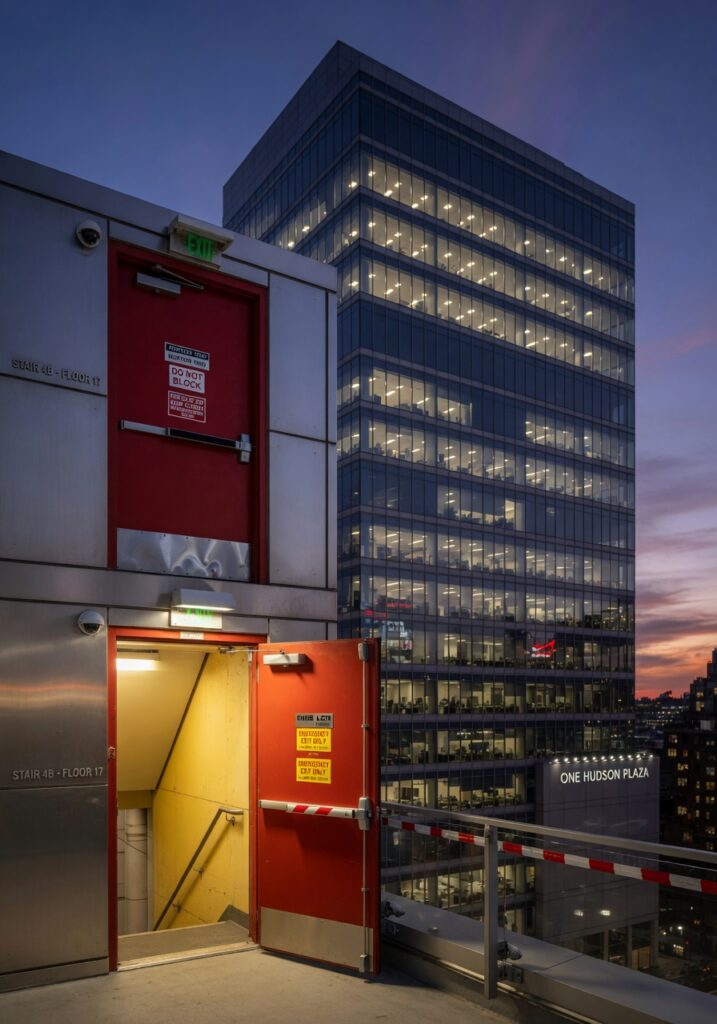
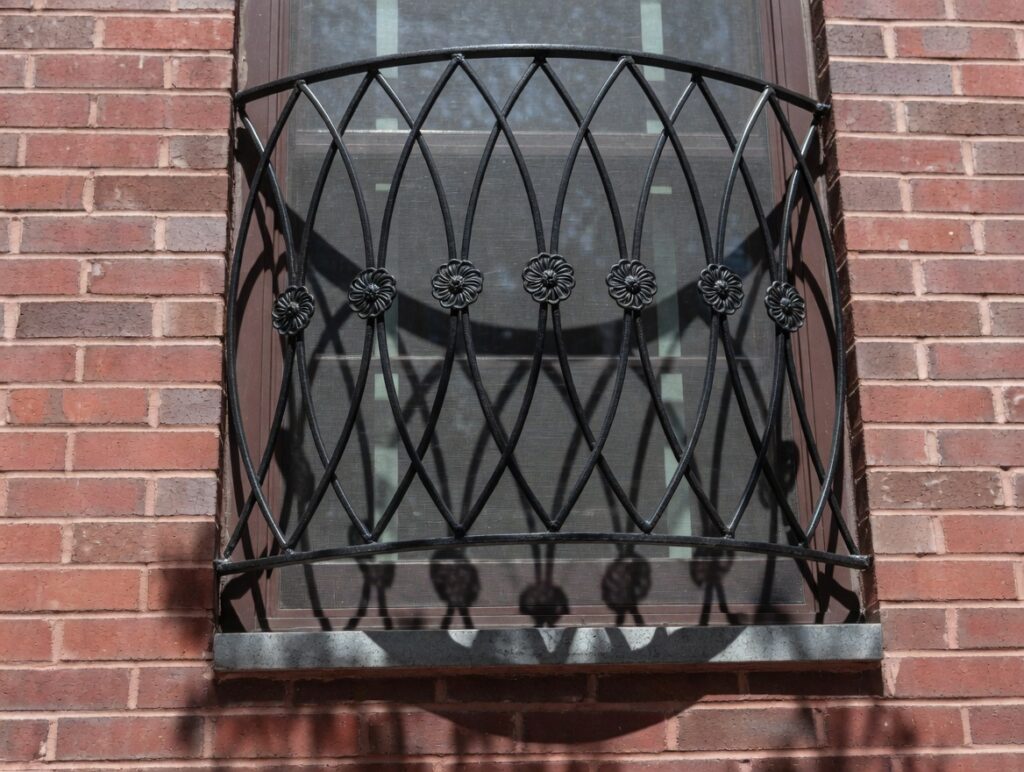
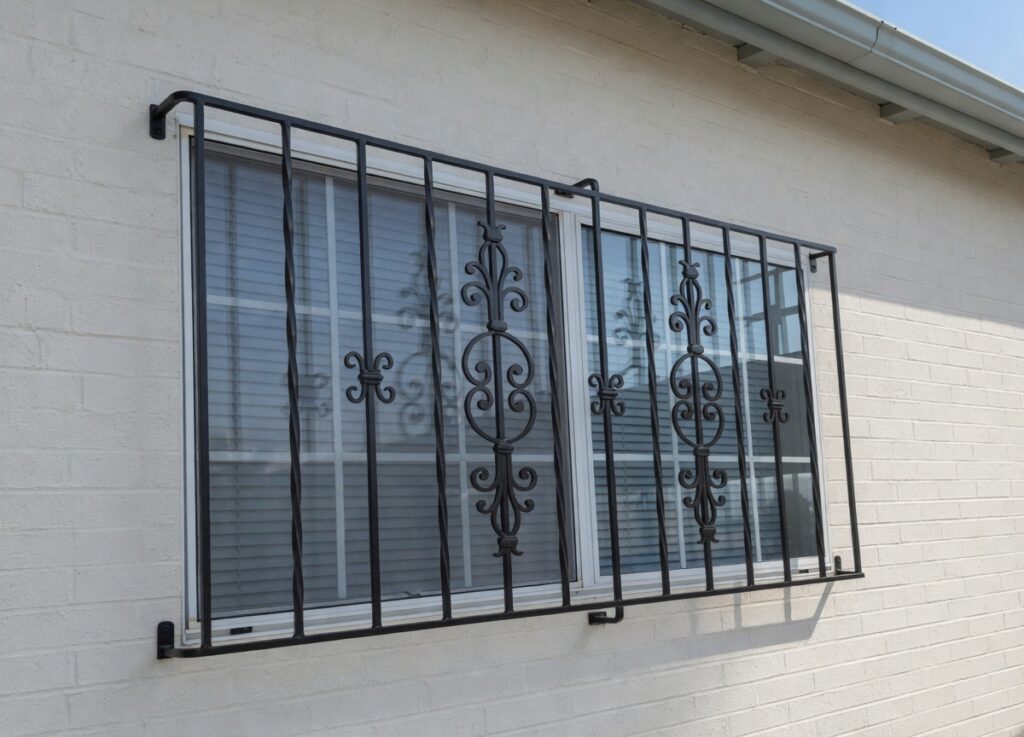
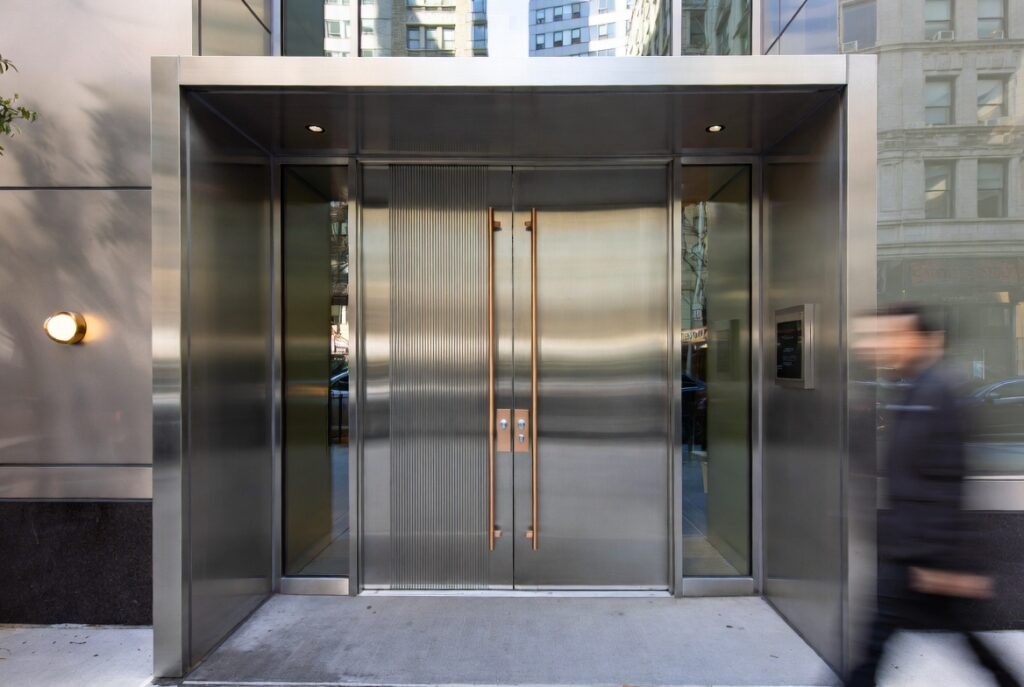
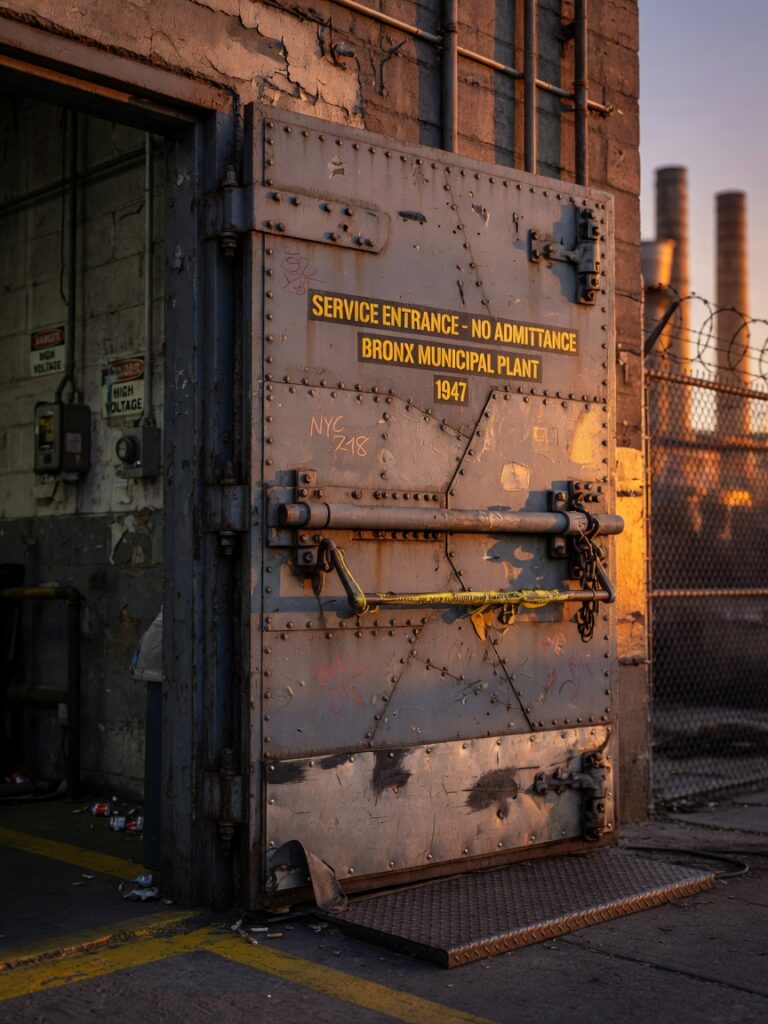
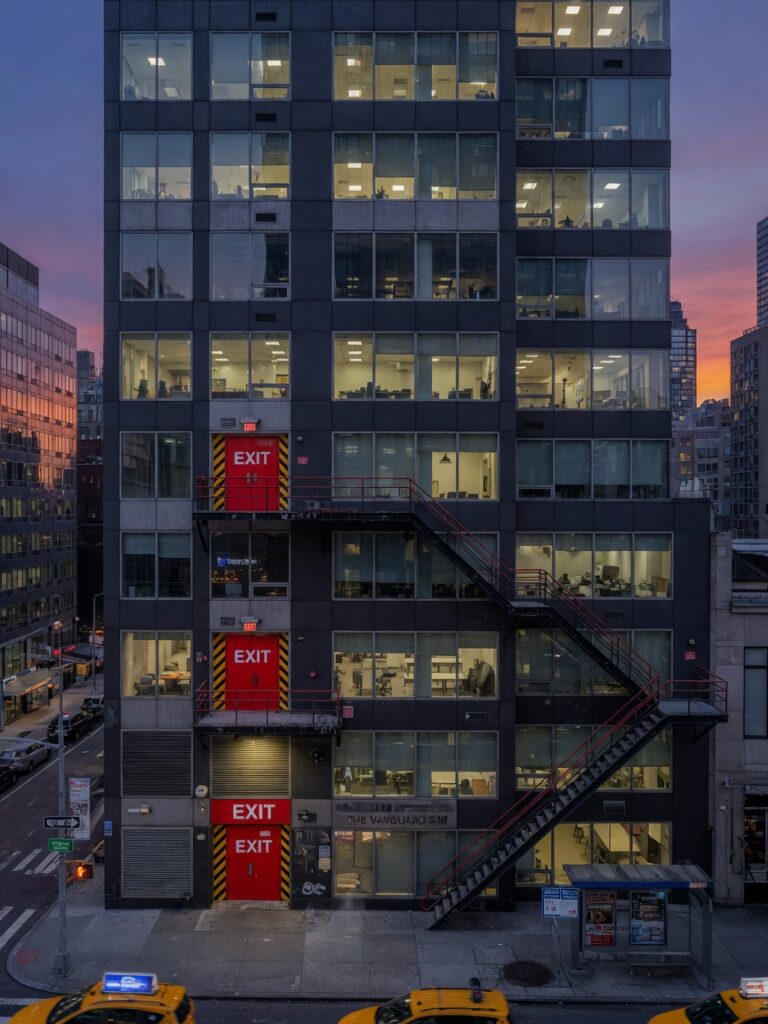
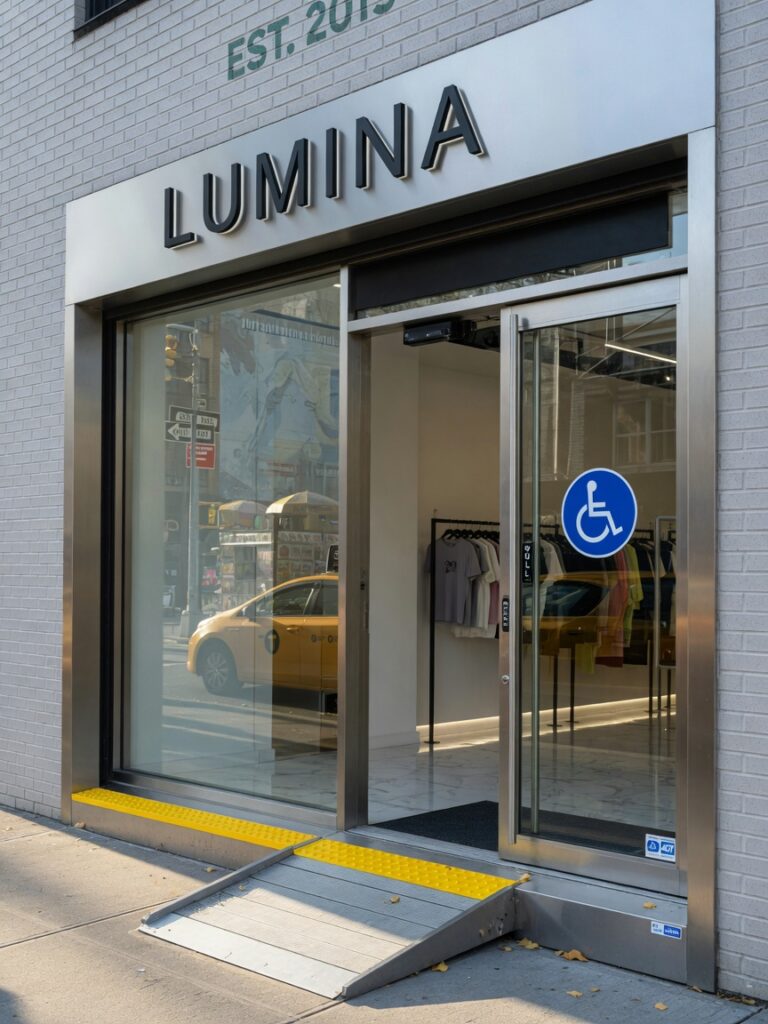
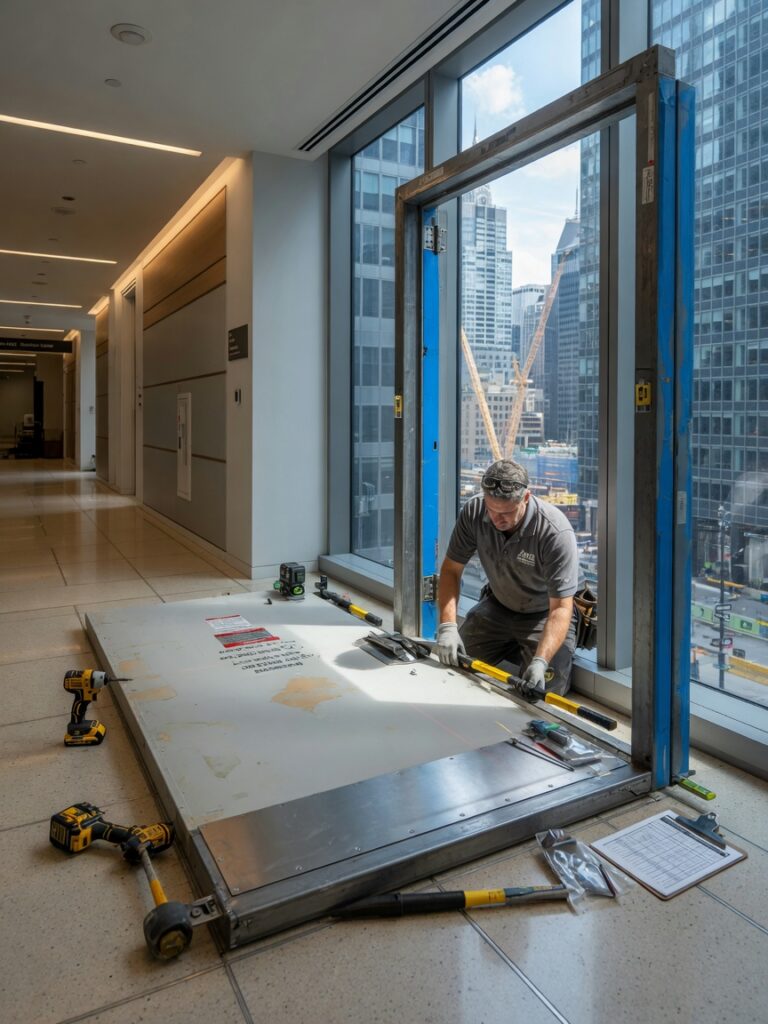
Image Grid 1
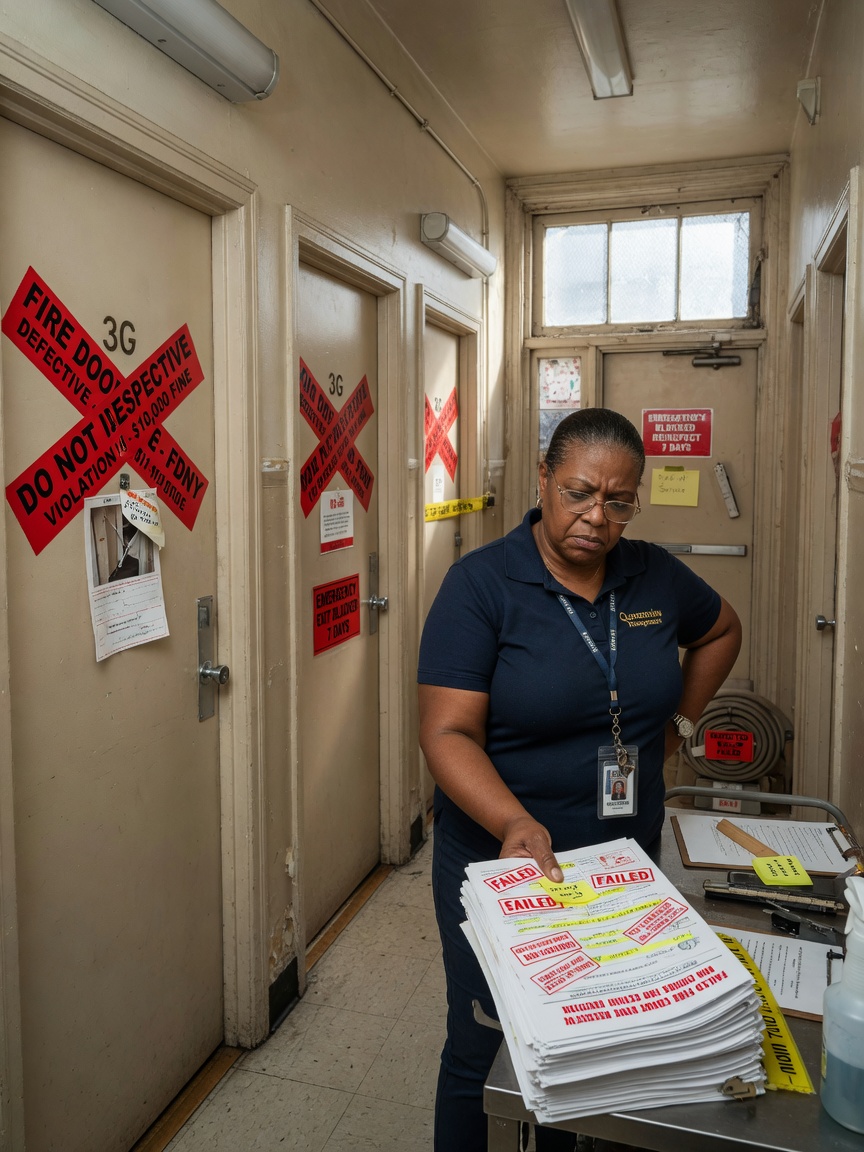
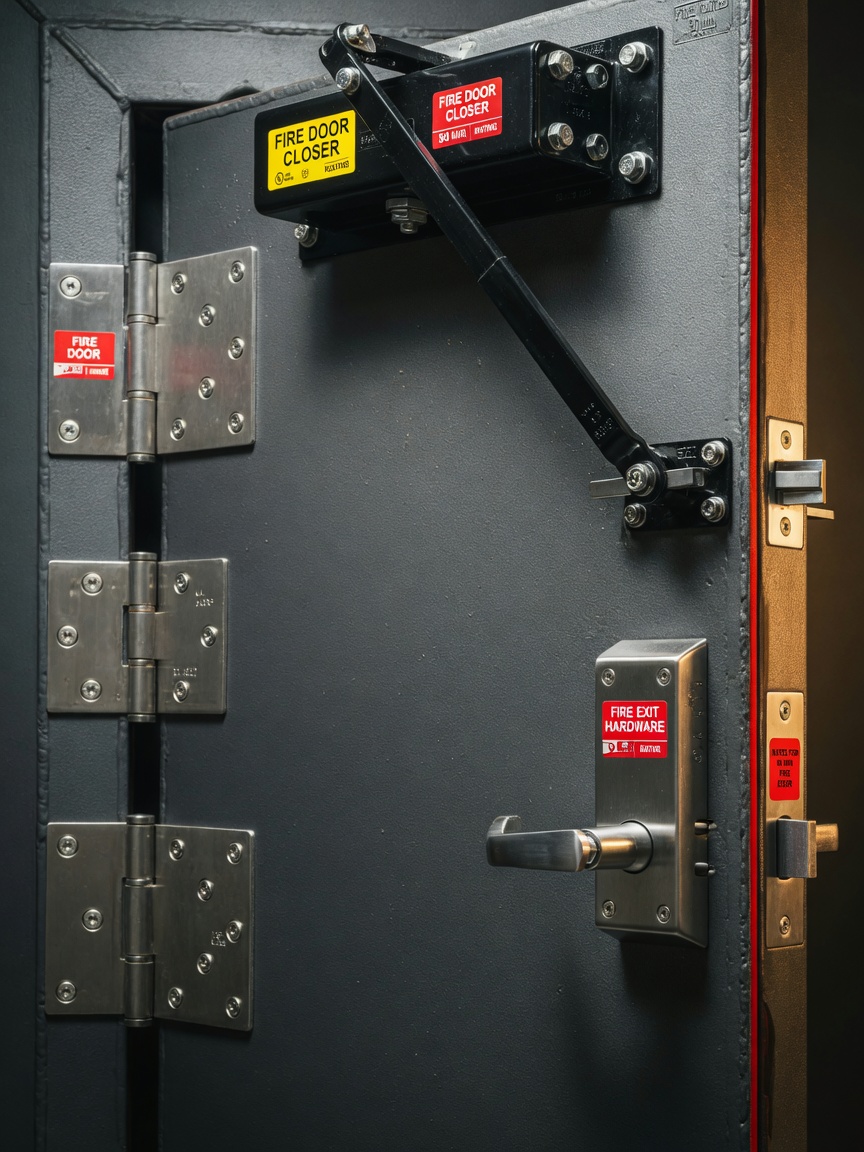
This article examines the technical reasons most fire doors fail inspection, compares the long-term economics of repeated patching versus one-time replacement with properly engineered assemblies, and explains how in-house custom fabrication of heavy-gauge fire-rated doors produces assemblies that pass year after year. Every section is written to help decision-makers understand their options before the 2026 enforcement wave begins.
The Growing Pressure of NFPA 80 Fire Door Compliance in NYC
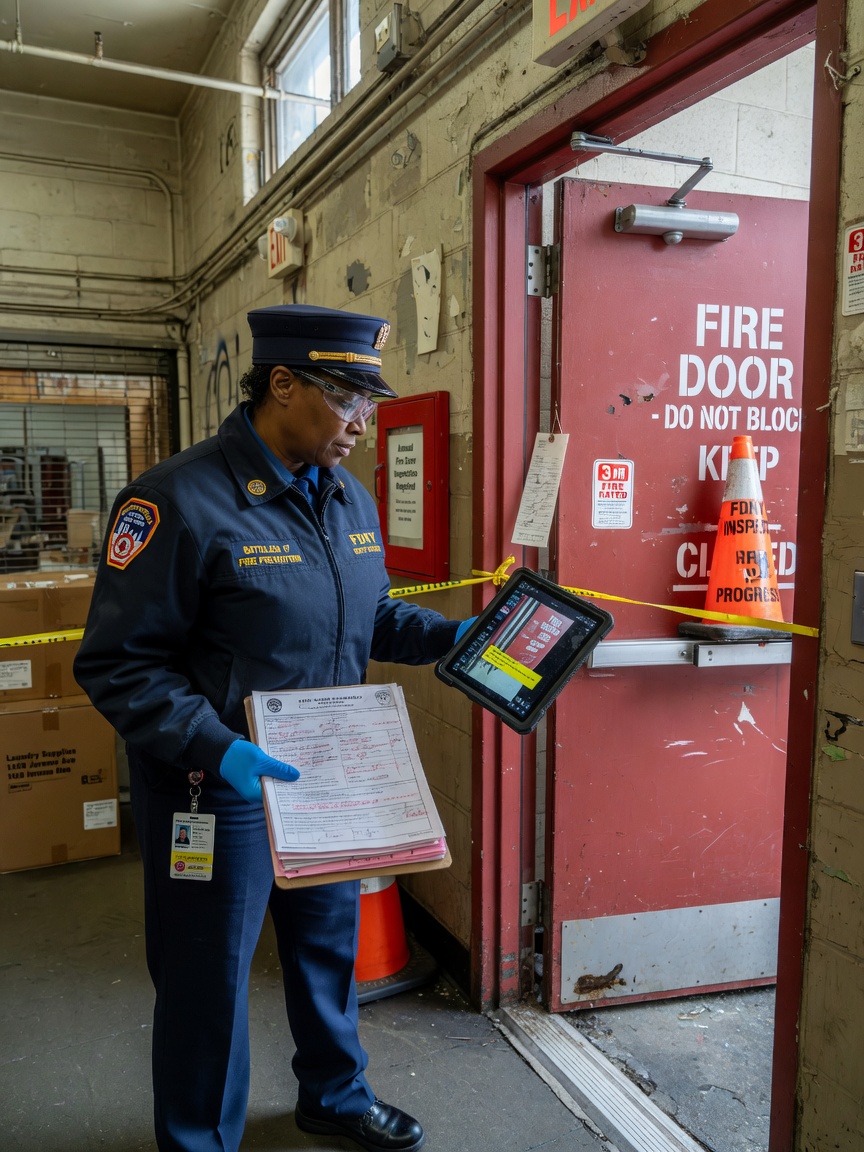
NFPA 80, the Standard for Fire Doors and Other Opening Protectives, has been referenced by the New York City Fire Code for decades. What changed is the level of enforcement. FDNY inspectors are now conducting more thorough annual inspections, with particular attention to complete fire door assemblies rather than individual components.
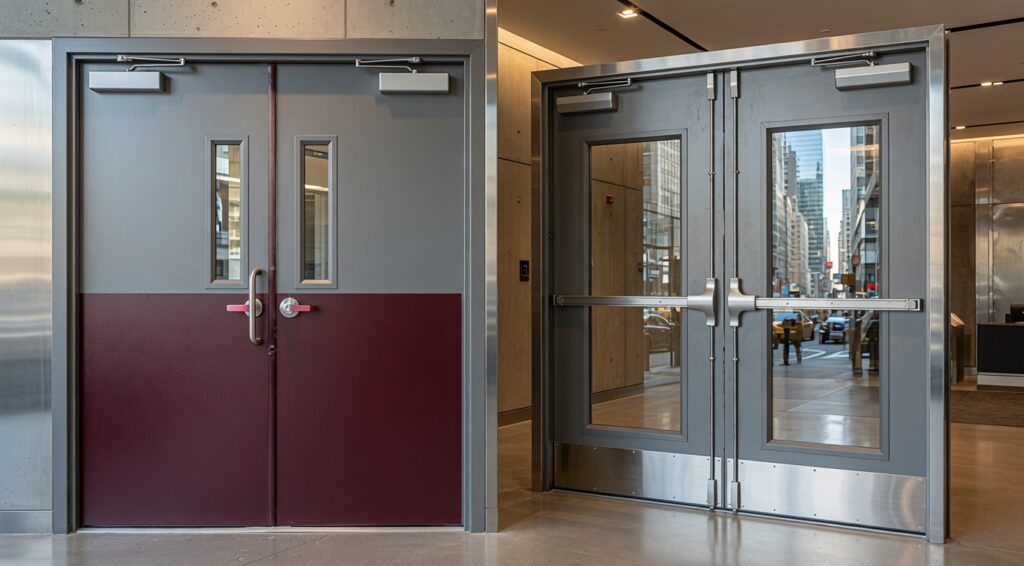
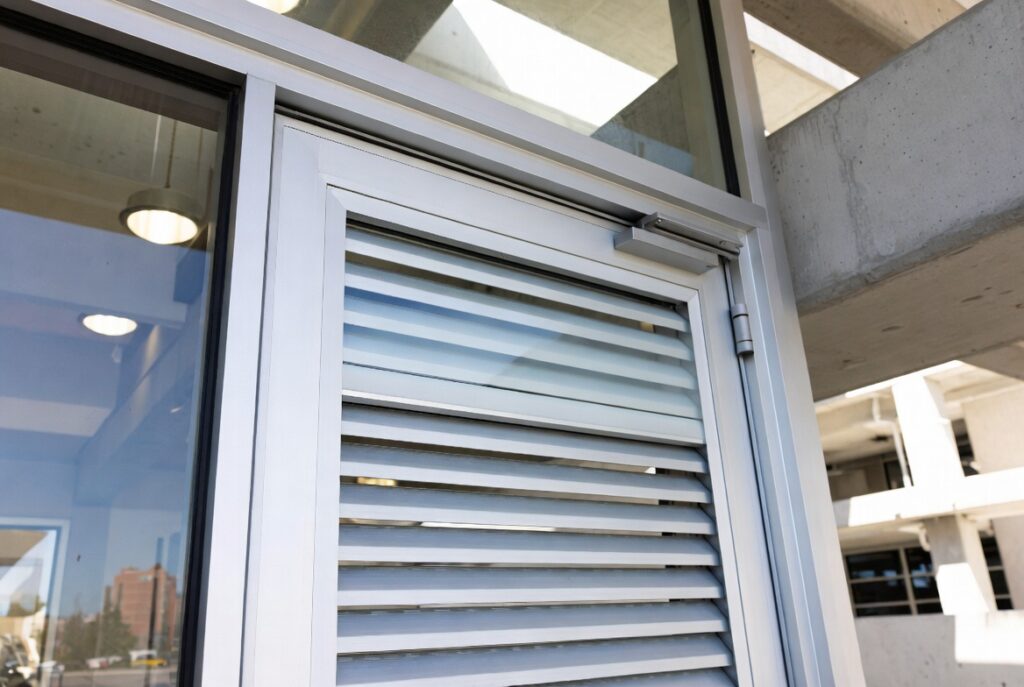
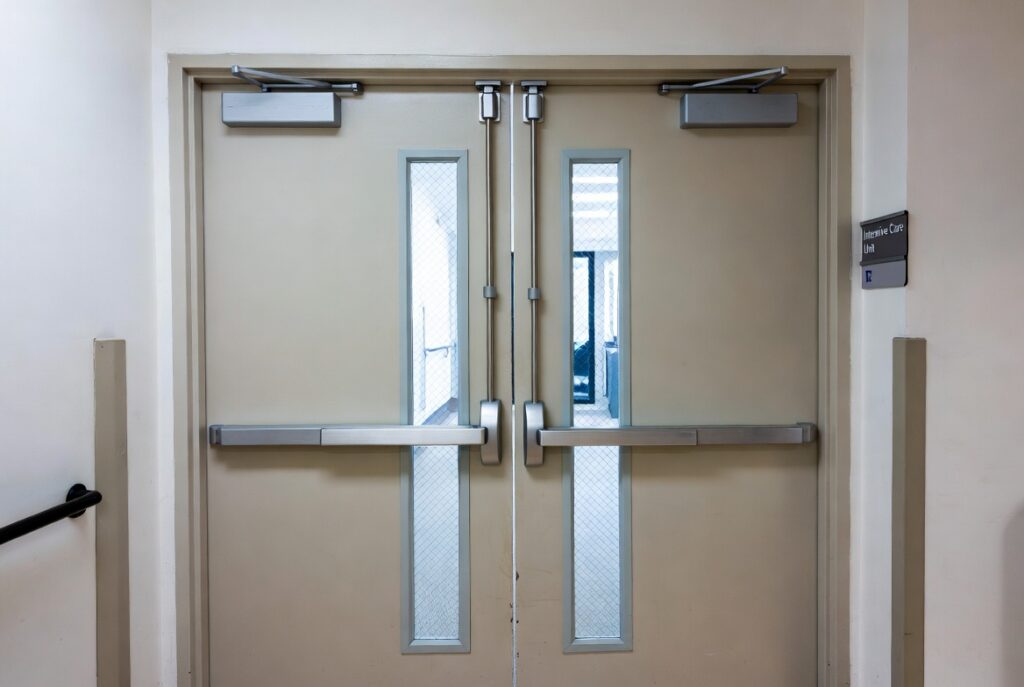
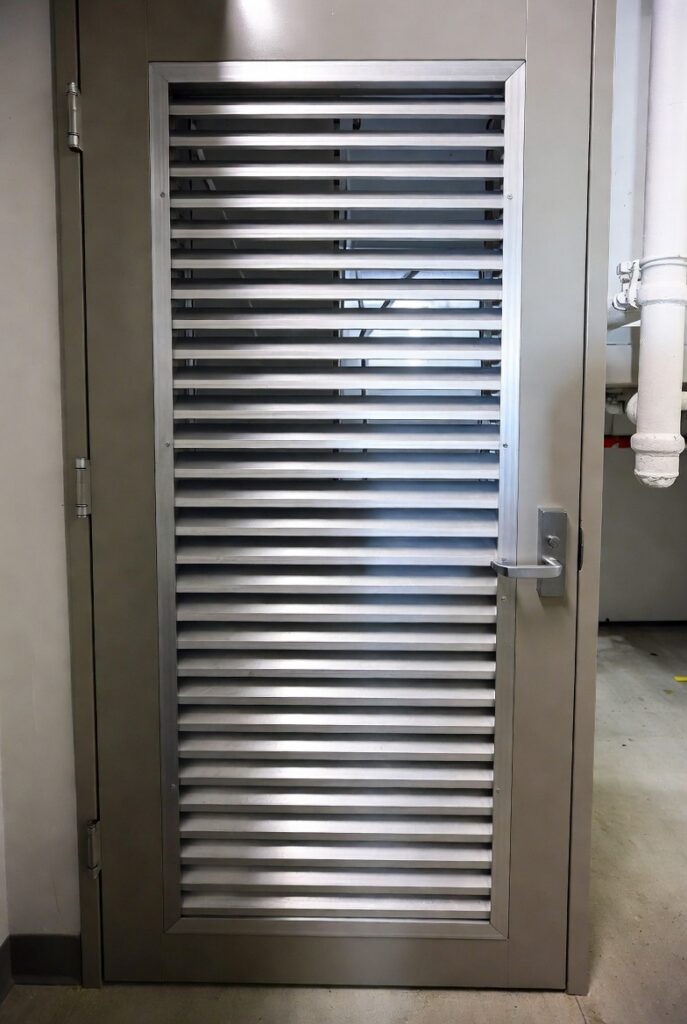
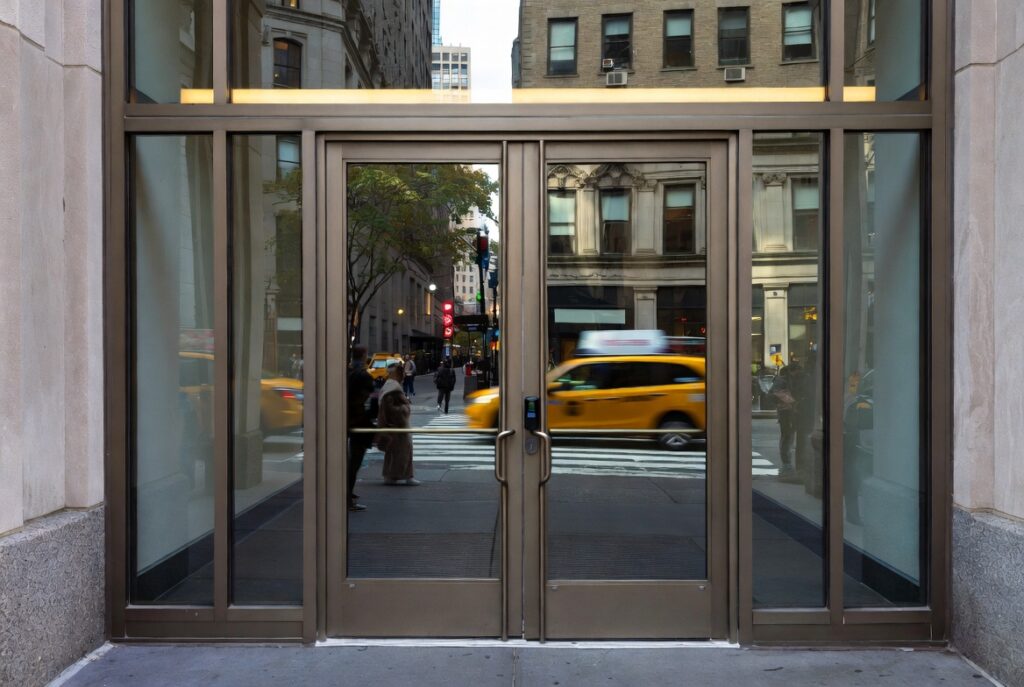
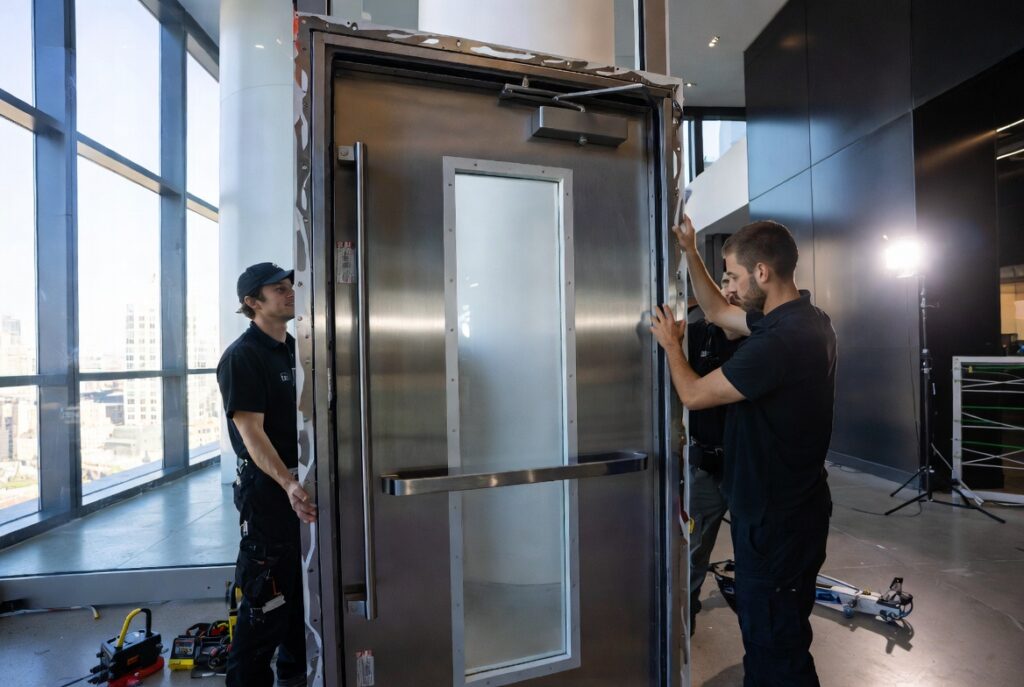
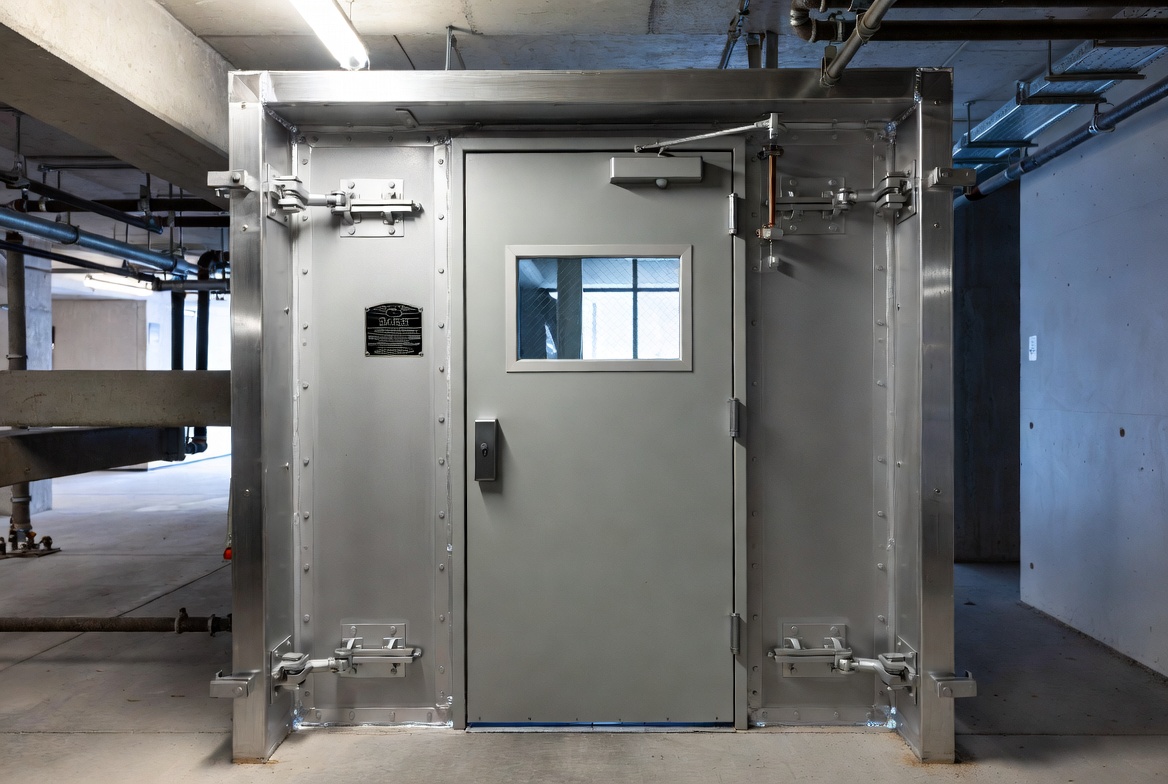
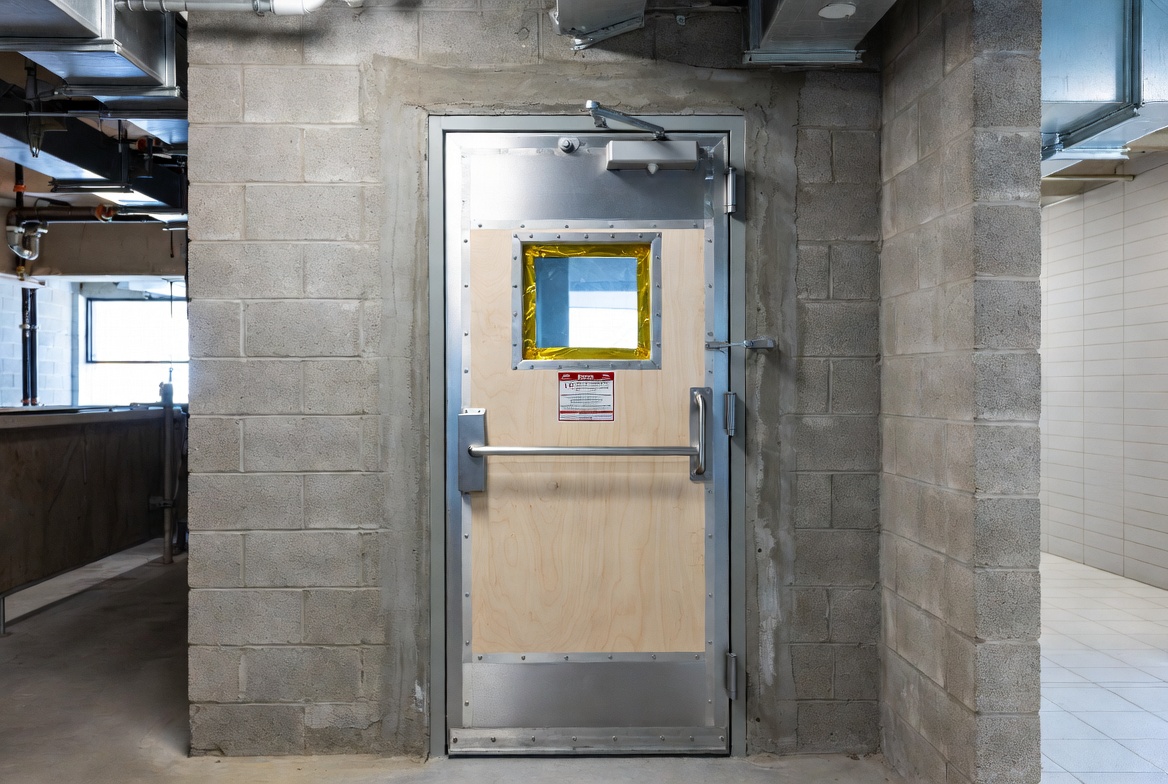
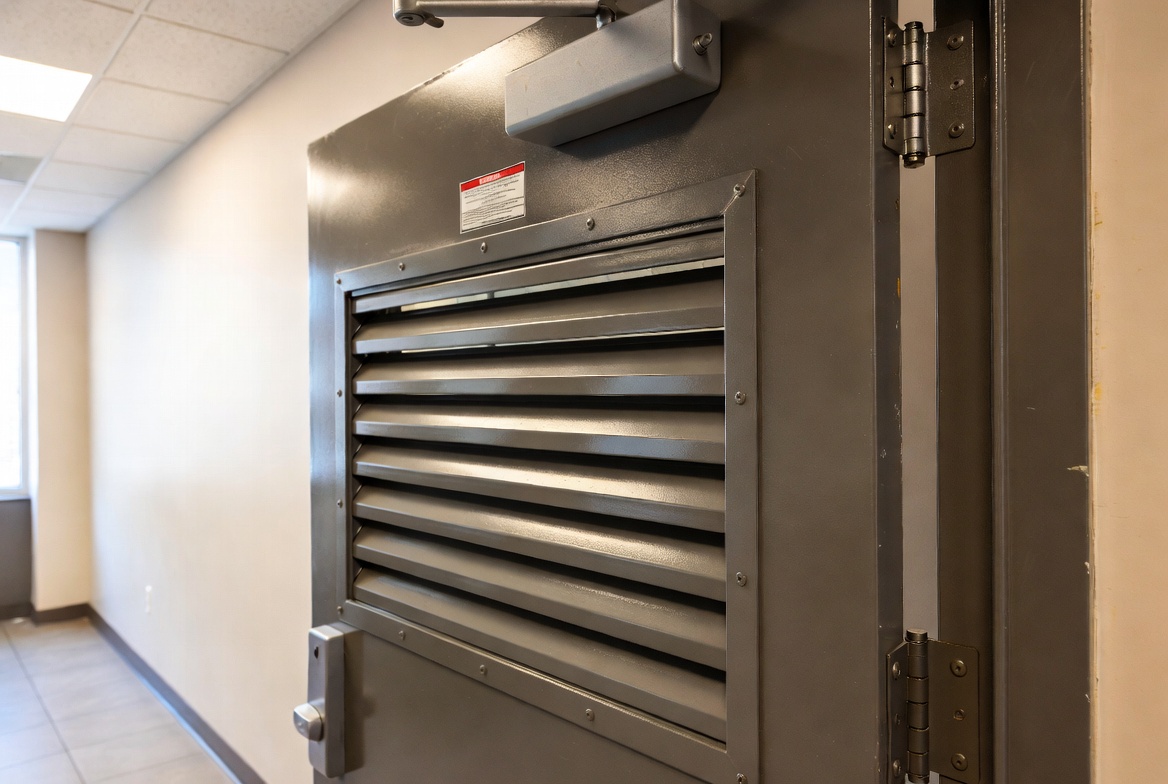
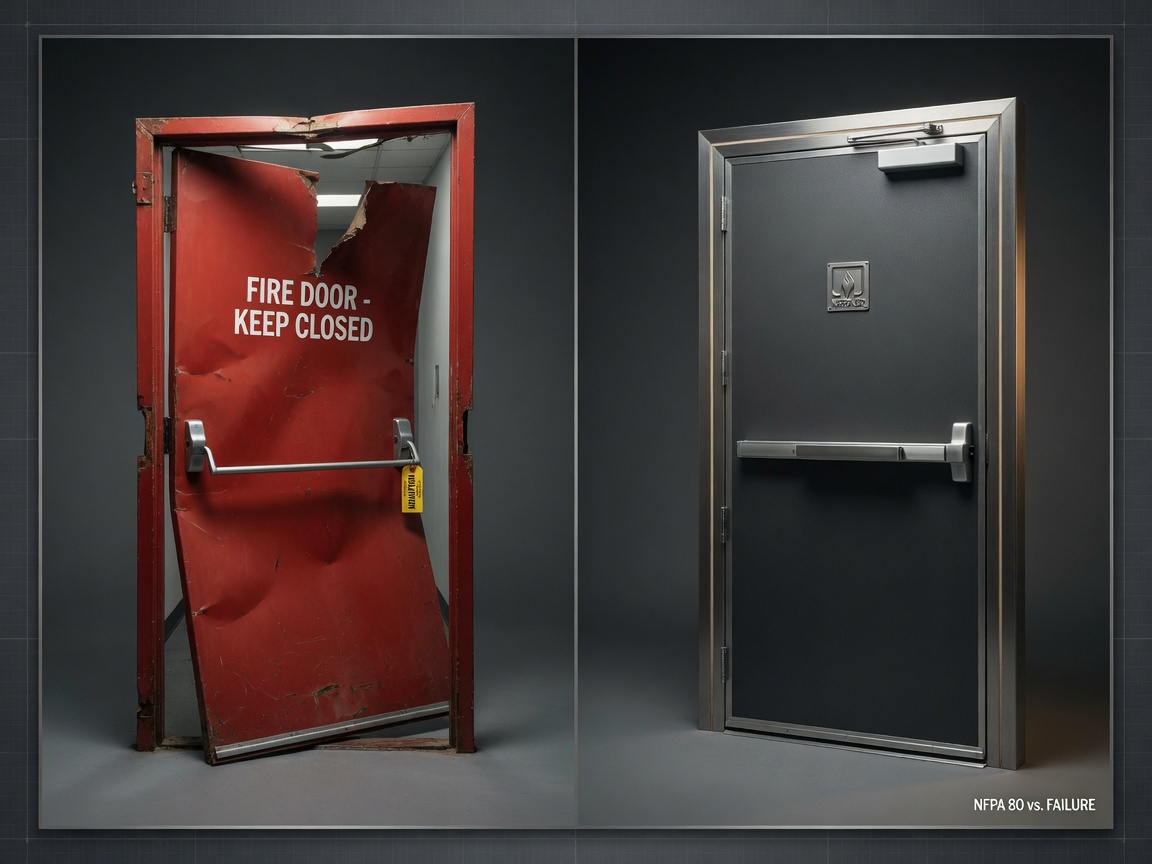
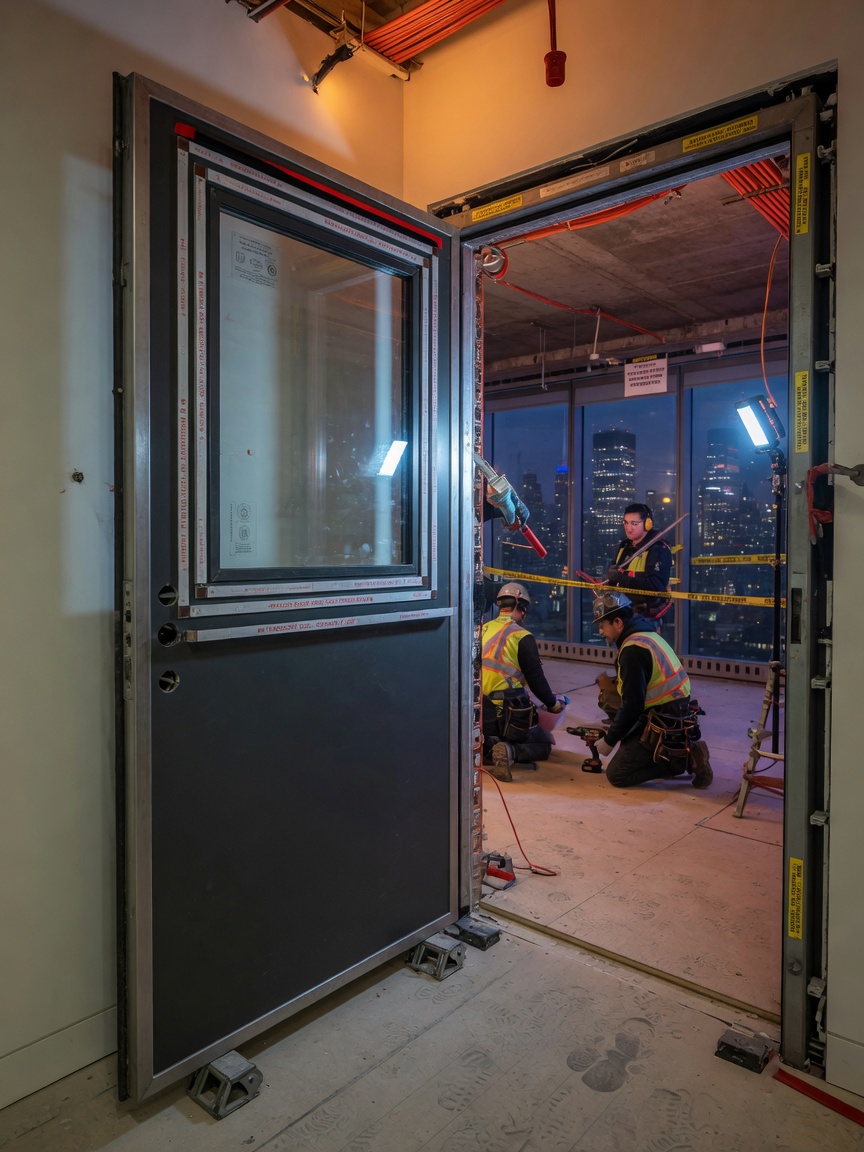
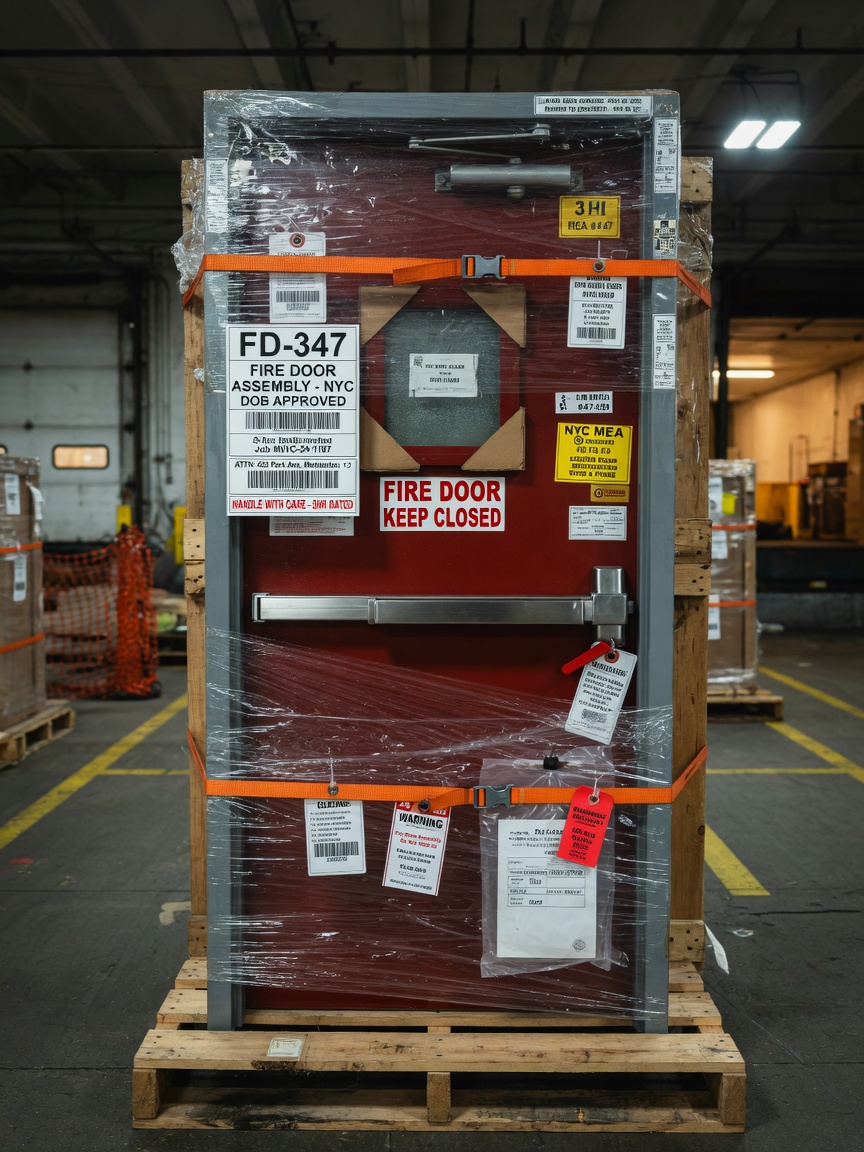
A compliant NFPA 80 fire door is not simply a door with a label. It is a complete assembly — door, frame, hardware, seals, and any integrated components such as vision lights or louvers — that has been tested and listed together. When any element deviates from the original listing, the assembly fails.
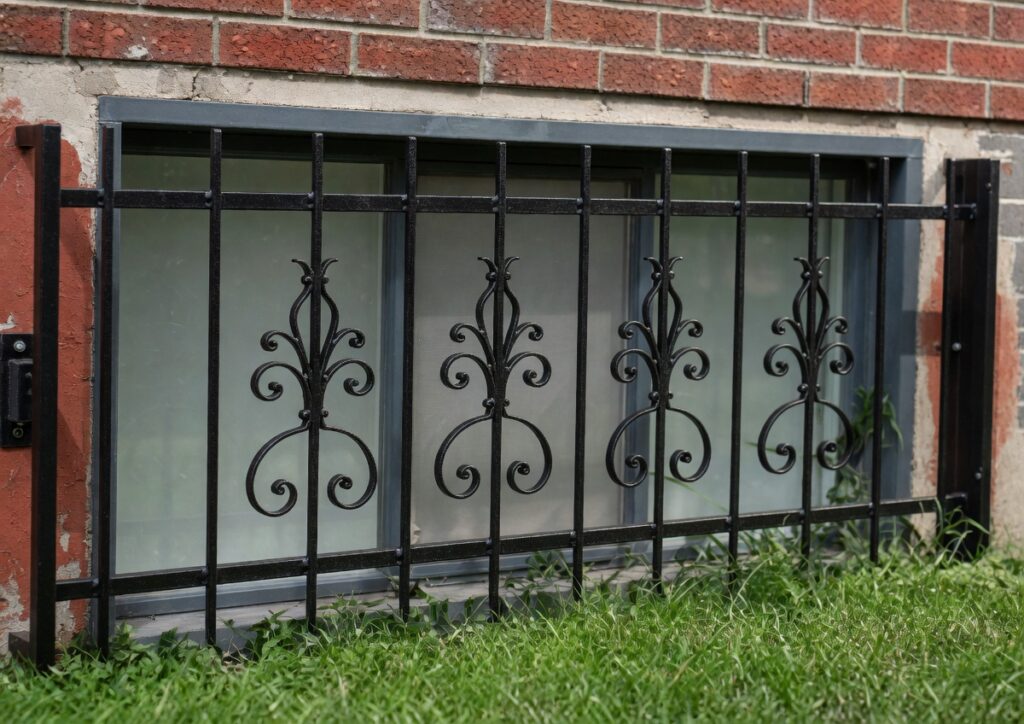
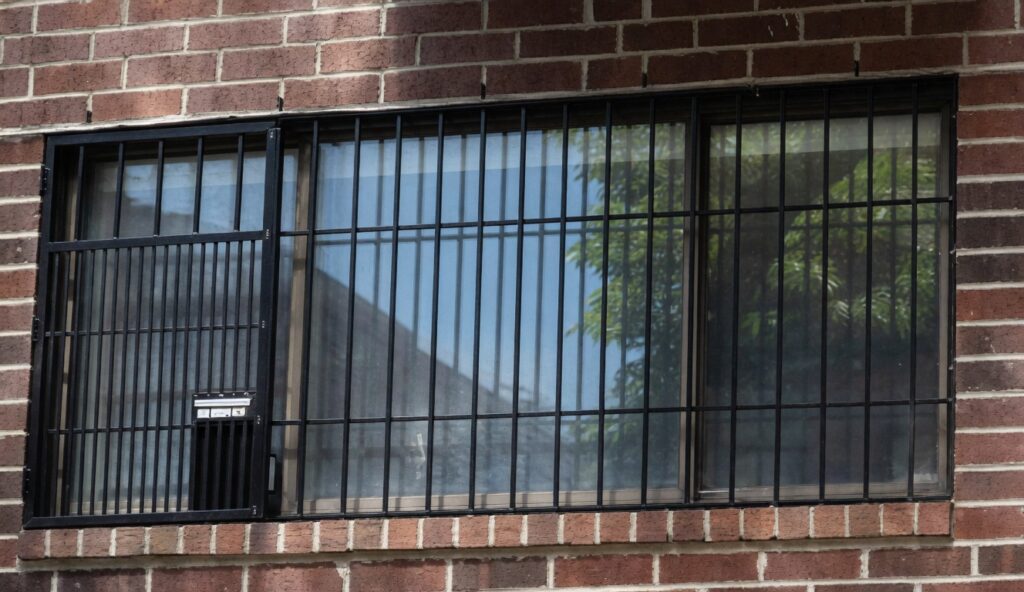
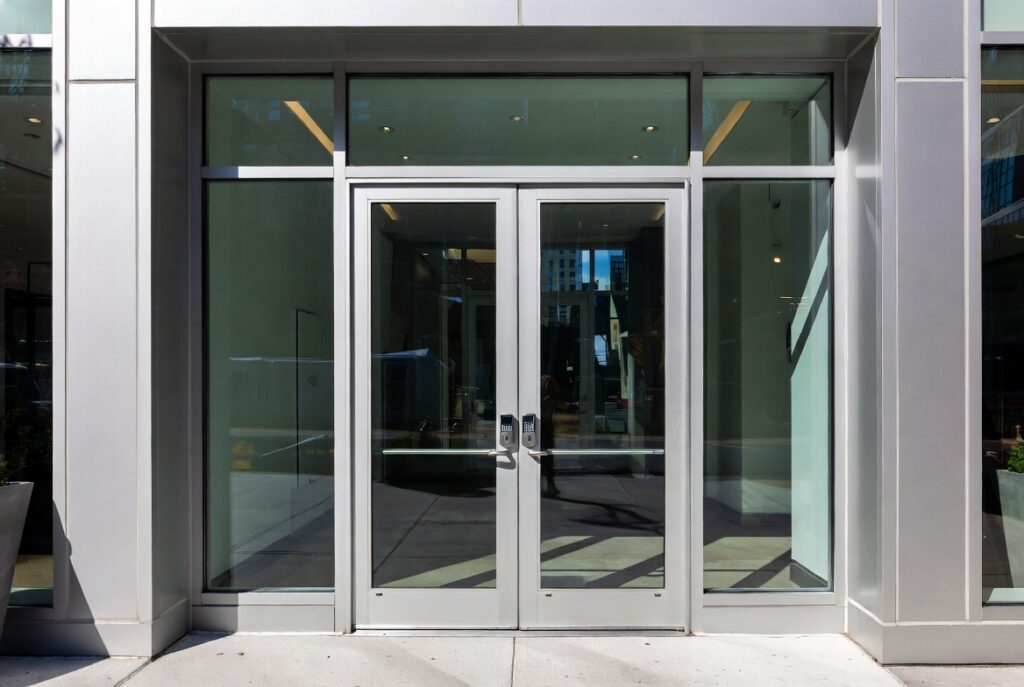
Image Grid 2
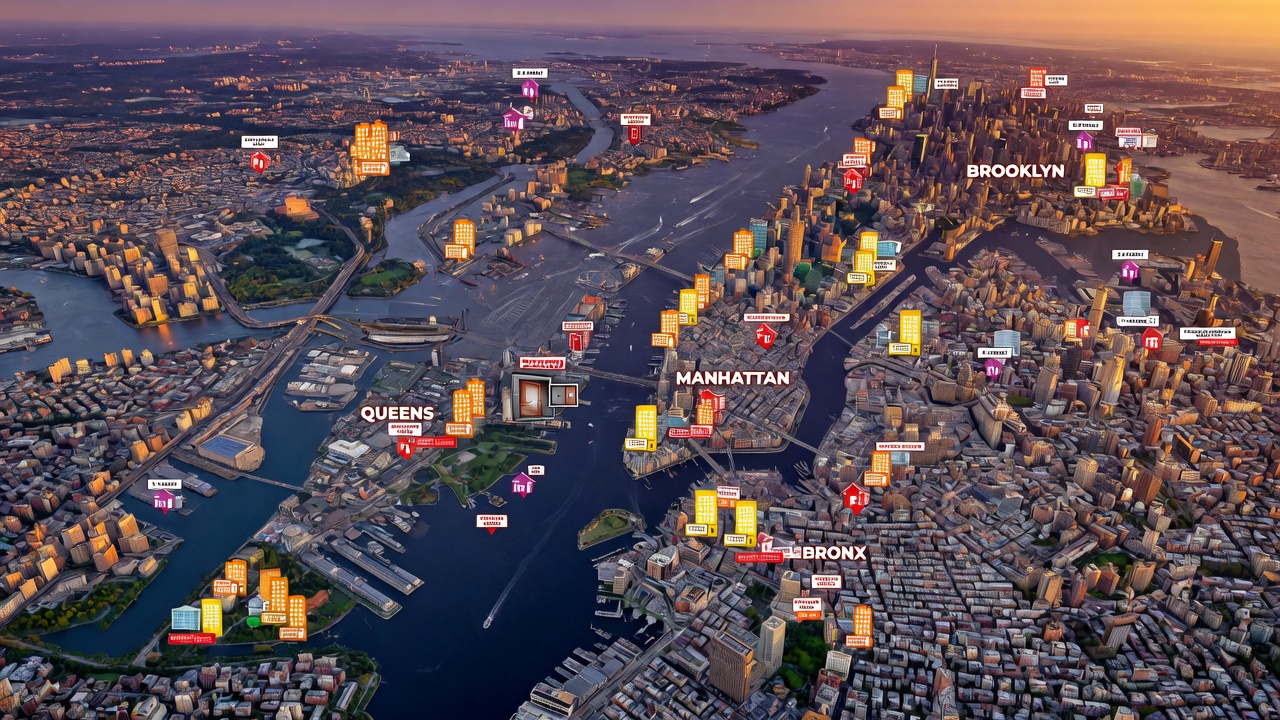
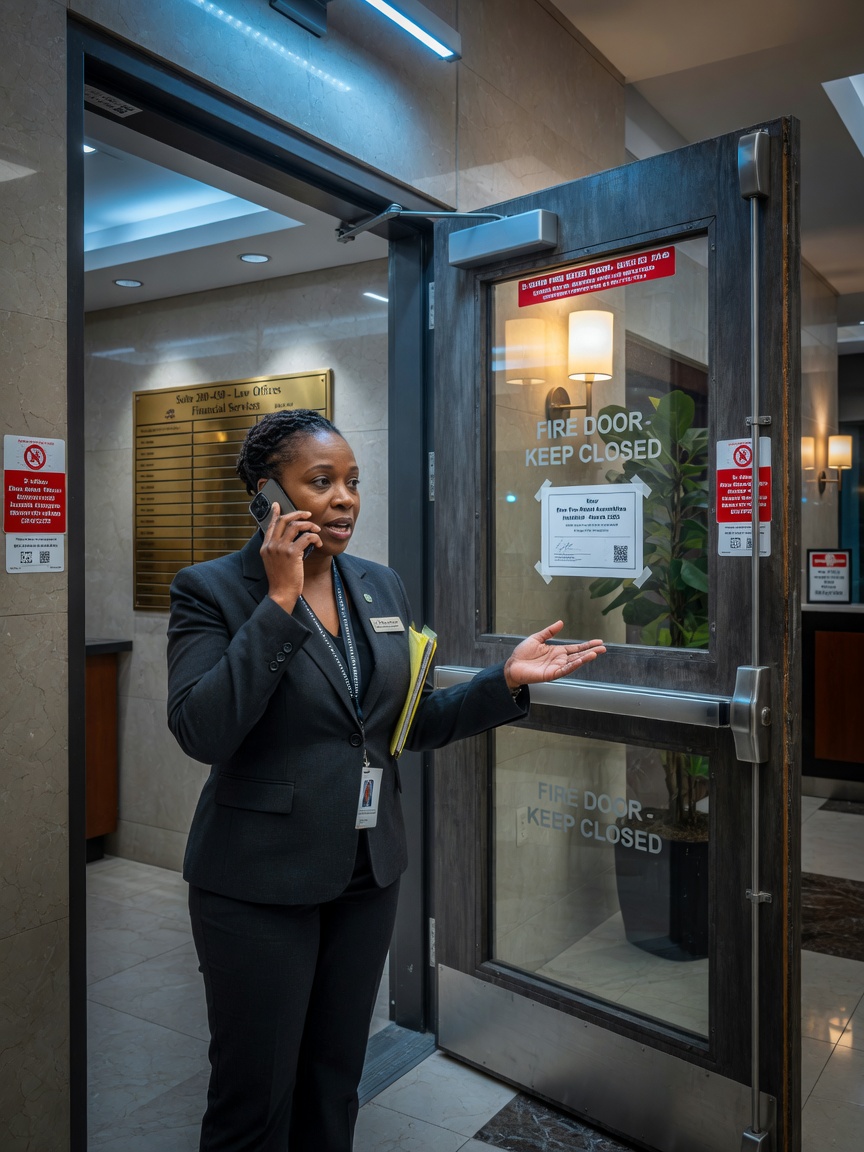
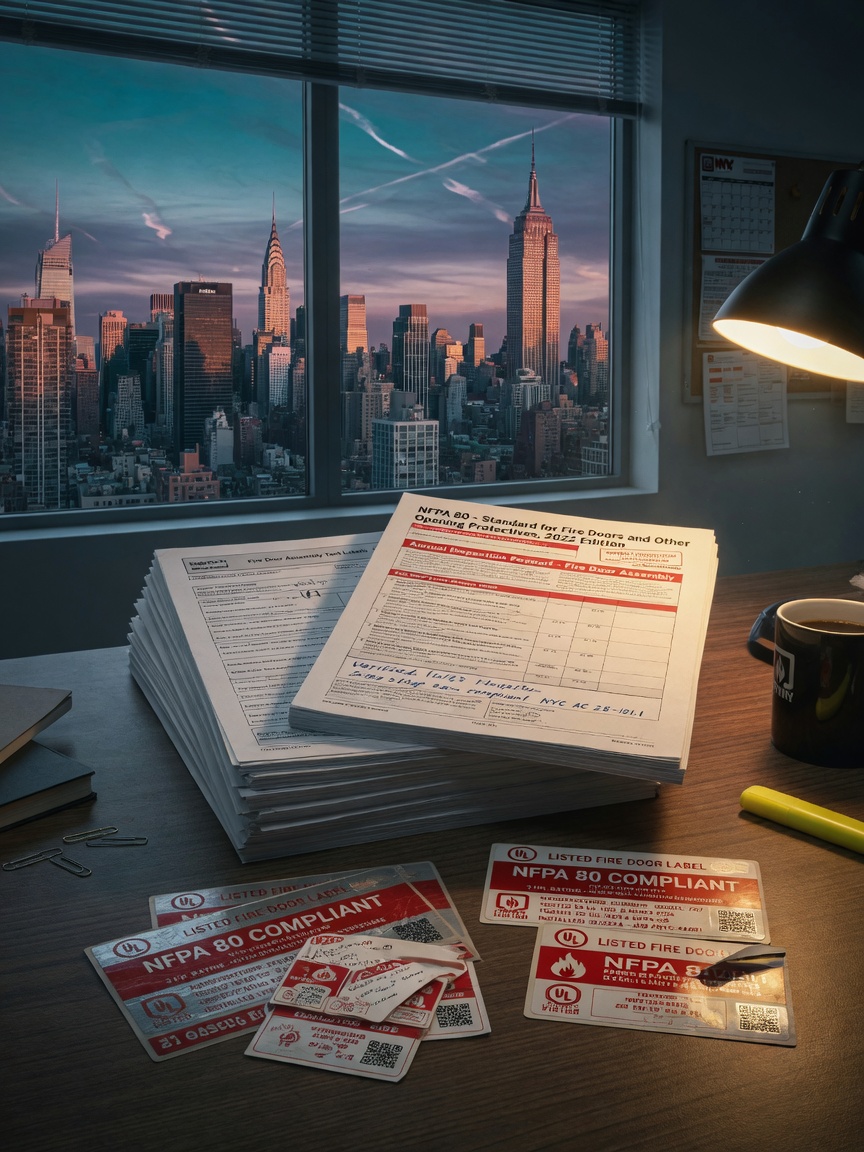
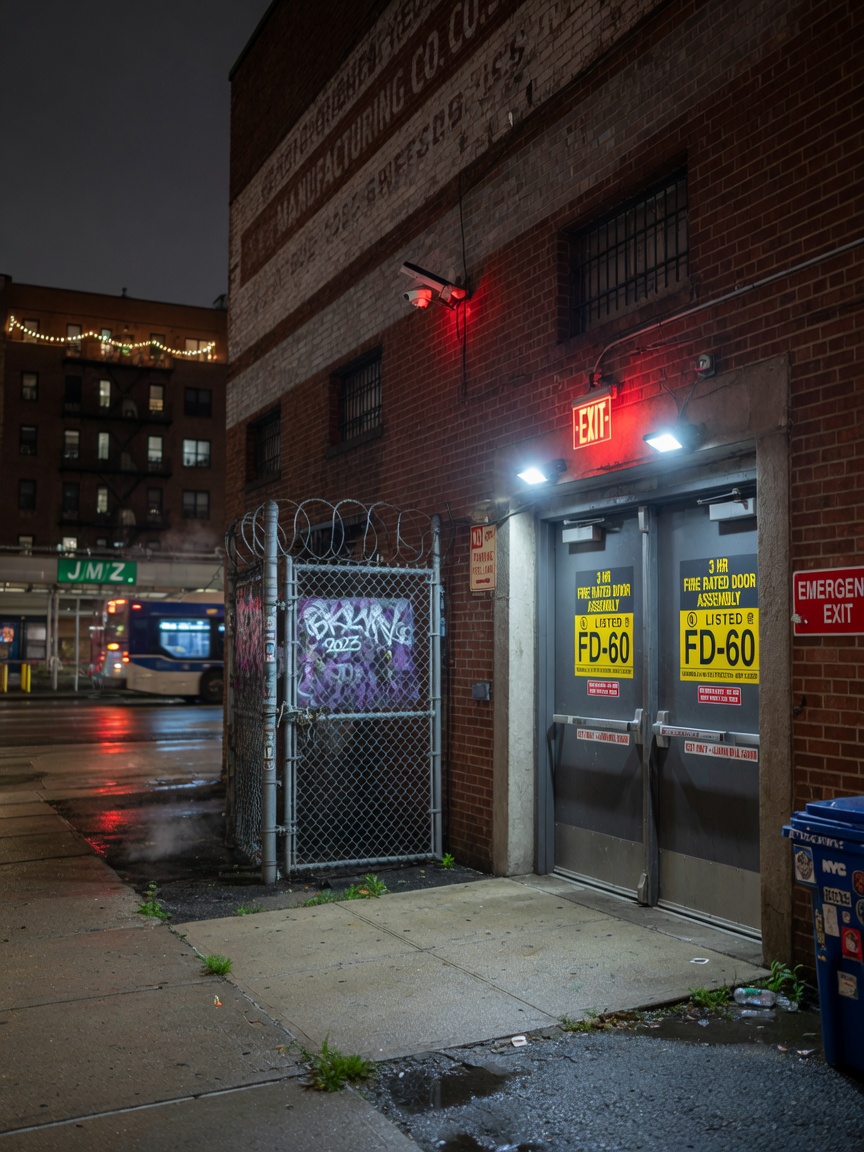
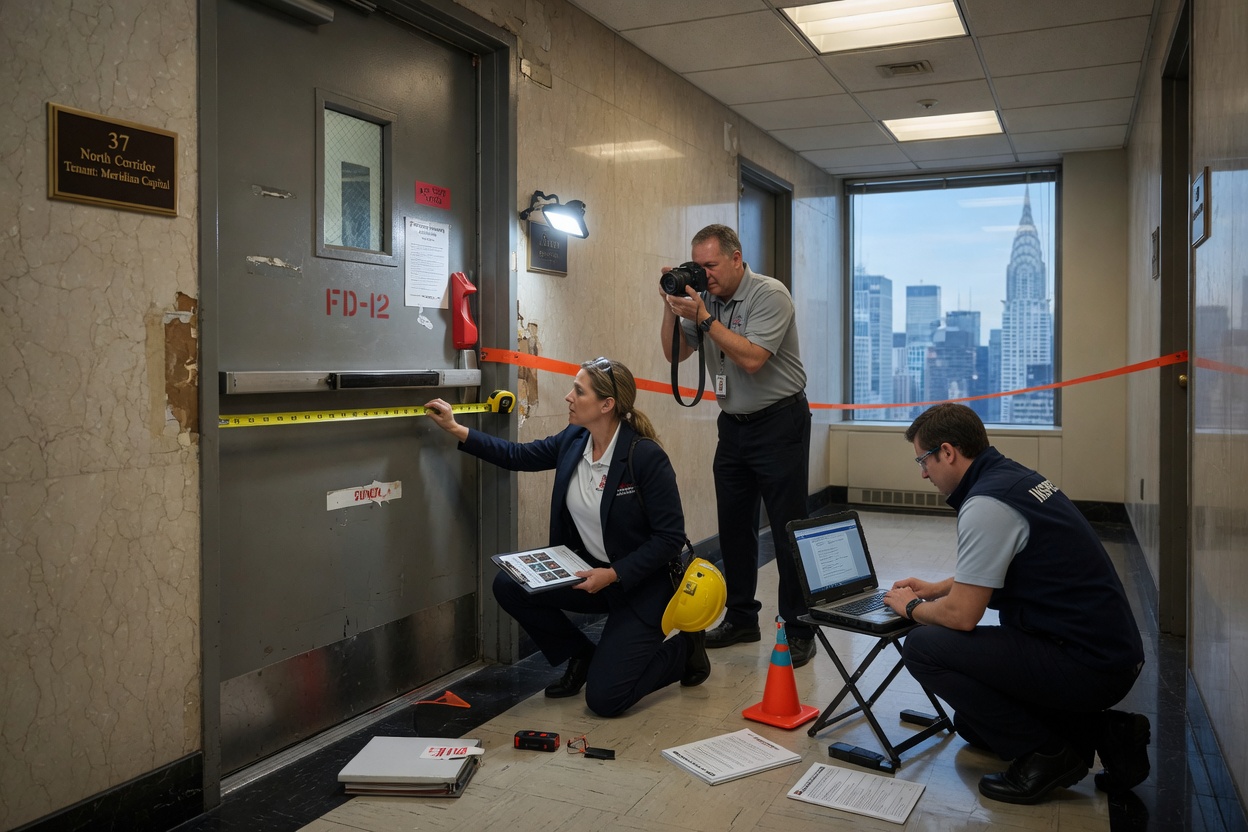
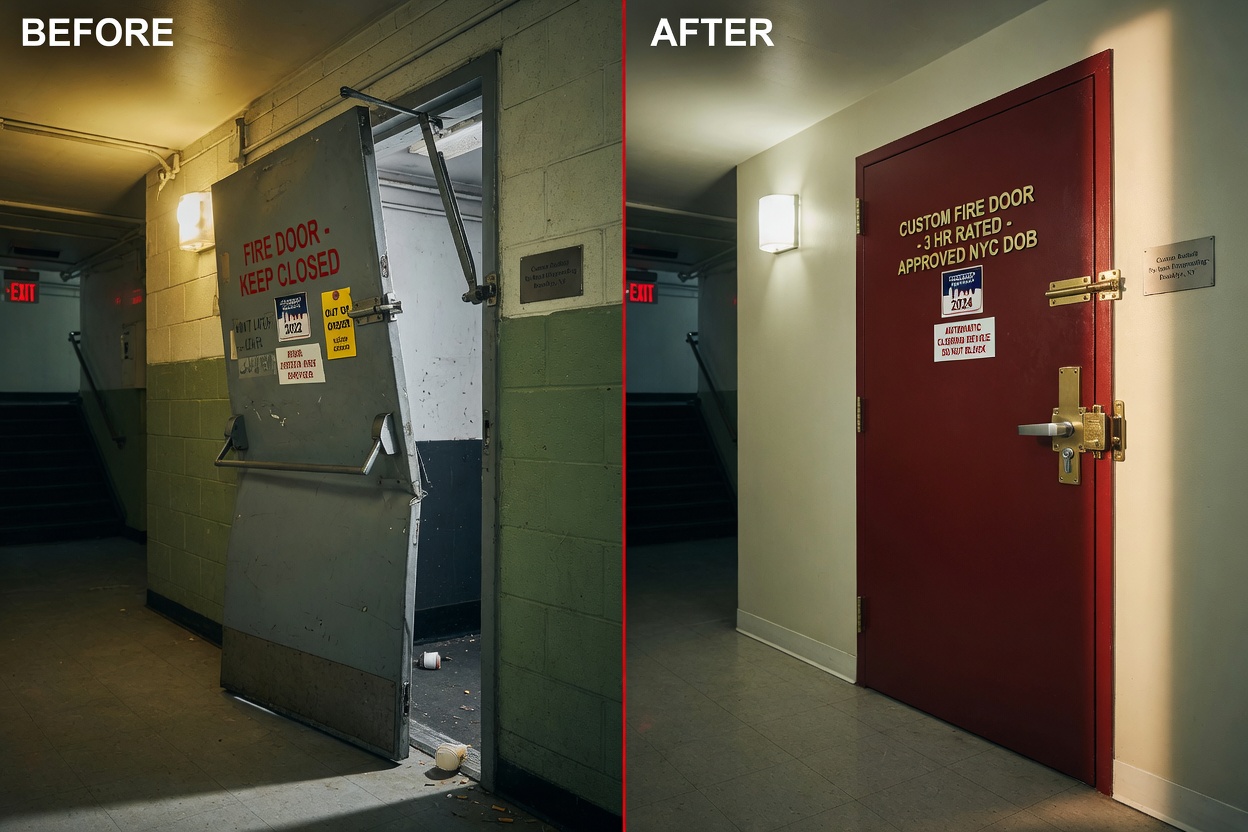
Building owners in Queens, Brooklyn, Manhattan, the Bronx, and Westchester who continue to rely on doors installed in the 1980s or 1990s are discovering that these assemblies no longer meet current labeling, clearance, and operational standards. The result is a cascade of violations that cannot be permanently resolved through field adjustments.
Most Common Reasons Fire Doors Fail Inspection in NYC
Understanding the specific failure points helps building owners anticipate what inspectors will document. The following issues consistently trigger FDNY fire door violations during fire door inspection NYC visits:
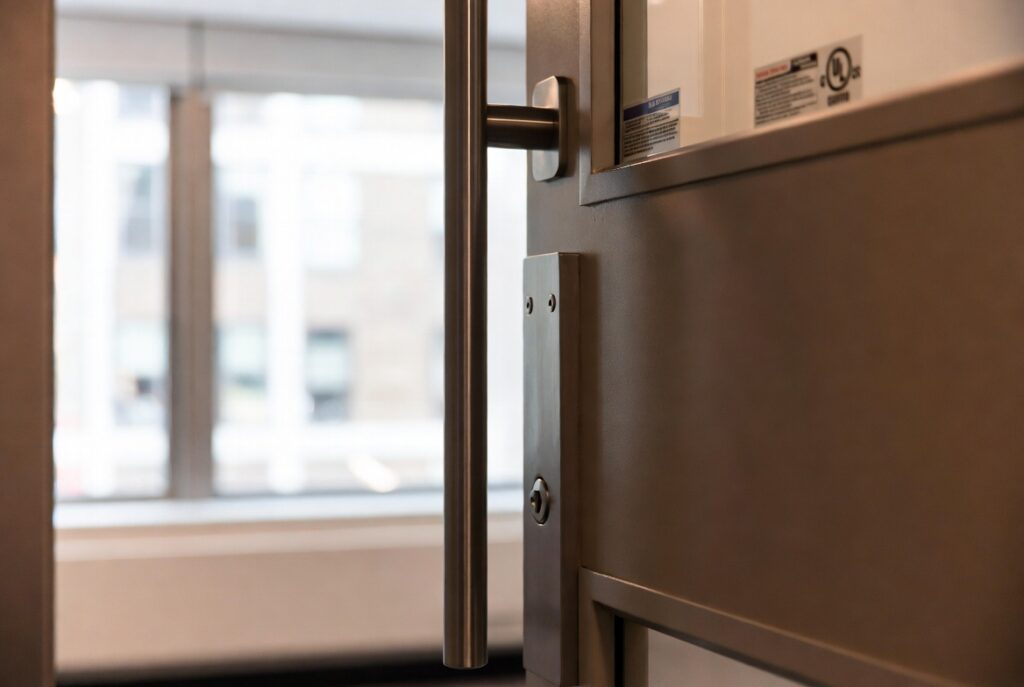
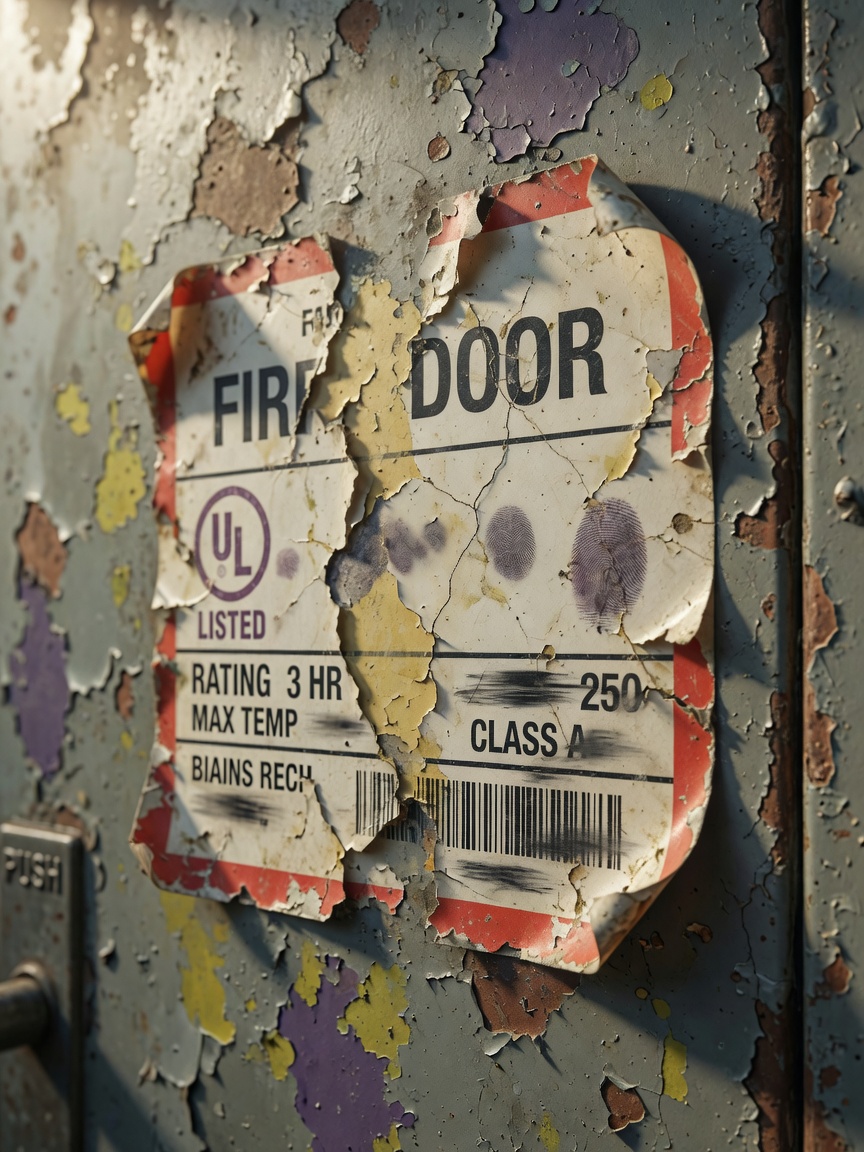
- Missing or illegible fire labels: Original labels painted over, damaged, or detached during past repairs. Without a clearly visible and intact label showing the hourly rating and listing agency, the door is considered non-compliant.
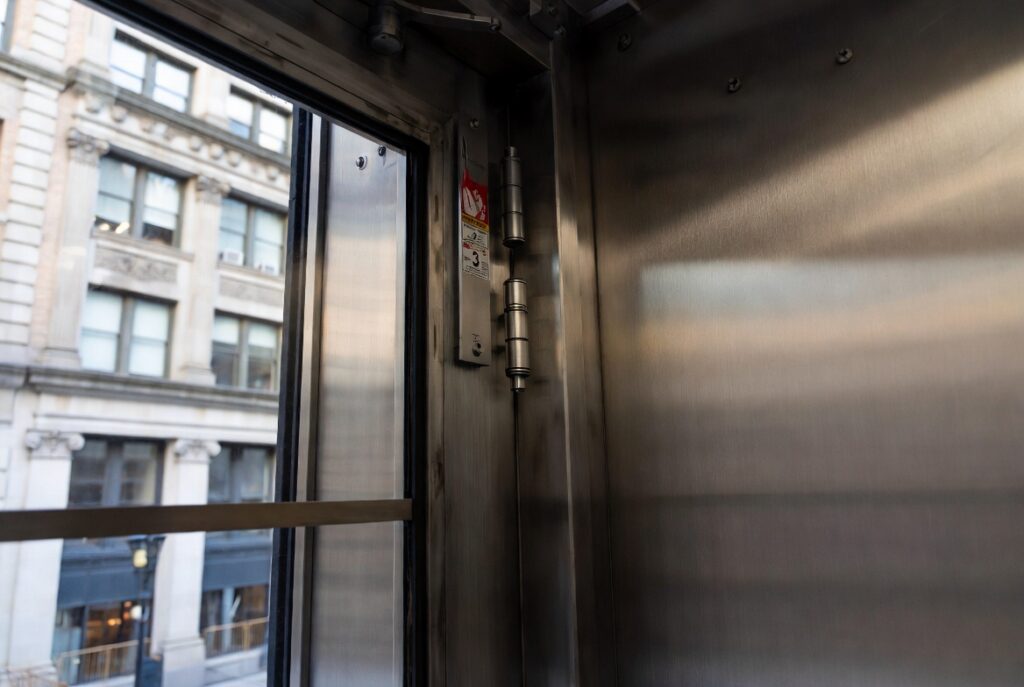
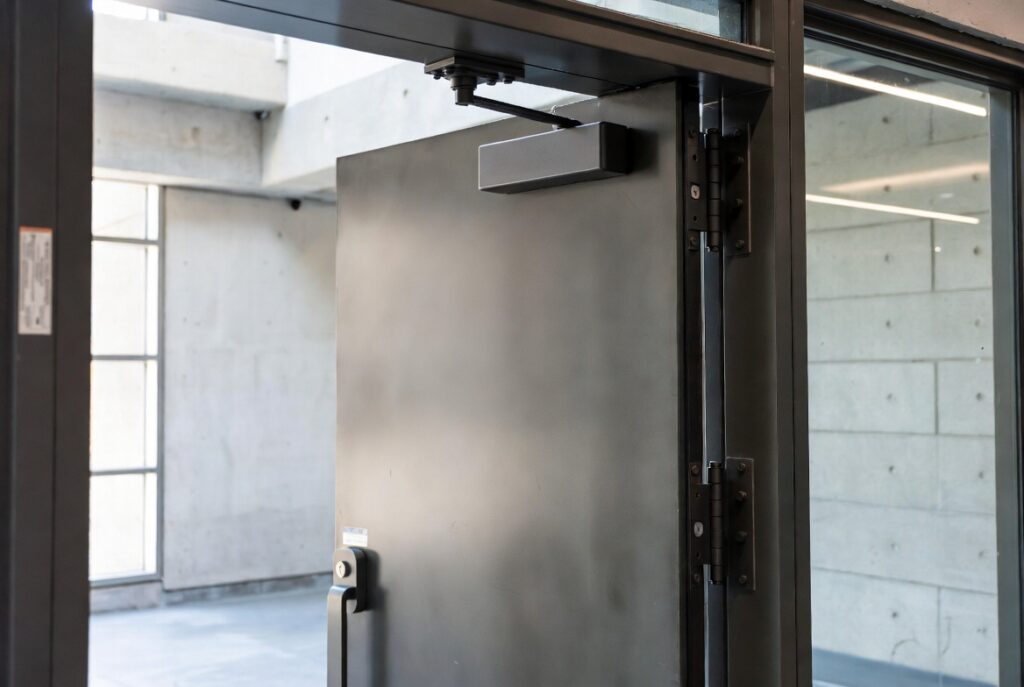
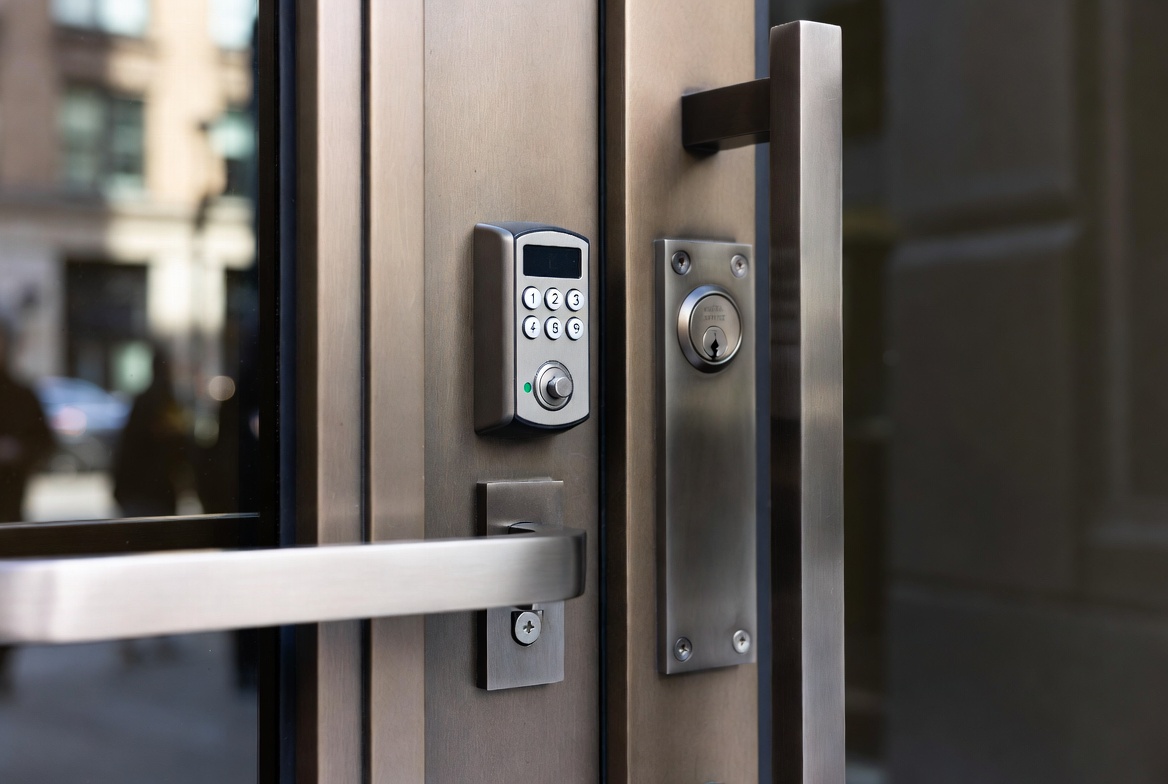
- Non-listed or mismatched hardware: Exit devices, hinges, closers, and coordinators that are not part of the original fire-rated assembly listing. Many older doors now carry aftermarket hardware that voids the fire rating.
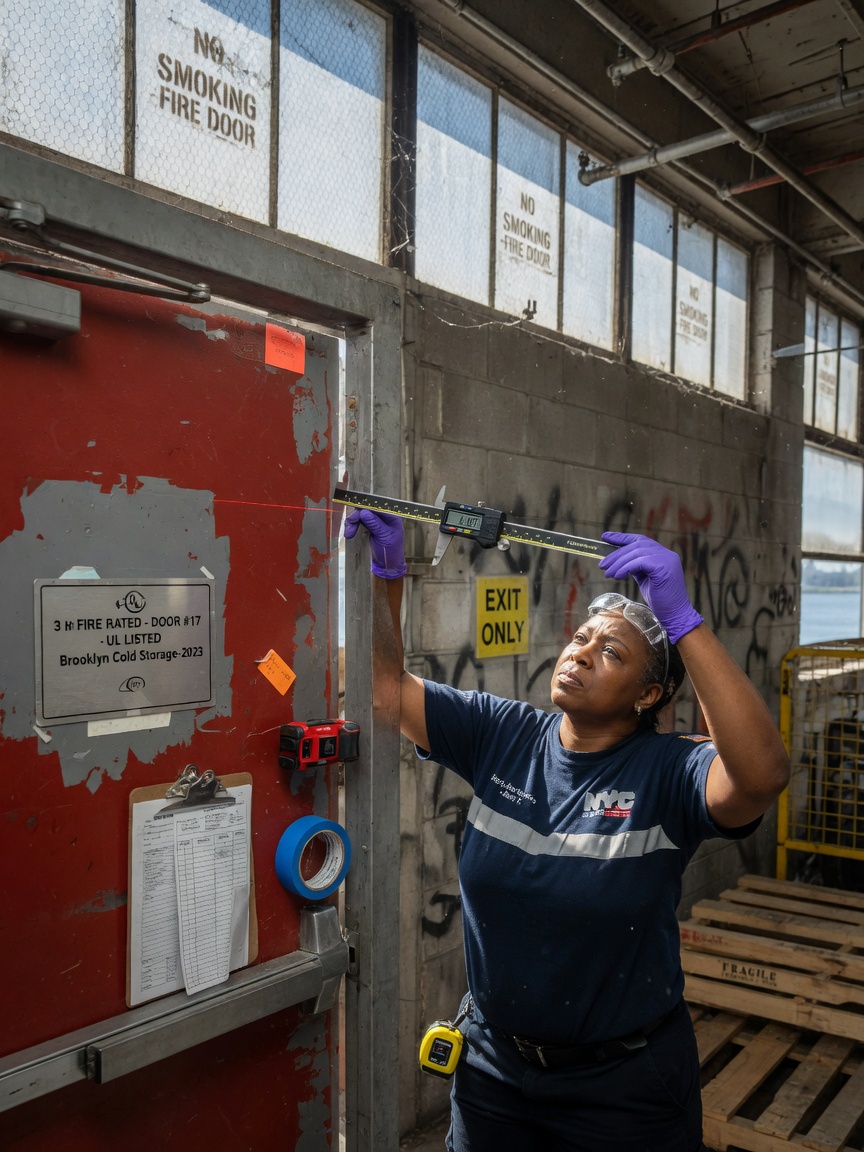
- Excessive clearances around the door: NFPA 80 limits maximum gaps to ⅛ inch at the head and jambs and ¾ inch at the bottom. Years of building movement, improper repairs, or worn thresholds routinely push clearances beyond these tolerances.
- Failed self-closing and latching: Self-closing fire door NYC requirements are among the most frequently cited violations. Doors that do not close fully and latch under their own power from any position fail immediately. Worn springs, binding hinges, or warped frames prevent consistent operation.
- Unauthorized modifications: Added vision panels without proper fire-rated glazing, drilled holes for new wiring, removed astragals, or field-installed louvers that were never part of the tested assembly all constitute violations.
Each of these issues requires documentation on the inspection report. Multiple failures across a building can lead to stop-work orders or escalating daily fines until corrected.
Temporary Patch Costs vs. One-Time Custom Fire Door Assembly Replacement
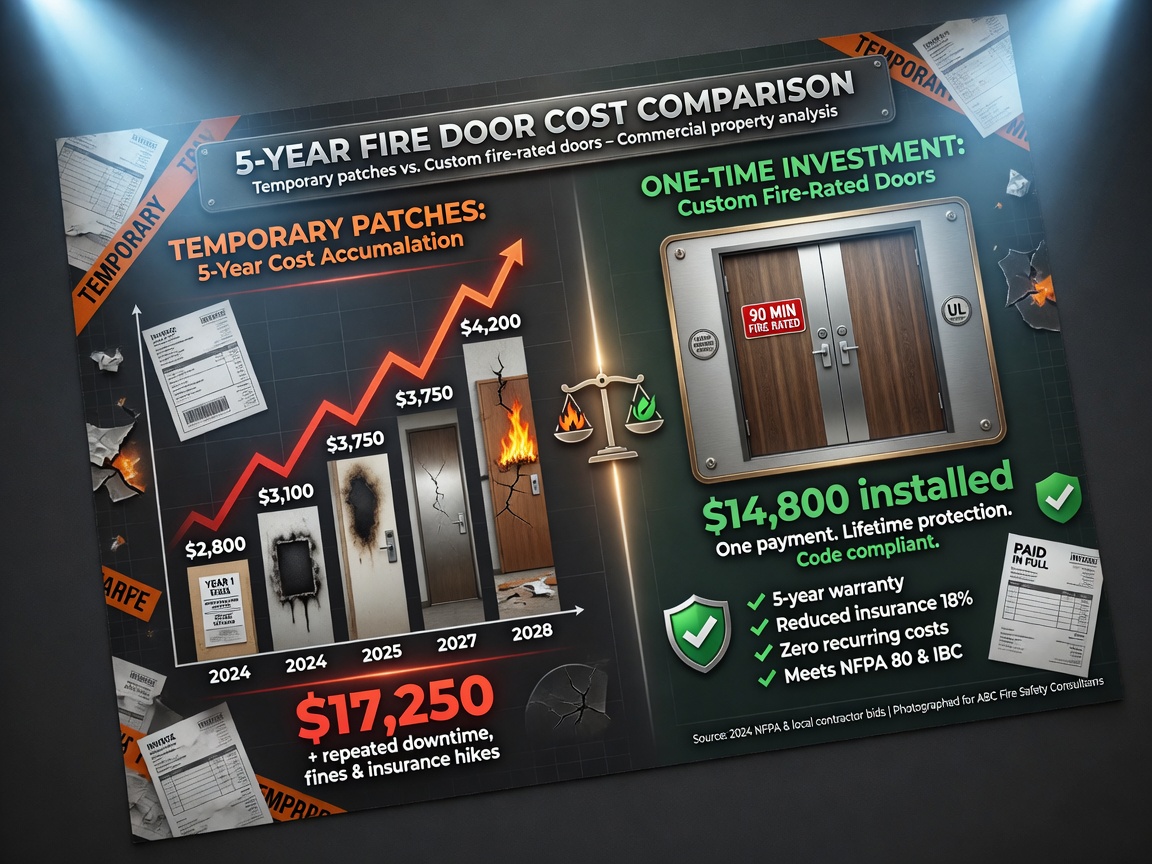
Many building managers initially choose the lowest-cost response: adjust the closer, replace a seal, or install a new latch. While these actions may allow the door to pass the current inspection, they rarely address the underlying assembly deficiencies.
Consider the typical three-year cost comparison for a 20-door building:
Temporary patch route:
- Annual inspection and adjustment: $450–$750 per door
- Repeat hardware repairs and parts: $300–$600 per door annually
- Documentation, re-inspection, and administrative time: 15–25 hours per cycle
- Total three-year estimated cost: $48,000–$72,000 plus potential fines
Custom heavy-gauge assembly replacement:
- One-time fabrication and professional installation of complete listed assemblies
- Includes matching frames, certified hardware, proper intumescent seals, and any required vision lights or louvers
- Engineered to current NFPA 80 standards with clear, permanent labeling
- Three-year cost: single capital outlay with zero recurring inspection failures
When viewed across a five- or ten-year horizon, the custom fire door assembly replacement approach delivers lower total cost of ownership and eliminates repeated disruption to tenants. More importantly, it removes compliance risk that temporary measures cannot resolve.
Why In-House Queens Fabrication of Complete Labeled Assemblies Delivers Permanent Compliance
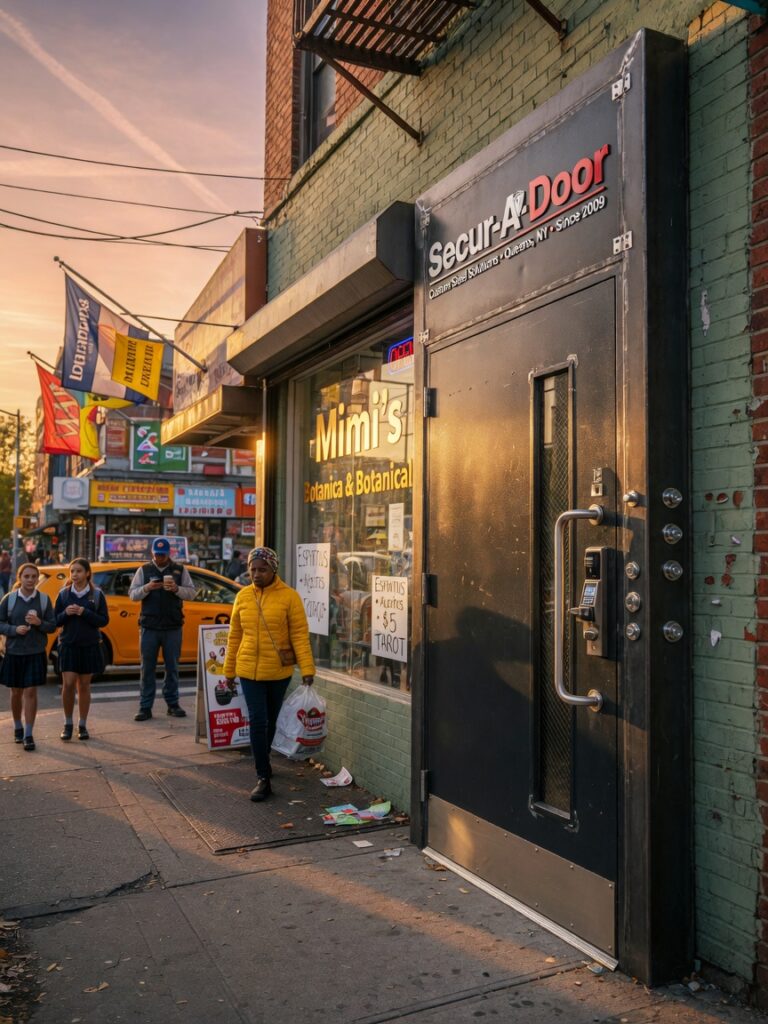
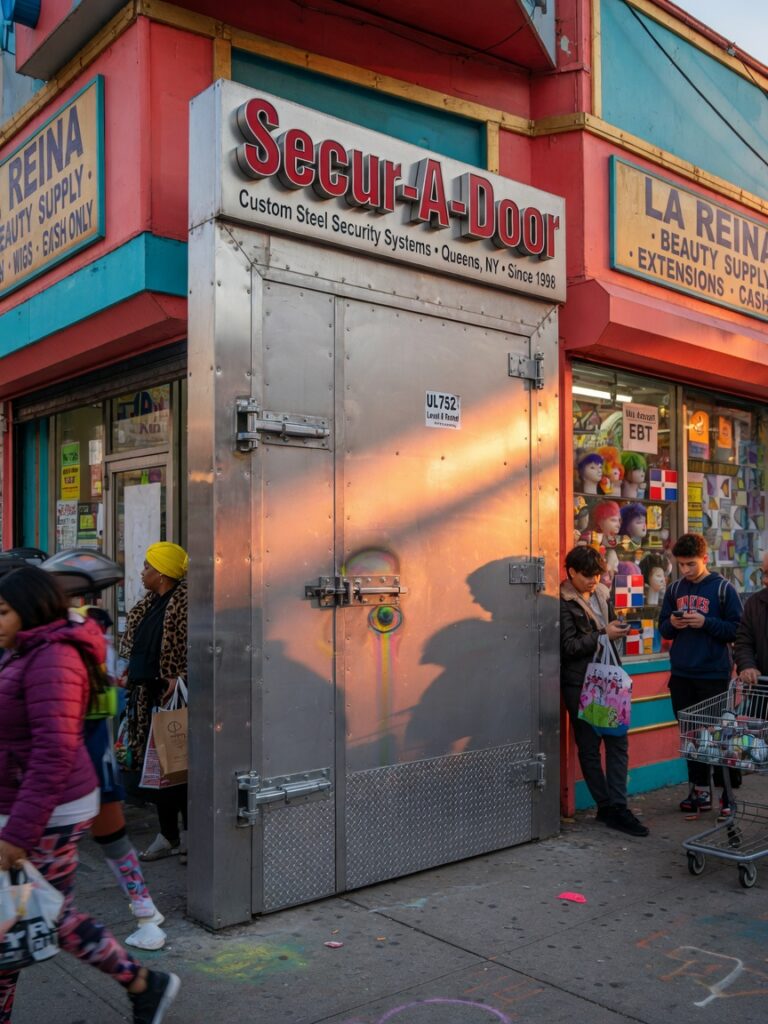
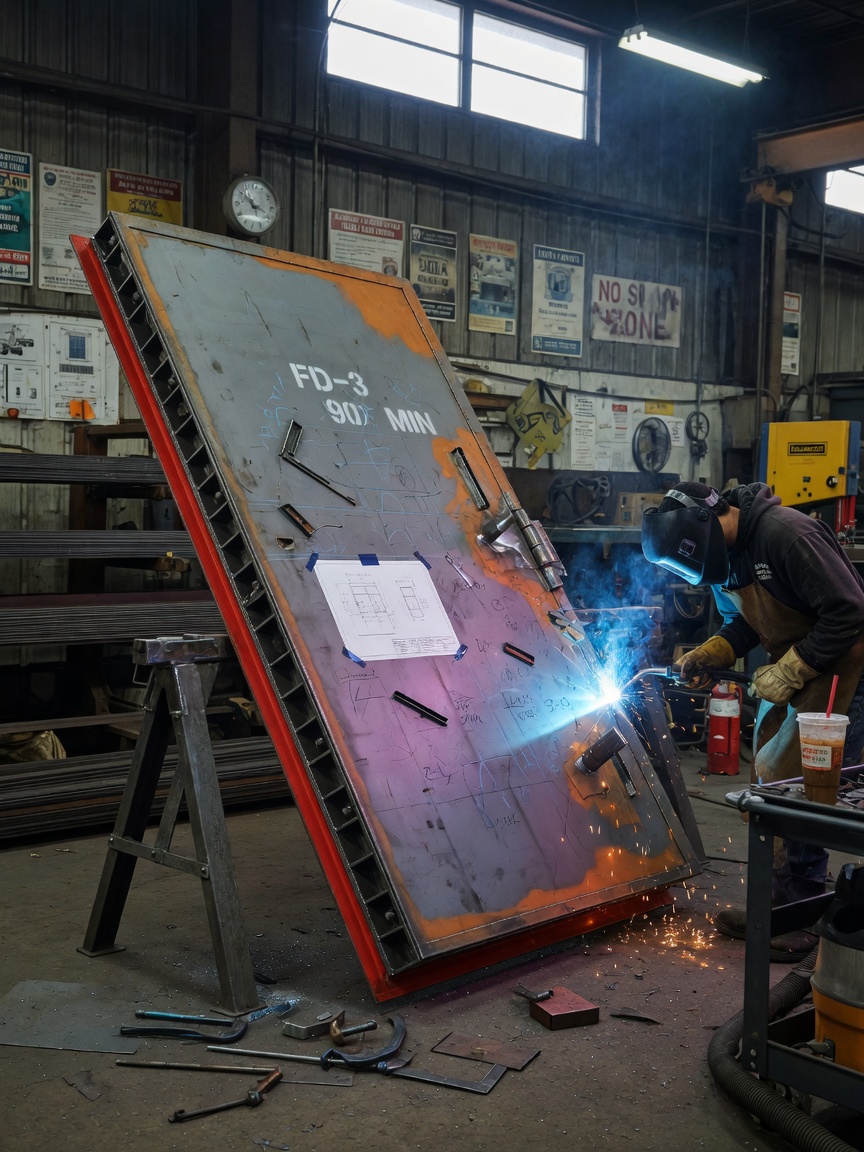
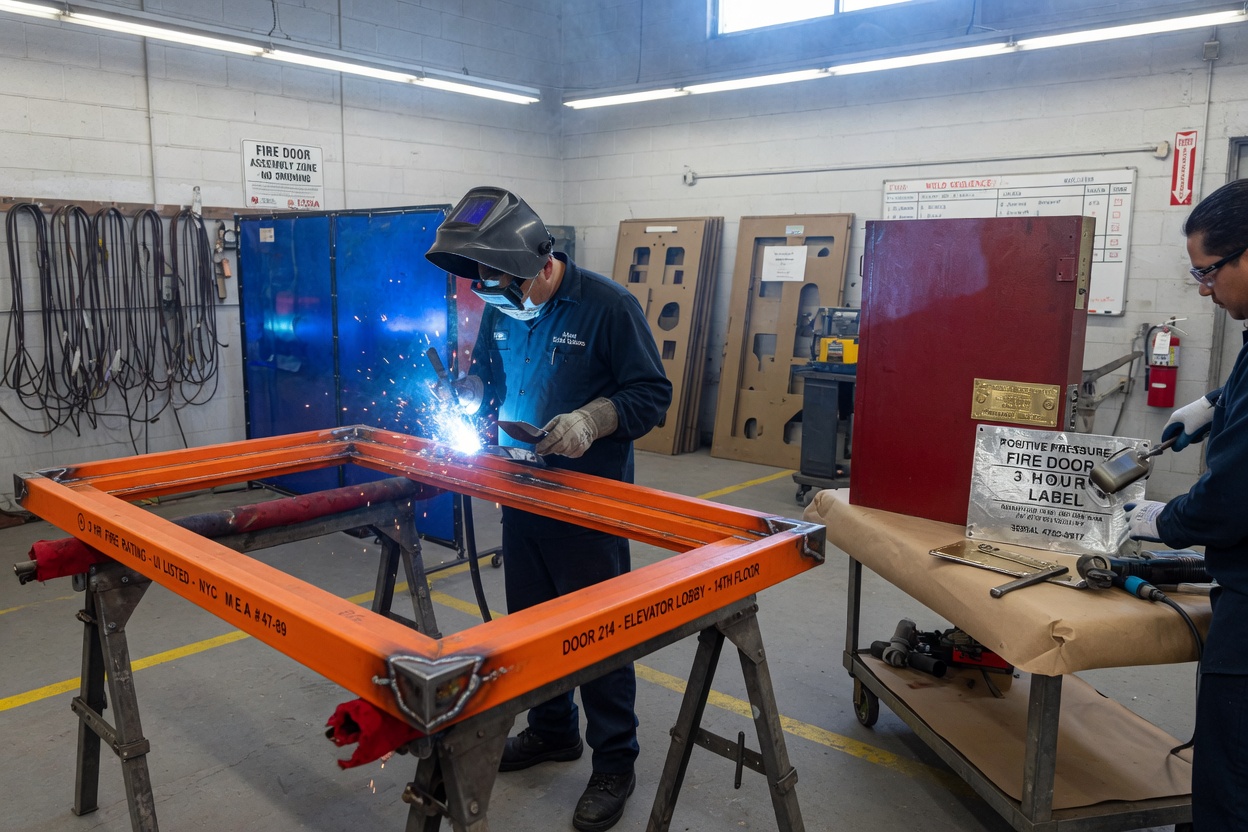
Secur-A-Door operates its own fabrication facility in Queens, allowing complete control over every element of the fire-rated assembly. Unlike distributors who order pre-made doors from distant factories, we engineer, fabricate, and label each assembly to the exact requirements of the opening.
Our heavy-gauge hollow metal and kalamein construction exceeds minimum code requirements, providing durability that stands up to the high-traffic environments common in NYC buildings. Every door is built as a complete listed assembly, including:
- Properly rated fire door cores tested to current UL and Intertek standards
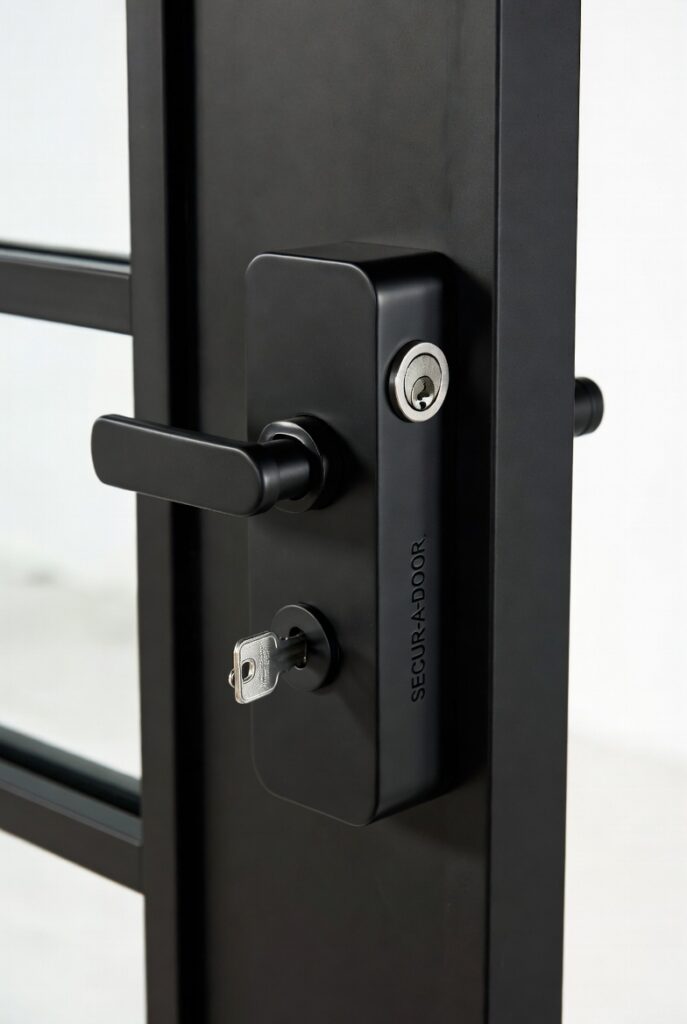
- Factory-installed fire-rated hardware that matches the assembly listing
- Precision-formed frames anchored to meet deflection and anchoring schedules
- Intumescent edge seals and smoke gasketing calibrated to current NFPA 80 clearances
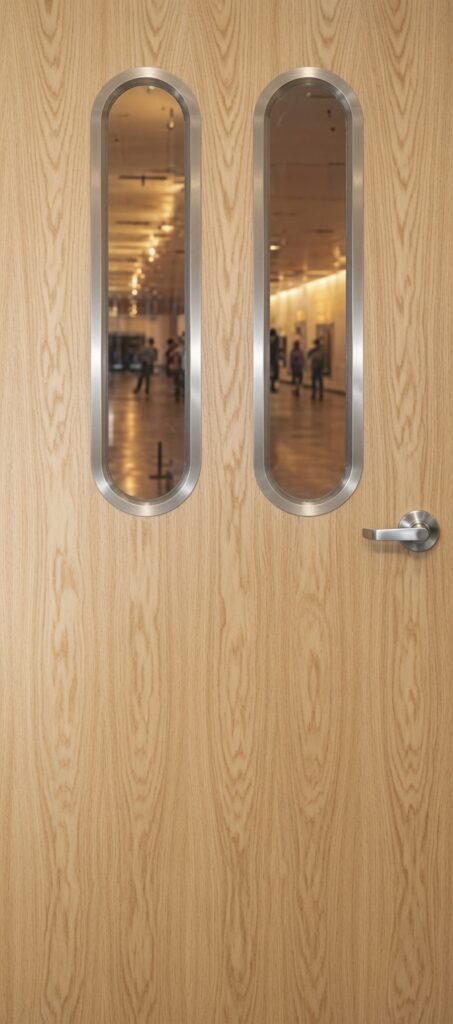
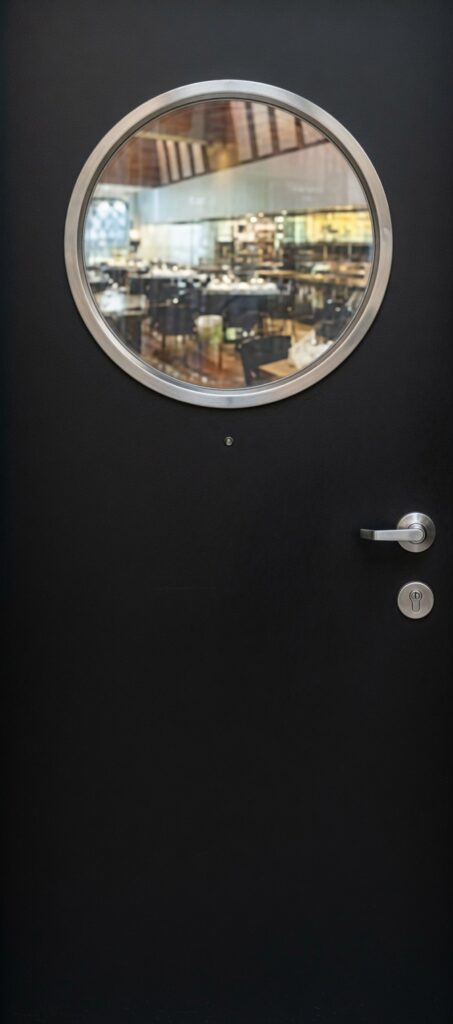
- Approved fire-rated glazing for vision lights where required
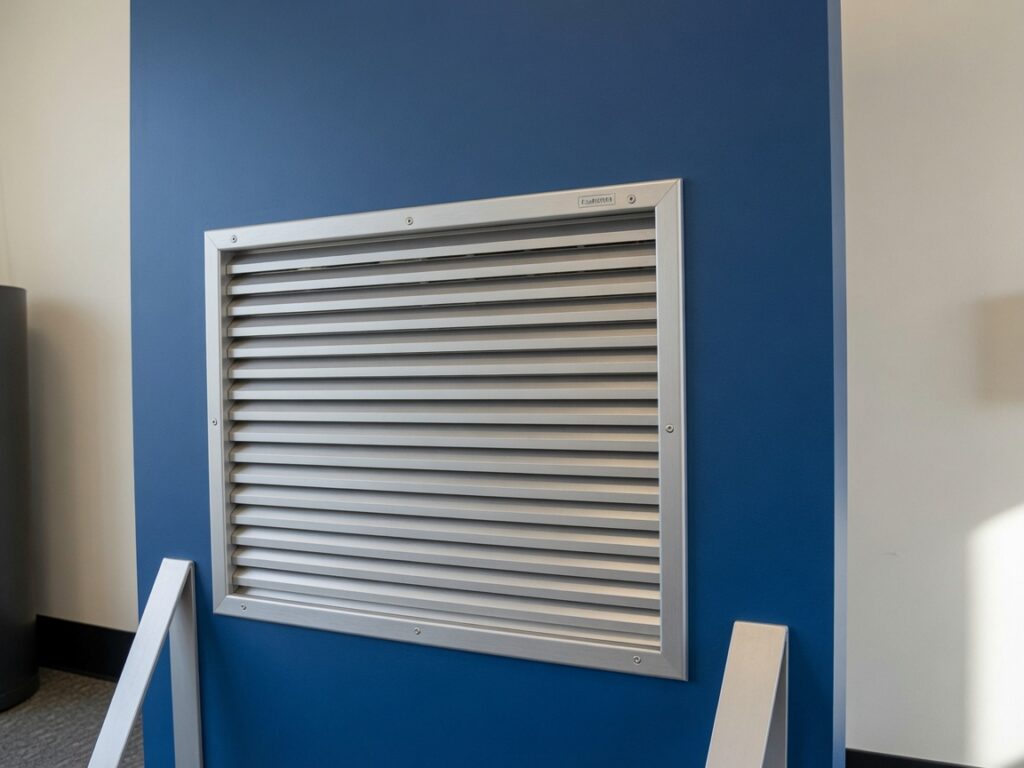
- Listed louvers where ventilation is needed without compromising the rating
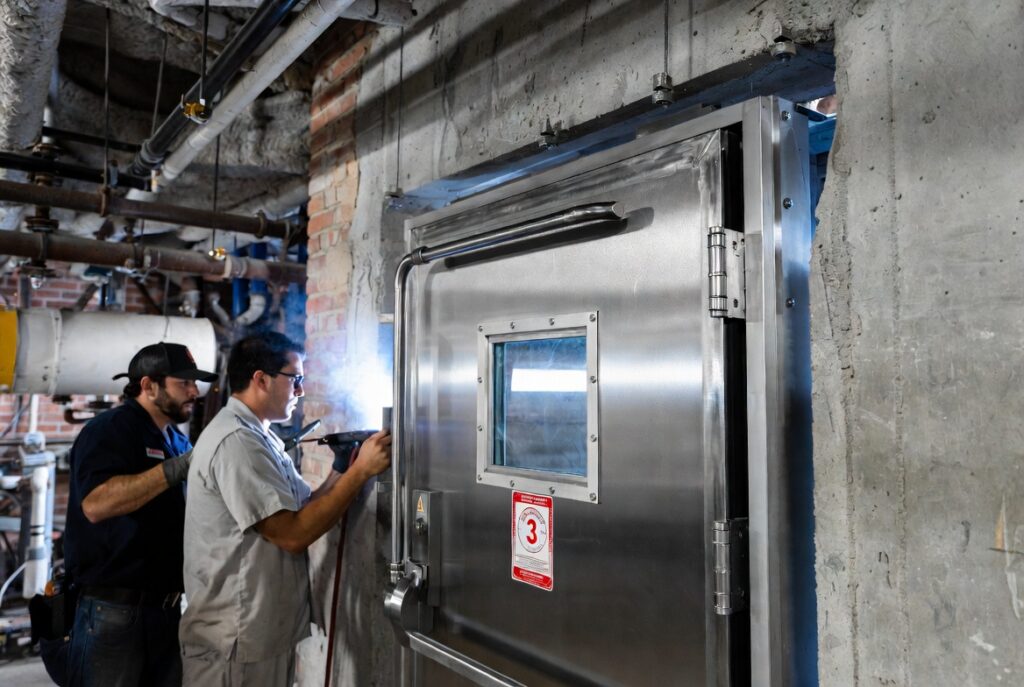
Because the entire process occurs under one roof in Queens, lead times are significantly shorter than national suppliers, and modifications can be made without losing the fire label. The result is a door that not only passes the first fire door inspection NYC but continues to pass every subsequent annual inspection with minimal maintenance.
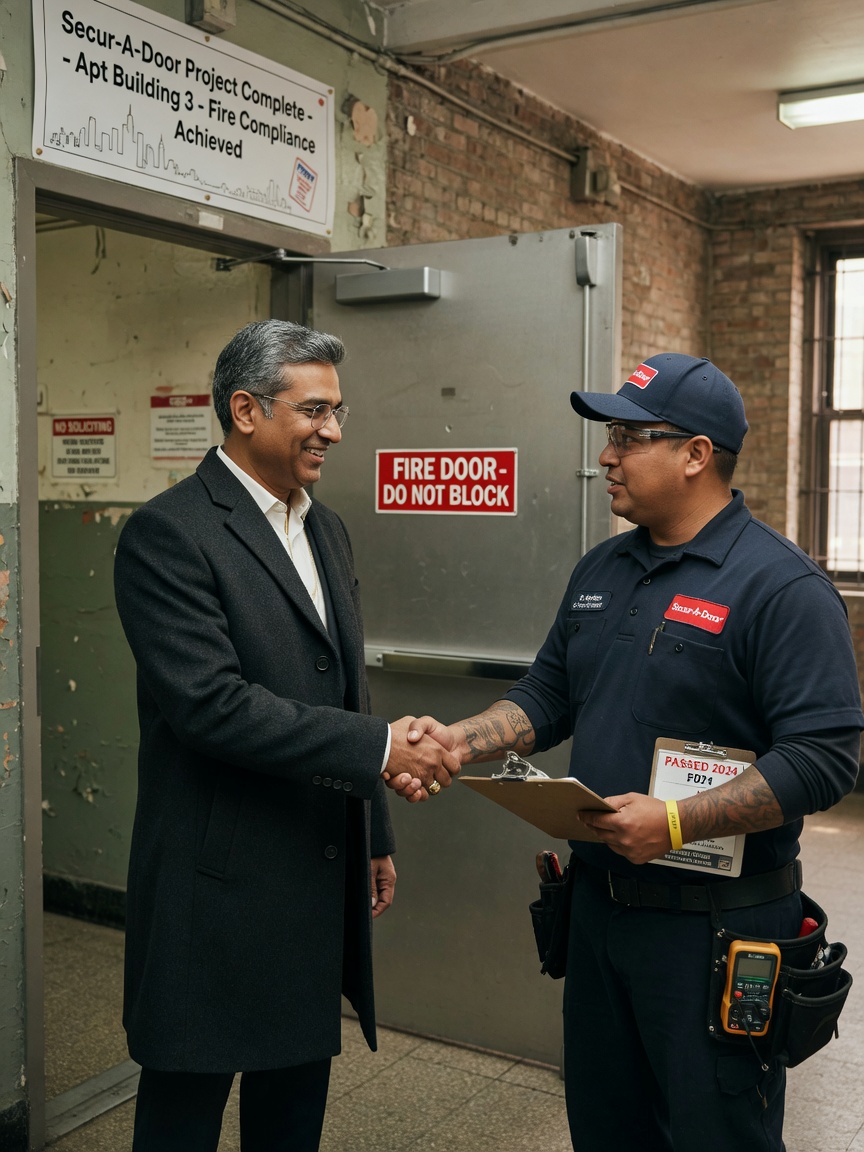
Property managers who choose this route report dramatically reduced time spent coordinating with inspectors and zero repeat violations related to the new assemblies.
Borough-Specific Fire Door Compliance Challenges
Queens Multi-Family Buildings
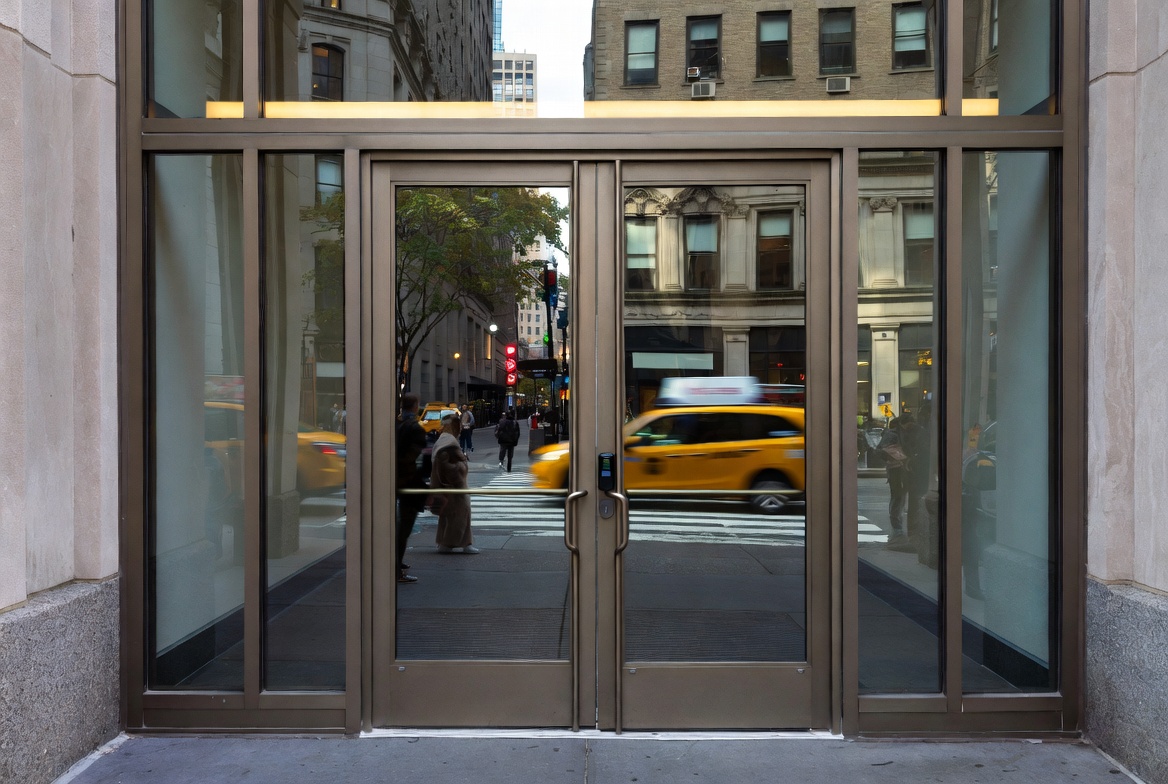
Queens apartment complexes built between 1970 and 2000 often contain hundreds of corridor and stairwell doors that have been painted dozens of times. Labels are frequently obscured, and constant use has caused frame distortion. Custom fire rated doors Queens fabricators can match existing aesthetics while delivering code-compliant performance and clear labeling.
Brooklyn Industrial and Warehouse Properties
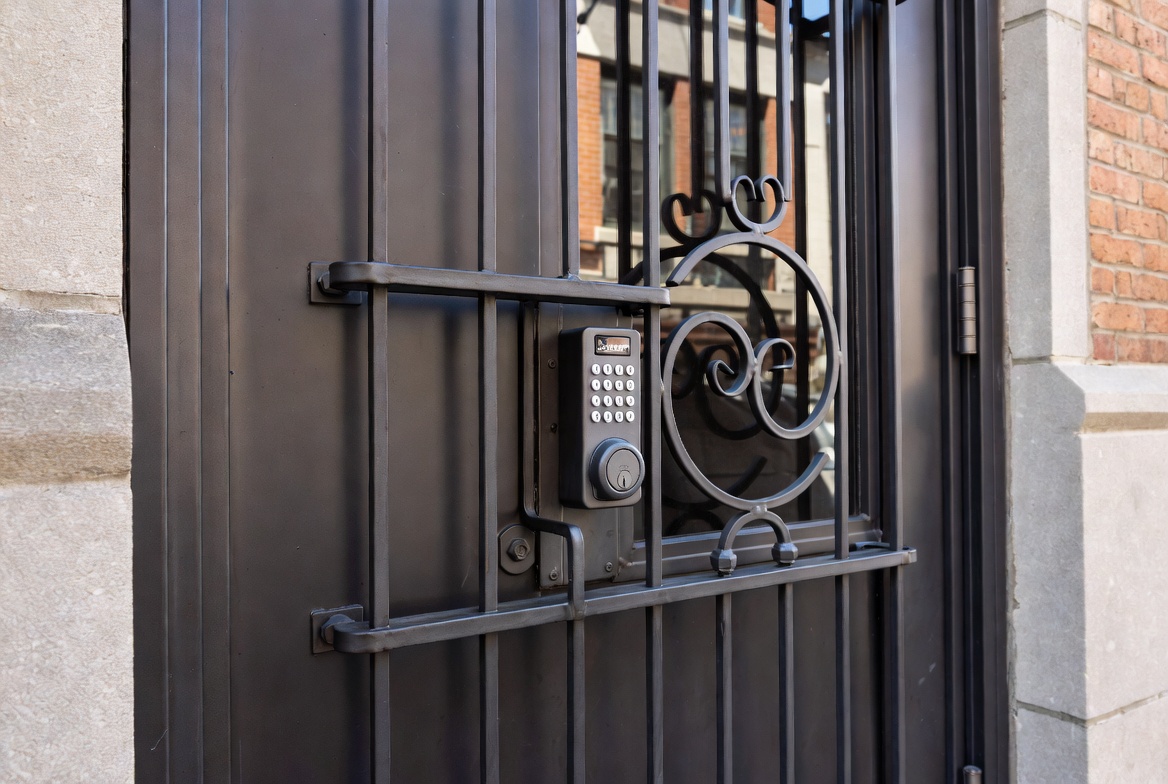
Heavy material movement in Brooklyn’s industrial zones accelerates wear on self-closing mechanisms. Oversized openings and non-standard frame conditions require custom-engineered solutions rather than off-the-shelf products. Our local fabrication capability allows precise matching of existing opening dimensions while maintaining full fire ratings.
Manhattan High-Rise Residential and Commercial Towers
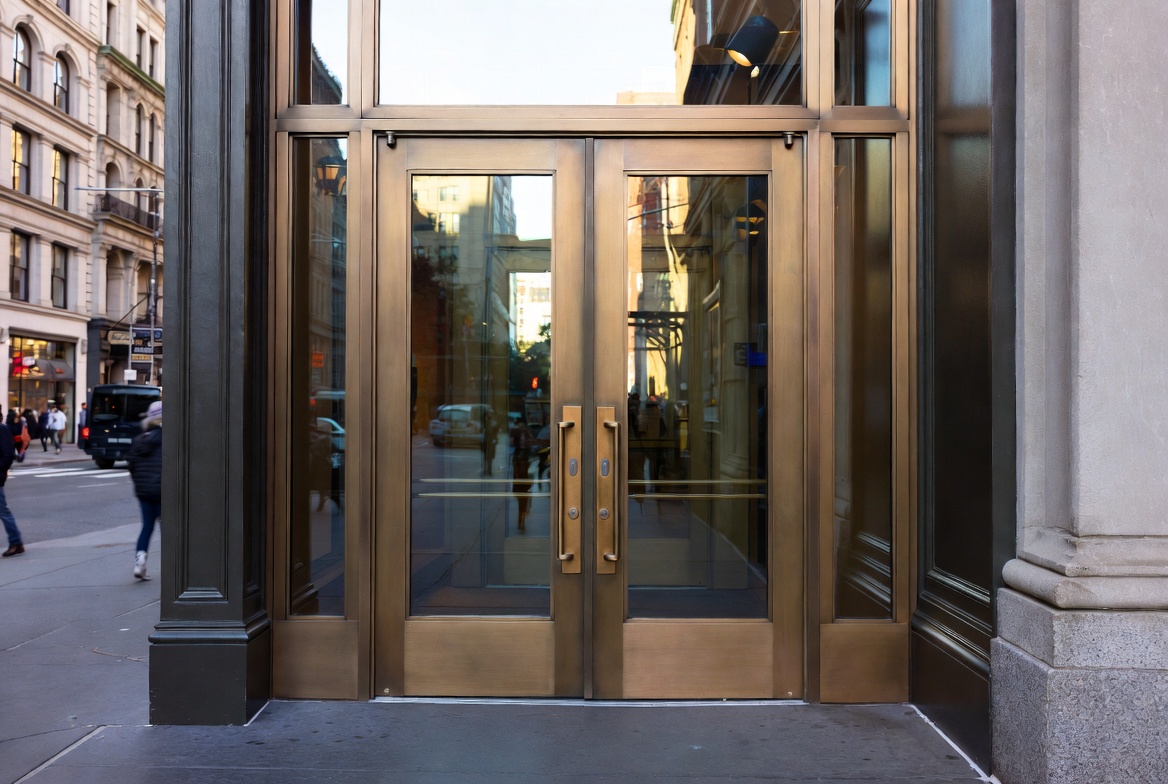
Space constraints and stringent aesthetic requirements in Manhattan demand slim-profile yet robust assemblies. High-rise stack effect and constant HVAC pressure challenge door closing forces. Properly sized and calibrated self-closing fire door NYC assemblies are essential. Our custom approach ensures both compliance and quiet, reliable operation that tenants expect.
Bronx Commercial and Mixed-Use Buildings
Many Bronx properties feature older kalamein doors that remain structurally sound but lack current listing documentation. Replacing only the hardware is rarely sufficient. Complete assembly replacement with modern heavy-gauge components resolves both performance and documentation deficiencies in a single project.
Westchester County Commercial Facilities
While not within New York City limits, Westchester buildings that fall under stricter insurance or AHJ requirements increasingly adopt the same NFPA 80 standards enforced by FDNY. Our service area includes these locations, delivering the same custom fabrication standards with identical compliance outcomes.
Understanding the Complete Fire Door Assembly
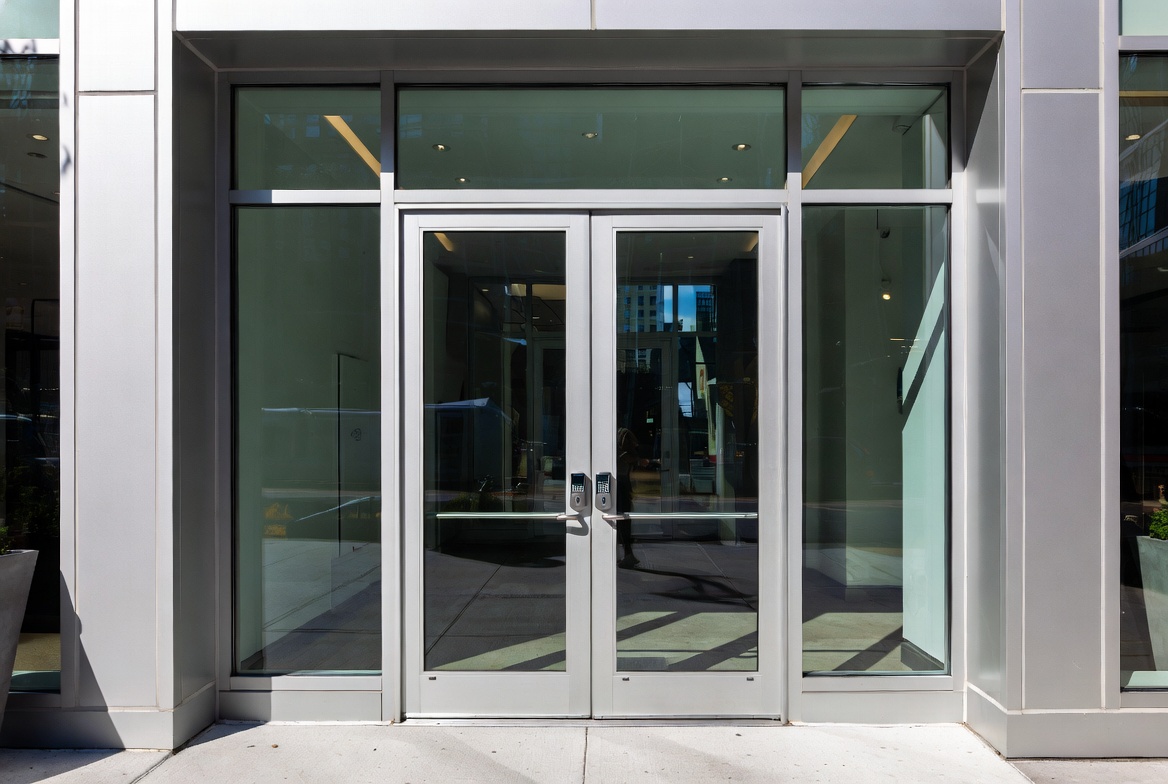
A fire door is only as effective as its weakest component. That is why NFPA 80 evaluates the entire assembly. When you invest in fire door assembly replacement, the scope must include every listed element. Secur-A-Door delivers complete packages that eliminate the guesswork.
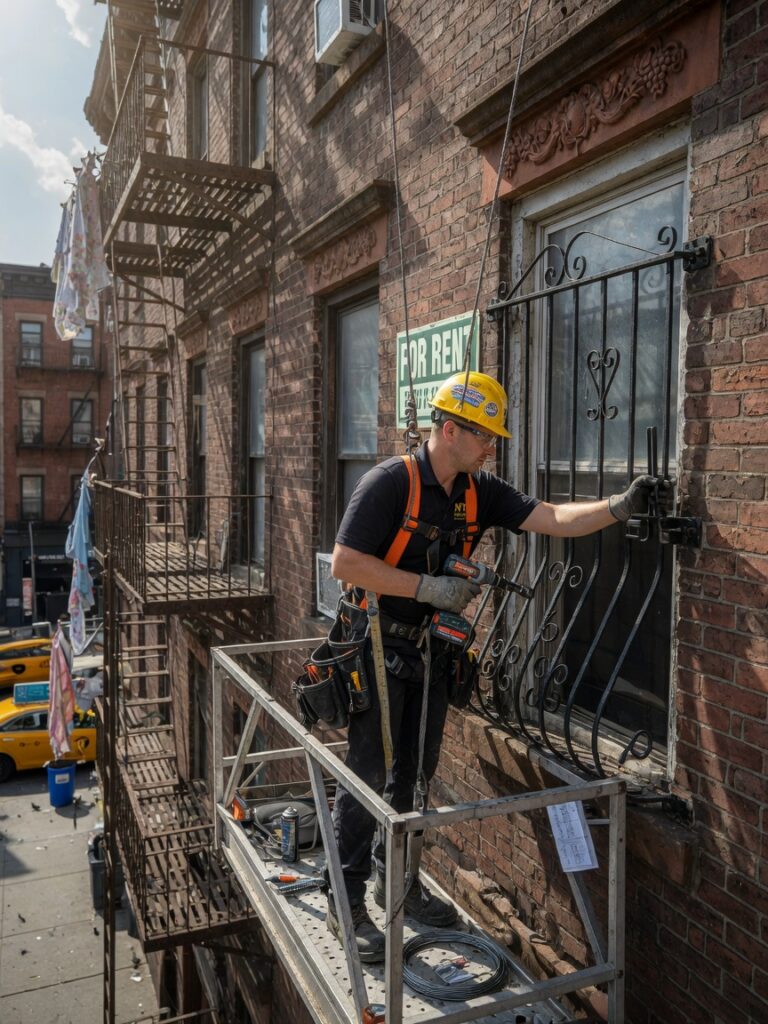
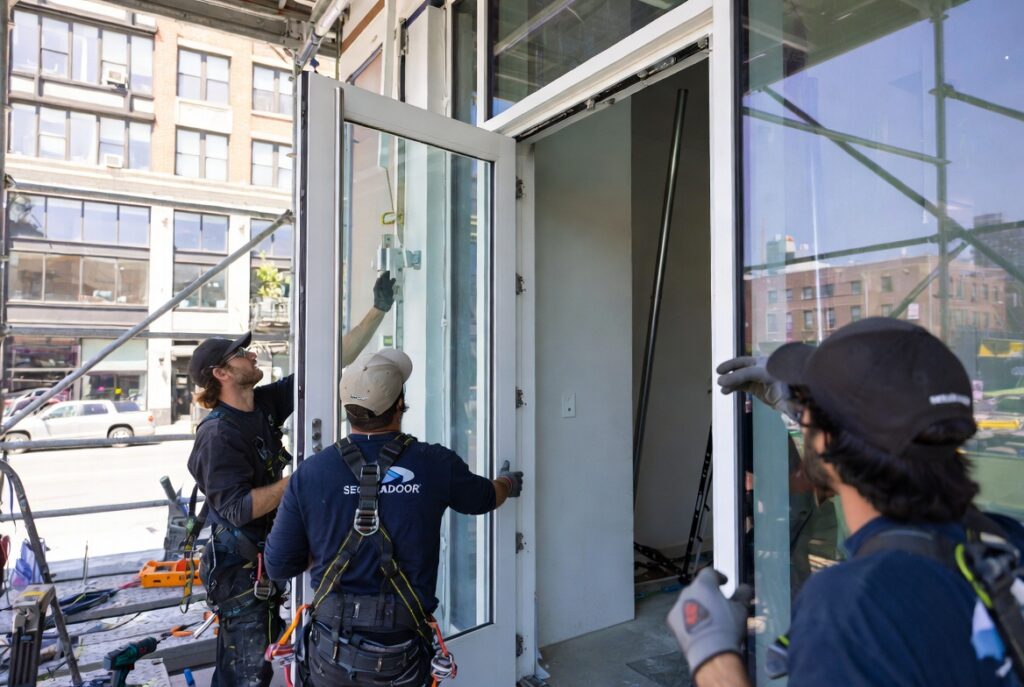
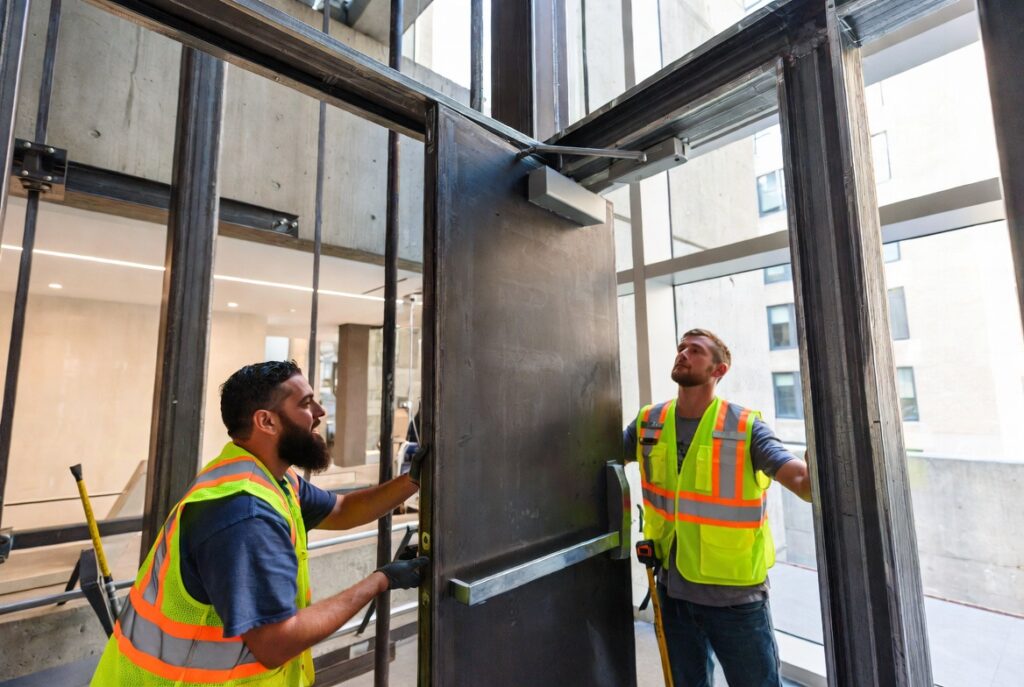
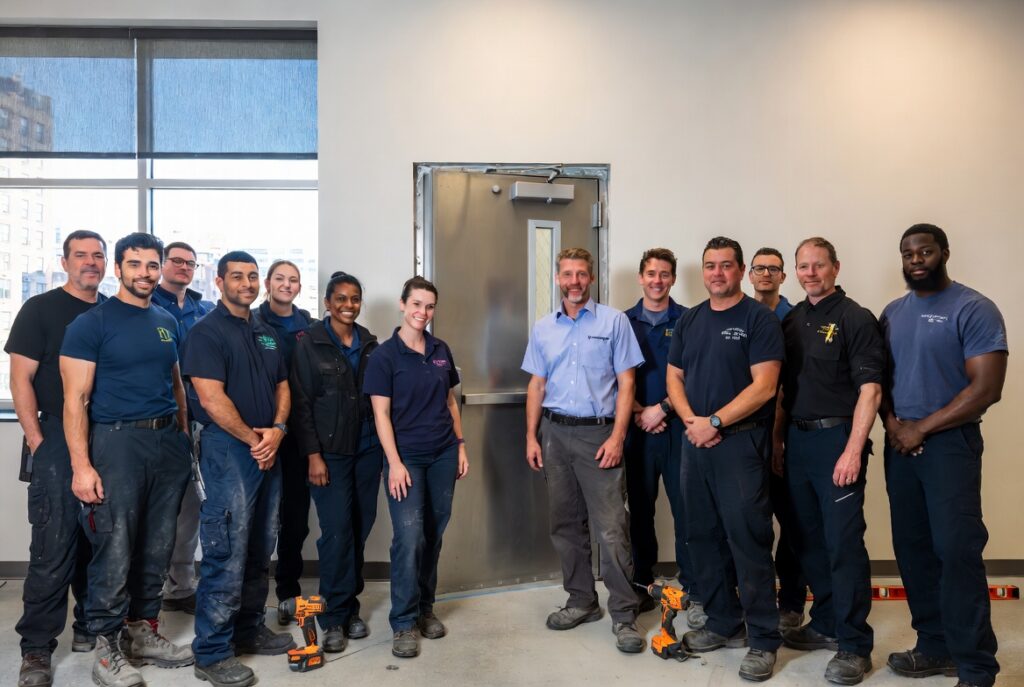
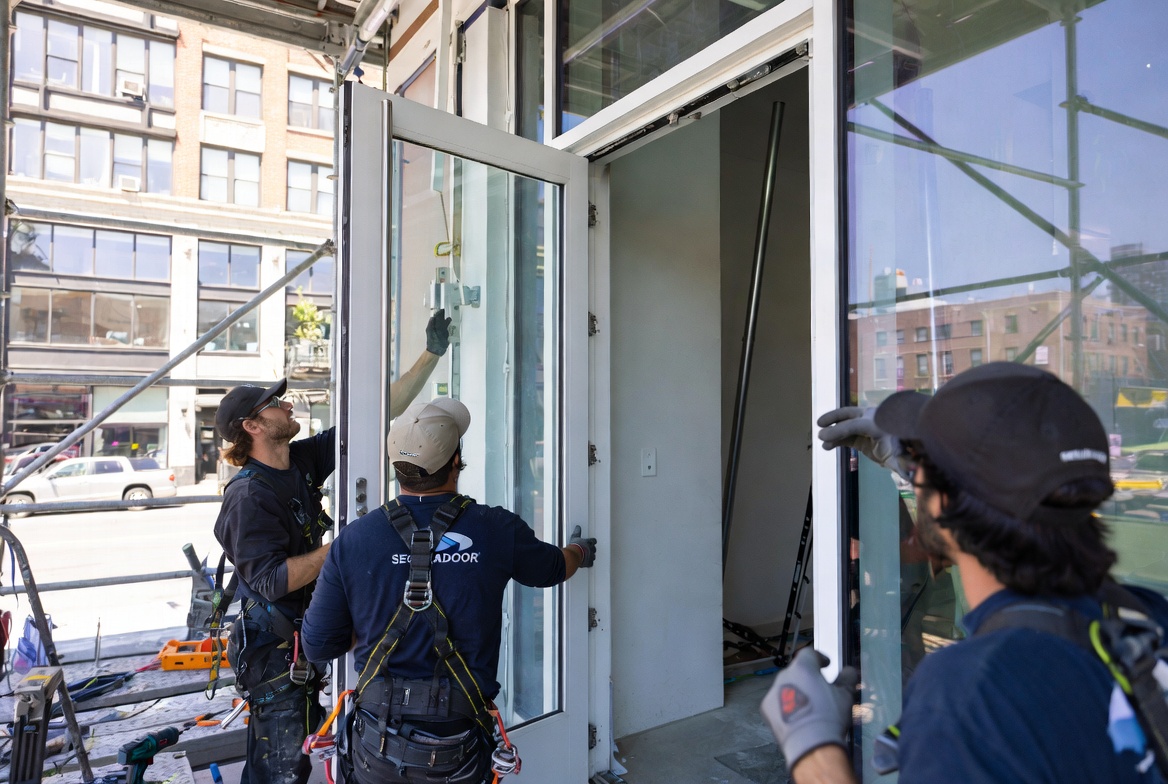
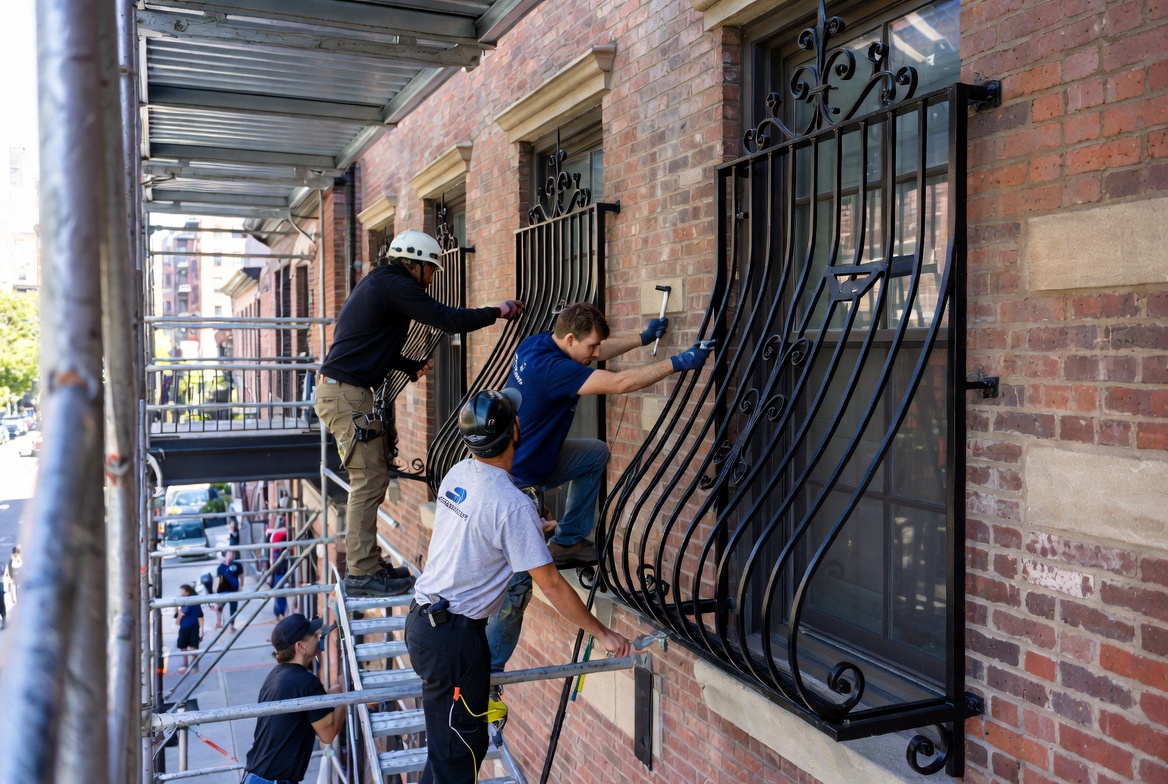
Our process begins with an on-site assessment of each opening. We document existing conditions, measure precisely, and identify any structural or frame issues that must be addressed. From those measurements we fabricate new doors, frames, and hardware as a matched set — all bearing appropriate fire labels and accompanied by documentation that satisfies both FDNY and insurance reviewers.
Learn more about our professional fire door installation process across NYC.
Proper hardware selection is equally critical. We maintain deep inventory and expertise in fire-rated door hardware that matches the exact listing requirements of each assembly we produce.
Why Self-Closing Performance Matters More Than Ever
One of the most frequent citations during inspections is failure of the door to close and latch without assistance. Building movement, worn pivots, and improperly adjusted closers cause doors to hang open or bounce back from the latch.
Our custom assemblies incorporate heavy-duty, fire-rated closers calibrated specifically to the door size and the pressure conditions of the building. When combined with precision hinges and properly aligned frames, the result is reliable self-closing fire door NYC performance that meets the “positive latching” requirement on every test cycle.
For a deeper look at this critical component, read our existing guide: Self-Closing Fire Doors in NYC: What Building Owners Must Know.
The Long-Term Value of Custom Fabrication
Property managers who have completed full replacement programs with custom heavy-gauge assemblies report several consistent outcomes:
- Zero fire door related violations in subsequent FDNY inspections
- Reduced annual inspection preparation time
- Lower long-term maintenance budgets
- Improved building safety perception among tenants and insurers
- Clear documentation package that travels with the property during sales or refinancings
These benefits cannot be achieved through repeated field repairs or partial component replacements. Only a complete, listed, custom-engineered assembly delivers permanent compliance.
FAQ: Fire Door Inspection and Compliance Questions
How often are fire doors inspected in NYC?
FDNY requires annual inspection and testing of fire door assemblies in commercial and multi-family residential buildings. Documentation must be maintained on site and available for inspector review.
What is the most common reason for NFPA 80 fire door failure?
The top three reasons are missing or illegible labels, excessive clearances around the perimeter of the door, and failure of the self-closing and latching function. All three can be permanently resolved by installing a properly engineered custom assembly.
Can I repair an existing fire door instead of replacing it?
Minor adjustments such as tightening hardware or replacing seals are acceptable if the assembly remains within its original listing. However, once labels are missing, clearances exceed limits, or unauthorized modifications exist, repairs cannot restore compliance. Full assembly replacement becomes the only code-compliant solution.
Are custom fire rated doors more expensive than standard doors?
While the initial investment is higher than commodity doors, the total cost of ownership is significantly lower. Custom fabrication eliminates repeated violation fines, reduces maintenance calls, and prevents business interruption that occurs when inspectors issue violations.
How long does it take to replace fire doors in a typical NYC building?
With in-house Queens fabrication and experienced installation crews, we can typically schedule and complete 15–25 door replacements per week depending on building access and complexity. We coordinate closely with property managers to minimize disruption to tenants.
Take the Next Step Toward Permanent Compliance
The 2026 enforcement environment will not forgive outdated or modified fire door assemblies. Building owners and property managers who act before the inspection wave intensifies will avoid the scramble, repeated fines, and operational headaches that accompany last-minute compliance projects.
Secur-A-Door has served the New York metropolitan area since 1981. Our family-owned business combines local Queens fabrication capability with deep knowledge of current NFPA 80, FDNY, and New York City Building Code requirements.
Call (718) 225-5555 today to schedule a free on-site fire door assessment. Our team will document current conditions, identify every non-compliant opening, and provide a detailed custom fabrication quote that shows both immediate compliance and long-term cost savings.
Do not wait for the next FDNY fire door violation. Secure permanent compliance with heavy-gauge, fully labeled fire-rated assemblies built for the specific conditions of your Queens, Brooklyn, Manhattan, Bronx, or Westchester property.
Call (718) 225-5555 now for your free fire door assessment and custom quote.