NYC Fire Door Inspection Failures: 2026 NFPA 80 Guide for Building Owners
Fire doors are the unsung heroes of building safety in New York City. Yet every year, thousands of commercial properties receive violations during annual fire door inspections. With the 2026 NFPA 80 standards bringing even stricter requirements, property managers and building owners face increasing pressure to maintain compliance or risk significant fines and potential liability.
At SecuraDoor, with over 25 years of commercial door installations across Manhattan, Brooklyn, Queens, and the Bronx, we’ve seen the same recurring issues time and again. This guide goes beyond regulatory checklists to deliver real-world, experience-driven solutions that help NYC building owners avoid costly failures and maintain consistent compliance.
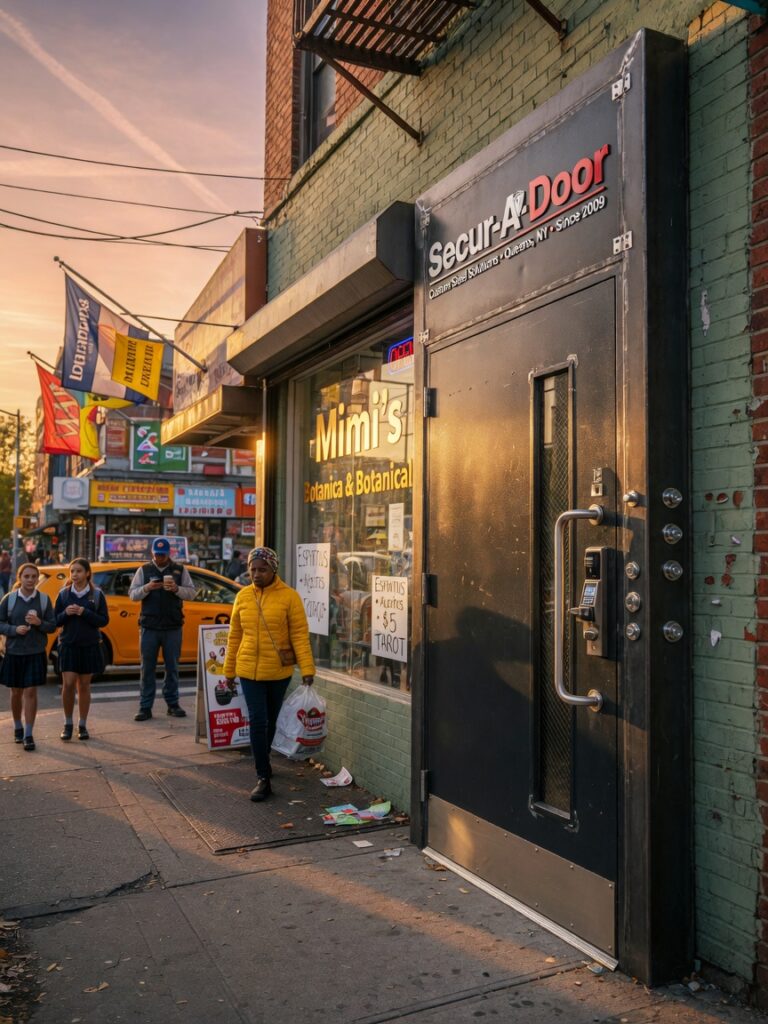
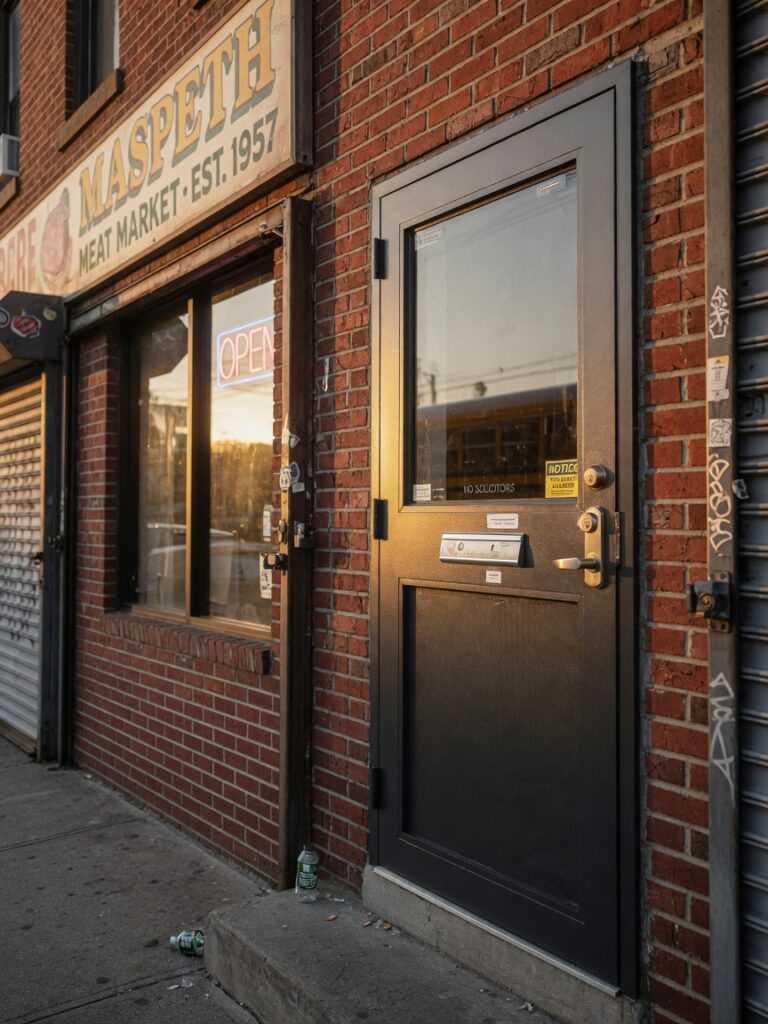
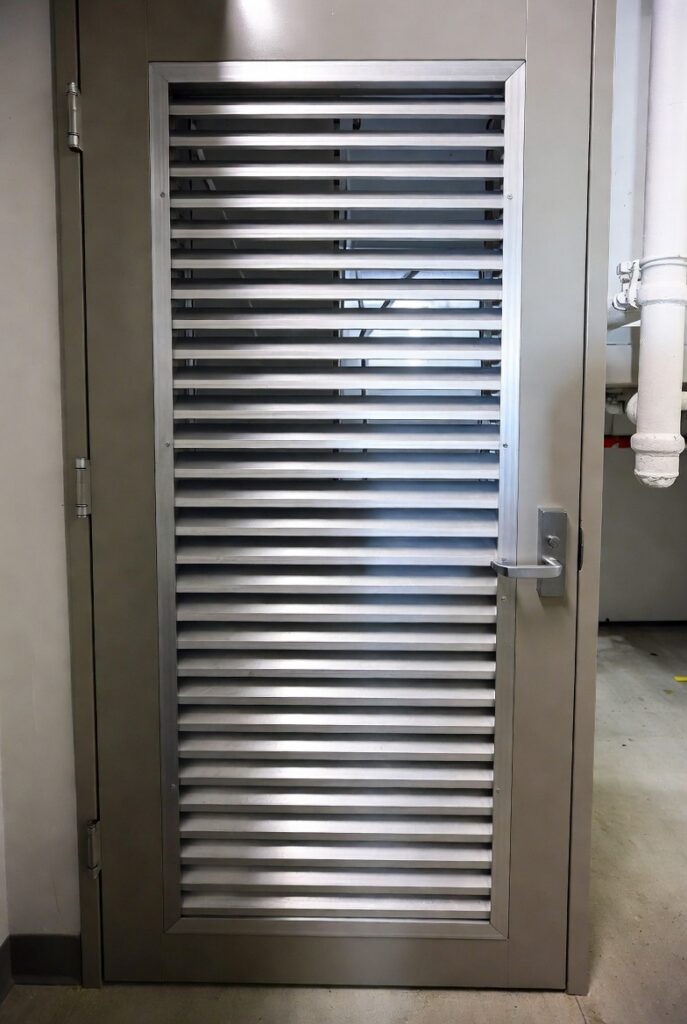
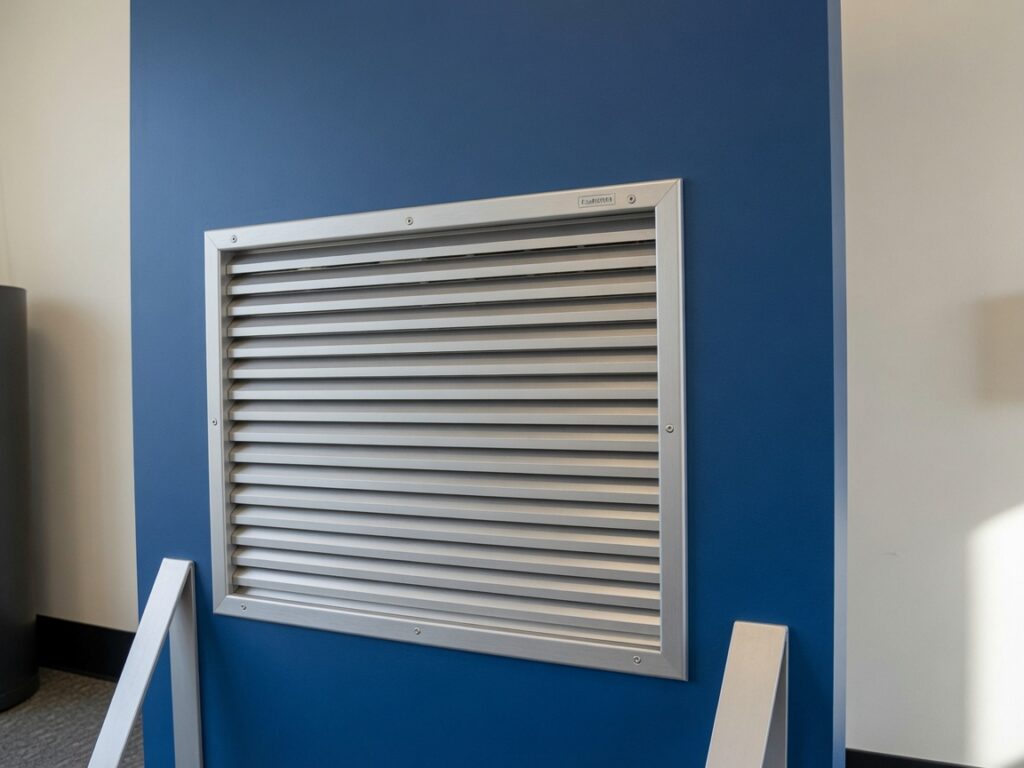
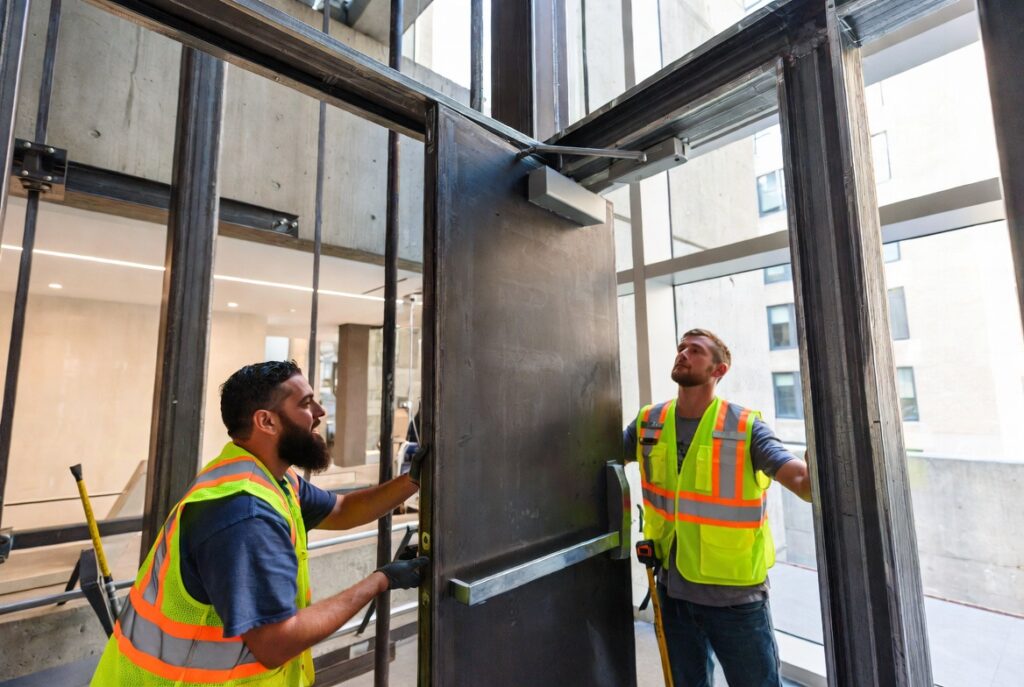
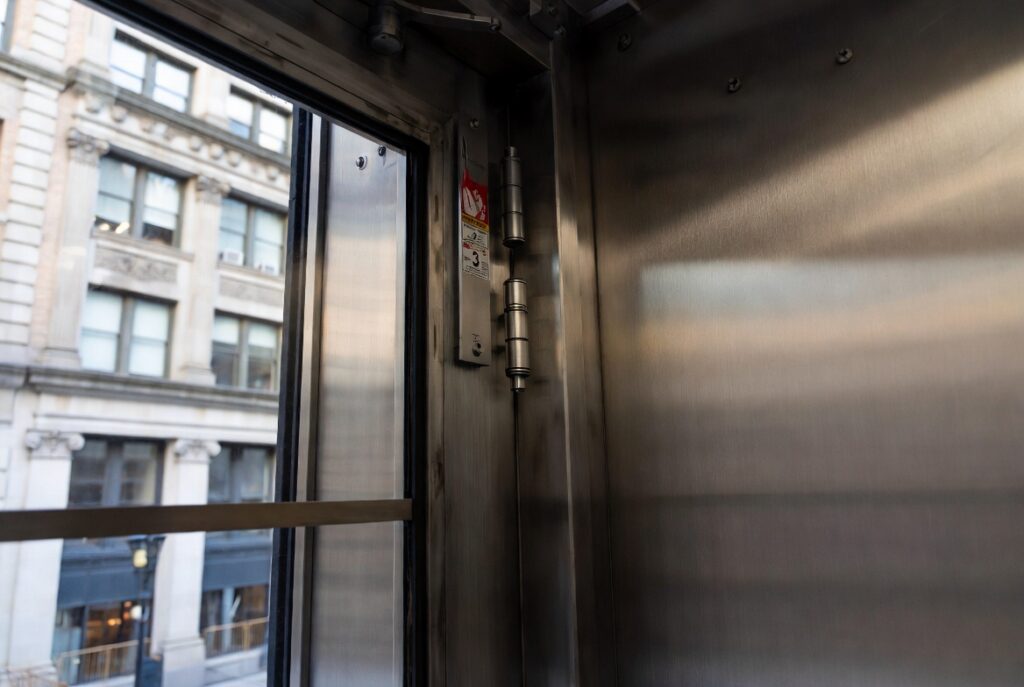
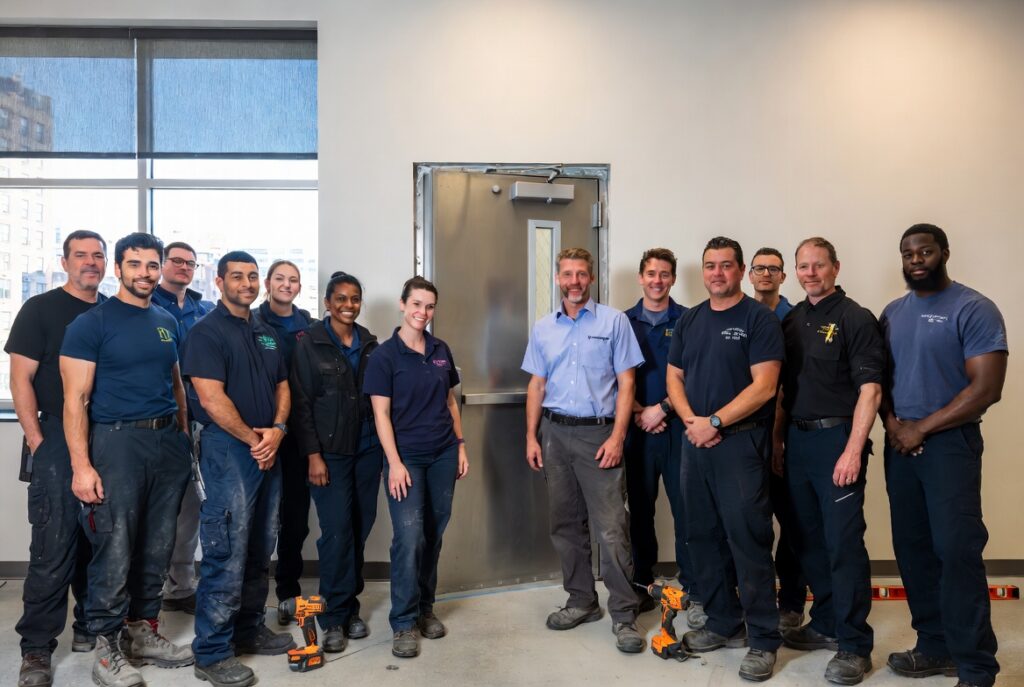
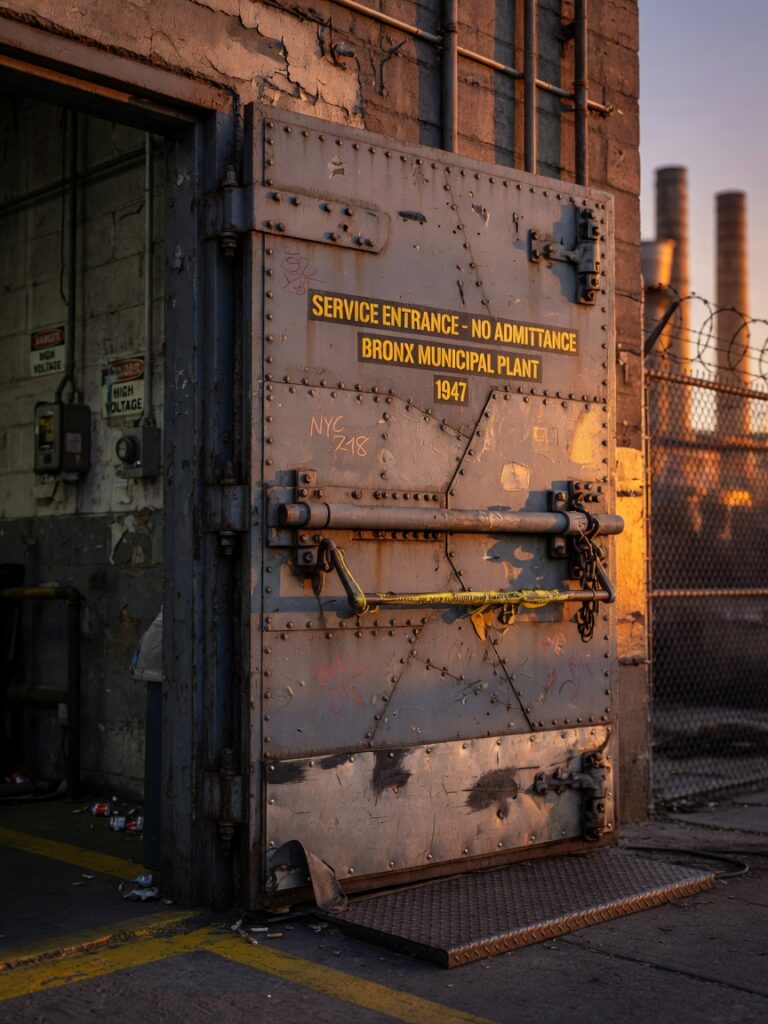
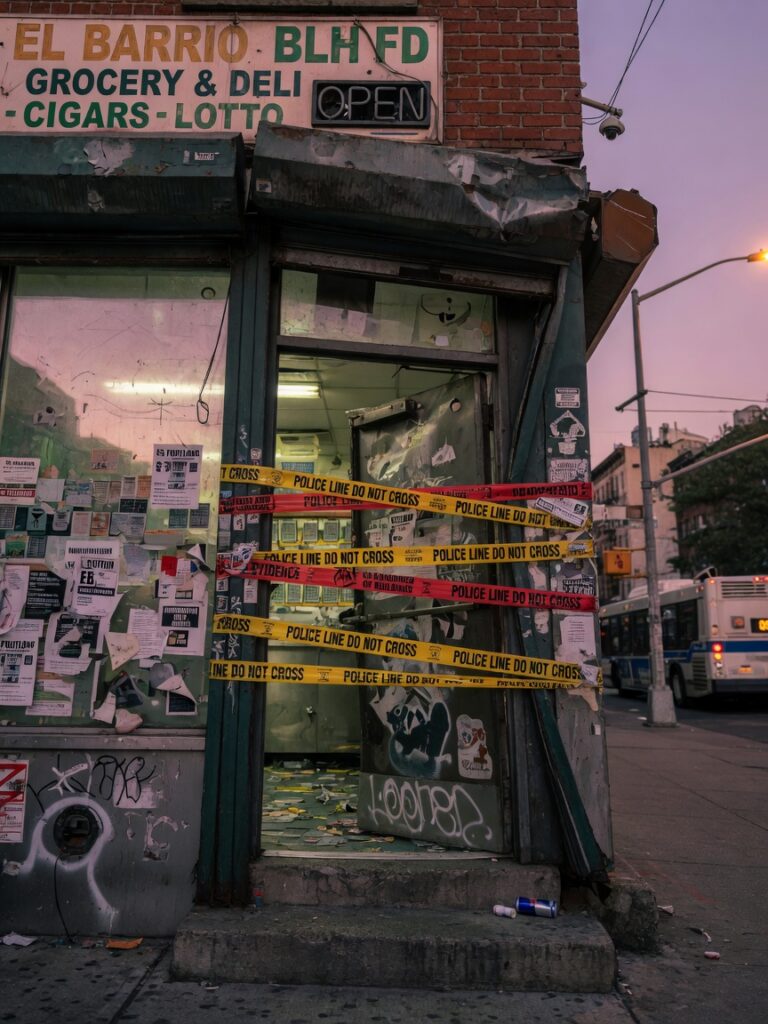
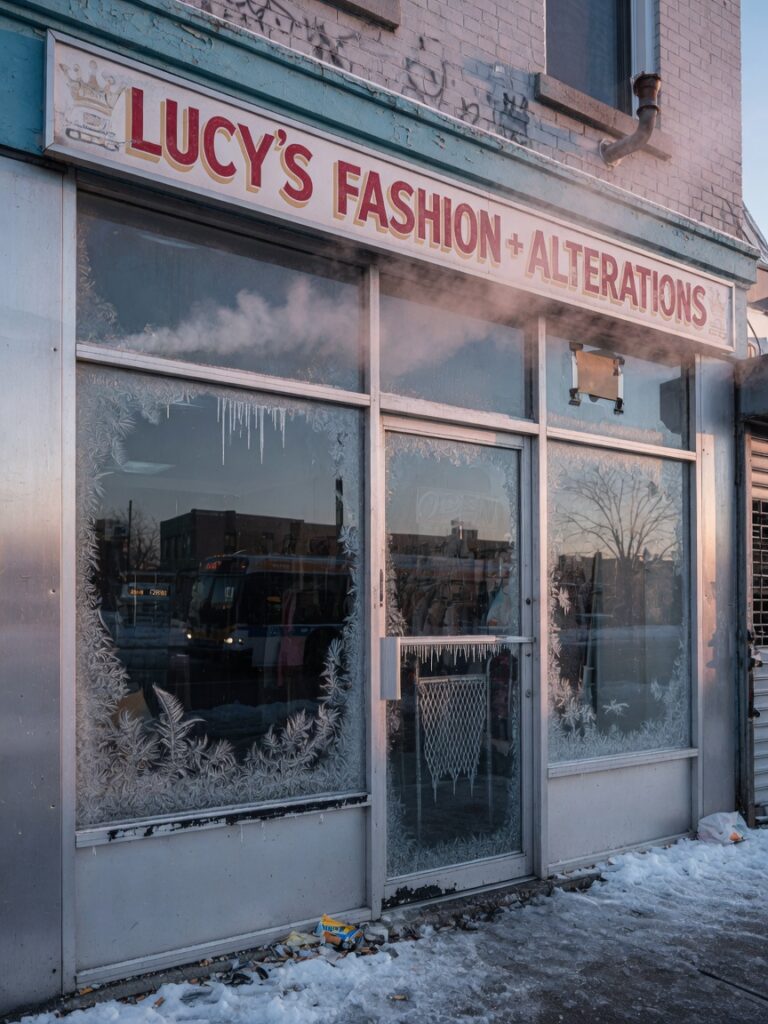
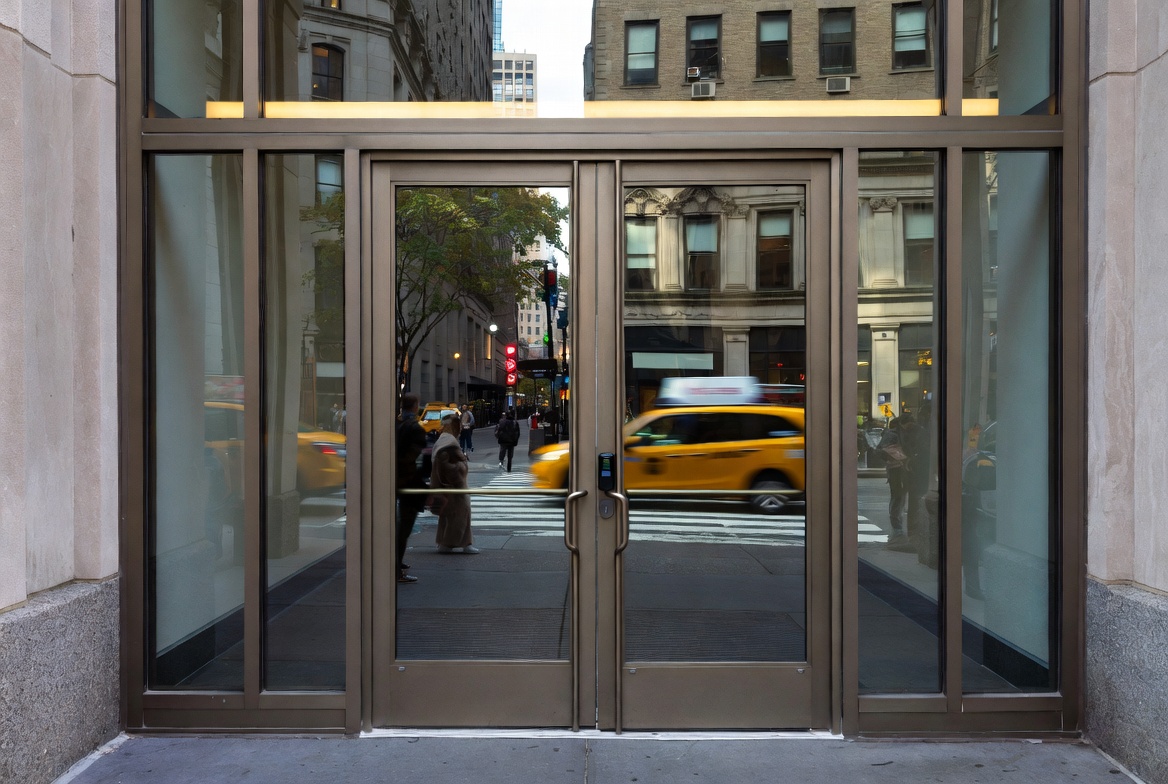
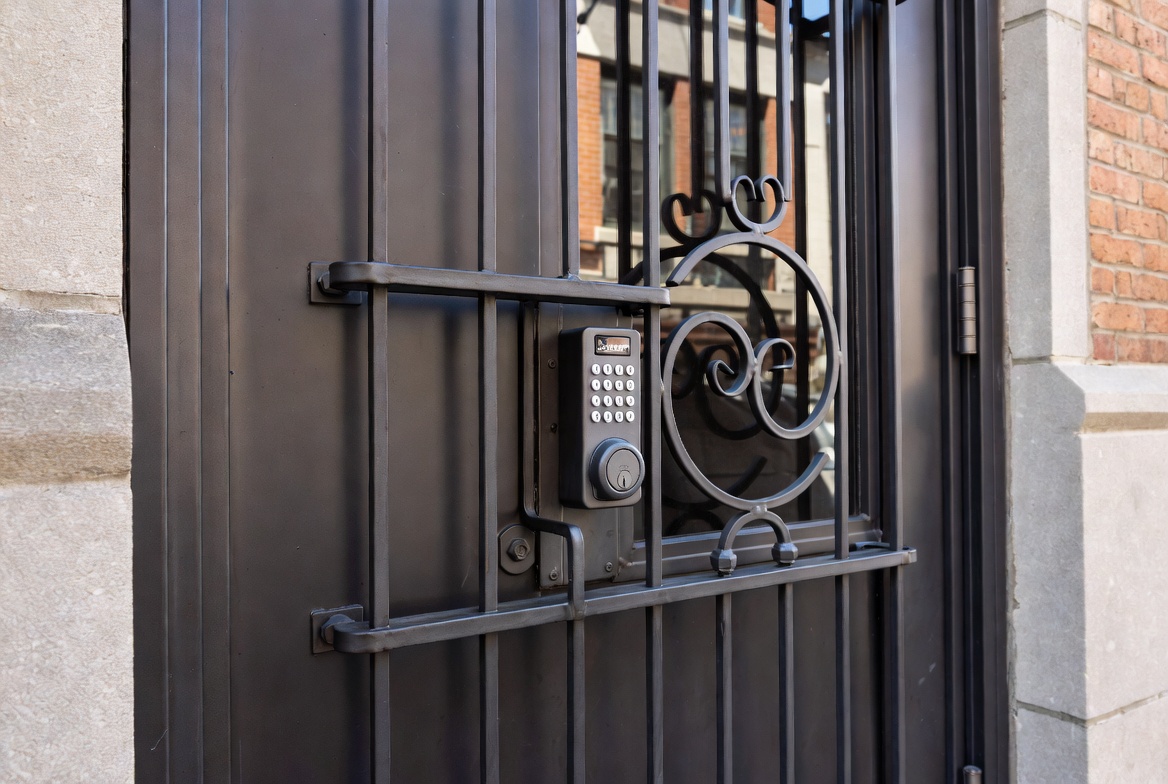
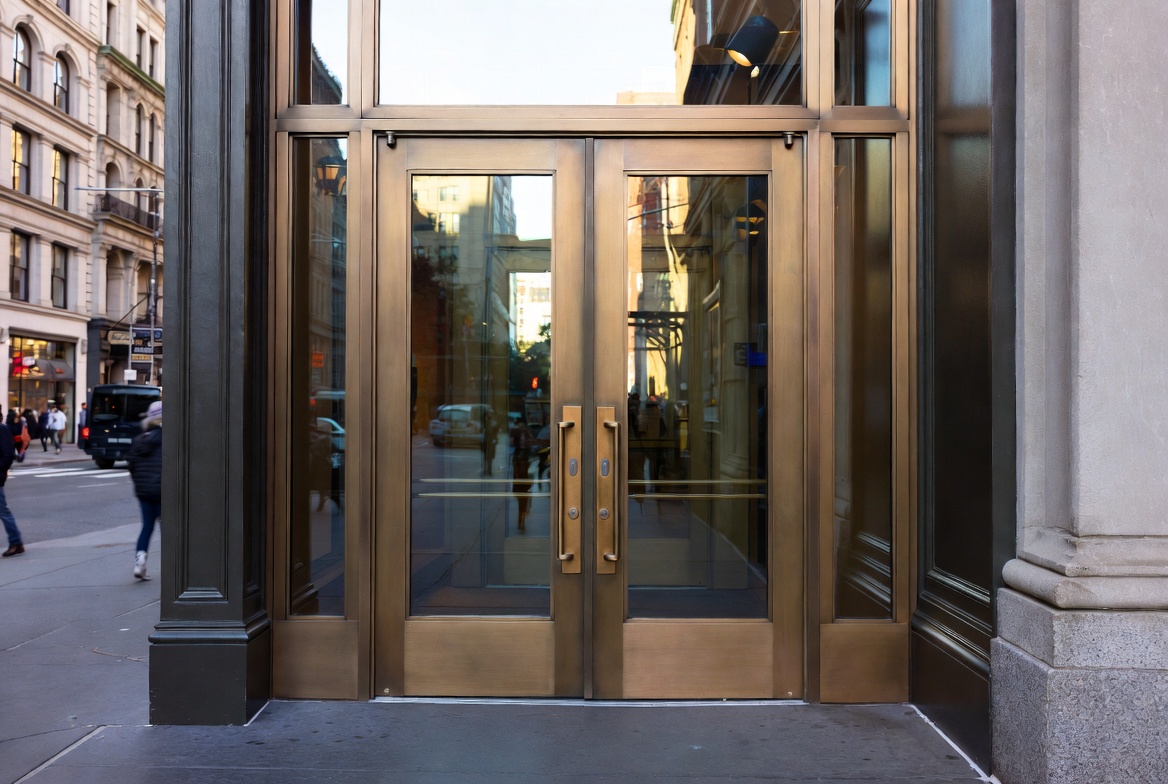
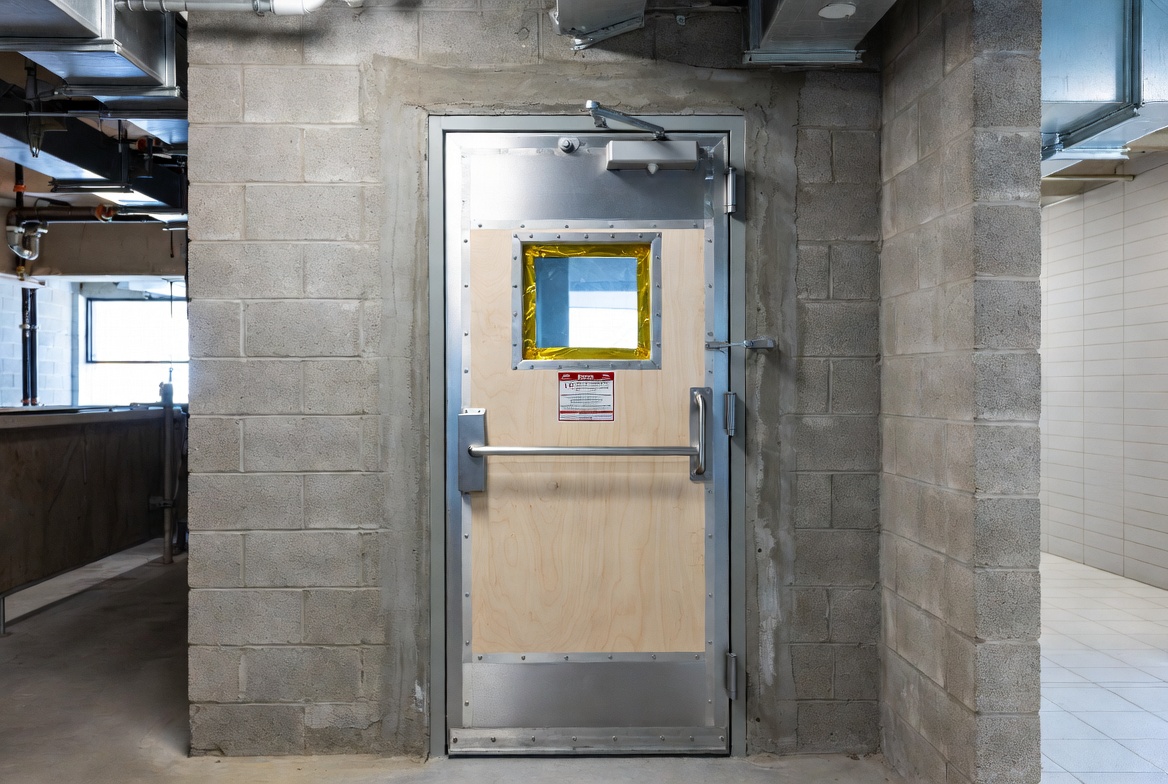
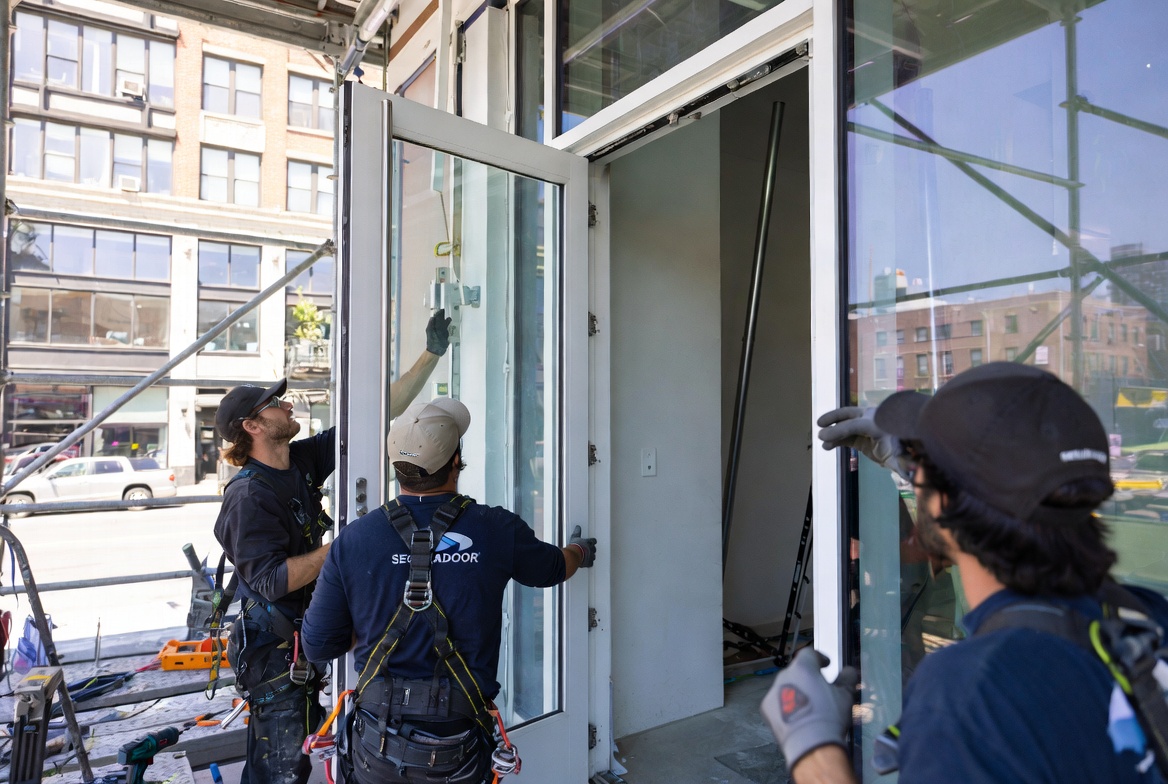
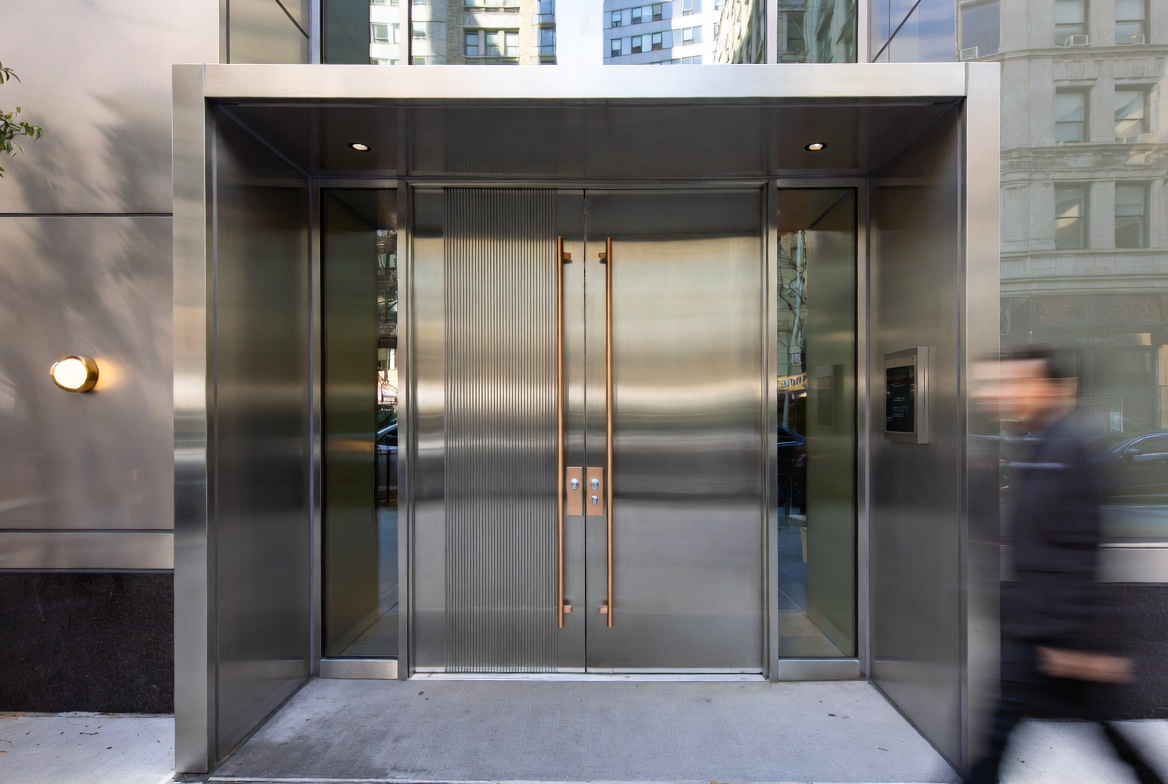
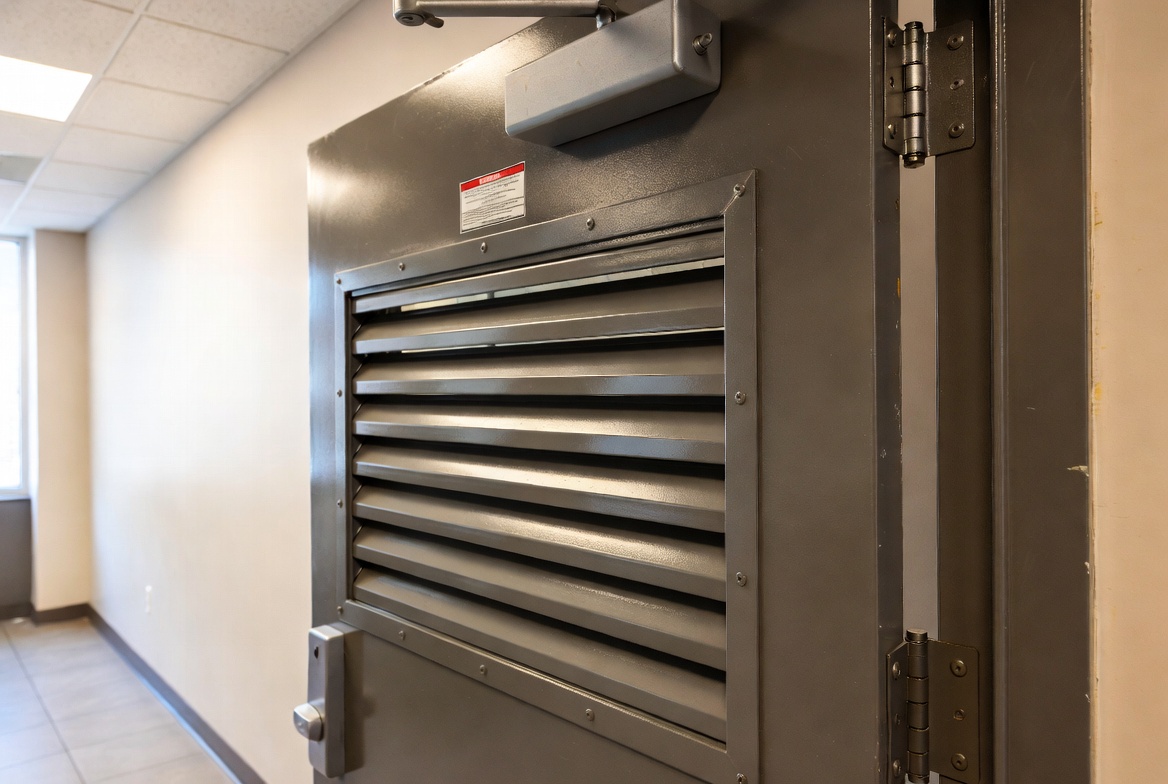
Image Grid 1
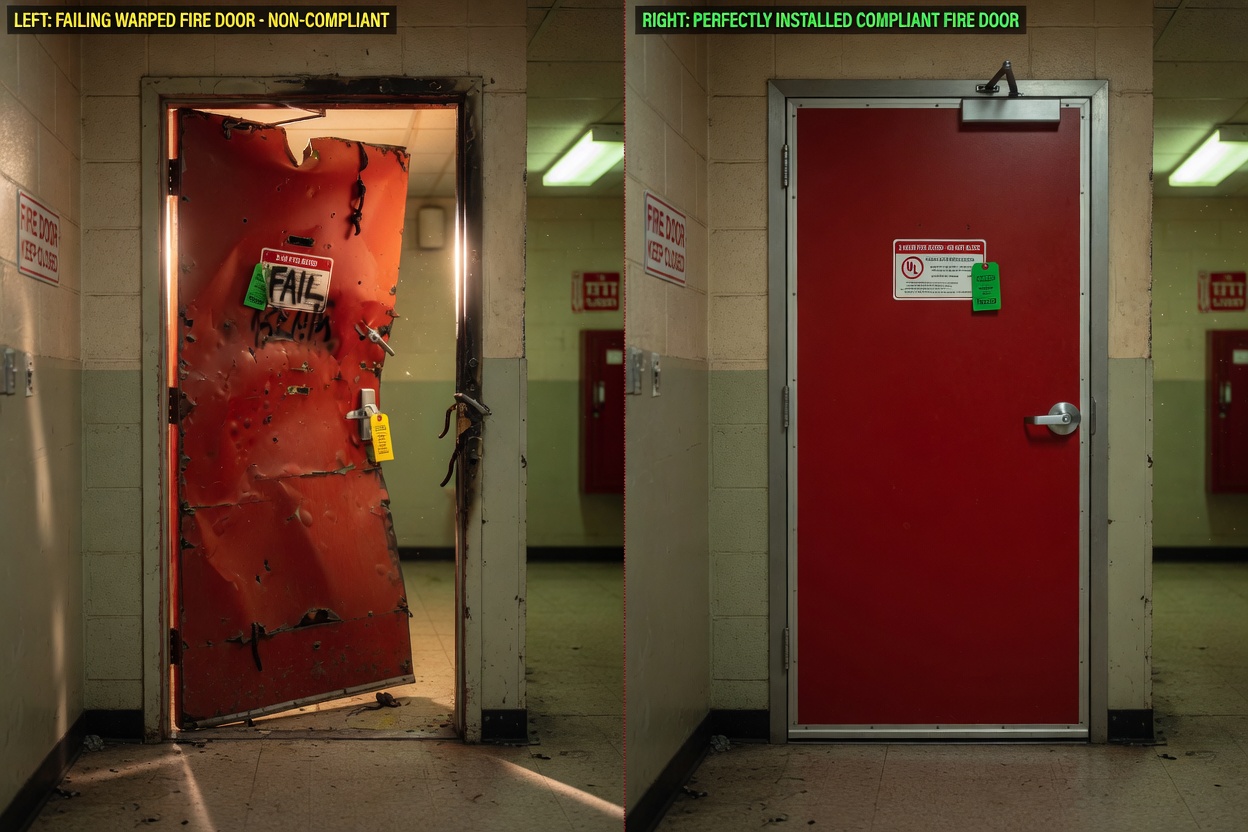
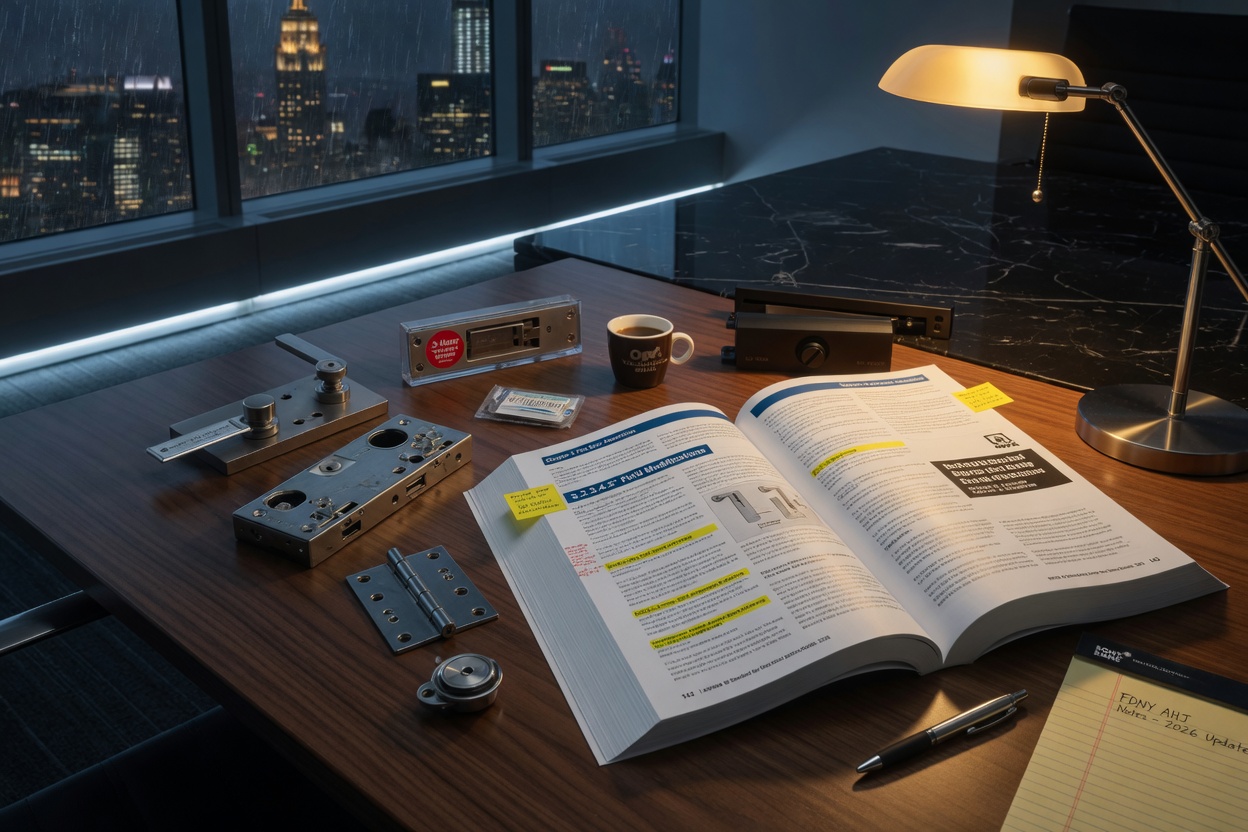
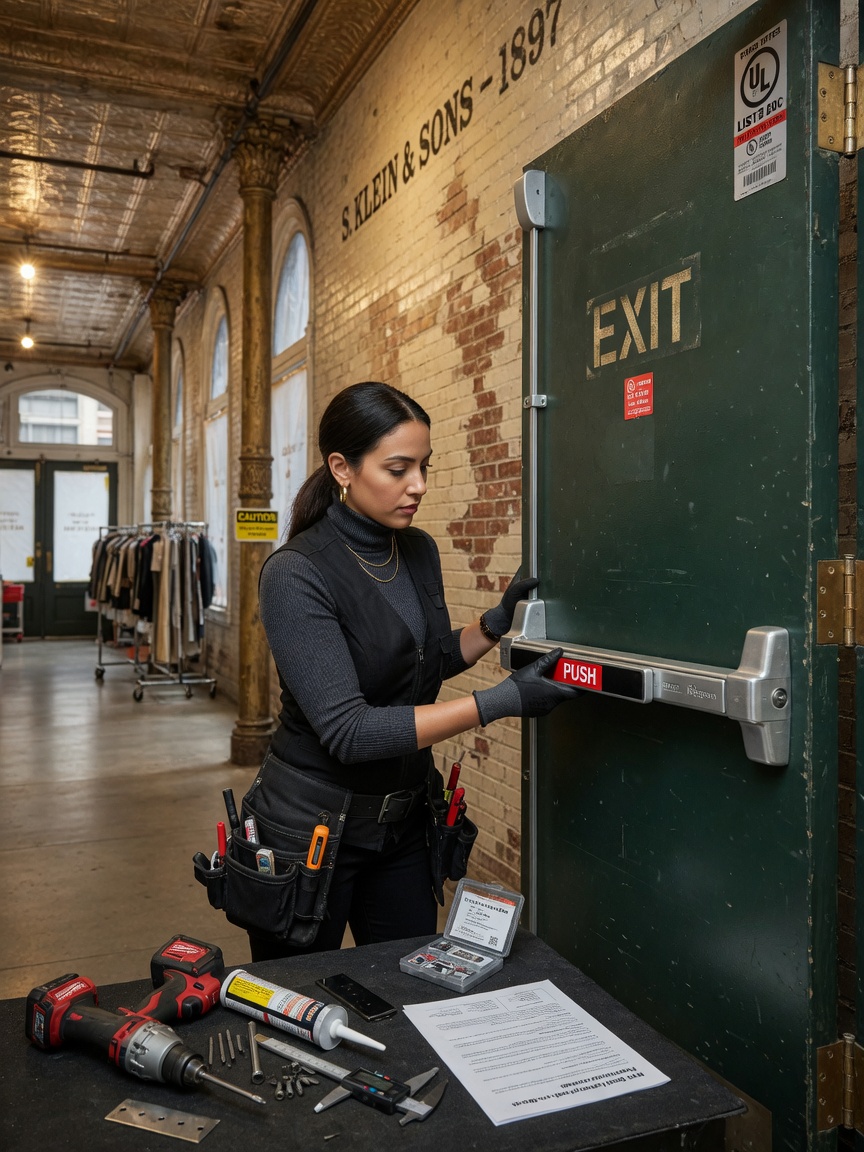
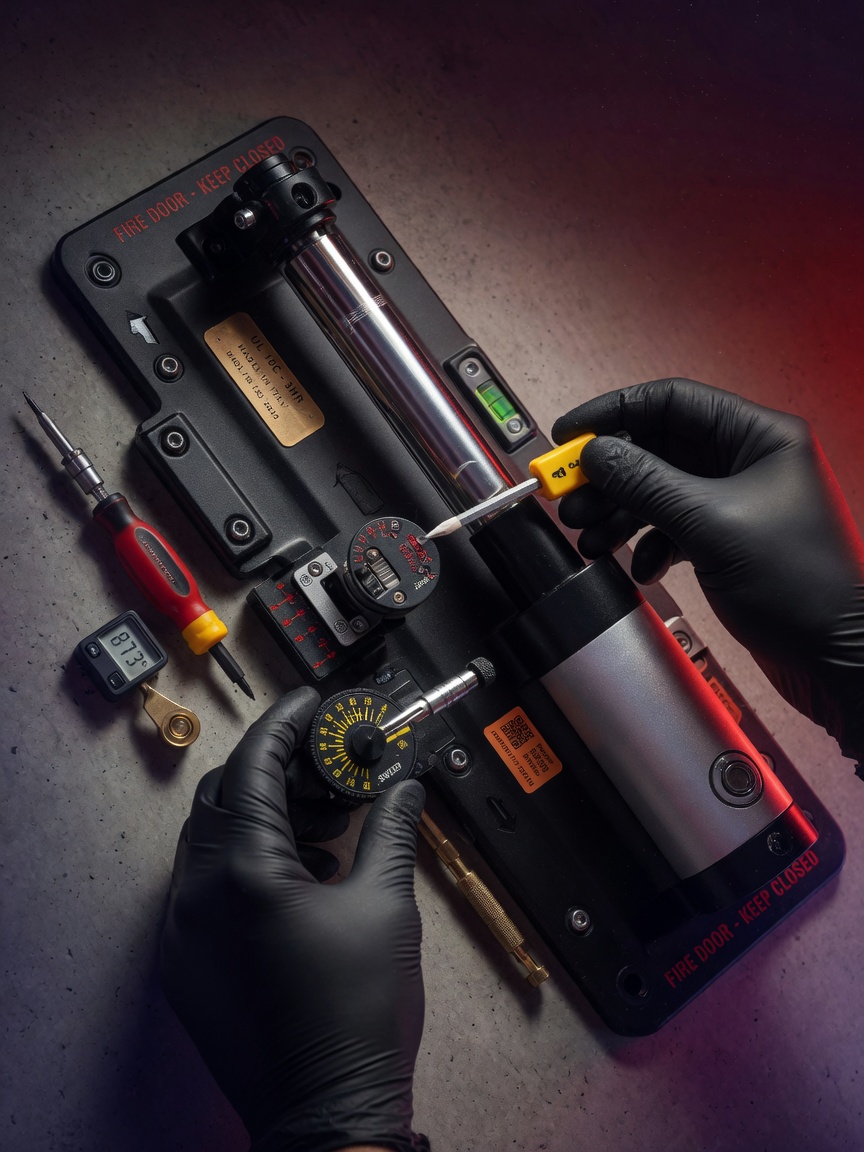
Why NYC Fire Door Inspections Matter More Than Ever
NFPA 80, the Standard for Fire Doors and Other Opening Protectives, is the definitive code governing fire door assemblies. The 2025 edition, effective in New York City by 2026, introduces enhanced requirements for documentation, component labeling, and annual inspection rigor. A single failed fire door can trigger building-wide violations, insurance complications, and fines reaching tens of thousands of dollars.
Our field experience shows that 68% of NYC commercial buildings fail their initial annual fire door inspection. The good news? Most failures are preventable with proactive maintenance and informed oversight.
The Top 10 Reasons NYC Fire Doors Fail Inspections
Understanding the most common failure points is the first step toward prevention. Here are the top 10 reasons we encounter during NYC fire door inspections:
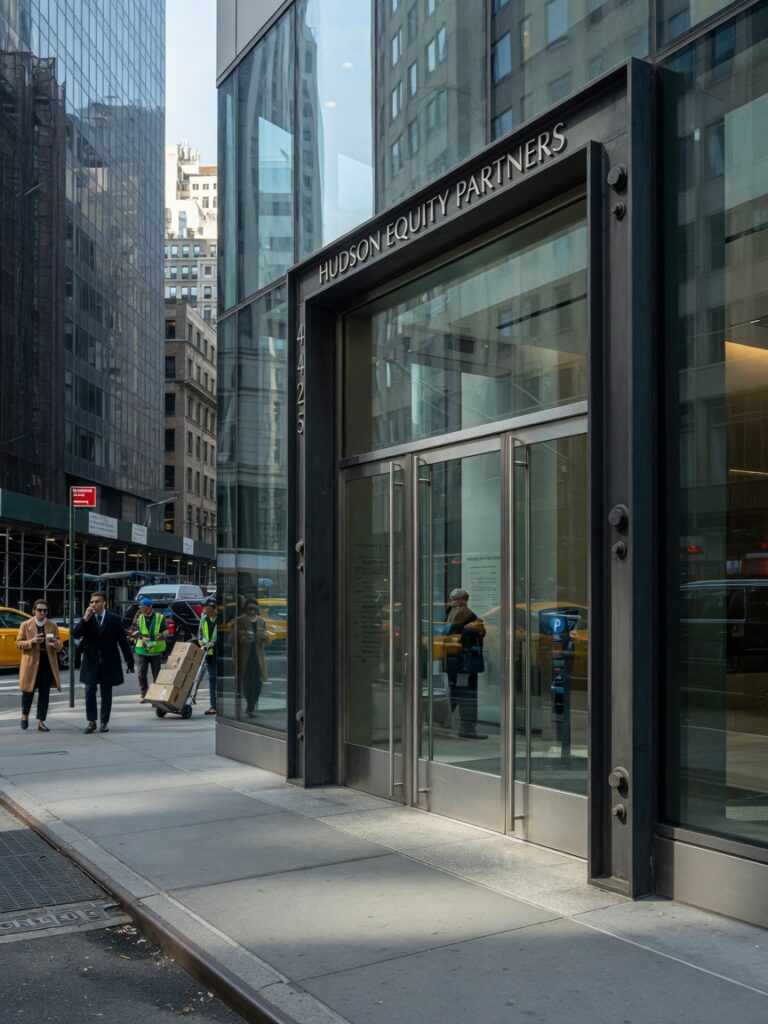
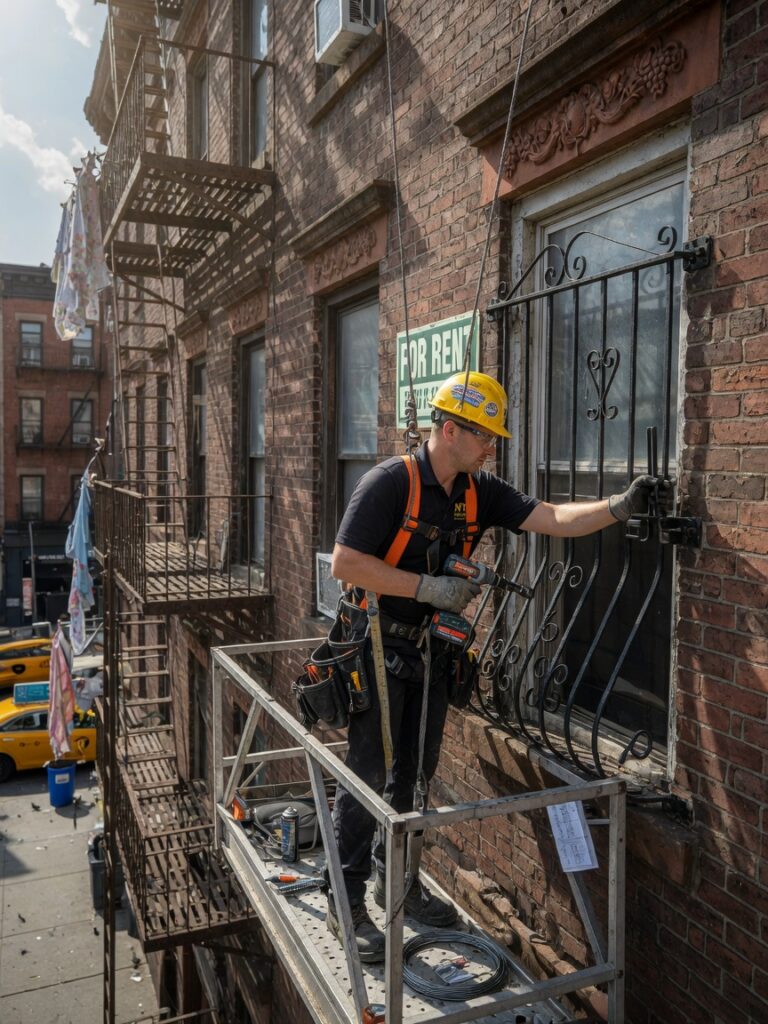
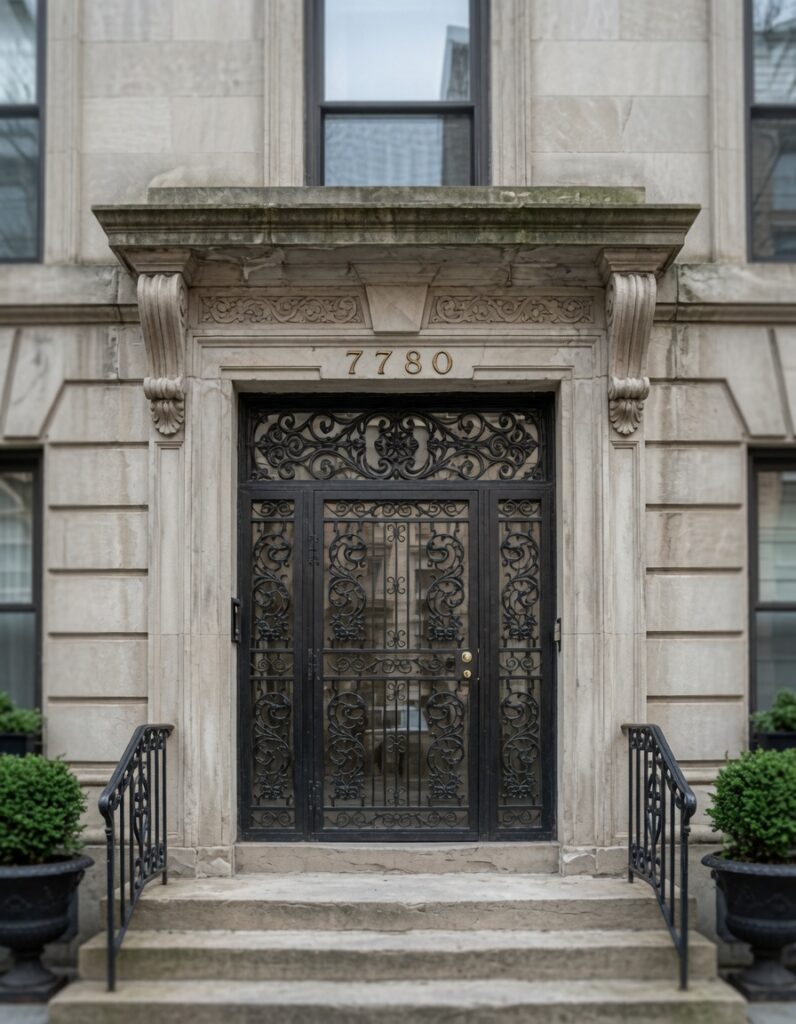
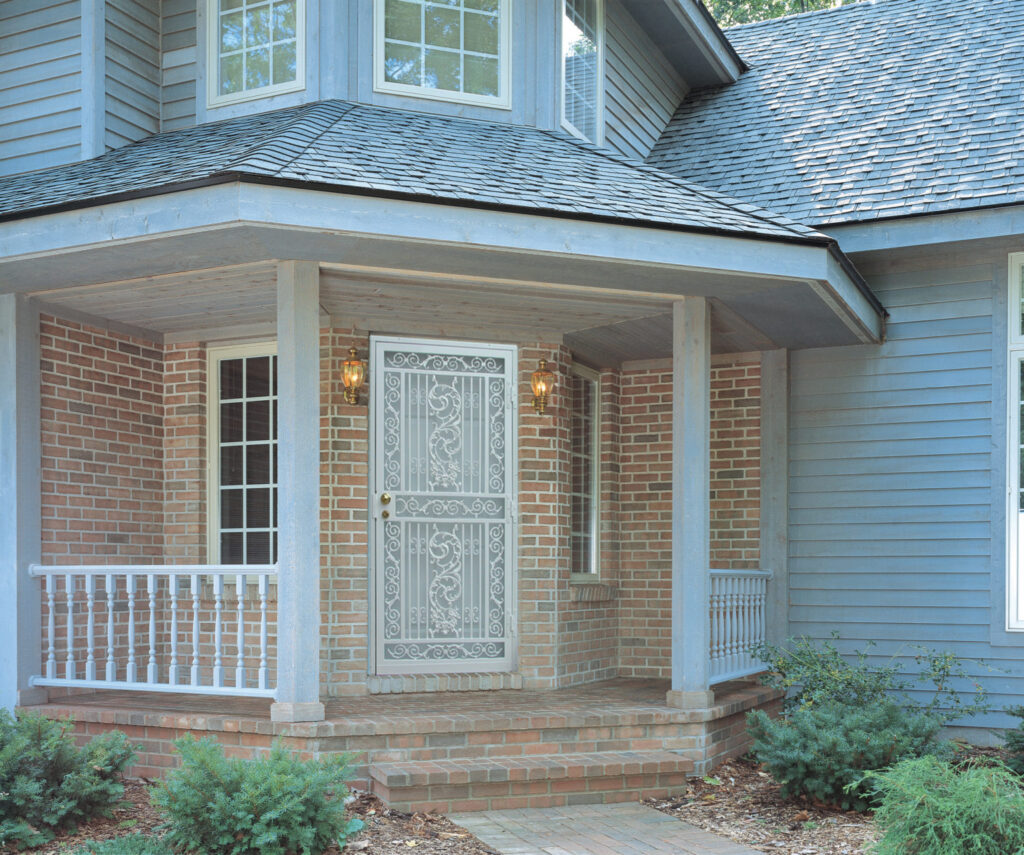
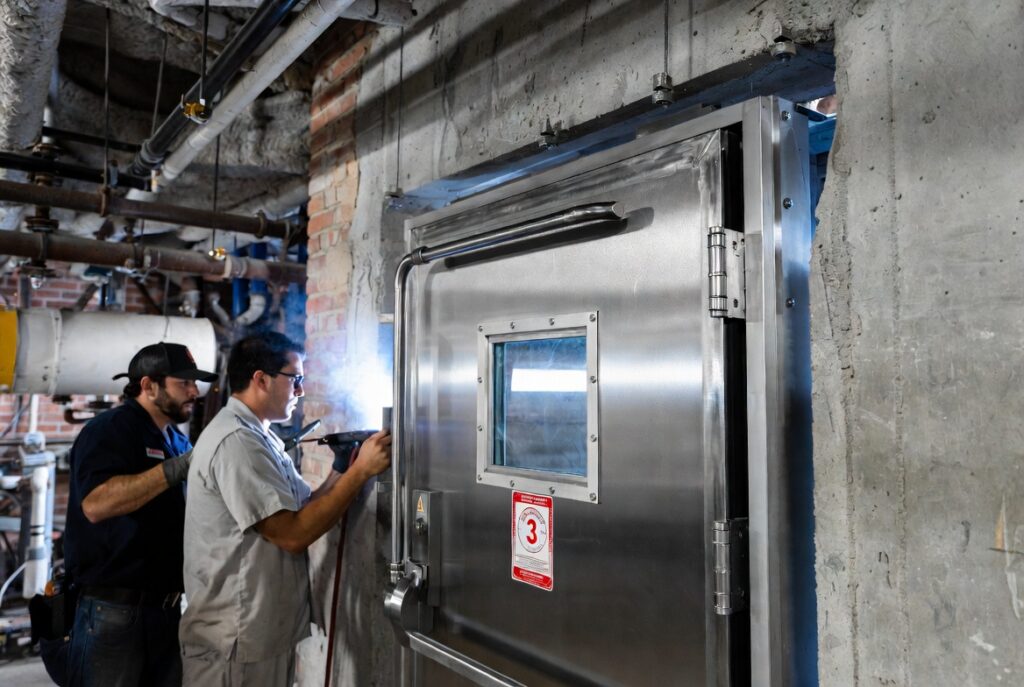
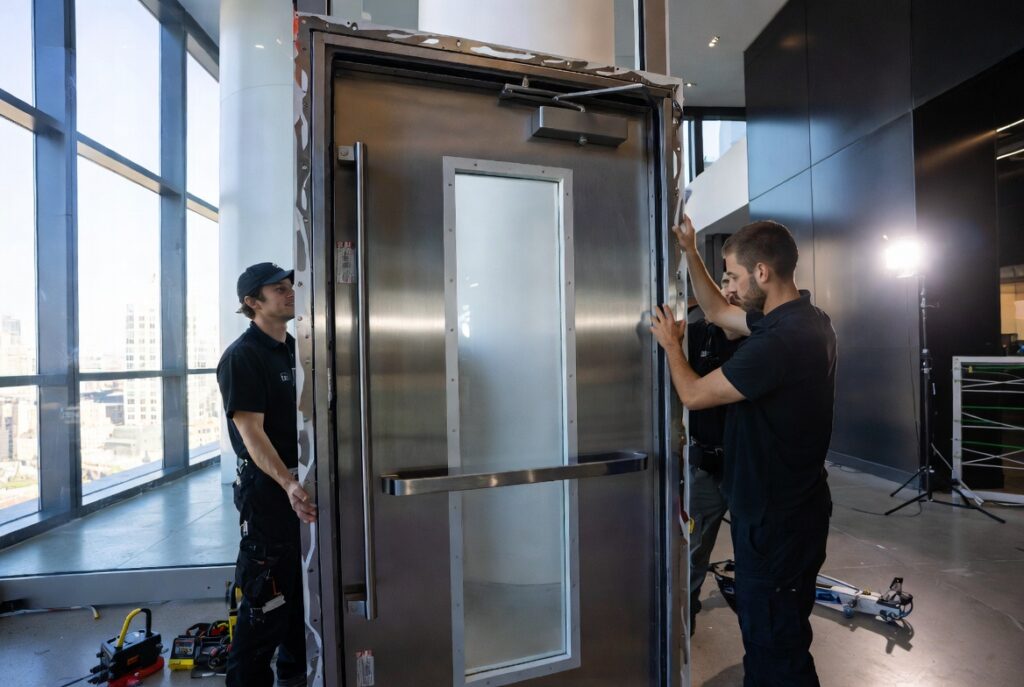
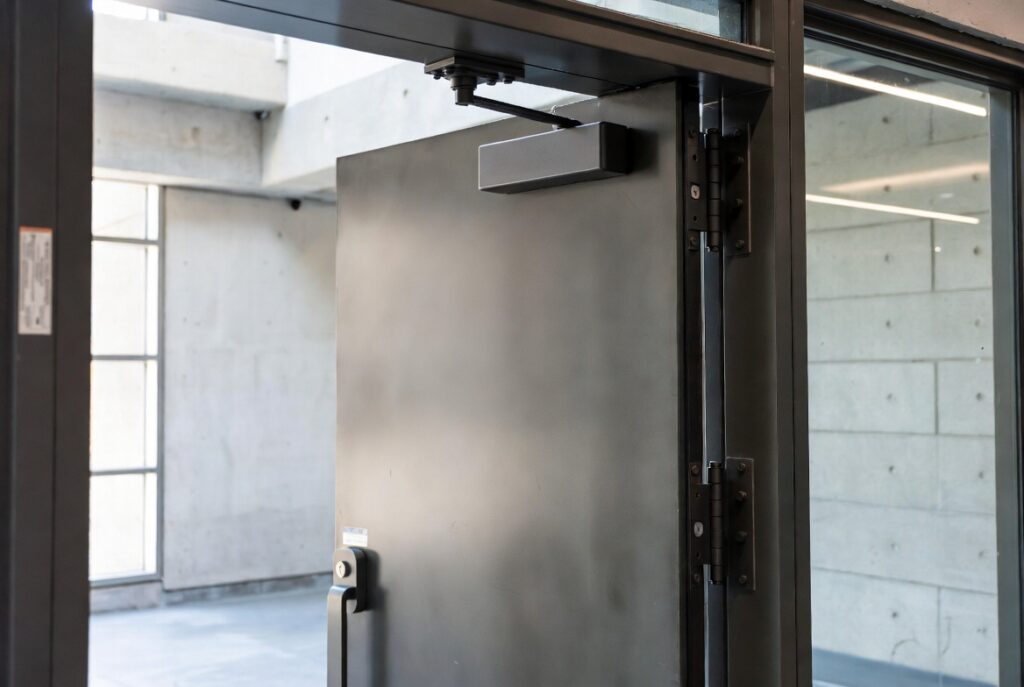
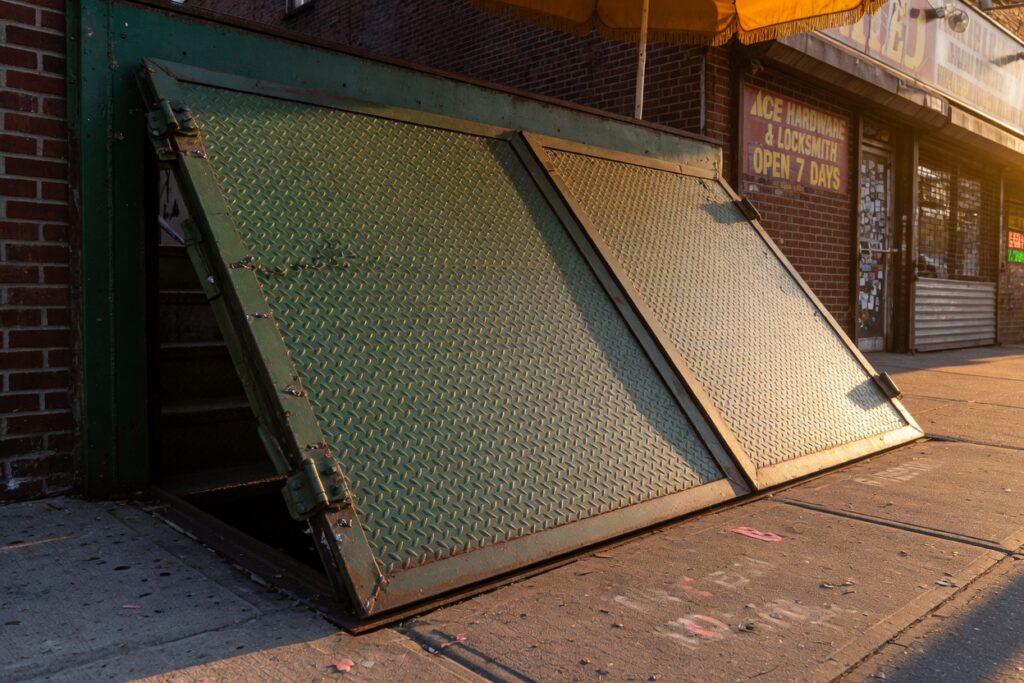
Image Grid 2
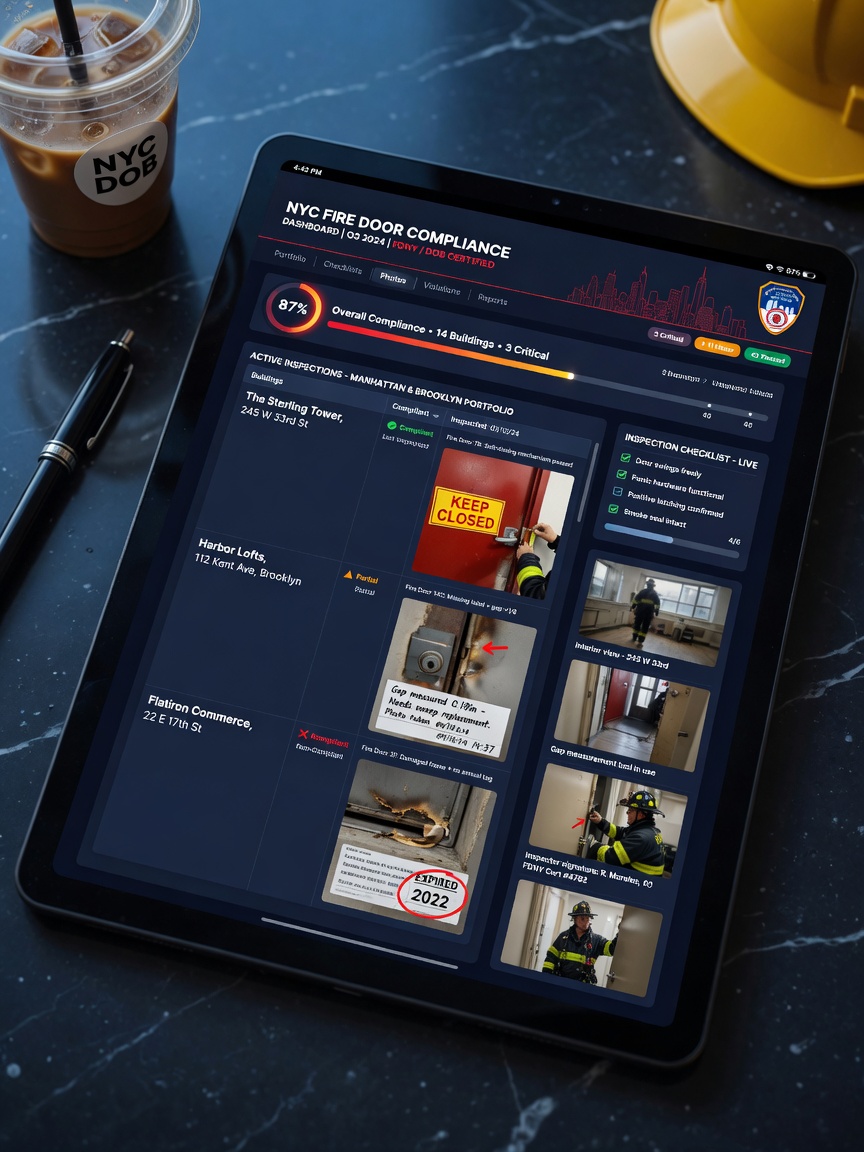
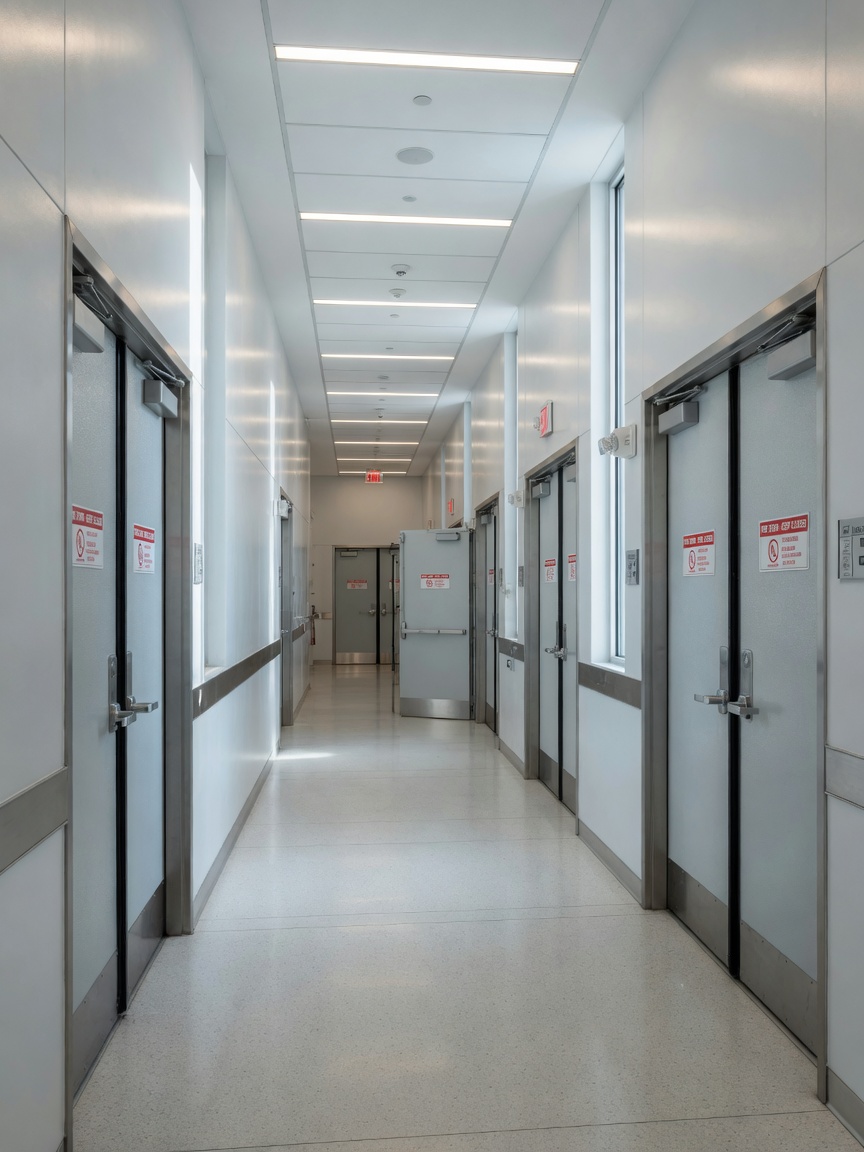
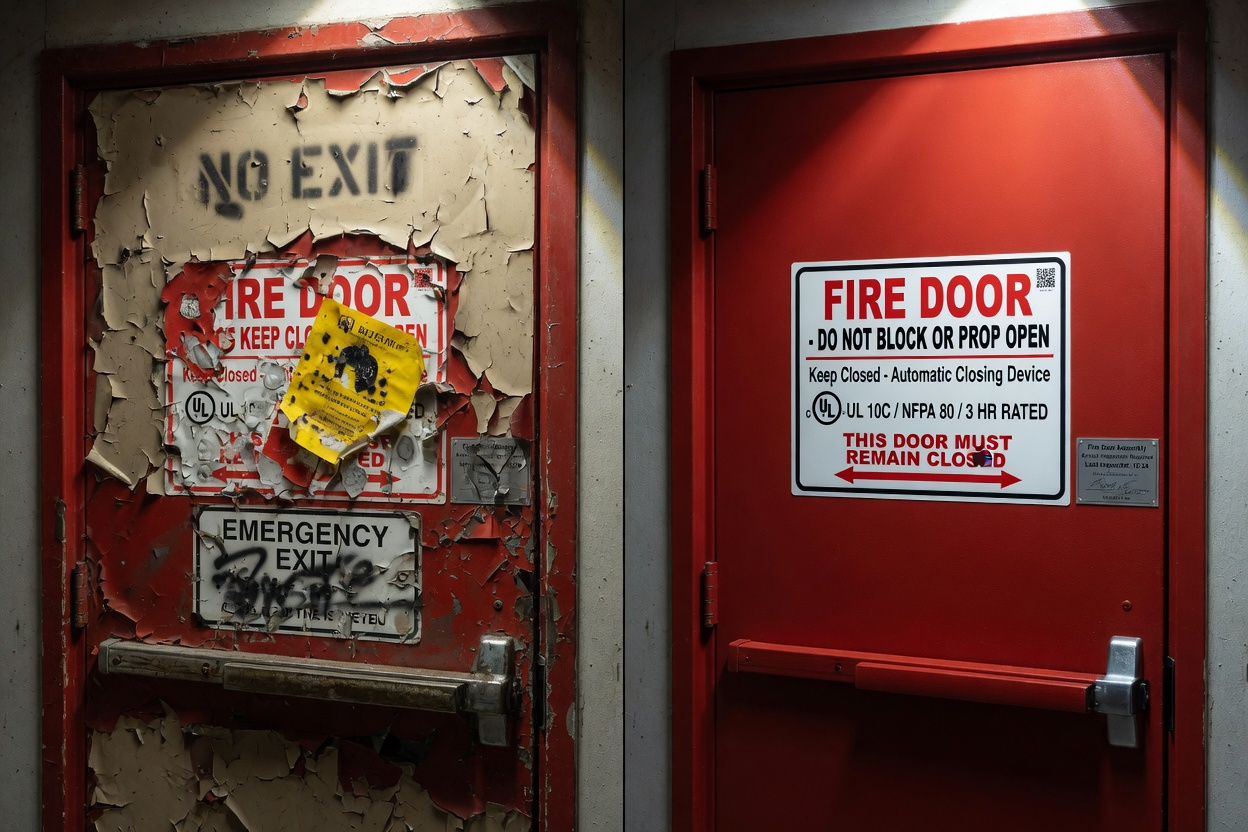
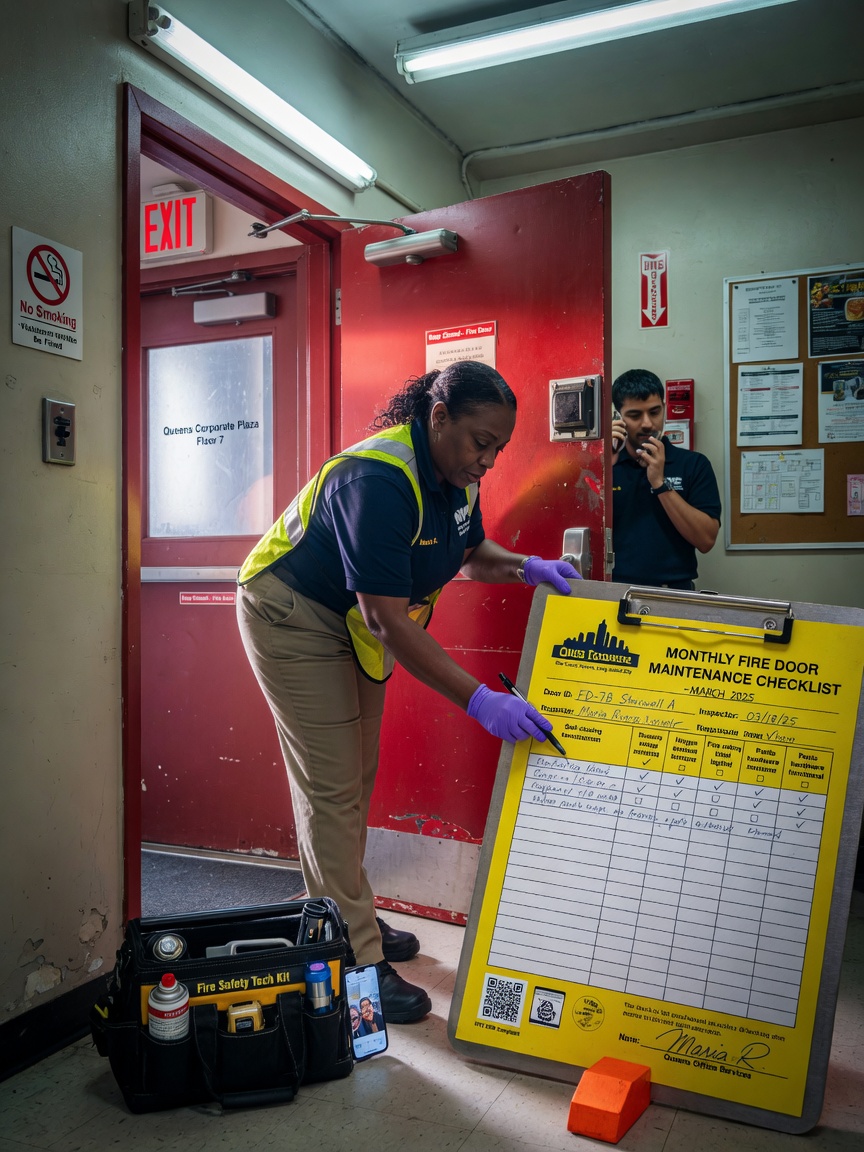
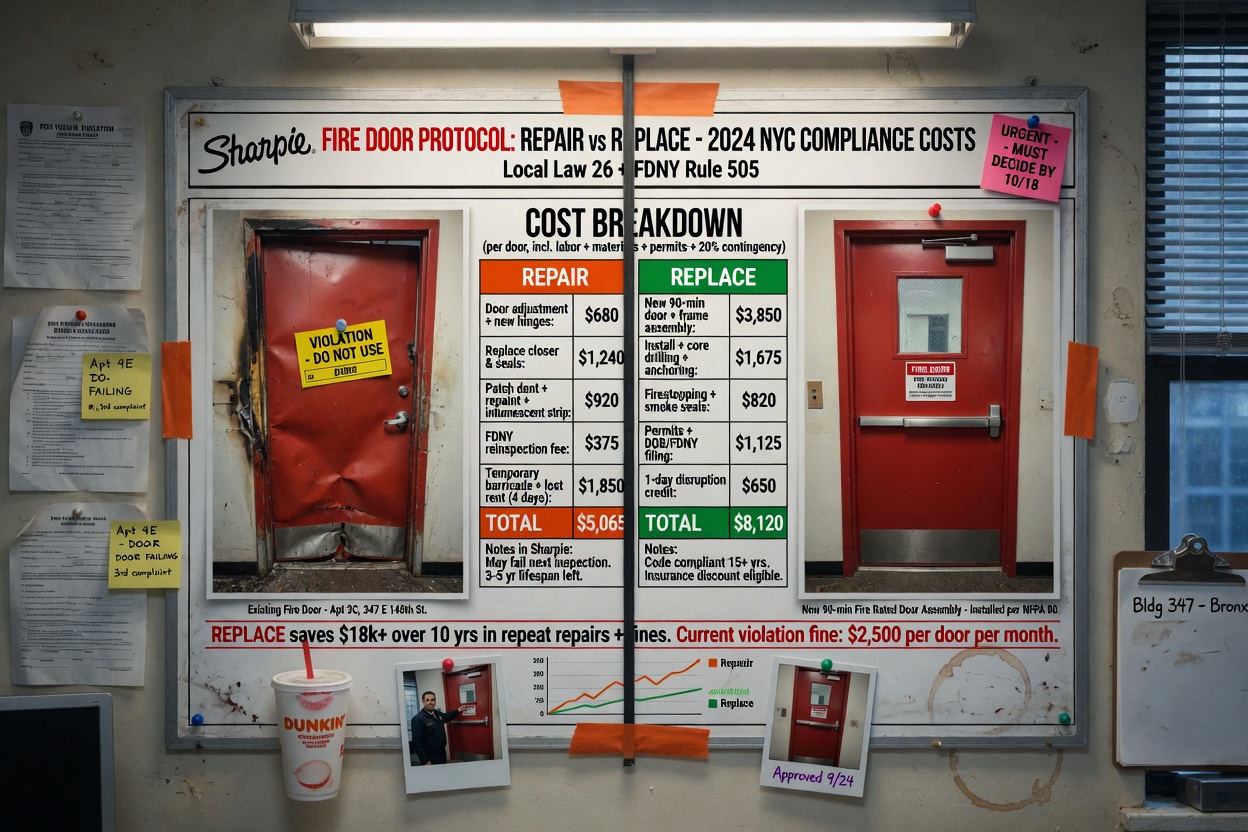
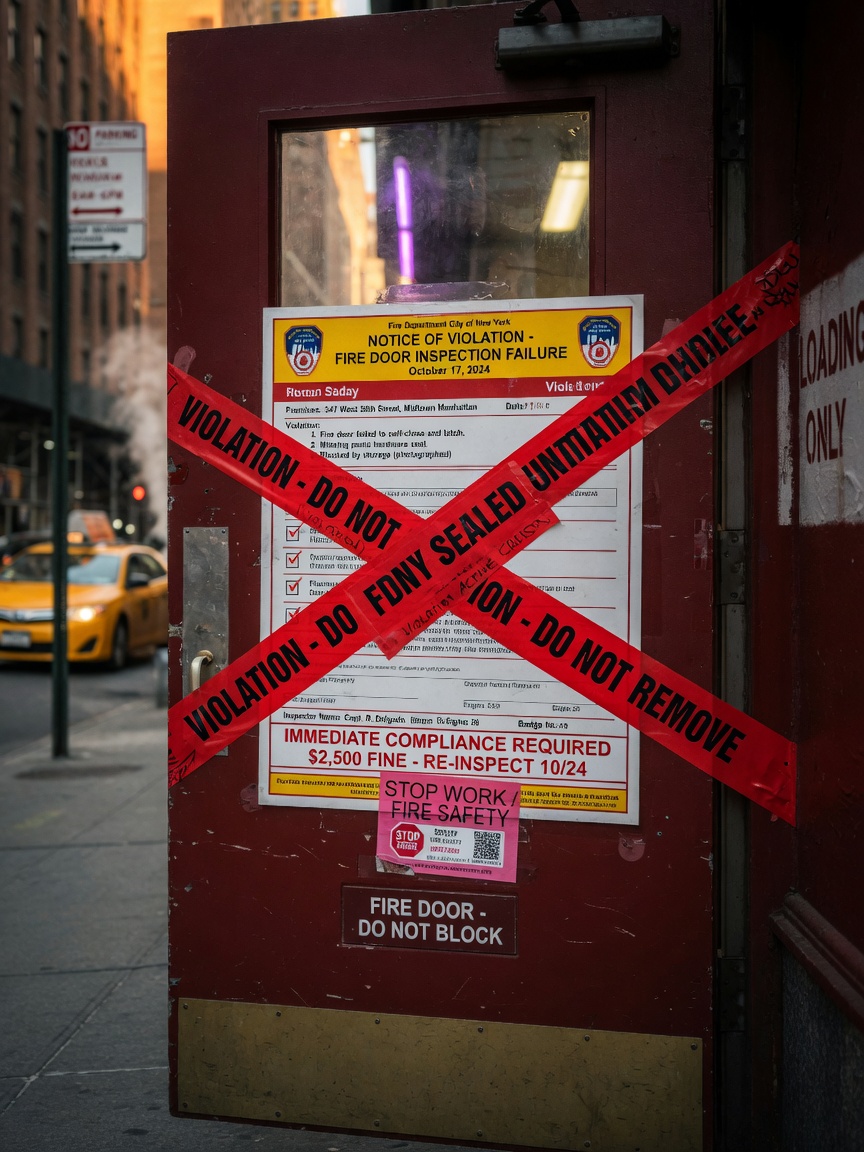
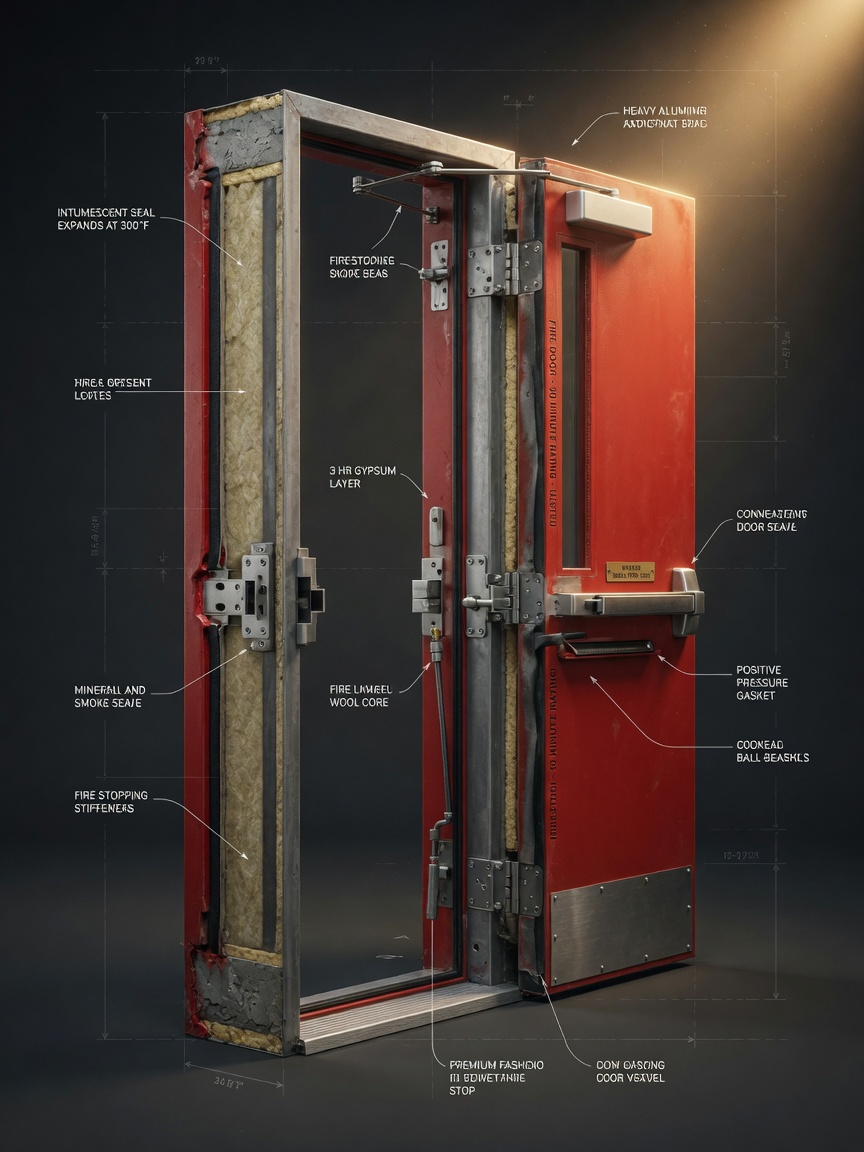
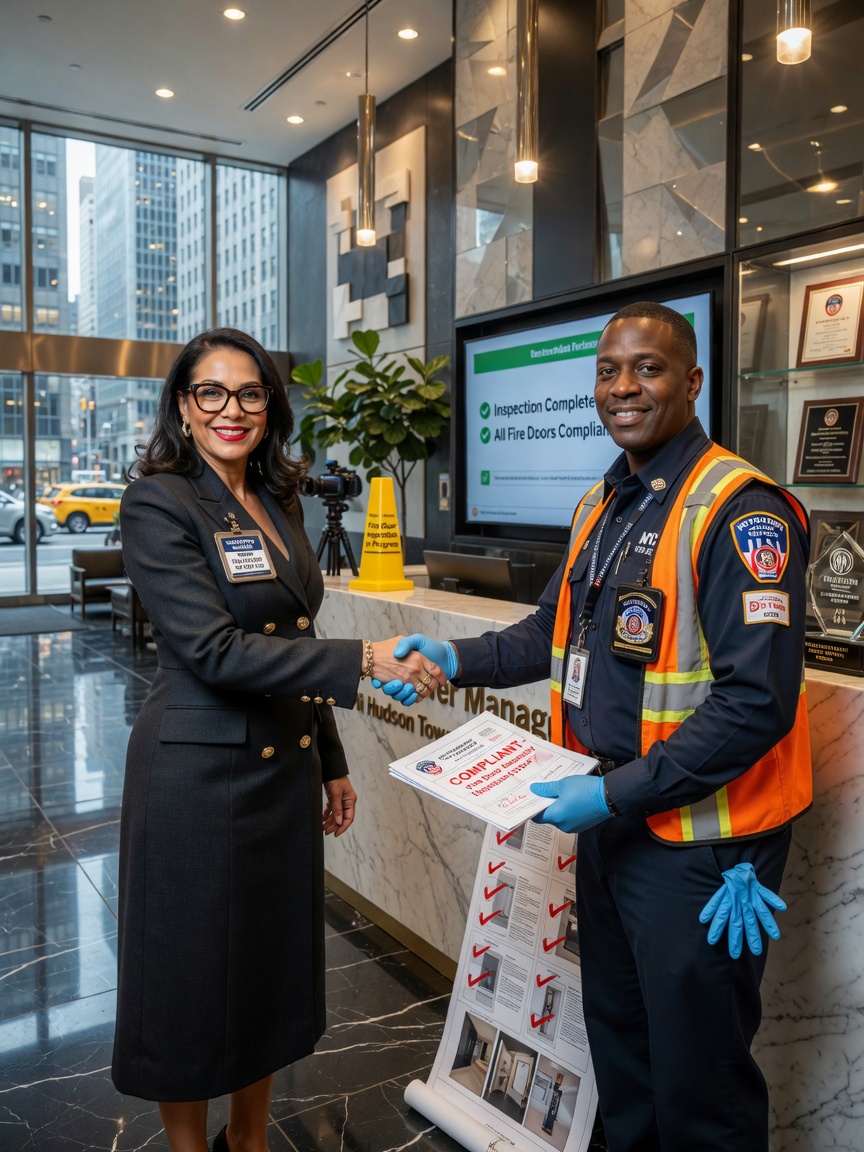
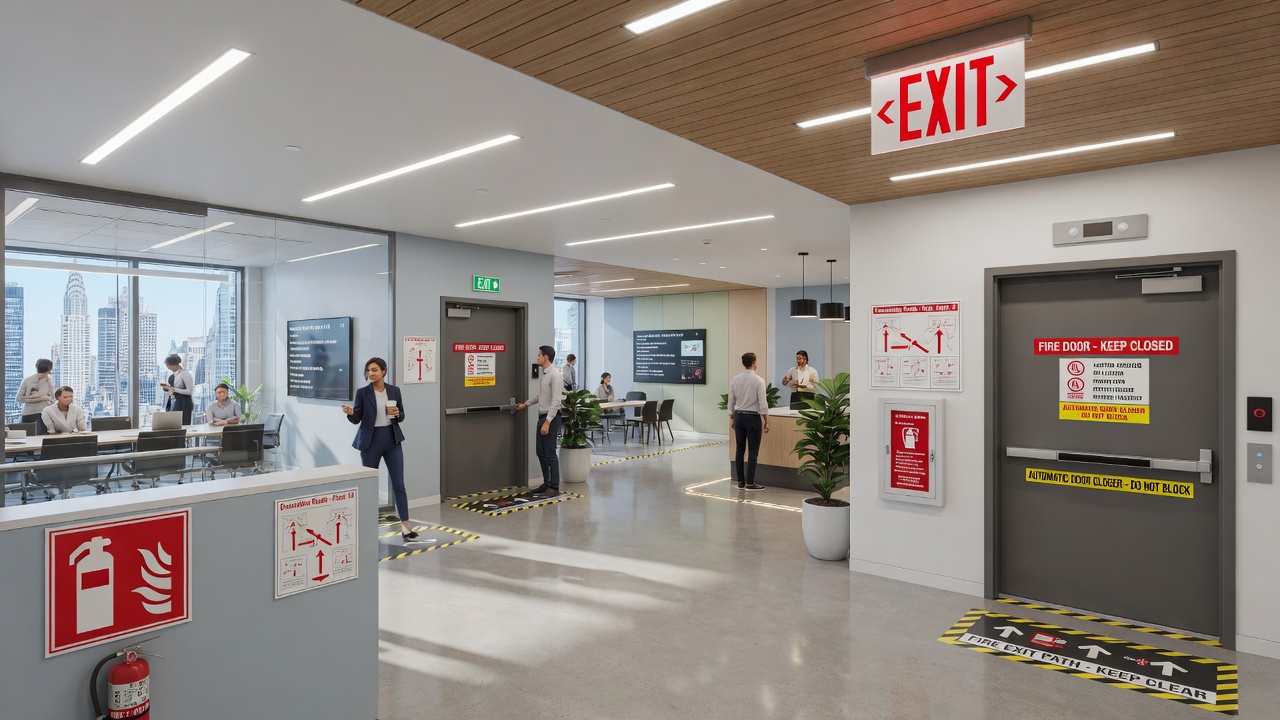
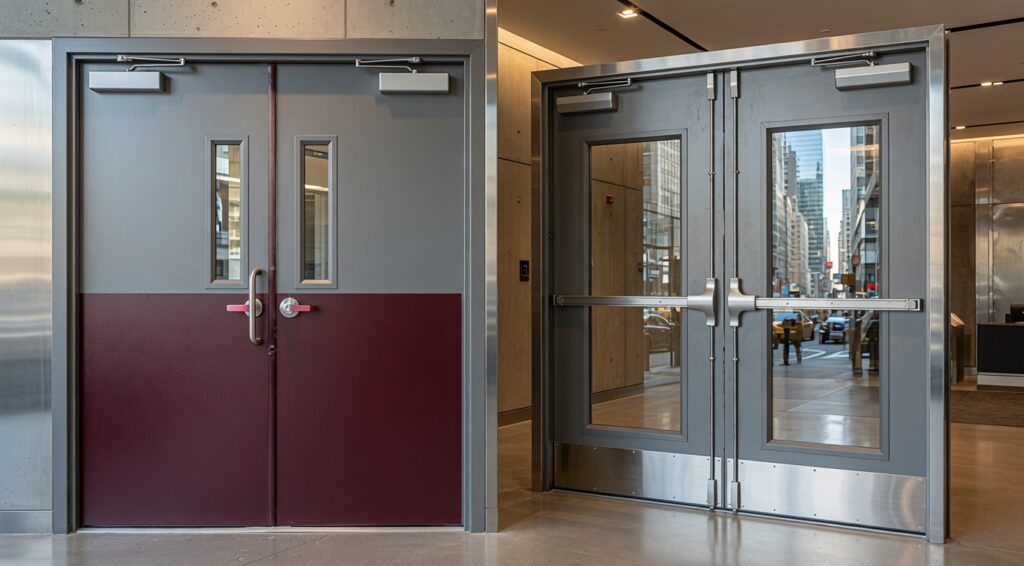
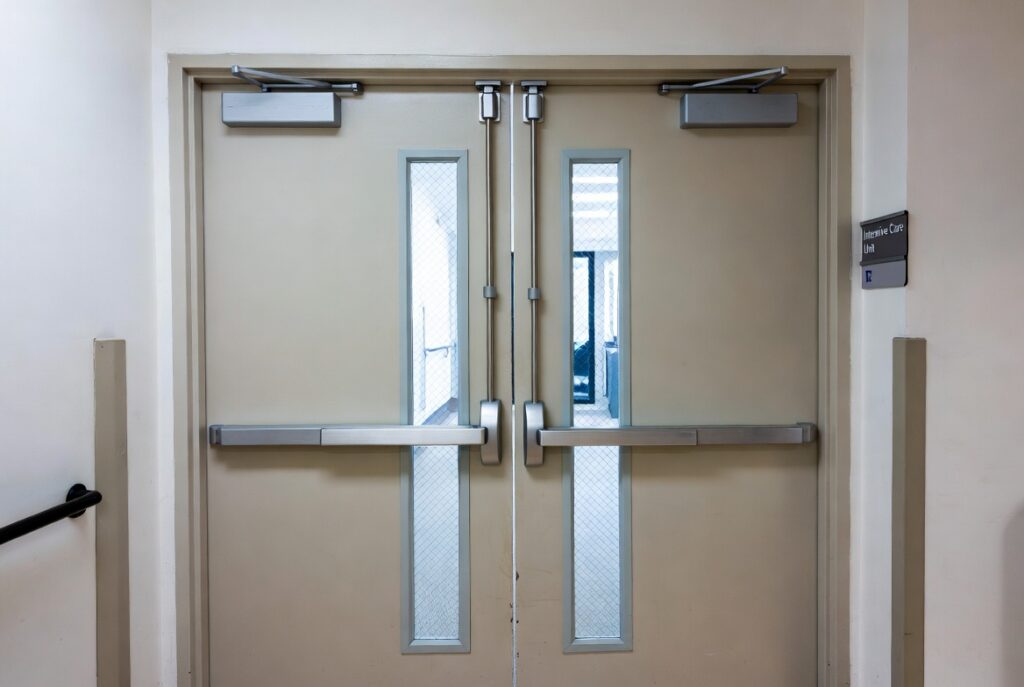
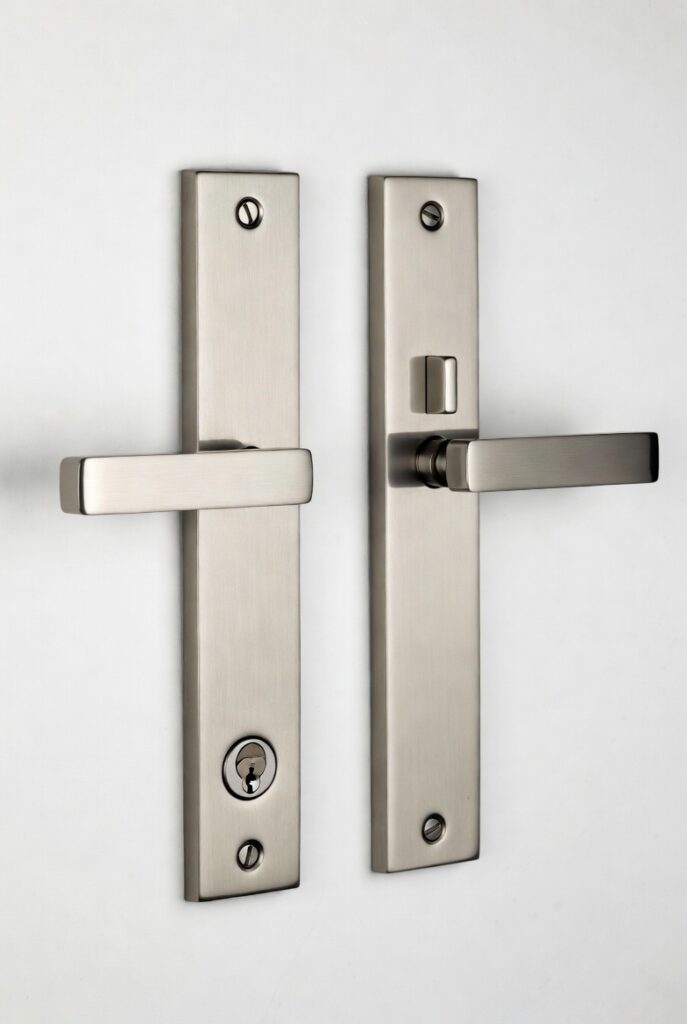
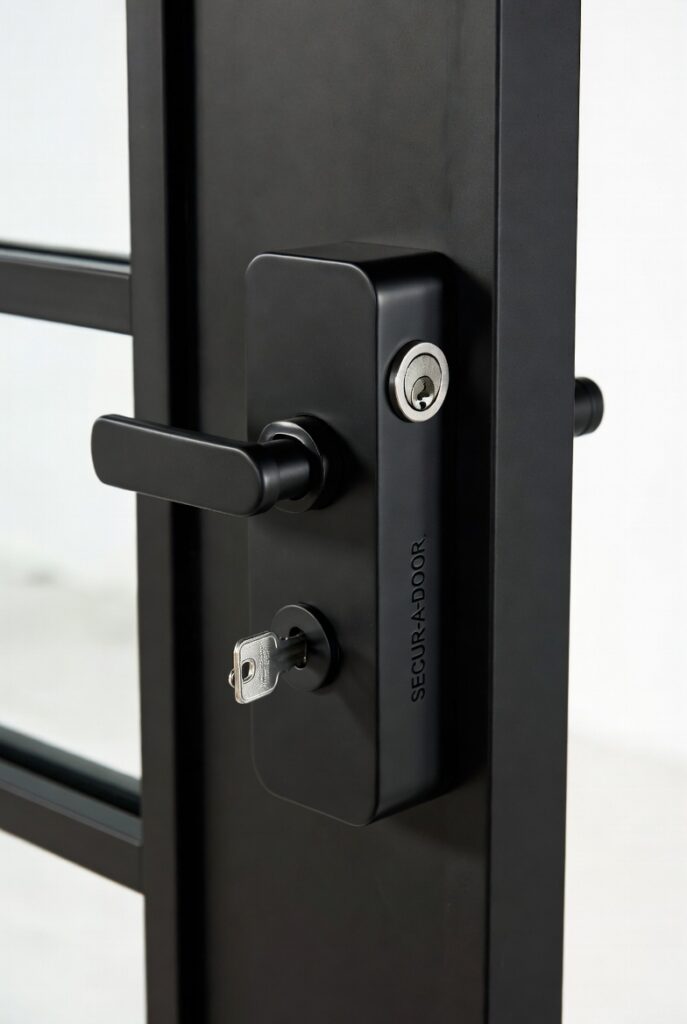
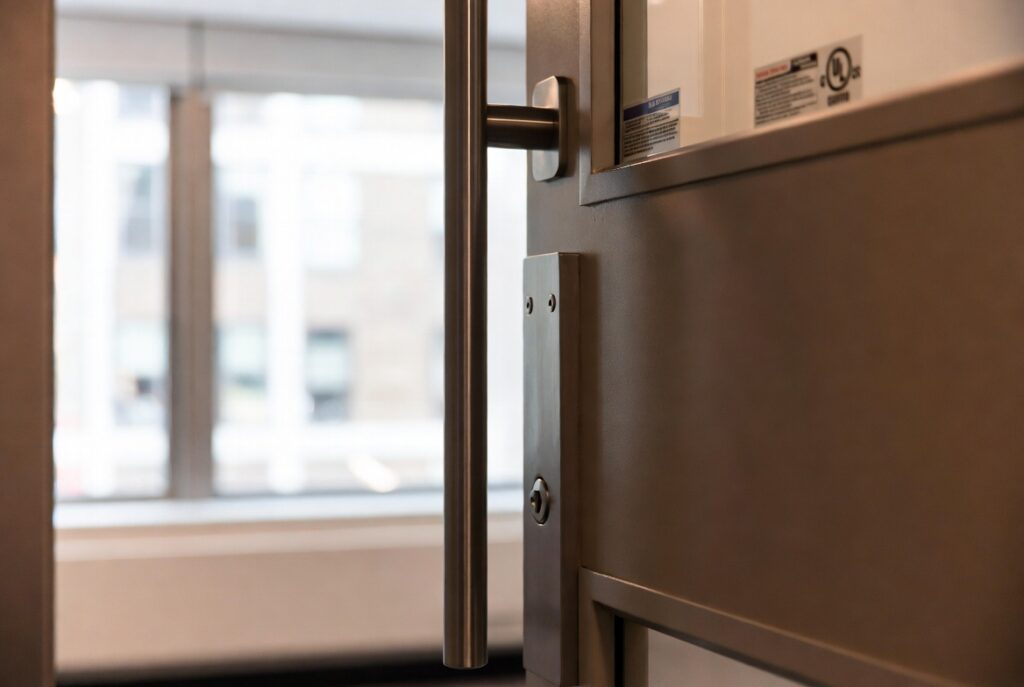
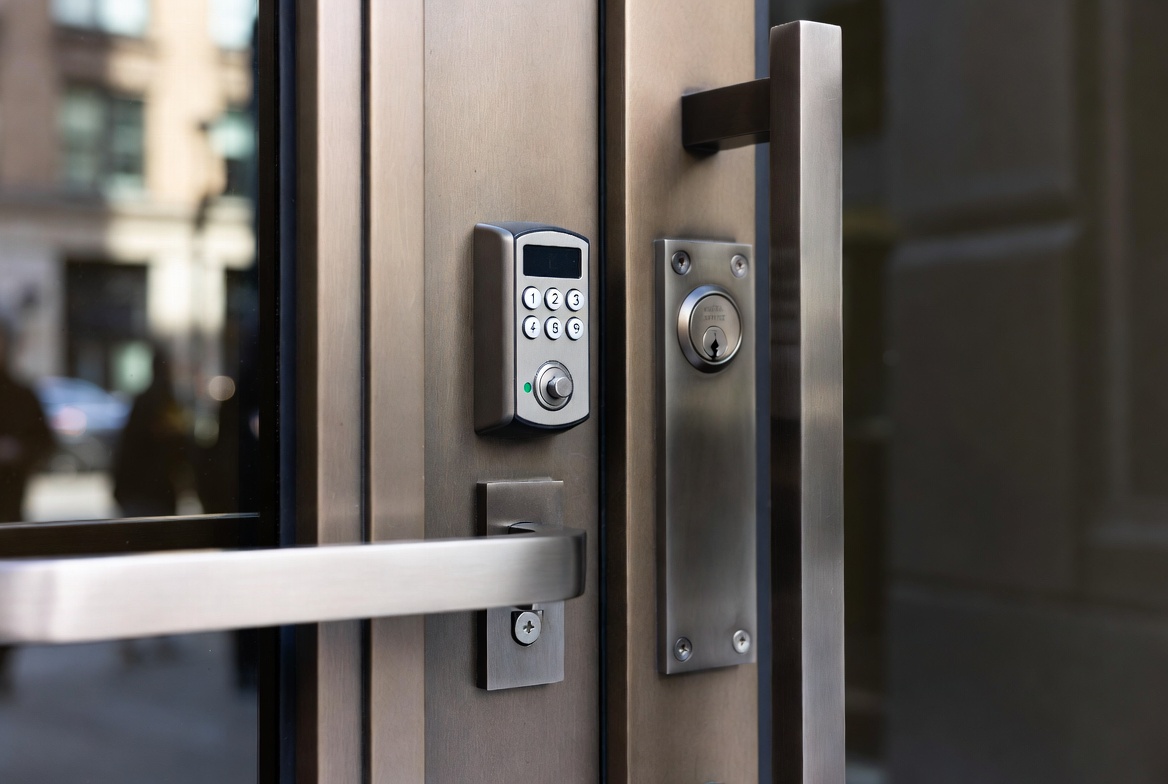
- Improperly installed or missing fire-rated hardware – Panic bars, hinges, and closers must be UL-listed for fire doors.
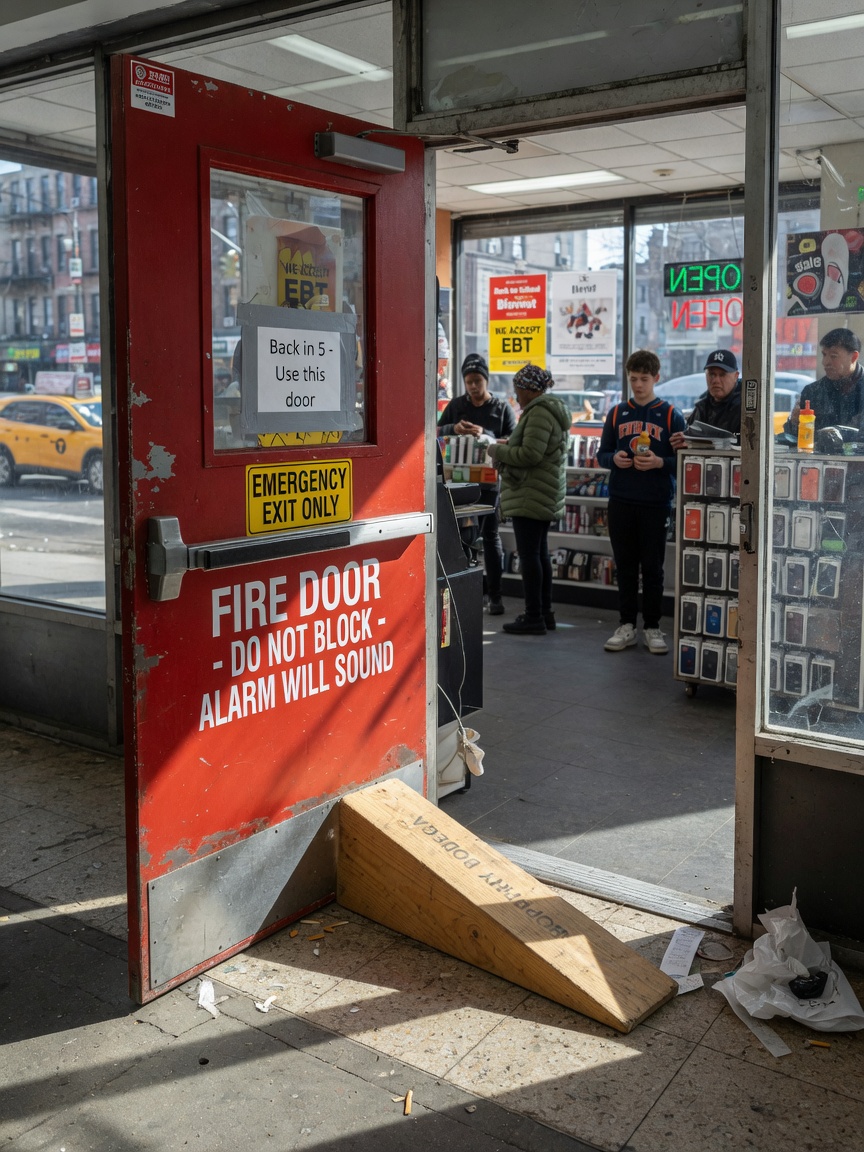
- Doors held open with wedges or unauthorized devices – One of the most frequent violations in retail and office spaces.
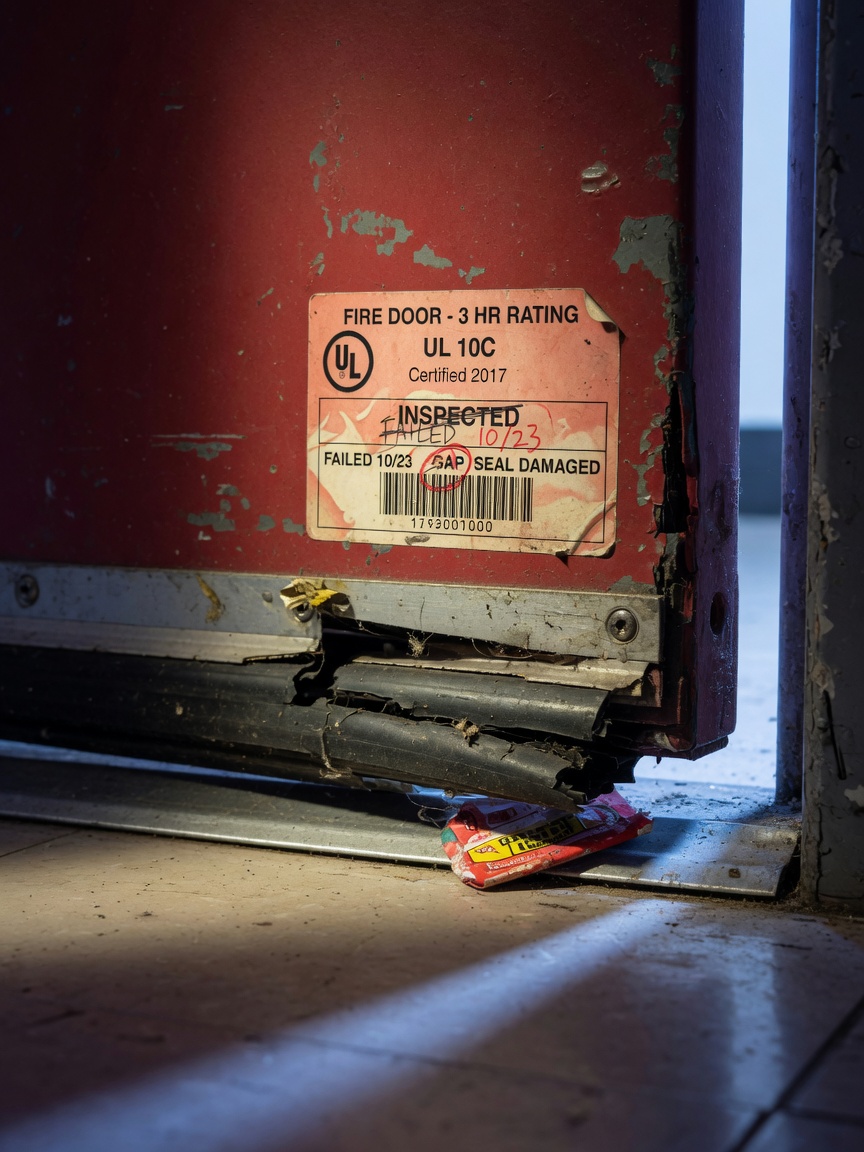
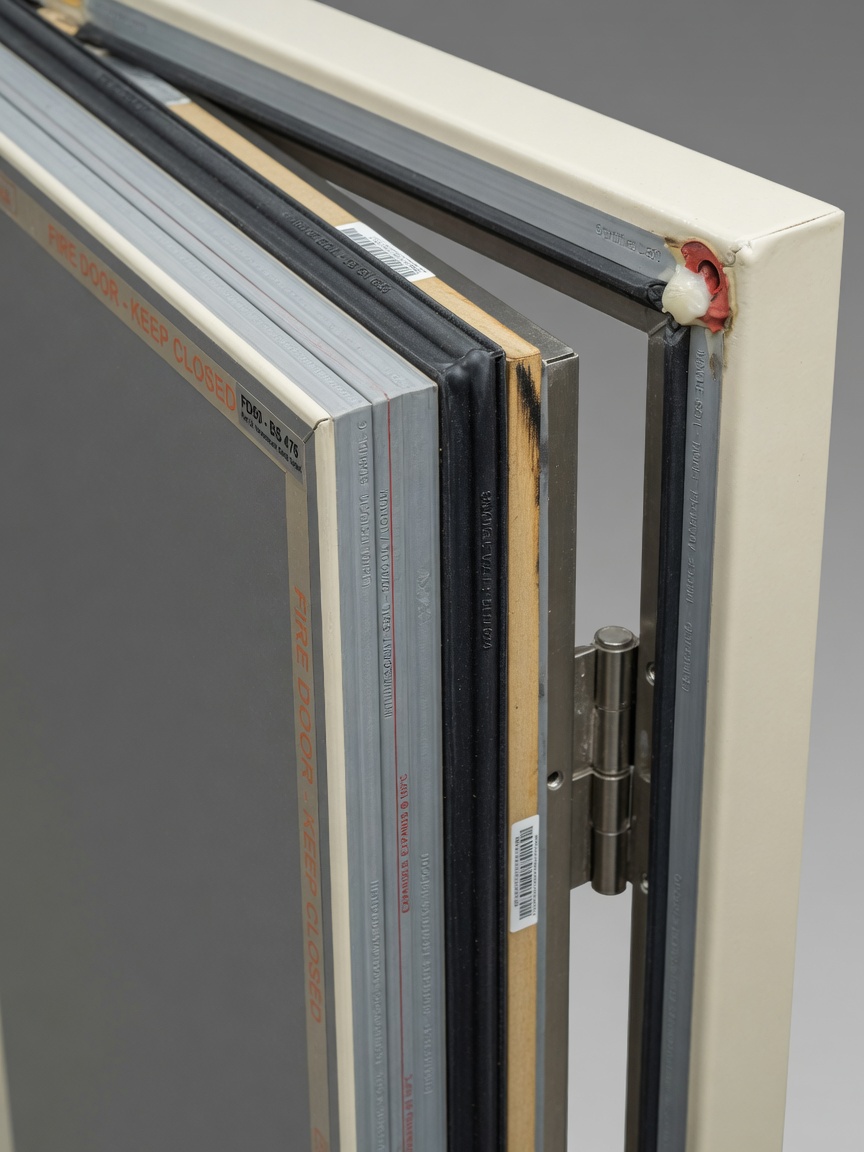
- Damaged or missing intumescent seals and smoke gaskets – Critical for containing smoke and fire.
- Excessive clearance gaps – Gaps exceeding ⅛ inch at the head and jambs or ¾ inch at the bottom fail instantly.
- Painted or obstructed door labels – Fire ratings become unverifiable when labels are covered.
- Non-functional or improperly adjusted closers – Doors must close and latch within 5-10 seconds under controlled conditions.
- Modified or damaged door cores – Holes for signage, kick plates installed incorrectly, or previous repairs compromise integrity.
- Missing or incorrect astragal seals on pairs of doors – Common in high-rise corridors and stairwells.
- Friction from warped frames or doors – Often caused by building settlement in older NYC structures.
- Inadequate record keeping – NFPA 80 now requires detailed digital or physical documentation of every inspection and repair.
Visual Examples of Common NYC Fire Door Failures
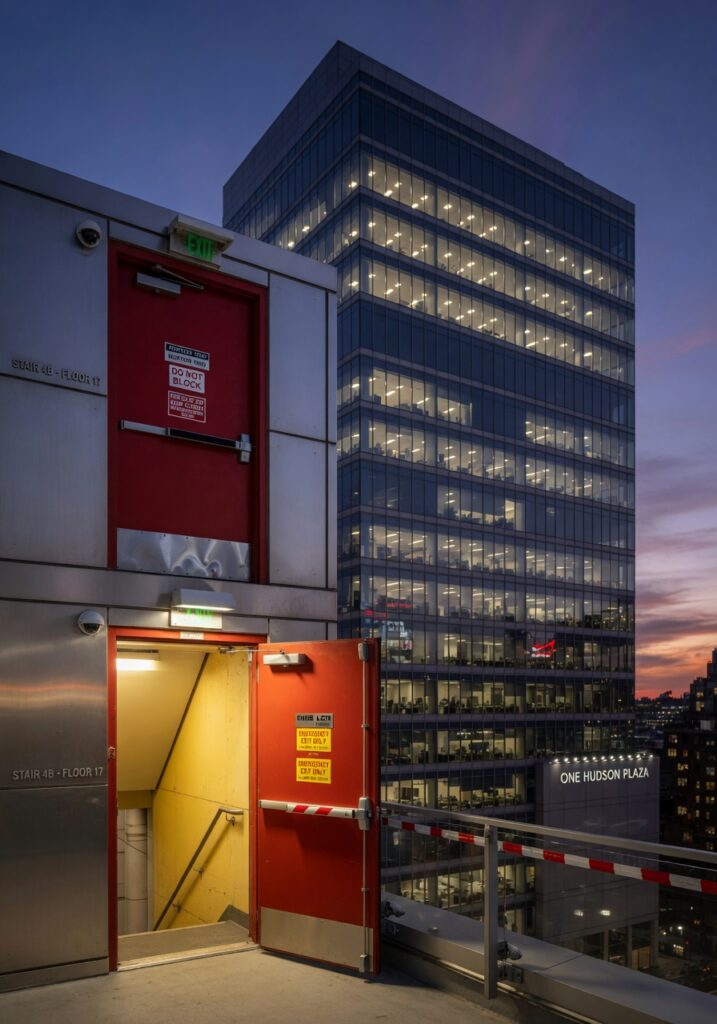
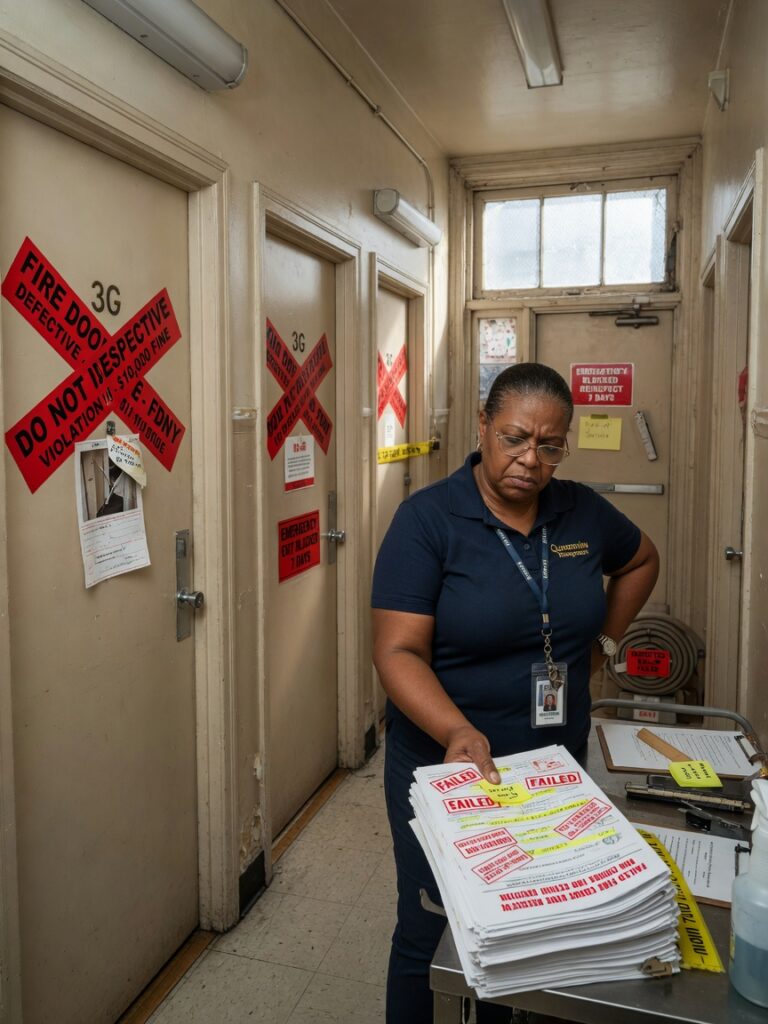
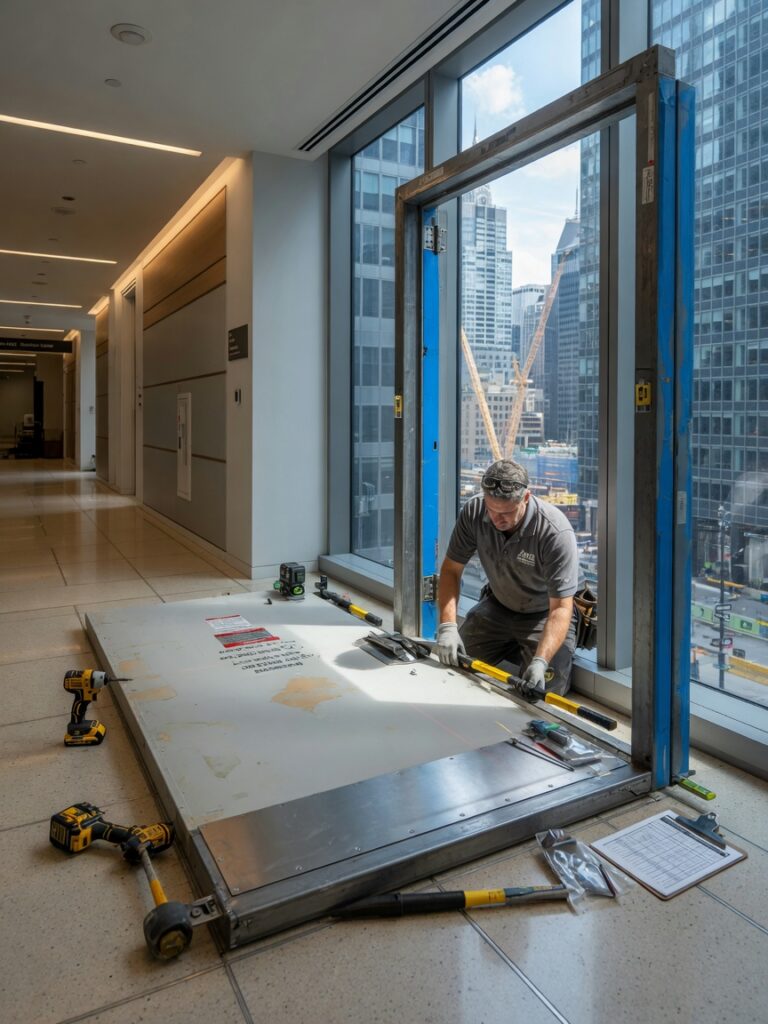
Imagine a Midtown high-rise where a fire-rated stairwell door has been painted over so many times that the certification label is completely obscured. Or a retail space in Williamsburg where self-closing devices have been removed to improve customer flow. These real scenarios lead to immediate violations and potential insurance claim denials.
NFPA 80 2026 Updates Every NYC Building Owner Should Know
The 2026 enforcement of the latest NFPA 80 edition places greater emphasis on:
- Annual inspection of all components including hinges, latches, and seals
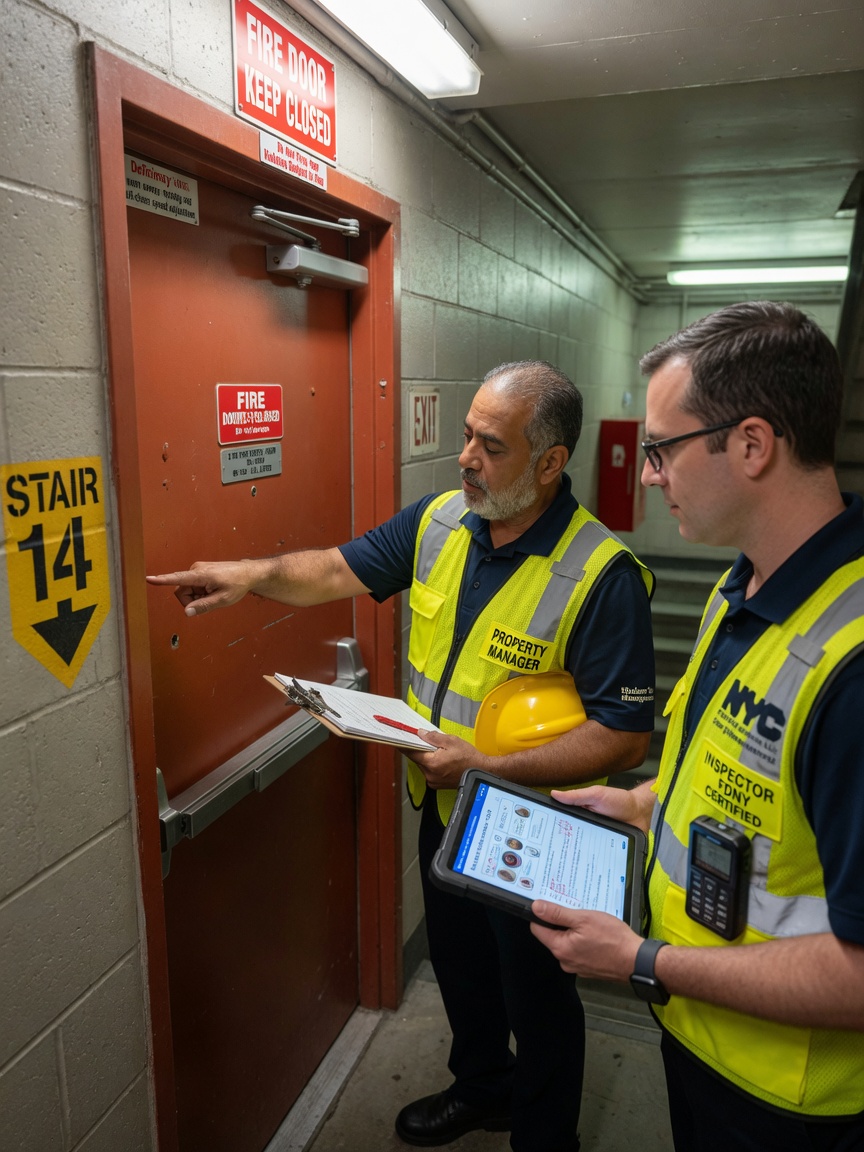
- Qualified inspector certification requirements
- Digital record-keeping standards with photo documentation
- Clear guidelines on acceptable field modifications
- Stricter smoke control requirements for smoke-rated assemblies
Building-Specific Fire Door Compliance Checklists
High-Rise Residential and Office Buildings
- Verify all stairwell and corridor fire doors close and latch properly from the fully open position
- Inspect smoke seals on all elevator lobby doors
- Confirm emergency exit stairwell doors have functioning panic hardware
- Document monthly visual inspections by building staff
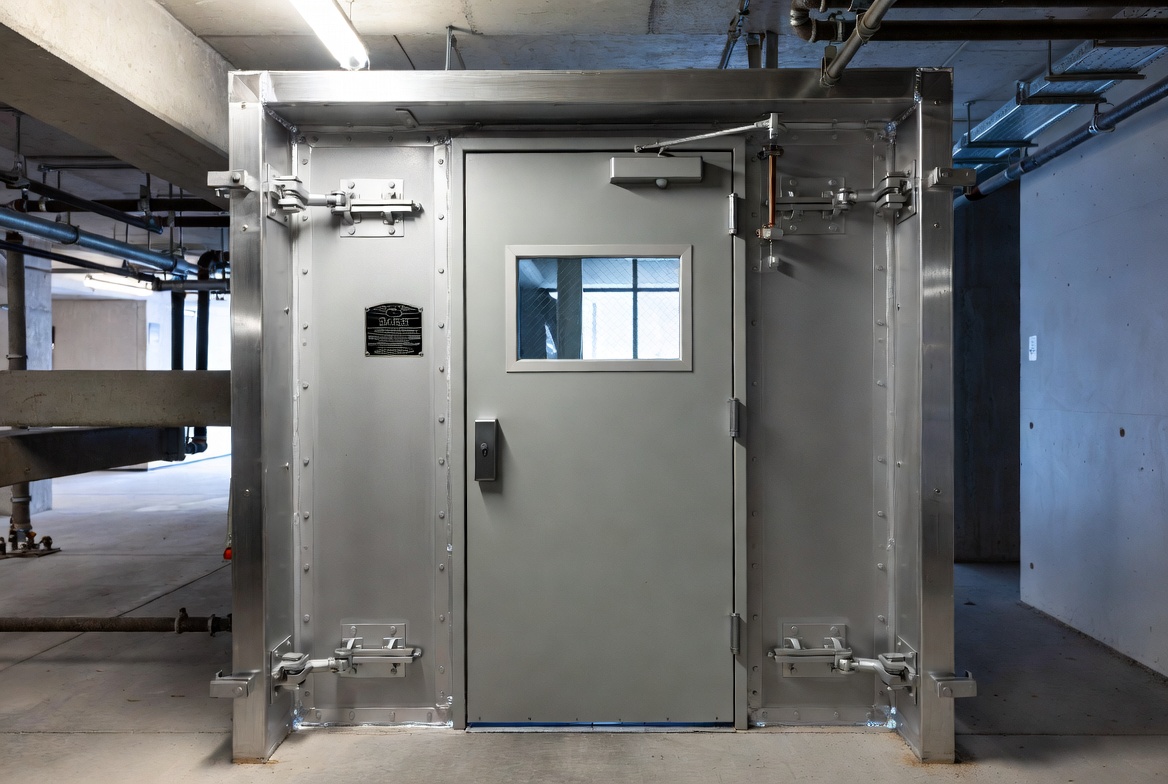
- Ensure fire door assemblies in mechanical rooms maintain 90-minute ratings
Retail and Mixed-Use Properties
- Check front-of-house fire doors that separate public areas from storage
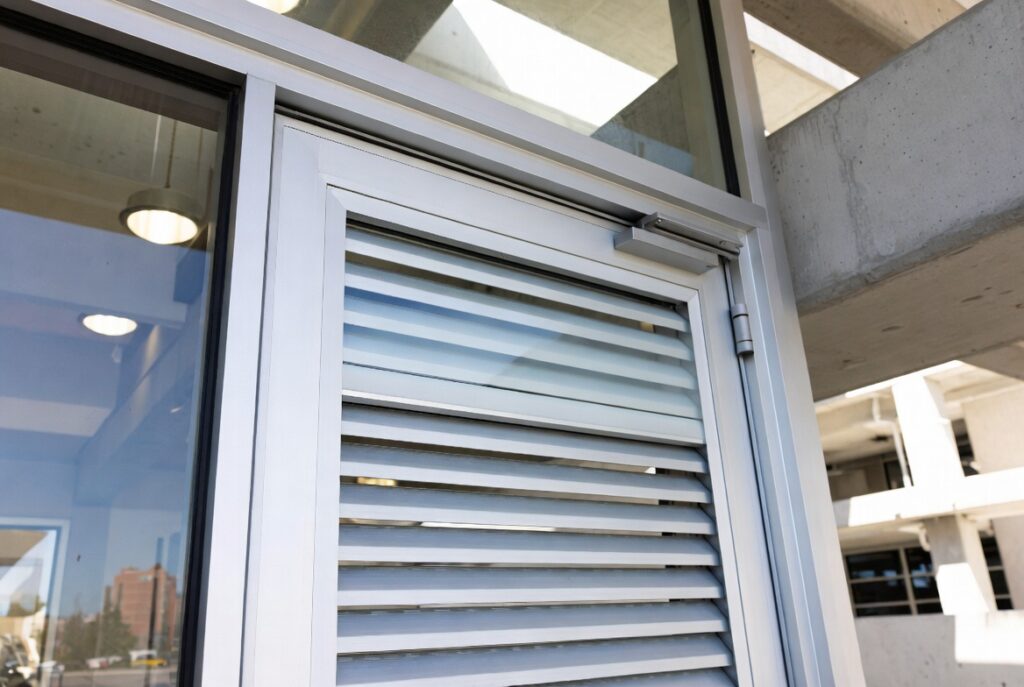
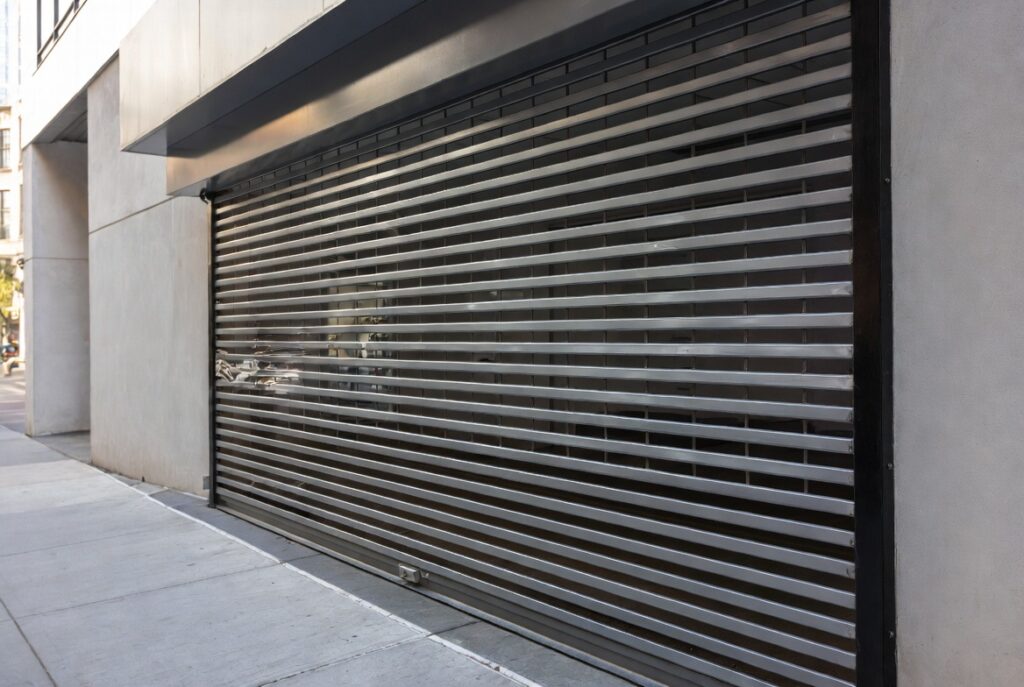
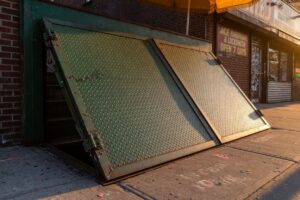
- Inspect loading dock fire shutters and rolling steel doors
- Verify that tenant-installed modifications have proper Authority Having Jurisdiction (AHJ) approval
- Pay special attention to historic building retrofits common in SoHo and Chelsea
Cost Comparison: Repair vs. Replace vs. Non-Compliance
Understanding the financial impact helps prioritize budgets effectively:
- Minor repair (closer adjustment, new seals): $175–$450 per door
- Hardware replacement (panic bar, hinges, closer): $650–$1,800 per door
- Full door and frame replacement: $2,800–$5,500 per opening (high-rise units higher)
- Average NYC violation fine: $1,000–$5,000 per occurrence, plus daily accrual
- Potential insurance claim denial cost: Can exceed $250,000 in fire-related losses
Proactive maintenance programs typically cost $18–$35 per door annually but can reduce failure rates by over 85%.
Insider Strategies for Maintaining Compliance Between Inspections
From our decades of NYC commercial door installations, here are proven strategies that successful property managers use:
- Implement monthly visual inspection protocols using a mobile app checklist with photo upload capability.
- Train building maintenance staff to recognize early warning signs of failure.
- Establish a preventive maintenance contract with a certified fire door specialist rather than relying solely on the annual inspection.
- Create a centralized digital compliance binder that includes original certifications, repair history, and inspection reports.
- Schedule pre-inspection walkthroughs 60 days before the official inspection to address issues proactively.
- Use fire-rated materials only when making any modifications or repairs—no substitutions.
Choosing the Right Partner for NYC Fire Door Compliance
Not all fire door technicians are created equal. Look for providers with:
- Current FDNY certification and NFPA 80 training documentation
- Extensive experience with NYC building stock (pre-war, 1960s high-rises, and new construction)
- Digital reporting systems compatible with DOB NOW
- Full-service capabilities from inspection through repair and replacement
SecuraDoor has helped over 450 NYC commercial properties achieve and maintain fire door compliance for more than two decades.
Conclusion: Make 2026 Your Year of Fire Door Compliance
NYC fire door inspection failures are not inevitable. By understanding the common failure points, implementing building-specific checklists, budgeting appropriately for maintenance, and partnering with experienced professionals, building owners can transform compliance from a recurring headache into a manageable, predictable process.
The financial and safety benefits of proper fire door maintenance far outweigh the costs of neglect. As we approach the stricter 2026 NFPA 80 enforcement, now is the time to evaluate your current fire door program and implement the strategies outlined in this guide.
Contact the compliance specialists at SecuraDoor today to schedule a comprehensive fire door assessment and protect your property, your tenants, and your bottom line.