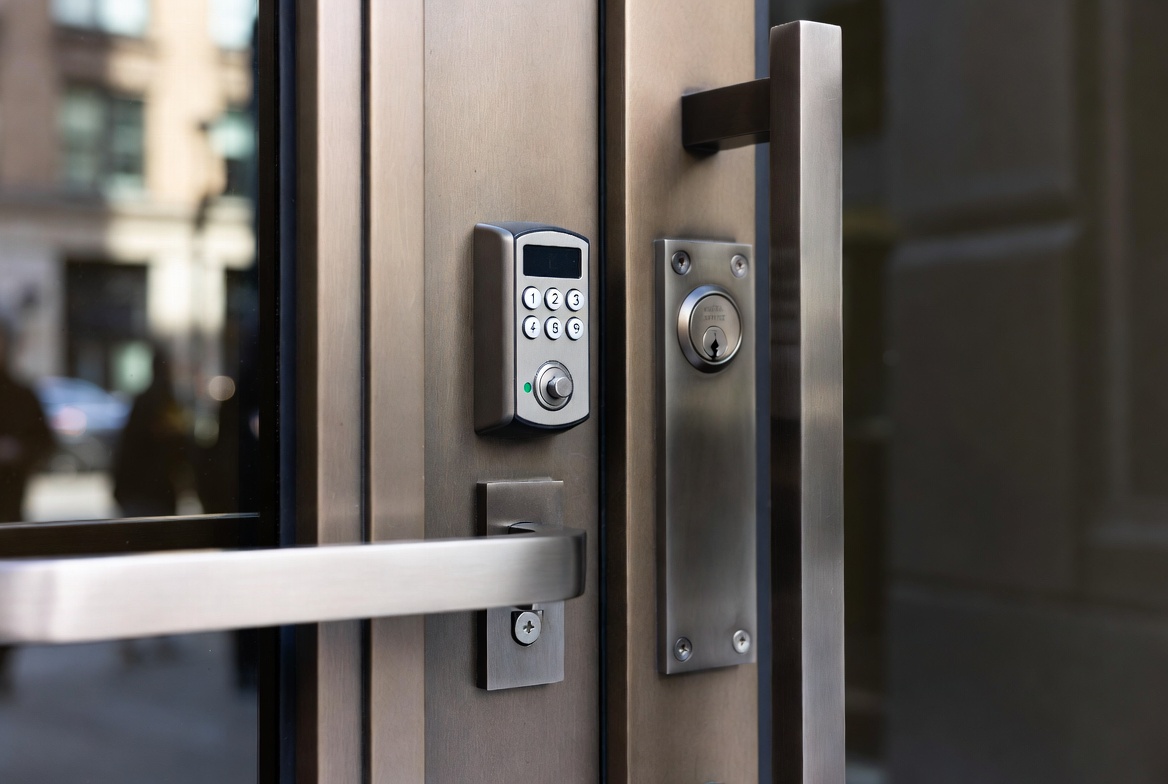
NYC Commercial Door Code Violations: Expert Solutions and Fixes
Commercial property managers across New York City are facing increasing pressure to maintain compliant door and gate systems. With strict enforcement of Local Law 75, the NYC Fire Code, and Building Code requirements, violations can lead to thousands of dollars in fines, stop-work orders, and serious safety liabilities. Since 1981, SecuraDoor has helped hundreds of building owners resolve persistent compliance issues with professional-grade solutions that meet and exceed city standards.
This guide explores the most frequent NYC commercial door code violations, real-world examples, cost analyses of fixes versus penalties, and insider tips for selecting the right heavy gauge steel doors and storefront gates for long-term compliance.
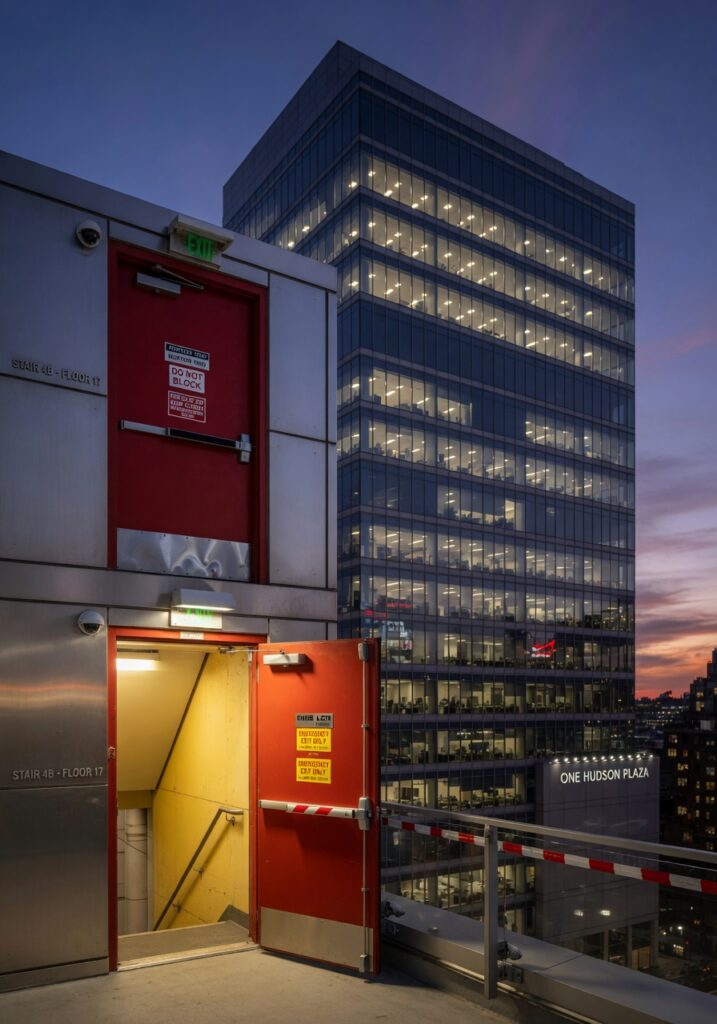
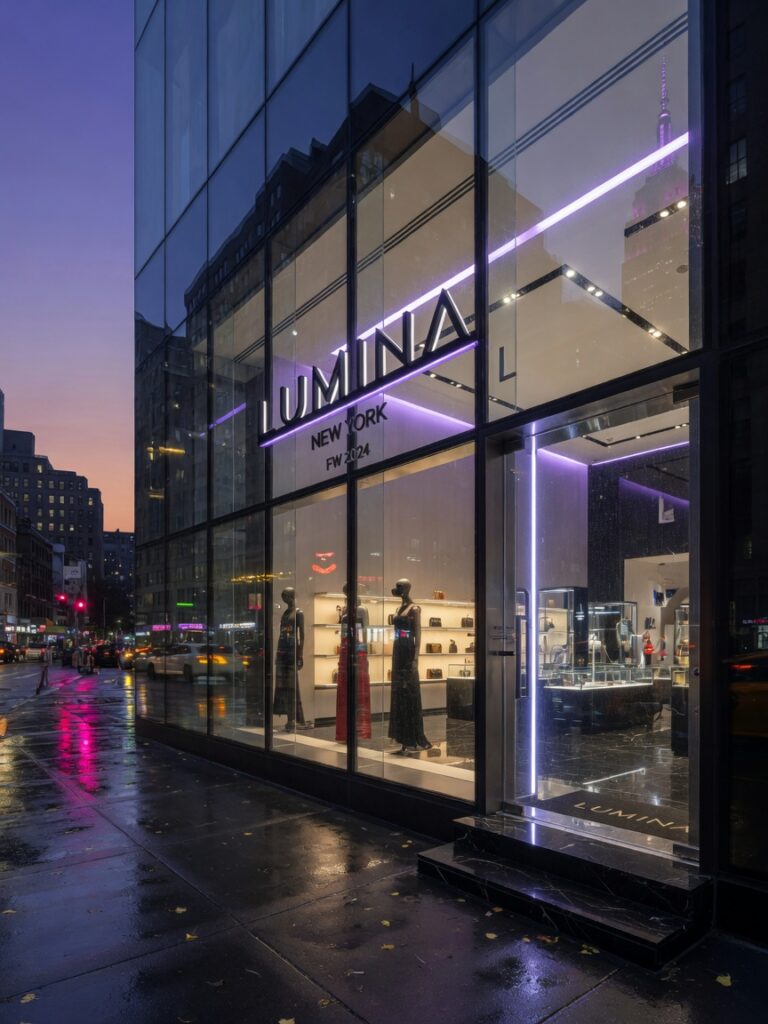
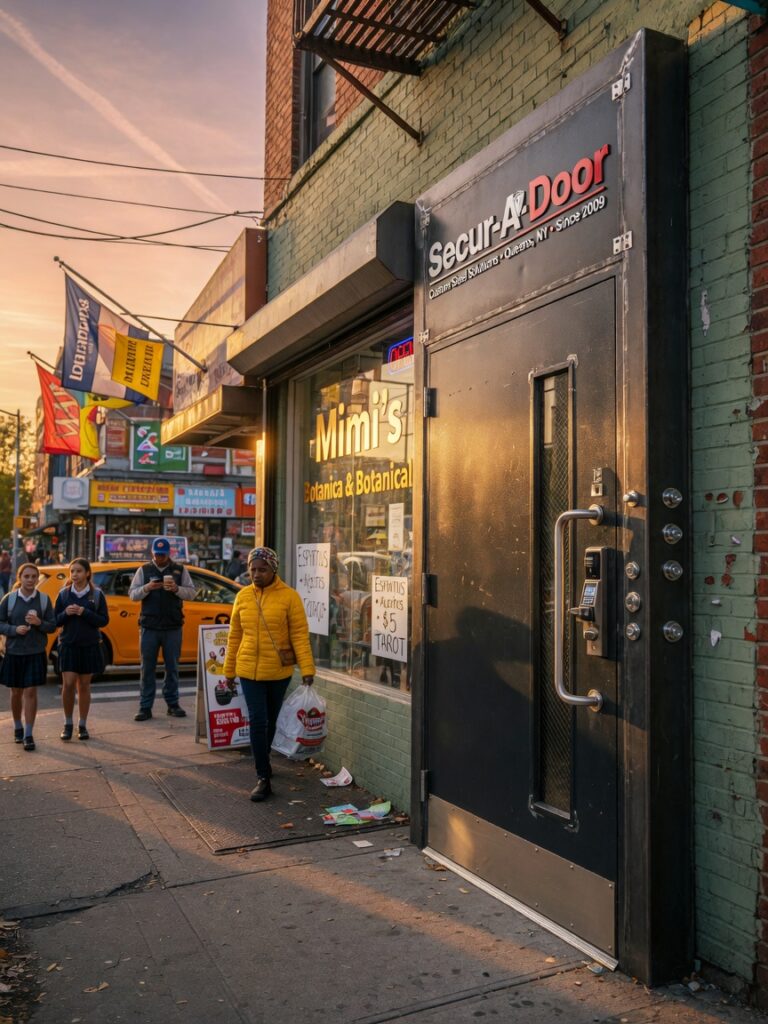
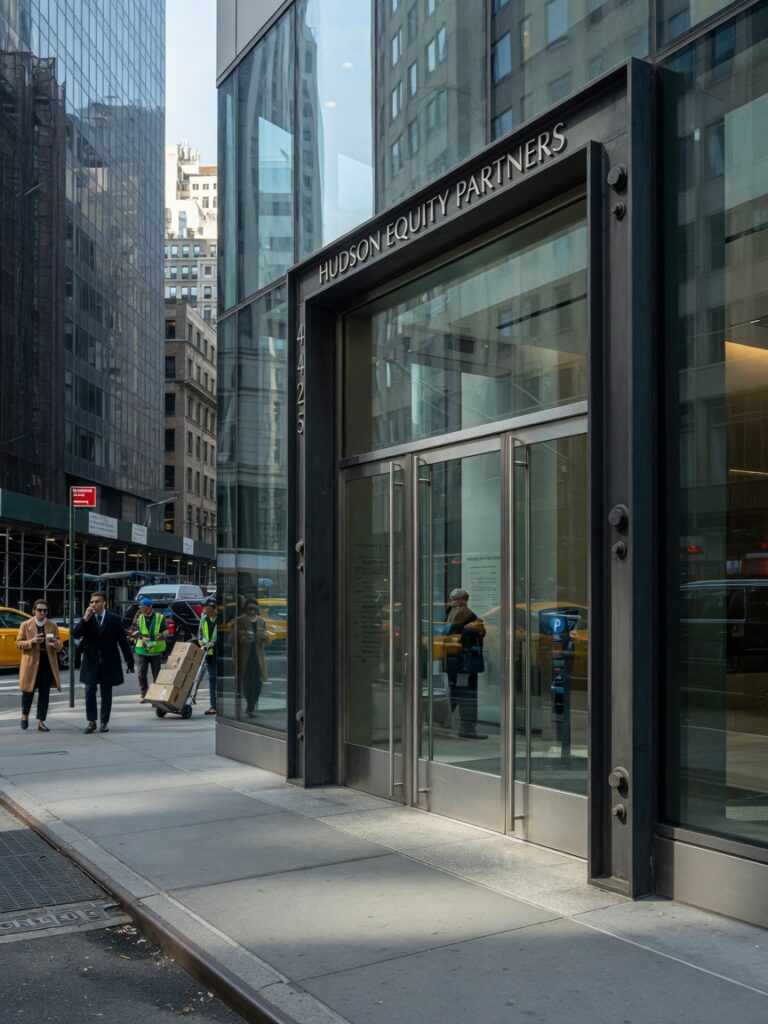
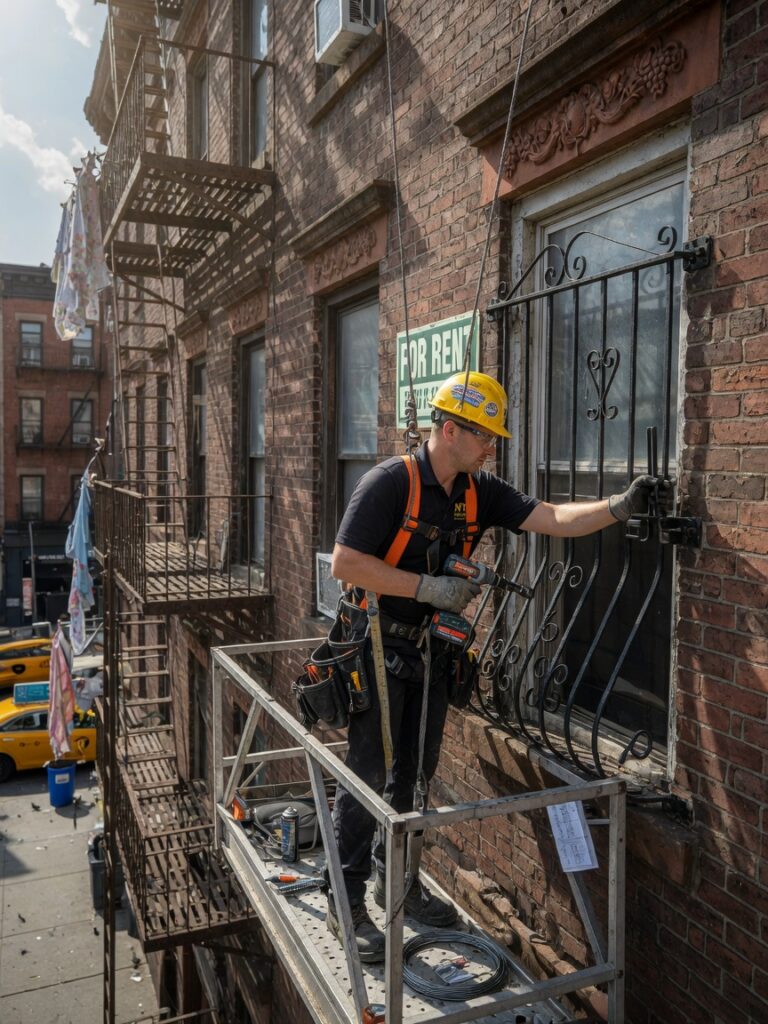
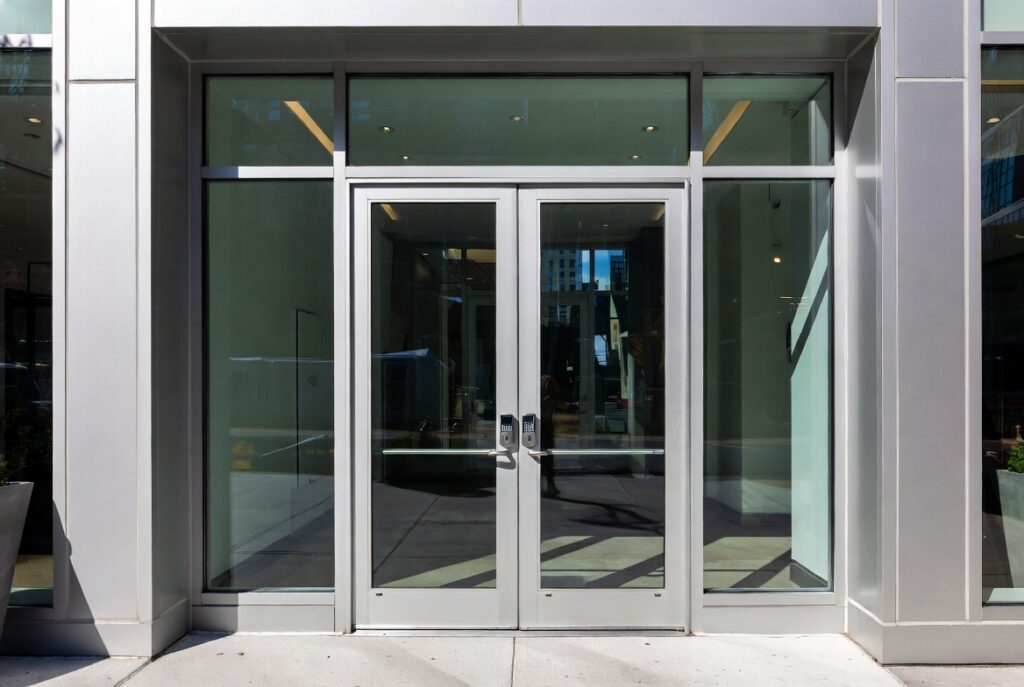
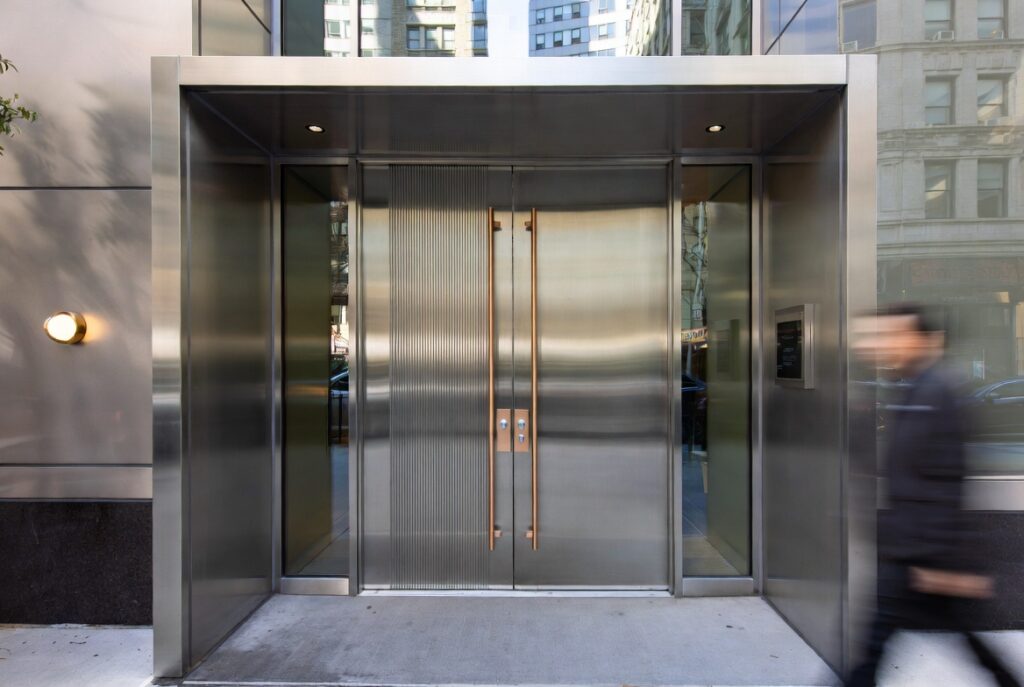
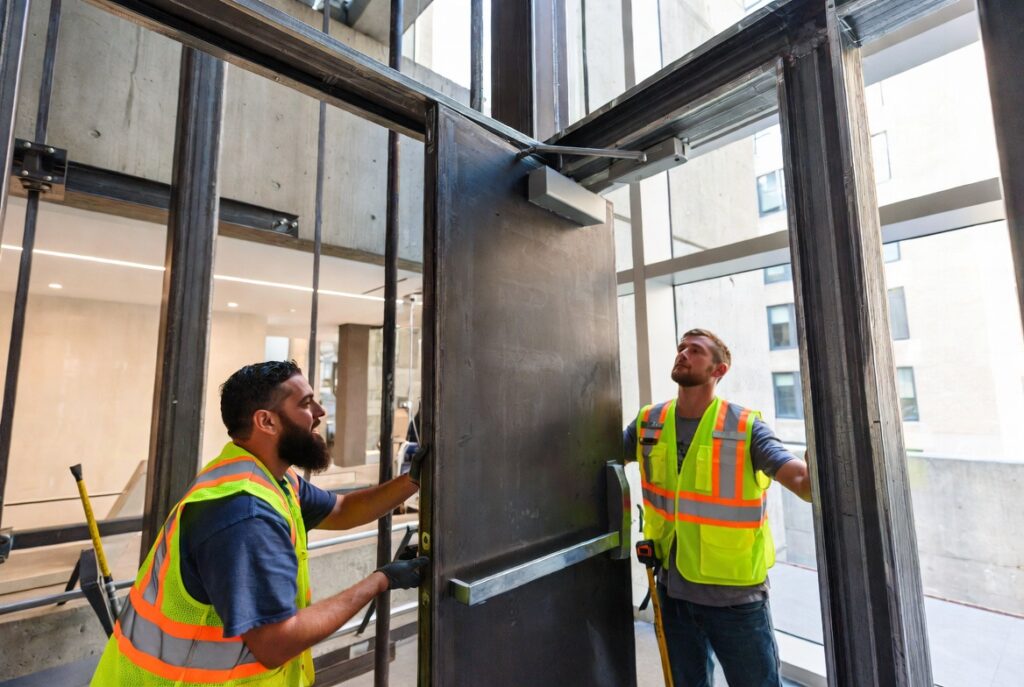
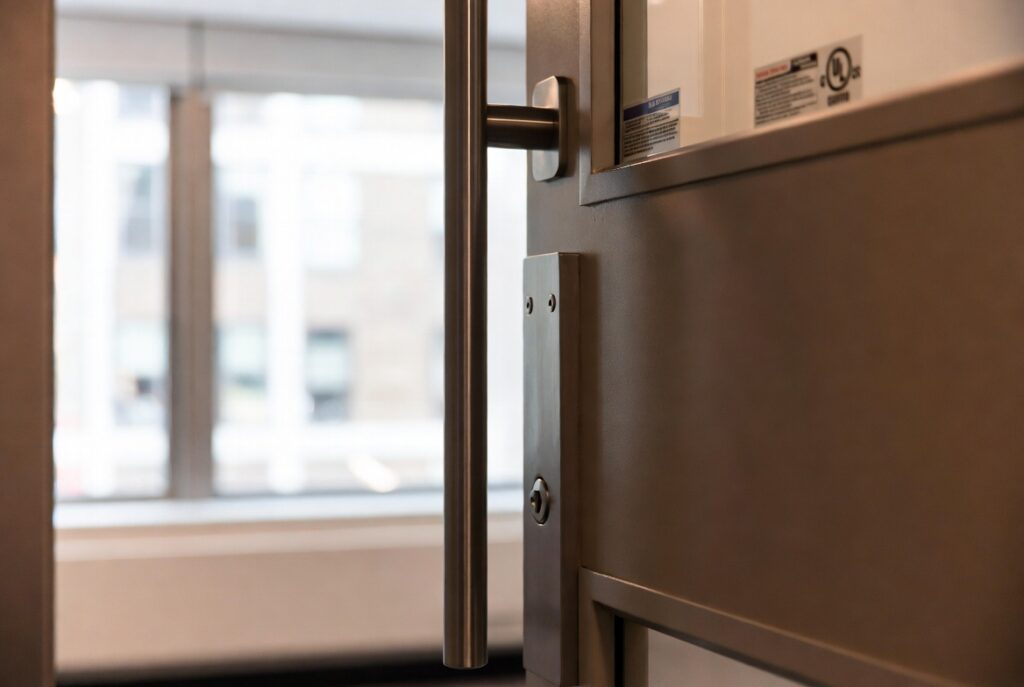
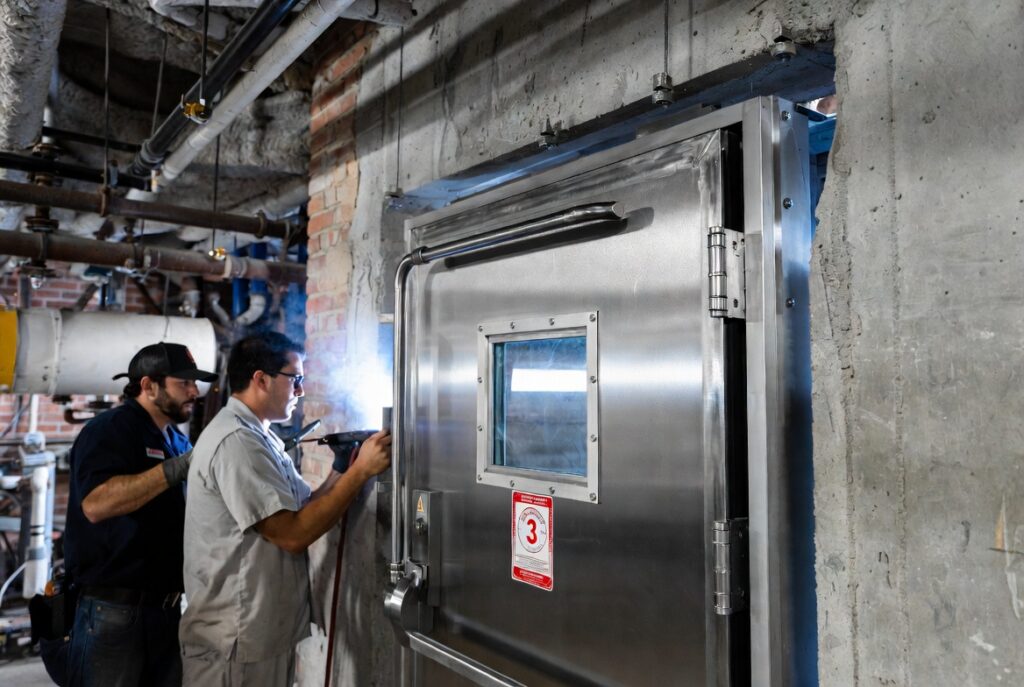
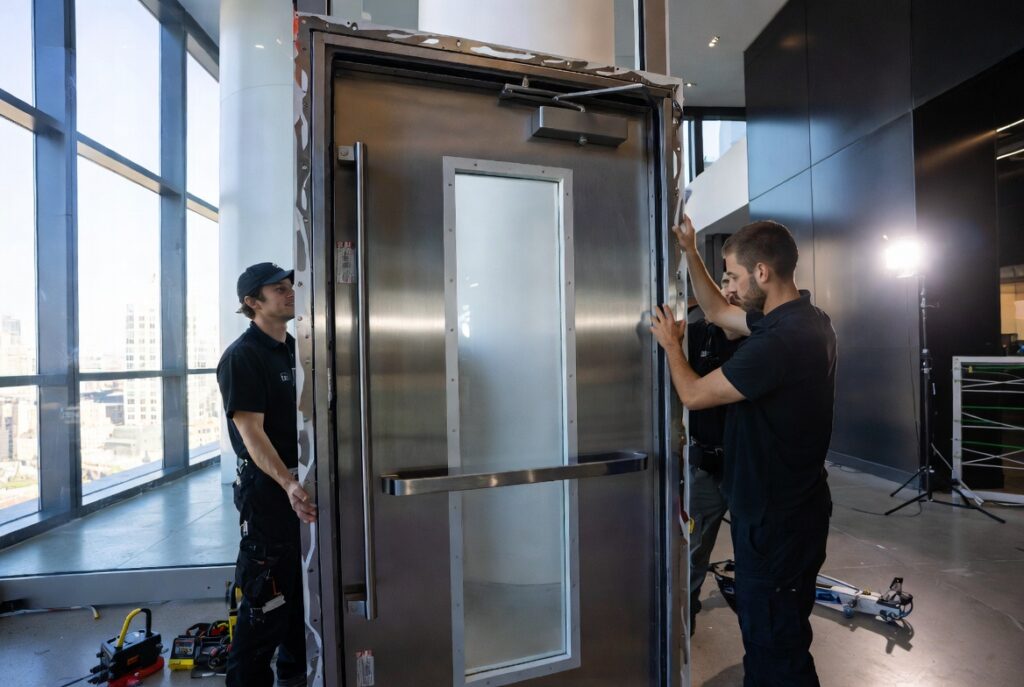
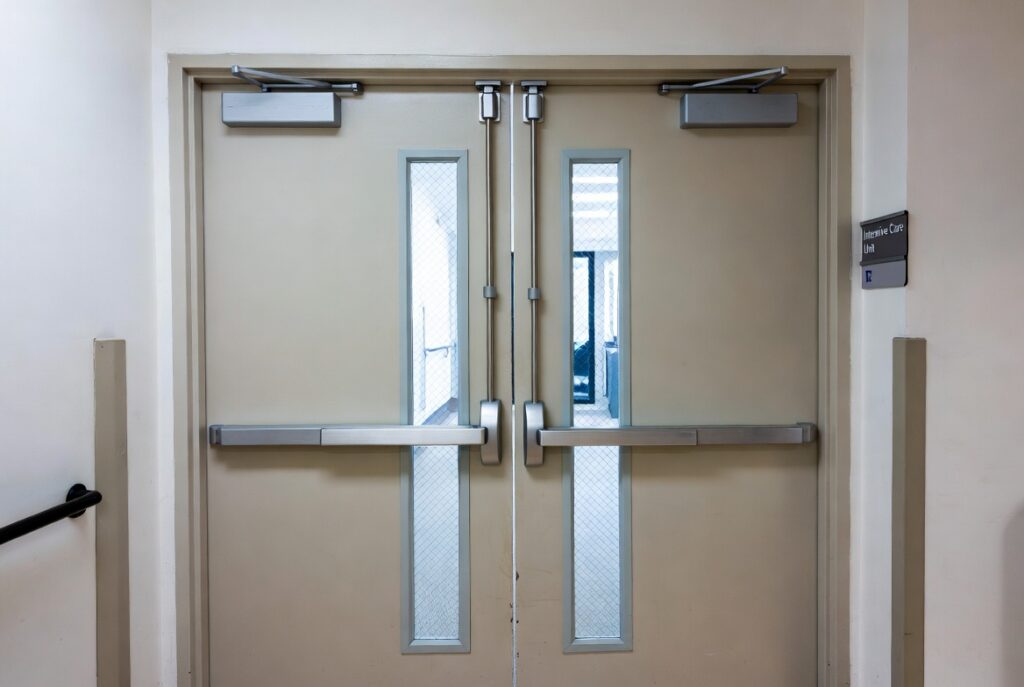
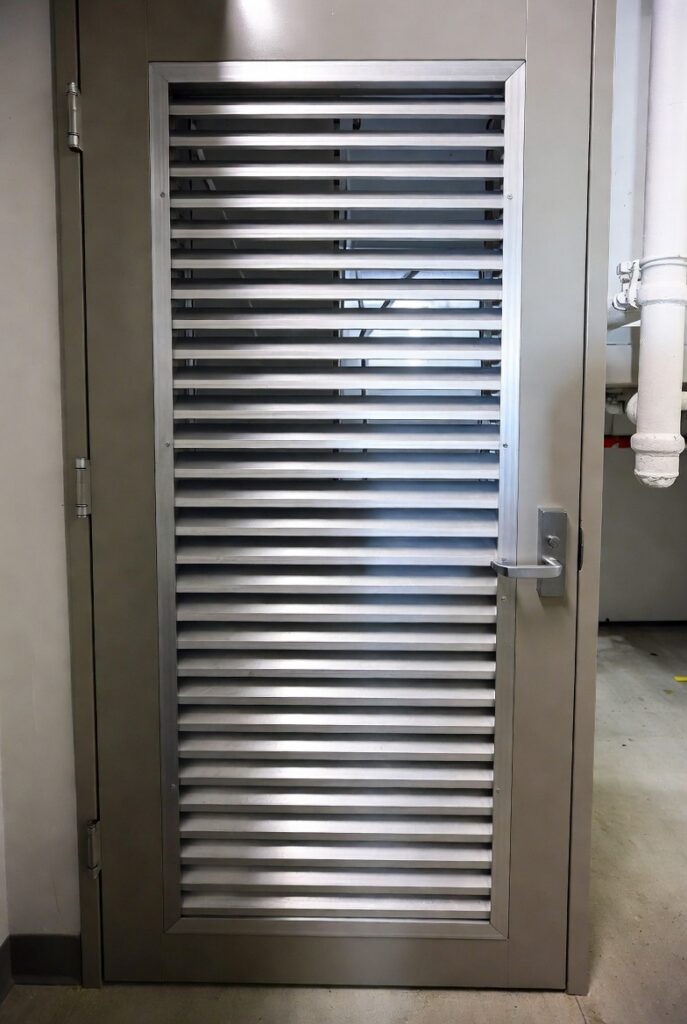
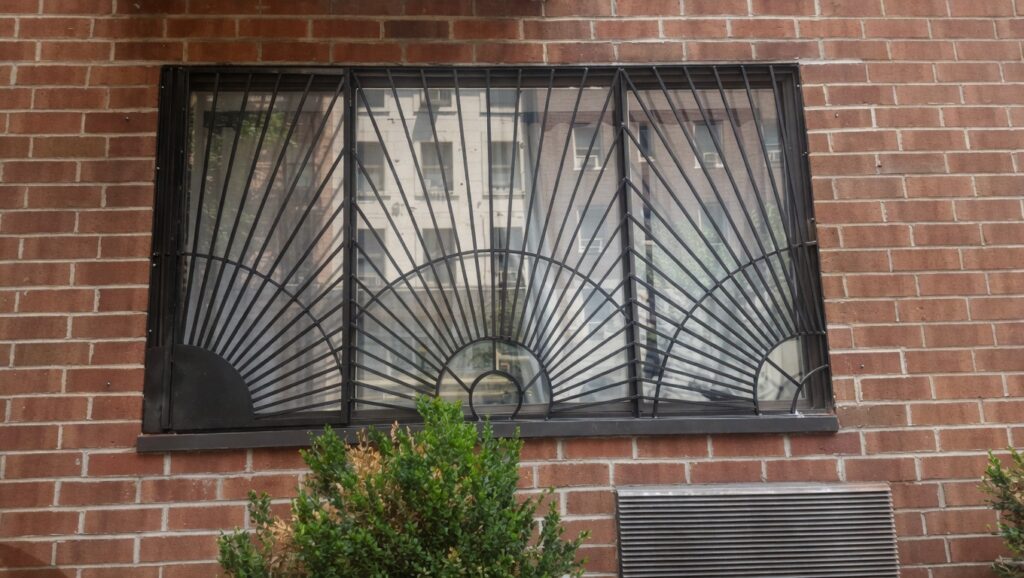
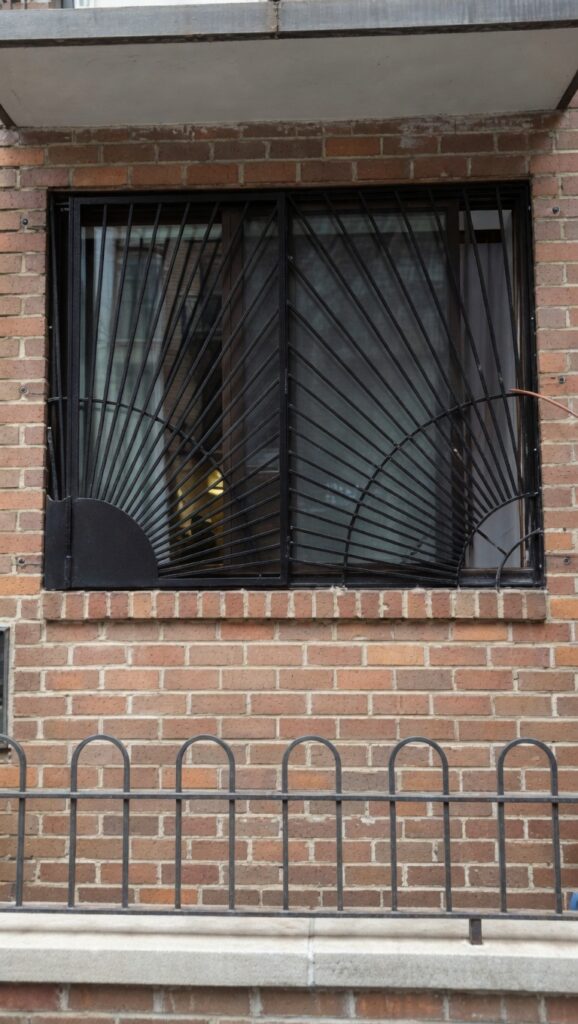
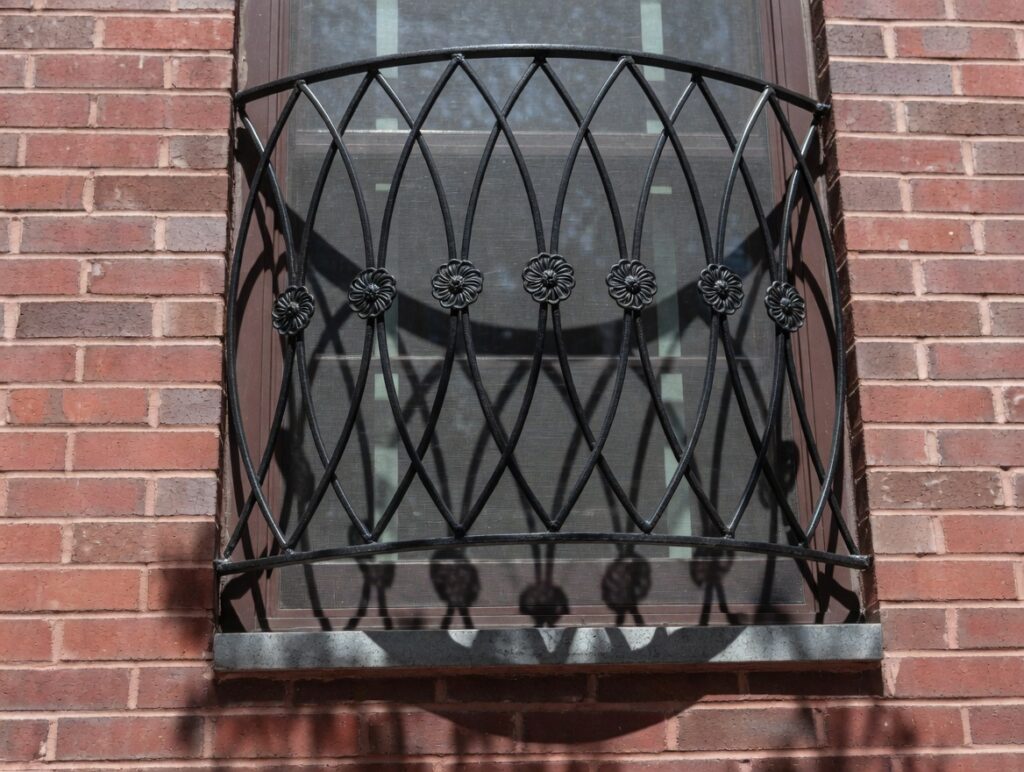
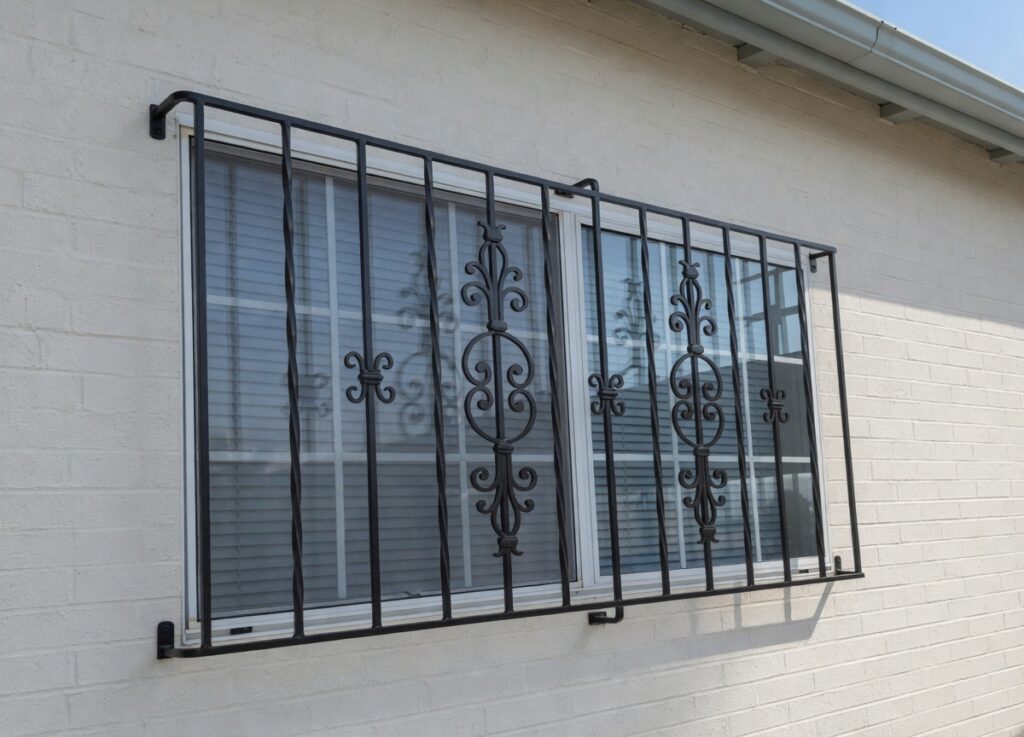
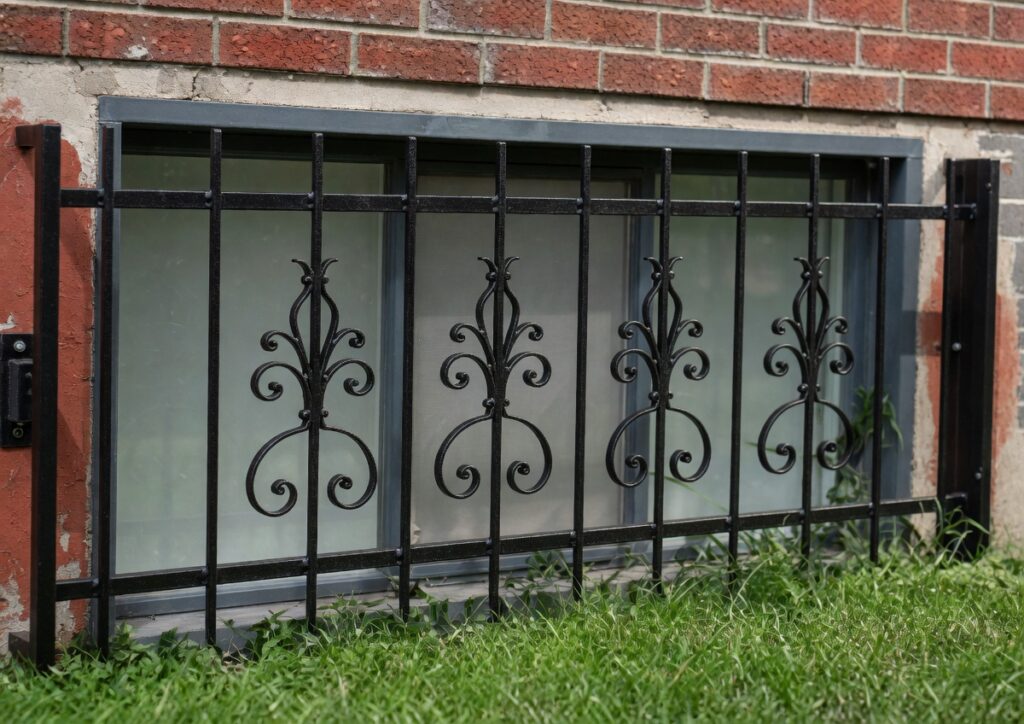
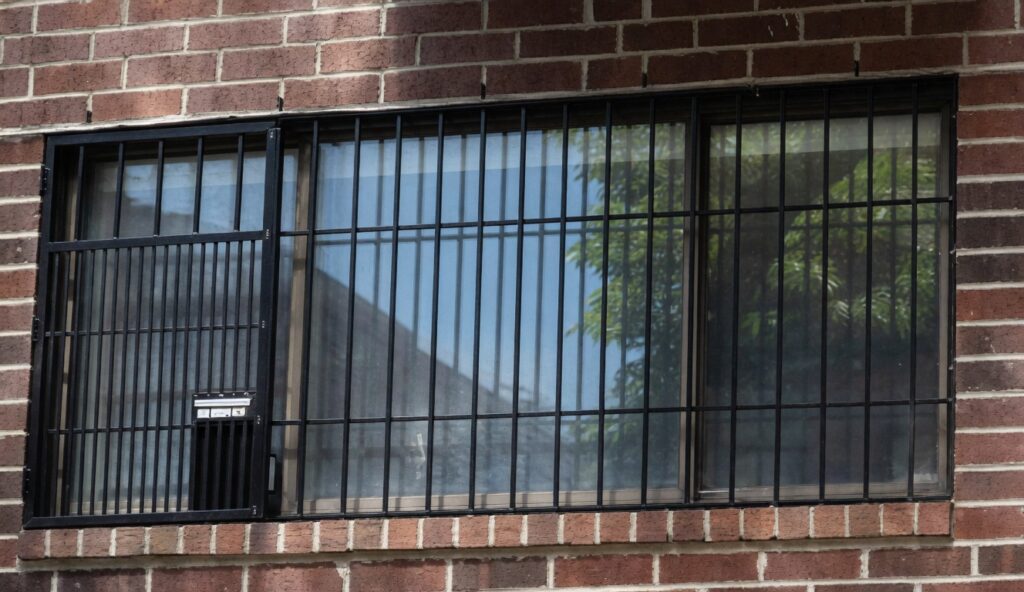
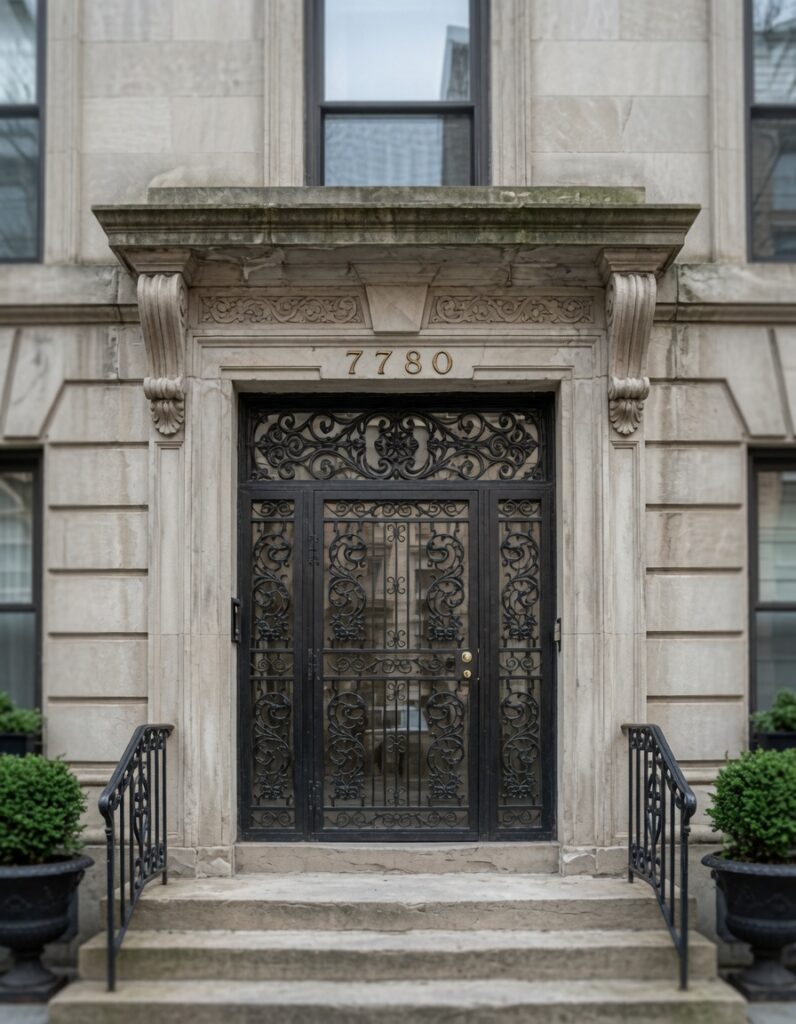
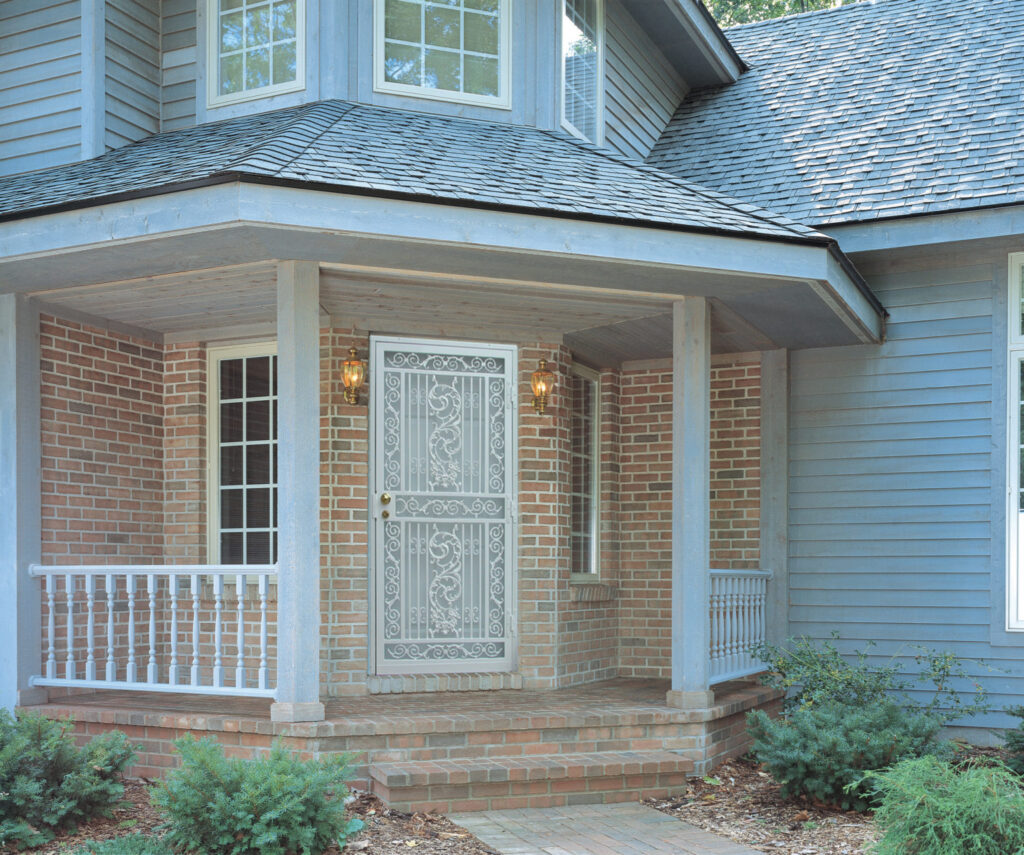
Image Grid 1
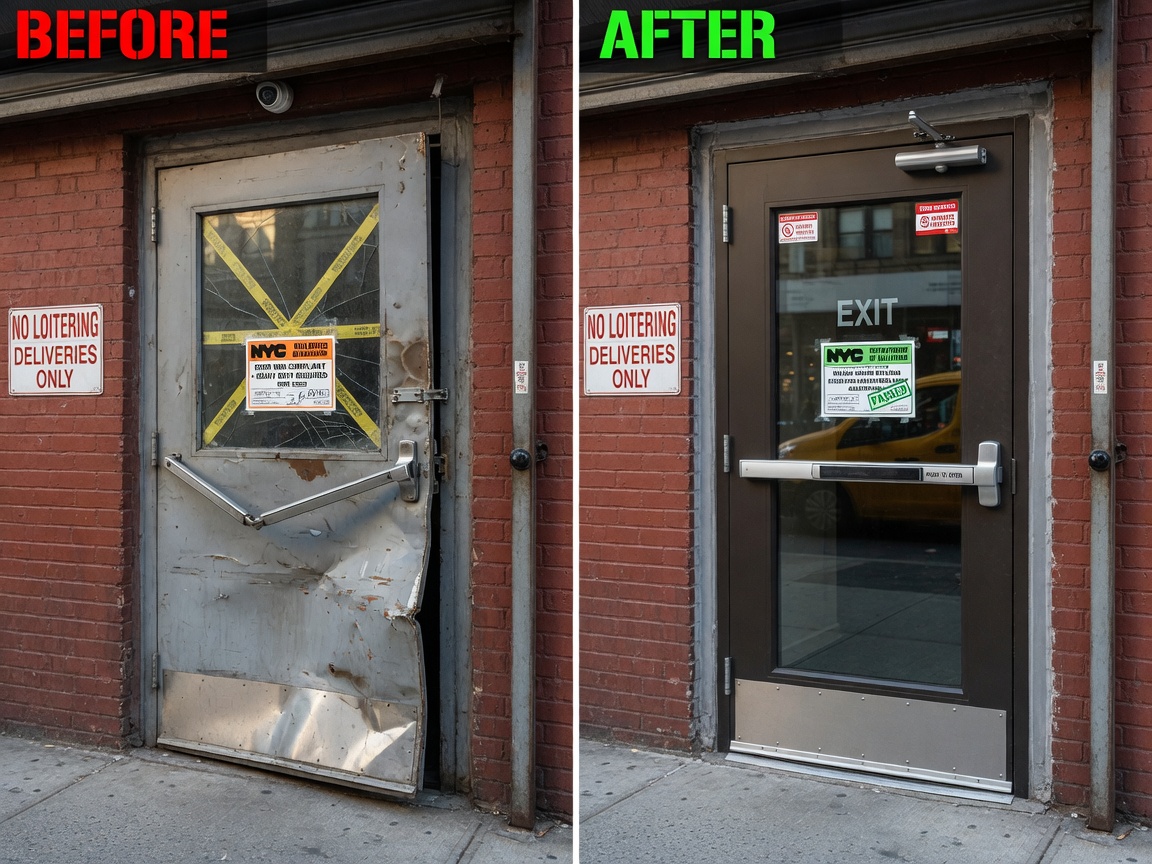

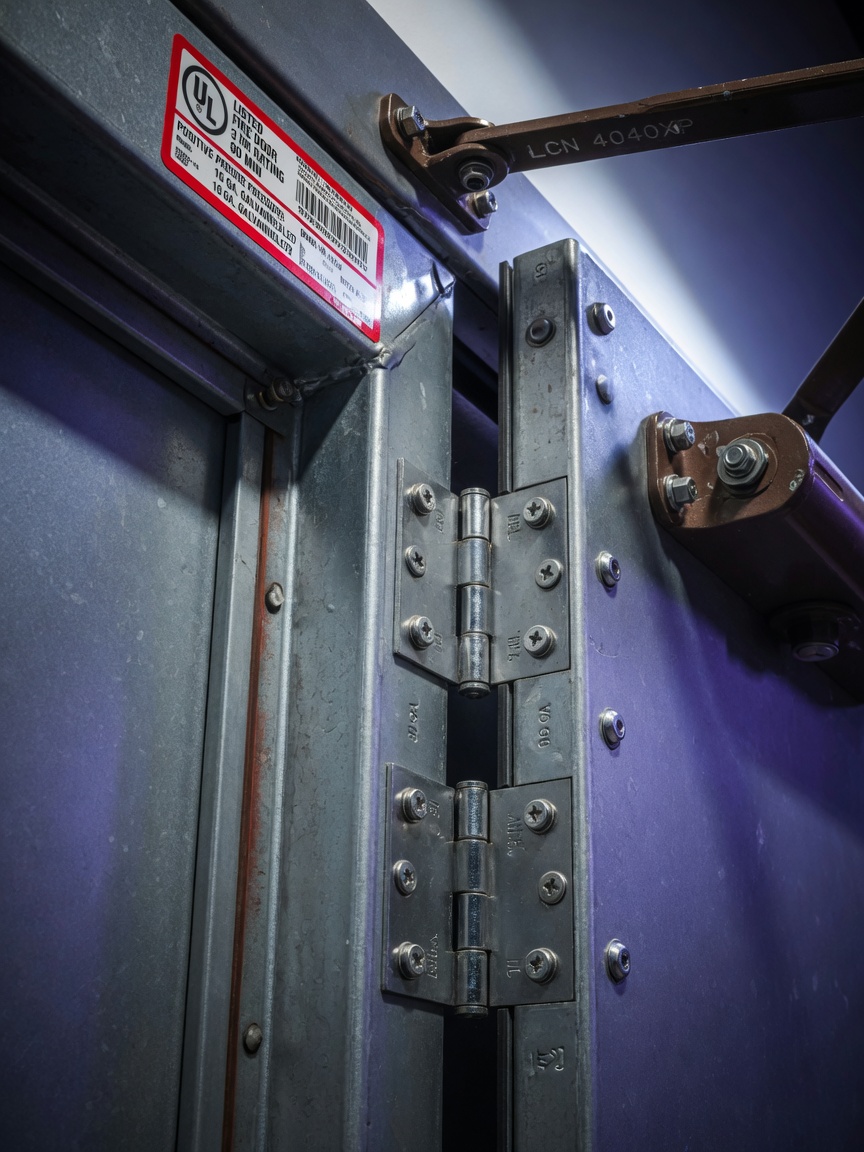
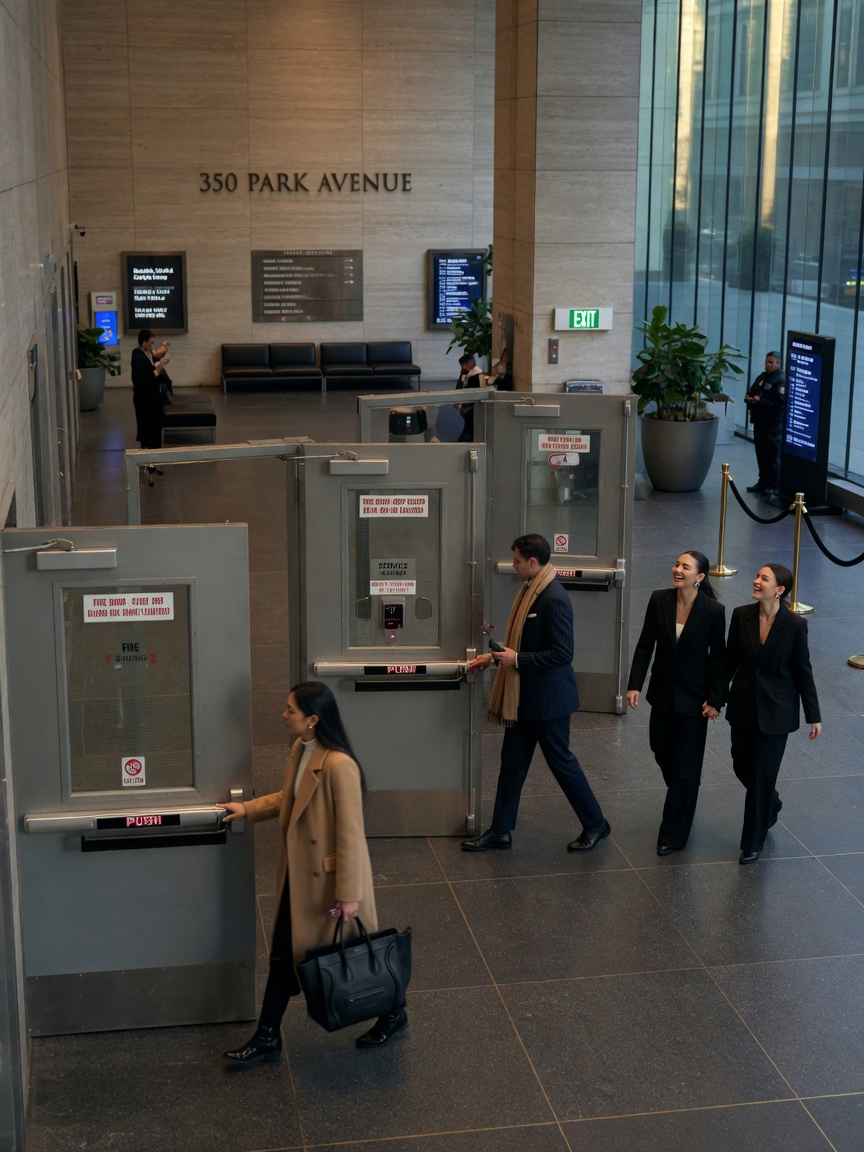
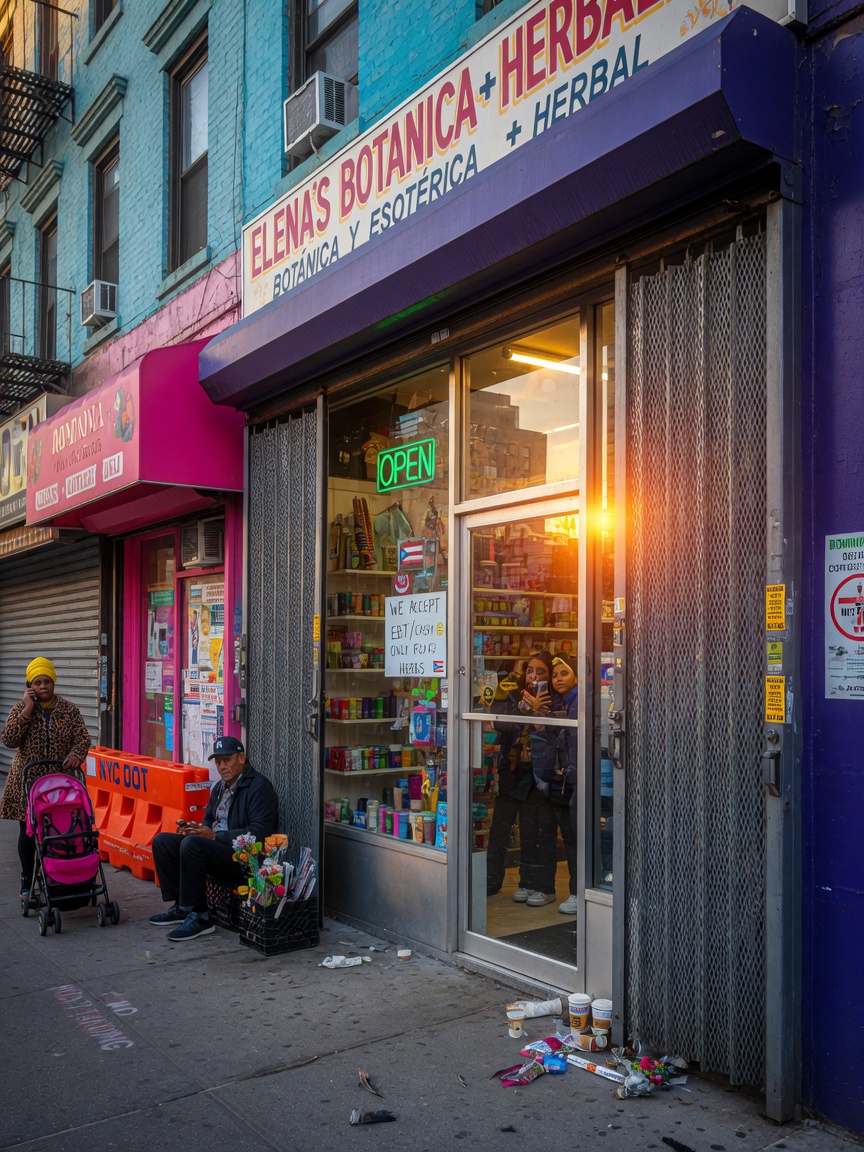
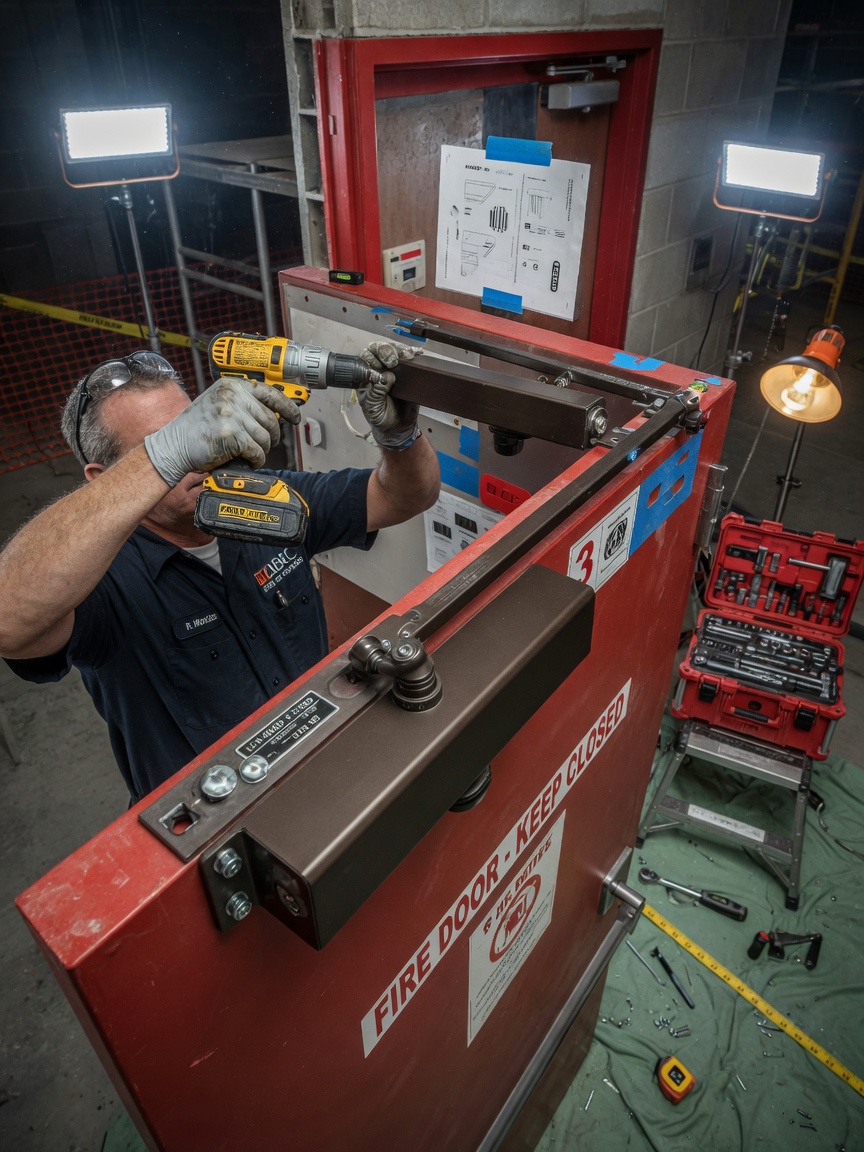
Understanding NYC Commercial Door Code Requirements
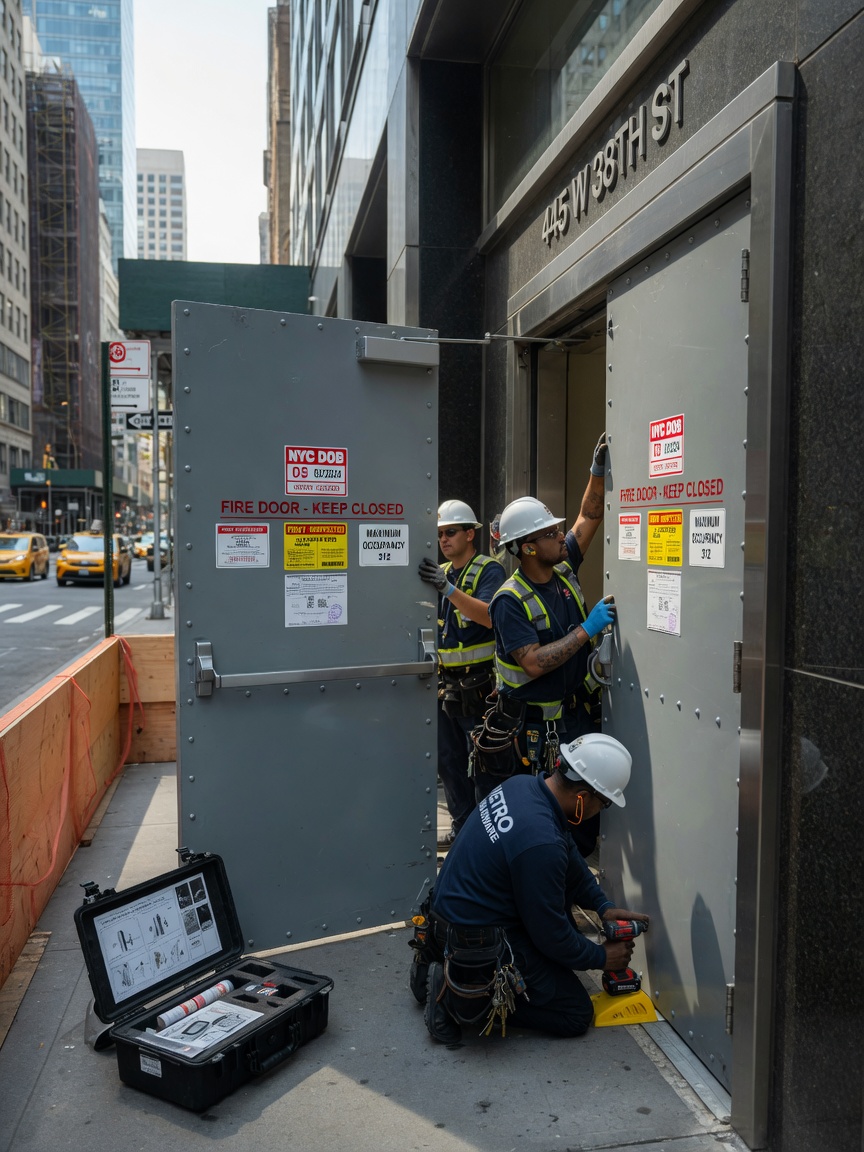
New York City maintains some of the strictest commercial door and exit requirements in the United States. Local Law 75 specifically targets fire-rated doors, emergency exits, and security gates in commercial buildings. The law mandates annual inspections, proper labeling, functional self-closing mechanisms, and intact fire-rated seals.
Key regulations include:
- NFPA 80 and 101 standards for fire doors
- NYC BC 1005 and 1010 for means of egress
- Local Law 75 of 2016 requiring certified inspections
- FDNY requirements for storefront security gates
Most Common NYC Commercial Door Code Violations
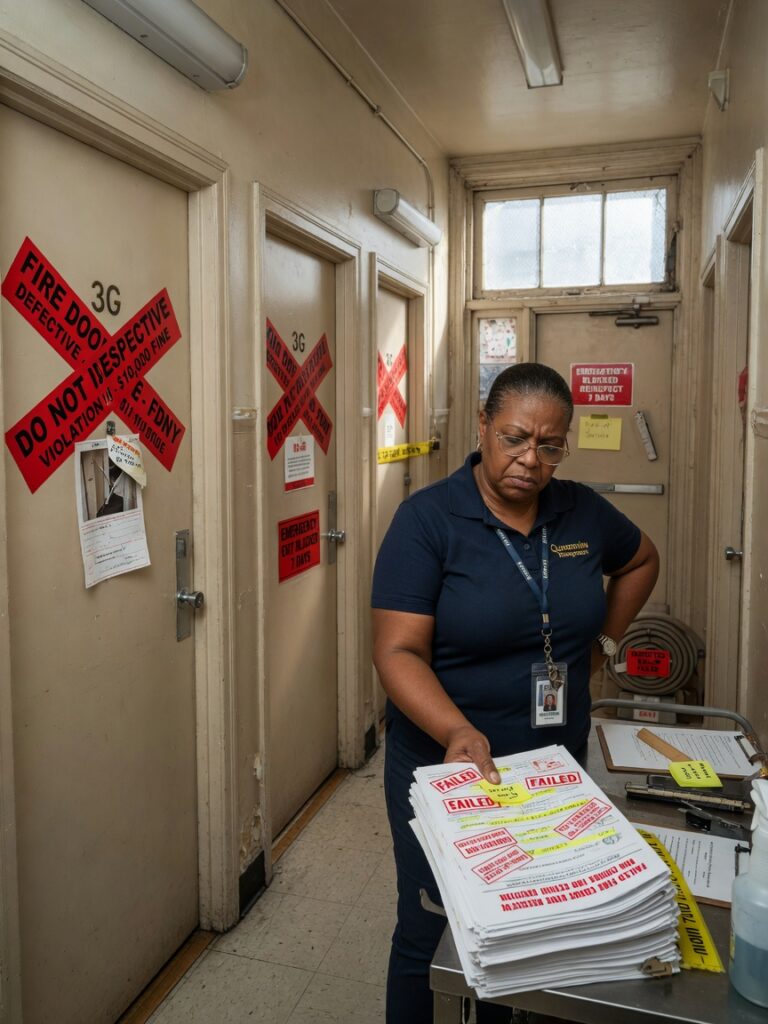
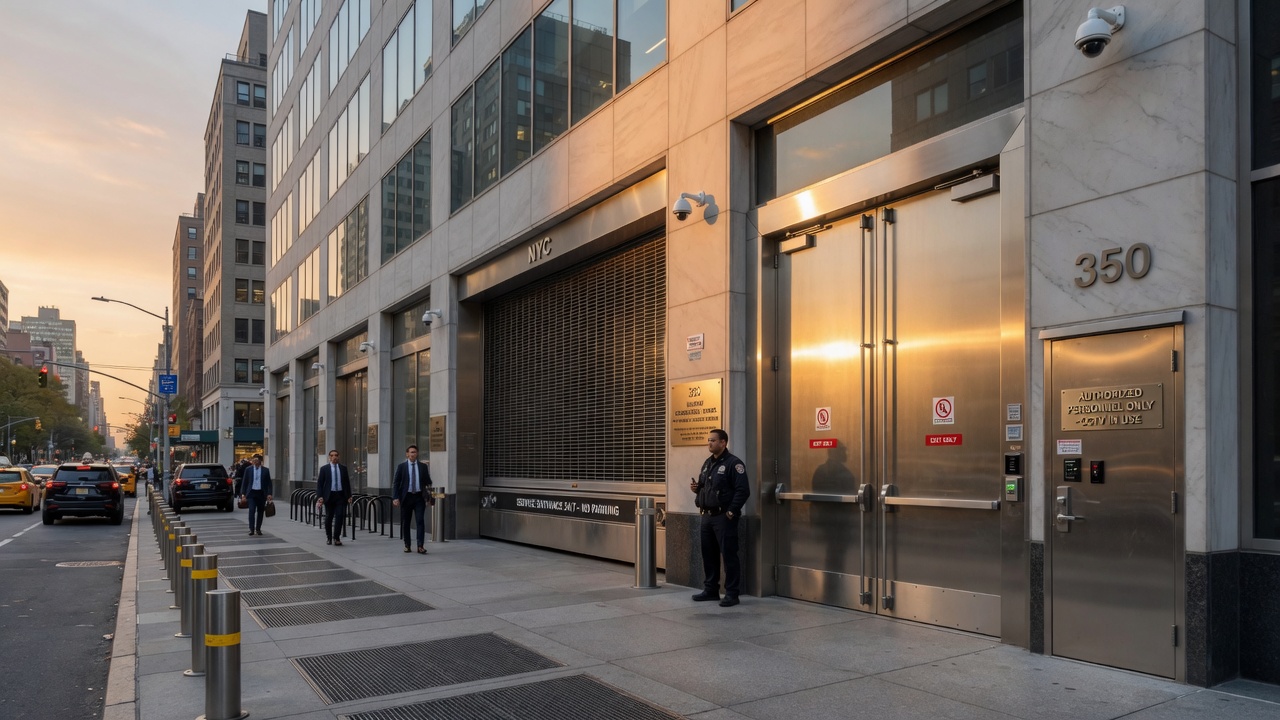
Building owners frequently encounter the same recurring issues that trigger violations during FDNY or DOB inspections. Understanding these common problems is the first step toward permanent resolution.
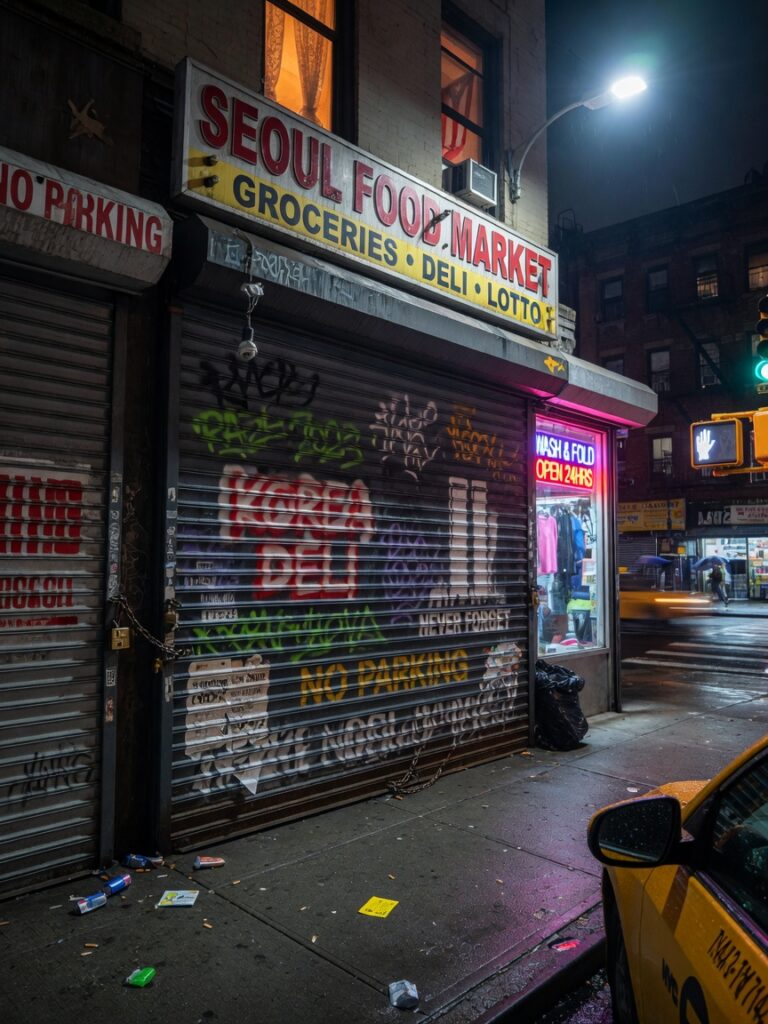
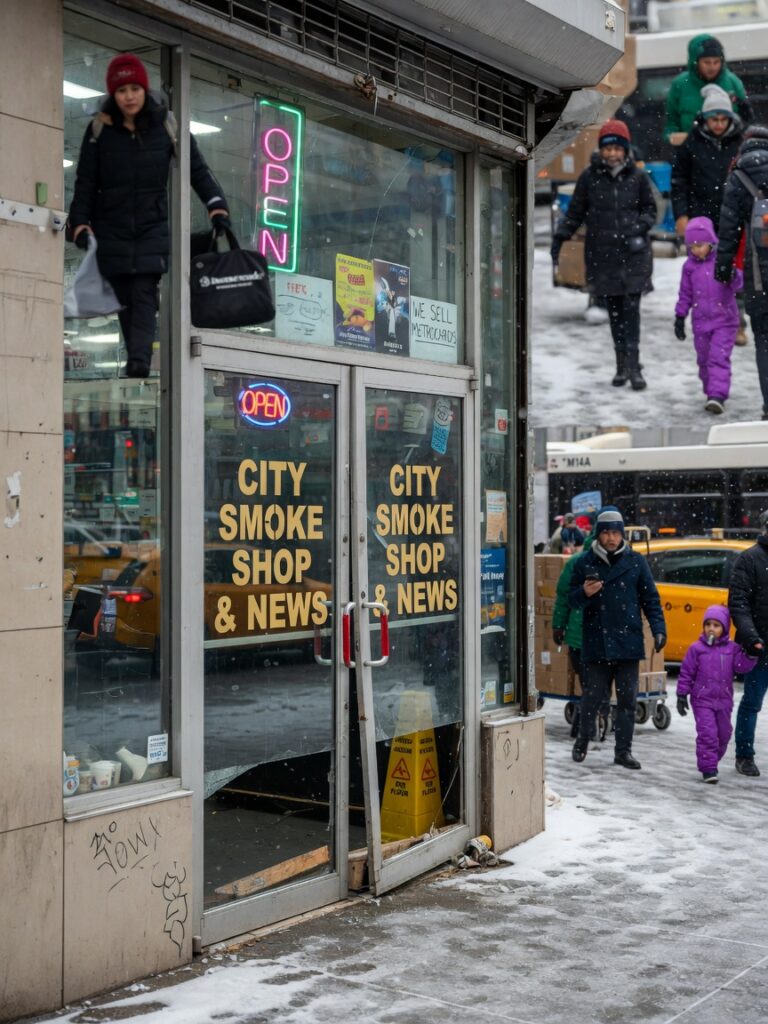
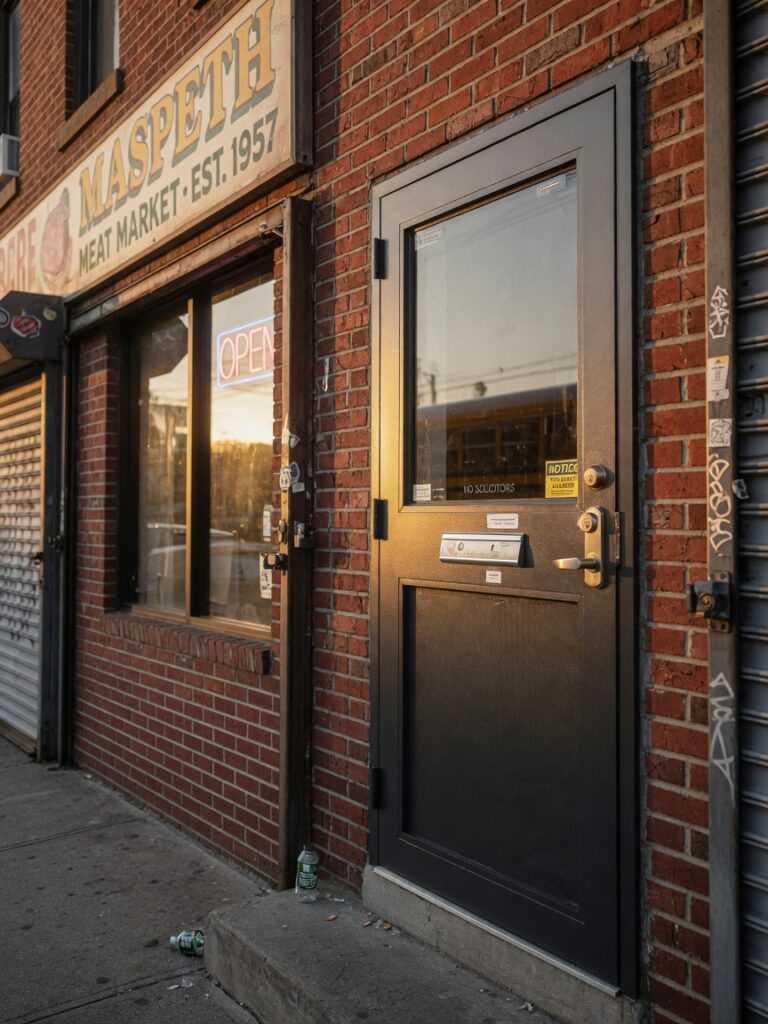
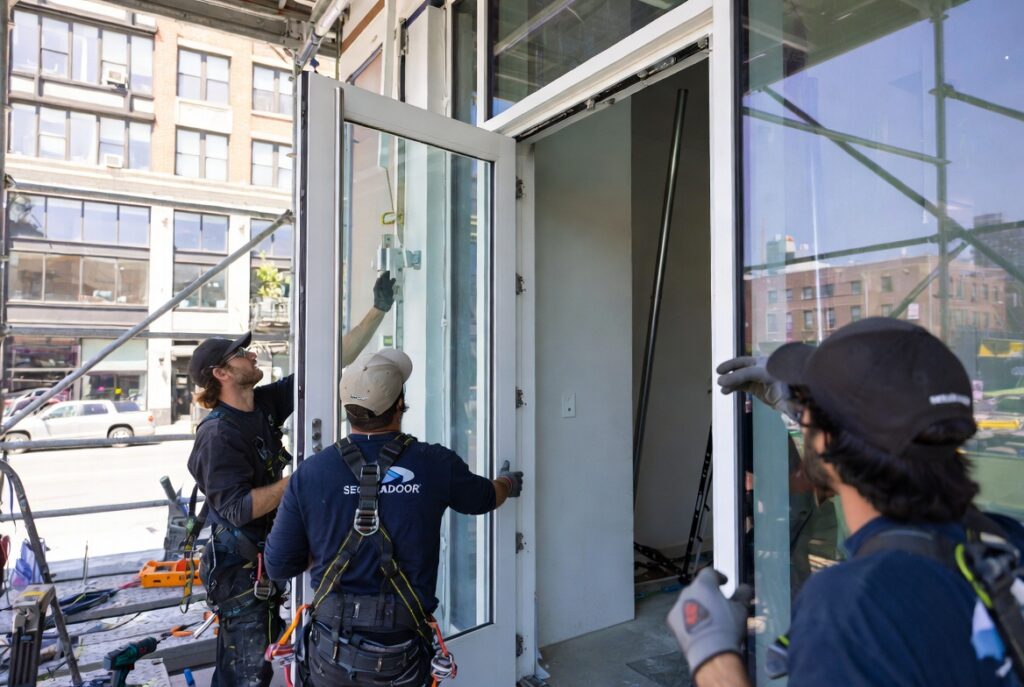
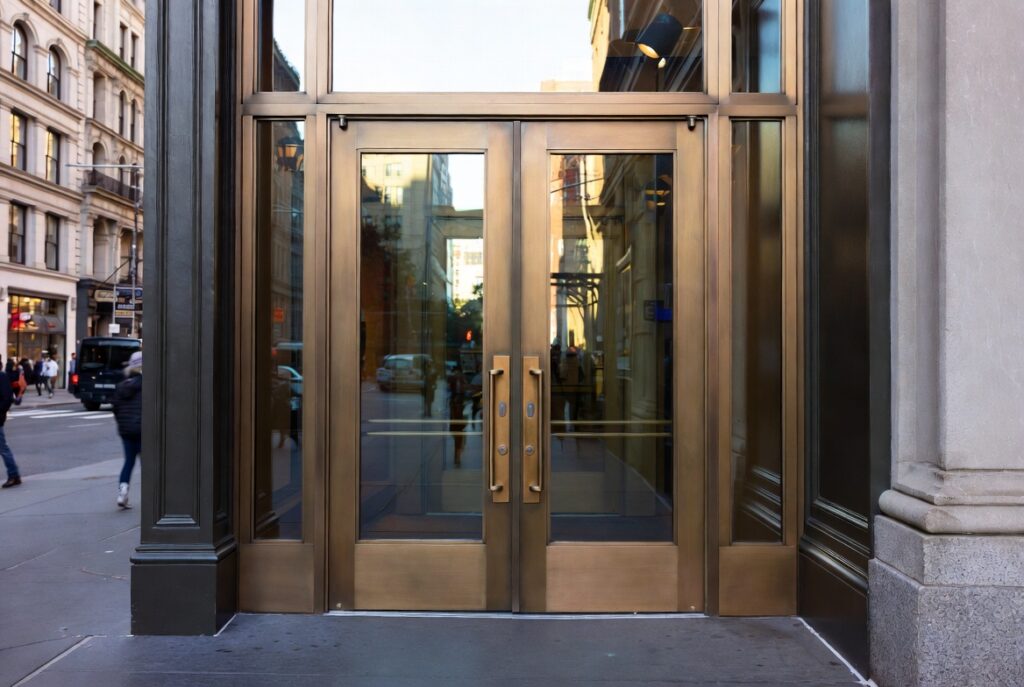
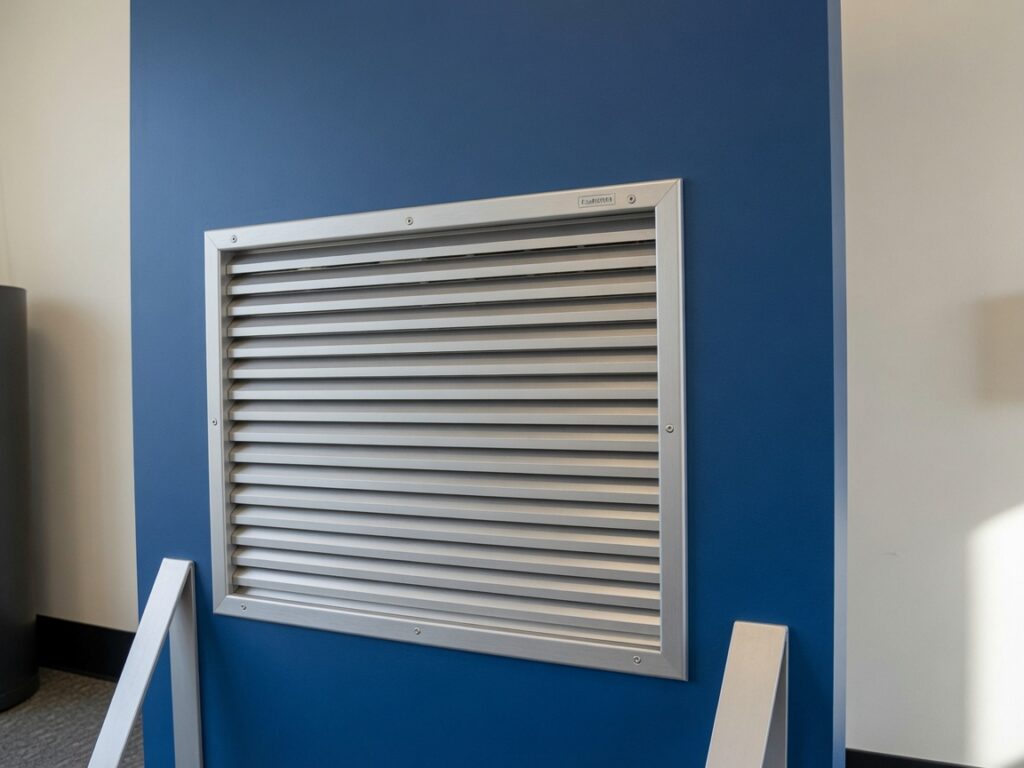
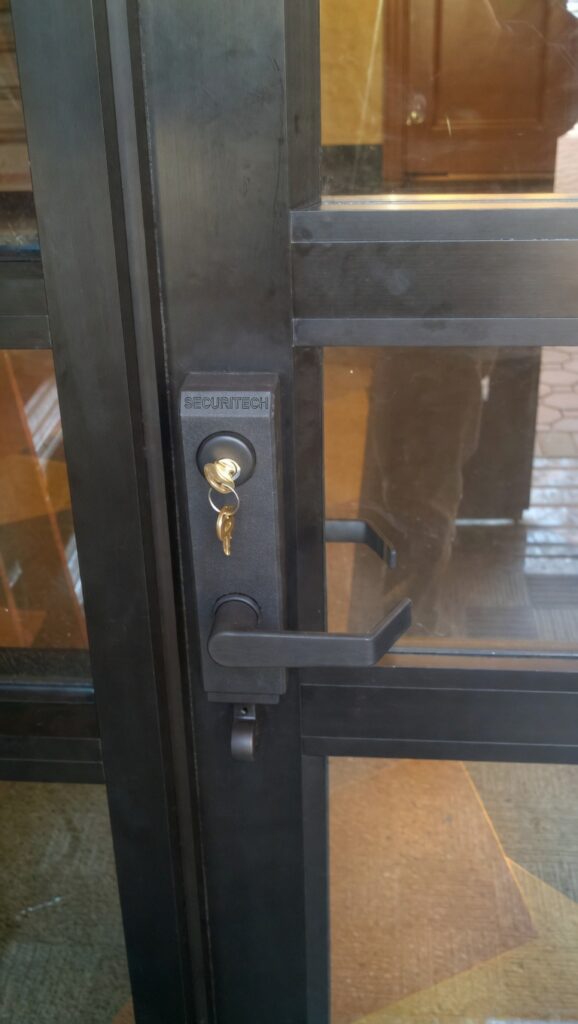
Image Grid 2

1. Non-Functional or Missing Self-Closing Devices
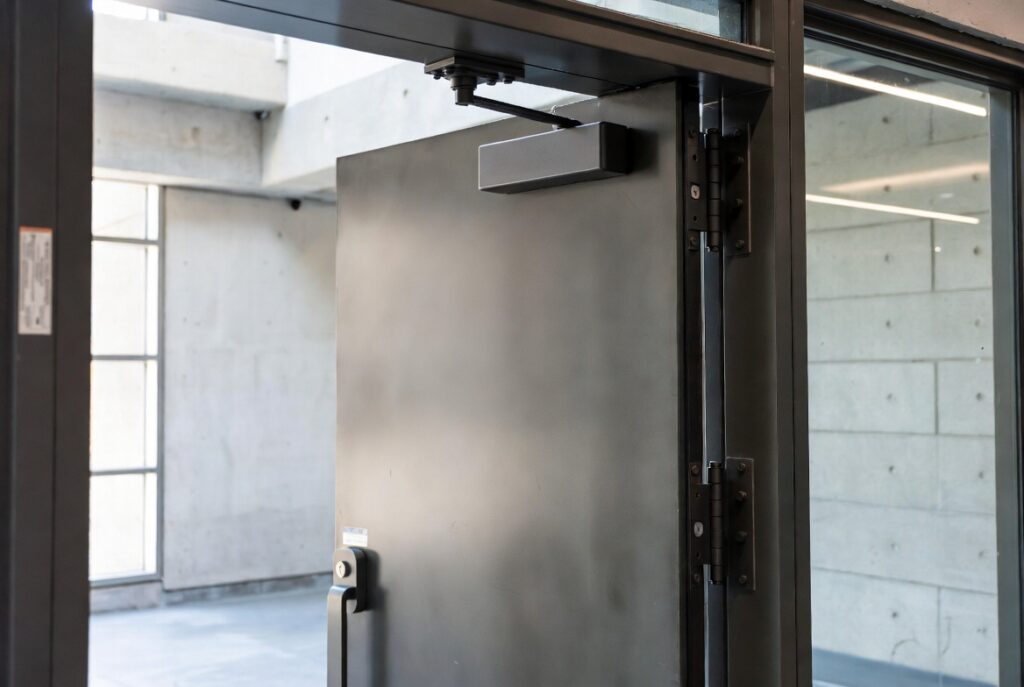
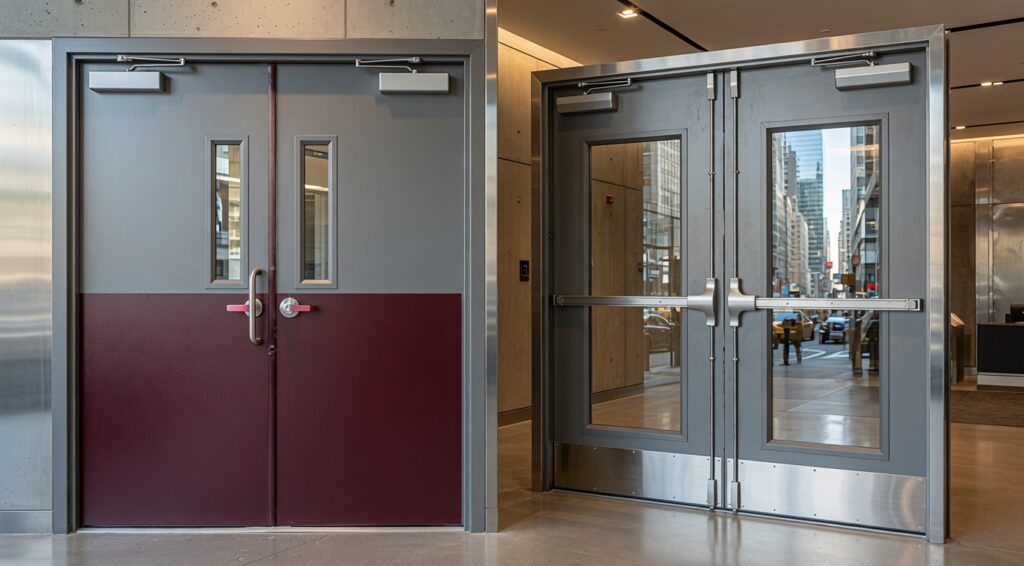
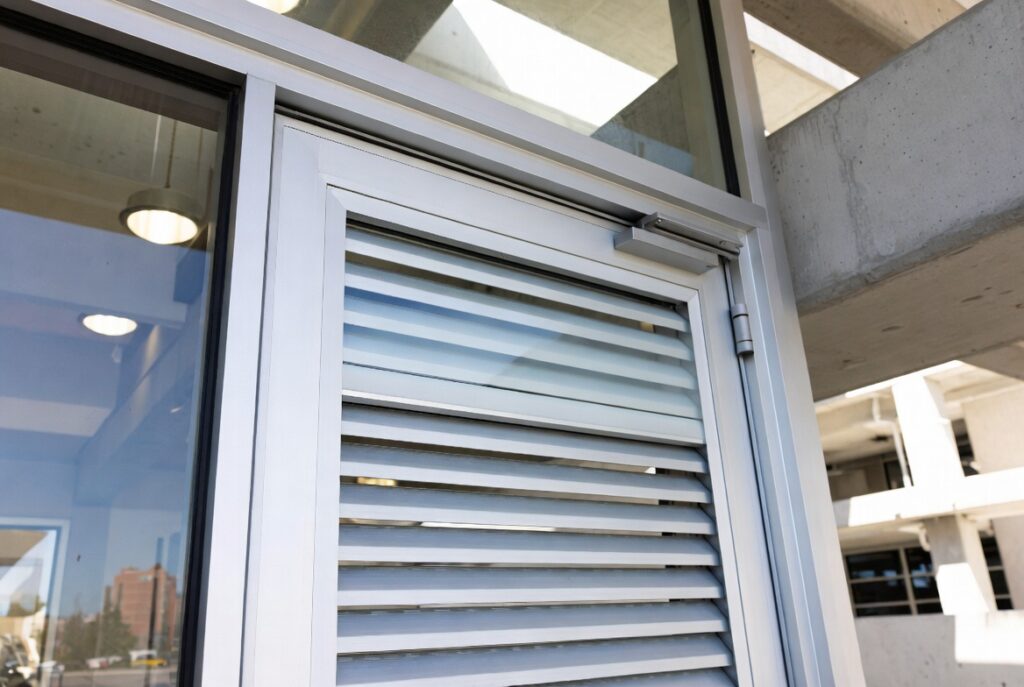
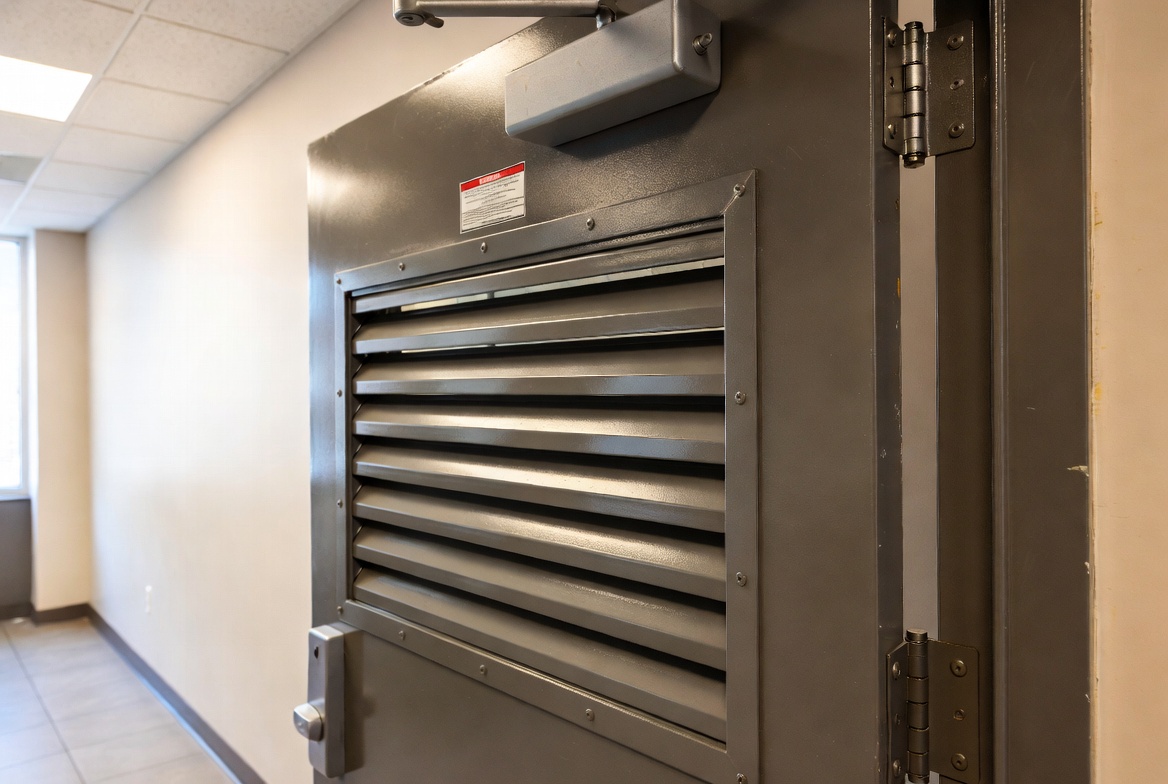
One of the top violations involves doors that fail to close and latch properly. Over time, hydraulic closers wear out, springs weaken, or doors sag on their hinges, preventing positive latching.
2. Damaged or Missing Fire-Rated Labels and Seals
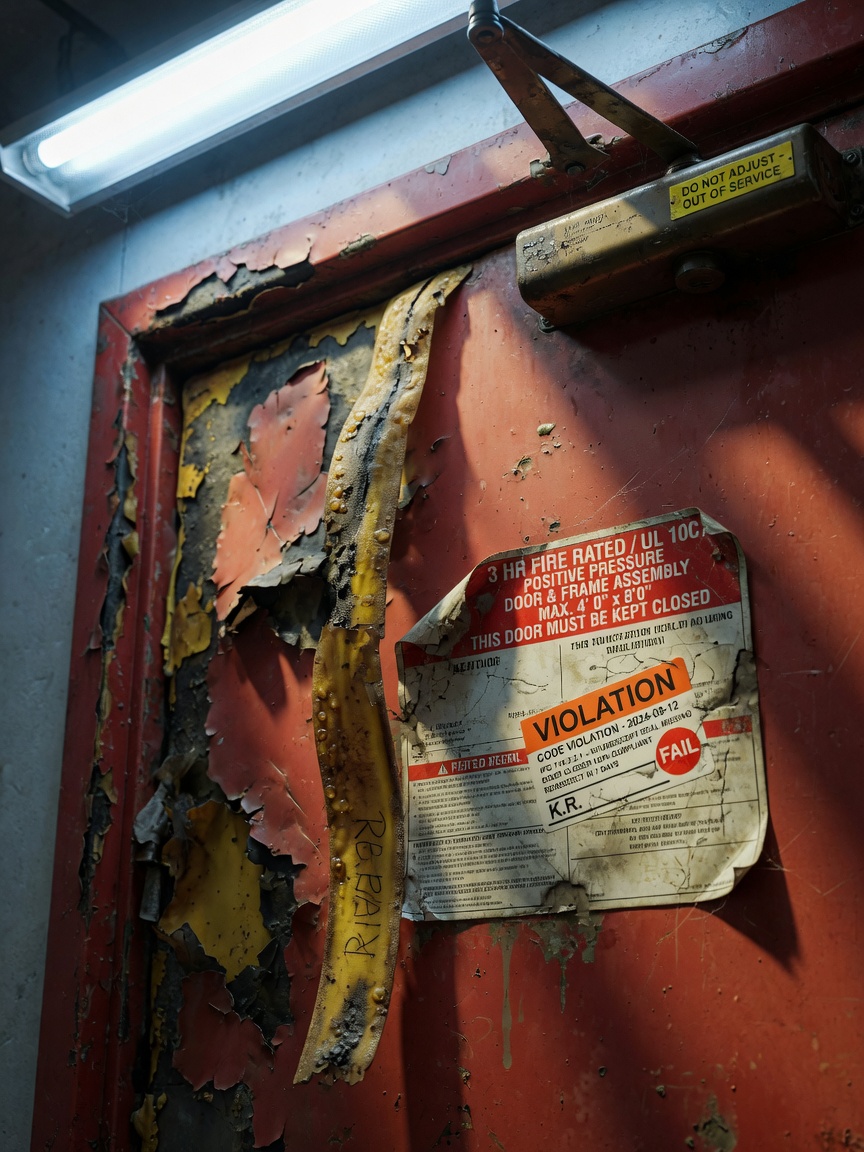
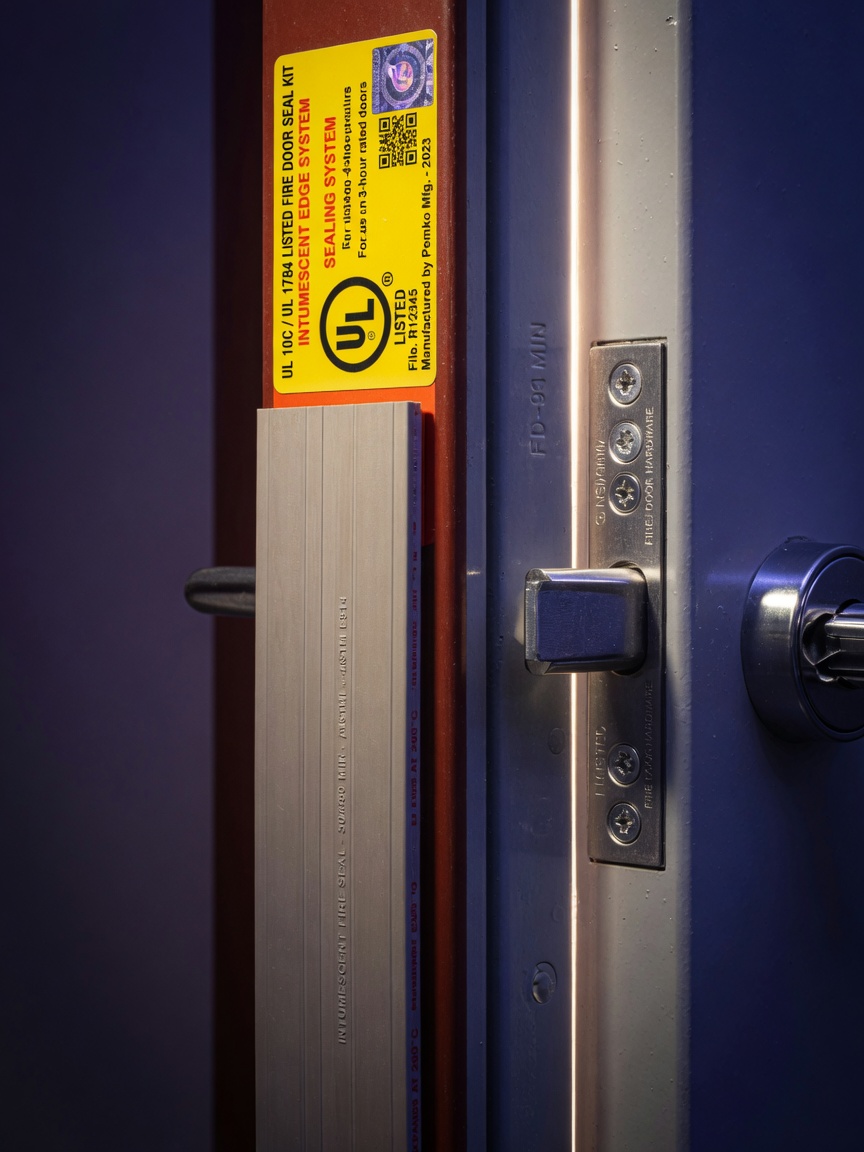
Intumescent seals must remain intact and visible. Many older buildings have painted-over or damaged labels, automatically triggering violations even if the door functions correctly.
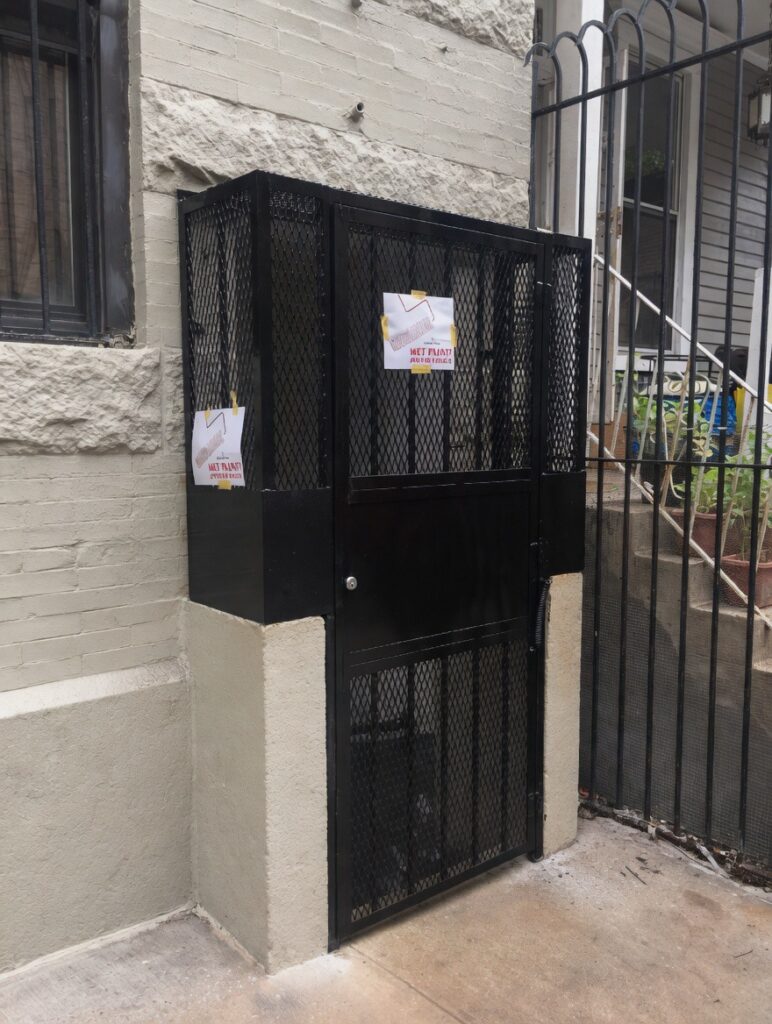
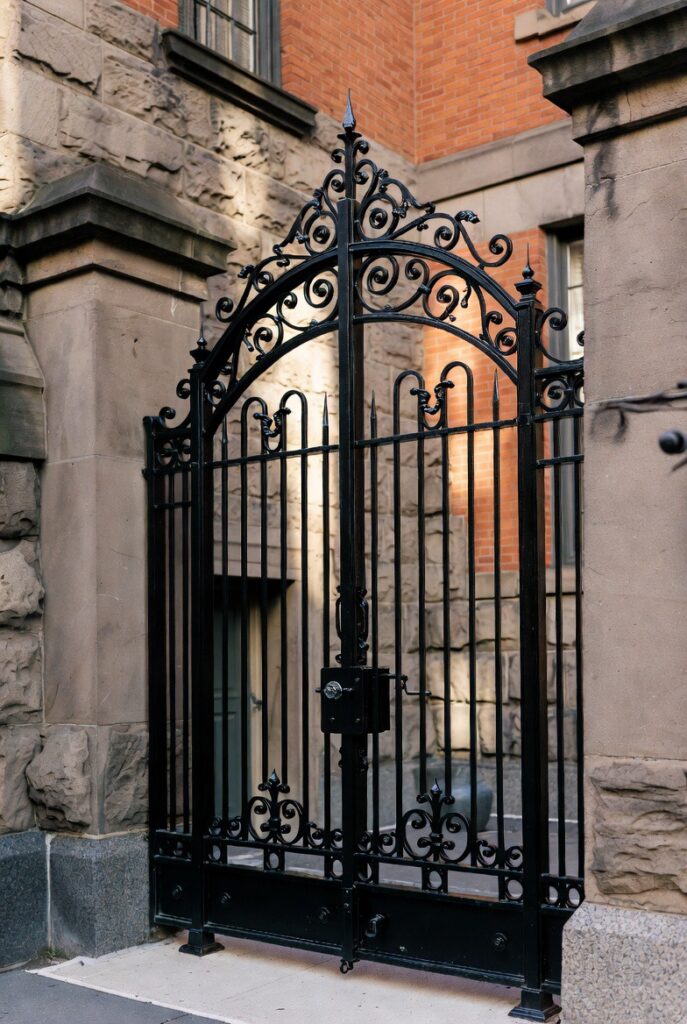
3. Improperly Installed or Modified Storefront Gates
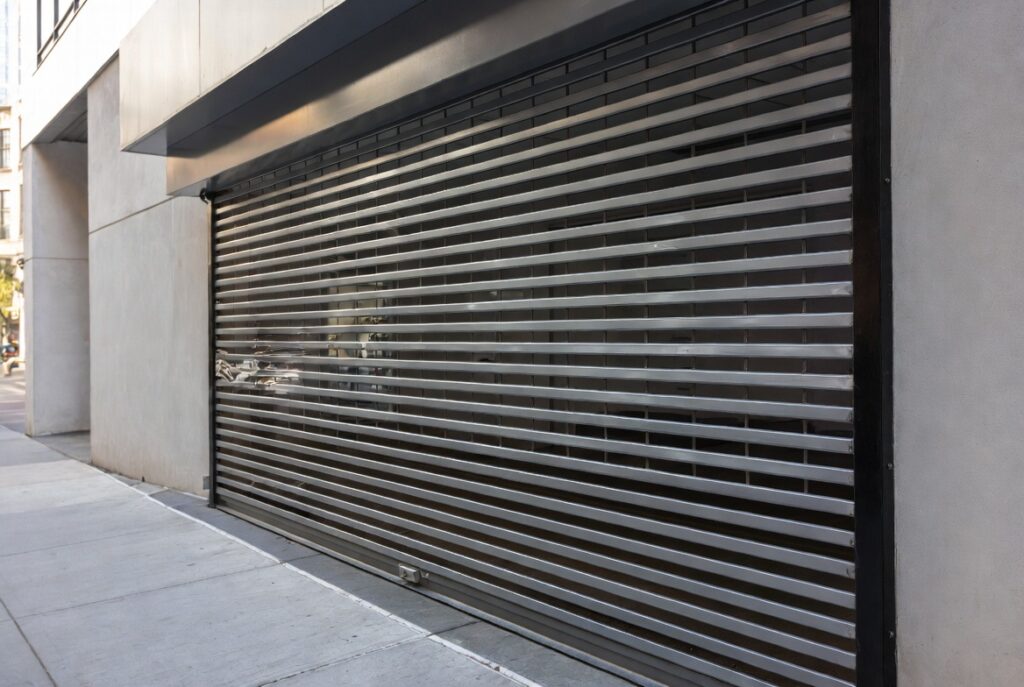
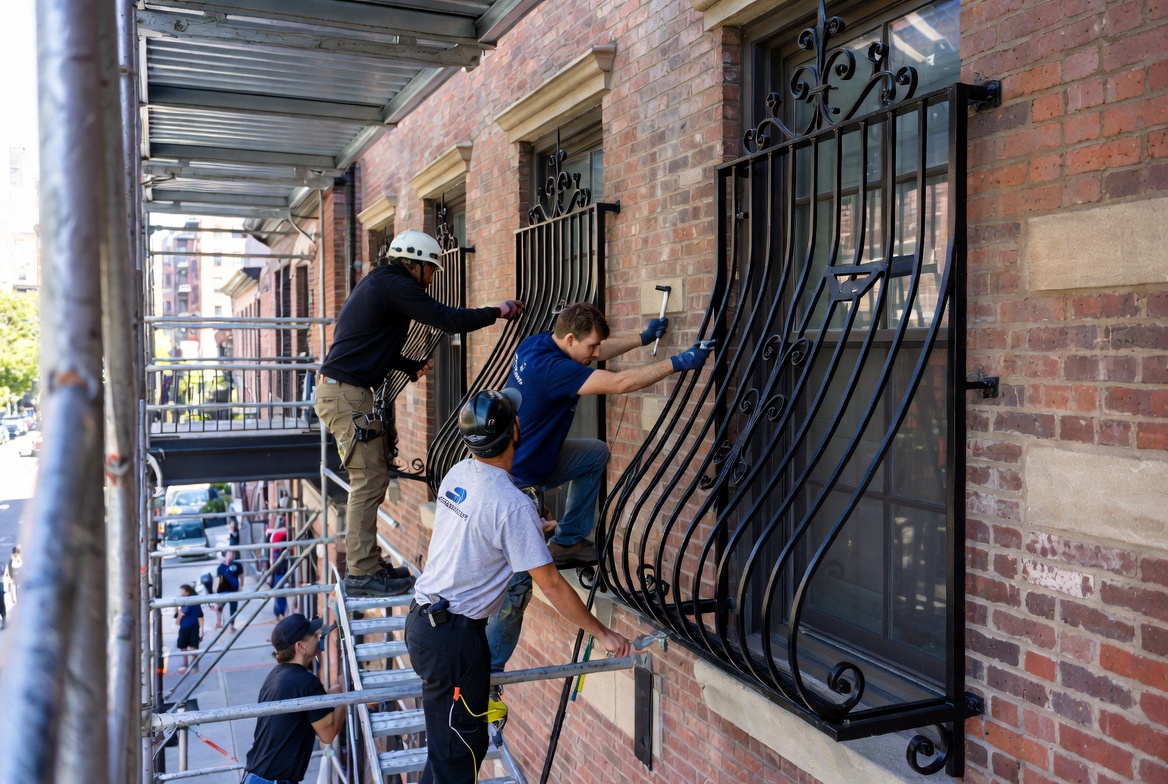
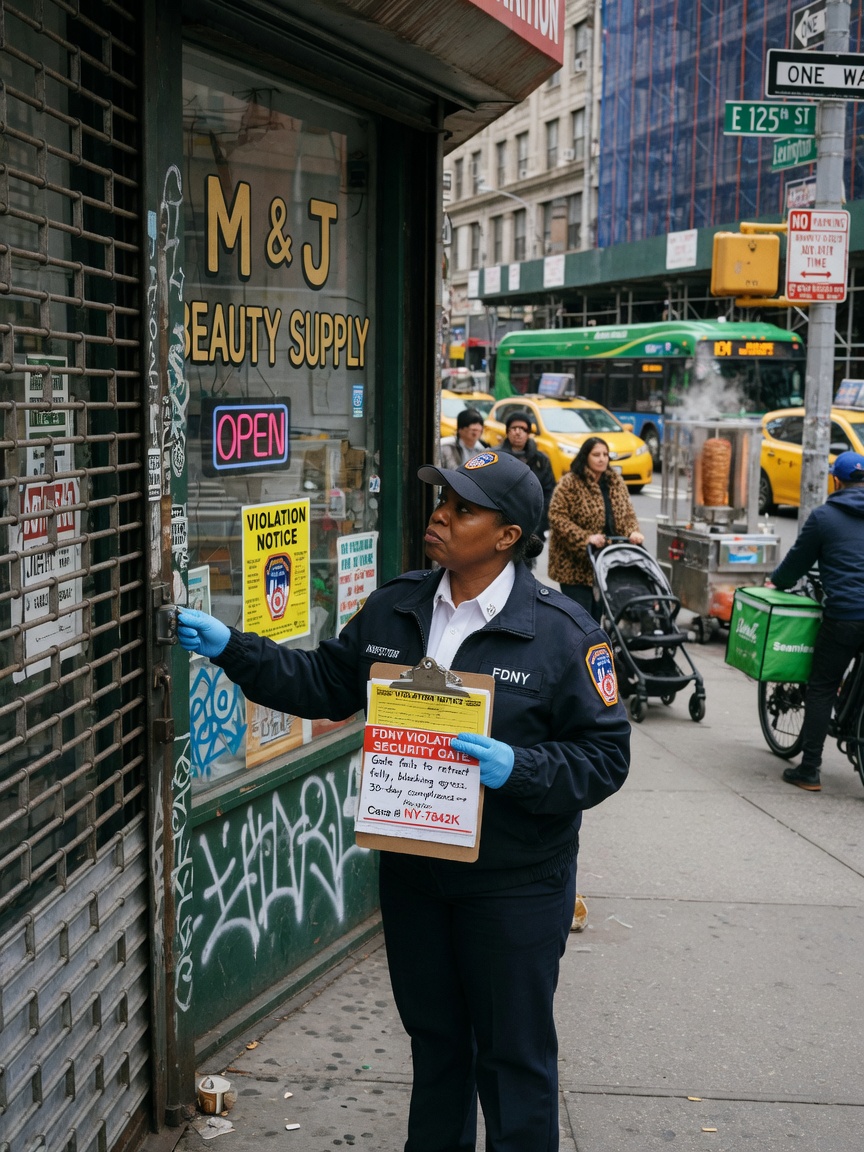
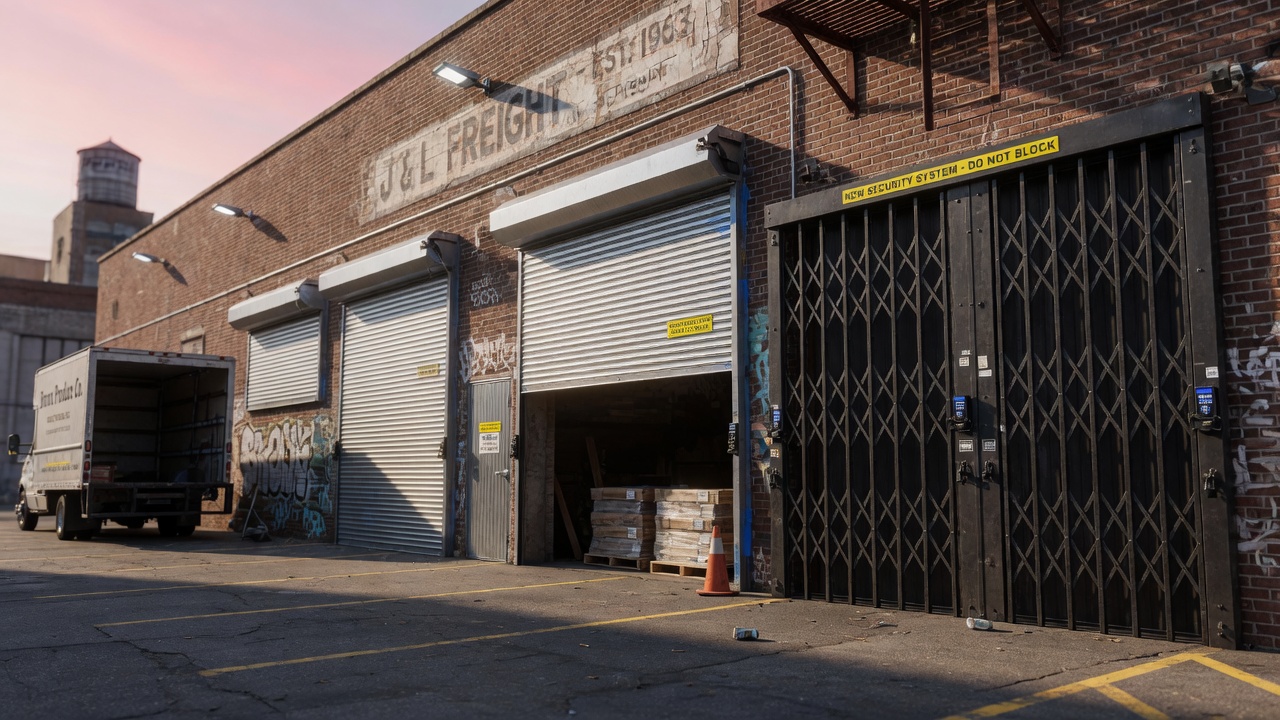
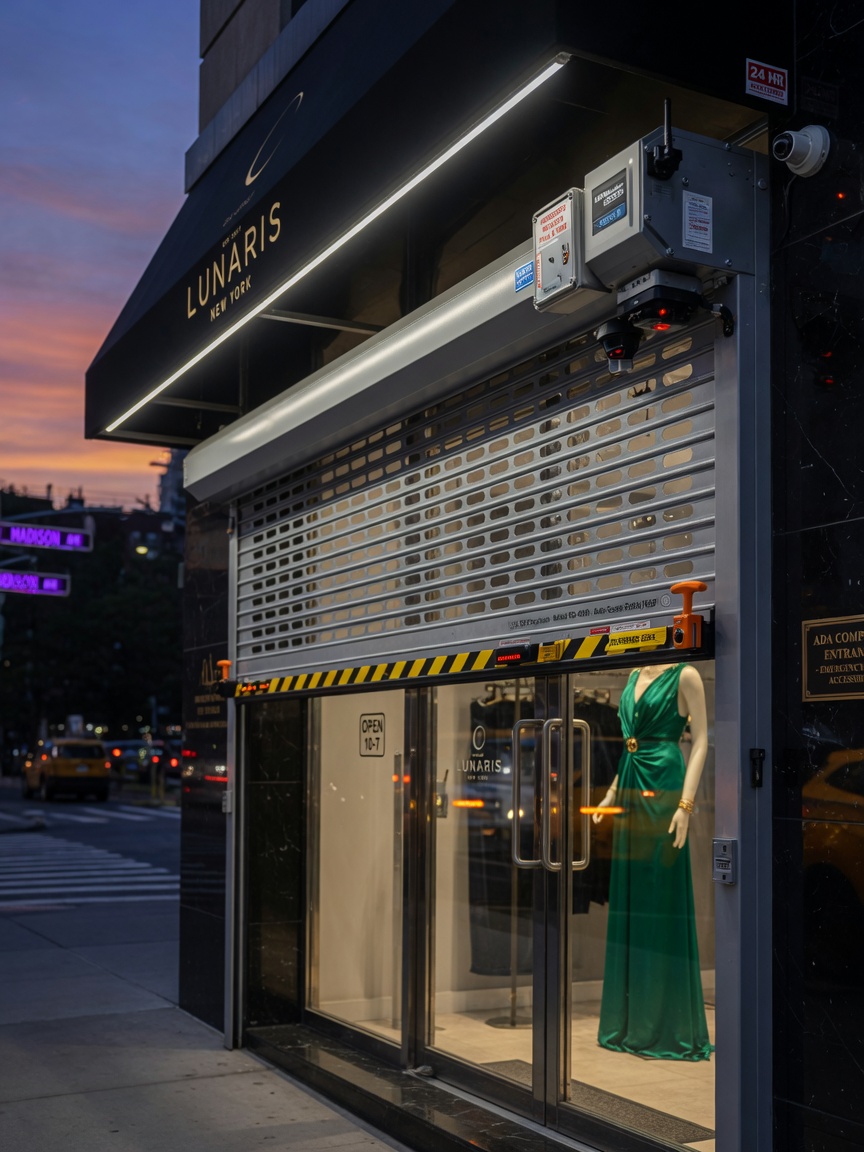
Security gates that obstruct required egress paths or lack proper FDNY-approved locking mechanisms frequently result in citations. Motorized gates often fail safety reversal testing.
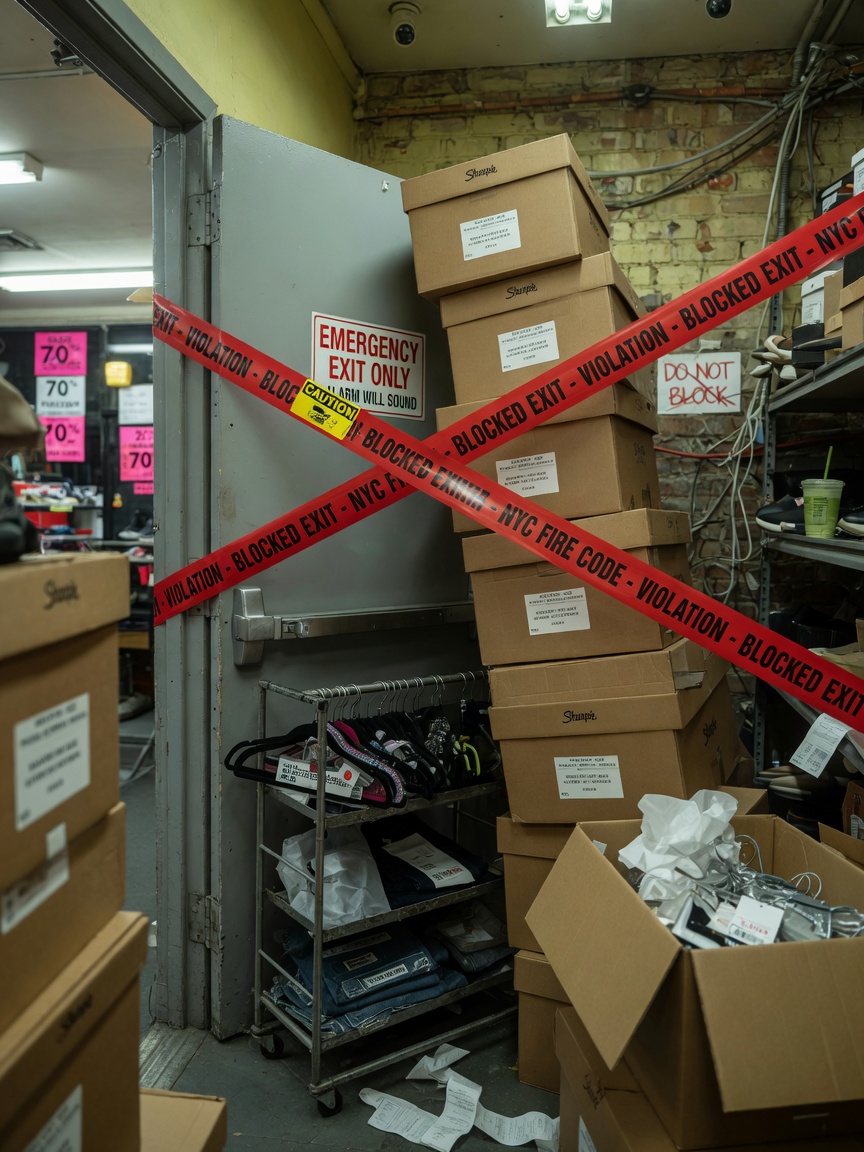
4. Blocked or Obstructed Exit Doors
Despite clear code language, many businesses use exit doors for storage or block them with merchandise, creating immediate safety and compliance hazards.
5. Incorrect Door Swing Direction or Inadequate Clear Width
Commercial doors must swing in the direction of egress and meet minimum clear width requirements. Many older installations fall short of current standards.
Real NYC Case Studies: Costly Violations and Successful Resolutions
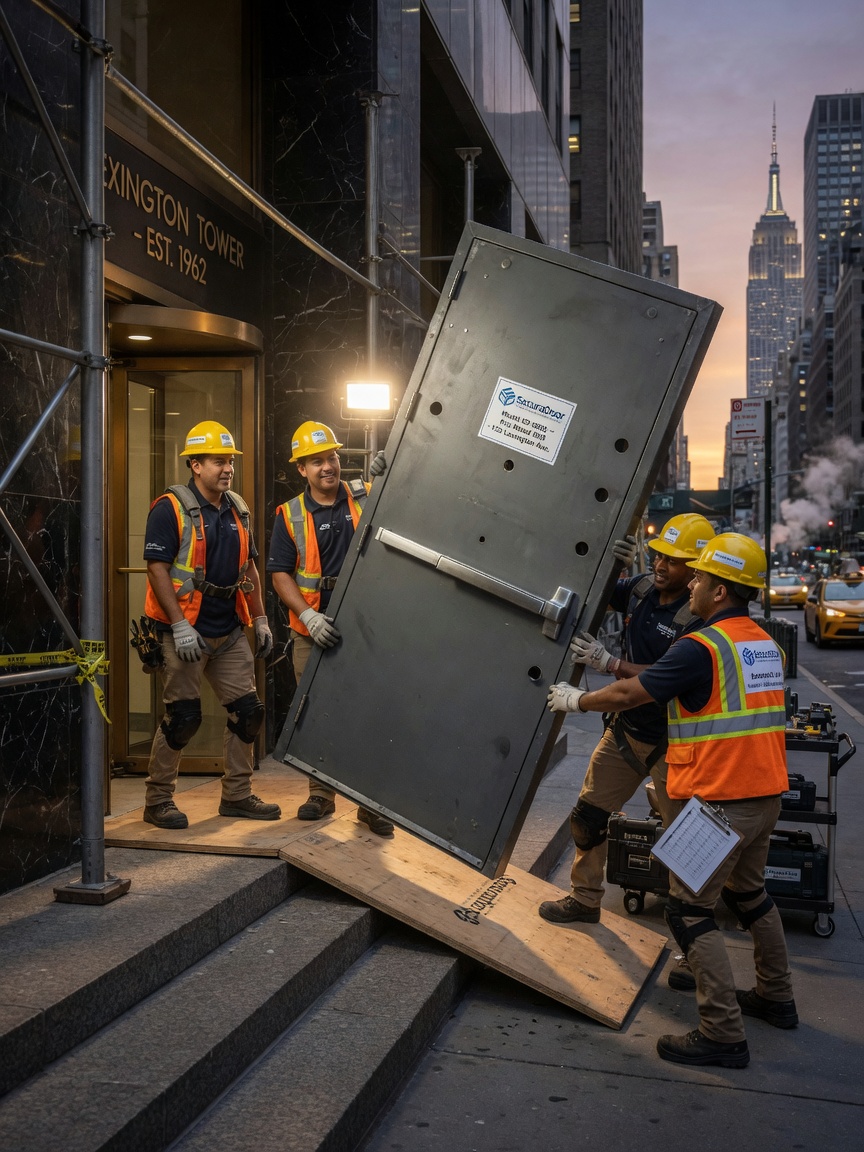
Case 1: Midtown Office Building – A Class A office tower received $18,400 in fines over three consecutive years for 14 fire doors with failed closers and missing seals. After SecuraDoor installed heavy gauge steel fire-rated doors with lifetime-guaranteed closers, violations dropped to zero and annual inspection costs decreased by 65%.
Case 2: Lower East Side Retail Complex – Storefront gates that failed to meet FDNY egress requirements resulted in $9,750 in penalties and a temporary vacate order. Replacement with code-compliant, collapsible heavy gauge steel gates resolved the issue within 11 days.
Case 3: Bronx Warehouse Facility – Repeated violations for modified fire doors led to $27,000 in accumulated fines. A complete door replacement program using SecuraDoor’s custom heavy gauge steel assemblies eliminated all violations and improved energy efficiency.
Fines vs. Fixes: The Financial Reality in NYC
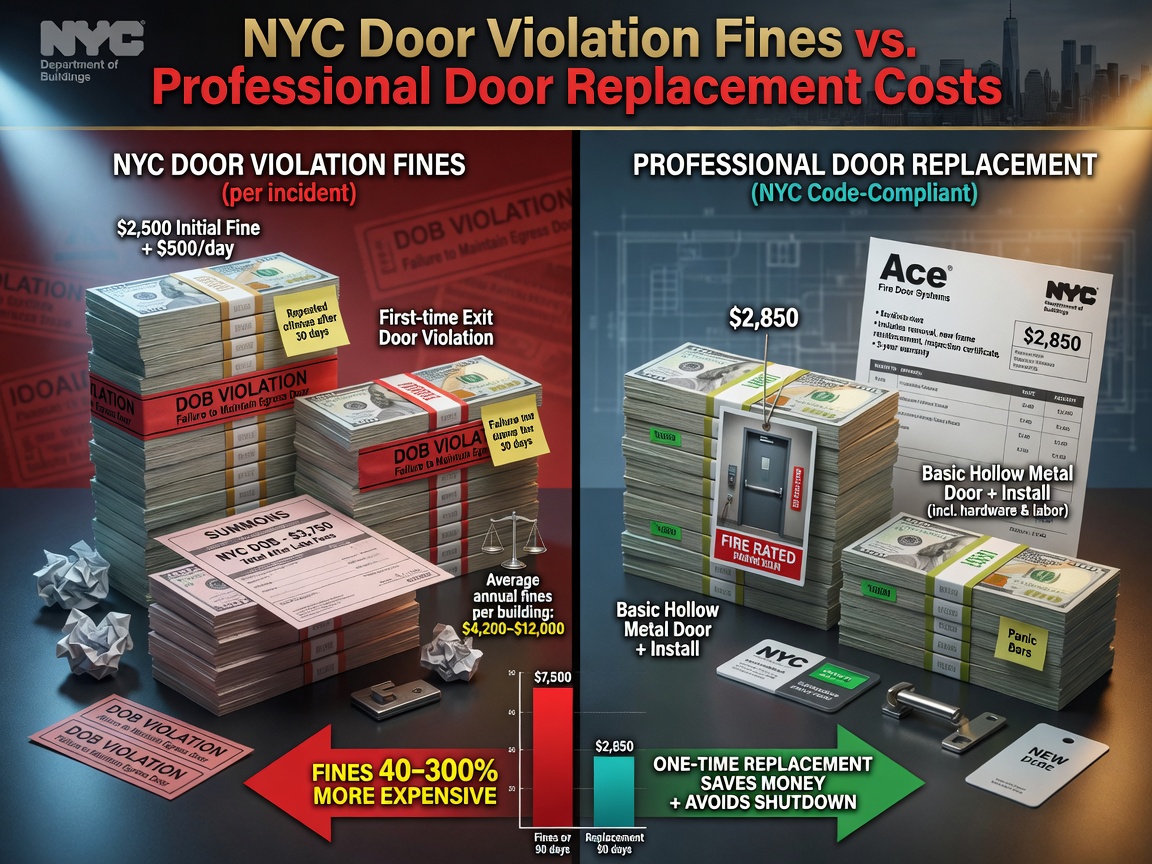
The cost of non-compliance far exceeds the investment in proper solutions. Current violation penalties typically range from $1,000 to $5,000 per door per inspection cycle, with repeat offenders facing escalating fines and potential criminal charges for willful neglect.
Consider these comparisons:
- Average fine per non-compliant fire door: $2,500
- Cost of professional repair and certification: $650–$1,200
- Cost of full heavy gauge steel door replacement with lifetime warranty: $2,800–$4,500
- Potential annual savings after compliance: $15,000–$45,000 for mid-size buildings
When factoring in legal fees, increased insurance premiums, and potential business interruption, the return on investment for proper fixes typically occurs within 14 months.
Choosing the Right Heavy Gauge Steel Doors for NYC Code Compliance
Not all commercial doors meet the rigorous demands of New York City’s environment. Heavy gauge steel doors (minimum 16-gauge) offer superior durability, fire resistance, and security compared to lighter alternatives.
Key Features to Look For:
- Minimum 16-gauge galvannealed steel construction
- UL or Intertek fire ratings (90-minute minimum for most commercial applications)
- Factory-applied intumescent seals
- Heavy-duty ball-bearing hinges rated for 250,000+ cycles
- Adjustable, high-efficiency door closers with delayed action options
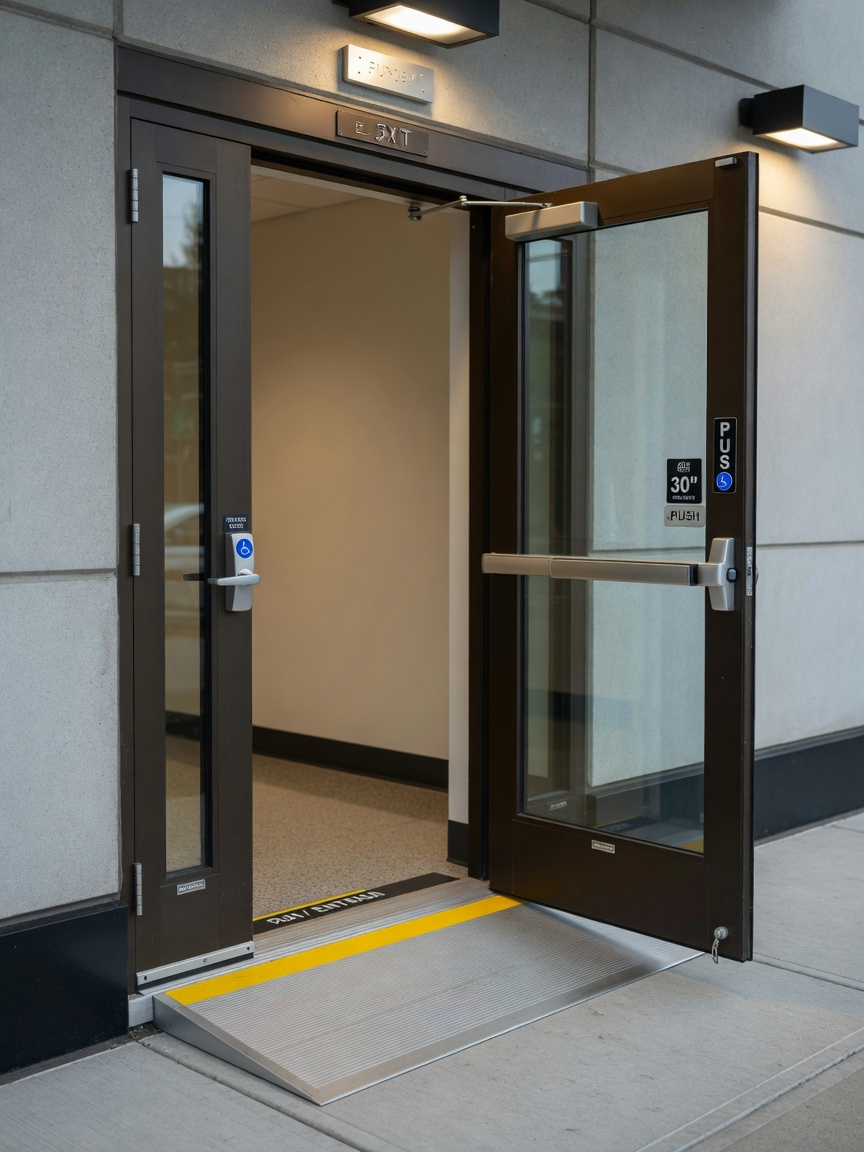
- ADA-compliant thresholds and panic hardware where required
SecuraDoor’s proprietary designs exceed minimum code requirements while addressing NYC’s unique challenges including high humidity, frequent use, and extreme weather exposure.
Proven Solutions and Installation Best Practices
Effective resolution requires more than simply replacing doors. A comprehensive approach includes:
- Professional code audit and violation mapping
- Custom engineering solutions for non-standard openings
- FDNY-approved installation by licensed technicians
- Post-installation certification and documentation package
- Ongoing maintenance programs to prevent future violations
Storefront Gate Compliance Solutions
For retail properties, compliant security solutions combine heavy gauge steel construction with side-folding or telescoping designs that maintain clear egress paths. Motorized systems must include UL325-compliant safety sensors and emergency manual release mechanisms.
Insider Tips from NYC’s Leading Door Compliance Experts
After over four decades serving New York City property managers, our team has gathered several key insights:
- Schedule proactive annual inspections rather than waiting for DOB or FDNY notices
- Document every repair and certification with timestamped photos
- Consider upgrading multiple doors simultaneously to reduce per-unit mobilization costs
- Choose galvanized or galvannealed steel over painted mild steel for corrosion resistance in coastal boroughs
- Partner with installers who maintain direct relationships with FDNY inspectors
The Long-Term Benefits of Code Compliance
Beyond avoiding fines, compliant commercial door systems deliver improved building security, better energy efficiency, enhanced property values, and most importantly, increased occupant safety. Buildings with consistent compliance records also experience faster insurance approvals and lower premiums.
Conclusion: Partner with NYC Door Code Compliance Specialists
NYC commercial door code violations represent both a significant risk and an opportunity for building owners. By addressing these issues with professional-grade heavy gauge steel doors and expert installation, property managers can eliminate recurring fines, enhance safety, and protect their investment.
With more than 40 years of specialized experience, SecuraDoor remains New York City’s trusted partner for resolving complex door and gate compliance challenges. Our team provides comprehensive audits, code-compliant solutions, and ongoing support that ensures your property remains violation-free year after year.
Contact our compliance specialists today to schedule a no-obligation building assessment and discover how proper door solutions can save your property thousands while significantly improving safety and security.