Smart Commercial Doors NYC: Integration Guide 2026
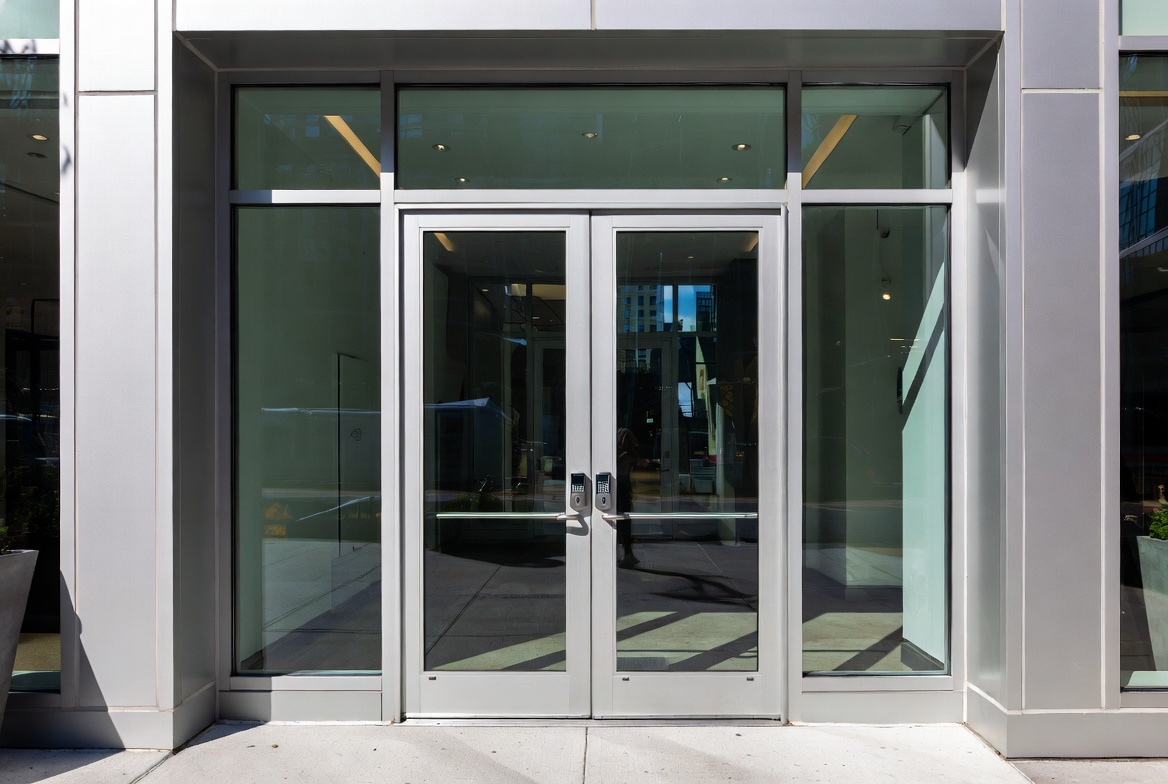
New York City’s commercial building stock is undergoing a rapid digital transformation. As building management systems evolve toward fully connected IoT ecosystems, traditional heavy-gauge steel doors must now interface with smart hardware, cloud platforms, and automated access control. This comprehensive technical guide examines how to integrate smart commercial doors in NYC while maintaining full compliance with fire safety codes, accessibility standards, and local building regulations.
Whether you manage Class A office towers in Midtown, mixed-use developments in Hudson Yards, or high-security facilities in Lower Manhattan, this article delivers pragmatic, actionable intelligence for 2026 deployments.
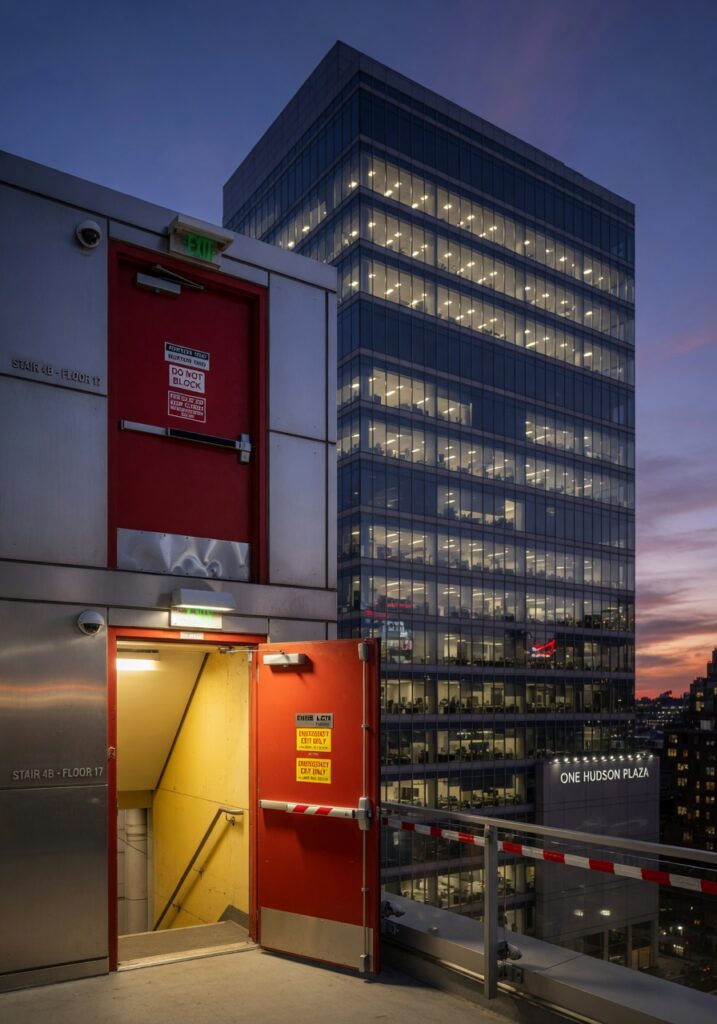
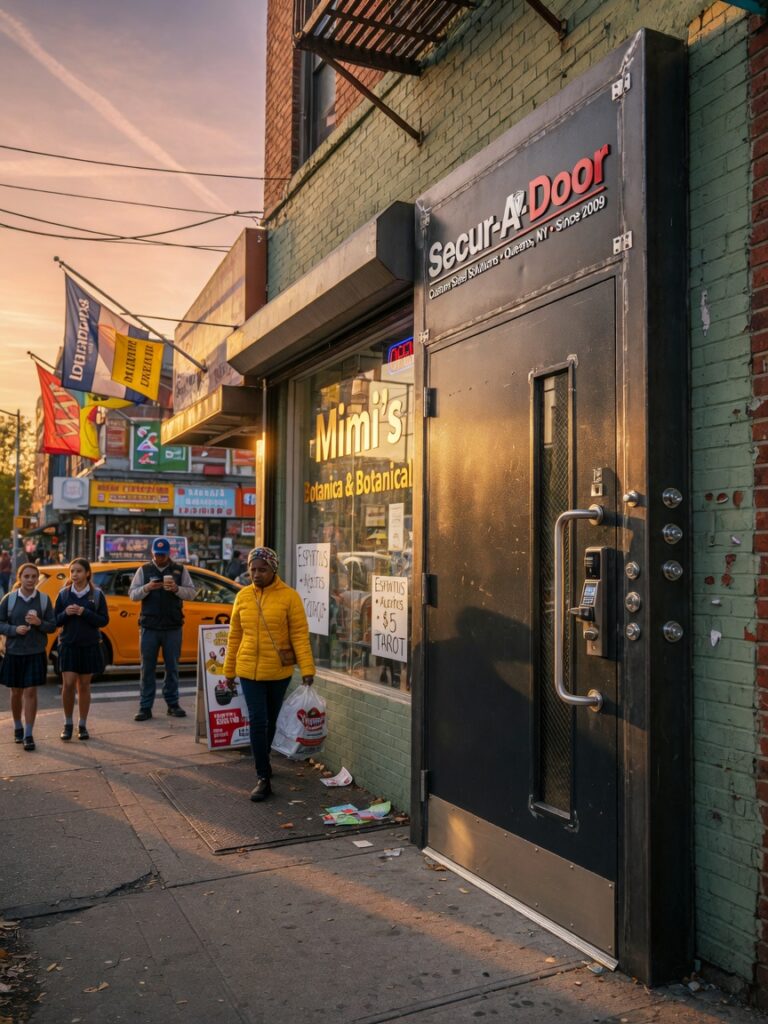
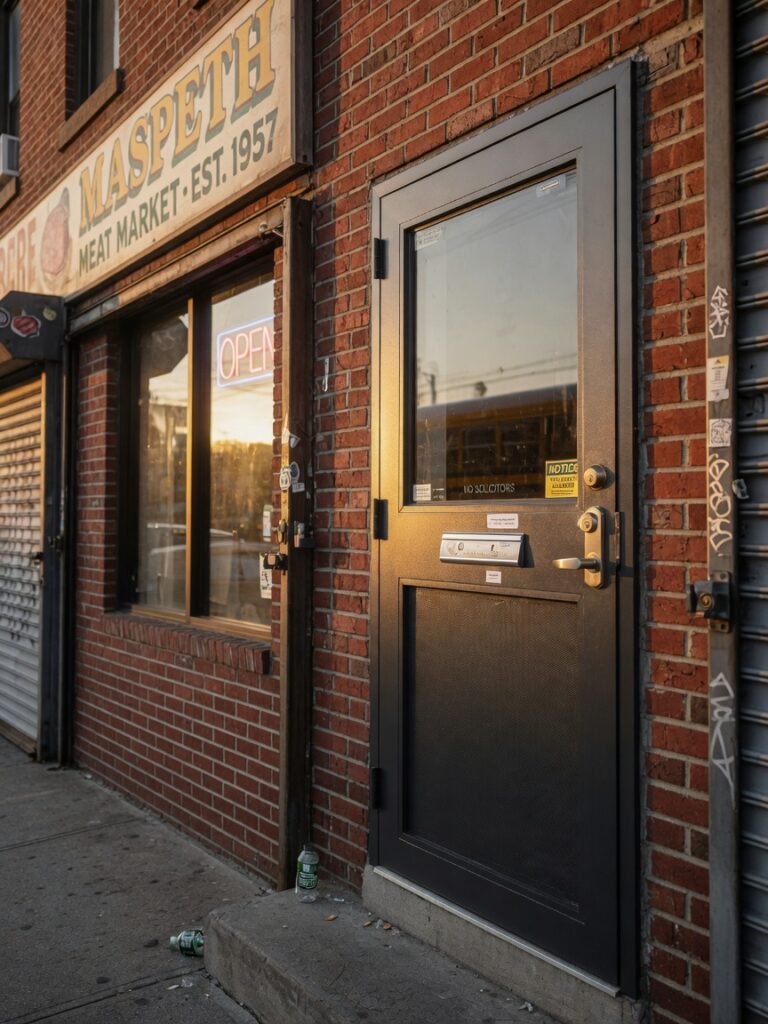
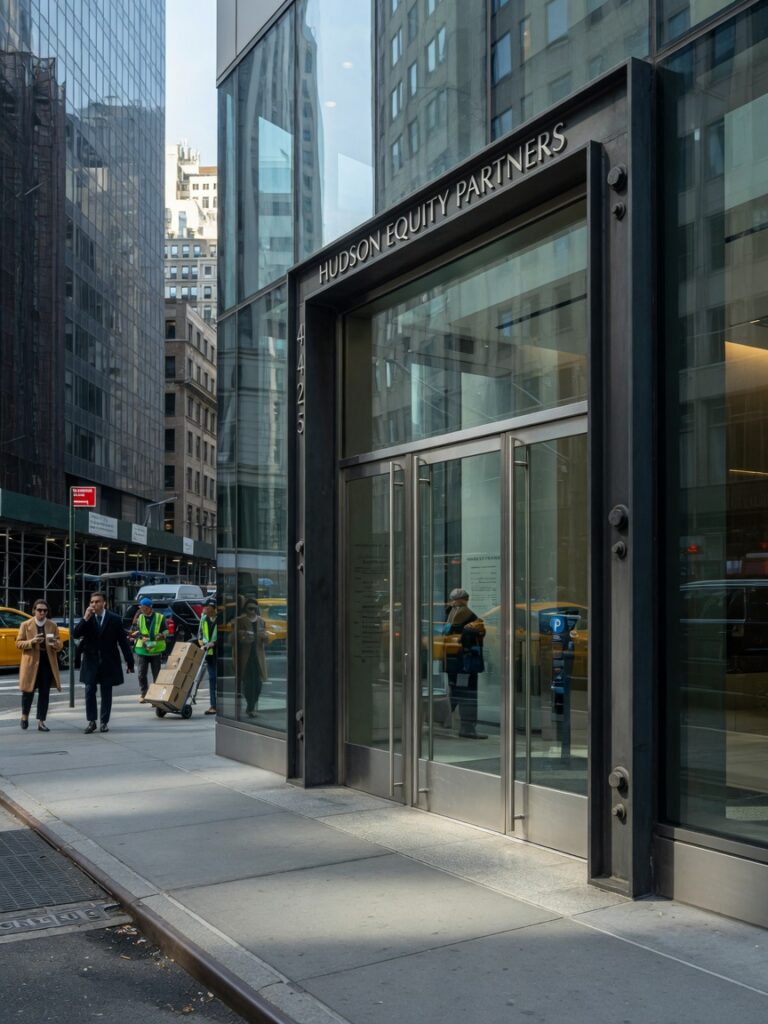
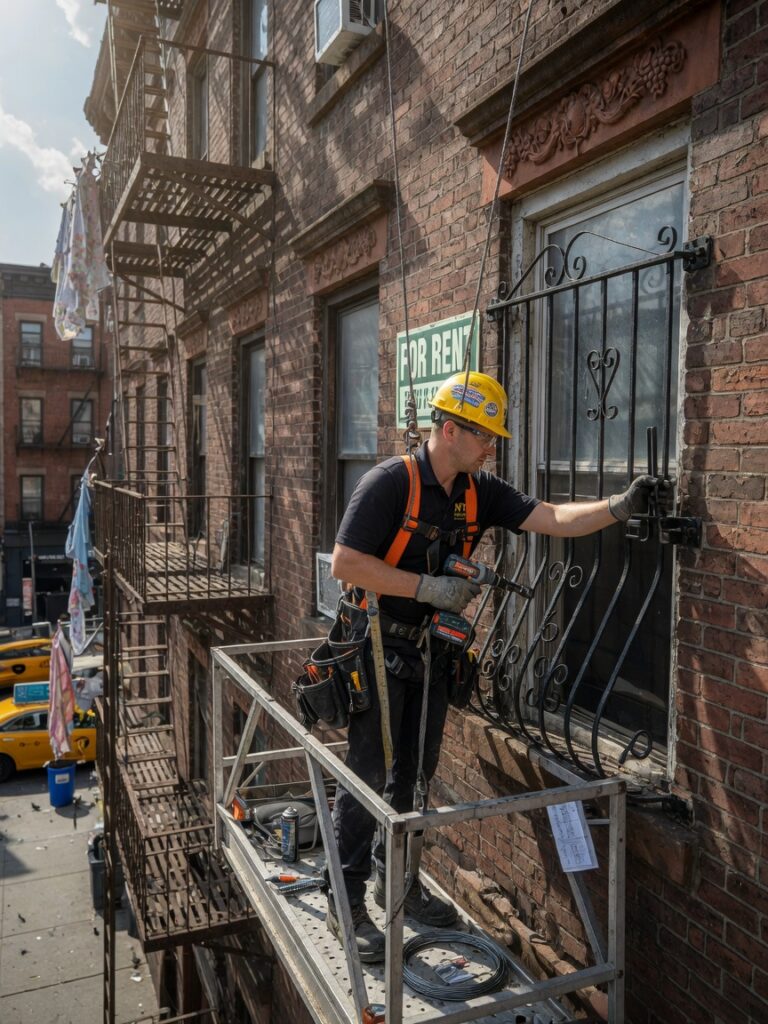
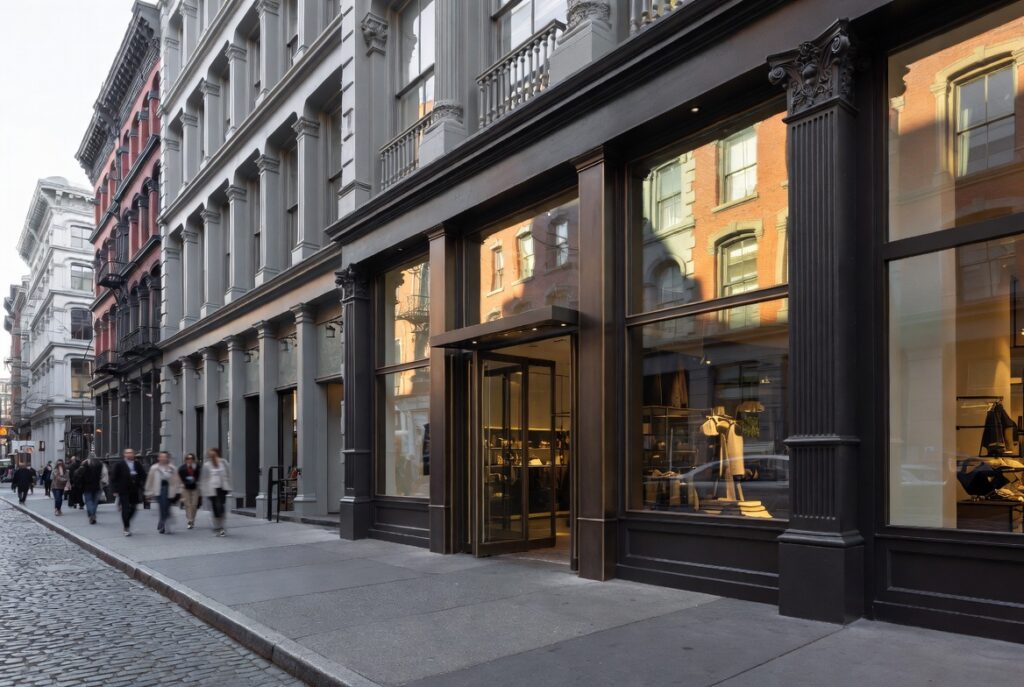
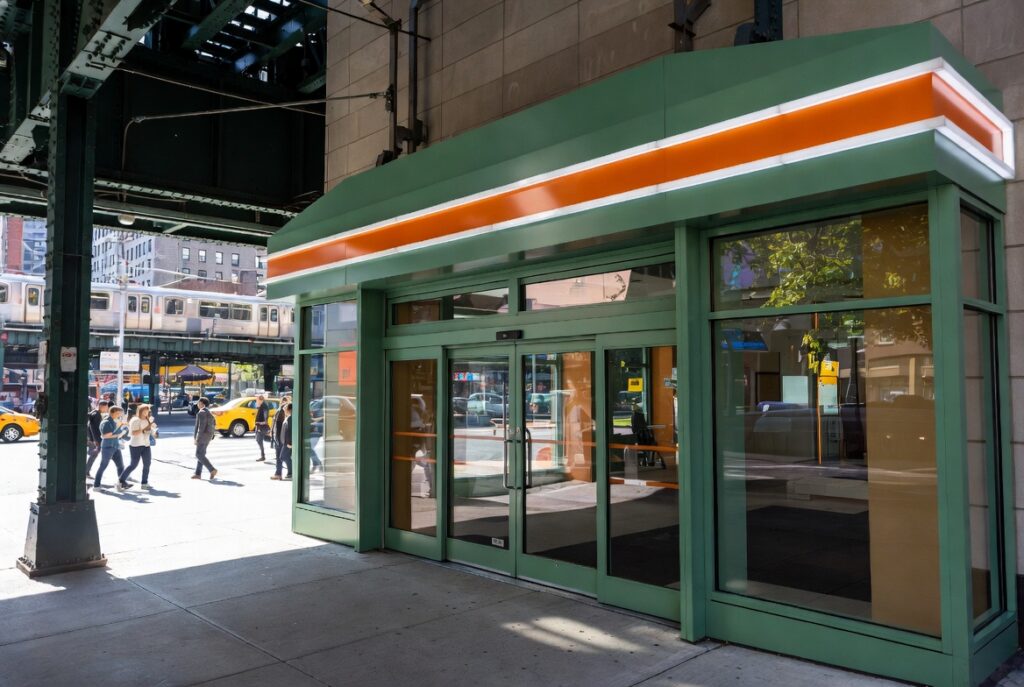
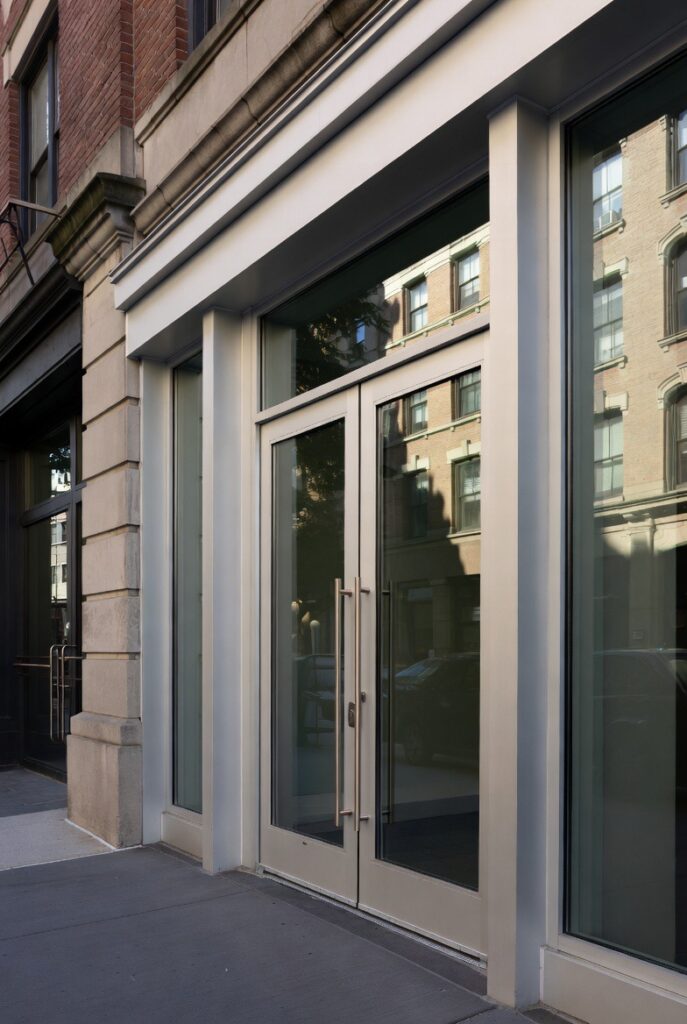
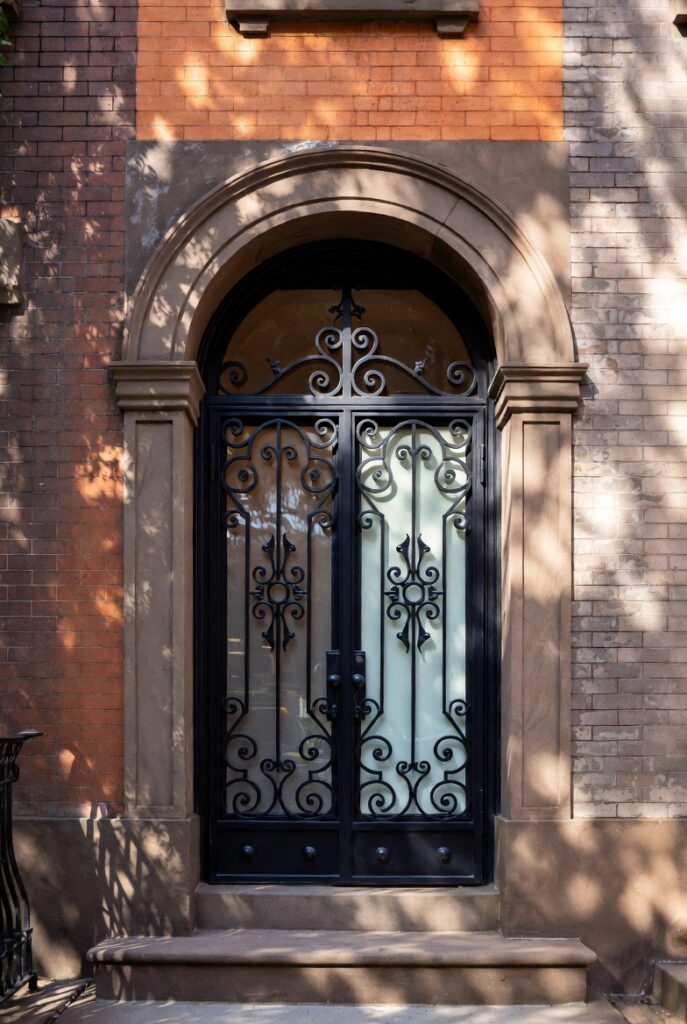
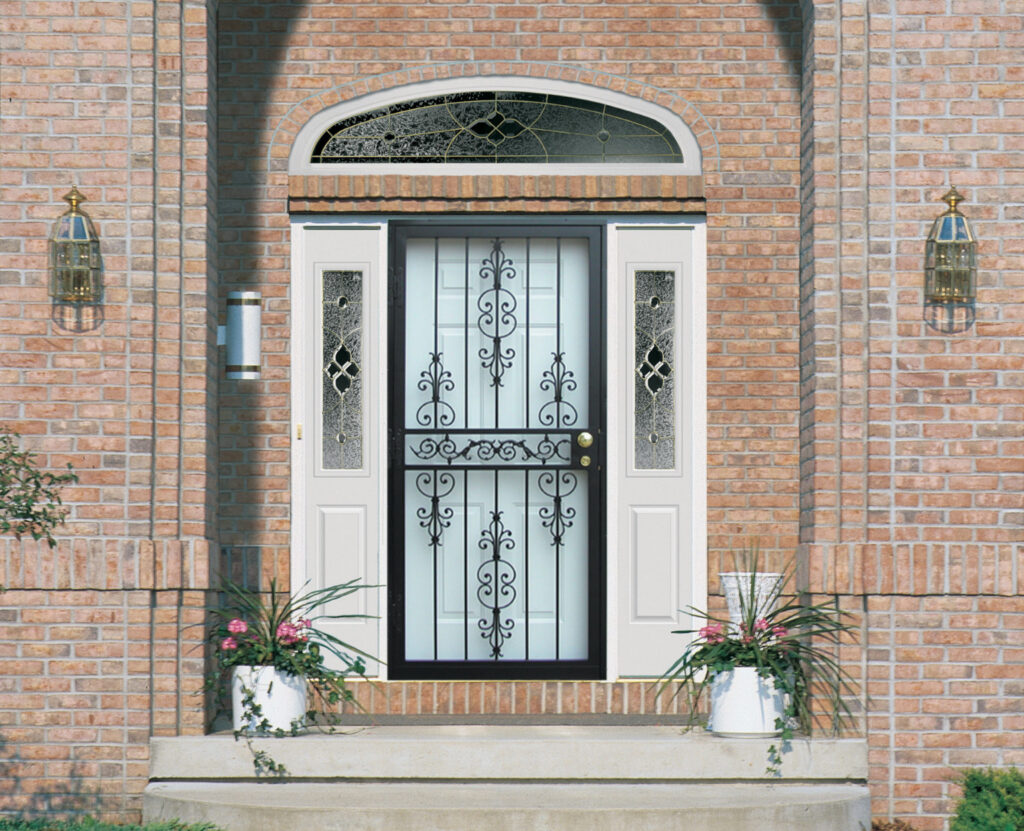
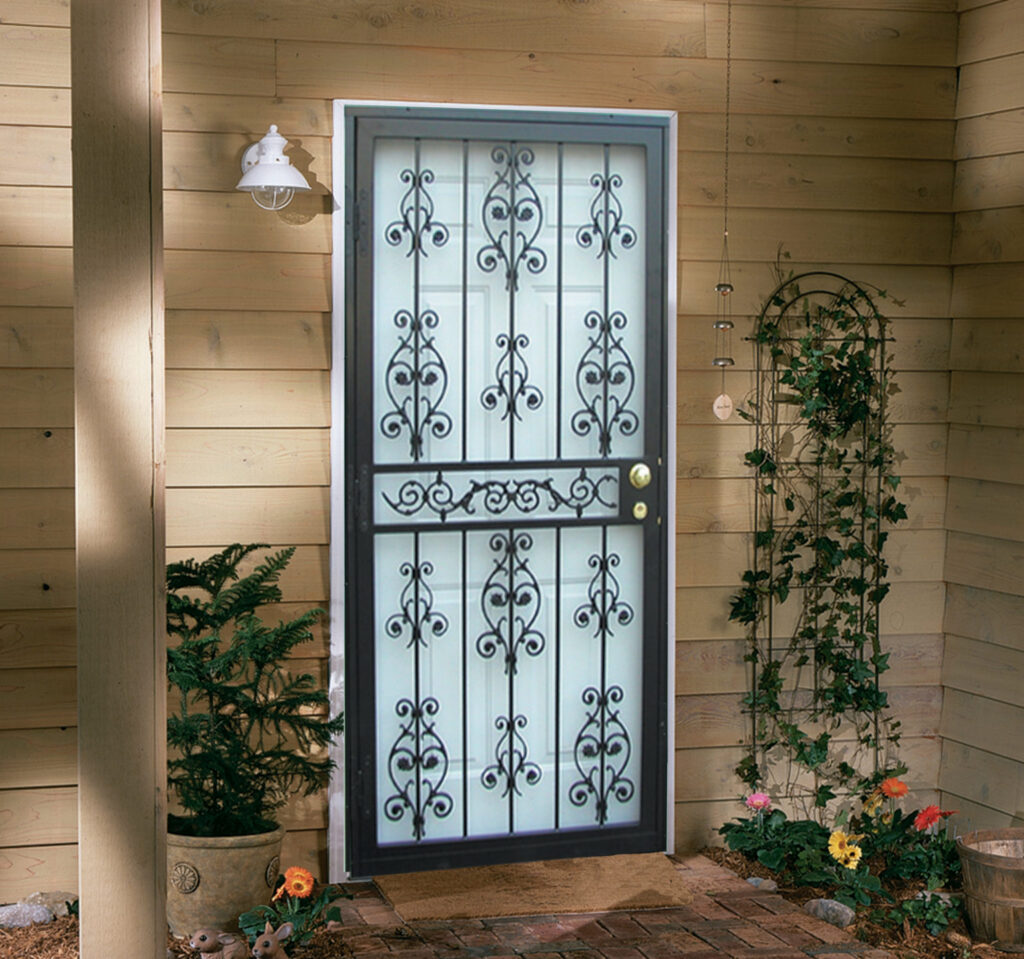
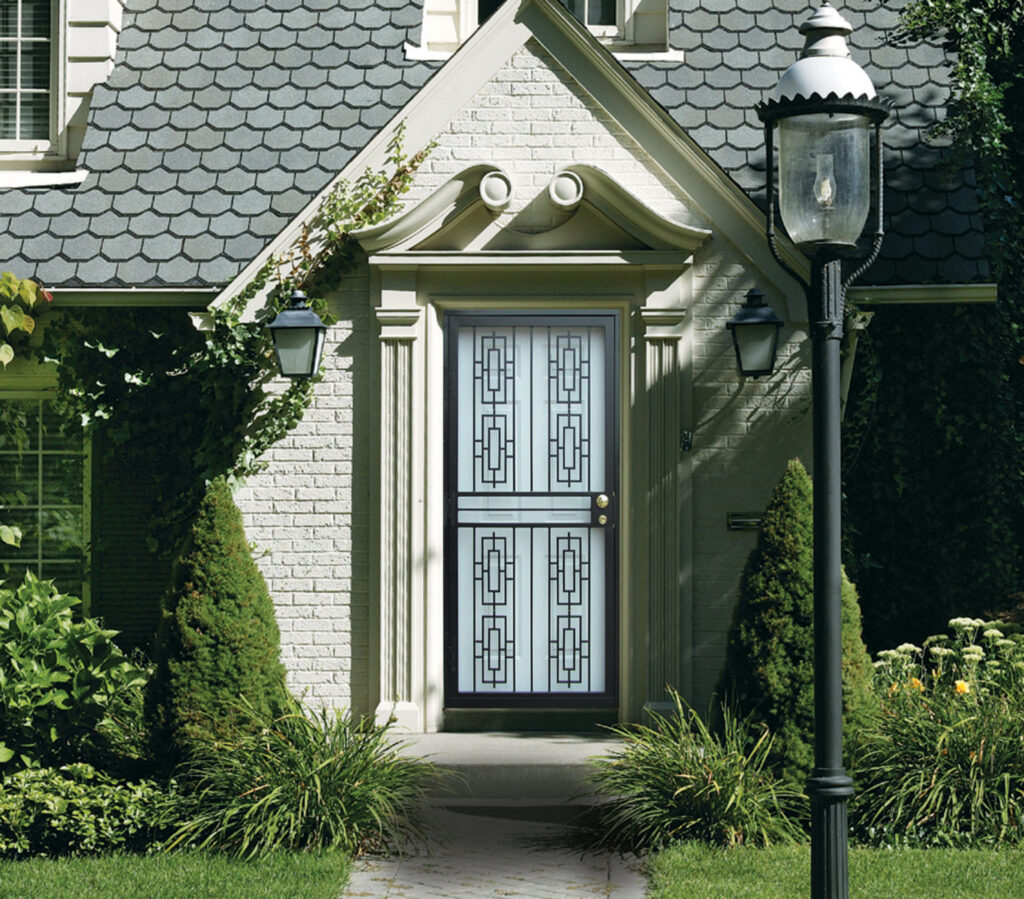
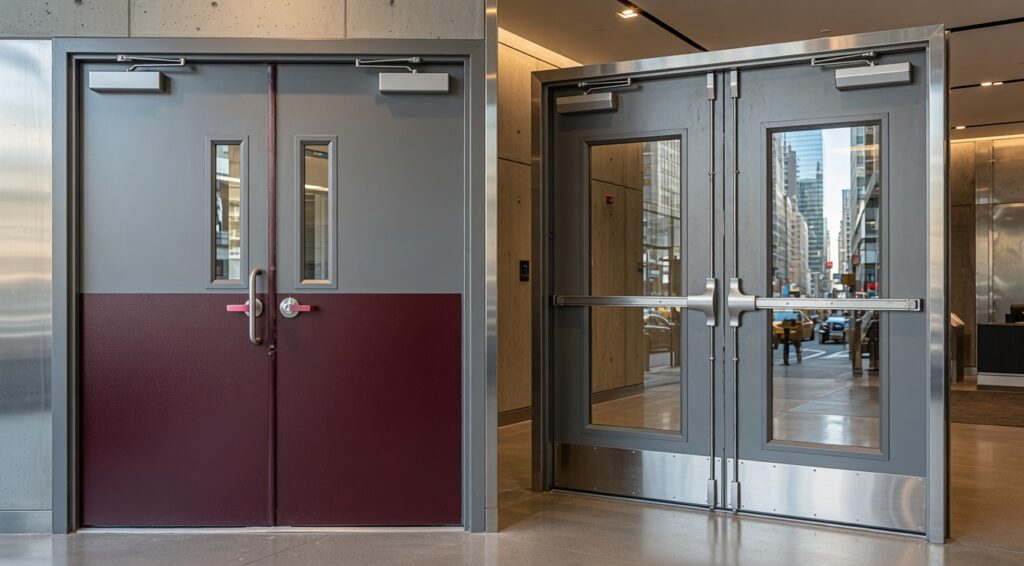
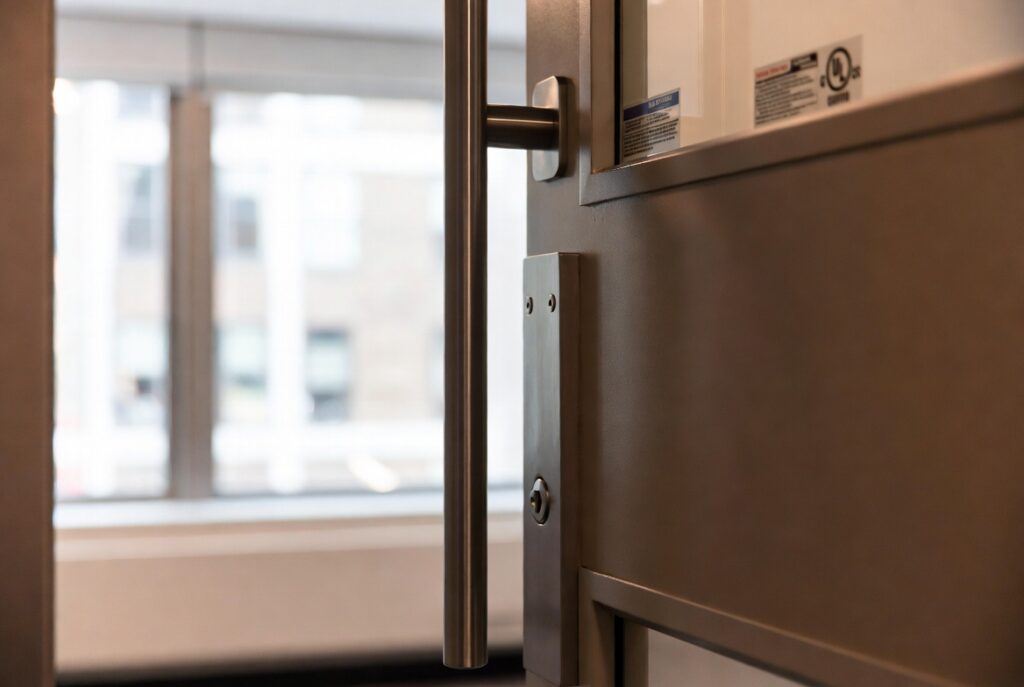
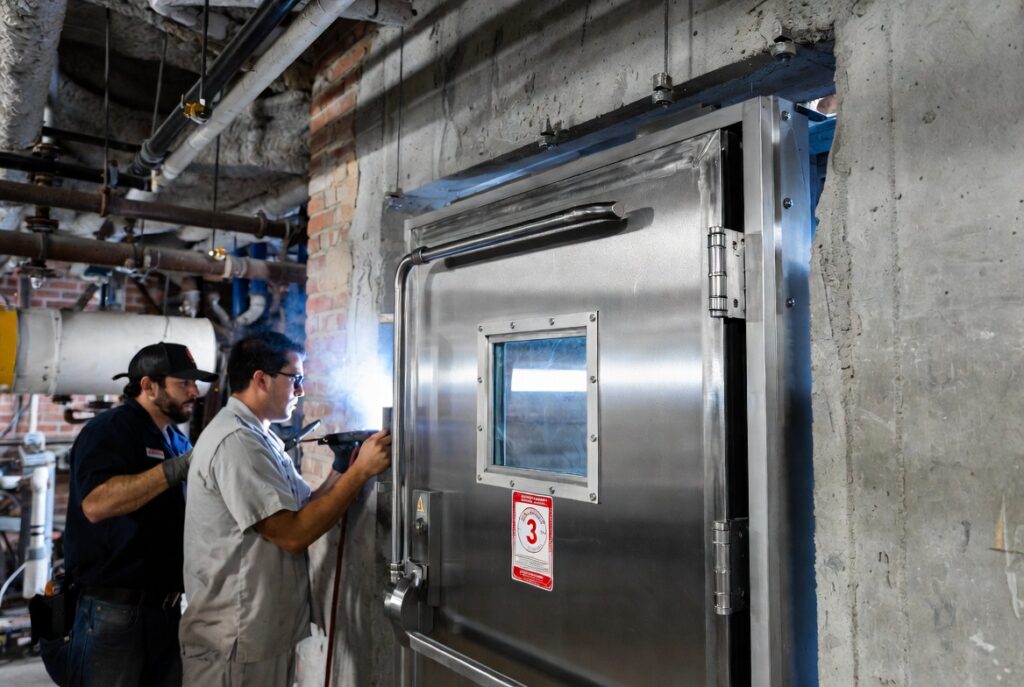
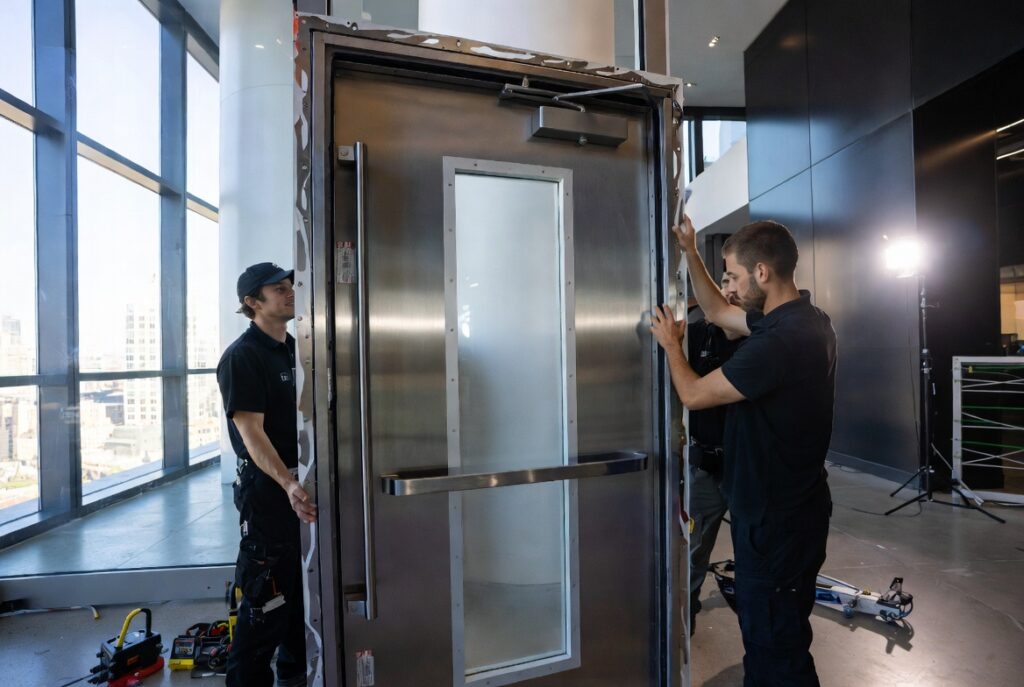
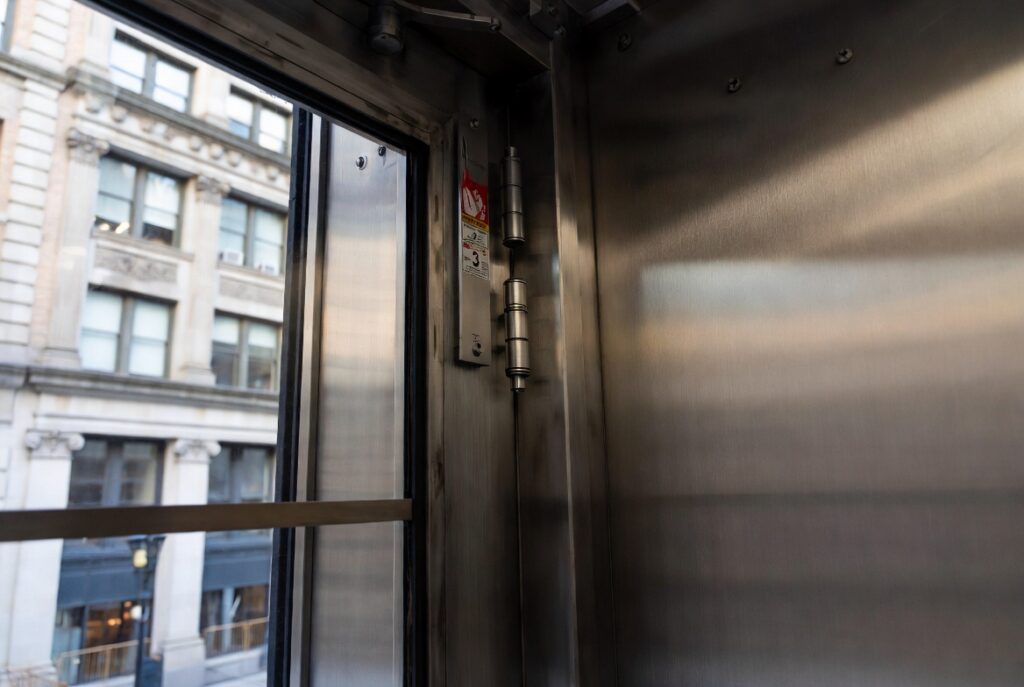
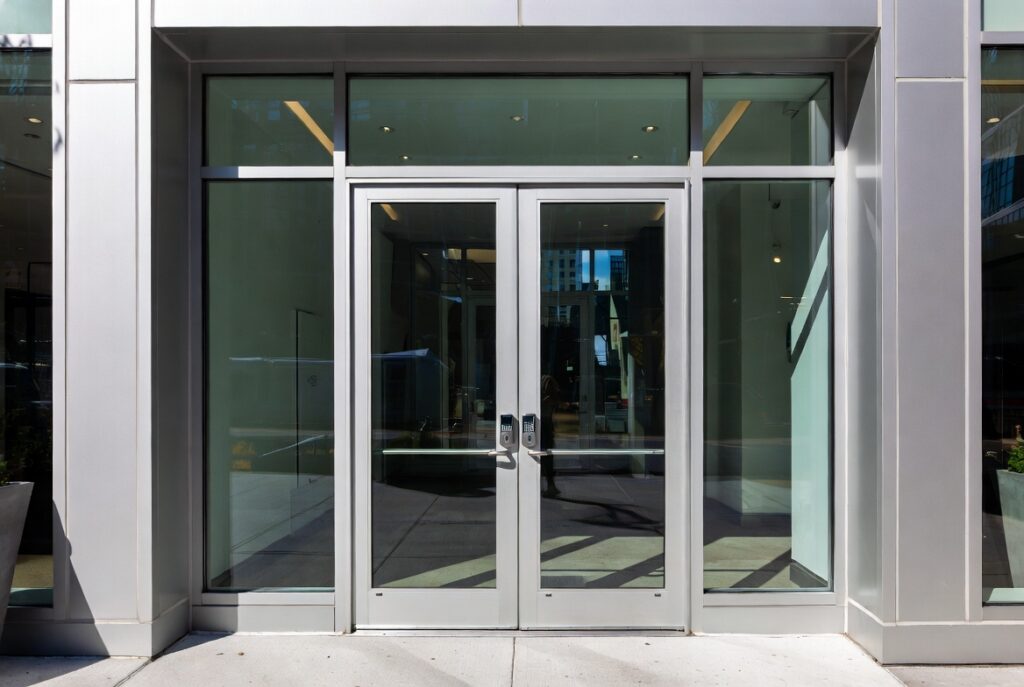
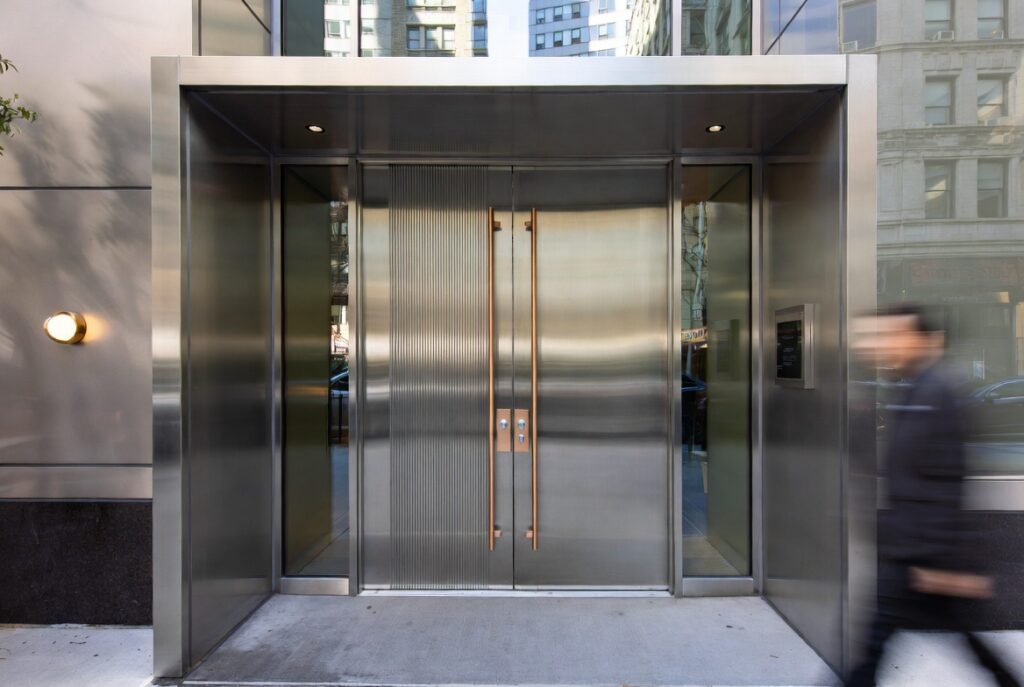
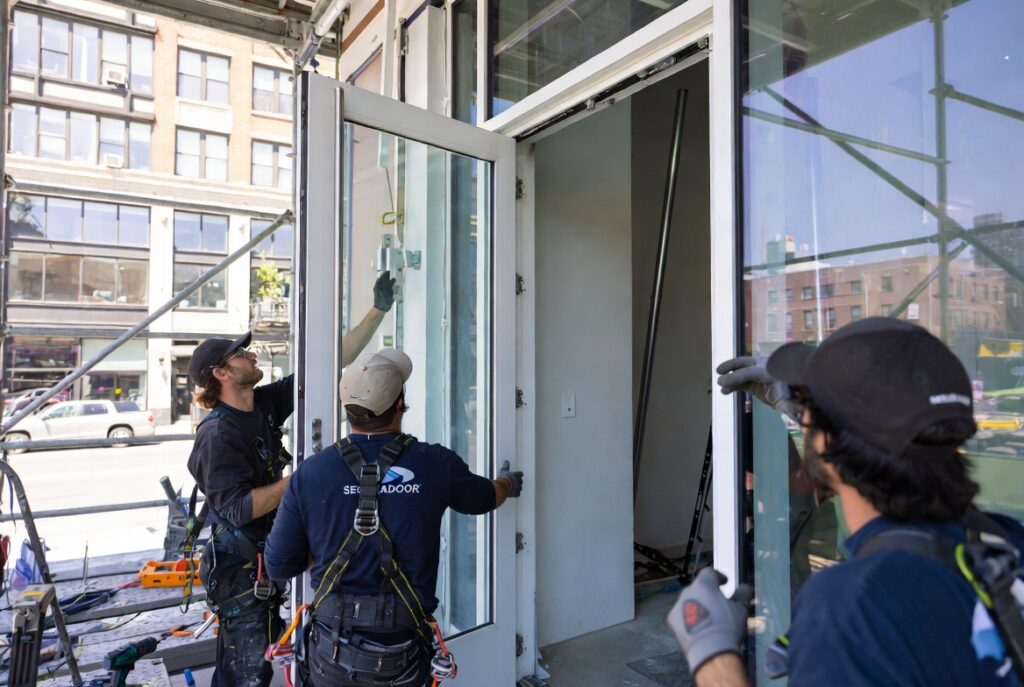
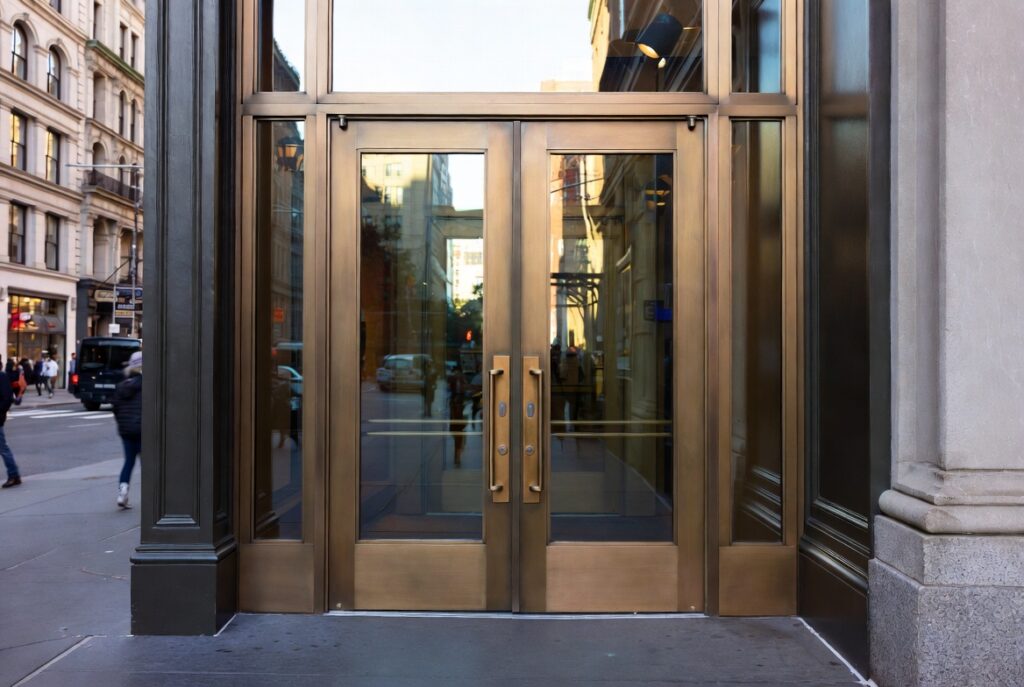
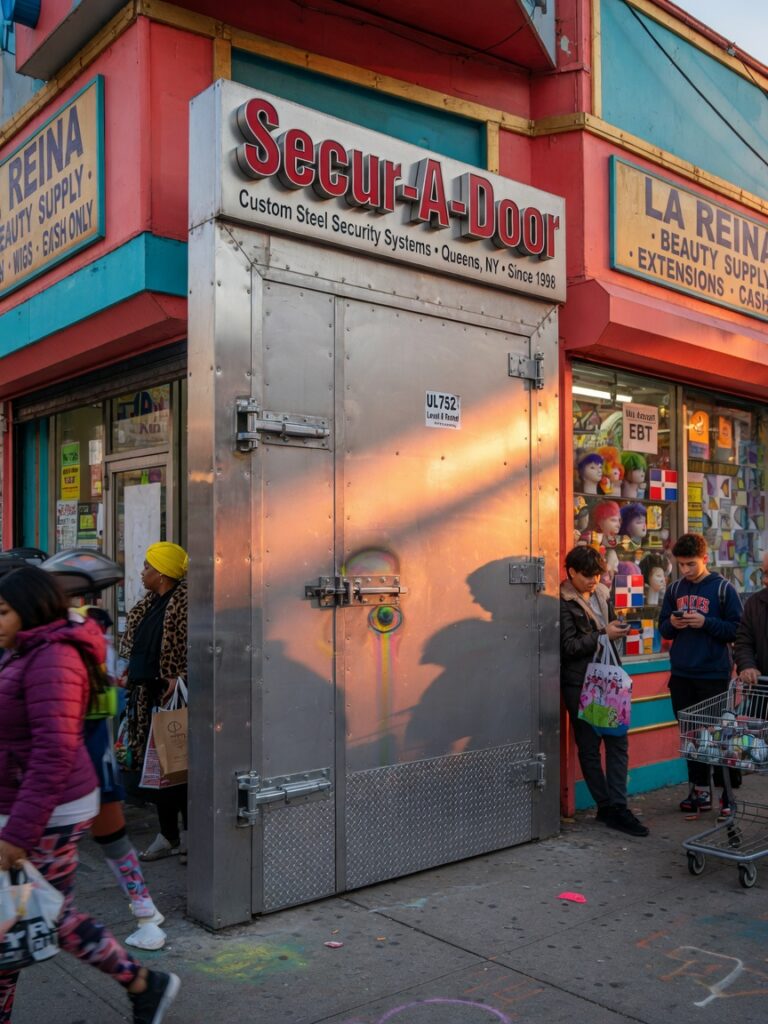
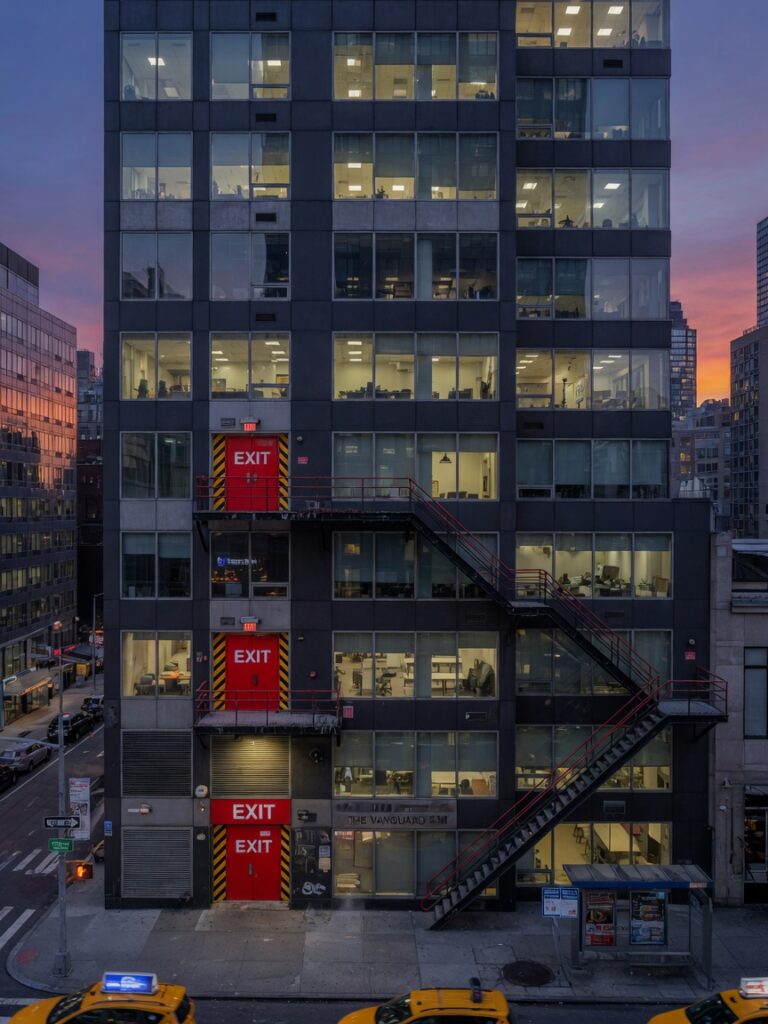
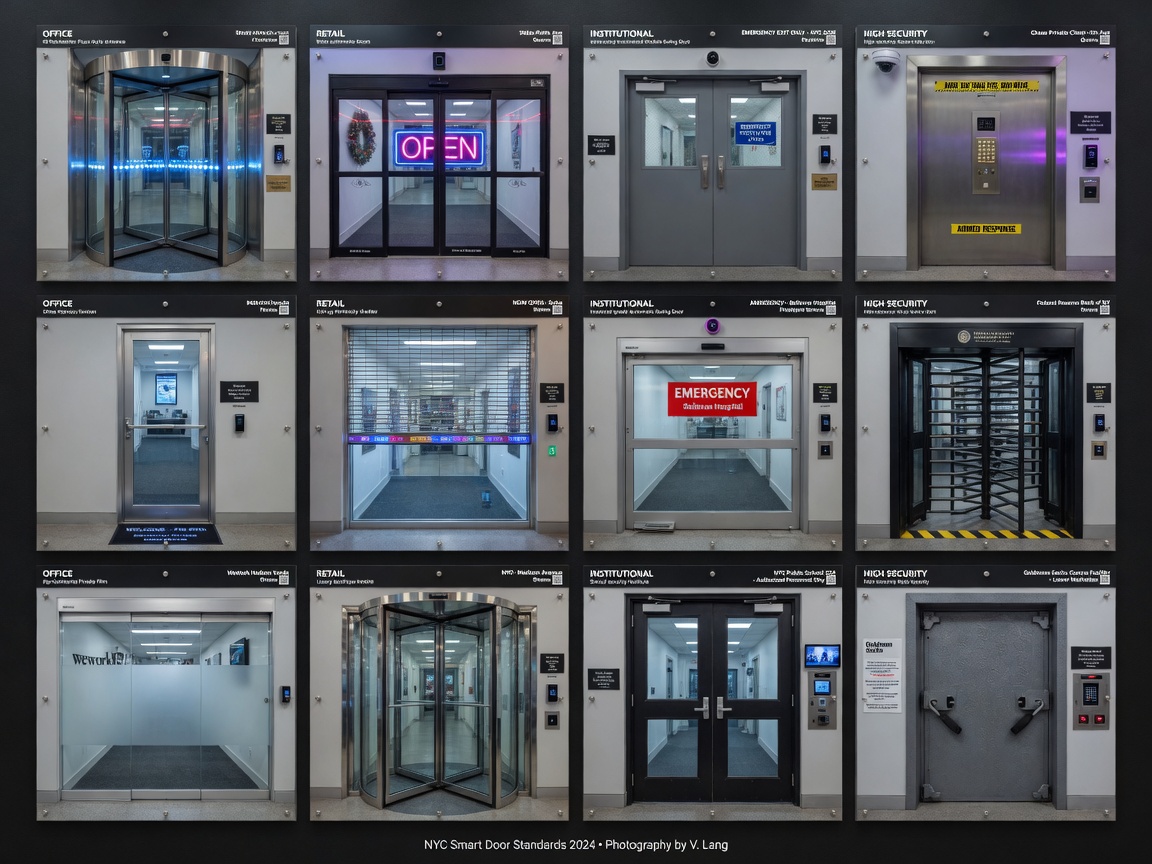
Image Grid 1
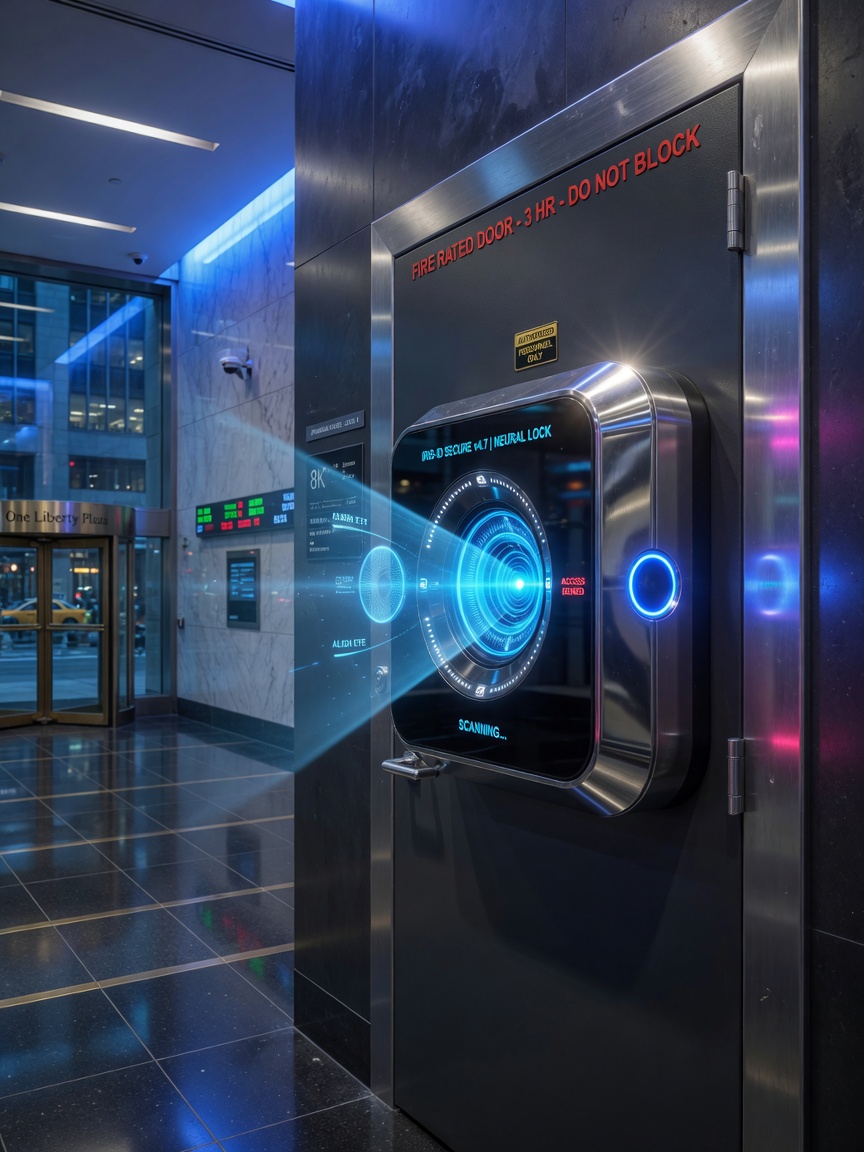
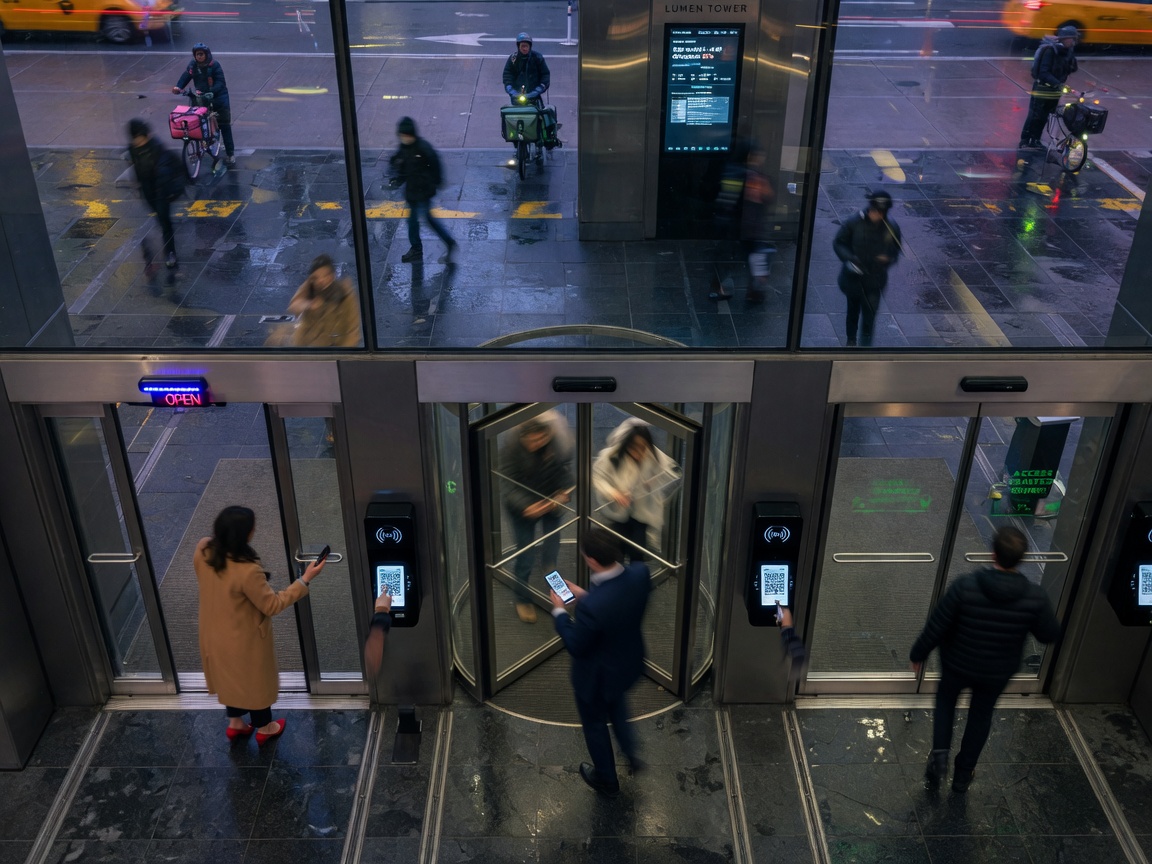
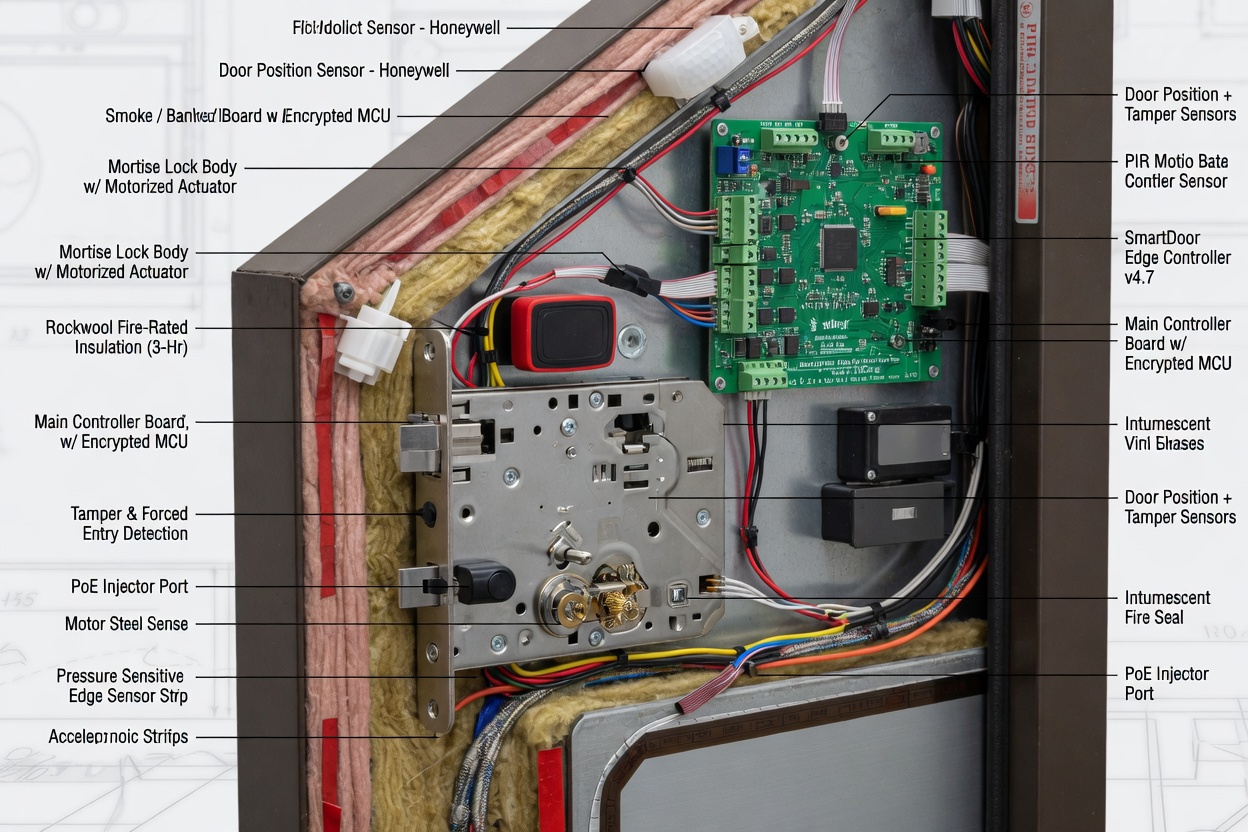
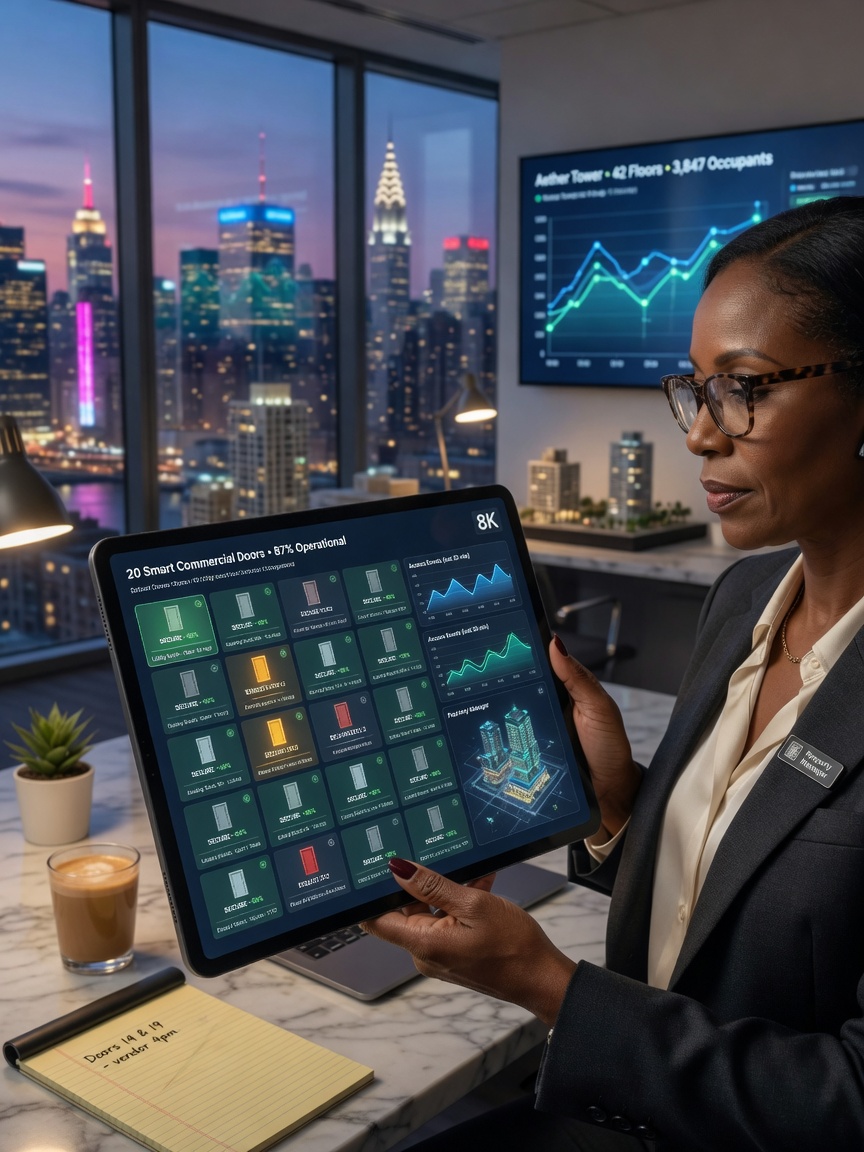
Why Smart Commercial Doors Matter in NYC’s Built Environment
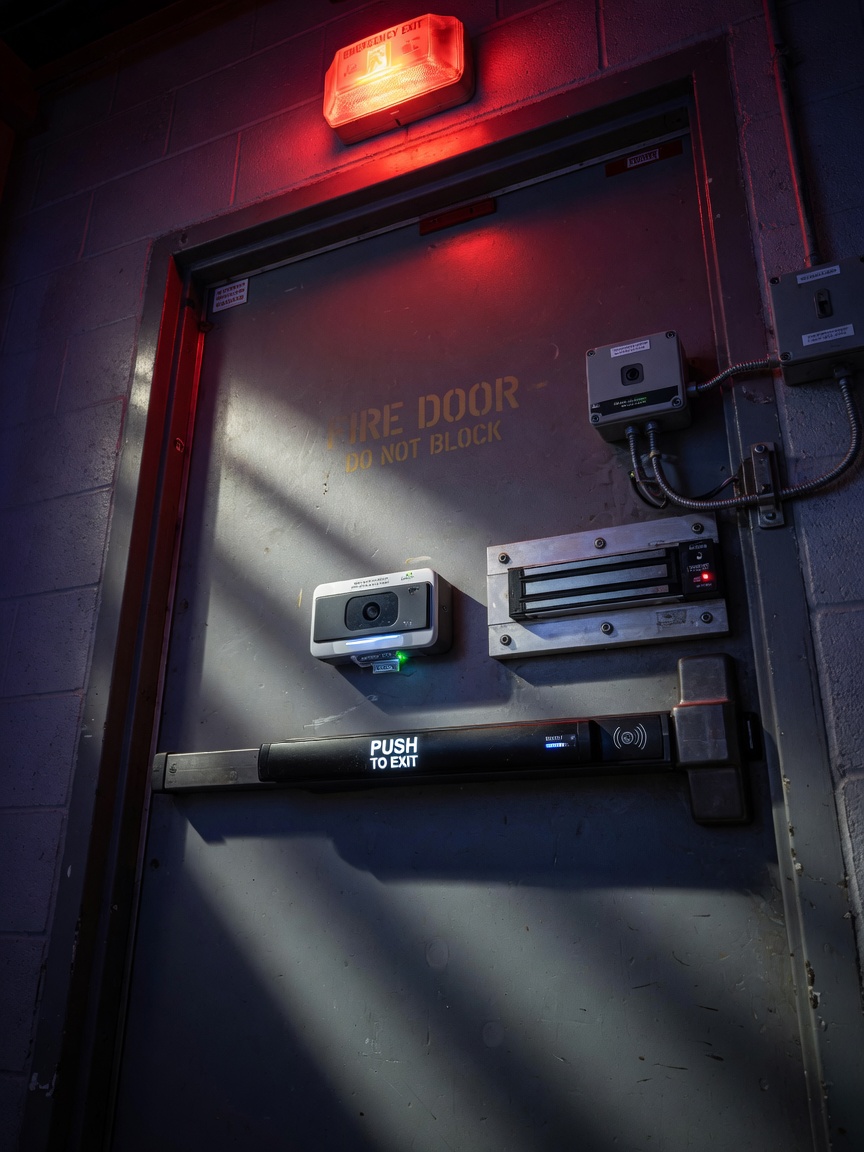
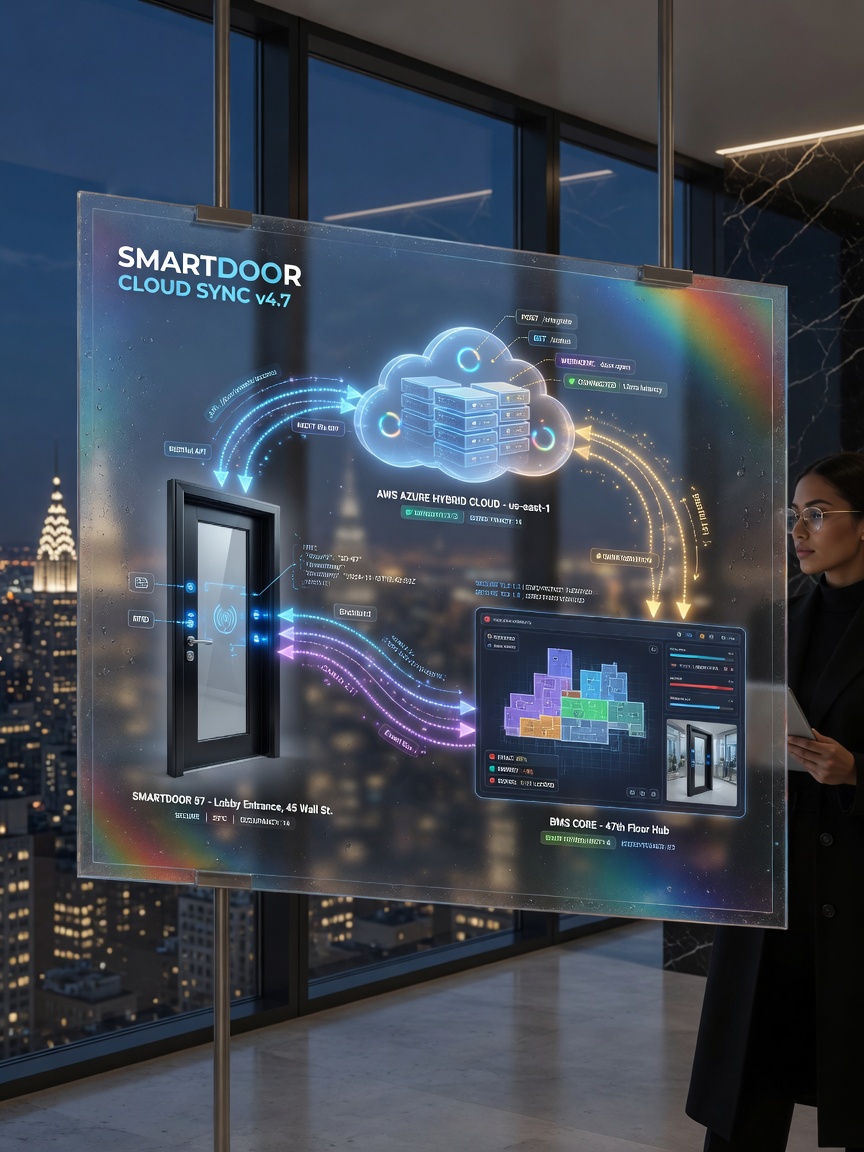
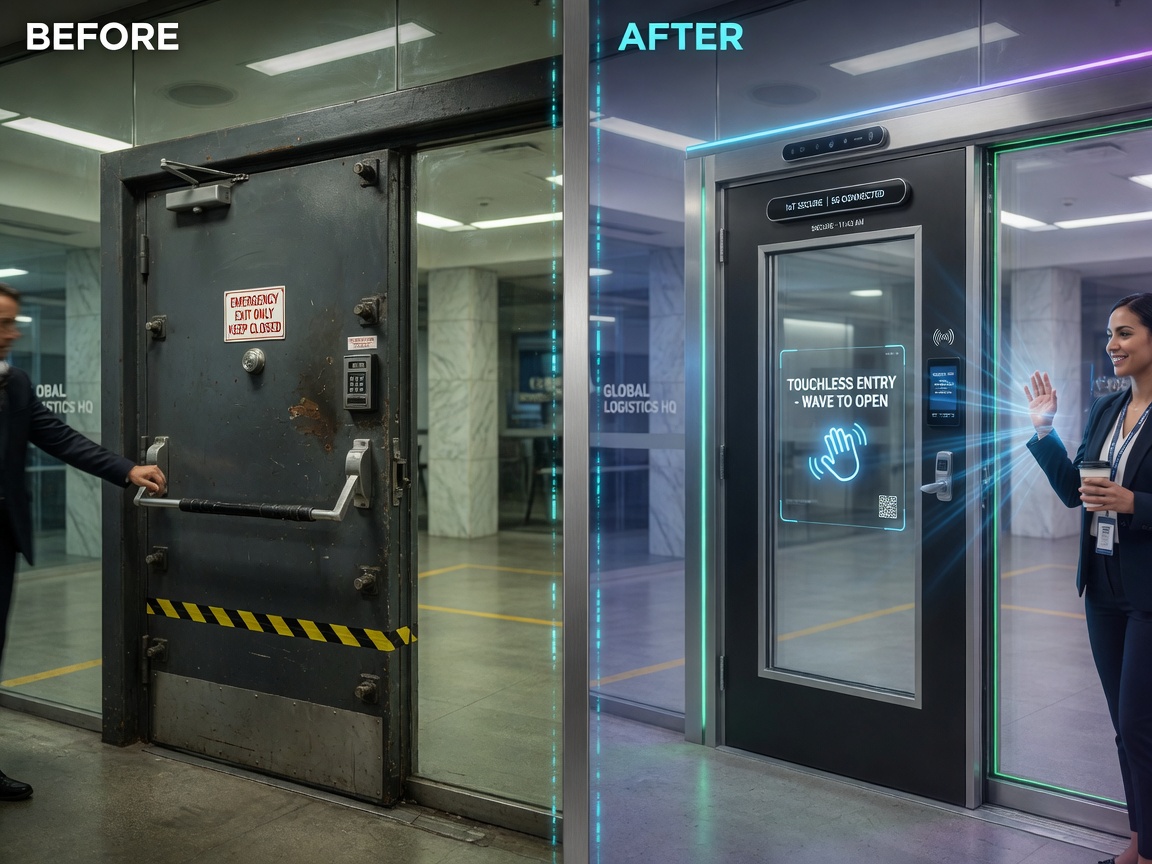
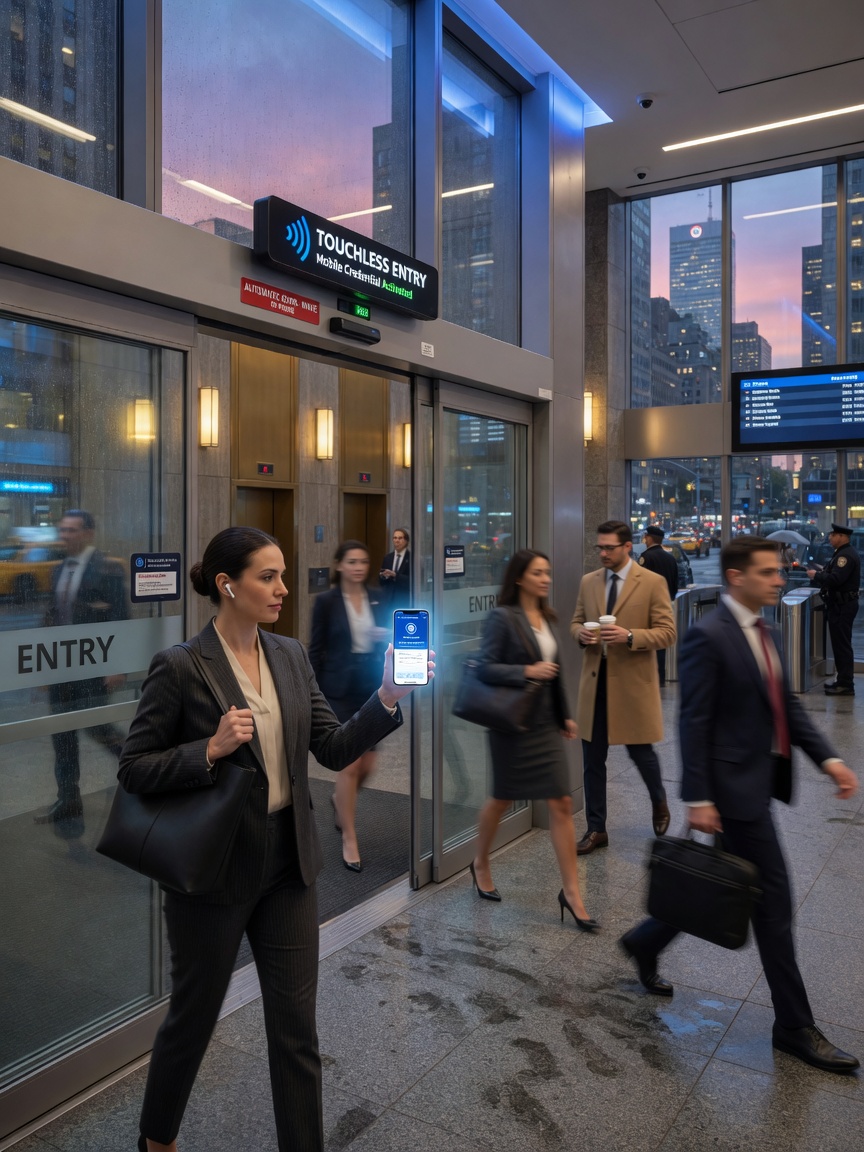
NYC commercial real estate faces unique pressures: high tenant turnover, stringent fire and life-safety codes, dense urban foot traffic, and increasing demand for touchless, data-driven access. IoT-enabled doors deliver real-time monitoring, predictive maintenance, granular access logs, and seamless integration with existing building management systems (BMS).
According to recent industry data, buildings with integrated smart access solutions report 27% lower security incidents and 19% reduction in energy costs related to HVAC and lighting through occupancy-based automation.
Core Components of Smart Commercial Door Systems
Smart Locks and Exit Devices
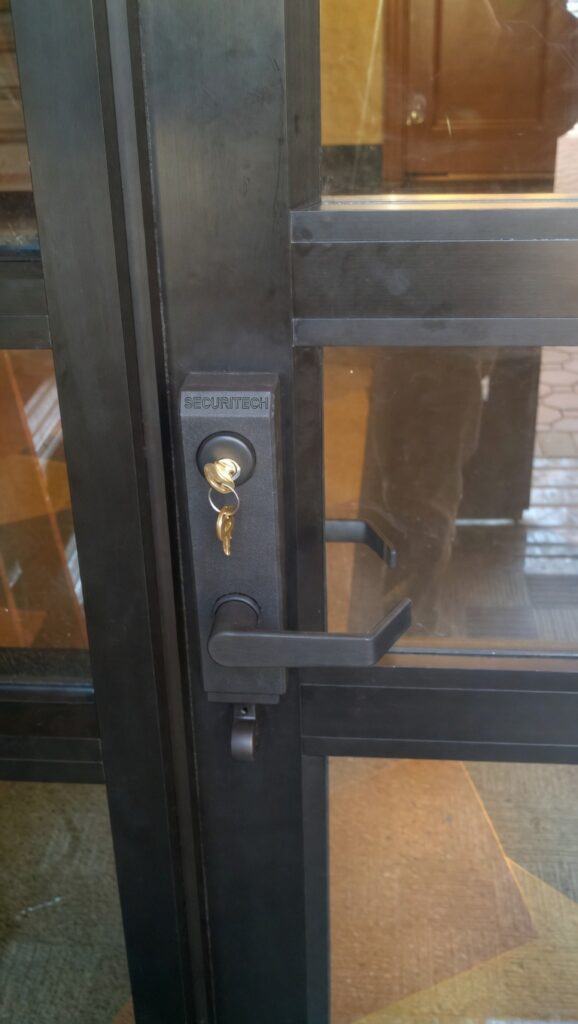
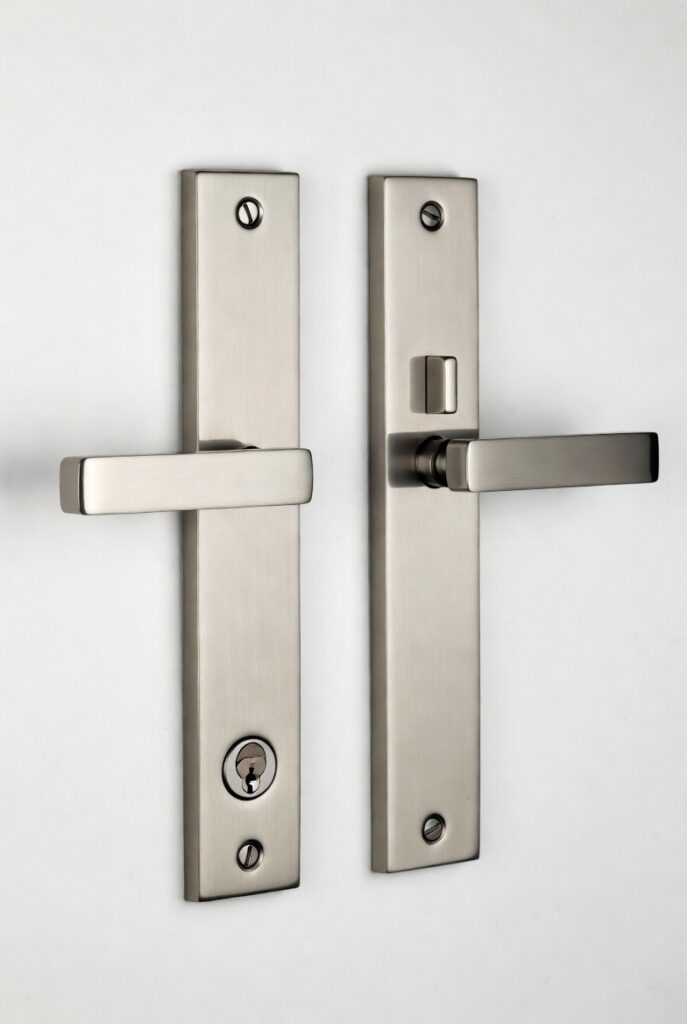
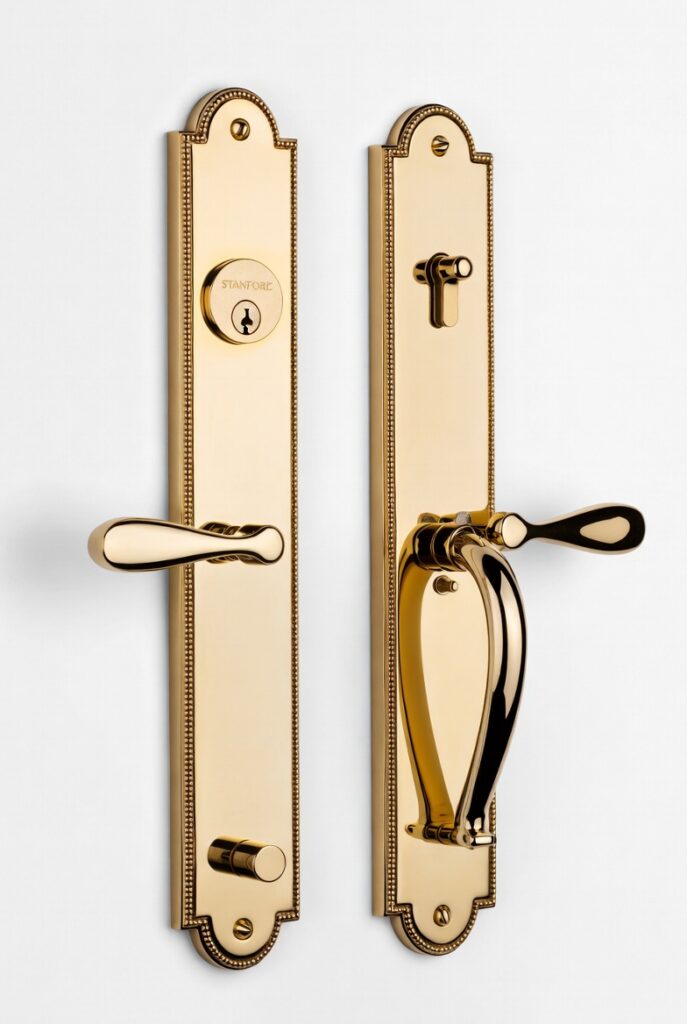
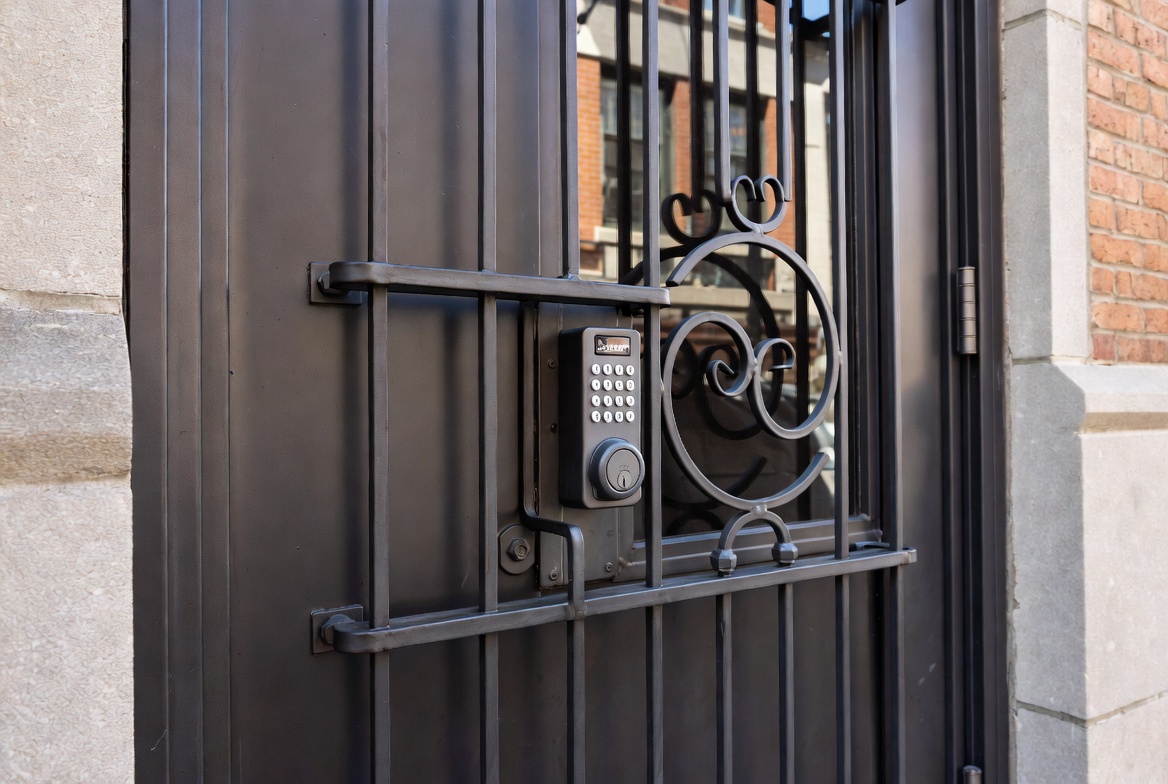
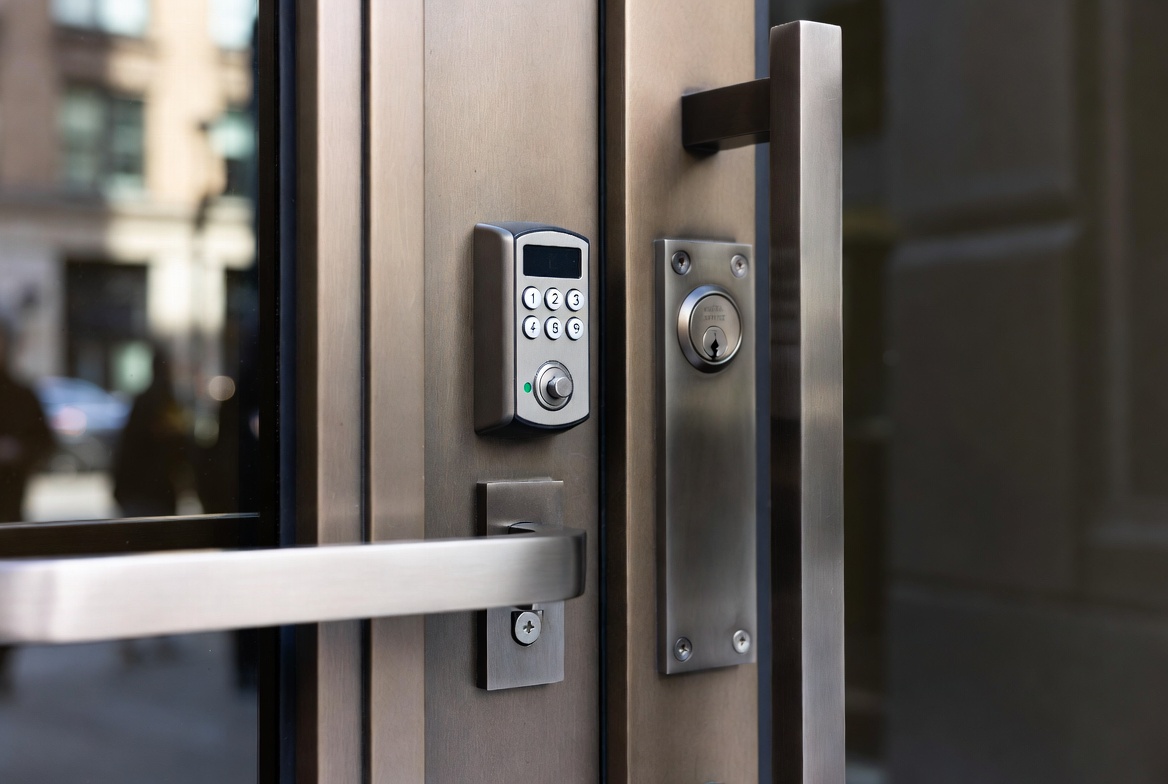
Modern smart commercial doors in NYC typically utilize Grade 1 mortise locks or exit devices with embedded IoT controllers. Leading solutions include:
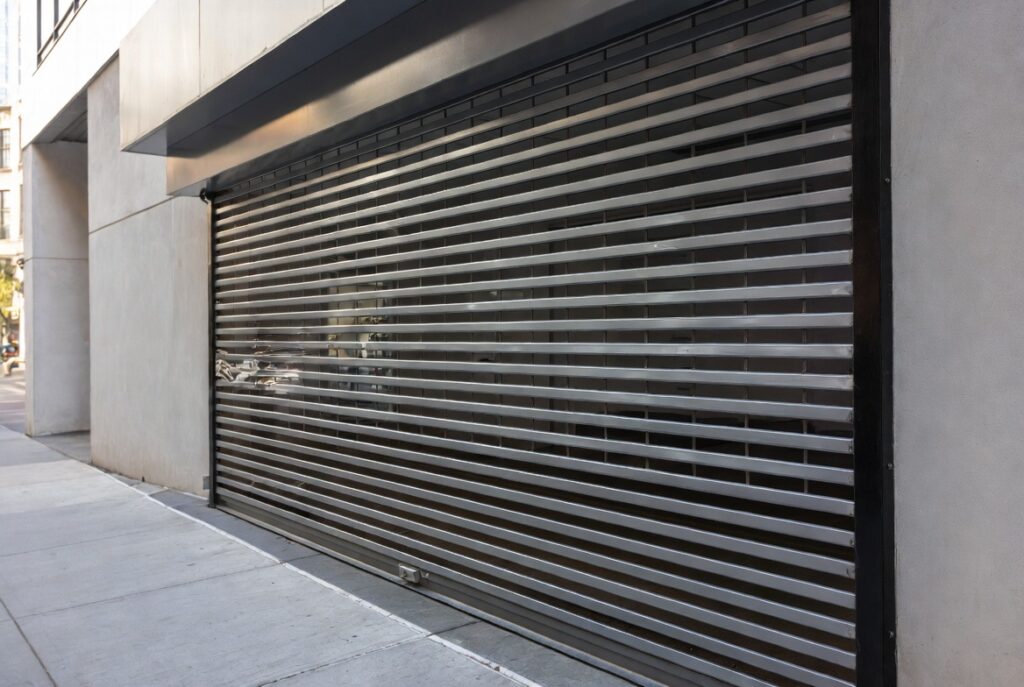
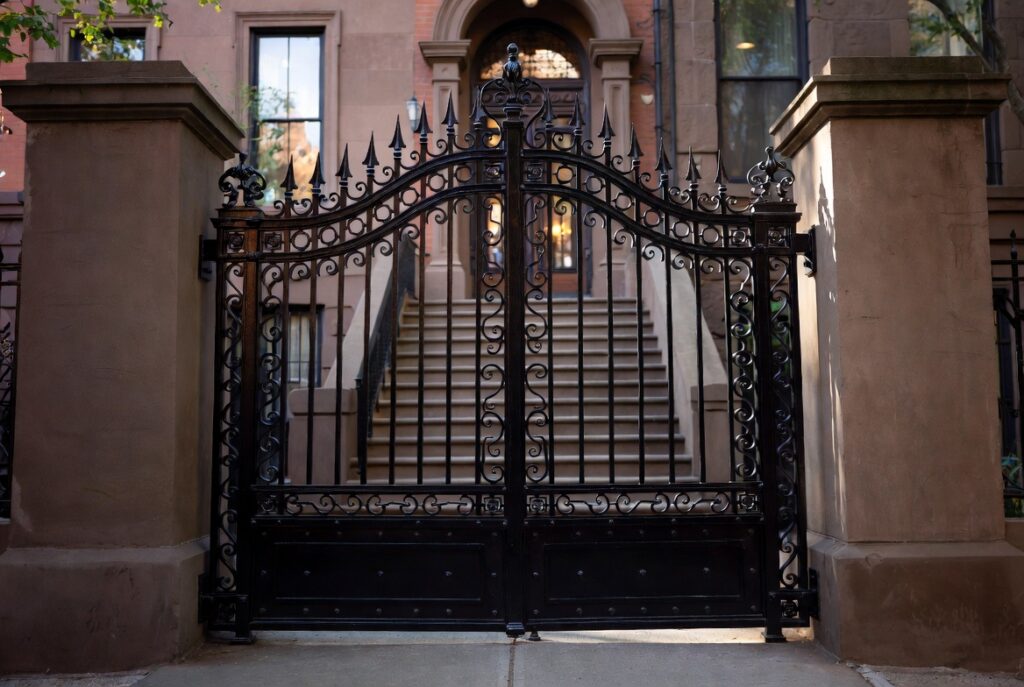
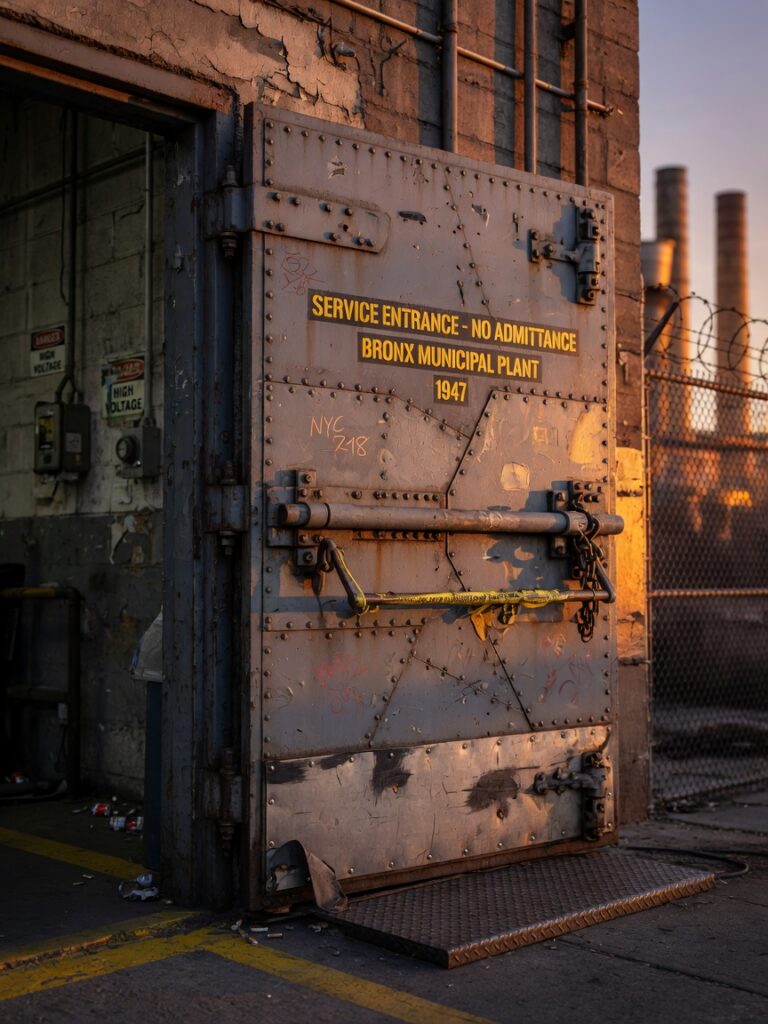
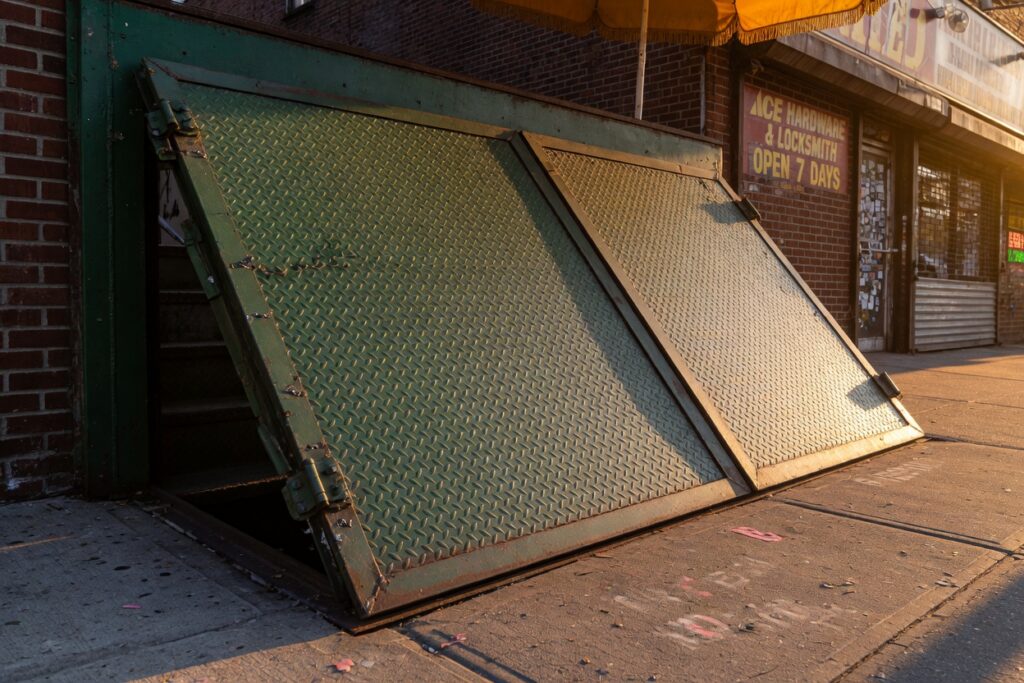
Image Grid 2
- Schlage Control™ AD-400 series with wireless connectivity
- ASSA ABLOY Aperio® wireless lock technology
- DormaKaba Saflok™ RT series with PoE options
- Salto XS4 Geo with Bluetooth and NFC capabilities
These devices support multiple credential types (mobile, RFID, PIN, biometric) and communicate via 802.15.4, Wi-Fi 6, or LoRaWAN depending on building infrastructure.
Biometric Integration Options
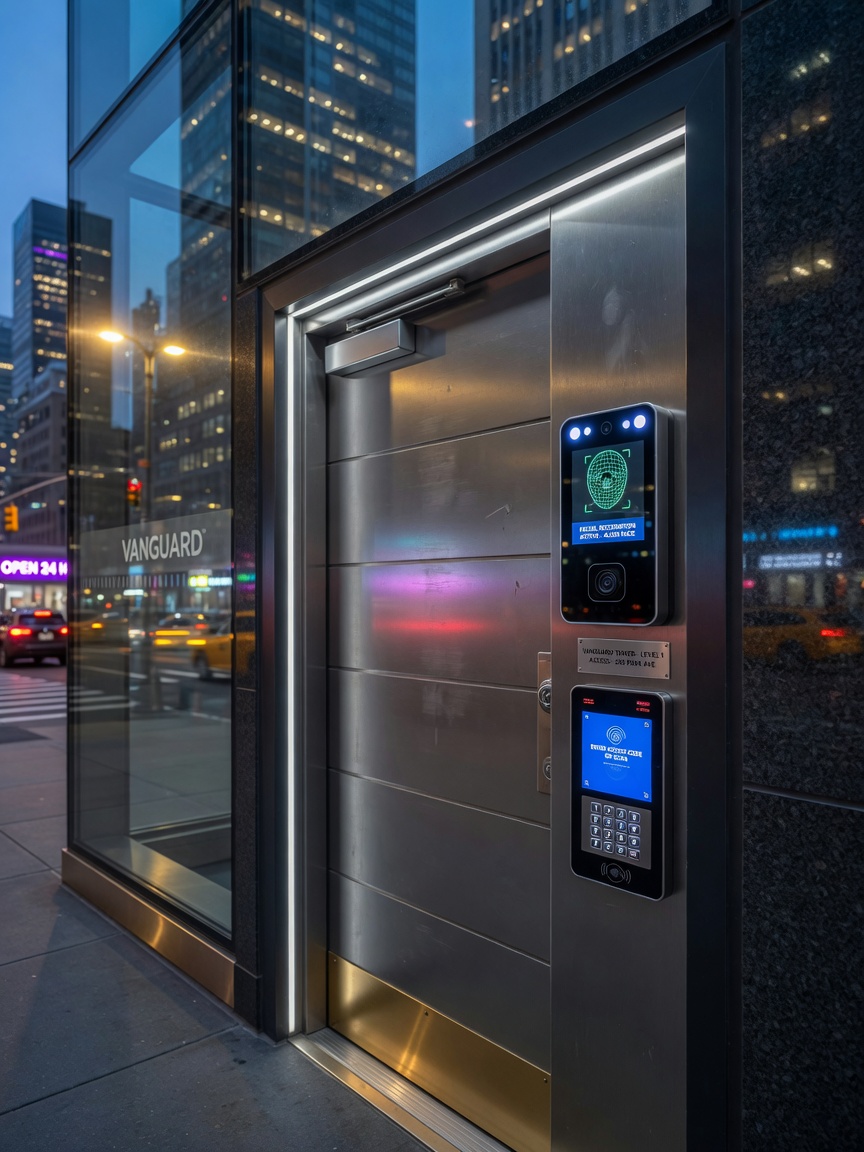
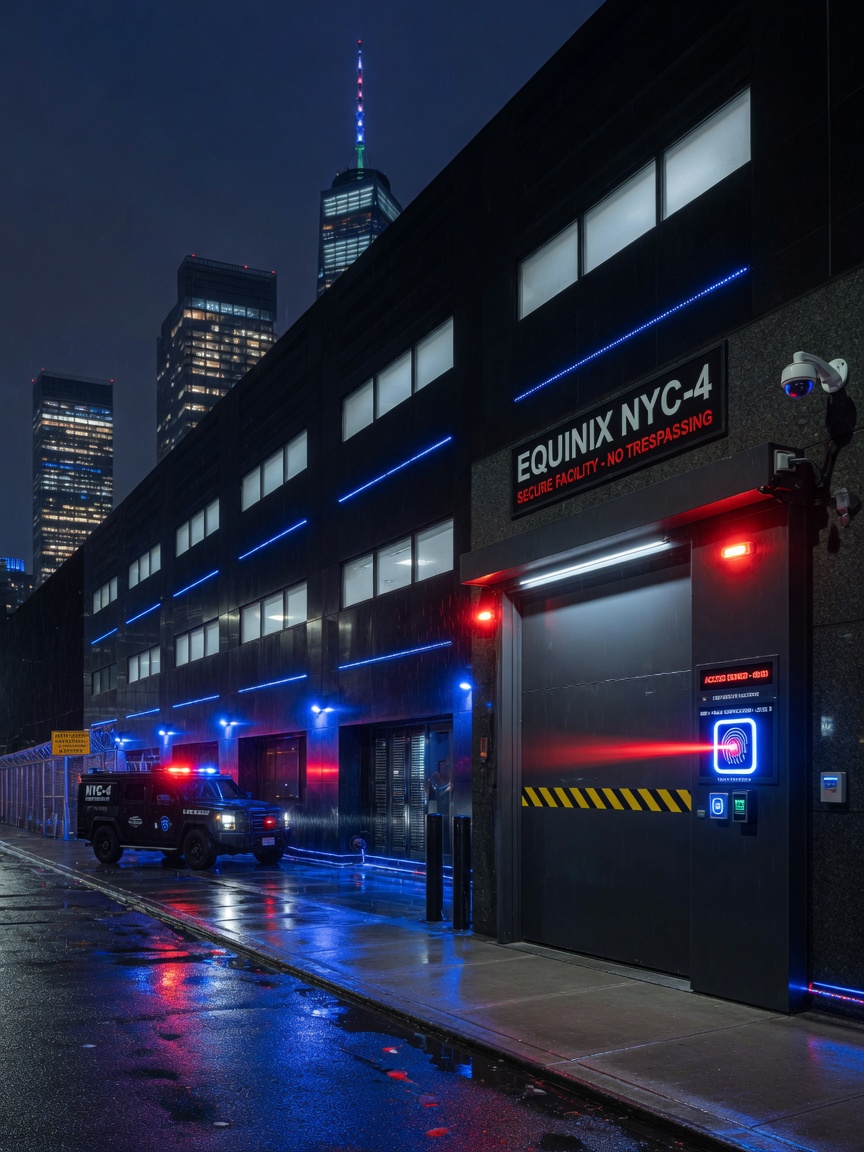
For high-security environments such as financial institutions and data centers in Manhattan, biometric readers are becoming standard. Compatible technologies include:
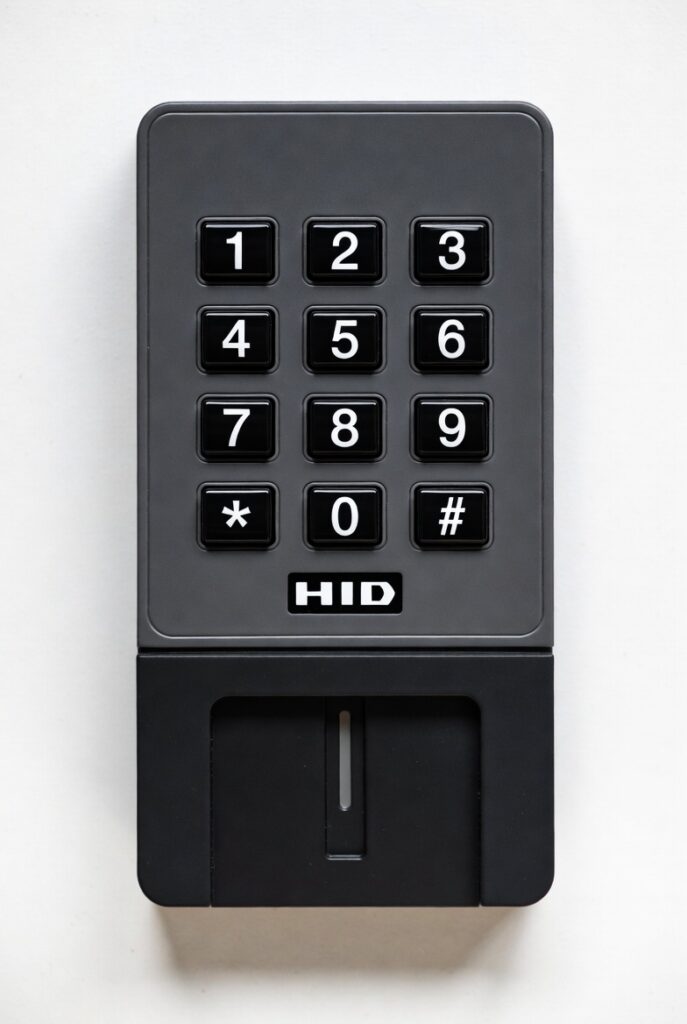
- Fingerprint readers with liveness detection (HID Signo™ Biometric Reader)
- Facial recognition systems with 3D infrared mapping (integrated with Verkada or Brivo)
- Iris and vein pattern recognition for maximum security applications
All biometric systems must be configured to comply with NYC Local Law 196 and New York State biometric data privacy requirements.
API Integration with Existing Building Infrastructure
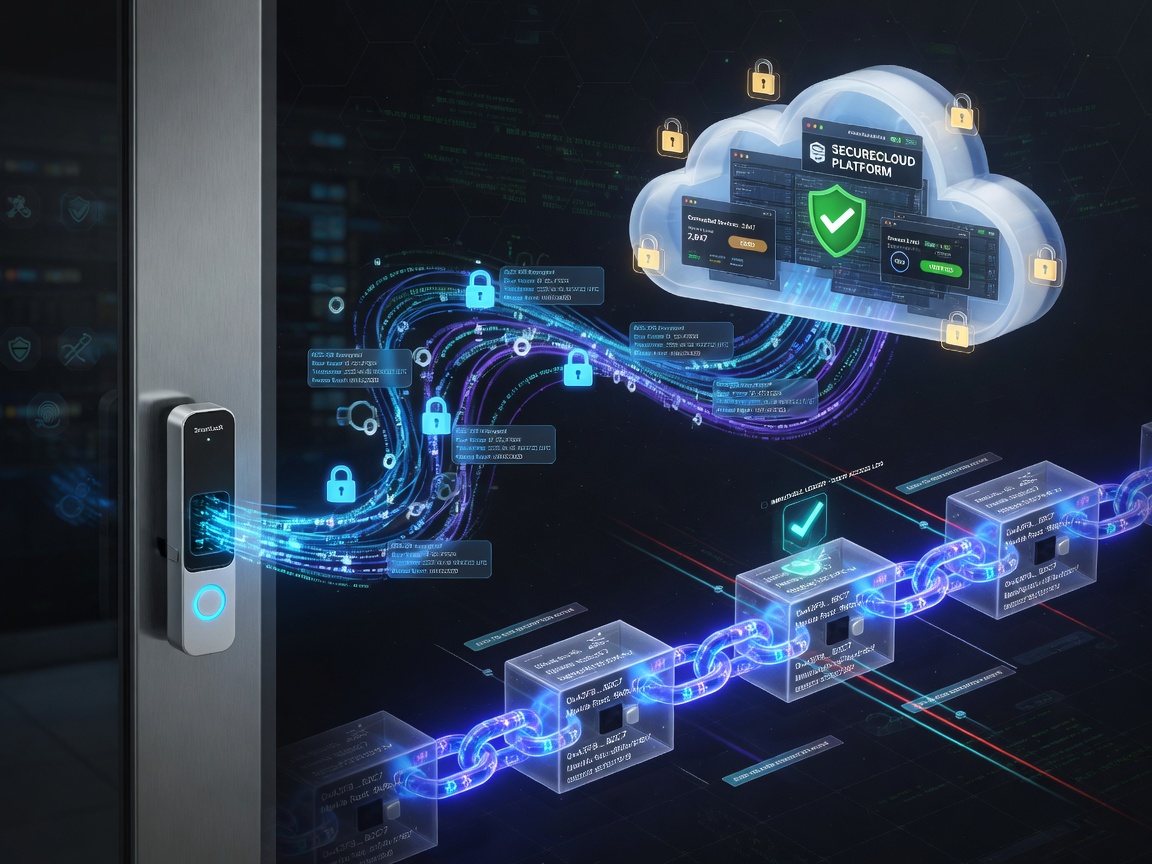
Seamless API connectivity is critical for legacy buildings common throughout New York City. Leading platforms offer robust RESTful APIs and webhook support:
- Integration with LenelS2 OnGuard or Software House C•CURE 9000
- Compatibility with Johnson Controls Metasys and Schneider EcoStruxure
- Cloud platforms such as Brivo, Genetec, and Honeywell Pro-Watch
- Custom middleware development using MQTT protocol for real-time door status monitoring
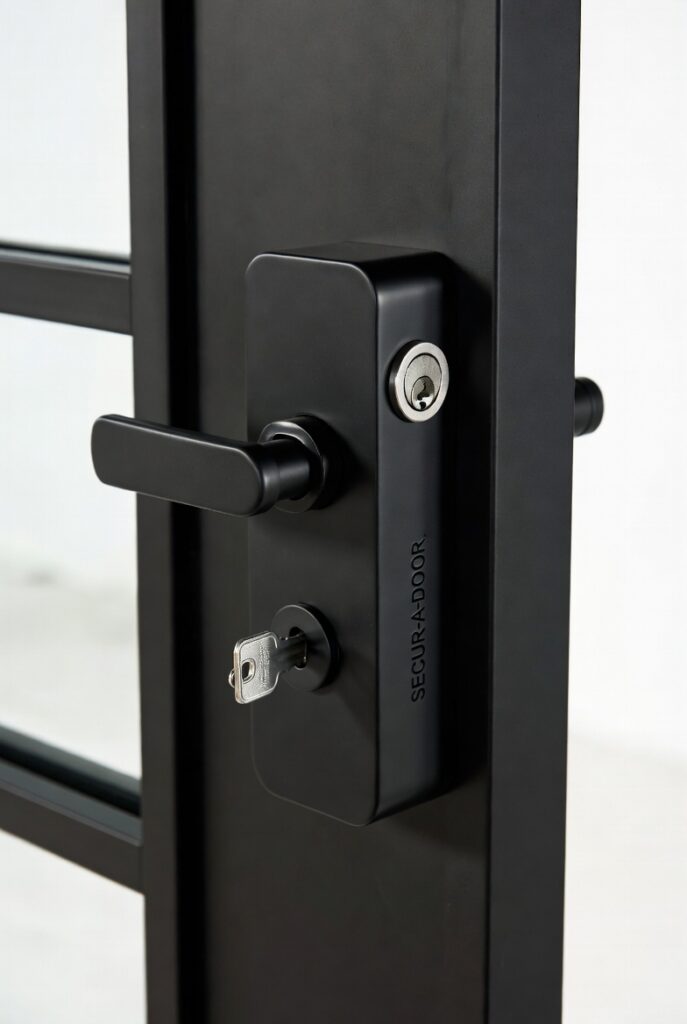
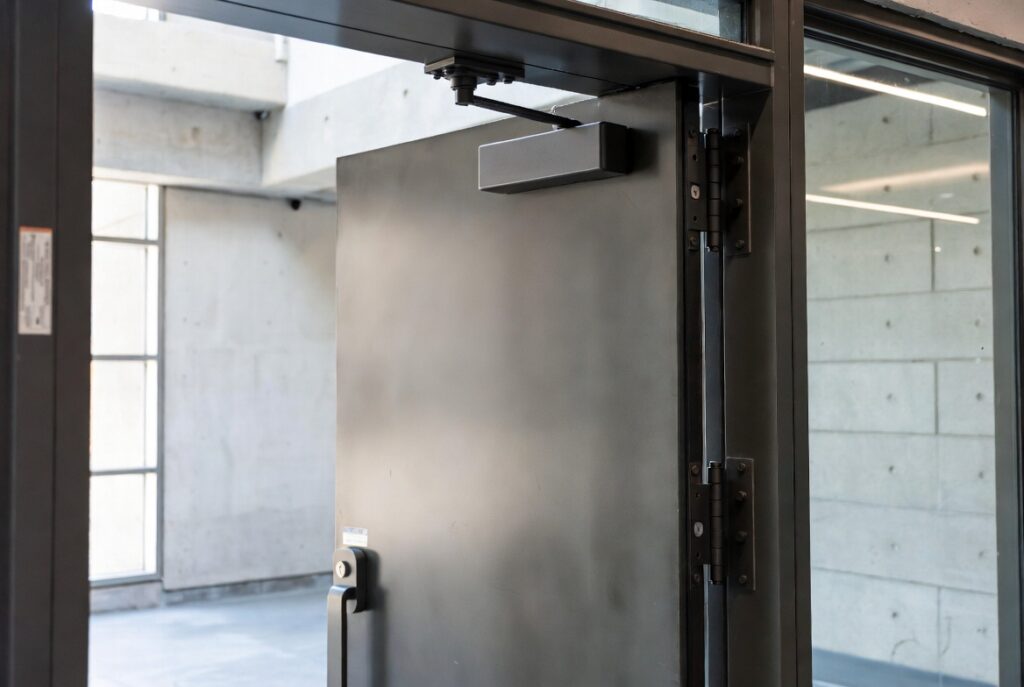
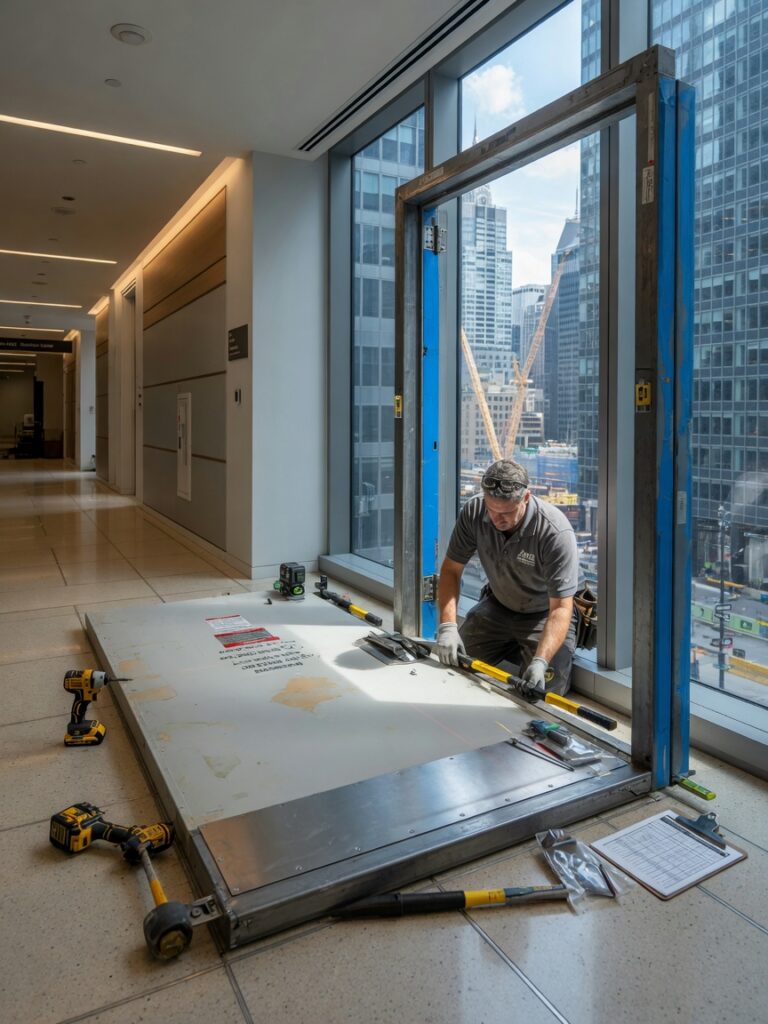
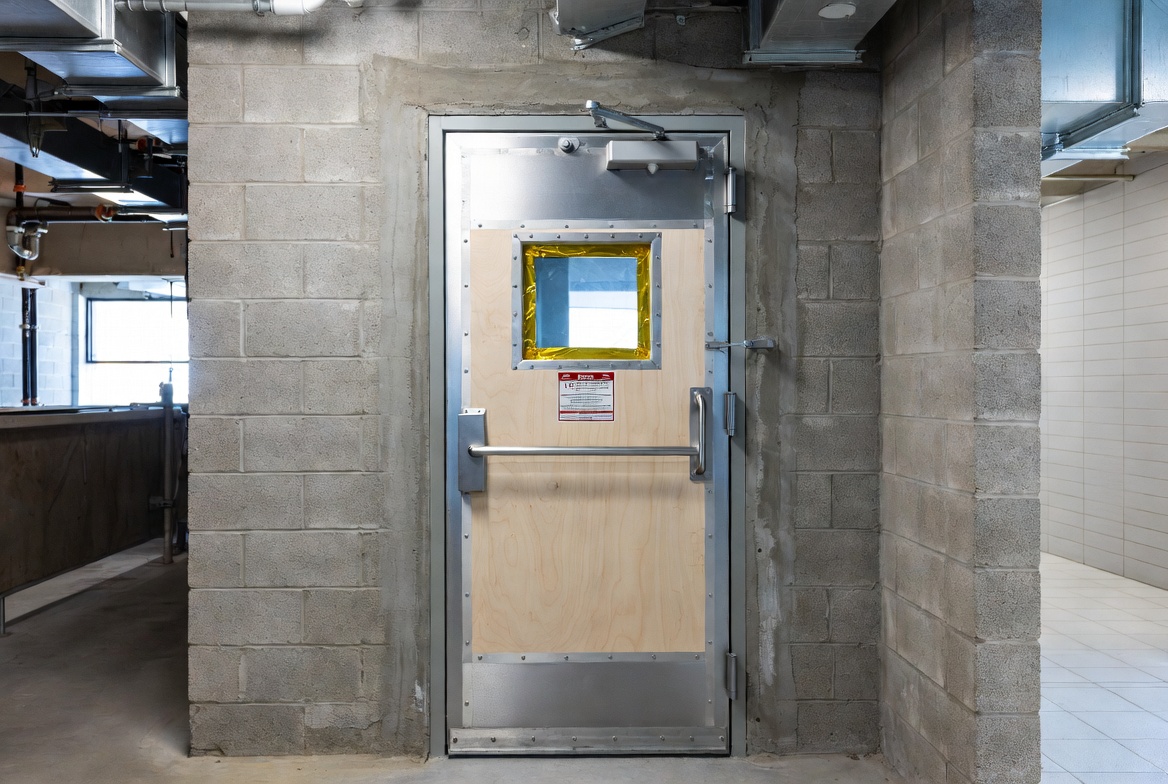
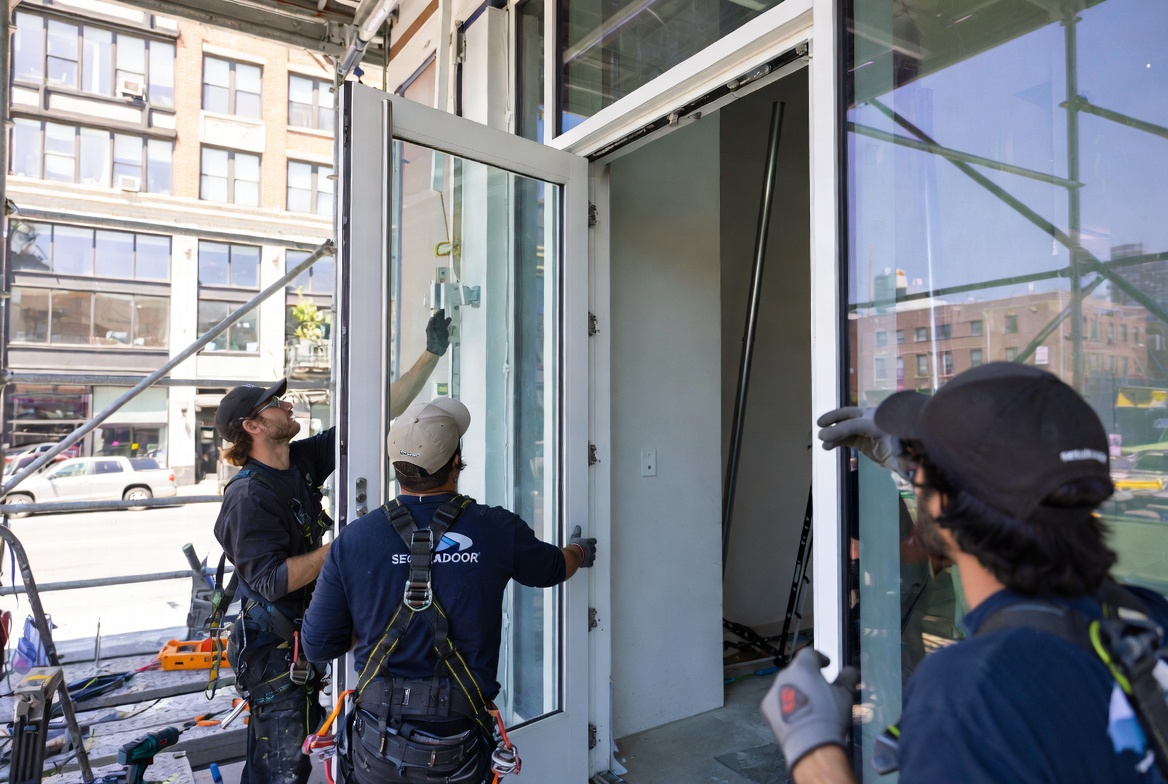
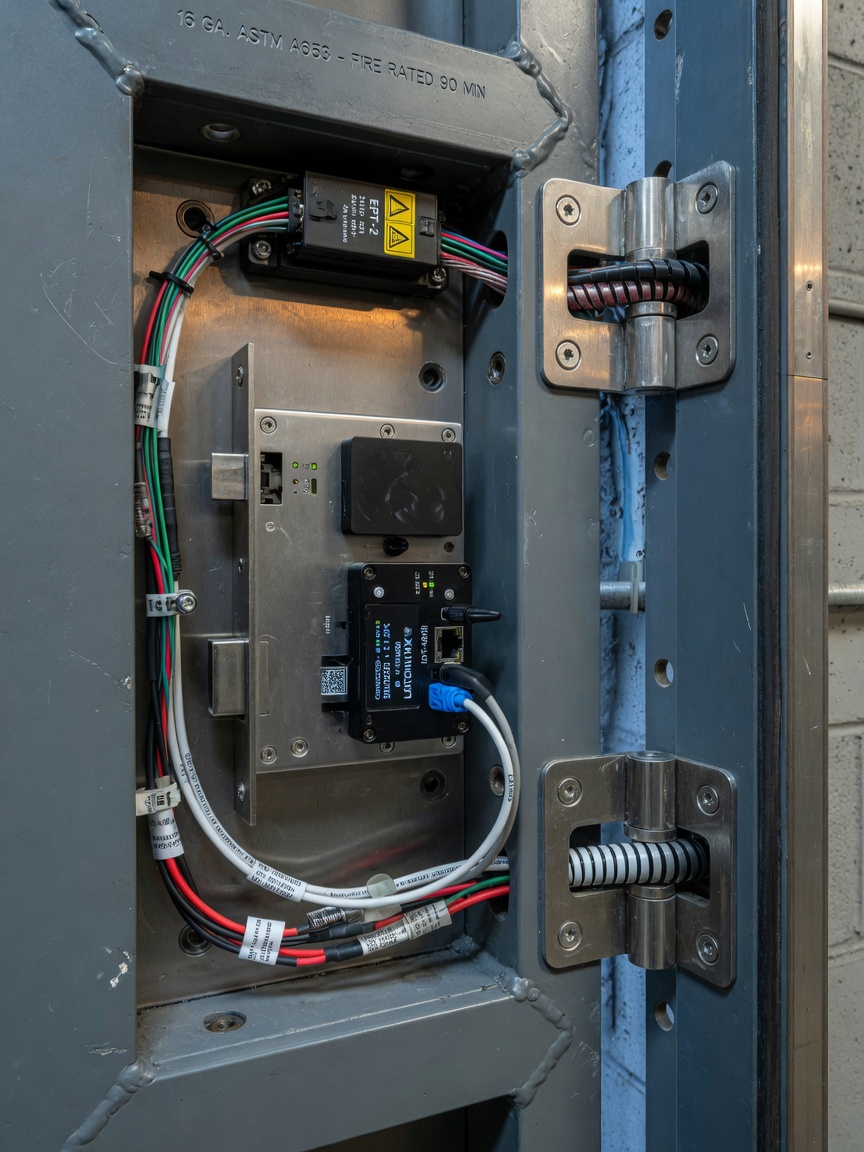
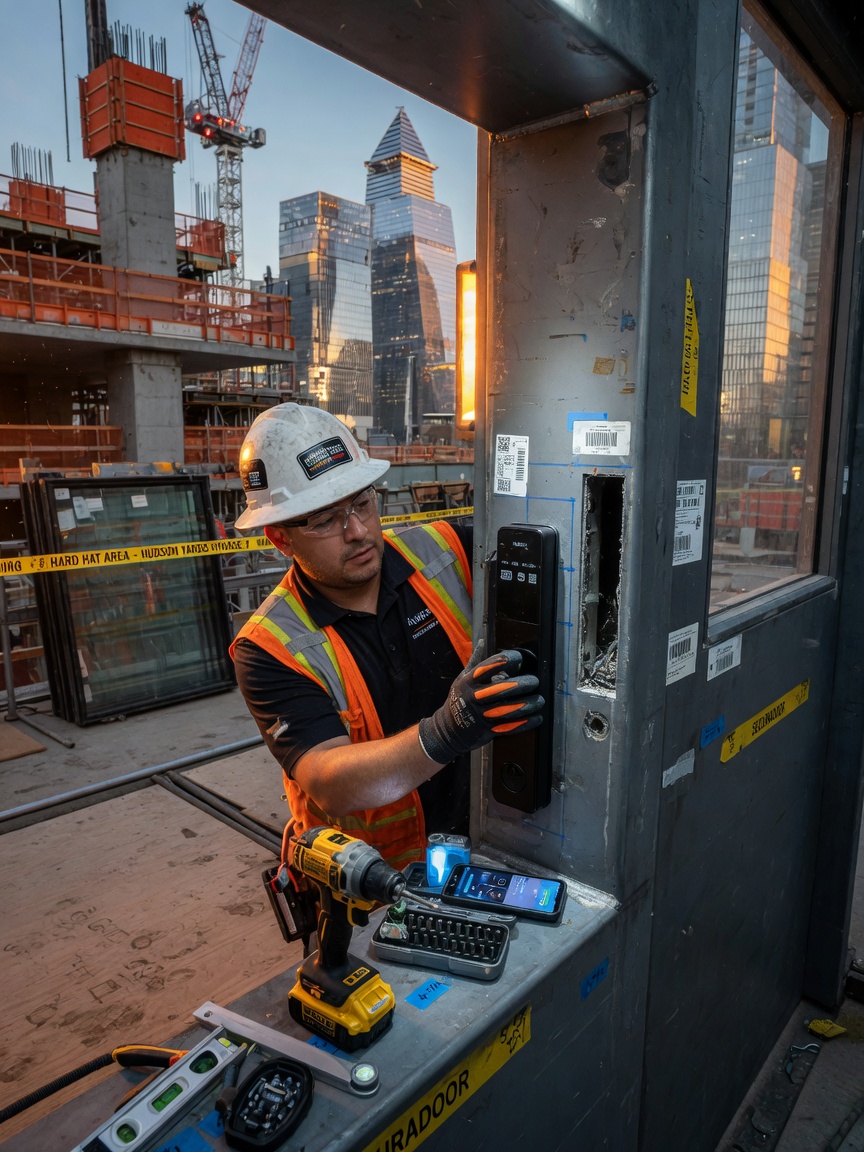
When integrating with existing heavy-gauge steel doors from manufacturers like Securadoor, ensure the frame reinforcement and electric power transfer (EPT) hinges can support the additional current draw of smart hardware (typically 500–900mA at 12–24VDC).
NYC Code Compliance for Automated and Smart Doors
Automated doors in New York must satisfy multiple overlapping regulations:
Fire Safety Code Considerations
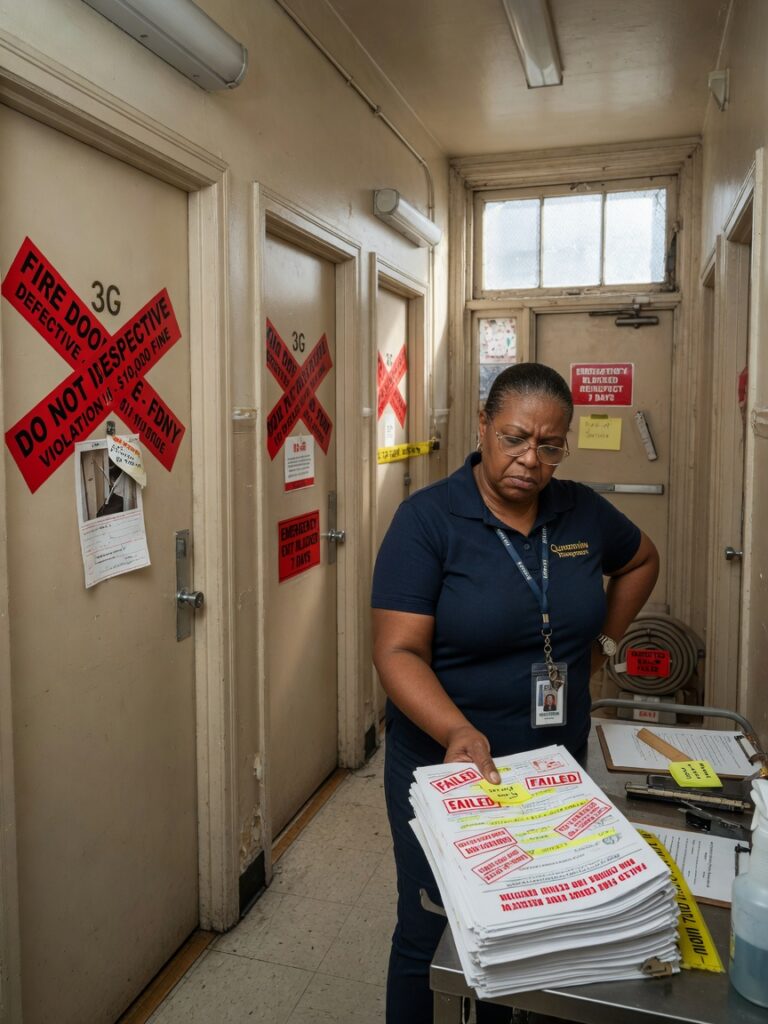
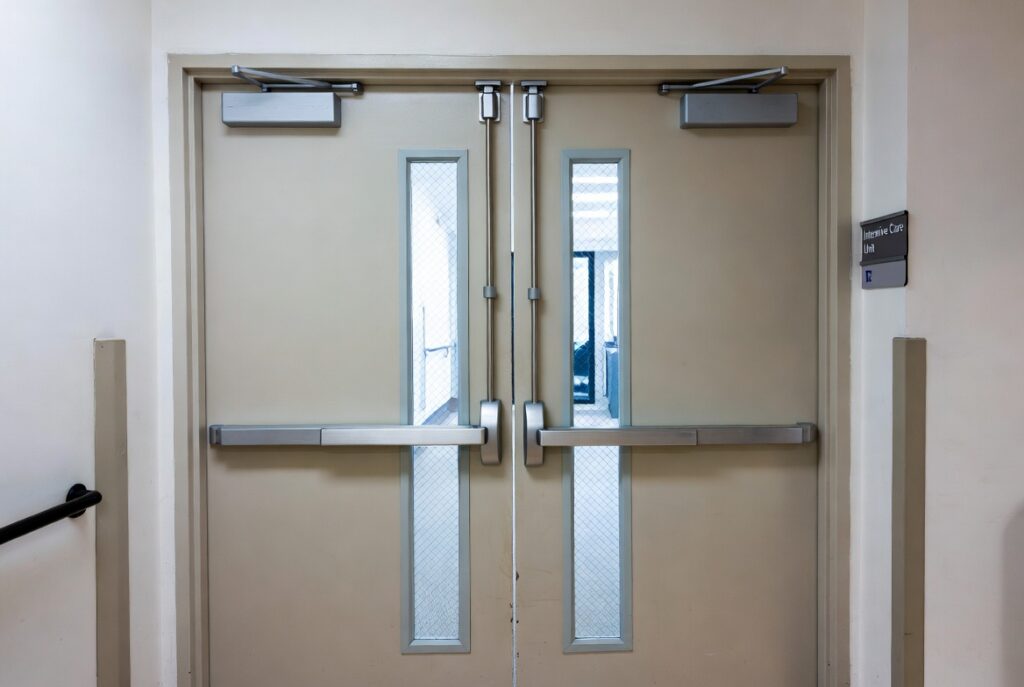
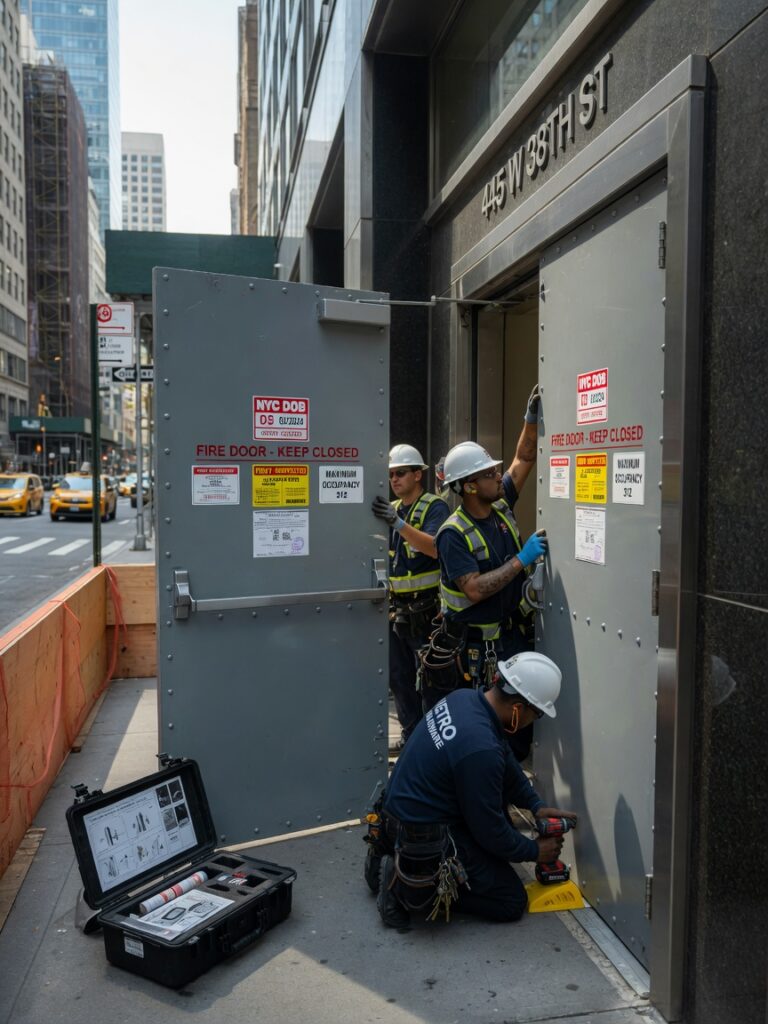
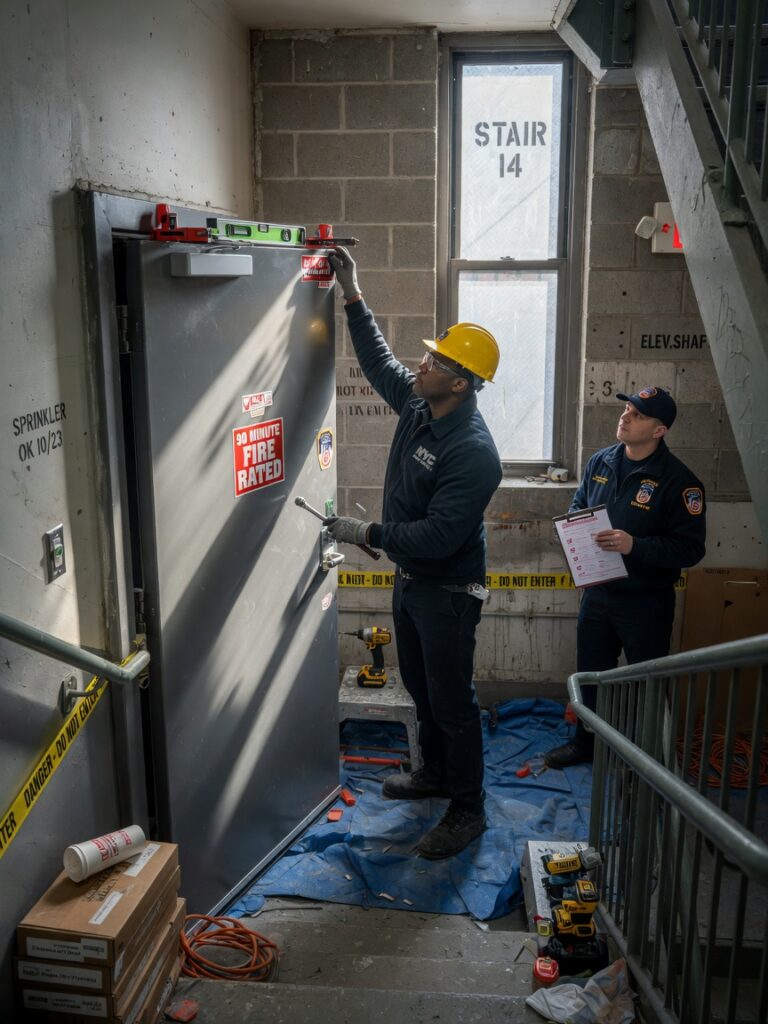
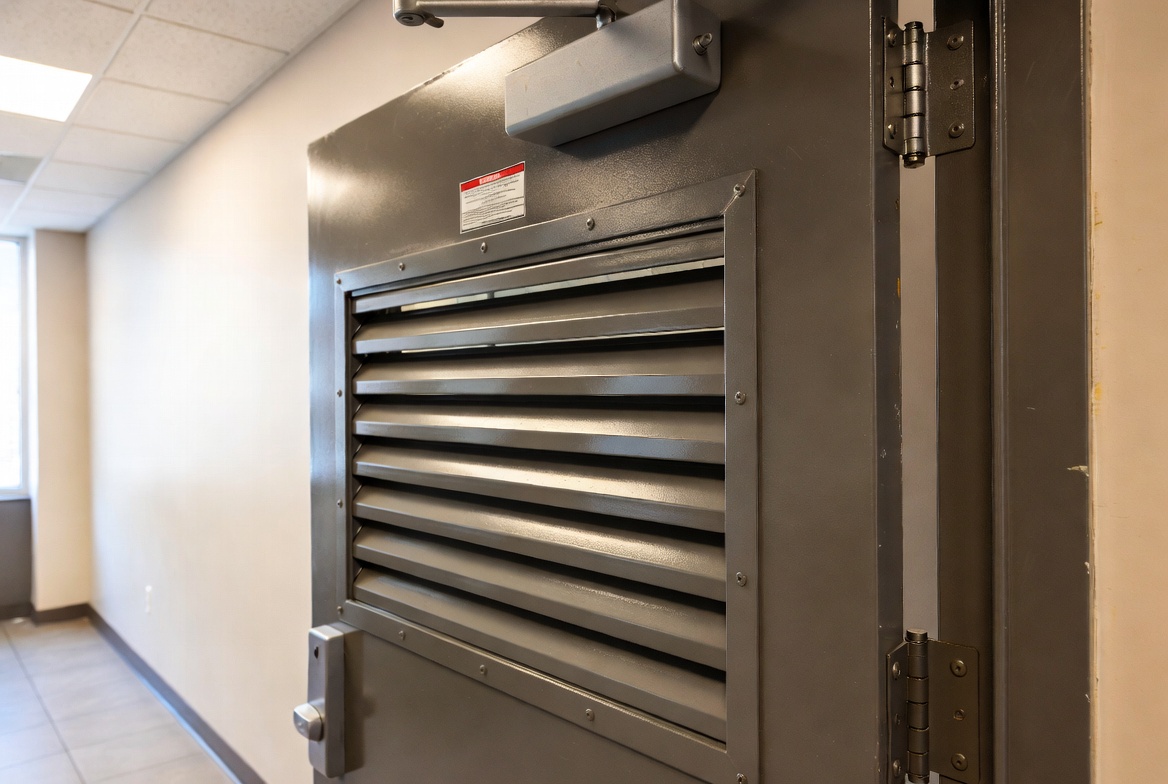
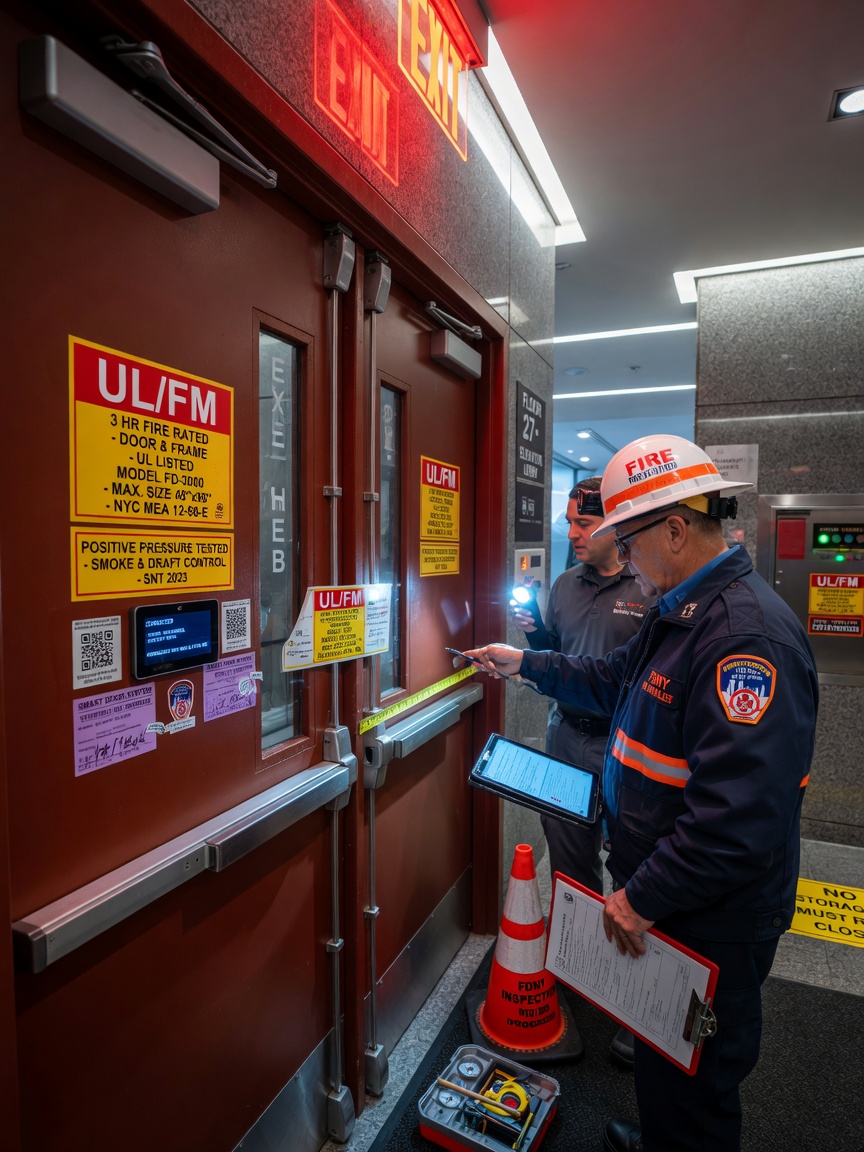
NYC Fire Code Section 716 and NFPA 80/101 require that fire-rated doors maintain their integrity. Smart hardware must be UL 10C listed and installed with approved fire-rated power supplies and monitoring. Fail-secure vs fail-safe configuration becomes critical depending on whether the door is on an exit path or a secured perimeter.
ADA and Accessibility Requirements
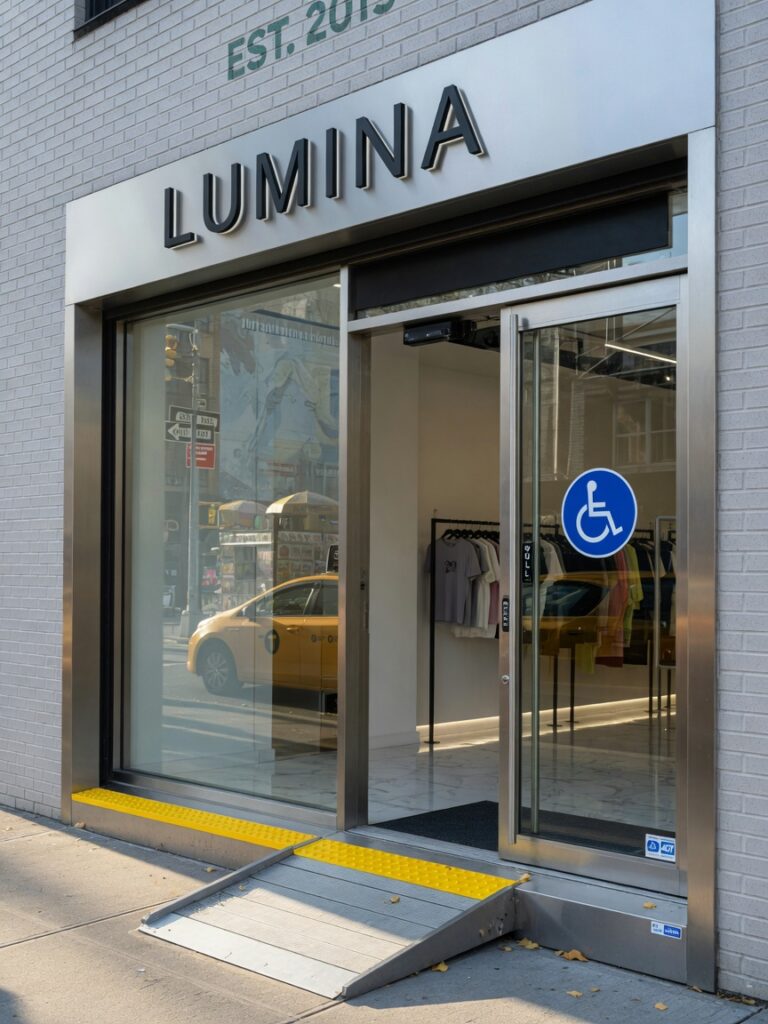
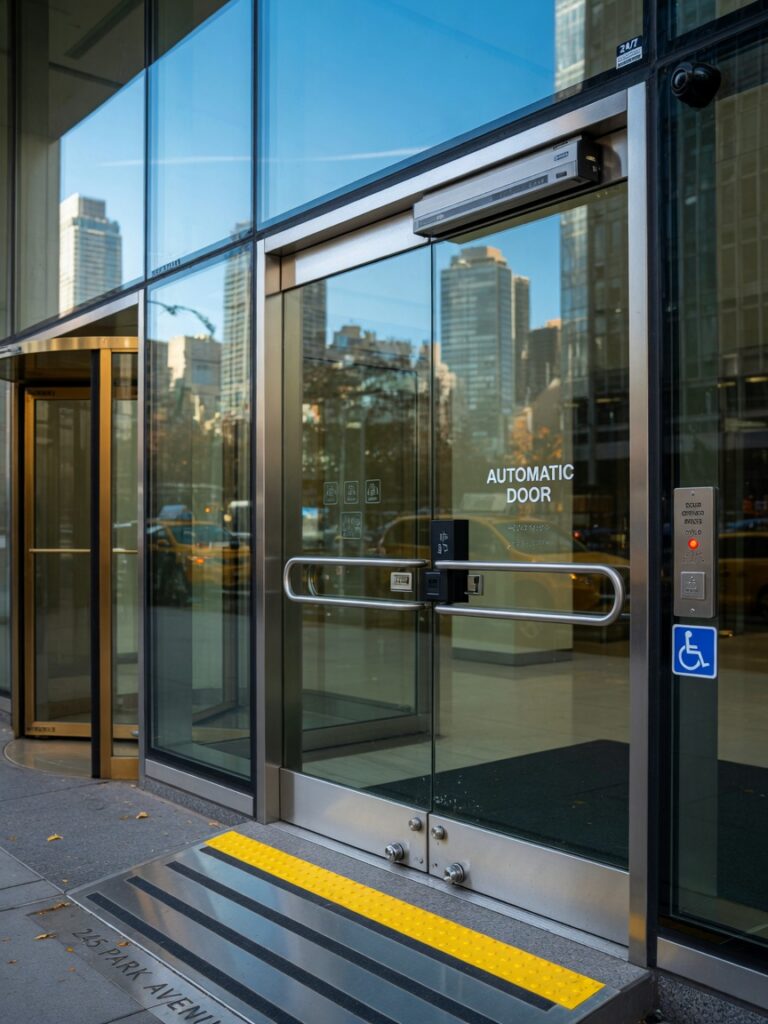
All automated commercial doors must comply with ICC A117.1 and NYC Building Code Chapter 11. Minimum clear width of 32 inches, maximum opening force of 5 lbf, and 3–7 second opening time are mandatory. Touchless sensors must be positioned at proper heights for wheelchair users.
Elevator Lobby and Vestibule Regulations
Special attention must be paid to elevator lobby doors under LL 26 of 2004 and LL 88 of 2016 regarding smoke control and pressurization systems when integrating automatic operators.
Real Manhattan Case Studies
Case Study 1: Midtown Class A Office Tower (2025 Completion)
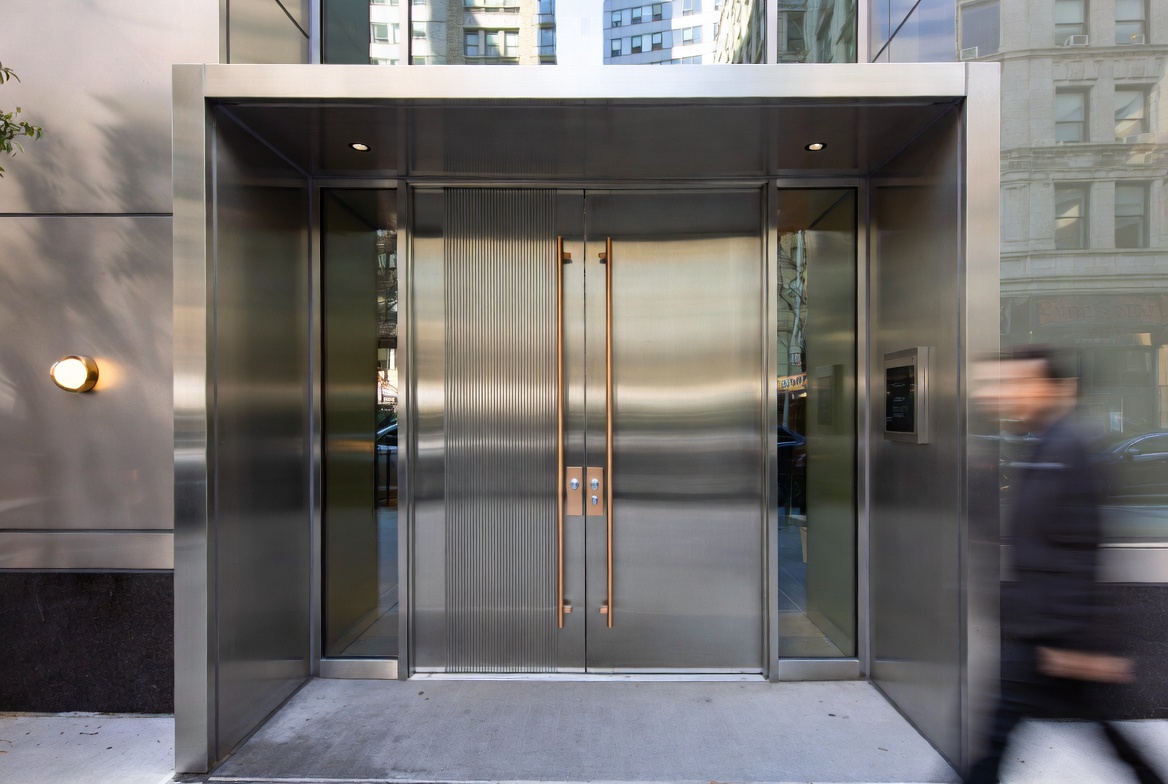
A 42-story tower on Sixth Avenue integrated 187 Securadoor heavy-gauge steel frames with ASSA ABLOY wireless mortise locks and facial recognition turnstiles. The project achieved 40% reduction in physical key management costs and real-time integration with the building’s KNX-based automation system. Total project cost: $1.84M. Projected 5-year ROI: 312%.
Case Study 2: Financial Services Data Center – Lower Manhattan
A Tier III data center retrofitted 68 existing steel doors with biometric iris readers and PoE-powered controllers. Integration with existing Genetec Security Center platform provided FIPS 140-2 compliant audit trails. Annual savings from reduced tailgating incidents exceeded $185,000.
ROI Calculations for Smart Door Integration
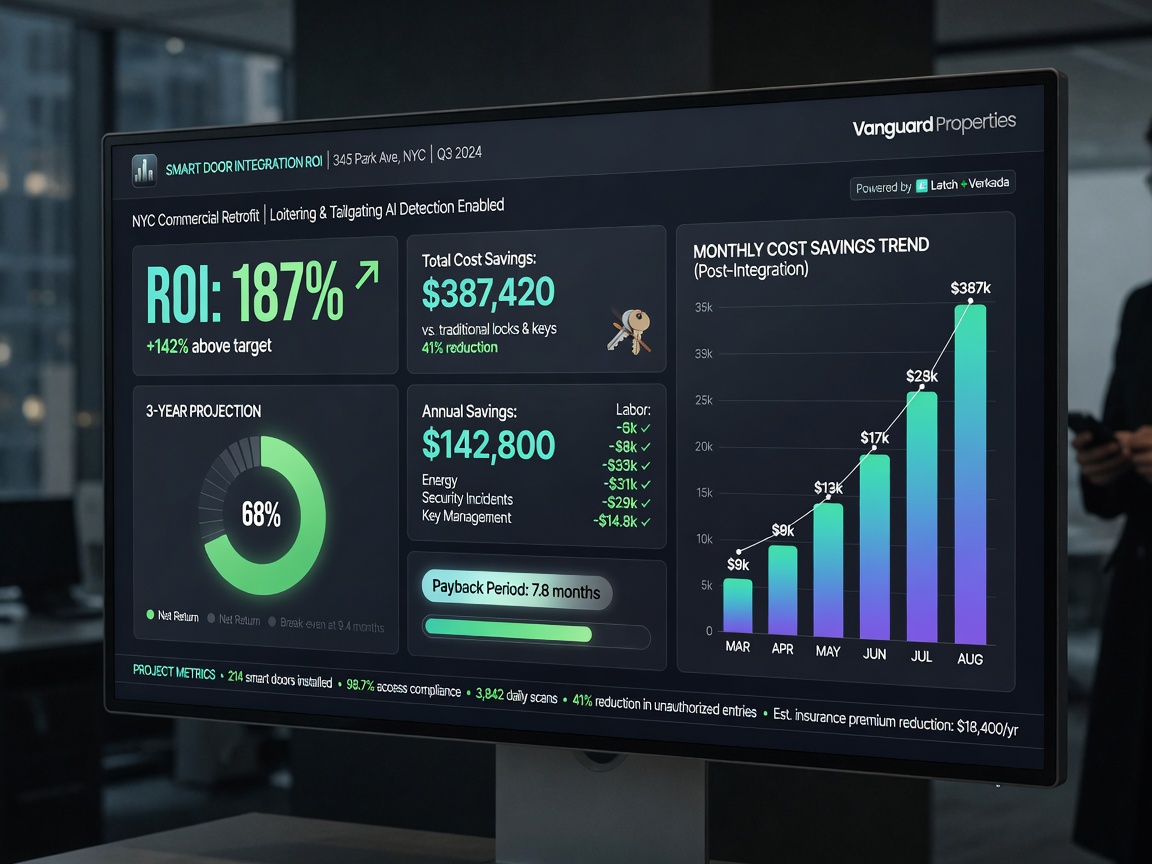
Building owners can expect the following average returns when deploying smart commercial doors across a typical 250,000 sq ft NYC office building:
| Metric | 5-Year Projection |
|---|---|
| Initial Investment | $875,000 – $1.4M |
| Annual Maintenance Savings | $92,000 |
| Energy Efficiency Gains | $47,000 |
| Security Incident Reduction Value | $168,000 |
| Net 5-Year ROI | 286% – 374% |
Break-even typically occurs between 19 and 26 months depending on building type and existing infrastructure readiness.
Implementation Roadmap for 2026
- Conduct comprehensive door inventory and infrastructure assessment
- Perform code compliance gap analysis with local FDNY and DOB experts
- Design phased integration prioritizing high-traffic and high-security portals
- Select hardware compatible with both current and planned BMS platforms
- Implement cybersecurity protocols (zero-trust architecture, certificate management, encrypted communication)
- Train facility teams and develop standard operating procedures
- Establish continuous monitoring and predictive maintenance protocols using door analytics
Choosing the Right Integration Partner
When upgrading traditional Securadoor steel frames with smart technology, select partners who understand both the mechanical demands of heavy-gauge doors and the nuances of NYC regulatory environment. Look for certified integrators with proven experience in UL-listed fire door modifications and NY DOB-approved installation teams.
Conclusion: Future-Proofing NYC Commercial Buildings
Smart commercial doors represent far more than an access control upgrade—they form the physical layer of a building’s digital nervous system. By thoughtfully integrating IoT-enabled hardware with existing heavy-gauge steel infrastructure, building owners can achieve unprecedented levels of security, operational efficiency, and regulatory compliance while delivering measurable ROI.
The window for strategic 2026 implementation is now. Buildings that successfully merge robust mechanical door systems with intelligent technology will command higher rents, attract premium tenants, and maintain regulatory compliance in an increasingly connected New York City.
Ready to begin your smart door transformation? Contact our technical integration team for a complimentary door audit and 2026 roadmap tailored to your Manhattan or borough property.