Commercial Door Code Compliance NYC: Fire Safety Explained
Fire safety in commercial buildings is not optional in New York City. Strict building codes and local laws govern every aspect of fire-rated doors, frames, hardware, and vision lights. For business owners, facility managers, and property operators, understanding commercial door code compliance NYC requirements is essential to protect lives, avoid heavy fines, and prevent business disruption.
This definitive guide explains current NYC fire door regulations, self-closing requirements, recent code updates, common violations, and provides a clear compliance roadmap.
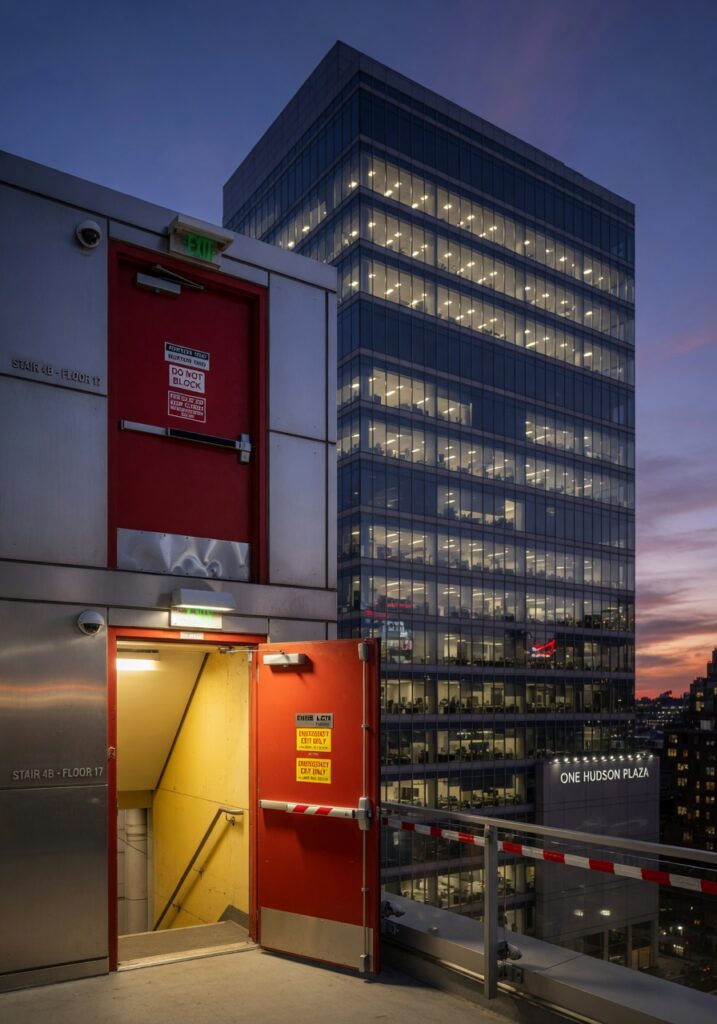
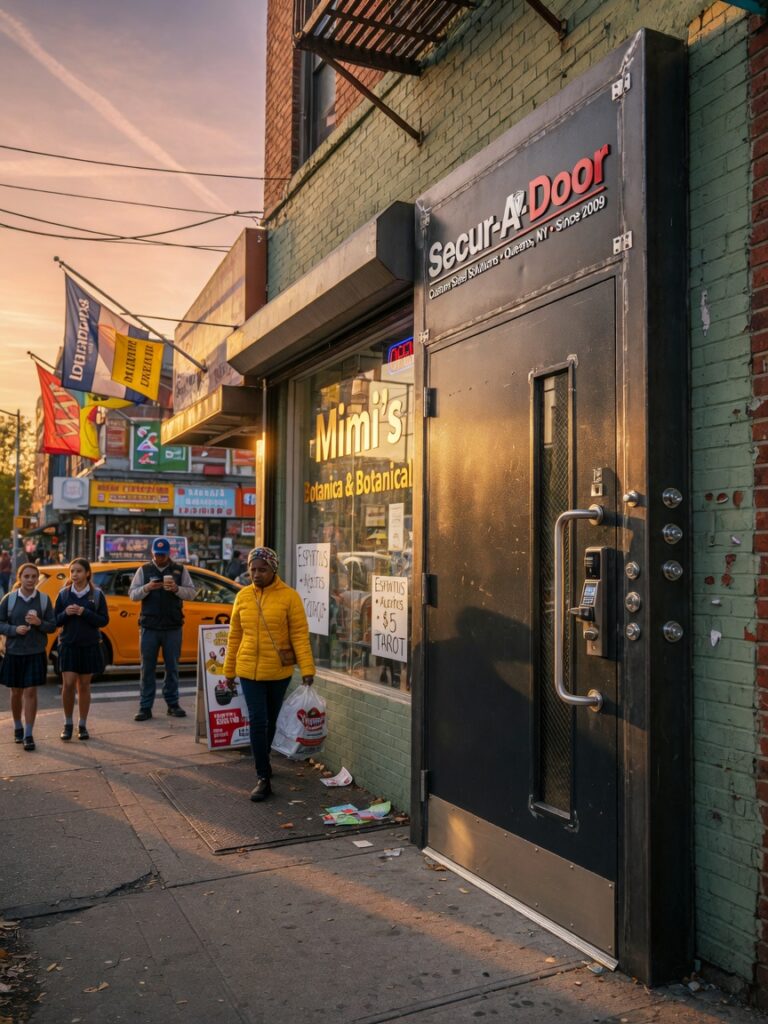
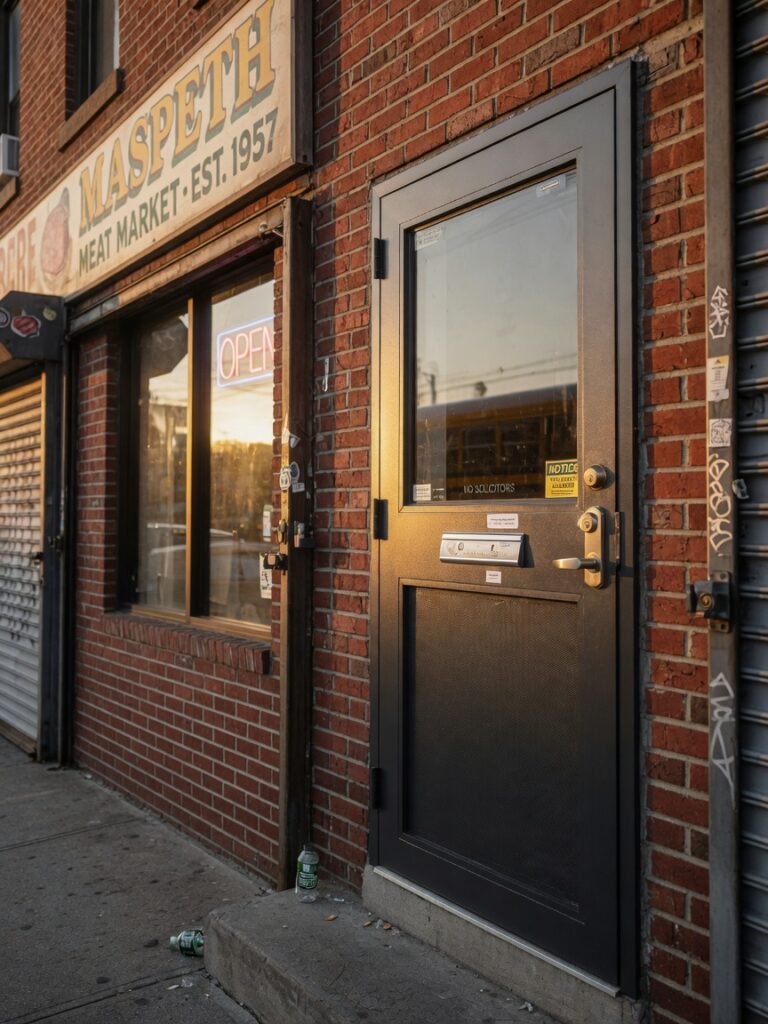
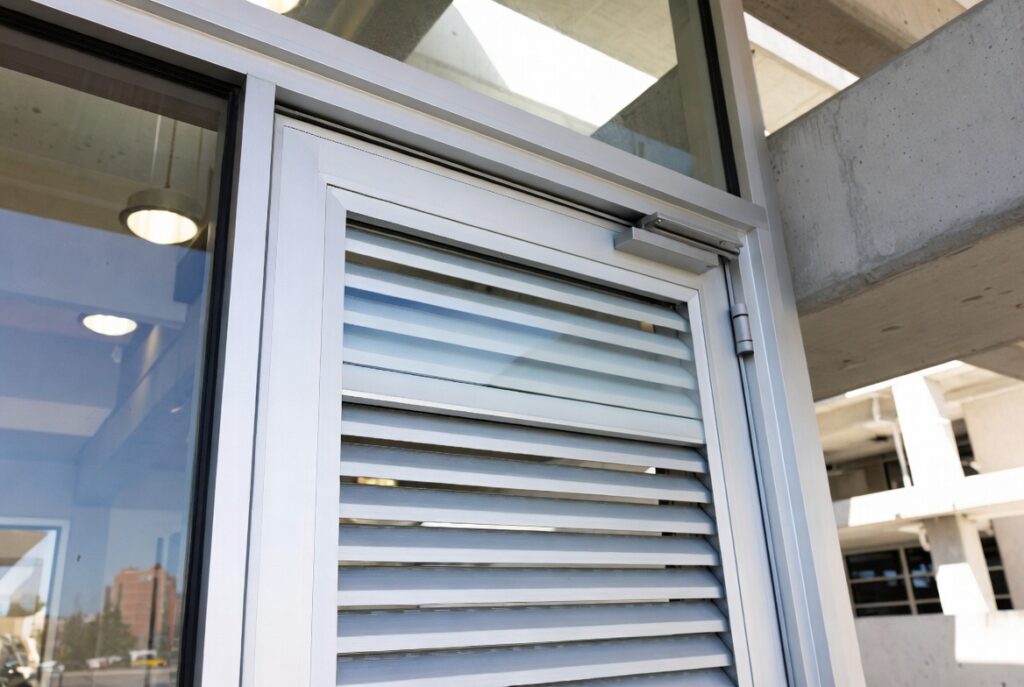
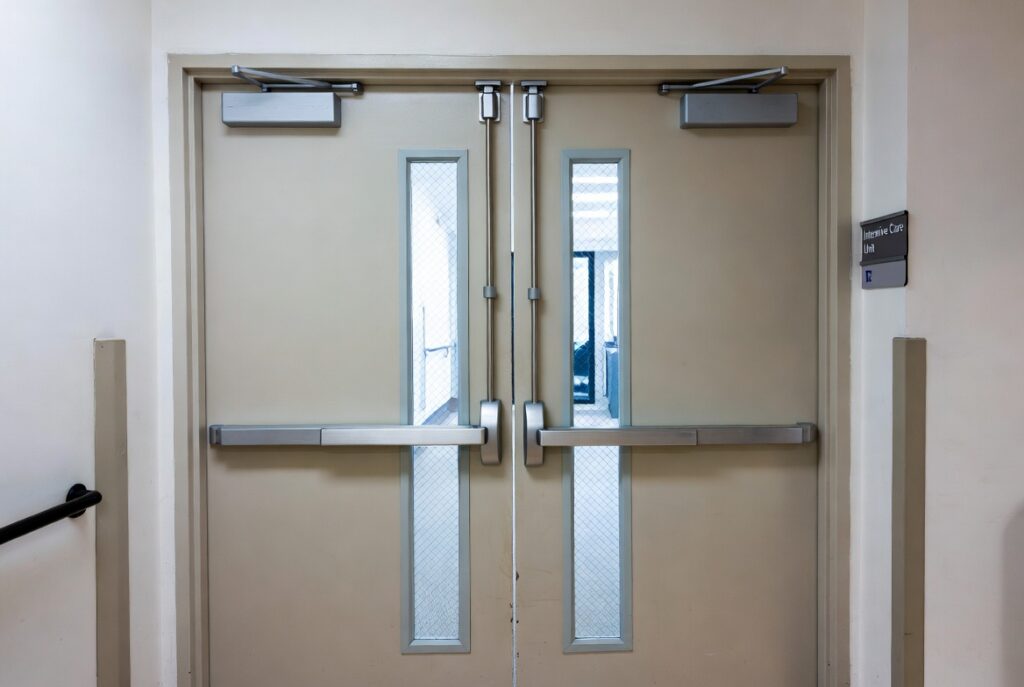
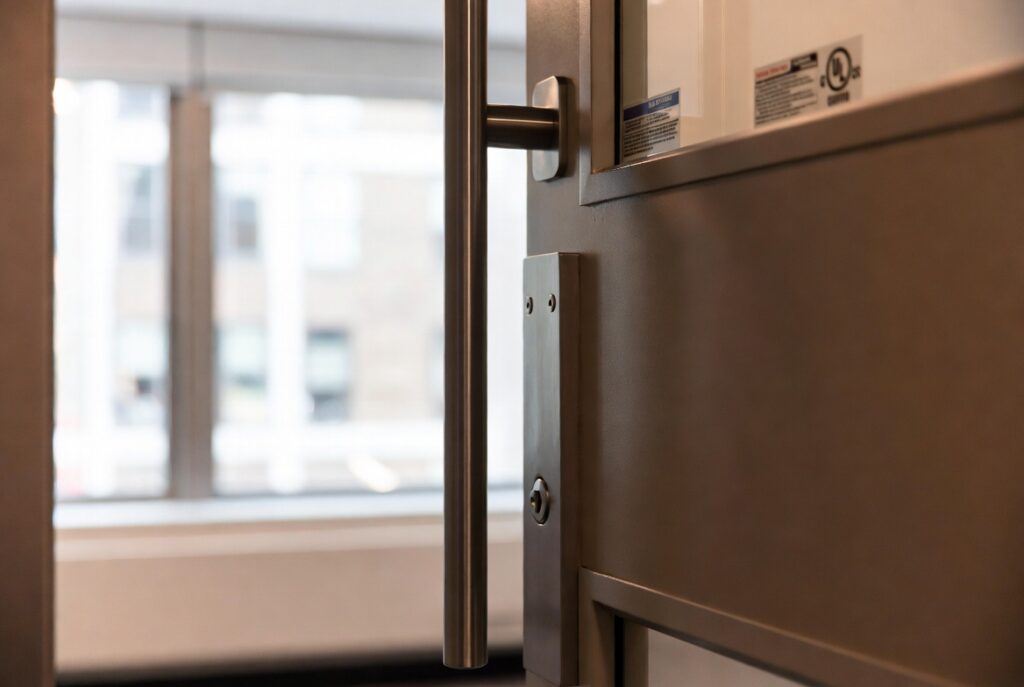
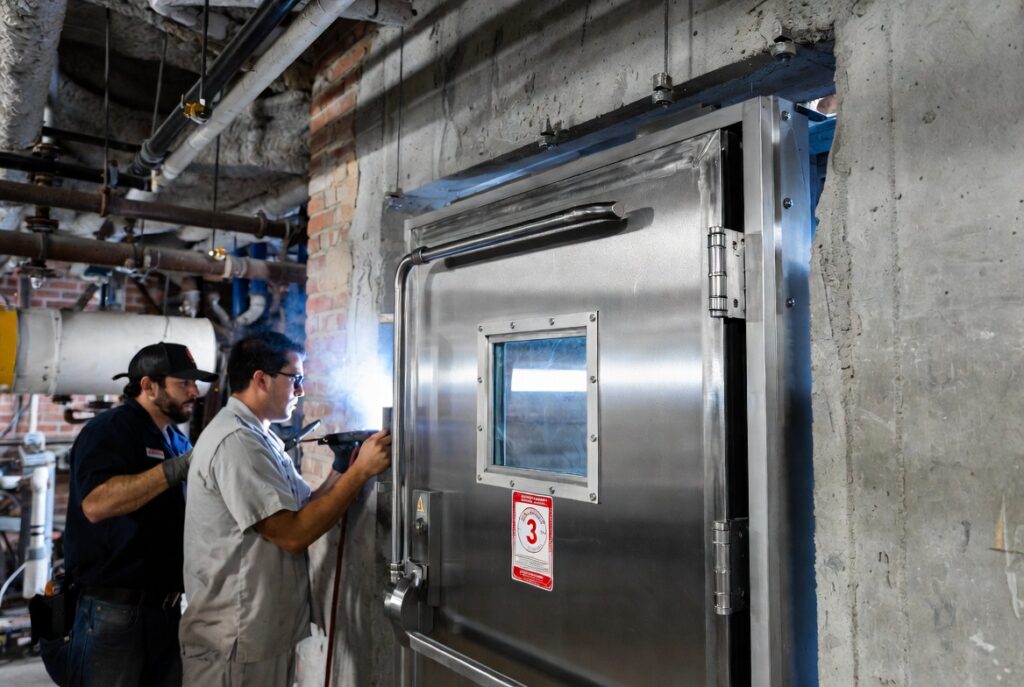
Image Grid 1
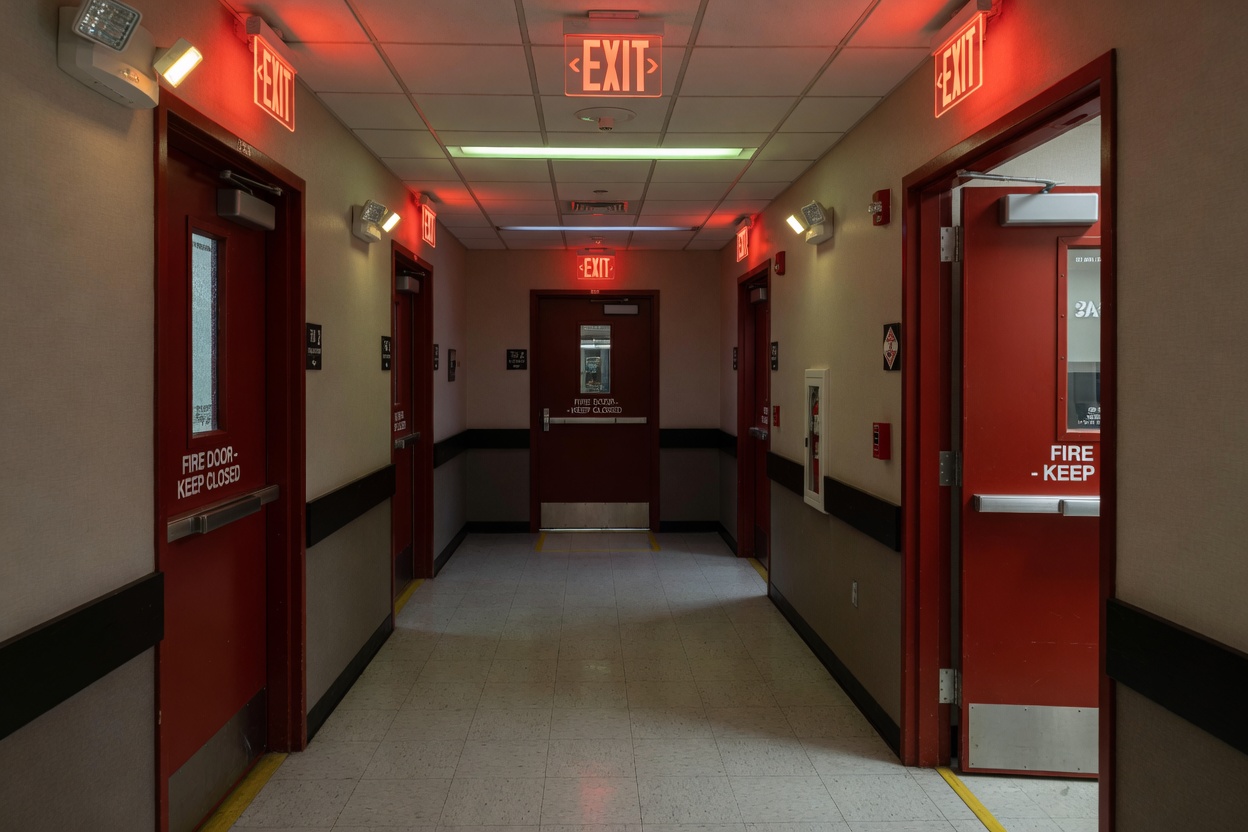
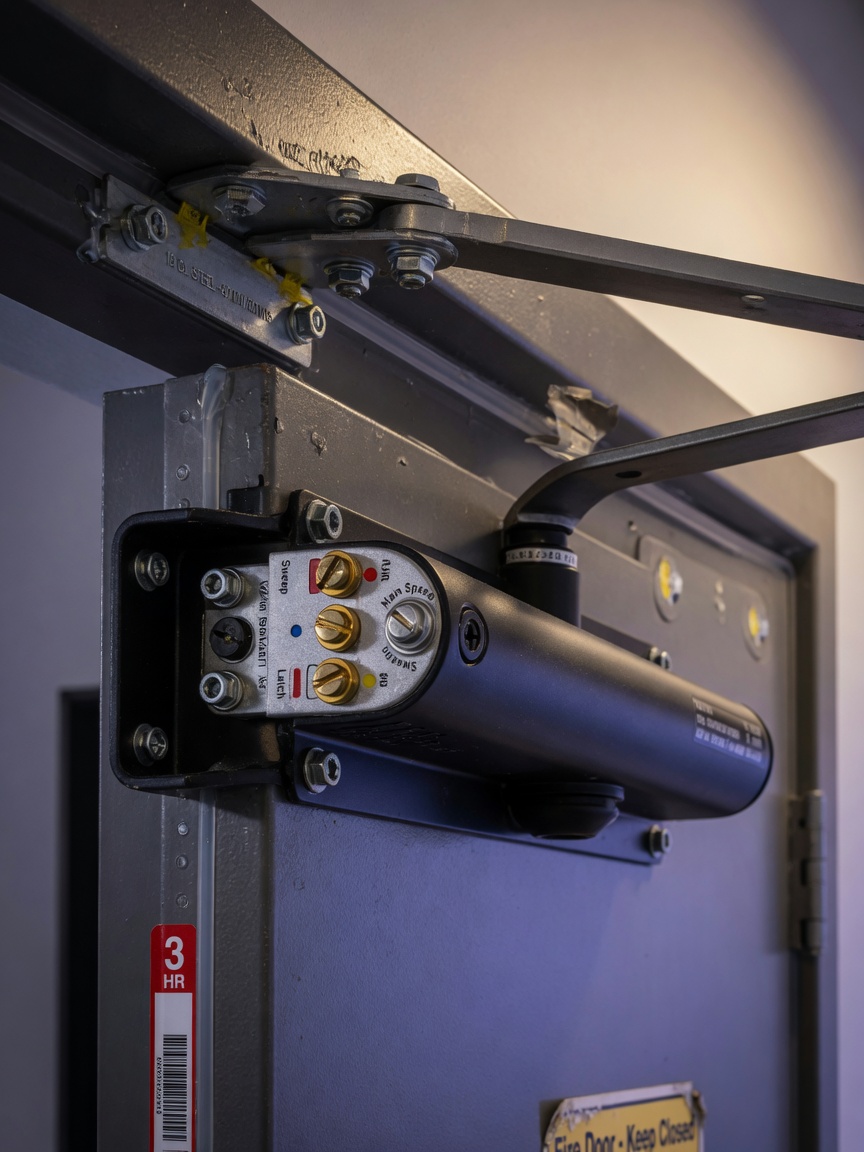
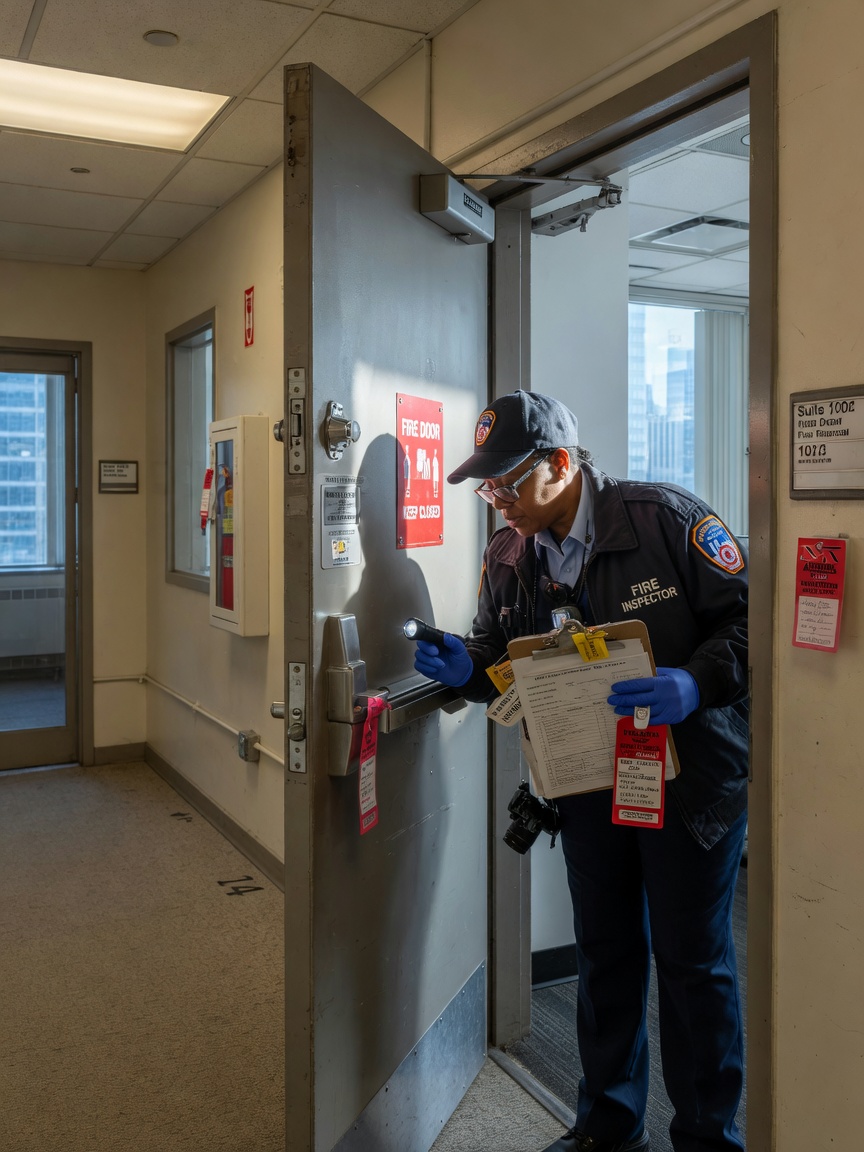
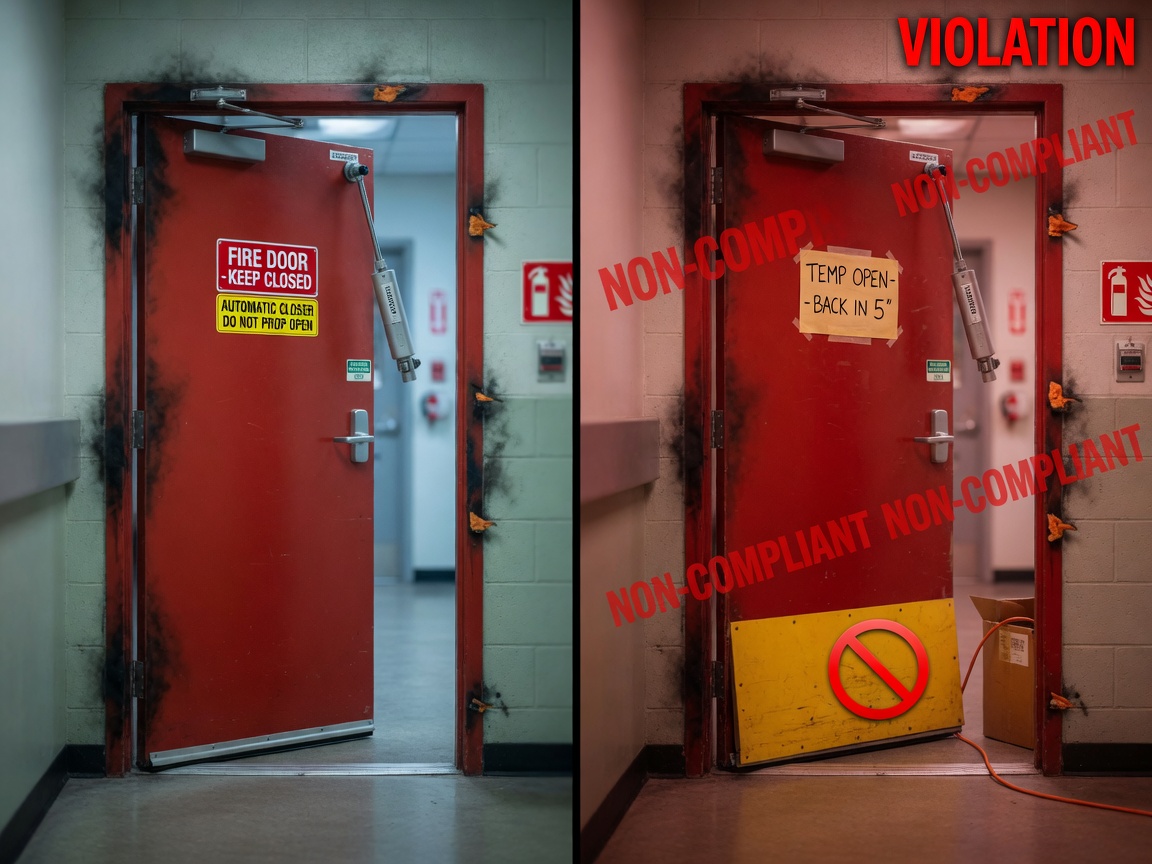
Why Fire Door Compliance Matters in NYC
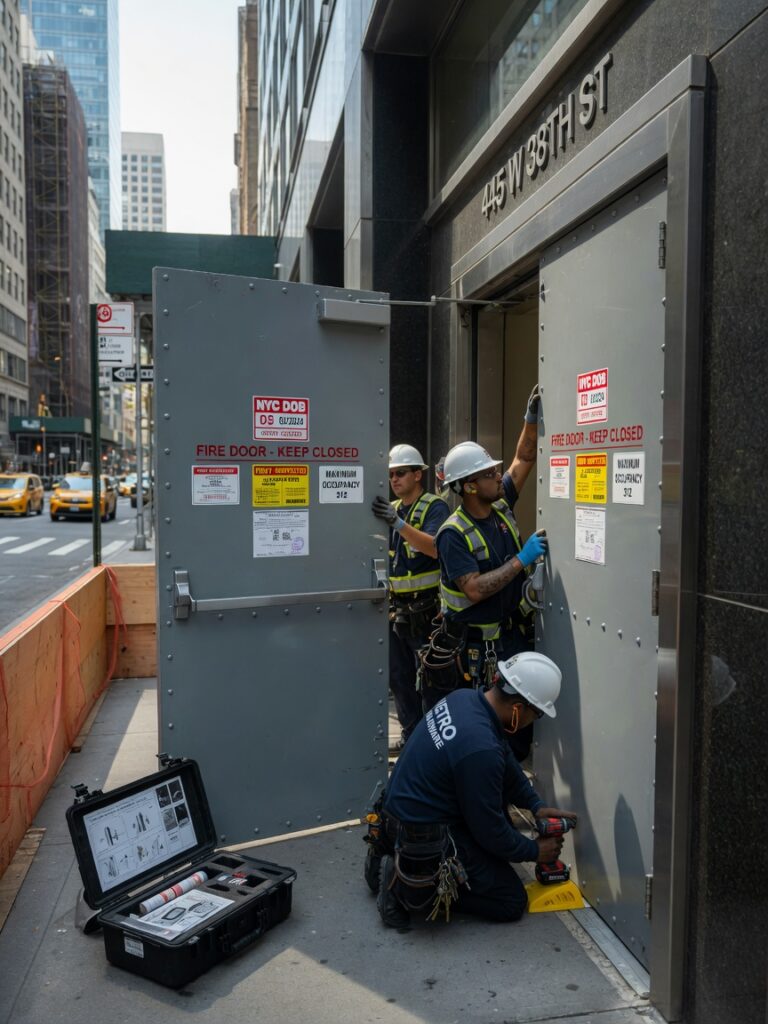
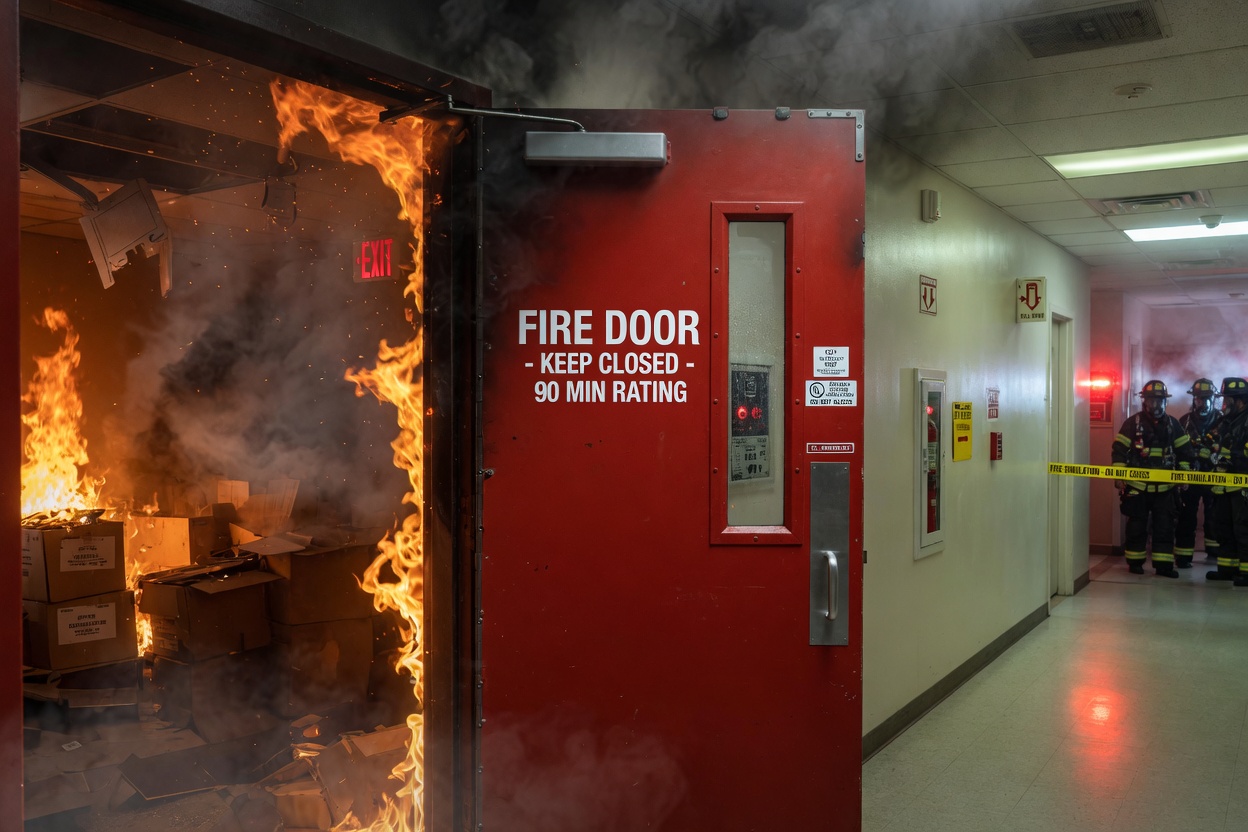
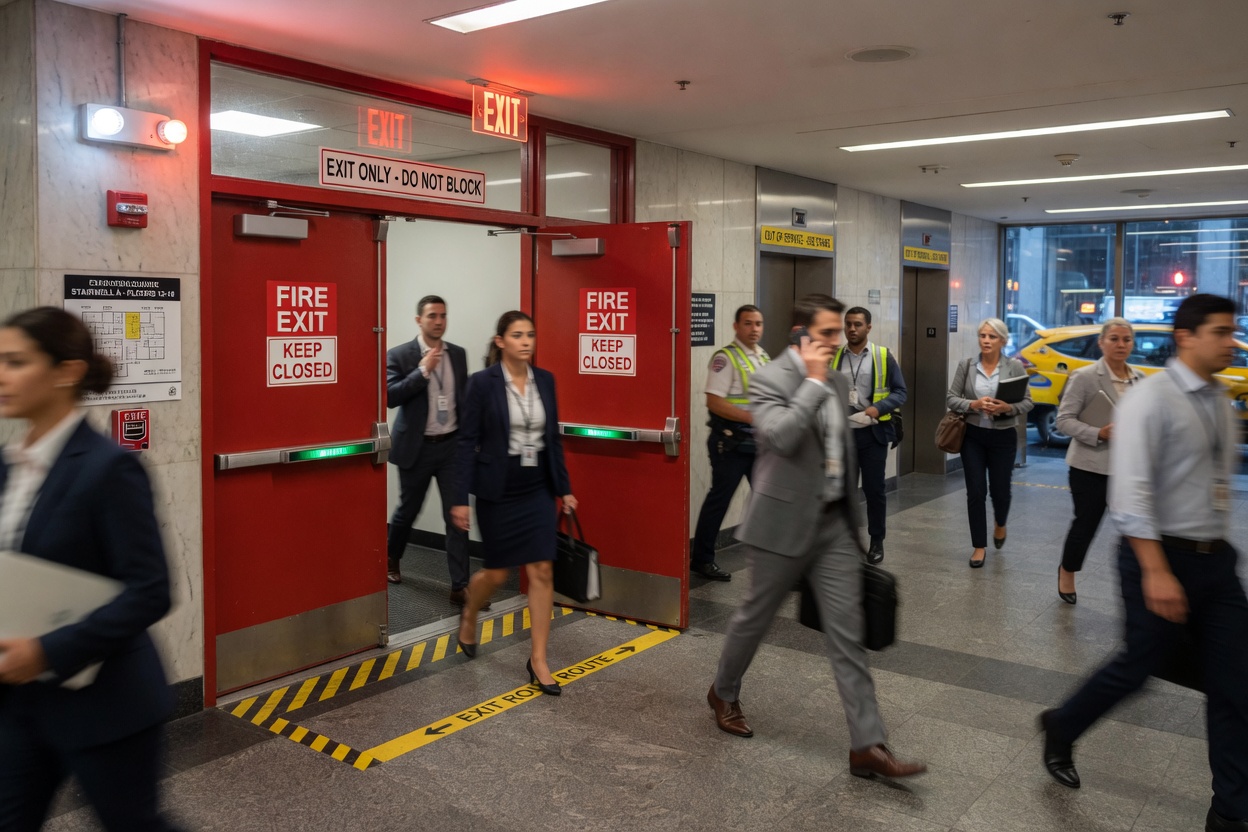
According to the FDNY and NYC Department of Buildings (DOB), properly functioning fire doors are among the most critical passive fire protection systems in any commercial building. In the event of a fire, these specialized doors compartmentalize smoke and flames, providing occupants with crucial time to evacuate safely.
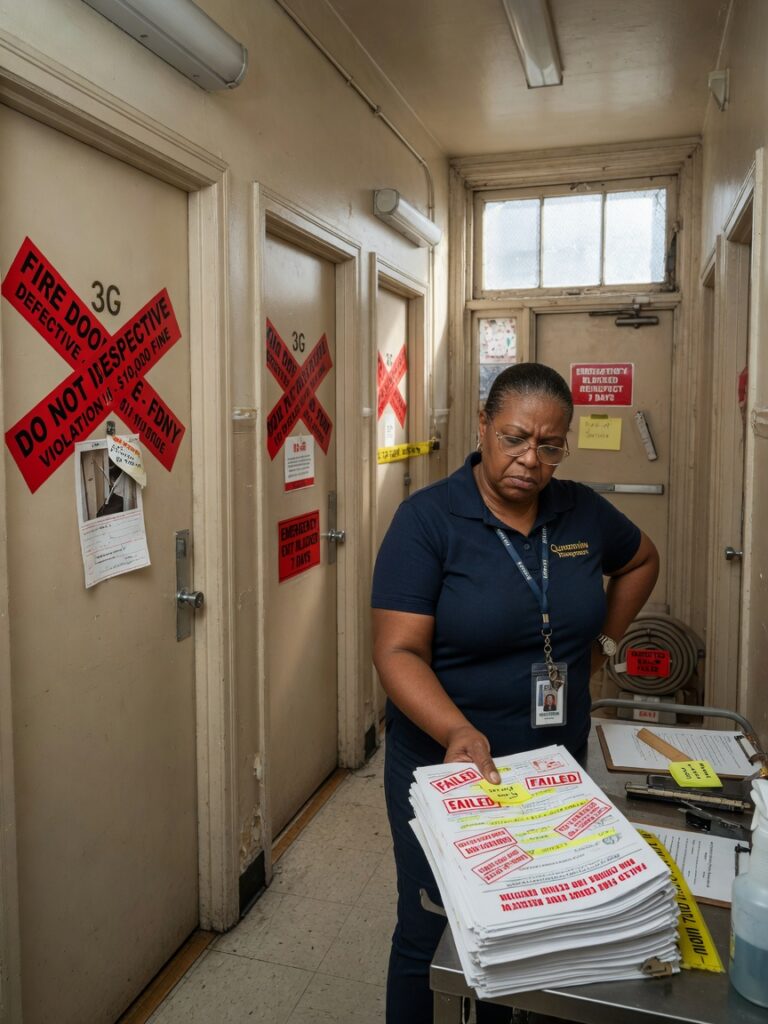
Non-compliant fire doors are frequently cited during inspections and have been linked to increased property damage and tragic outcomes in past NYC fires. The financial and legal consequences of non-compliance can be severe.
Current NYC Fire Door Code Requirements
NYC commercial door code compliance is primarily governed by the New York City Fire Code, Building Code, and NFPA 80 – Standard for Fire Doors and Other Opening Protectives. The most relevant sections include:
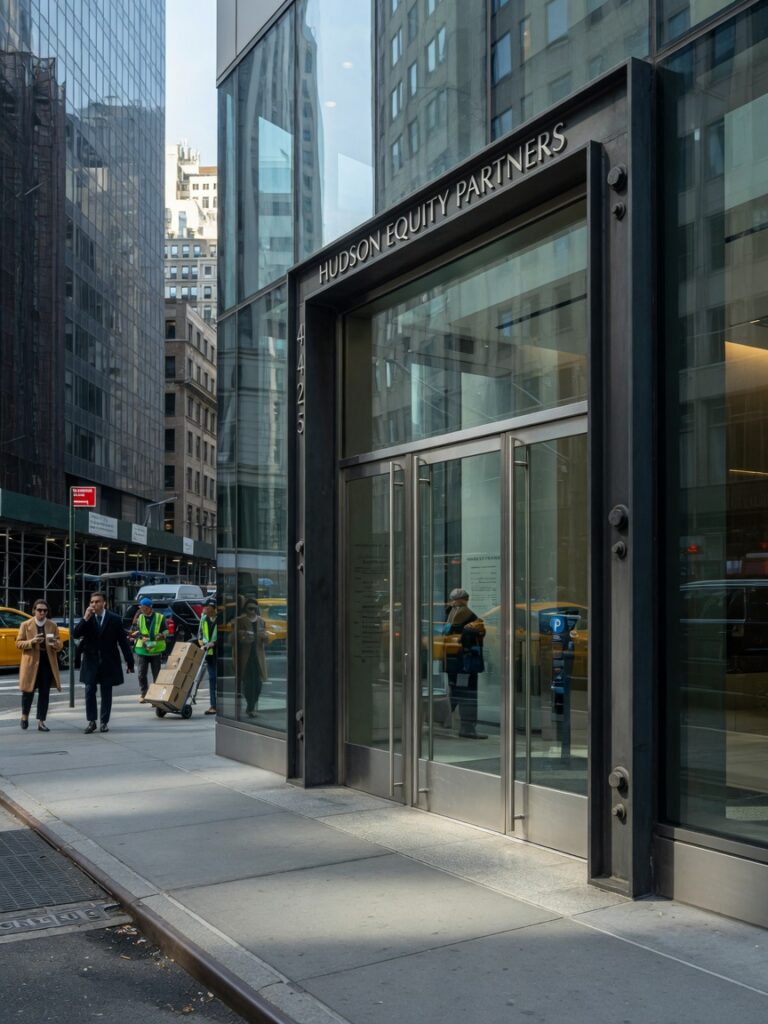
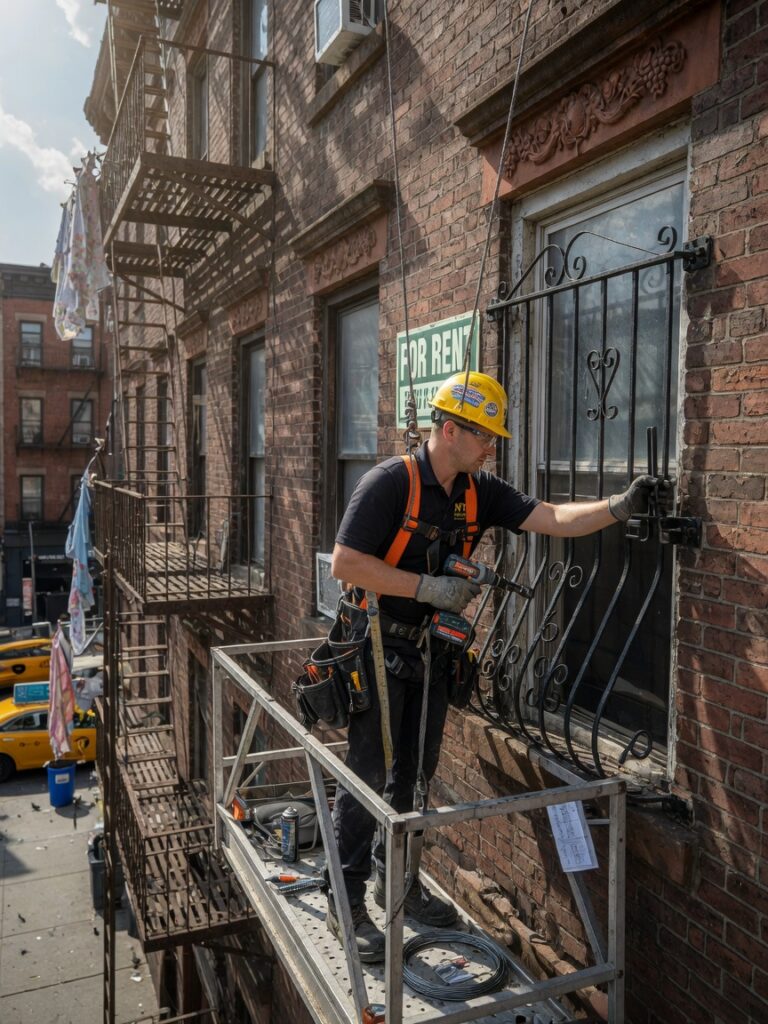
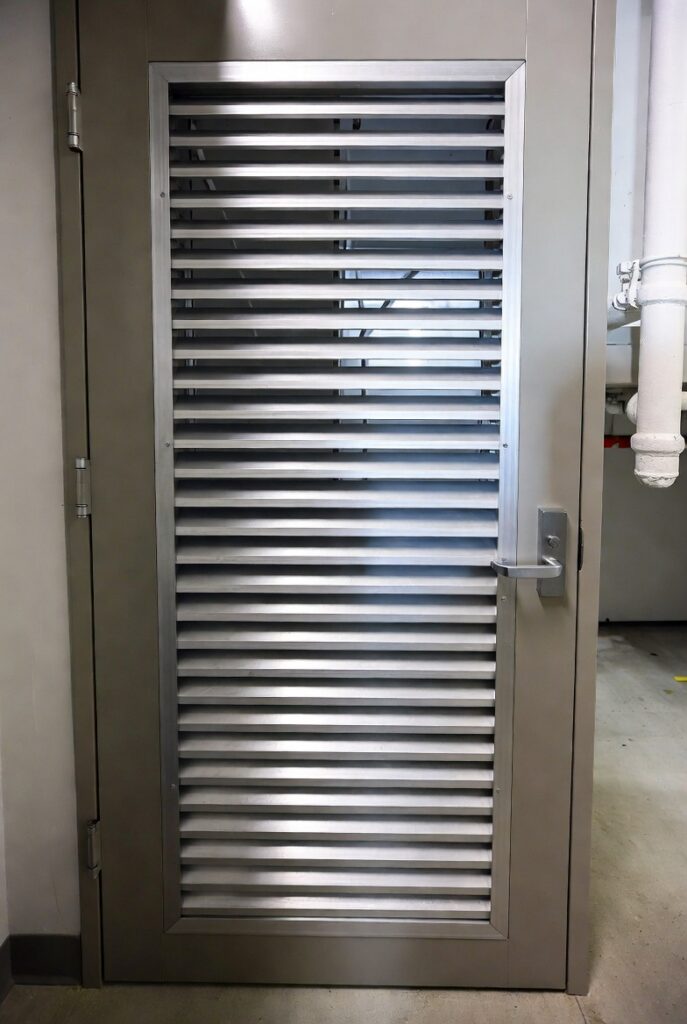
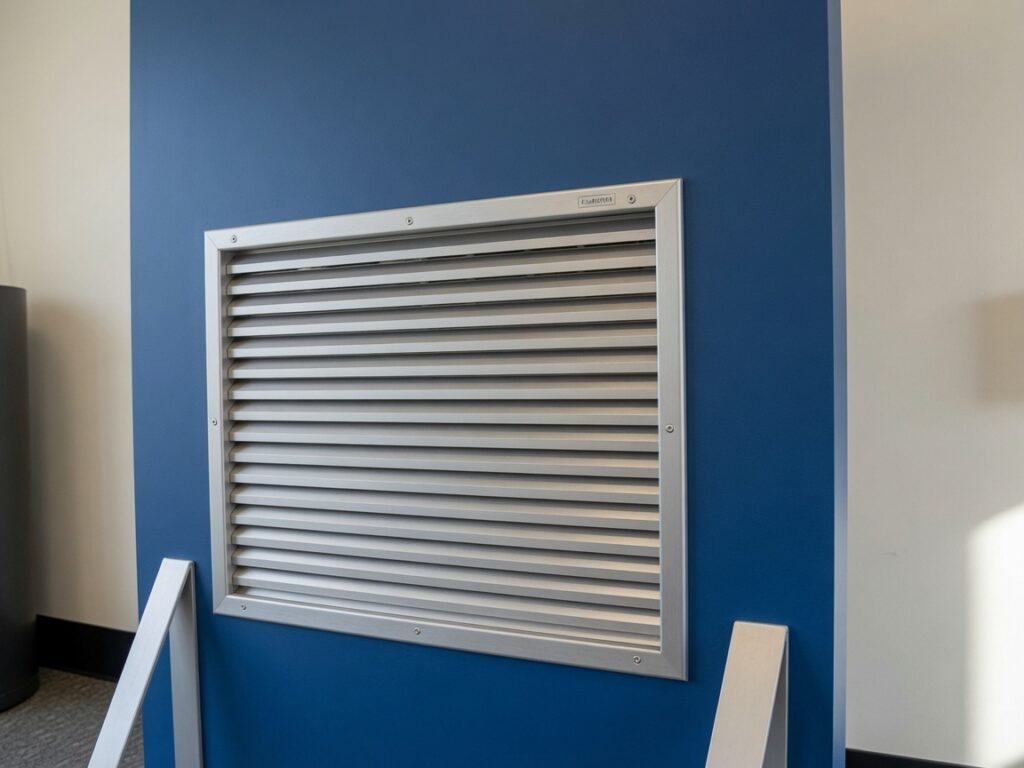
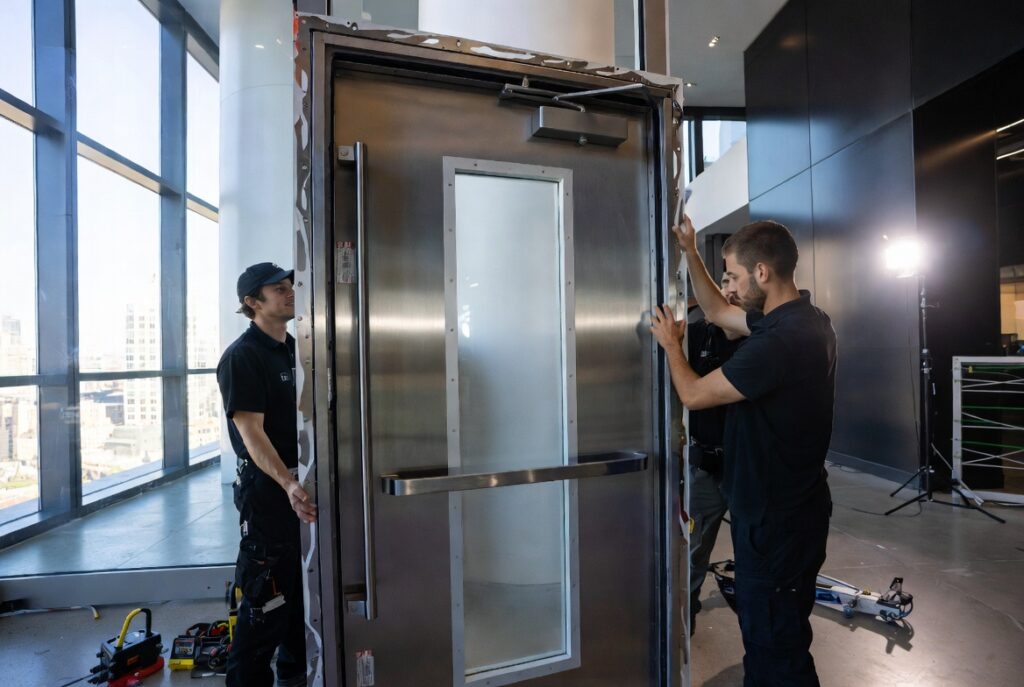
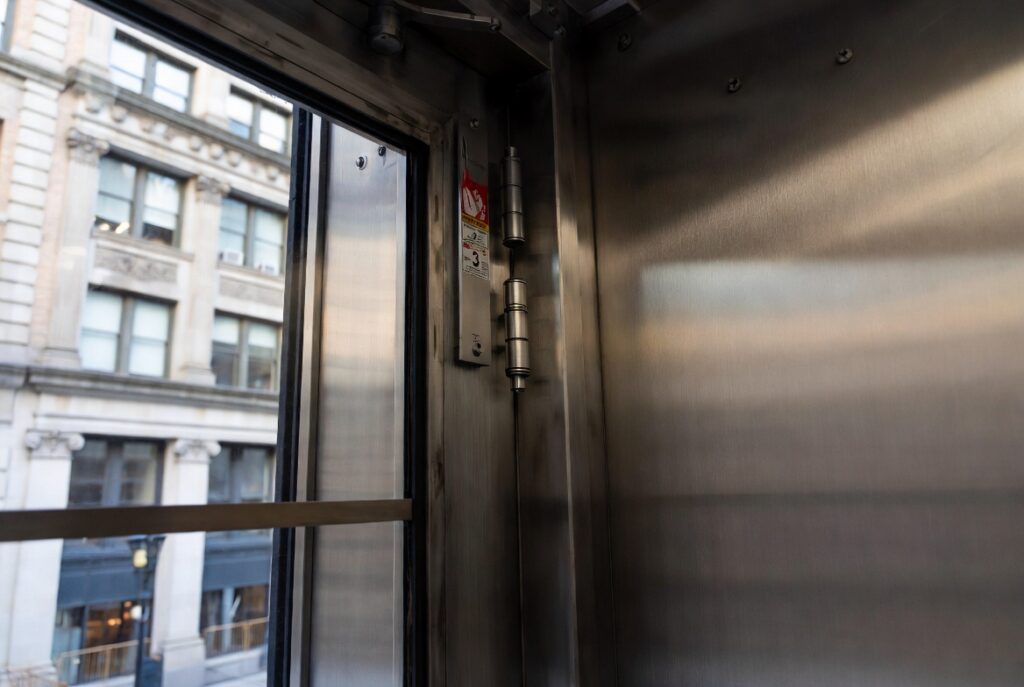
Image Grid 2
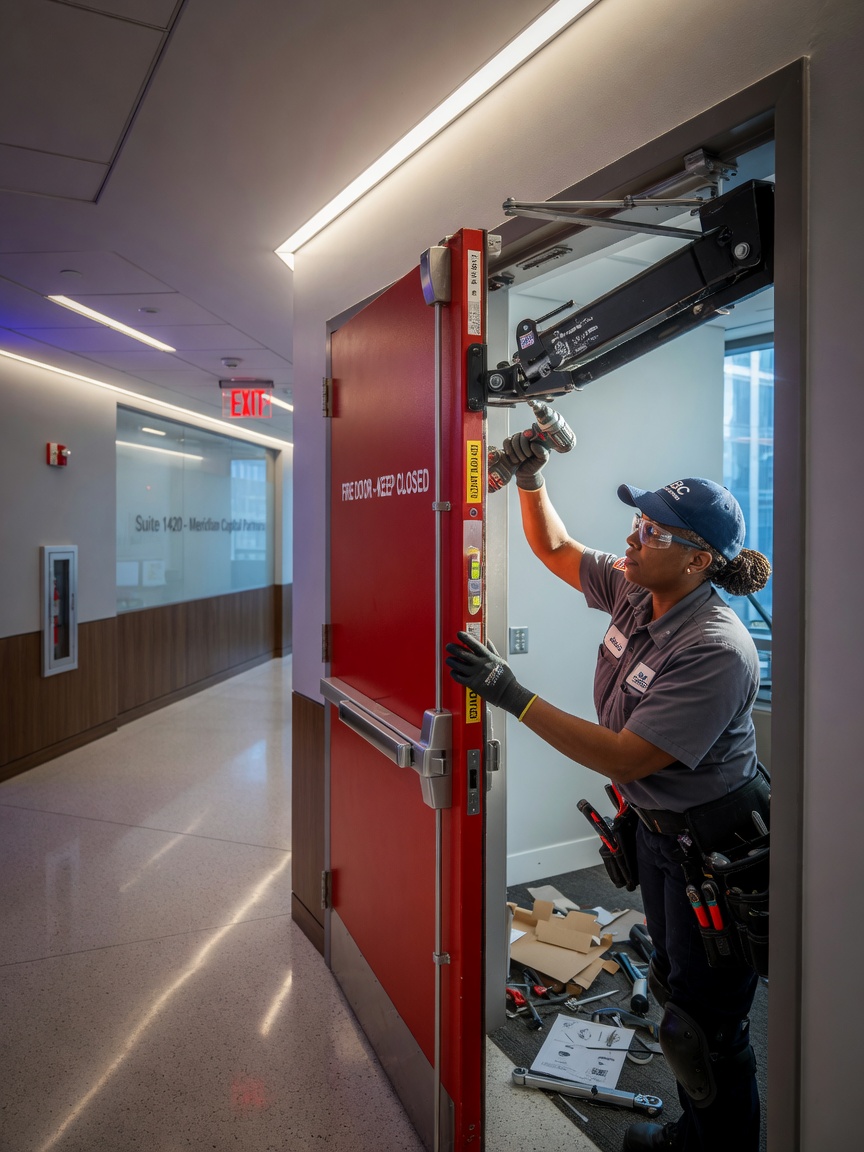
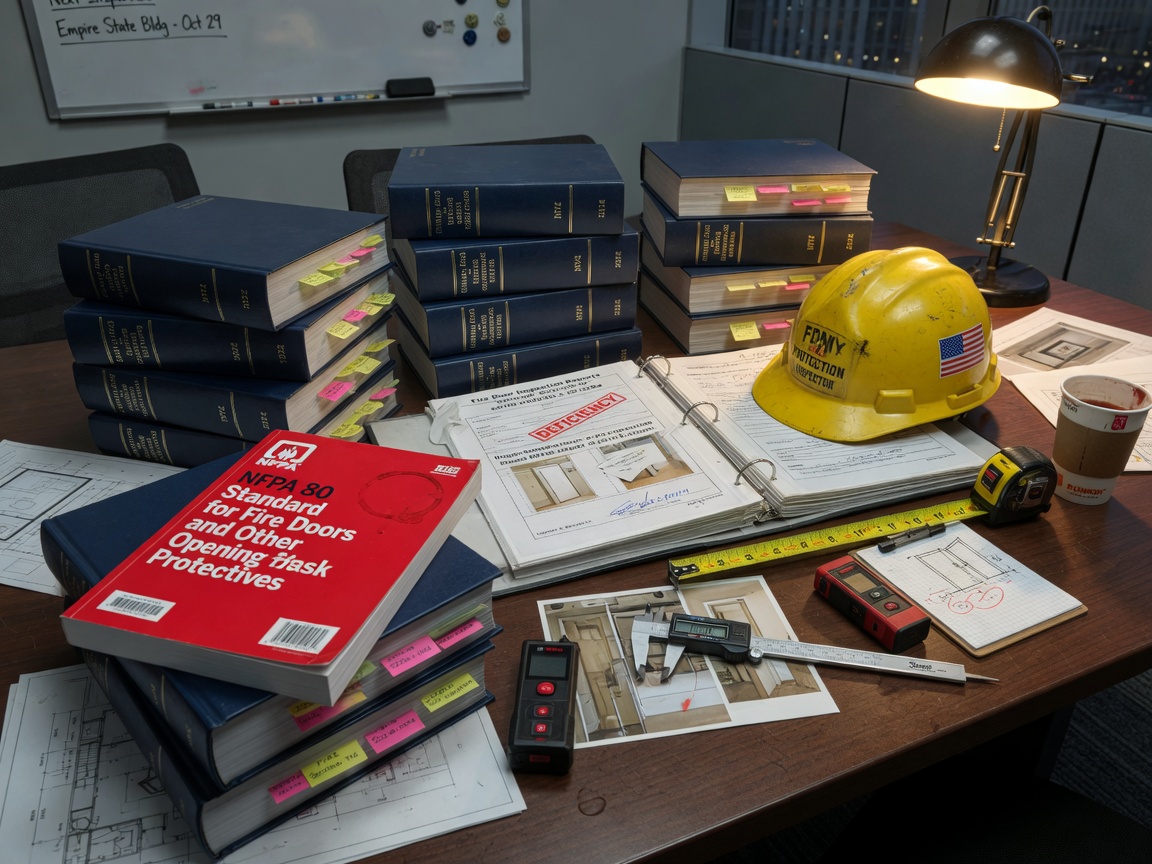
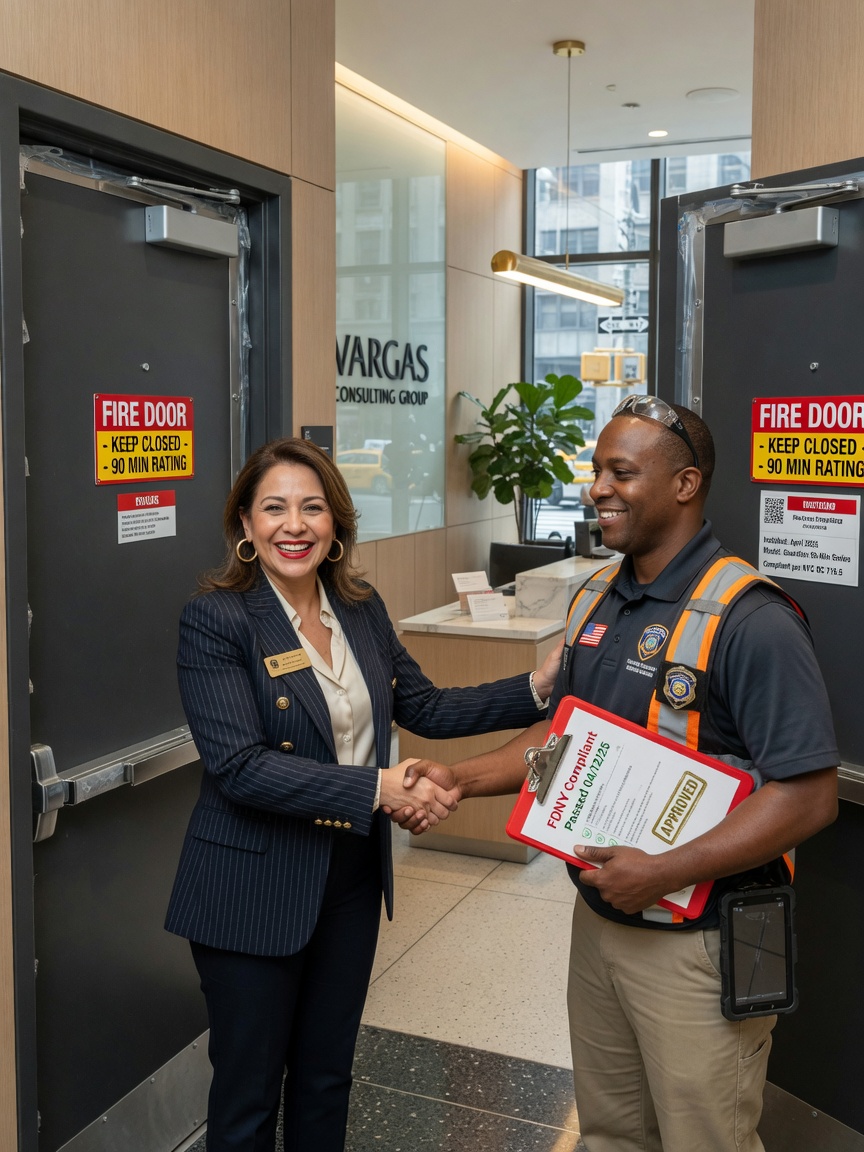
- NYC Fire Code Chapter 7 (Fire-Resistance-Rated Construction)
- NYC Building Code Chapter 10 (Means of Egress)
- Local Law 26 of 2008 and subsequent amendments
- Local Law 152 of 2016 (Periodic Inspection of Fire Protection Systems)
- NFPA 80 (2019 edition with NYC amendments)
Fire-Rated Door Classifications
Commercial fire doors in NYC are rated based on their ability to withstand fire for a specific duration:
- 20-minute (1/3 hour) – Typically used for interior office partitions
- 45-minute (3/4 hour) – Common for corridor and tenant separation
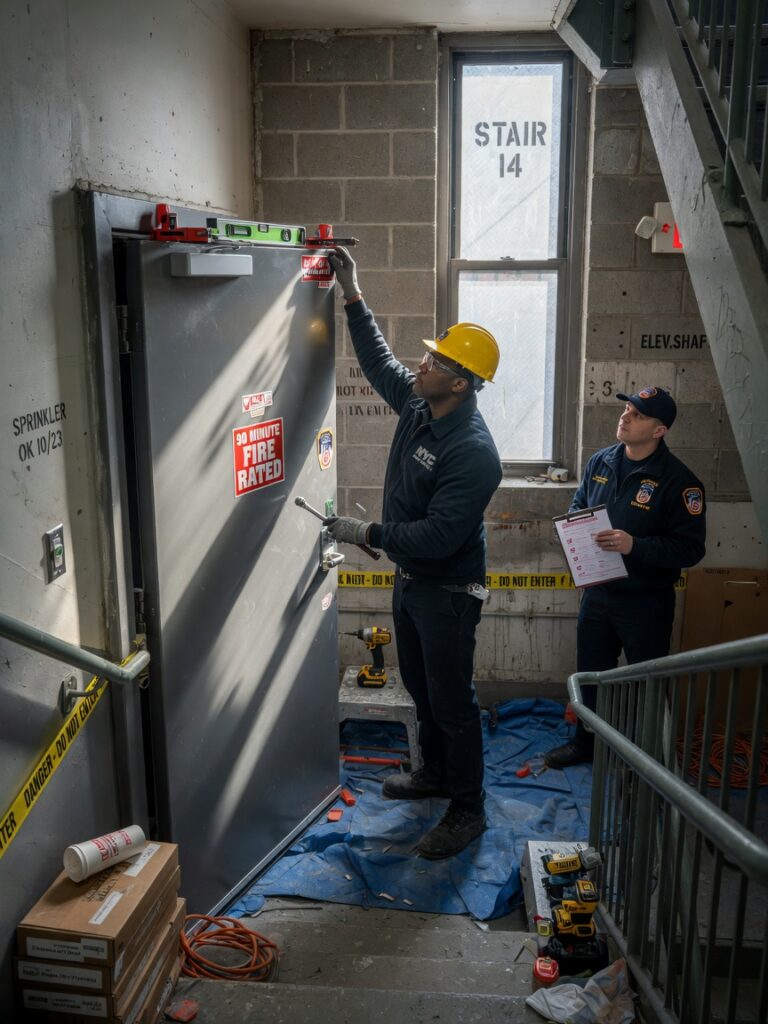
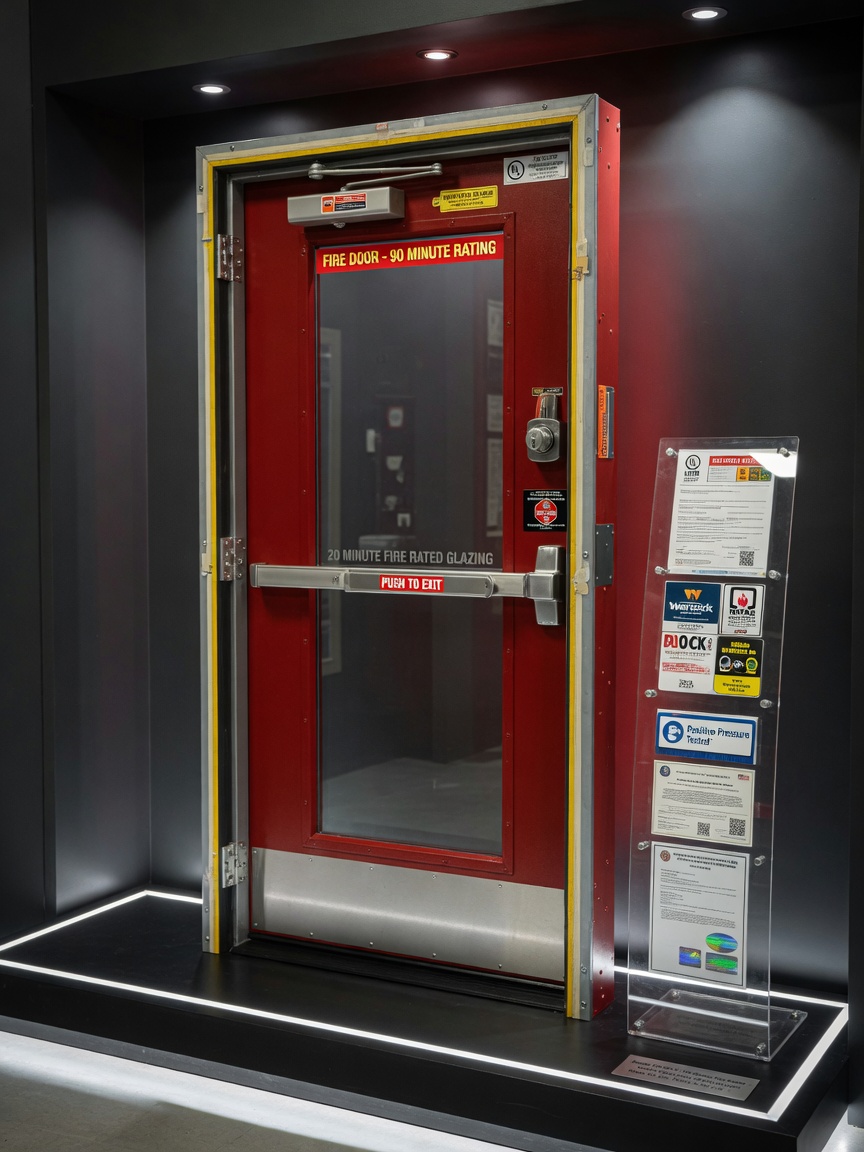
- 90-minute (1-1/2 hour) – Required for stairwells and exit passageways
- 3-hour – Used in high-hazard areas and certain mechanical rooms
Self-Closing and Positive Latching Requirements
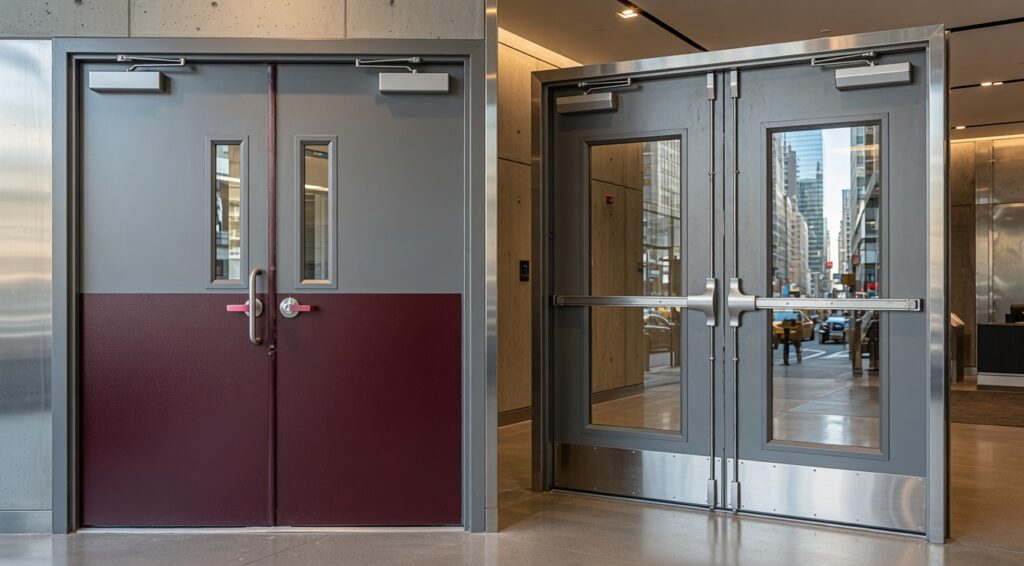
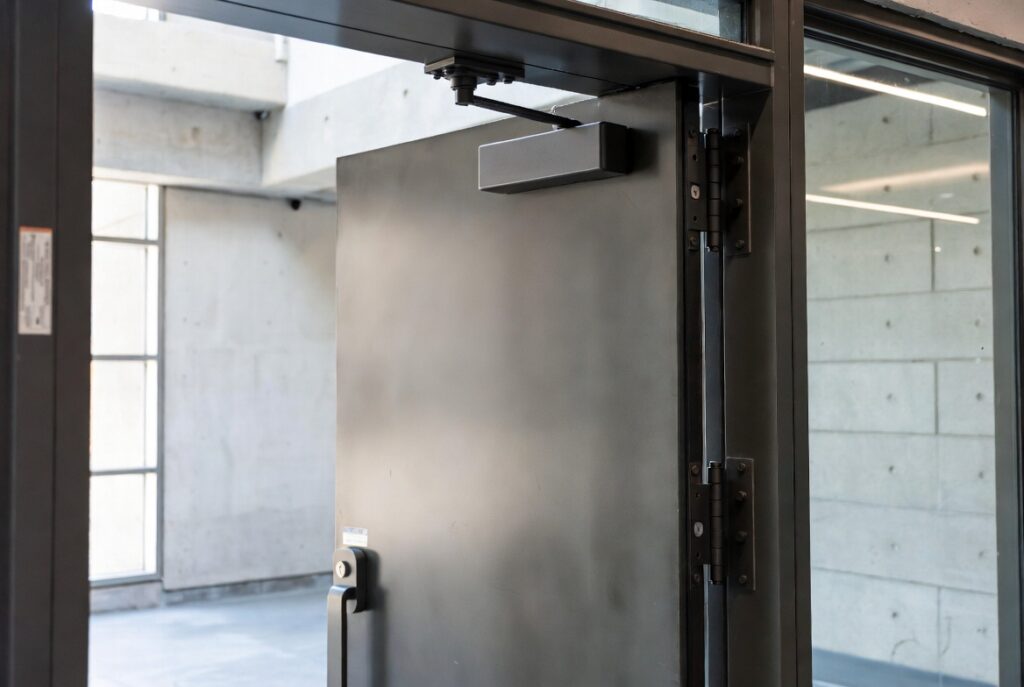
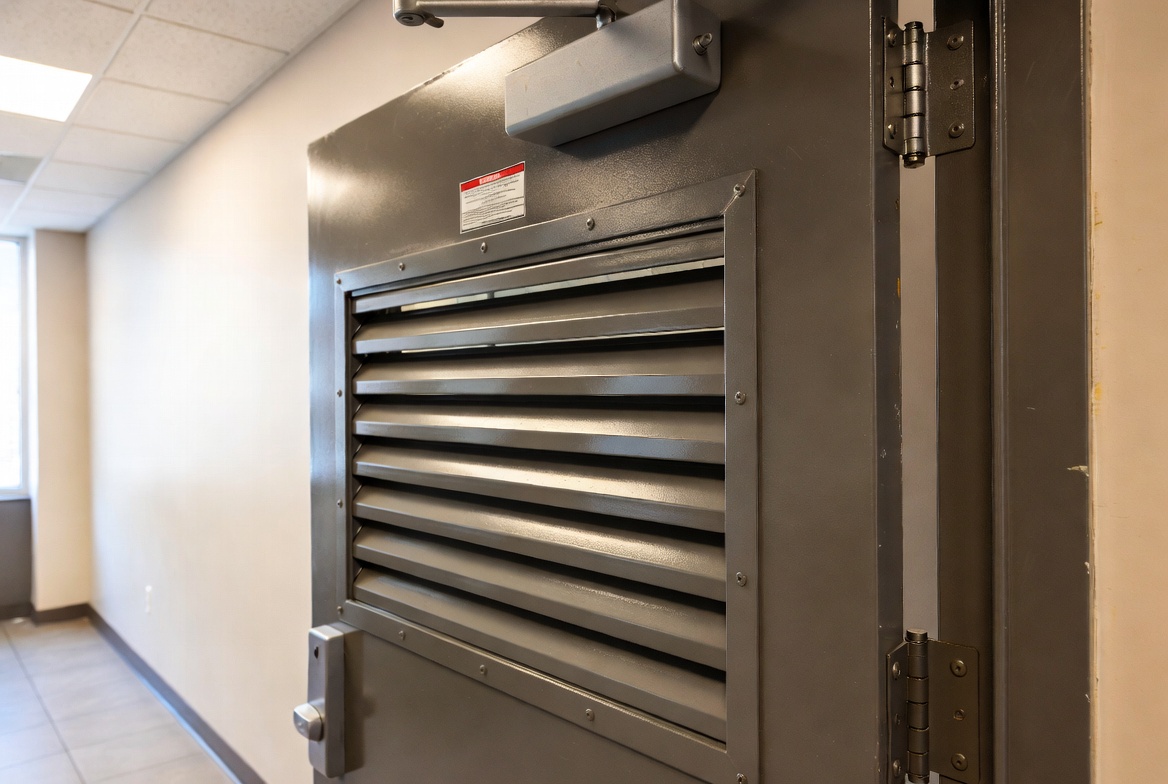
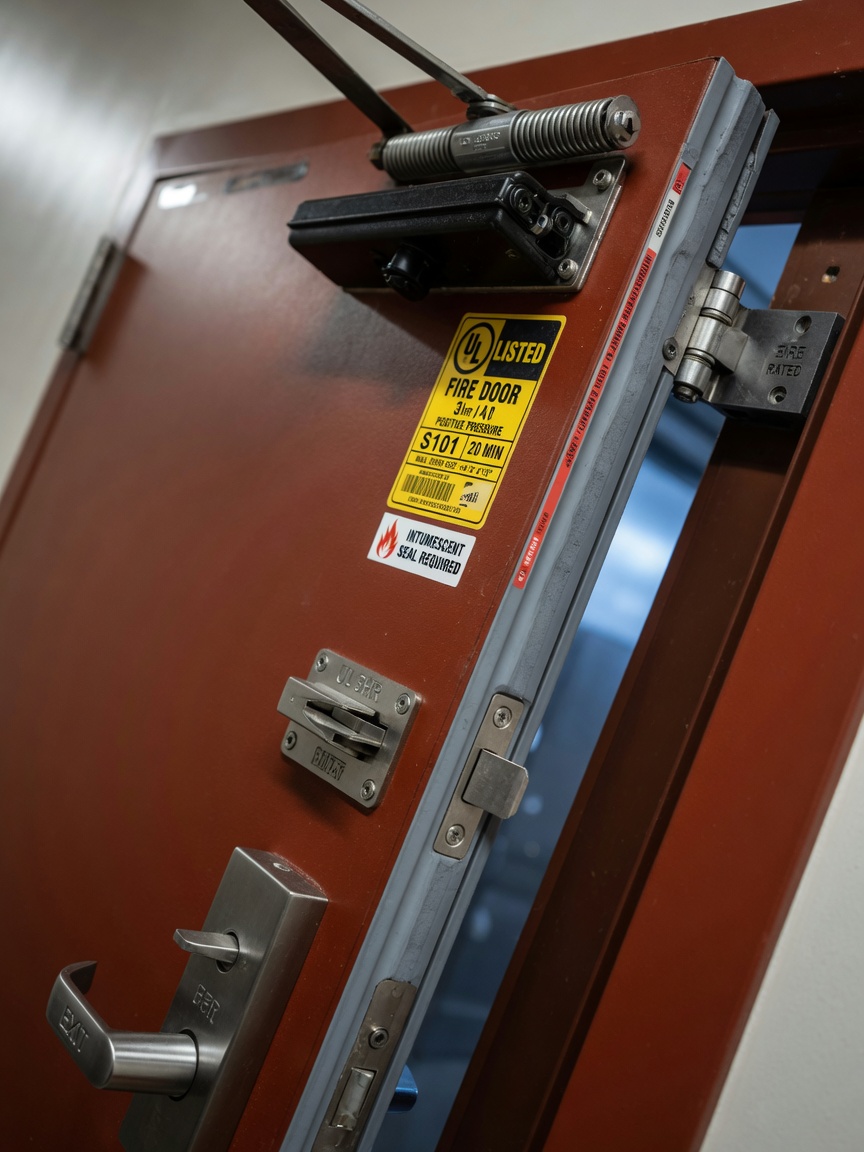
One of the most frequently violated aspects of commercial door code compliance NYC involves self-closing mechanisms. Every fire-rated door must be equipped with an approved self-closing device that ensures the door returns to the fully closed and latched position after each use.
Key requirements include:
- Doors must close fully from any open position (maximum 5 lbs of opening force for most accessible doors)
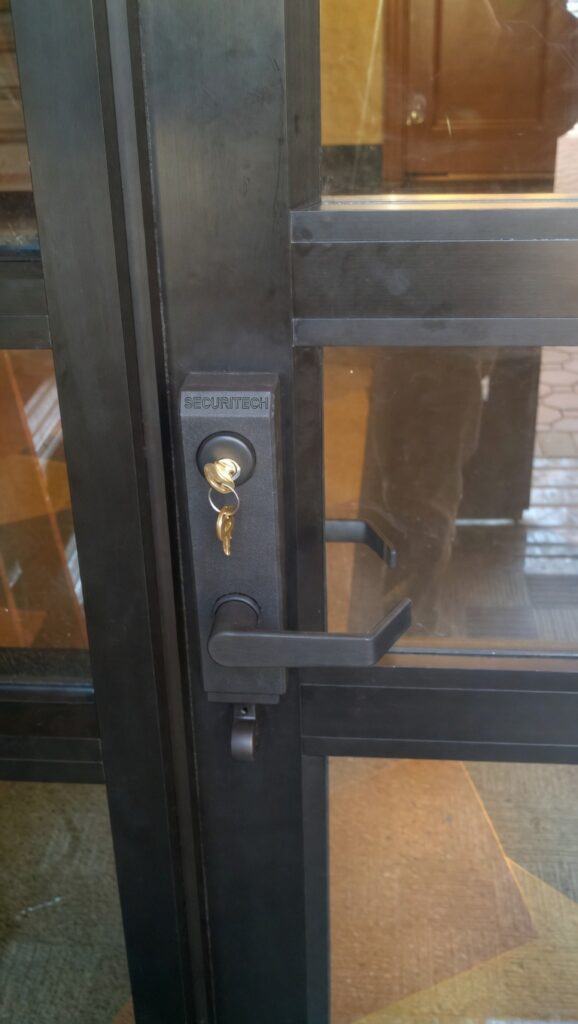
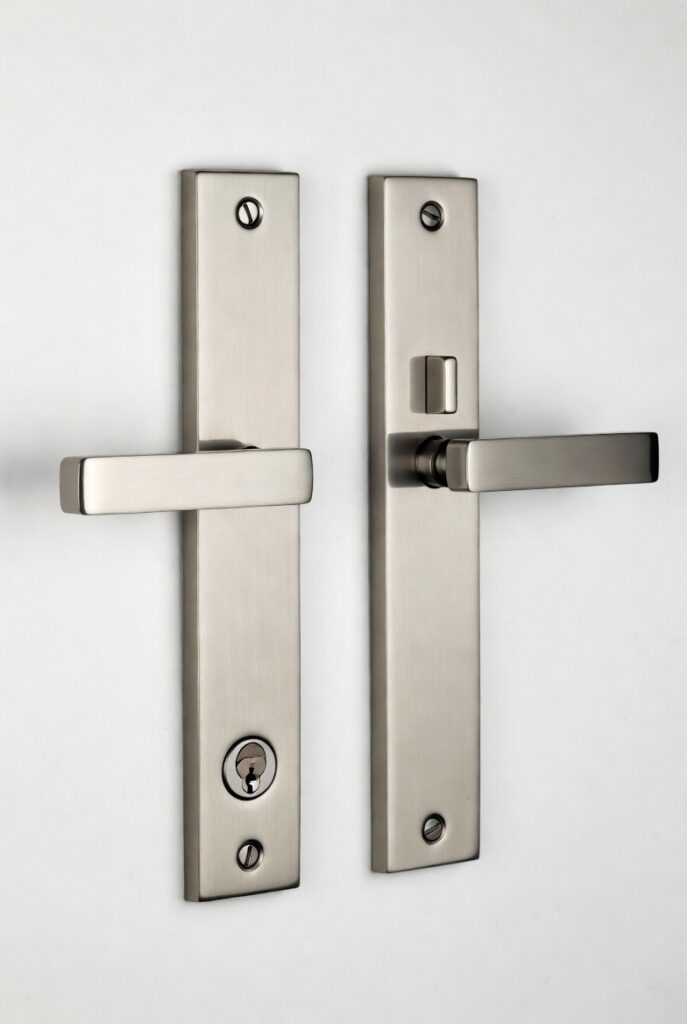
- Positive latching hardware is mandatory – the door must engage the strike plate and remain secured
- Electromagnetic hold-open devices are permitted only when tied to the building fire alarm system
- Manual hold-open methods (wedges, hooks, furniture) are strictly prohibited
Vision Lights and Fire-Rated Glass Requirements
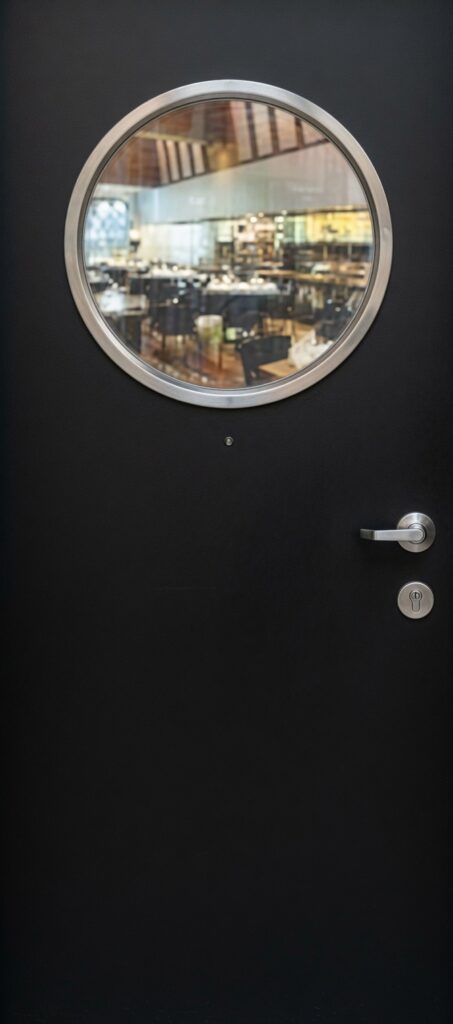
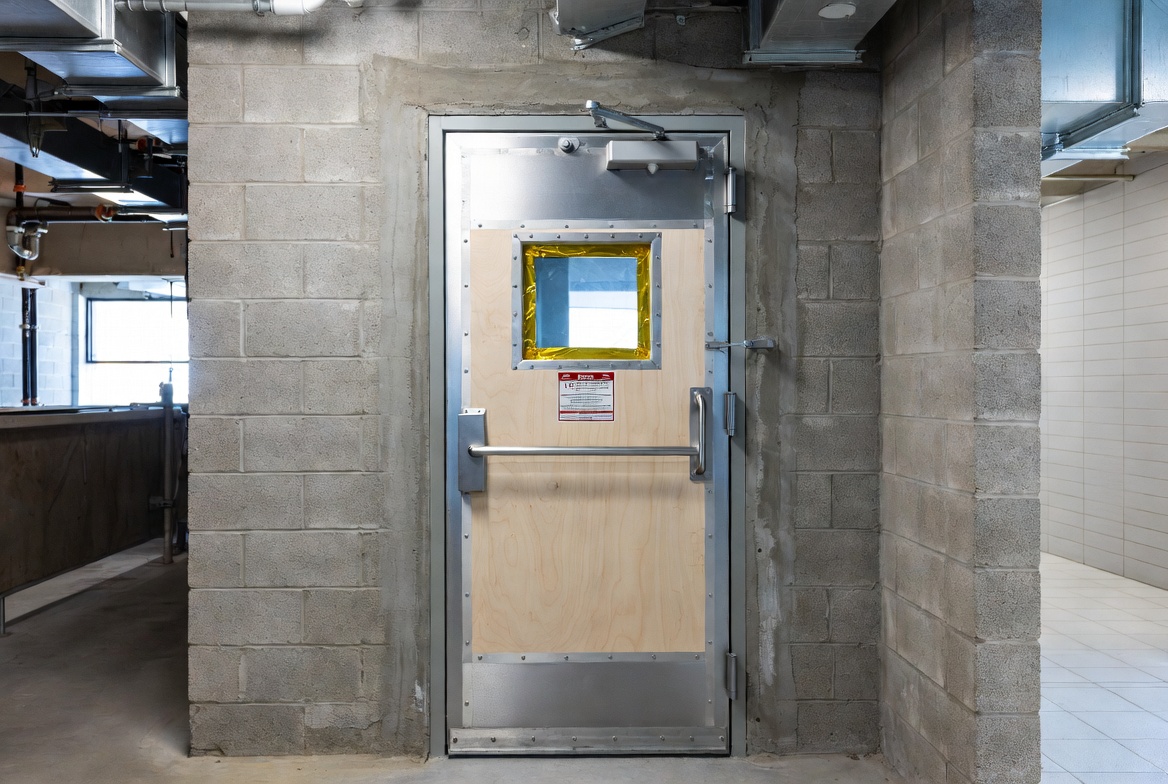
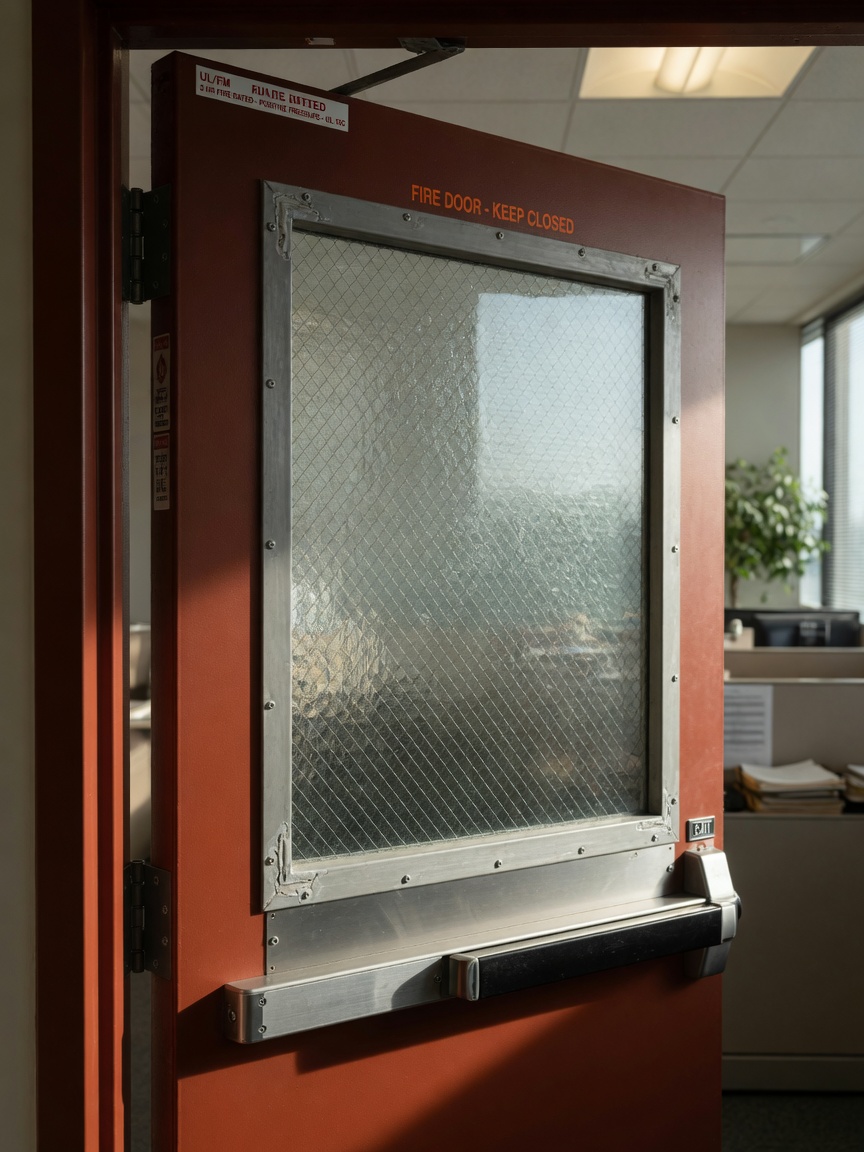
Vision lights (windows within fire doors) must meet stringent fire-protection ratings. NYC code requires that all glazing used in fire-rated doors carry the appropriate fire-protection or fire-resistance rating.
Recent updates have expanded the allowable size of vision lights in certain ratings. However, the glass must be installed with listed glazing materials and steel channels. Tempered glass alone is never acceptable in a fire-rated door.
Recent Local Law Updates Affecting Commercial Doors
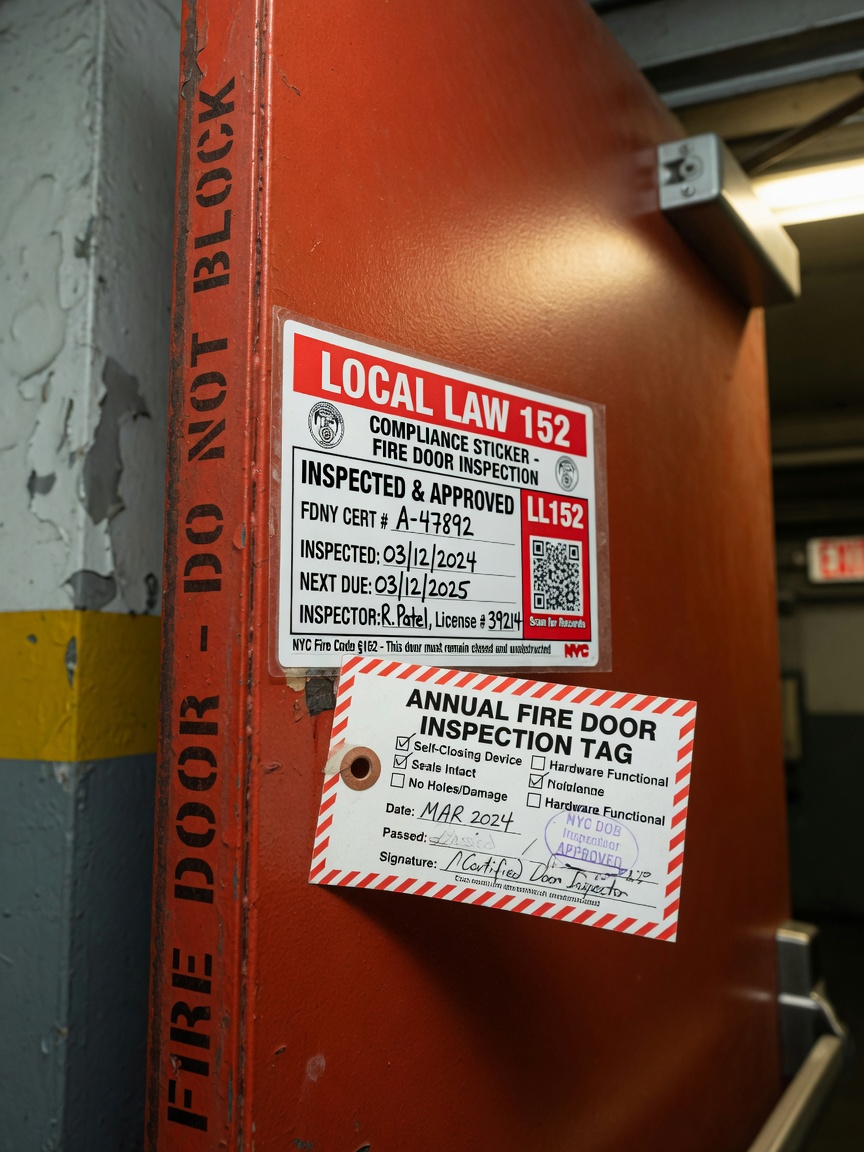
NYC has continued to strengthen fire safety regulations. Local Law 152 requires annual inspections of fire doors in commercial buildings. Property owners must maintain detailed records of these inspections for at least five years.
Local Law 204 of 2021 further clarified requirements for fire door assemblies, emphasizing the importance of complete door systems rather than individual components. This means that replacing only the door or only the frame without ensuring compatibility can result in a violation.
Common Fire Door Violations in NYC and Their Penalties
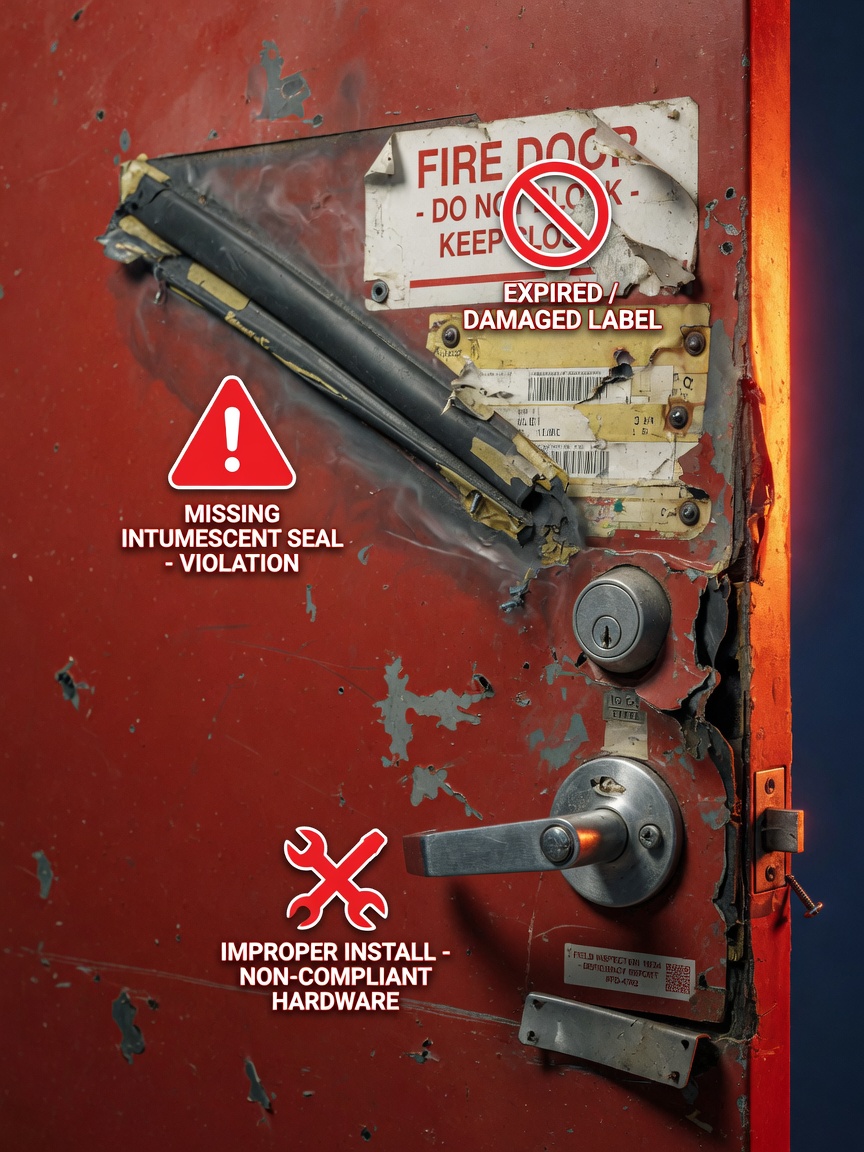
The NYC Department of Buildings and FDNY regularly issue violations during routine inspections. The most common violations include:
- Missing or inoperative self-closers
- Doors blocked open or propped open
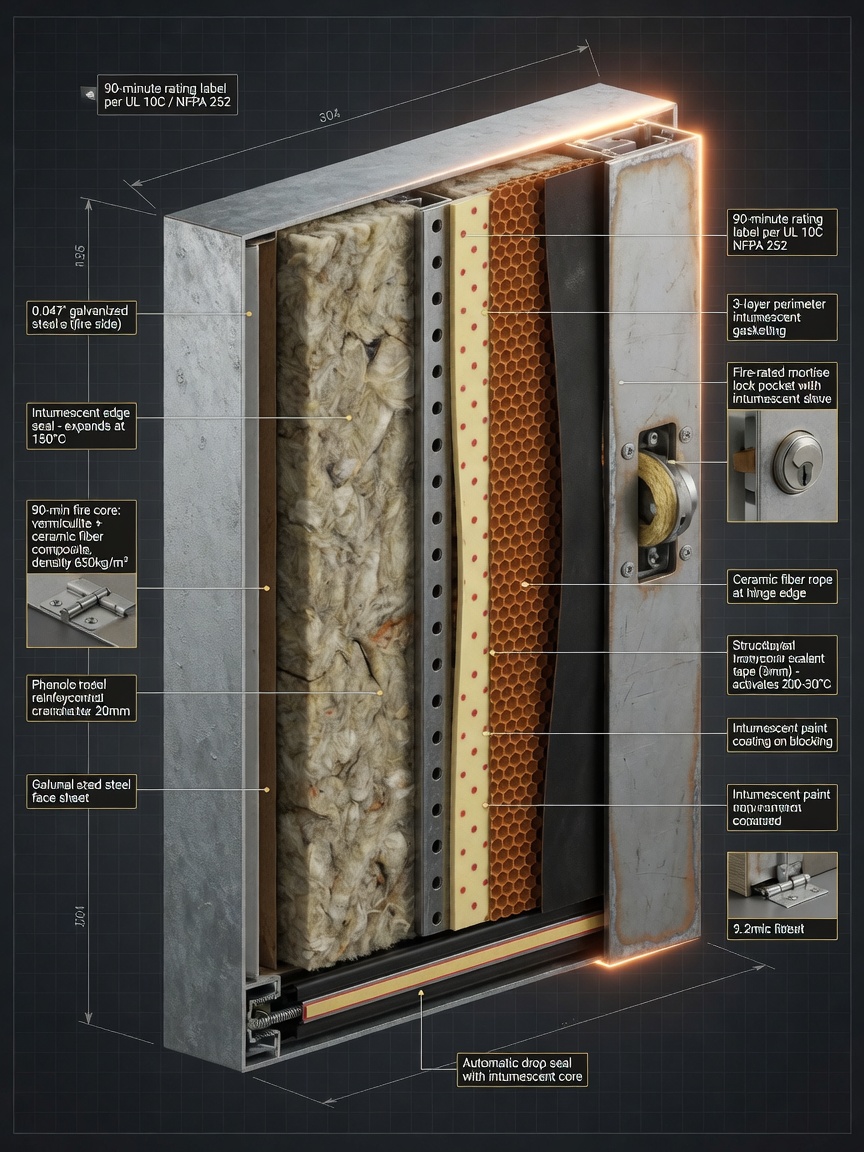
- Damaged or missing fire-rated seals (intumescent smoke seals)
- Improperly installed or missing positive-latching hardware
- Unapproved modifications to fire-rated doors (drilled holes, added locks)
- Expired or missing inspection tags
Penalties can be significant. Civil penalties typically range from $1,000 to $5,000 per violation, with repeat offenders facing higher fines and potential stop-work orders. In extreme cases of negligence leading to fire-related incidents, criminal charges may also apply.
NYC Fire Door Inspection Checklist
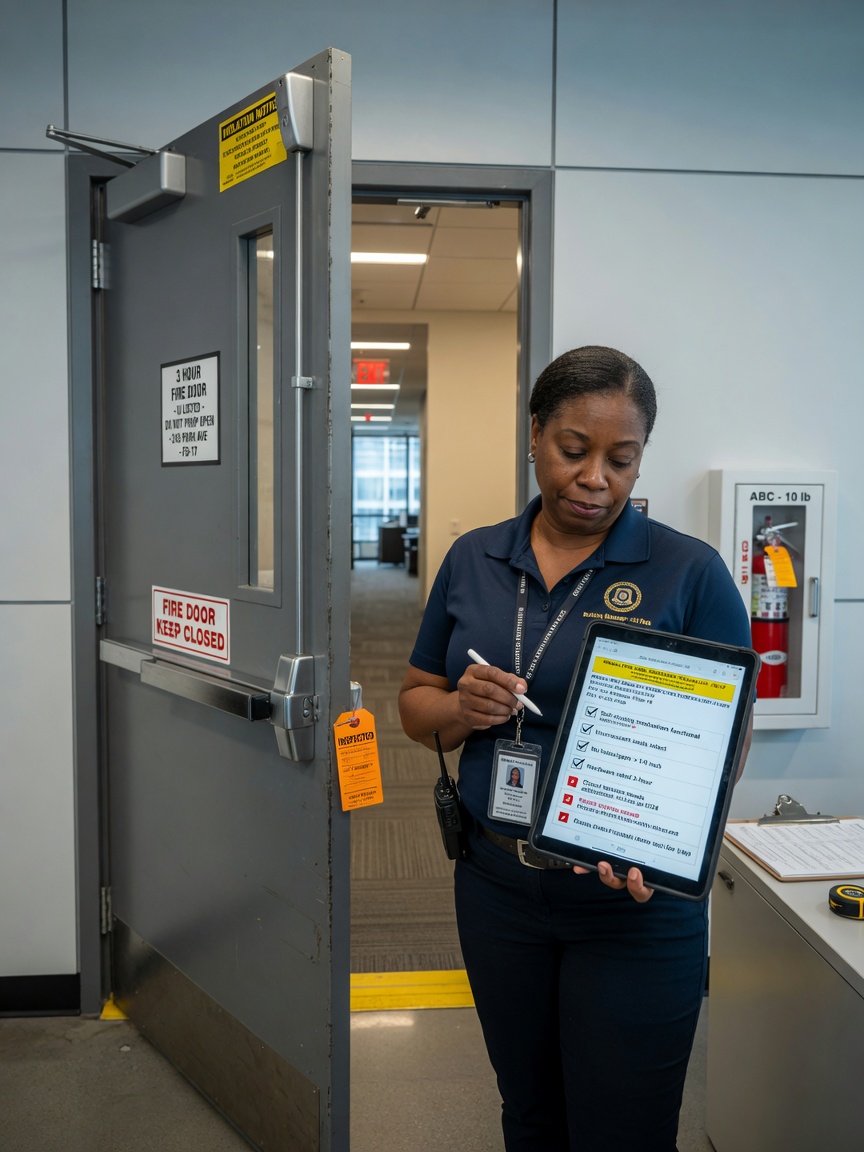
Use this practical checklist to evaluate your commercial doors:
Visual Inspection Points
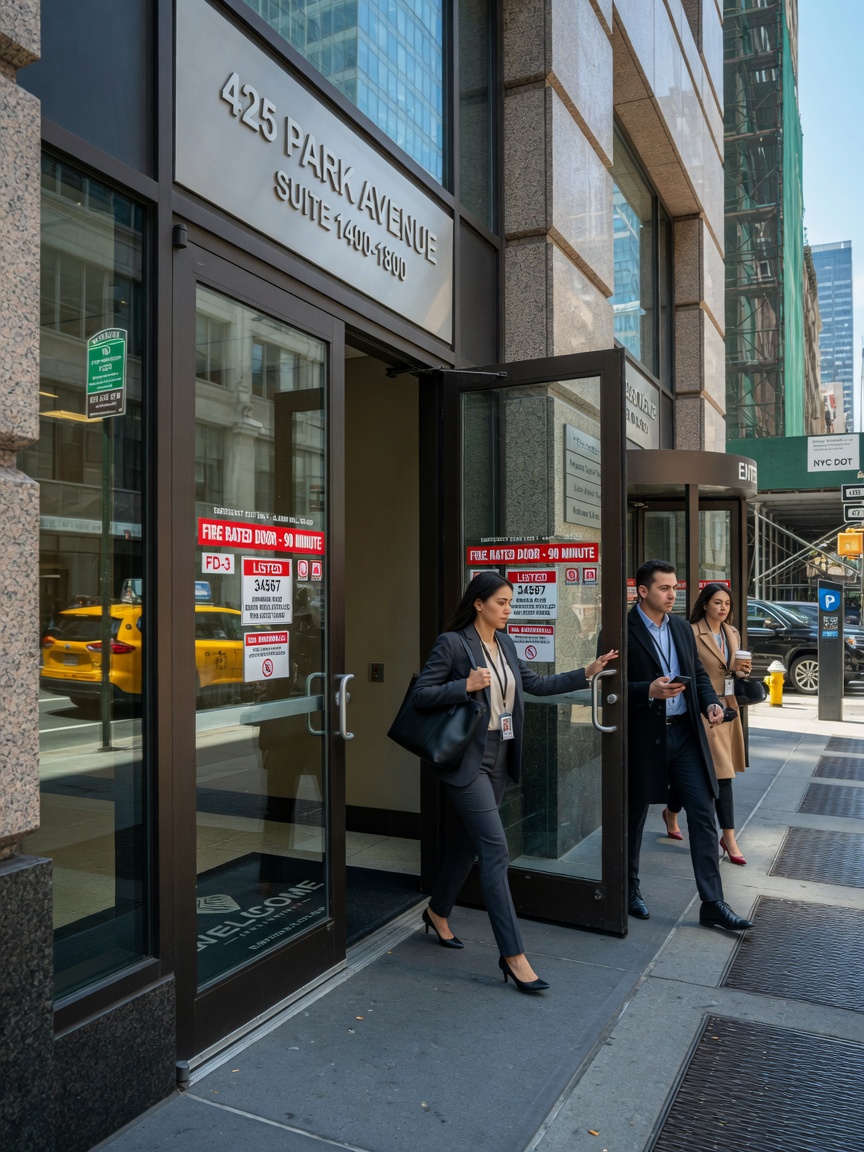
- Door and frame bear proper fire-rating labels (labels must remain intact and legible)
- No holes, dents, or modifications that compromise integrity
- Intumescent smoke seals are continuous and undamaged
- Self-closing device closes door completely from 90° position
- Door does not bind or drag on threshold or floor
- All hinges are properly secured with no loose screws
- Latch engages strike plate fully (at least ½ inch throw)
Documentation Requirements
- Annual inspection report signed by qualified professional
- Records of any repairs or replacements
- Manufacturer specifications for installed hardware
- Proof of FDNY-approved fire door technician involvement when required
Step-by-Step Guide to Achieving Commercial Door Code Compliance NYC
- Conduct a Professional Audit: Hire a certified fire door inspector to evaluate all openings in your facility.
- Document Findings: Create a detailed inventory of every fire-rated door, its rating, current condition, and deficiencies.
- Develop a Remediation Plan: Prioritize critical life-safety issues and create a budget and timeline for repairs.
- Choose Compliant Products: Work with manufacturers and distributors who understand NYC-specific requirements. Verify that all components (door, frame, hardware, seals) are listed together as a complete assembly.
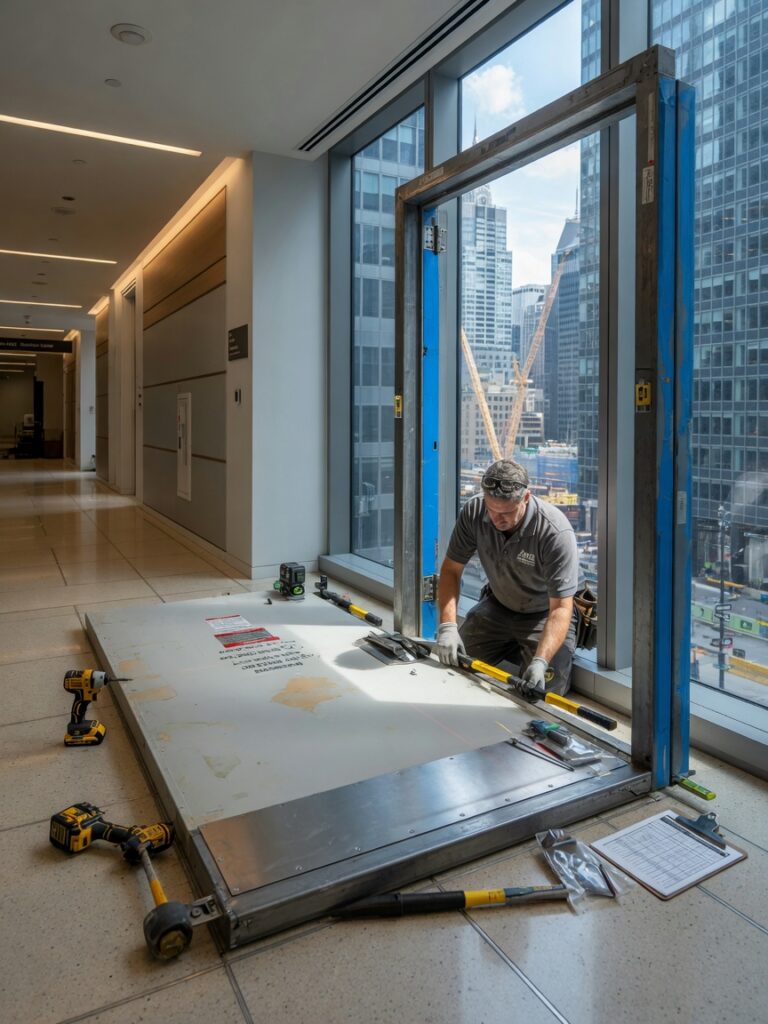
- Schedule Certified Installation: Use licensed professionals experienced with fire-rated assemblies.
- Implement Annual Inspection Protocol: Establish recurring maintenance and inspection procedures to maintain ongoing compliance.
- Maintain Records: Keep all documentation readily available for DOB or FDNY inspectors.
Choosing the Right Fire Door Partner in New York City
Working with experienced professionals who understand local code nuances can save significant time and money. Look for providers who offer:
- NYC-specific product knowledge
- FDNY-certified technicians
- Complete door assemblies that meet current code
- Comprehensive inspection and maintenance programs
- Clear documentation and compliance support
Conclusion: Compliance Is an Ongoing Responsibility
Commercial door code compliance NYC is not a one-time project but a continuous responsibility. By understanding the requirements, maintaining proper documentation, and partnering with knowledgeable professionals, business owners can ensure their properties meet fire safety standards while avoiding costly penalties.
Protecting your building, employees, customers, and business continuity begins with properly functioning fire doors. Don’t wait for an inspection or, worse, an emergency to discover your doors are non-compliant.
Take proactive steps today to evaluate your current fire door assemblies and develop a sustainable compliance program that meets both the letter and the spirit of New York City’s rigorous fire safety codes.
Need help with fire door compliance? Contact a qualified NYC fire door specialist to schedule a comprehensive assessment of your commercial property.