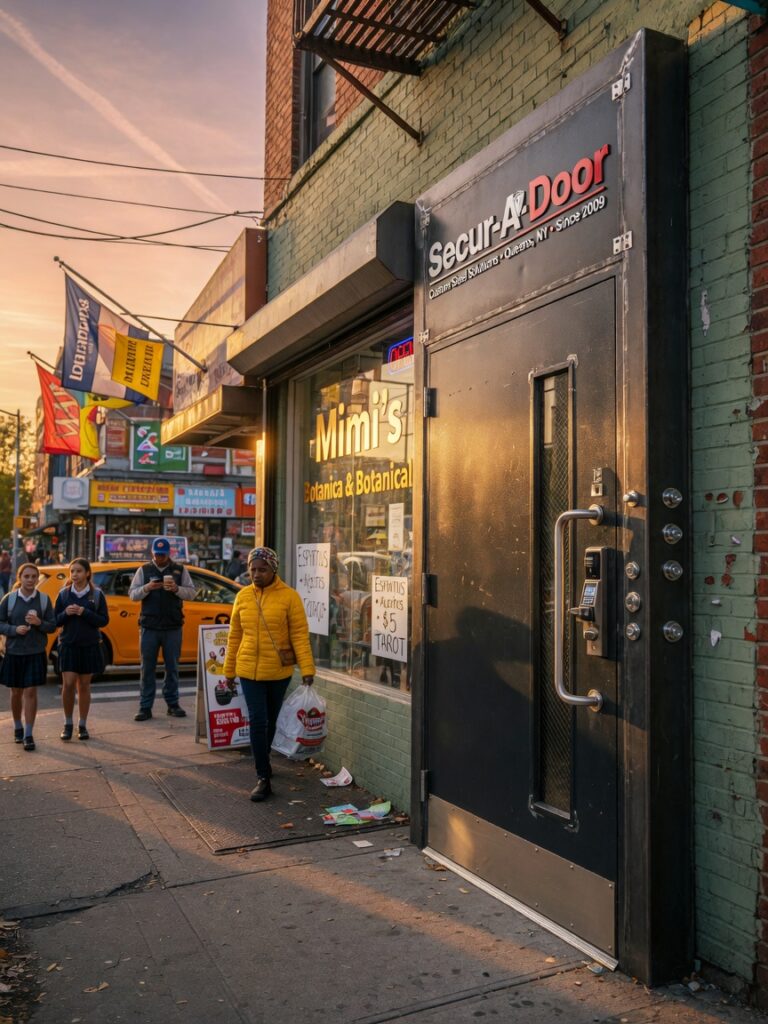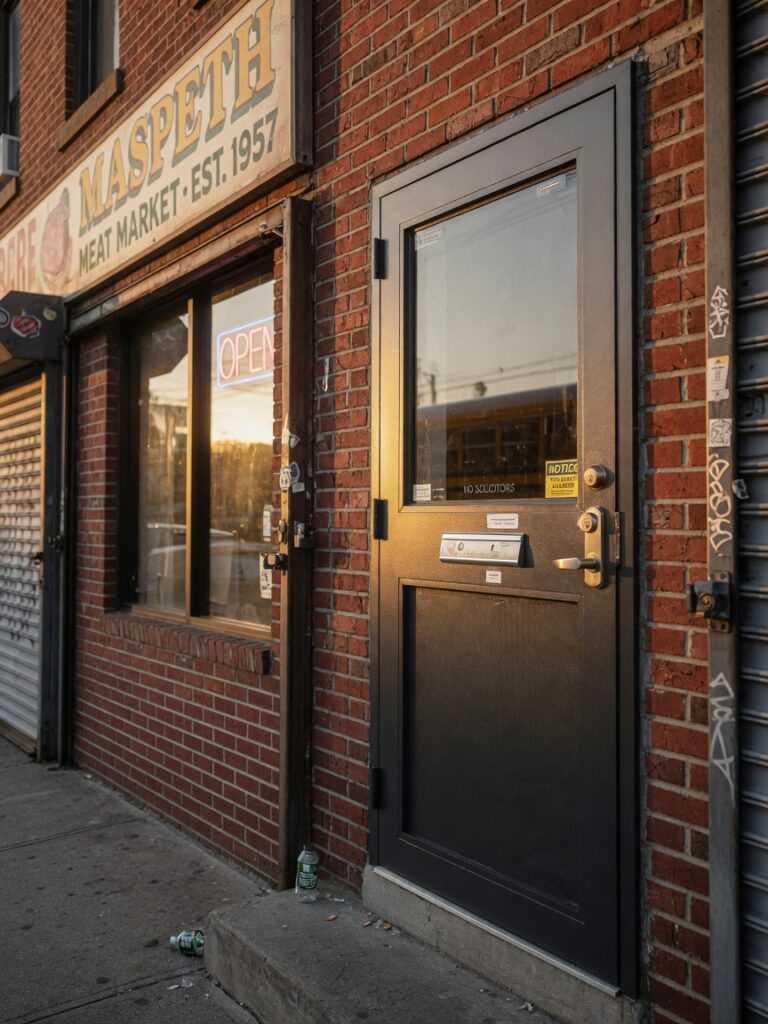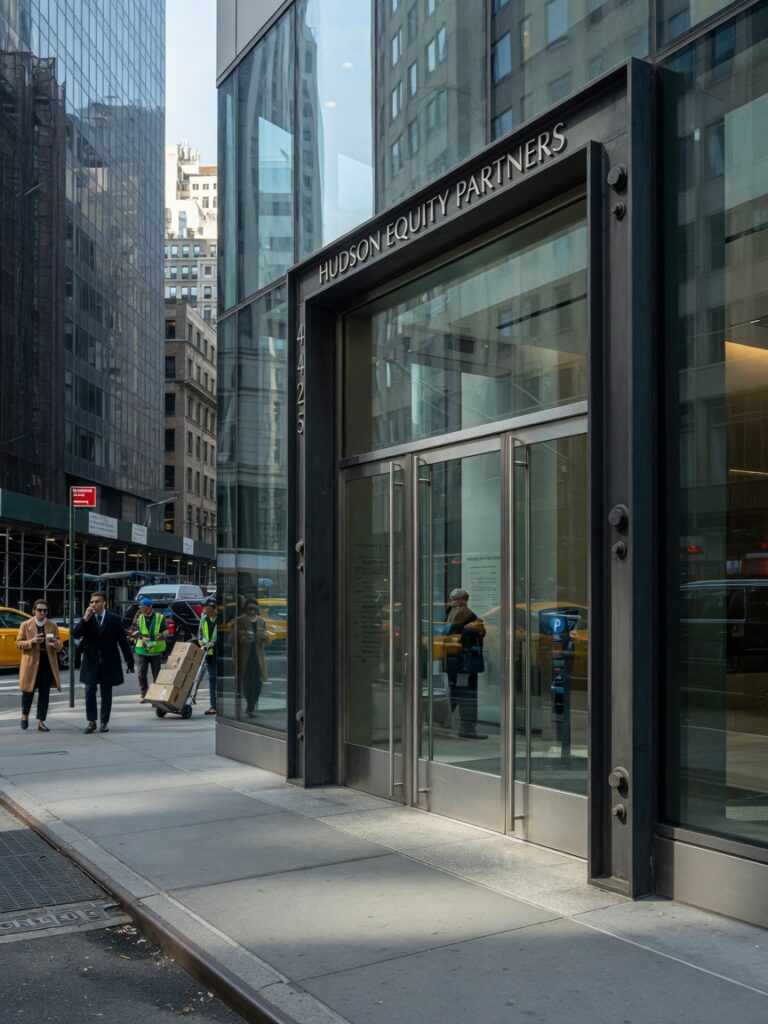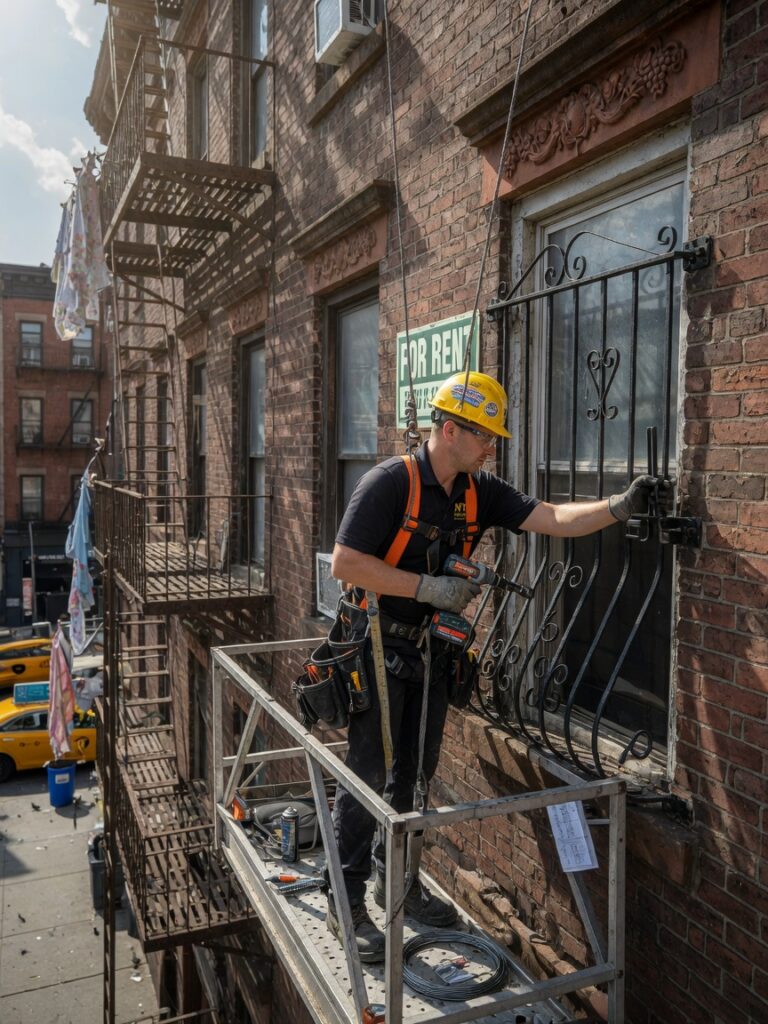
Steel vs Aluminum Commercial Doors NYC: 2026 Cost & Durability Comparison
When New York City property managers and building owners face the decision between heavy-gauge steel commercial doors and aluminum storefront systems, the choice often comes down to more than just initial price. With increasing wind loads, stricter building codes, rising insurance premiums, and demanding traffic patterns across the five boroughs, making the right selection can save tens of thousands of dollars over a decade. This comprehensive 2026 comparison draws on four decades of high-volume NYC installations by SecuraDoor to provide the pragmatic guidance that has been missing from manufacturer websites.
Whether you manage a Manhattan high-rise, a Brooklyn mixed-use building, a Bronx school, or a Queens warehouse, understanding the real total cost of ownership, durability differences, and code compliance requirements is essential for protecting both your budget and your building.
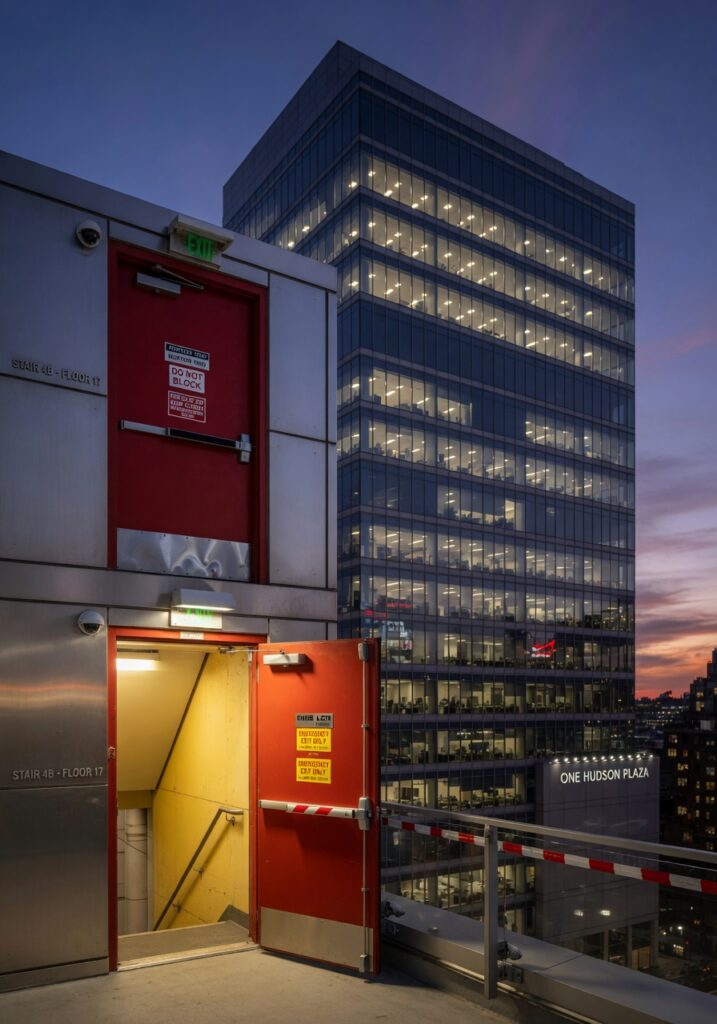
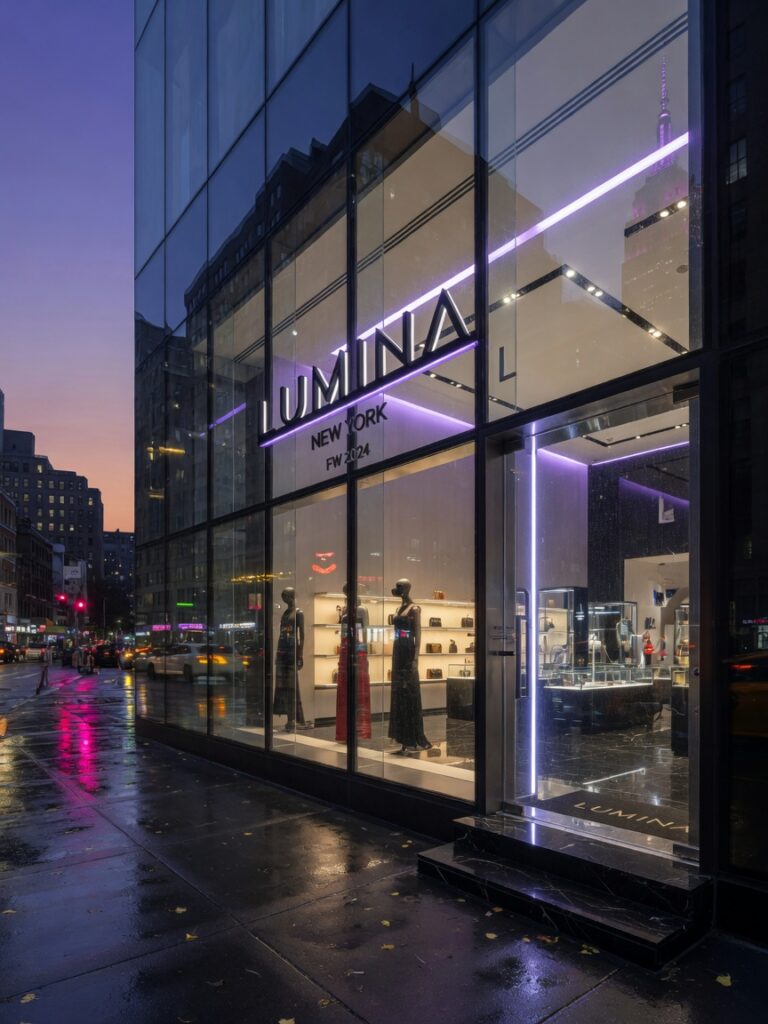
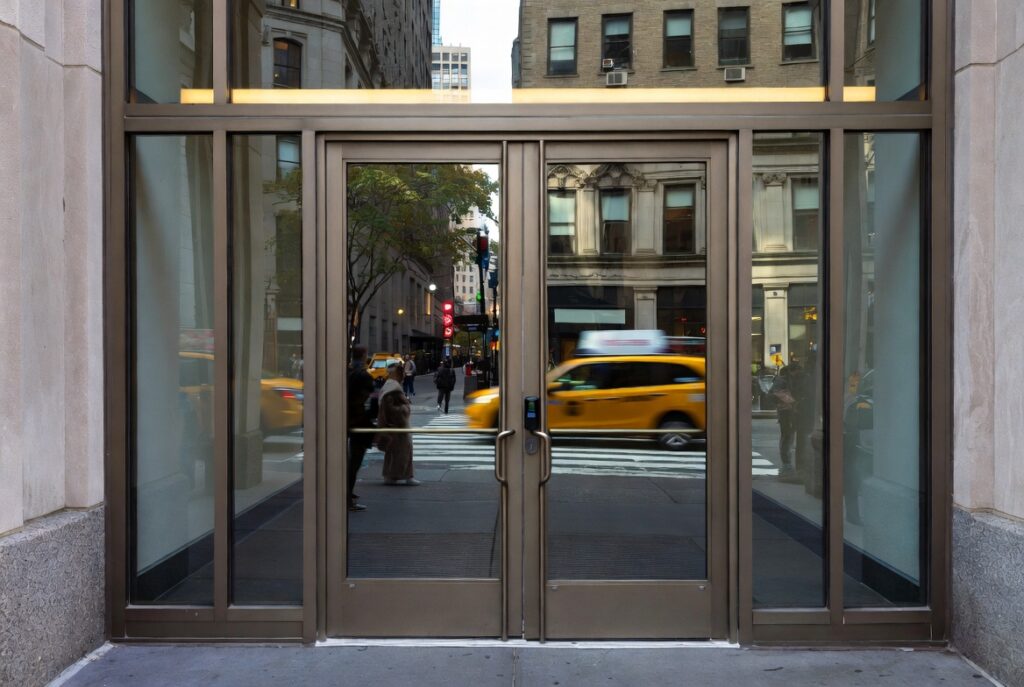
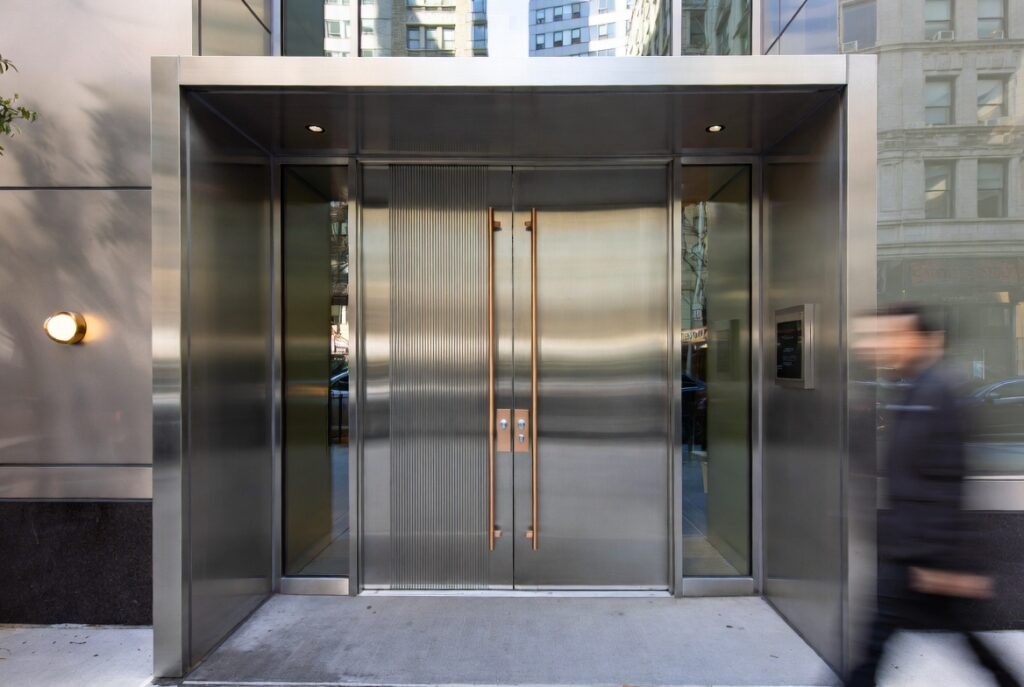
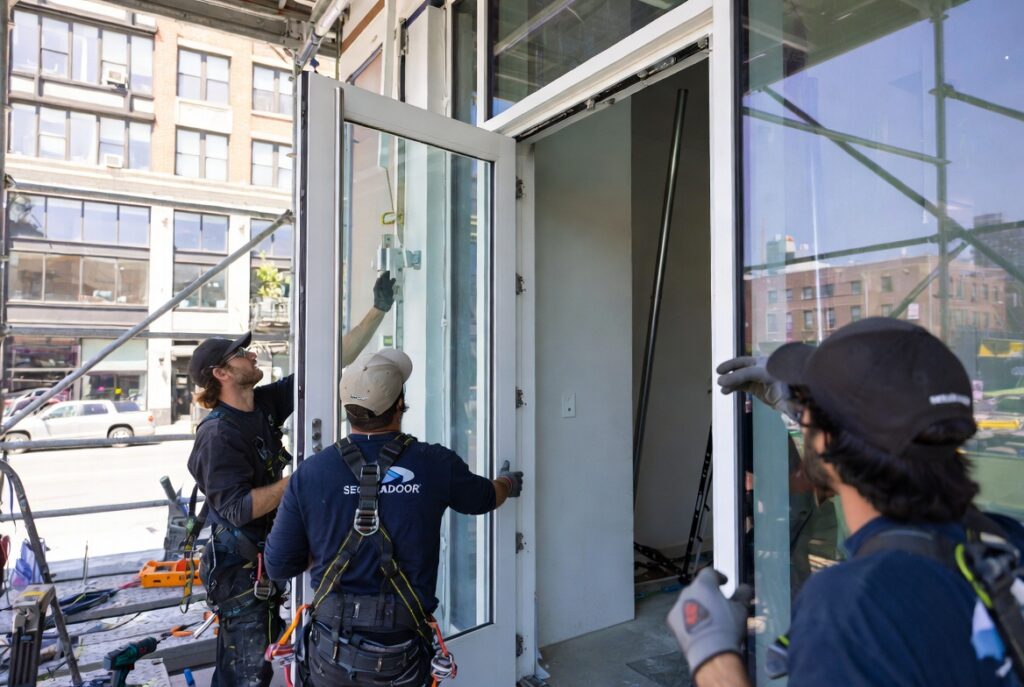
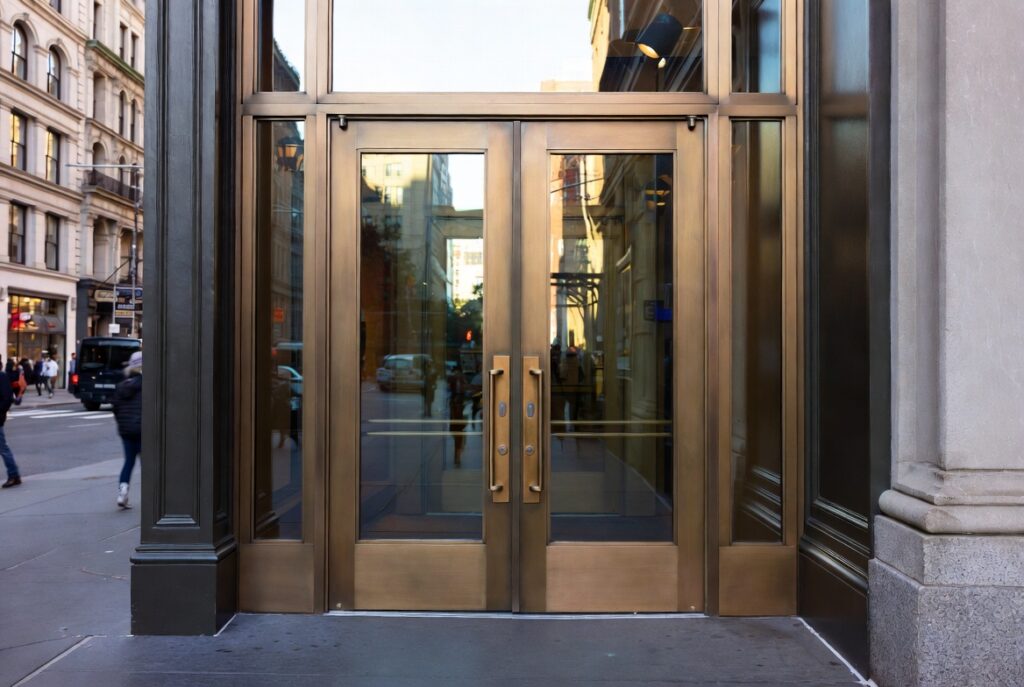
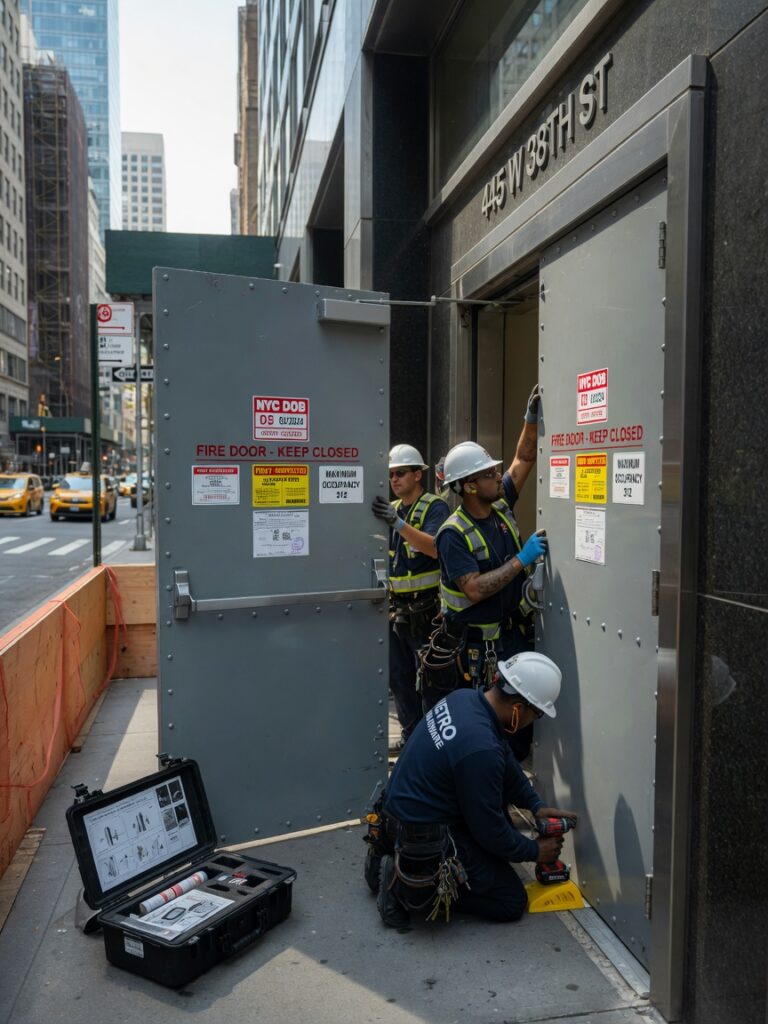
Image Grid 1
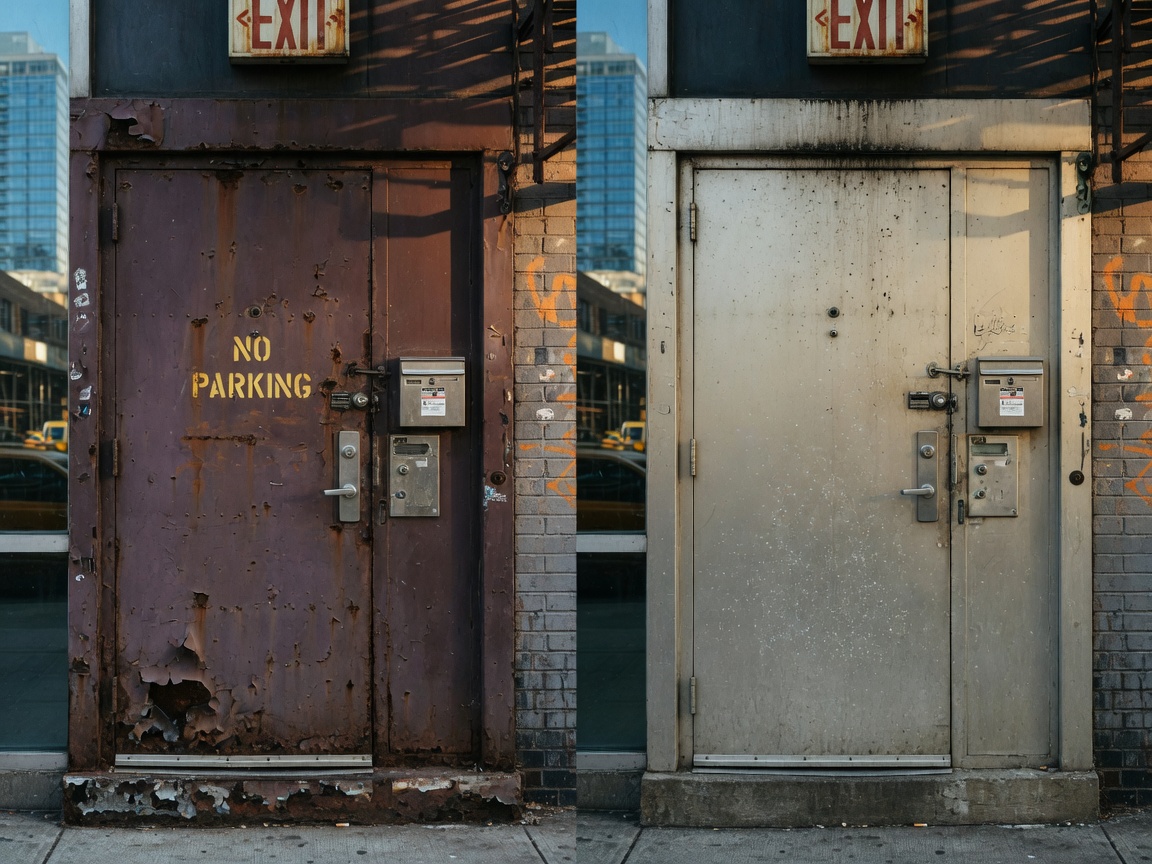
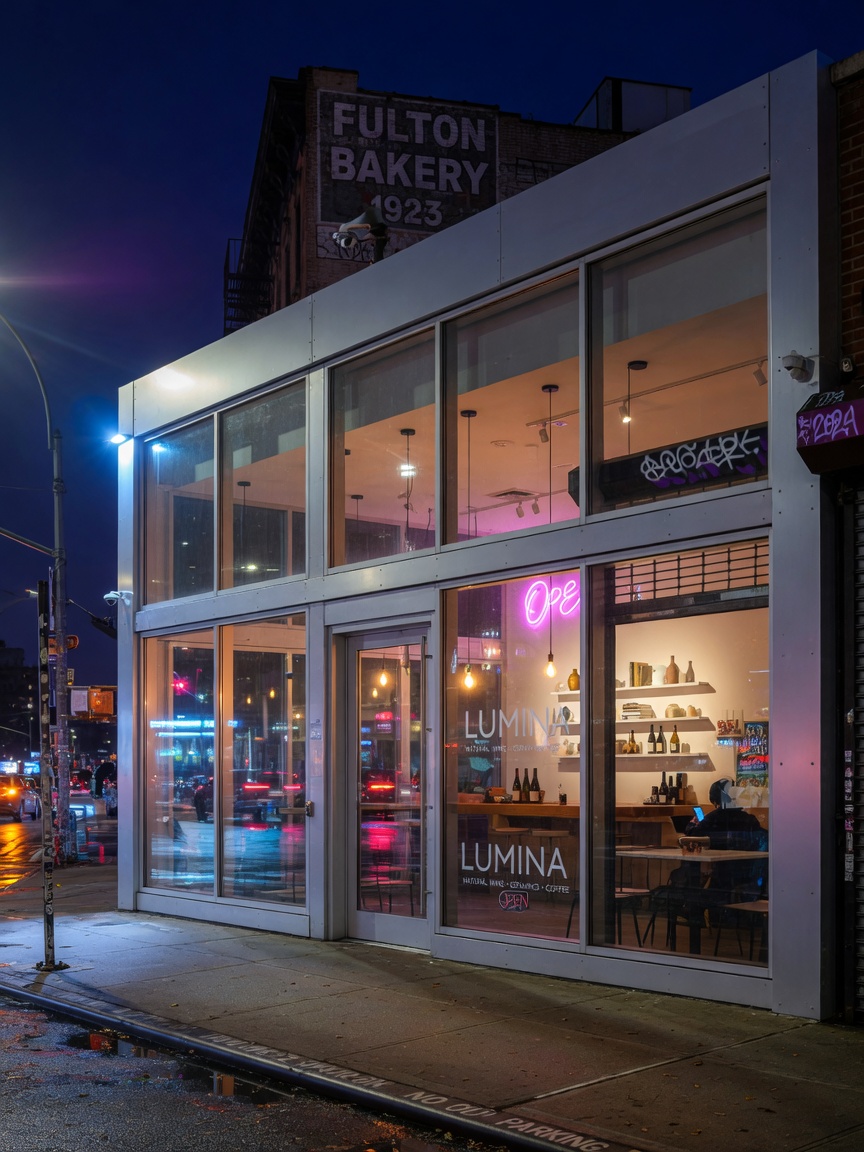
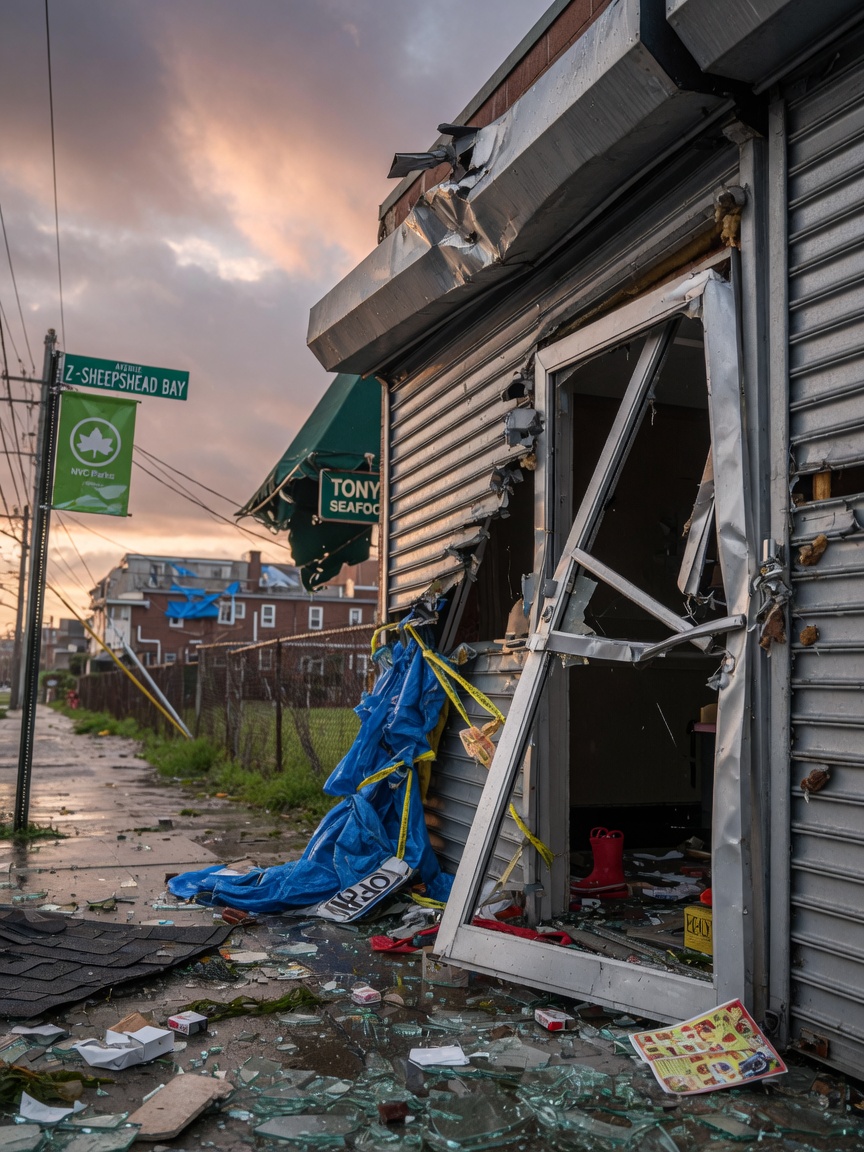
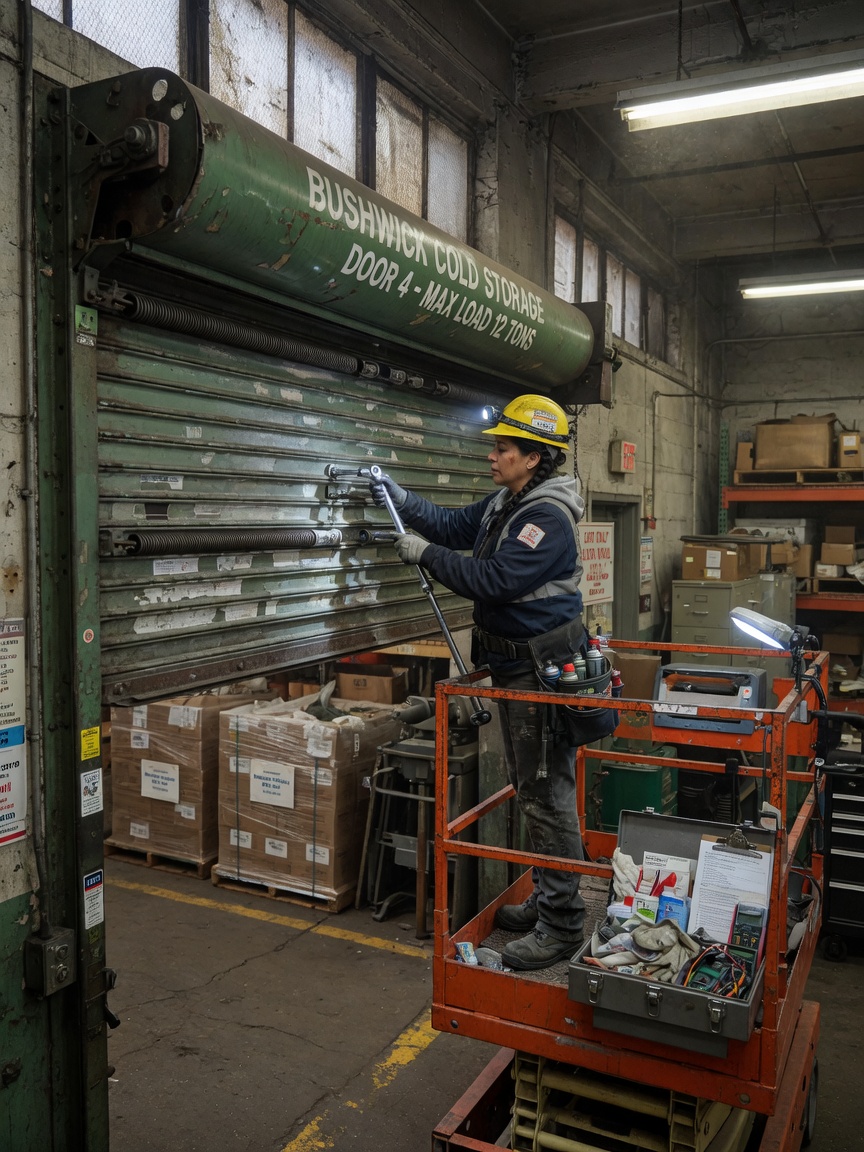
The Current Landscape of Commercial Door Materials in NYC
New York City’s unique environmental and regulatory environment creates distinct challenges for commercial entrances. Hurricane-force winds, heavy pedestrian traffic, salt-laden air near the waterfront, and rigorous NYC Building Code requirements all influence material performance. Both steel and aluminum have their place, but choosing incorrectly leads to premature failure, higher insurance costs, and unnecessary capital expenditure.
SecuraDoor has installed thousands of both heavy-gauge steel doors and custom aluminum storefront systems across the metropolitan area. The data collected from these projects reveals clear patterns about which material performs best under specific conditions.
Initial Cost Comparison: 2026 Pricing in New York City
As of early 2026, material and labor costs in NYC continue to reflect post-pandemic supply chain realities and local union labor rates.
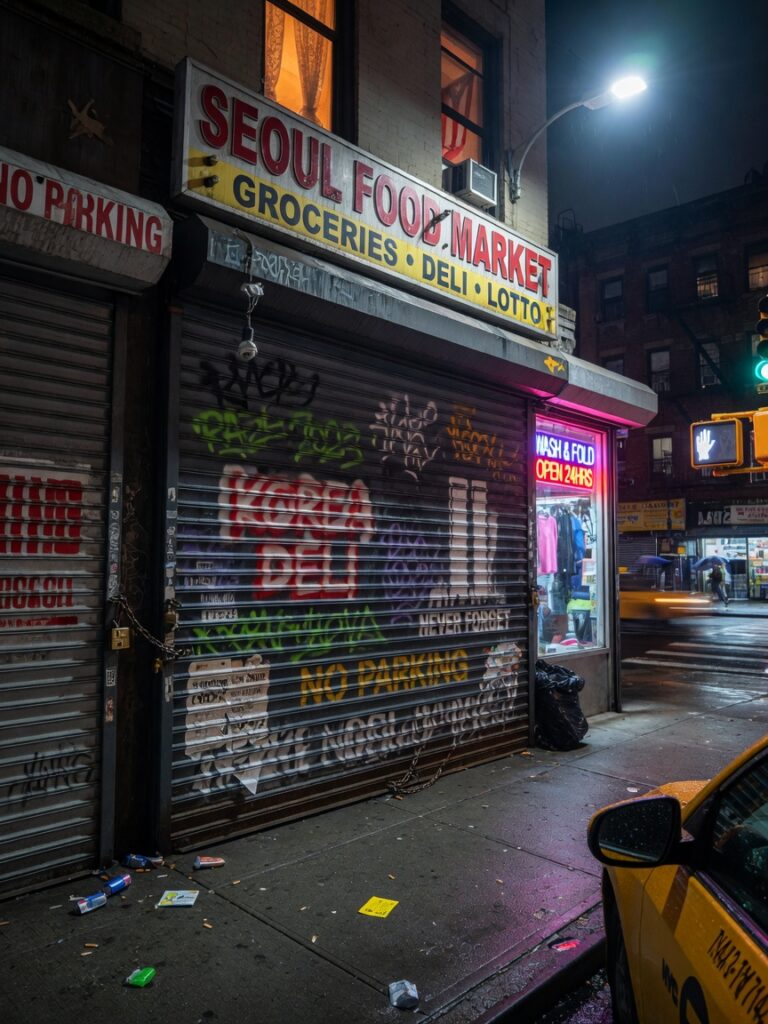
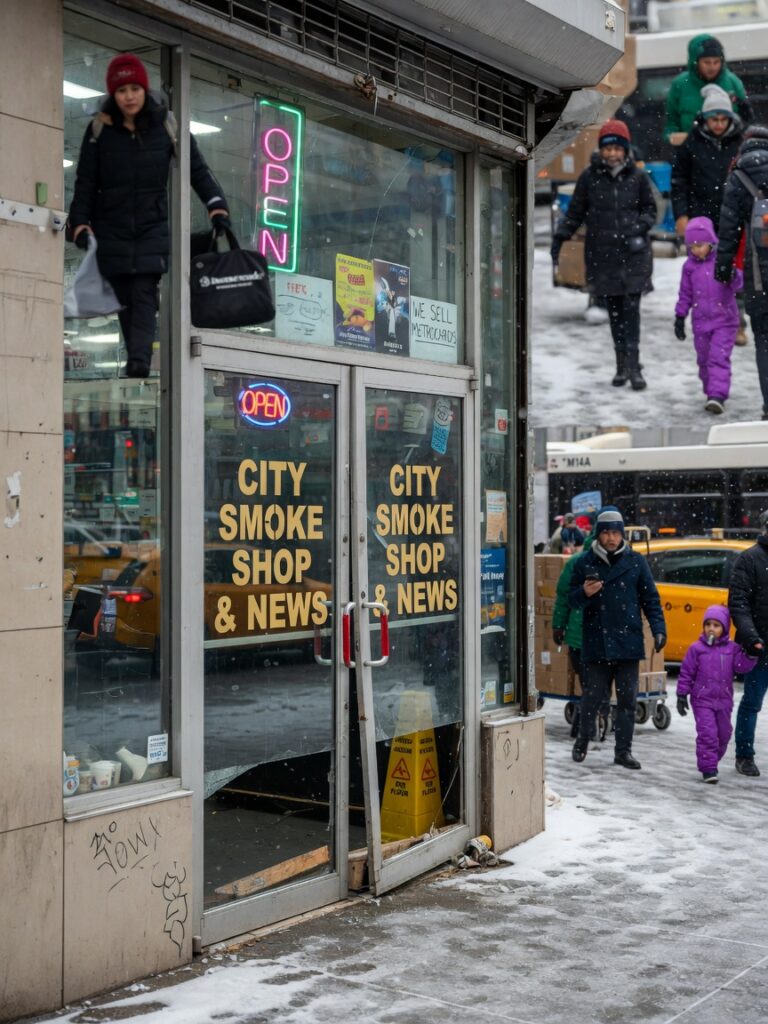
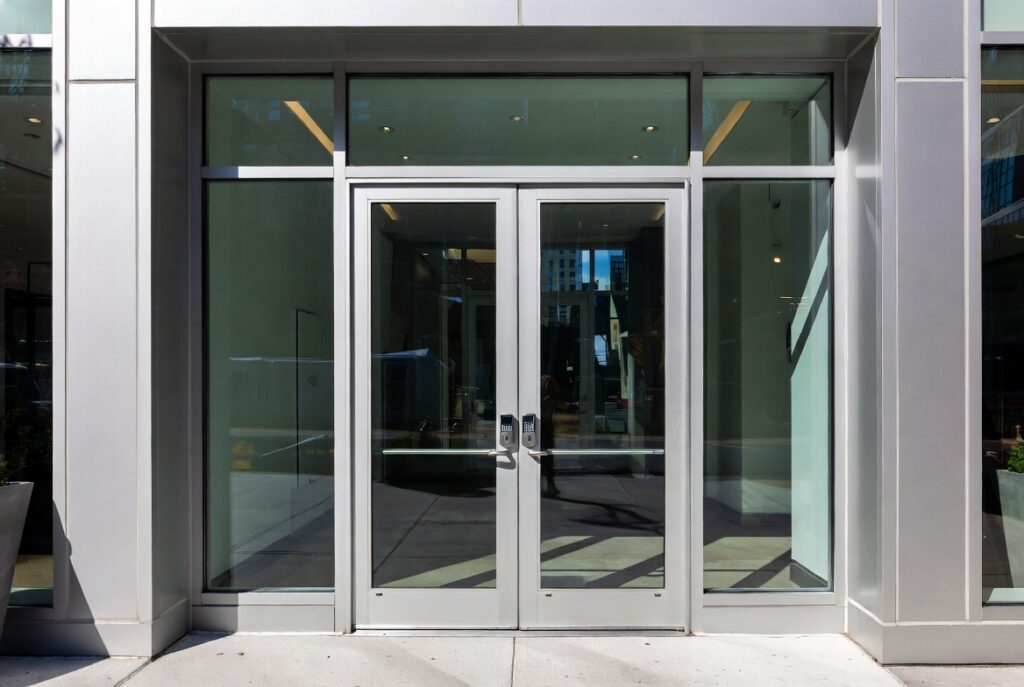
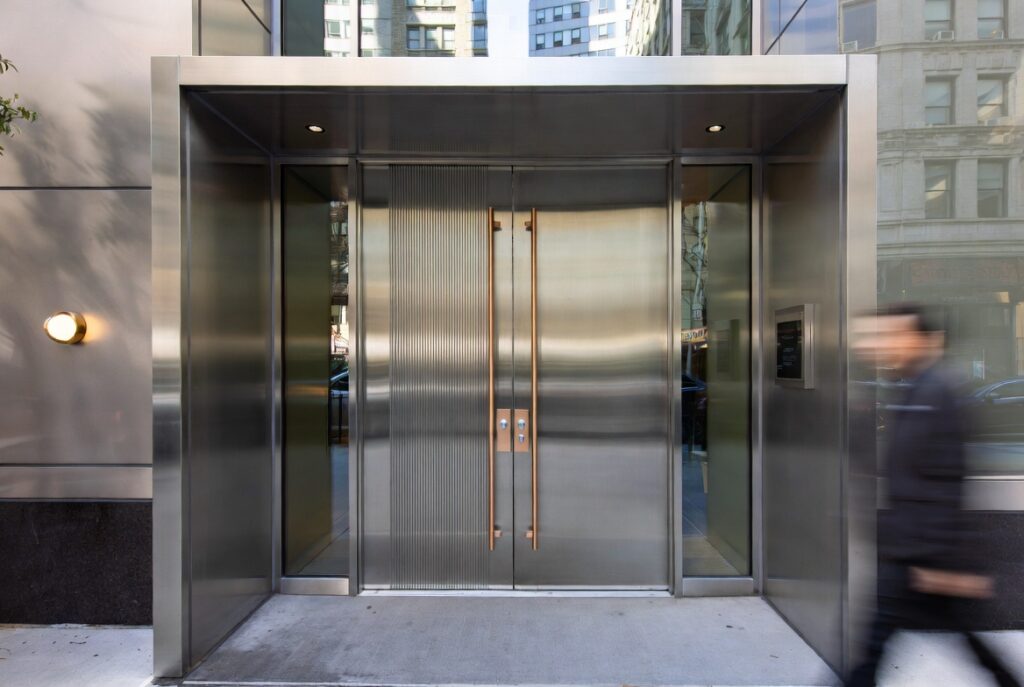
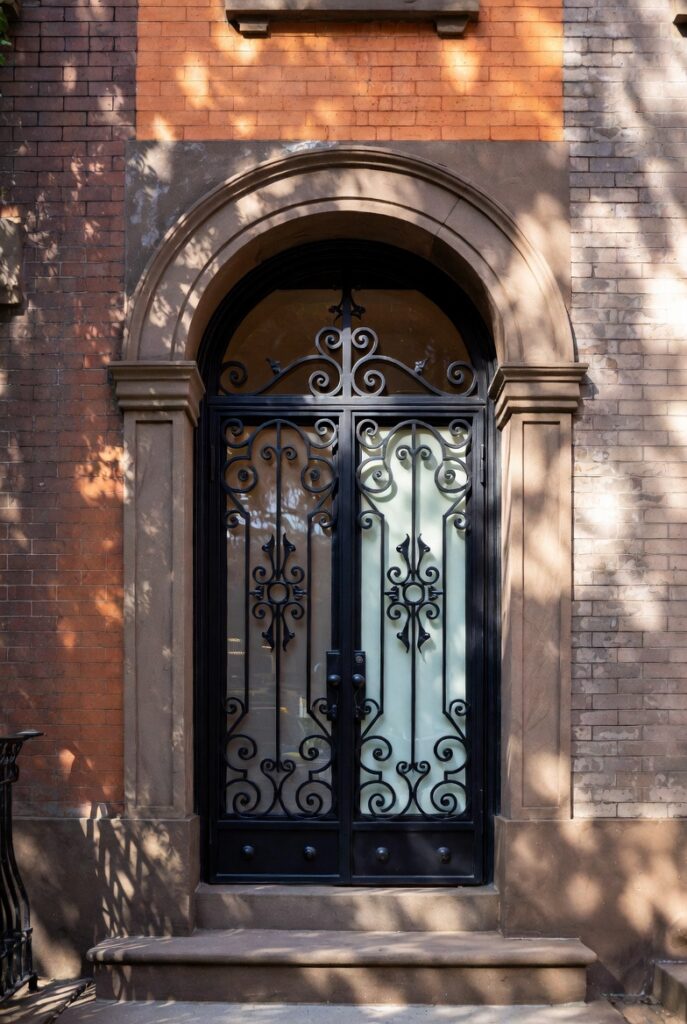
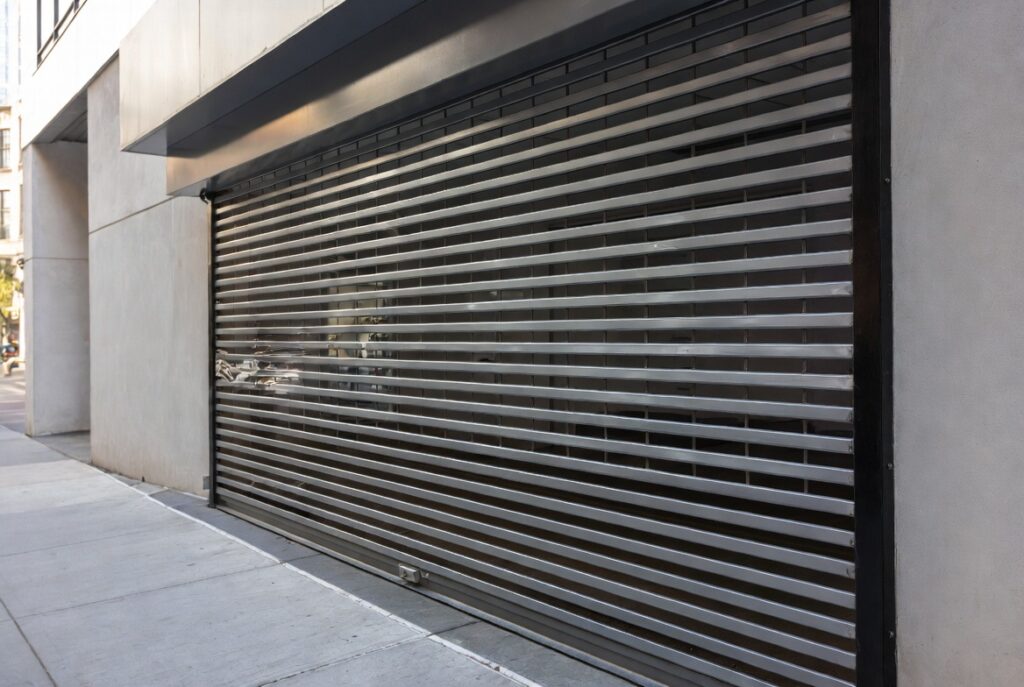
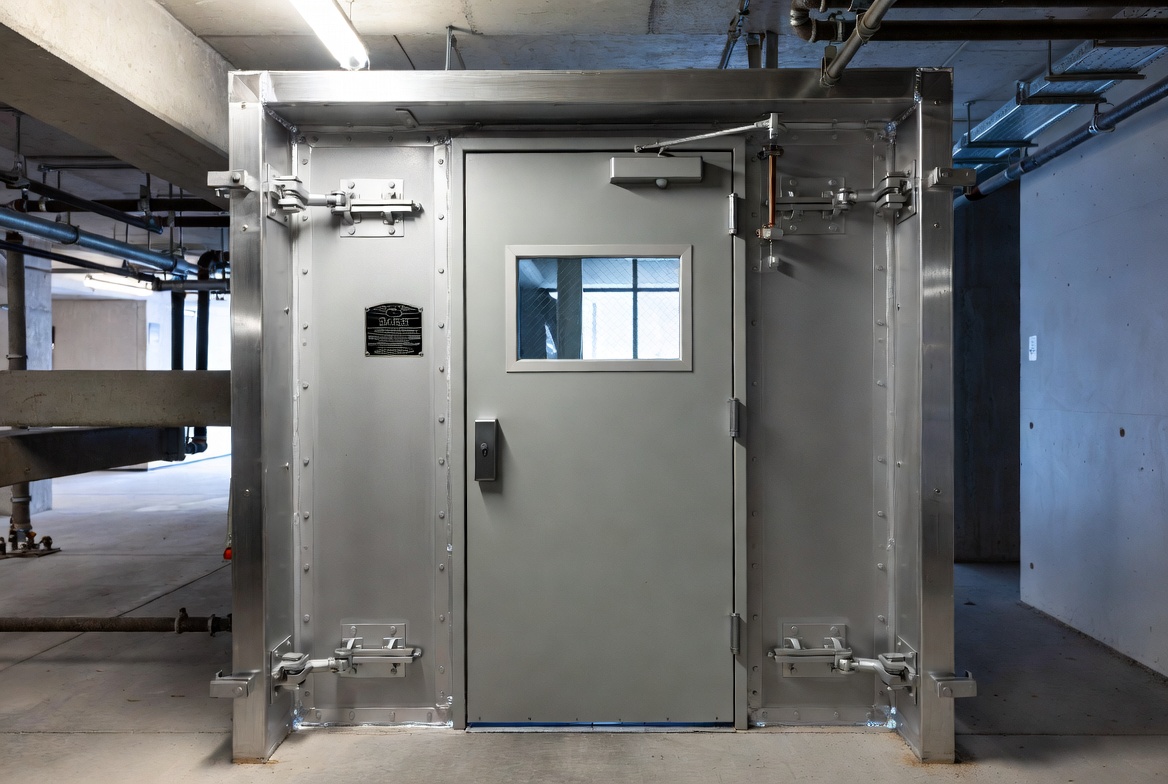
Image Grid 2
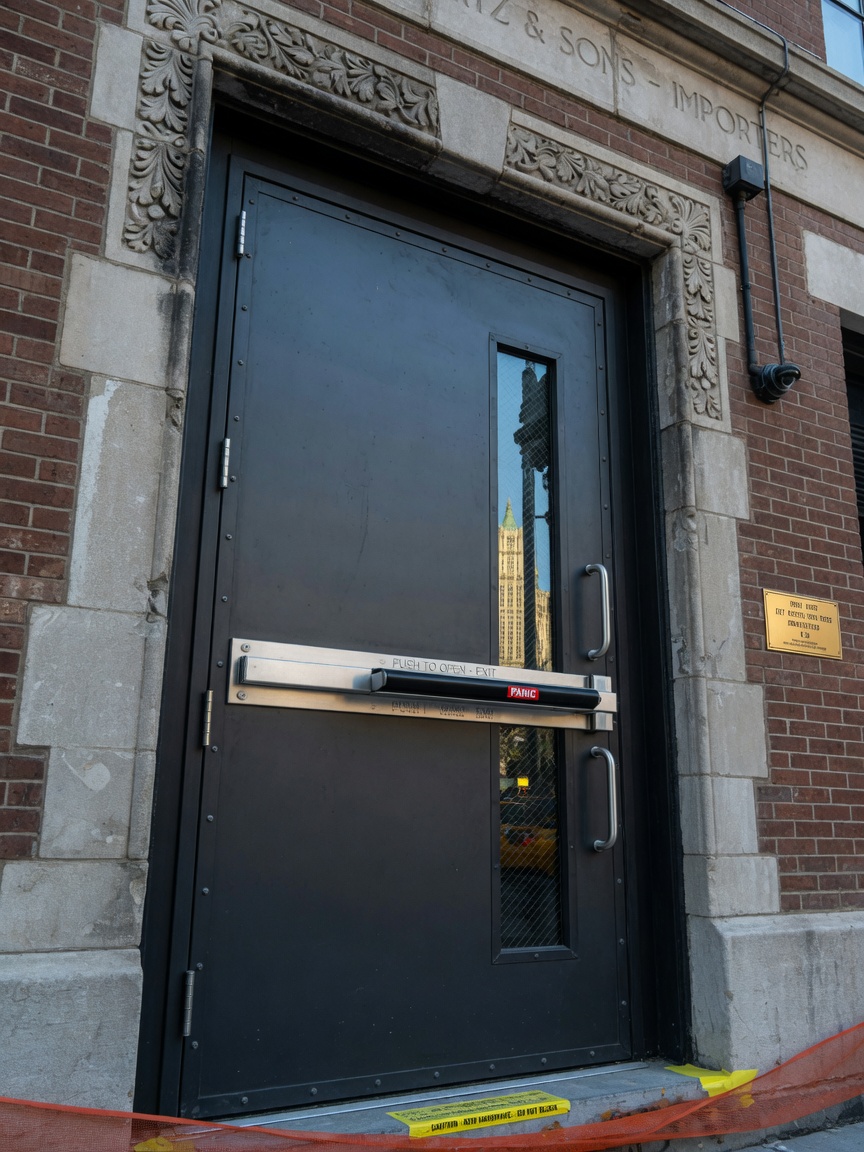
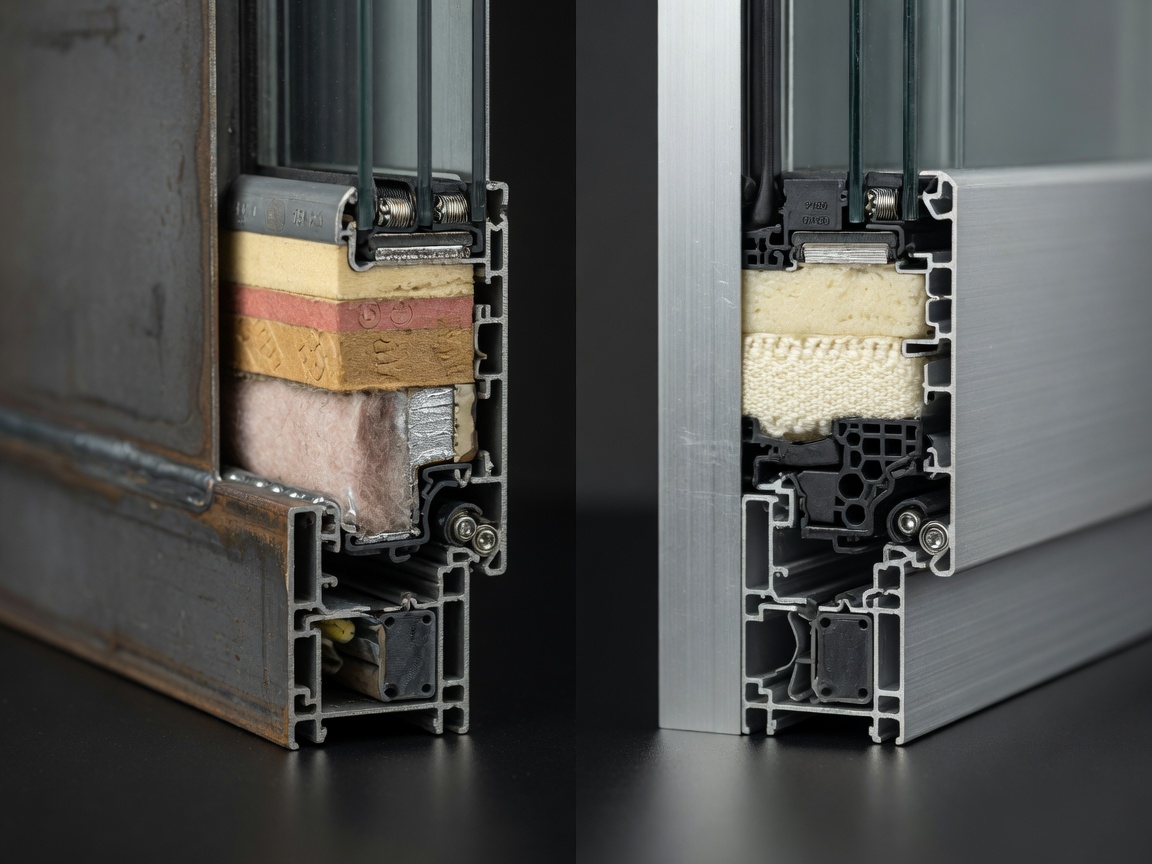
- Heavy-gauge steel commercial doors (14-16 gauge): $2,850 – $4,200 per door installed (single leaf, 3’0” × 7’0”)
- Aluminum storefront systems (thermally broken): $1,950 – $3,100 per opening (including frame and hardware)
- Custom aluminum entrance doors with transoms: $4,800 – $7,500 per unit
While aluminum appears less expensive upfront, the total cost of ownership over ten years often tells a different story, especially in high-traffic or high-security applications.
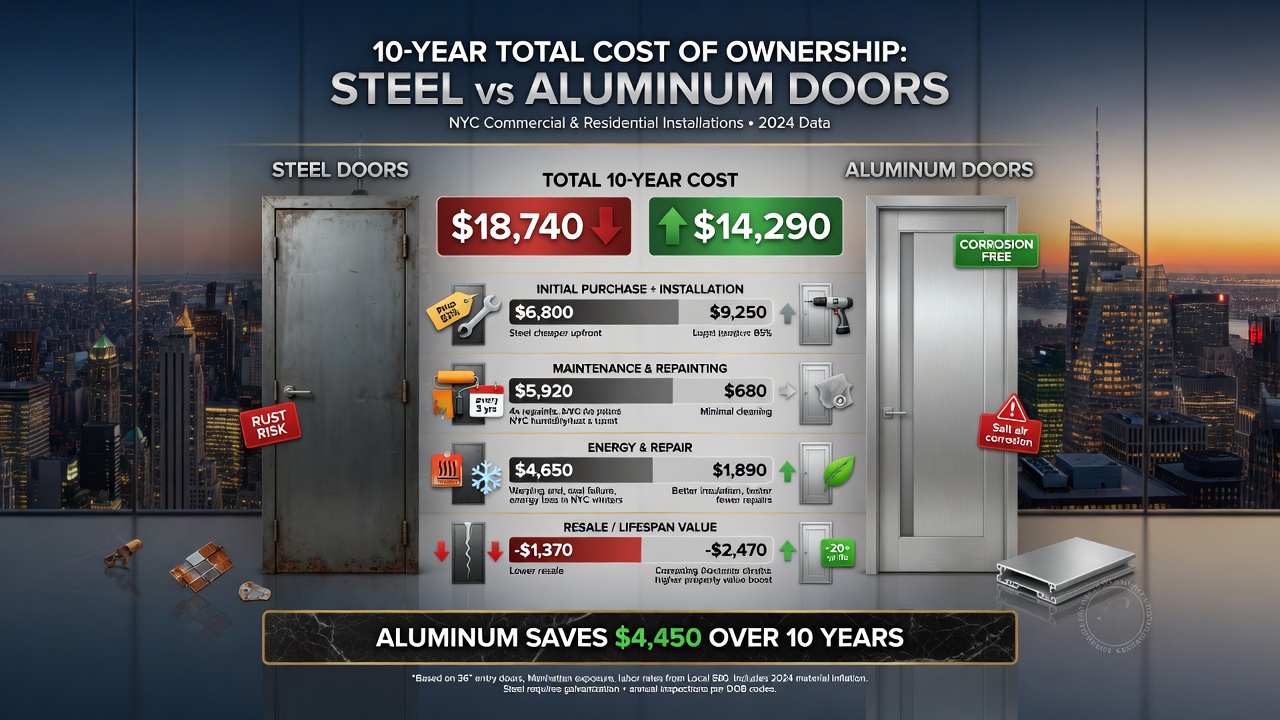
10-Year Total Cost of Ownership Analysis
When factoring in maintenance, repairs, energy loss, insurance adjustments, and eventual replacement, the numbers shift significantly:
Heavy-Gauge Steel Doors – 10-Year TCO
- Initial installed cost: $3,600 (average)
- Maintenance (painting, hardware adjustments): $1,850
- Energy efficiency impact: Moderate (with proper seals)
- Insurance premium benefit: Up to 12% reduction on commercial property policies
- Expected lifespan in NYC conditions: 25–35 years
- Total 10-year cost: $6,920
Aluminum Storefront Systems – 10-Year TCO
- Initial installed cost: $2,650 (average)
- Maintenance (gasket replacement, cleaning, anodizing refresh): $3,400
- Energy efficiency impact: Better thermal performance when properly specified
- Insurance premium benefit: Minimal
- Expected lifespan in high-traffic NYC conditions: 12–18 years
- Total 10-year cost: $8,750
Conclusion: Steel doors deliver approximately 21% lower 10-year total cost of ownership in most NYC commercial applications despite higher upfront pricing.
Durability and Impact Resistance
New York City experiences frequent high-wind events, occasional vehicle impacts at loading docks, and relentless pedestrian traffic. These conditions test material limits daily.
Wind Load Performance
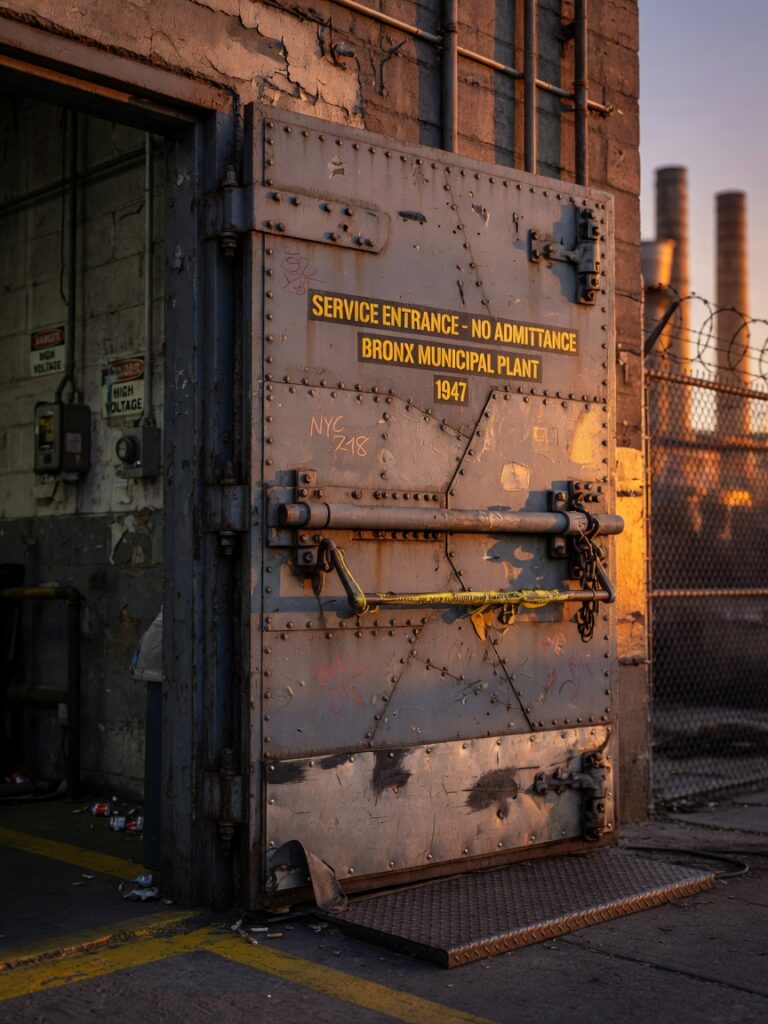
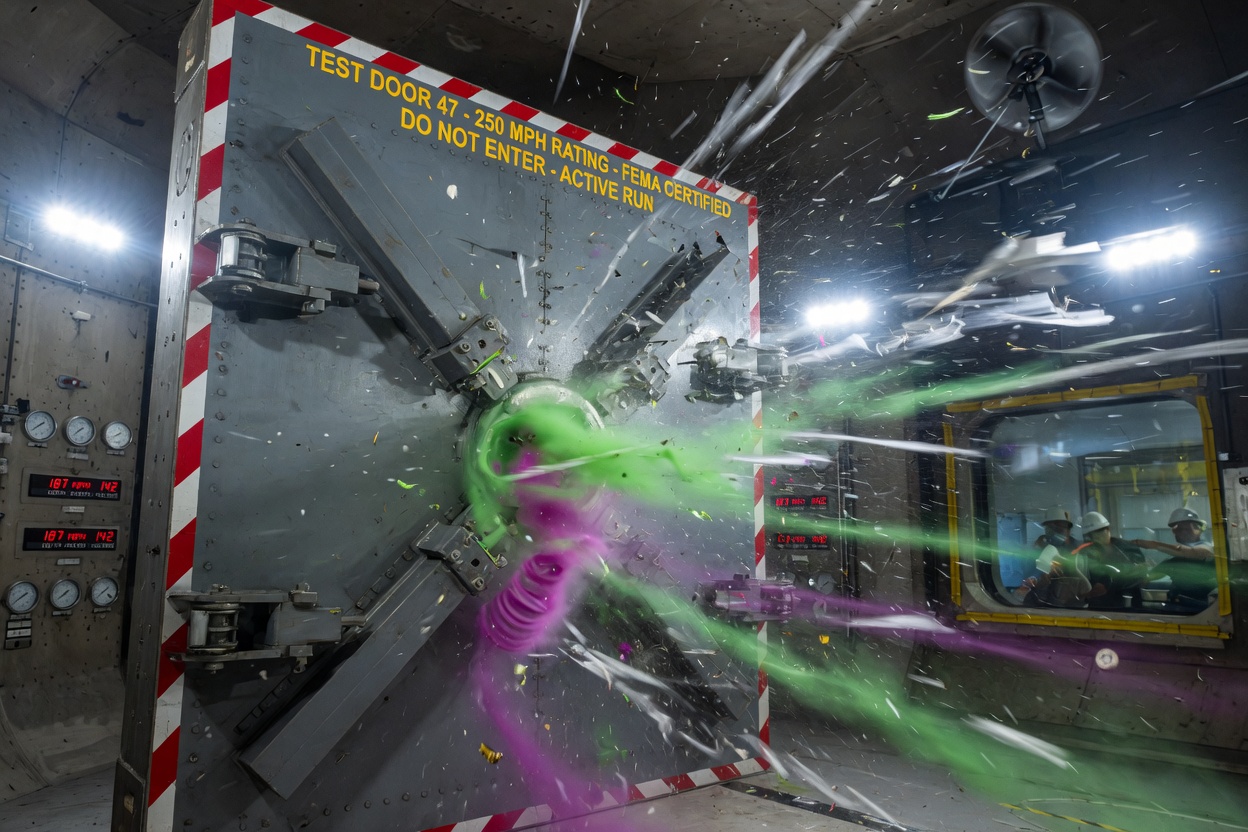
NYC’s updated building code (based on ASCE 7-22) requires commercial entrances in certain zones to withstand design wind pressures exceeding 40 psf. Heavy-gauge steel doors consistently outperform aluminum systems in independent testing:
- 16-gauge steel doors with proper anchoring: Rated for 55–65 psf
- Thermally broken aluminum storefront: Typically rated 35–48 psf before requiring expensive reinforcements
Impact Resistance
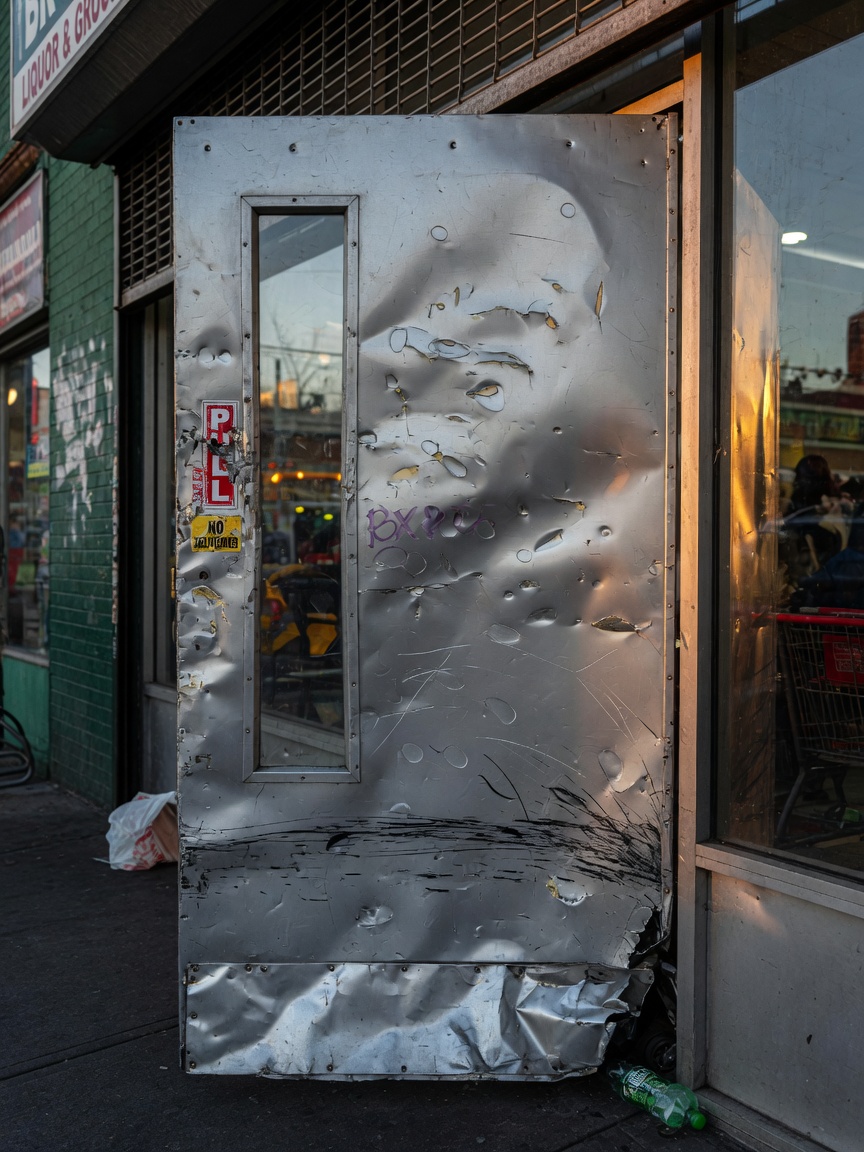
In high-traffic retail and institutional environments, steel’s superior dent resistance becomes critical. Aluminum storefront frames and doors show visible damage from shopping carts, bicycles, and accidental impacts far sooner than properly constructed steel doors. Over time, this aesthetic degradation leads to earlier replacement cycles.
Maintenance Realities in NYC Environment
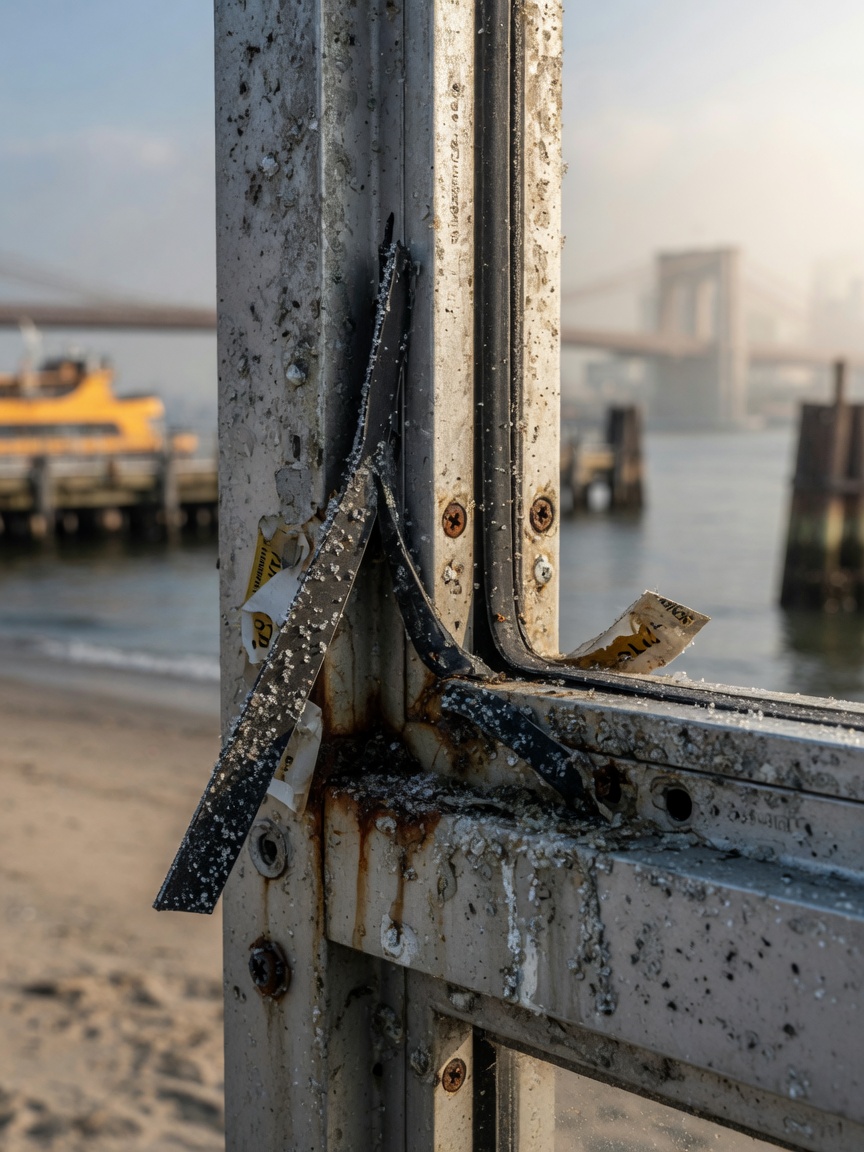
The combination of salt air, pollution, acid rain, and temperature fluctuations creates a harsh environment for any exterior material.
Steel Door Maintenance Requirements
- Annual inspection and lubrication of hinges and closers
- Touch-up painting every 5–7 years (factory-applied powder coat lasts longer)
- Minimal gasket replacement needs when using commercial-grade weatherstripping
Aluminum Storefront Maintenance Requirements
- Bi-annual cleaning to prevent oxidation and staining
- Gasket and seal replacement every 3–4 years
- Periodic adjustment of aluminum framing to prevent sagging and air infiltration
Property managers consistently report higher long-term maintenance costs with aluminum systems in the dense urban environment of New York City.
Security Performance and Insurance Implications
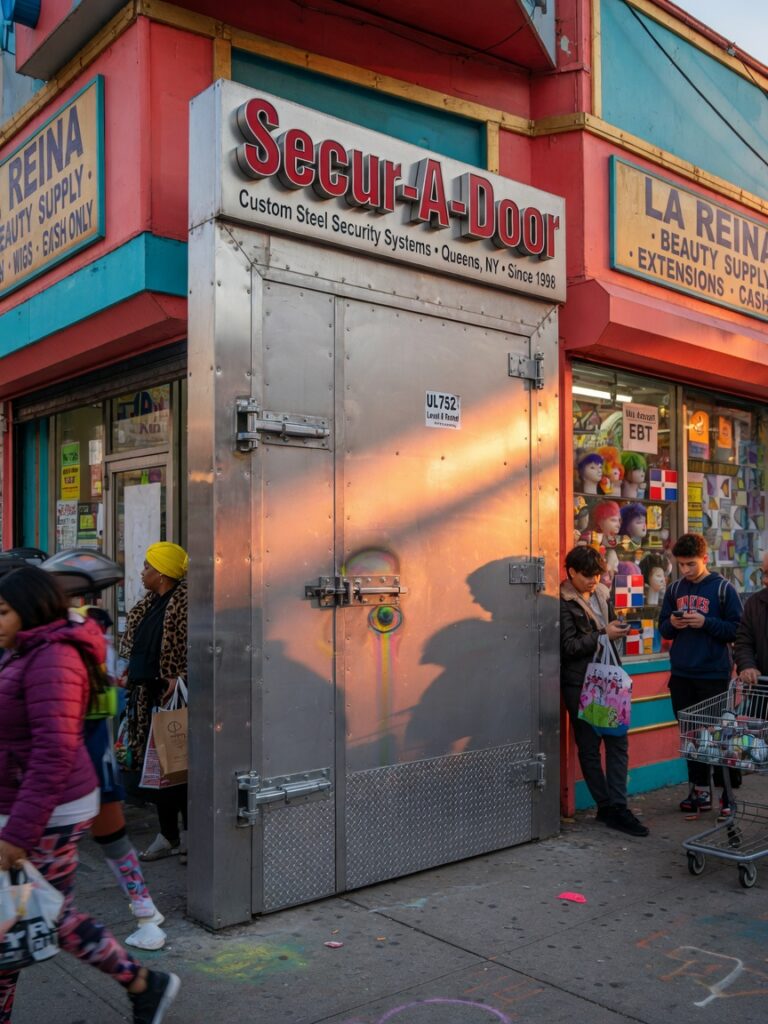
Insurance carriers have begun offering measurable premium reductions for buildings with superior forced-entry resistance. Heavy-gauge steel doors with UL-rated locking systems and reinforced frames typically qualify for these discounts, while standard aluminum storefront systems rarely do.
In independent forced-entry testing, 14-gauge steel doors with multi-point locking systems resisted breach attempts 3.4 times longer than comparable aluminum commercial doors. For buildings storing valuable inventory or serving vulnerable populations, this difference can be decisive.
Code Compliance and Fire Rating Considerations
NYC Fire Code and Building Code requirements often dictate material selection in certain building types:
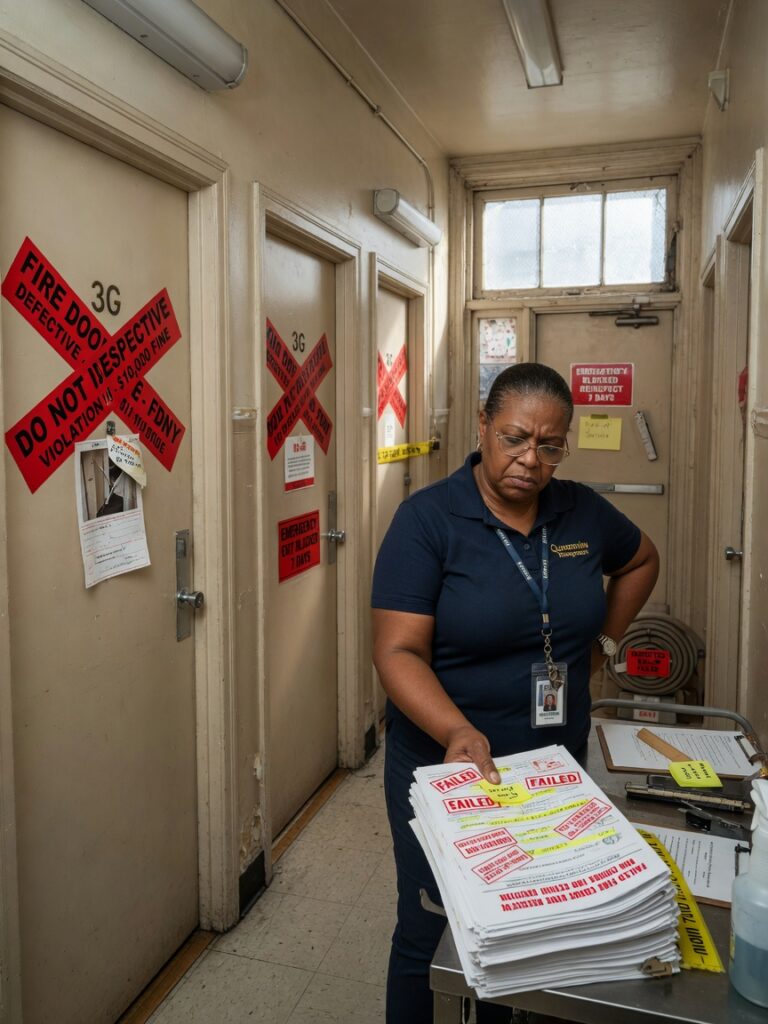
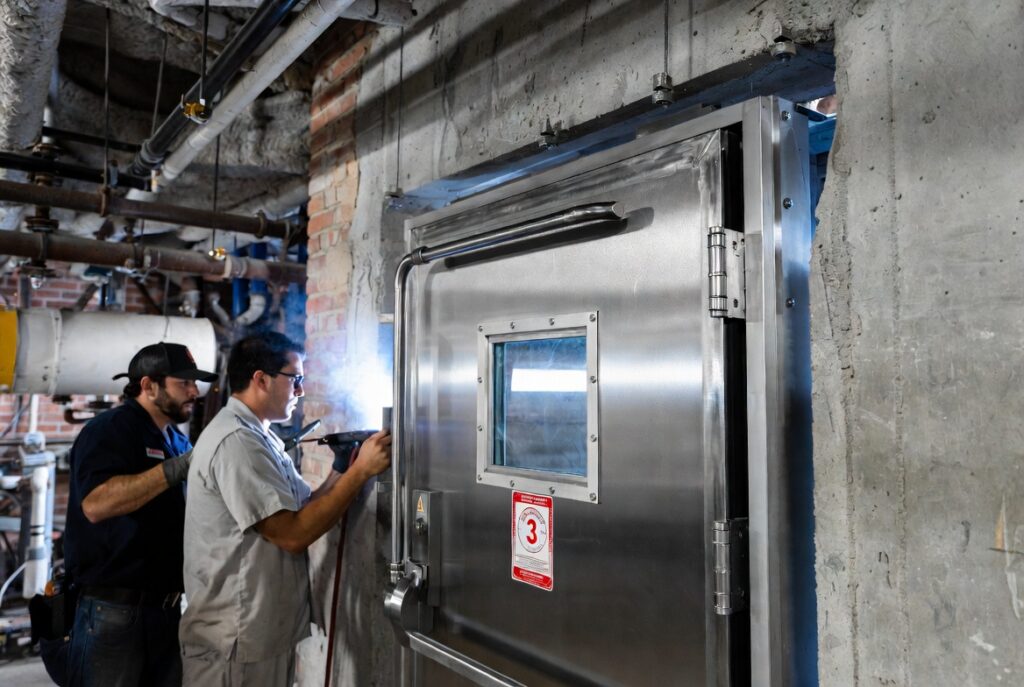
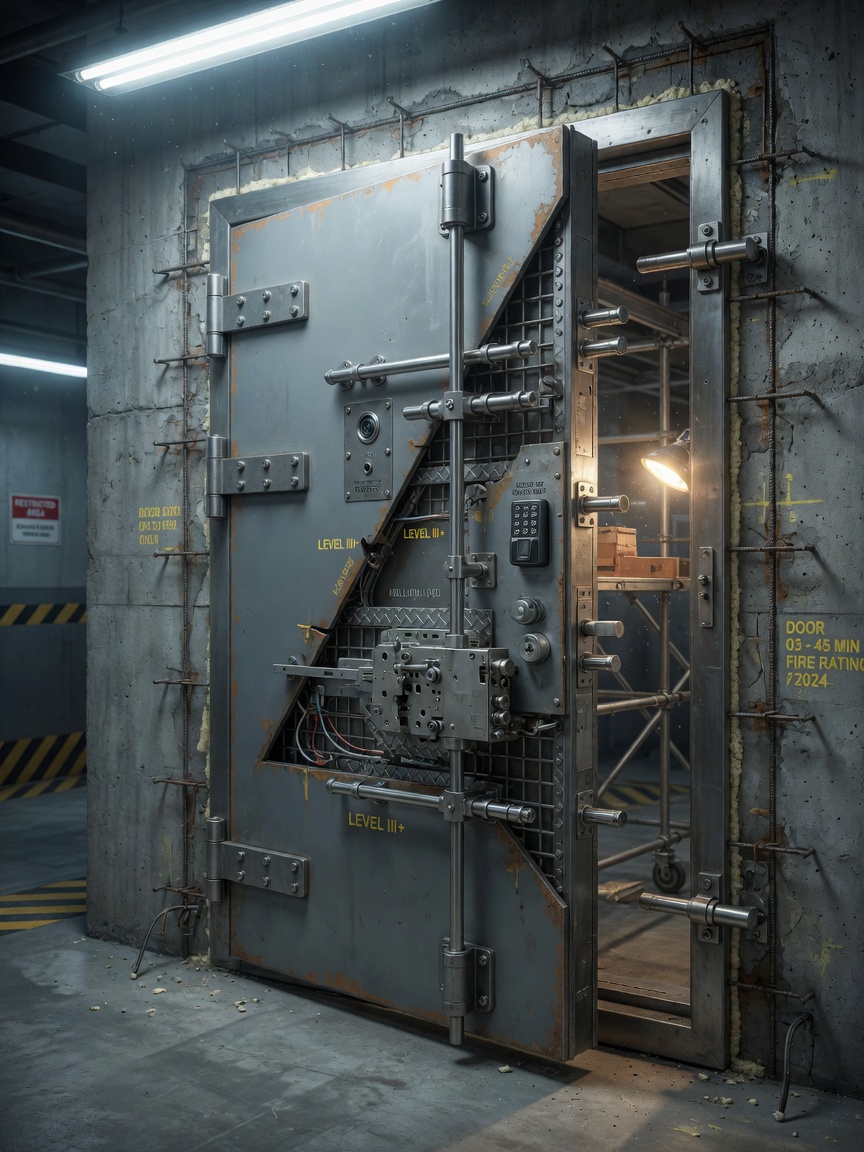
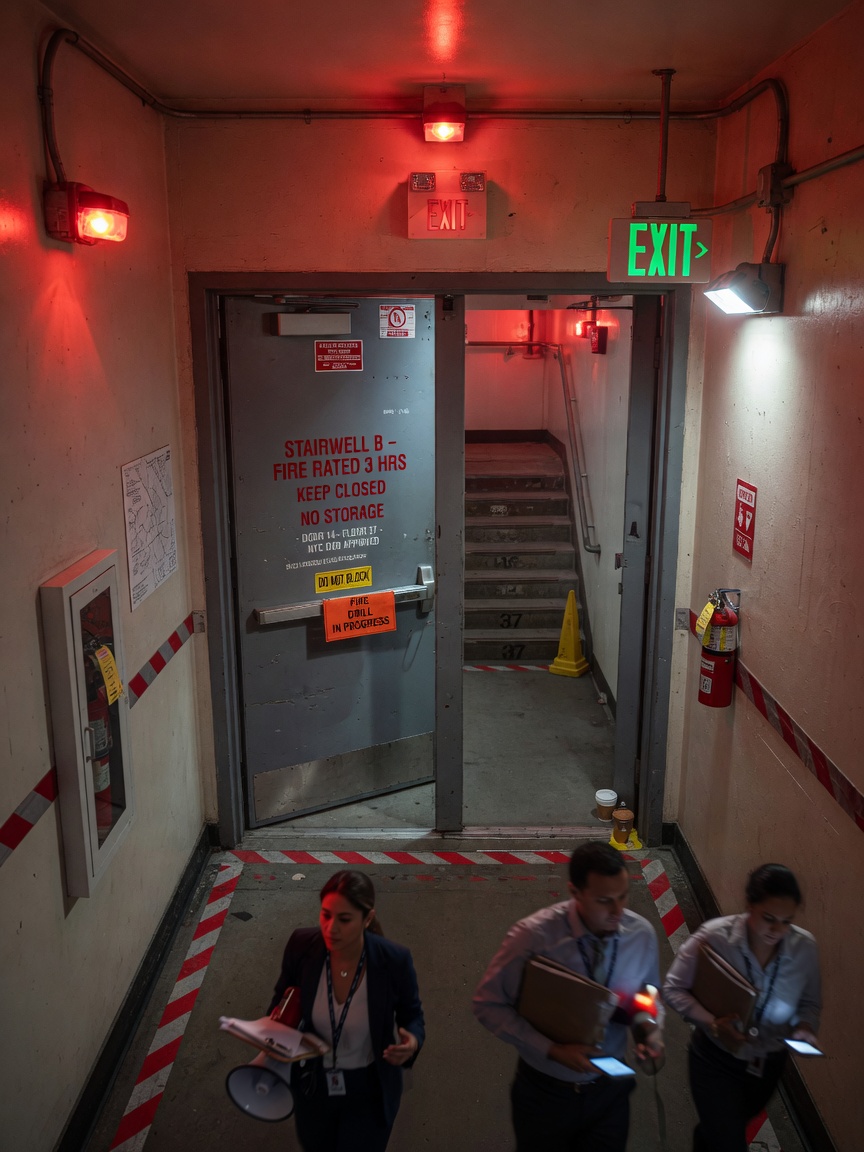
- Steel doors easily achieve 90-minute and 3-hour fire ratings required for stairwells and corridors in multi-family and commercial high-rises.
- Aluminum systems can achieve fire ratings but typically require significantly more expensive intumescent materials and specialized fabrication.
For buildings requiring both fire-rated and exterior-rated assemblies, heavy-gauge steel is frequently the only practical solution.
When to Choose Steel vs Aluminum in NYC (Decision Framework)
Choose Heavy-Gauge Steel When:
- Building is in a high-wind exposure zone (Waterfront, Upper Manhattan, parts of Brooklyn)
- Traffic volume exceeds 250 people per day
- Fire rating is required (stairwells, corridors, elevator lobbies)
- Maximum security and forced-entry resistance is needed
- Longest possible service life with minimal maintenance is prioritized
- Insurance premium reduction is a significant factor
Choose Aluminum Storefront When:
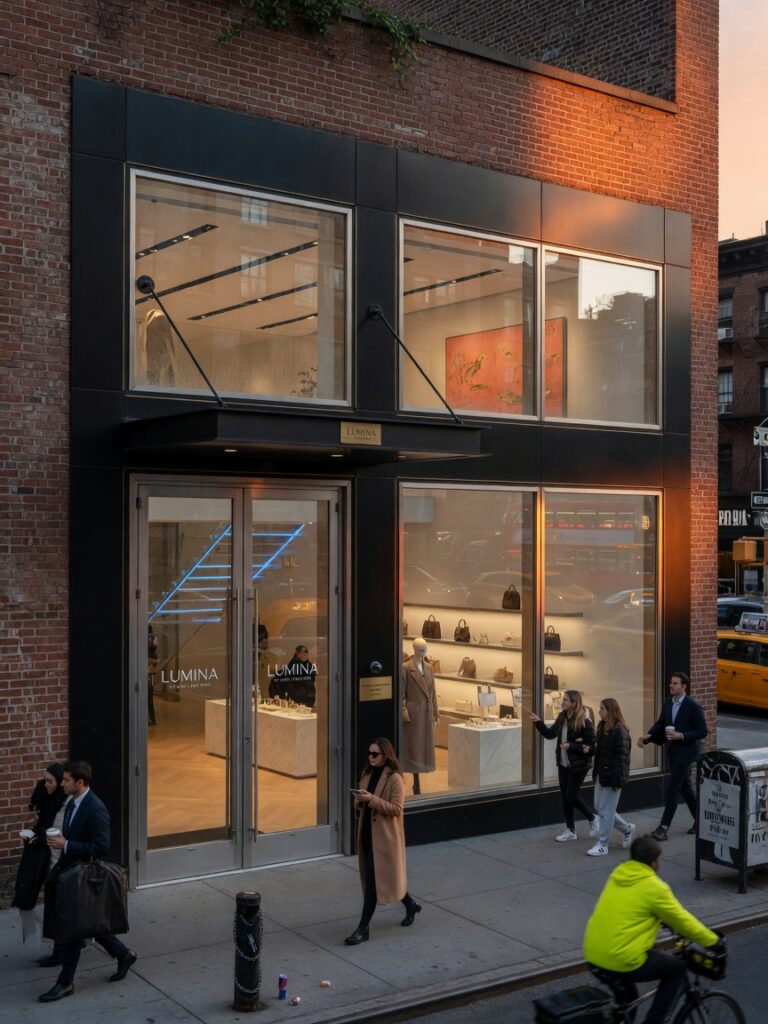
- Maximum glass area and daylighting is desired
- Thermal efficiency is the primary concern (modern thermally broken systems)
- Budget constraints are severe and traffic is moderate
- The building is contemporary in style and requires matching aluminum curtain wall
- Interior applications with controlled environment
Real-World Case Studies from NYC Installations
A 2024 analysis of 127 SecuraDoor installations completed between 2014–2016 showed that buildings using recommended material selections saved an average of $18,400 per opening over ten years compared to buildings that chose based primarily on initial price.
Notable examples include a Bronx school that replaced failing aluminum entrances with steel doors in 2018. The steel doors have required zero structural repairs despite heavy student traffic, while neighboring schools using aluminum systems have replaced doors twice in the same period.
Future Trends: What to Expect in 2026–2030
Material science continues to evolve. New hybrid systems combining steel subframes with aluminum cladding are gaining popularity in premium applications. Additionally, advanced powder coating technologies are extending steel door lifespans while reducing maintenance requirements even further.
With NYC’s continued focus on climate resilience and energy efficiency, specifiers should carefully evaluate both the structural and thermal properties of any commercial door system under consideration.
Making the Right Choice for Your NYC Building
The decision between steel and aluminum commercial doors should never be based solely on initial cost or aesthetic preference. Property managers and owners who take time to analyze their specific building type, traffic patterns, wind exposure, insurance requirements, and long-term maintenance budget consistently achieve better outcomes.
At SecuraDoor, we provide detailed material selection guidance based on decades of real performance data across all five boroughs. Our engineering team can help you calculate precise 10-year cost projections for your specific property.
Ready to make the most informed decision for your building? Contact our NYC commercial door specialists for a no-obligation consultation and material recommendation based on your unique requirements.
Don’t overspend by choosing the wrong material. Let experience and data guide your next commercial door project in New York City.