NYC Commercial Door Materials Compared: Steel vs Aluminum for 2026 Security & Compliance
As New York City continues to tighten building codes and sustainability requirements, choosing the right commercial door material has become a high-stakes decision for property owners, facility managers, and contractors. With Local Law 75 mandating enhanced security and energy performance, the debate between heavy-gauge steel and aluminum storefront systems is more relevant than ever in 2026.
This comprehensive guide delivers the head-to-head analysis missing from most competitor content. We examine real-world installed costs in the five boroughs, durability under extreme wind loads in Queens and Brooklyn, fire-rating differences, long-term maintenance forecasts, and provide a clear decision flowchart for retail versus warehouse applications.
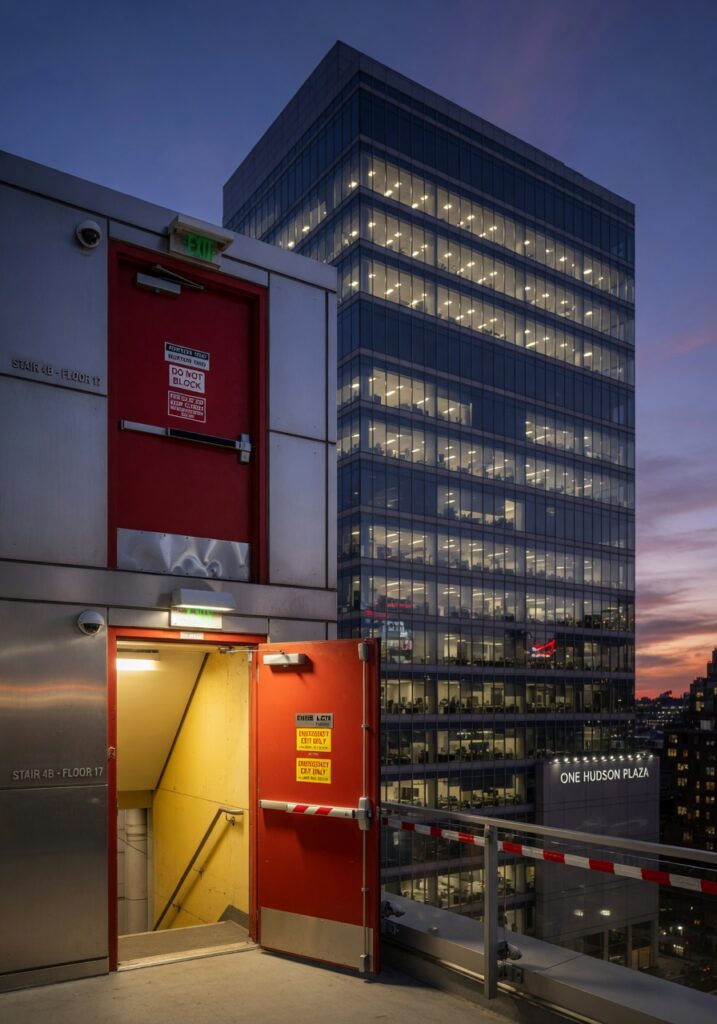
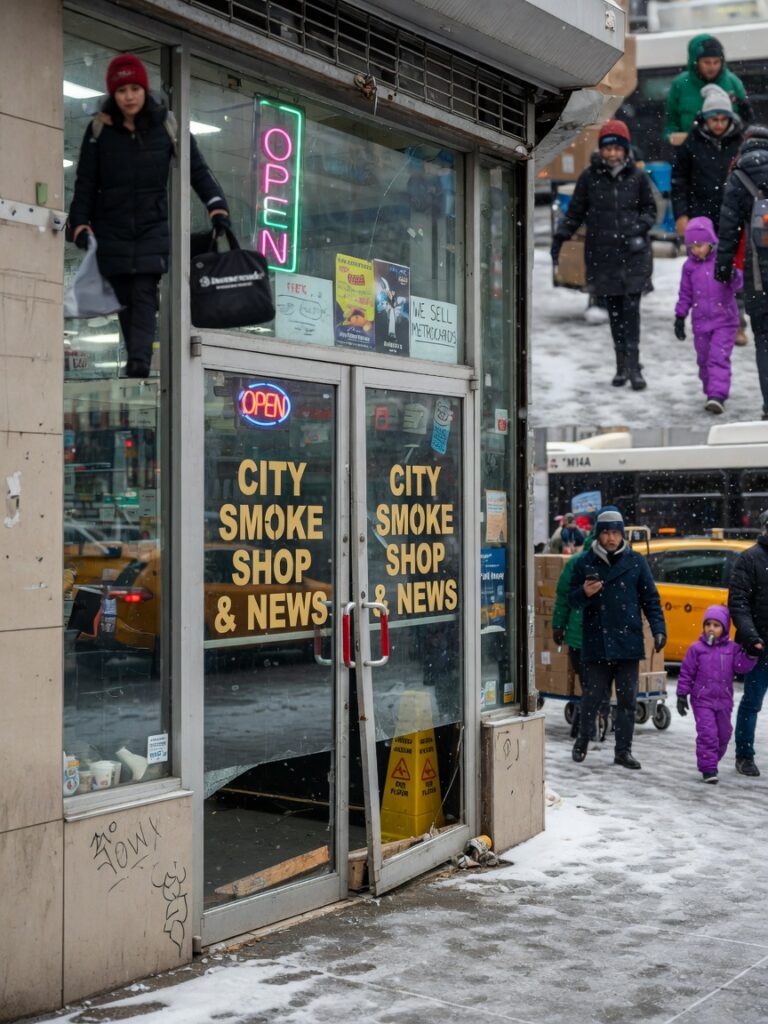
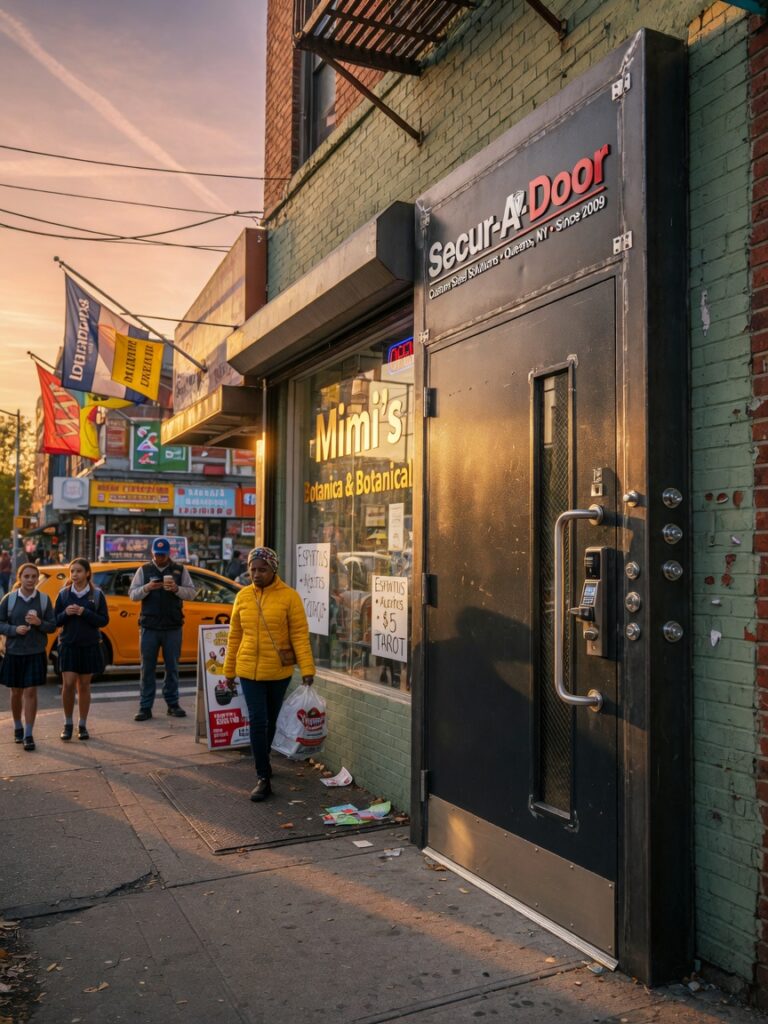
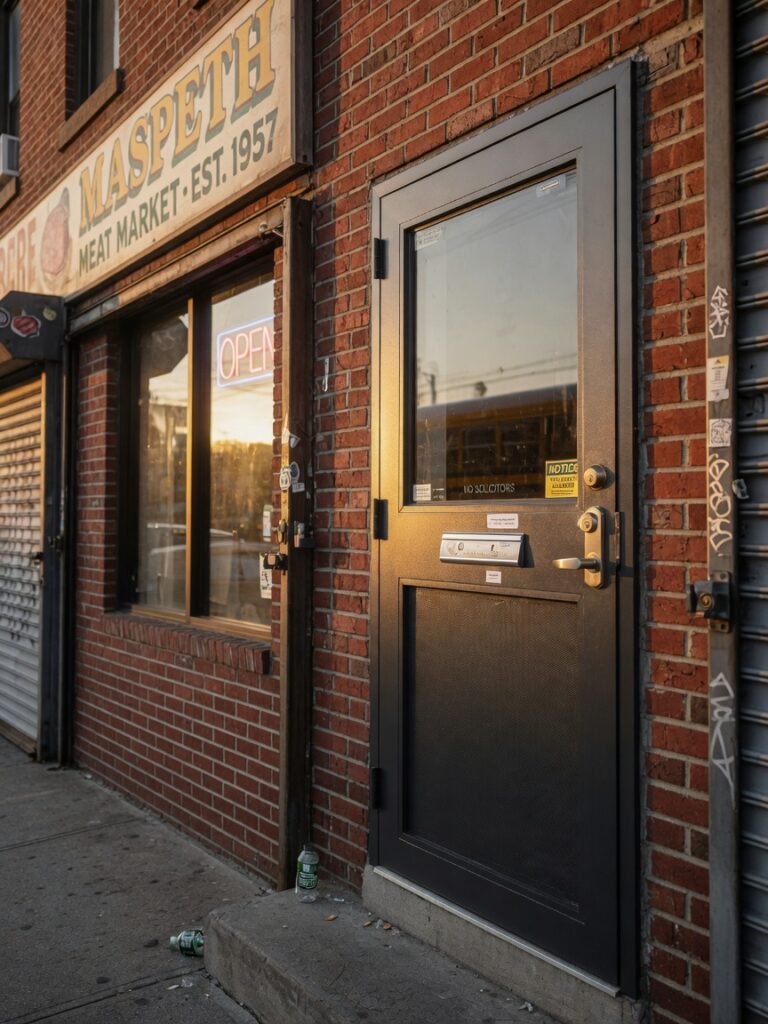
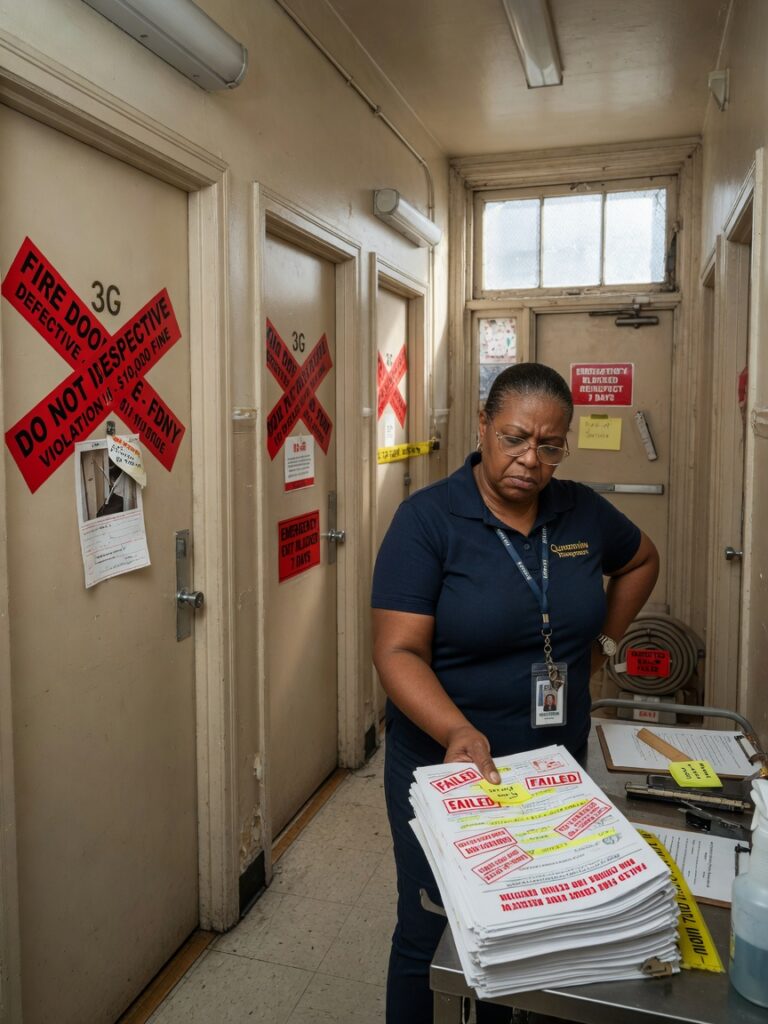
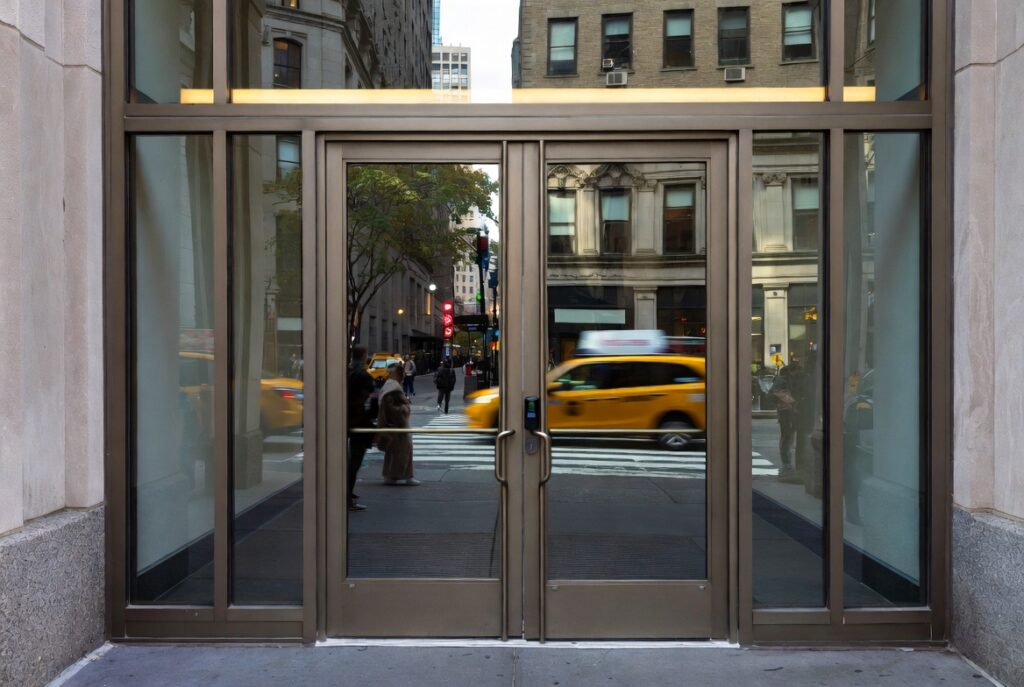
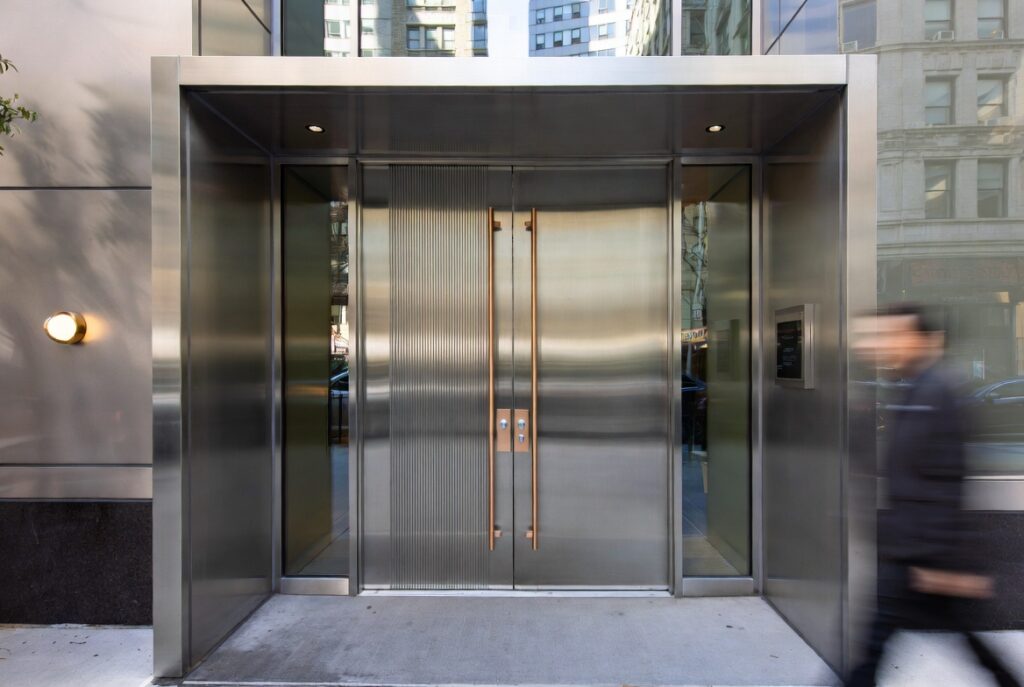
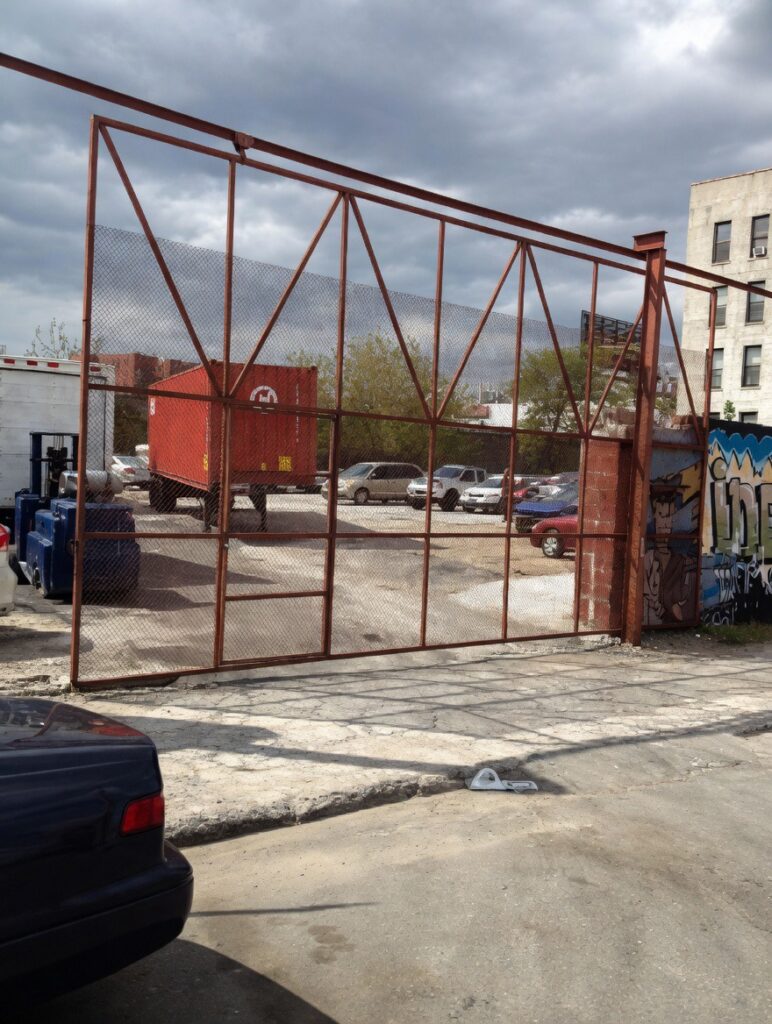
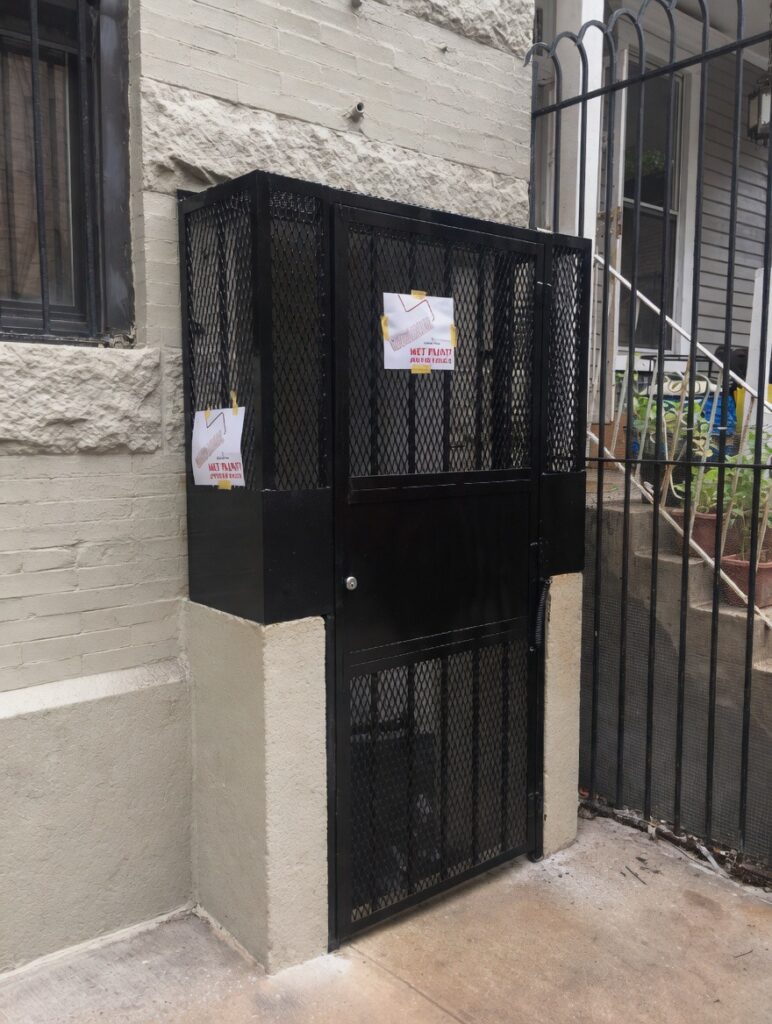
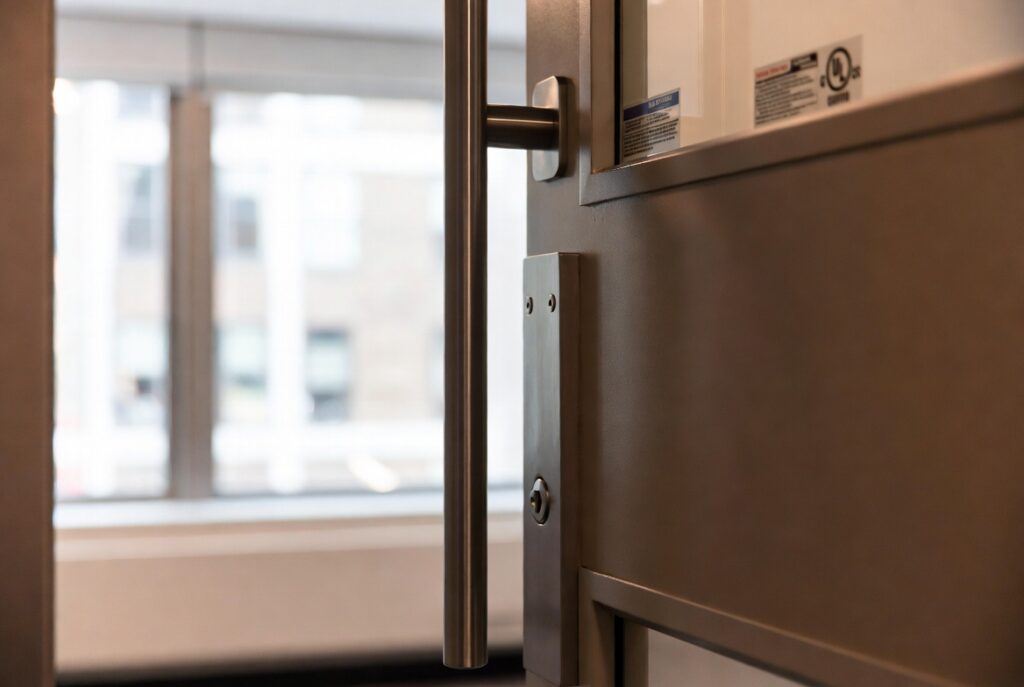
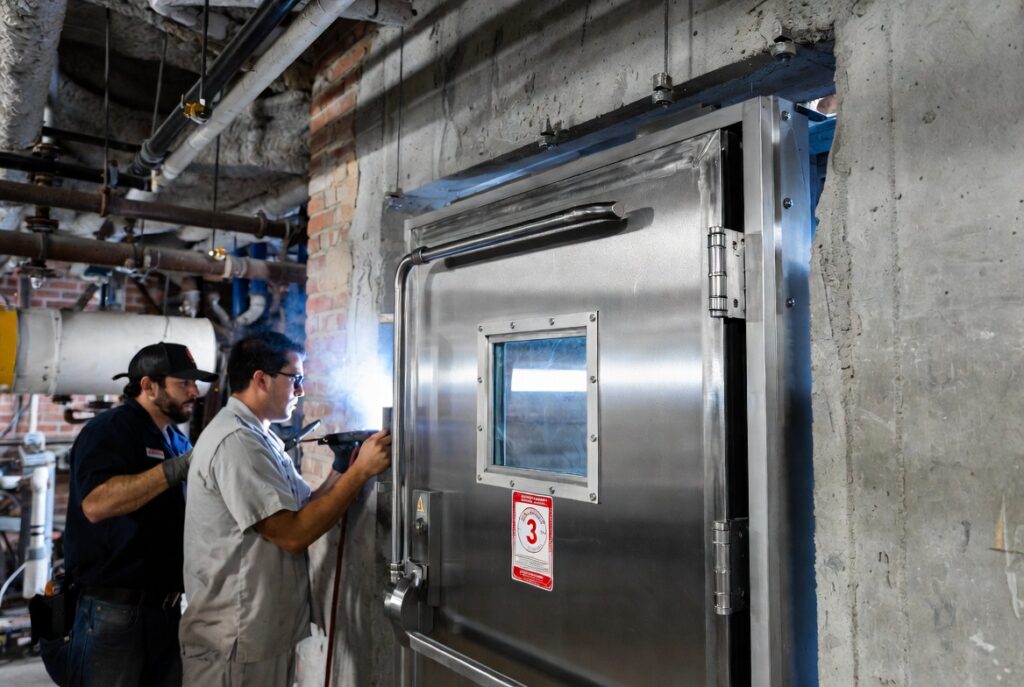
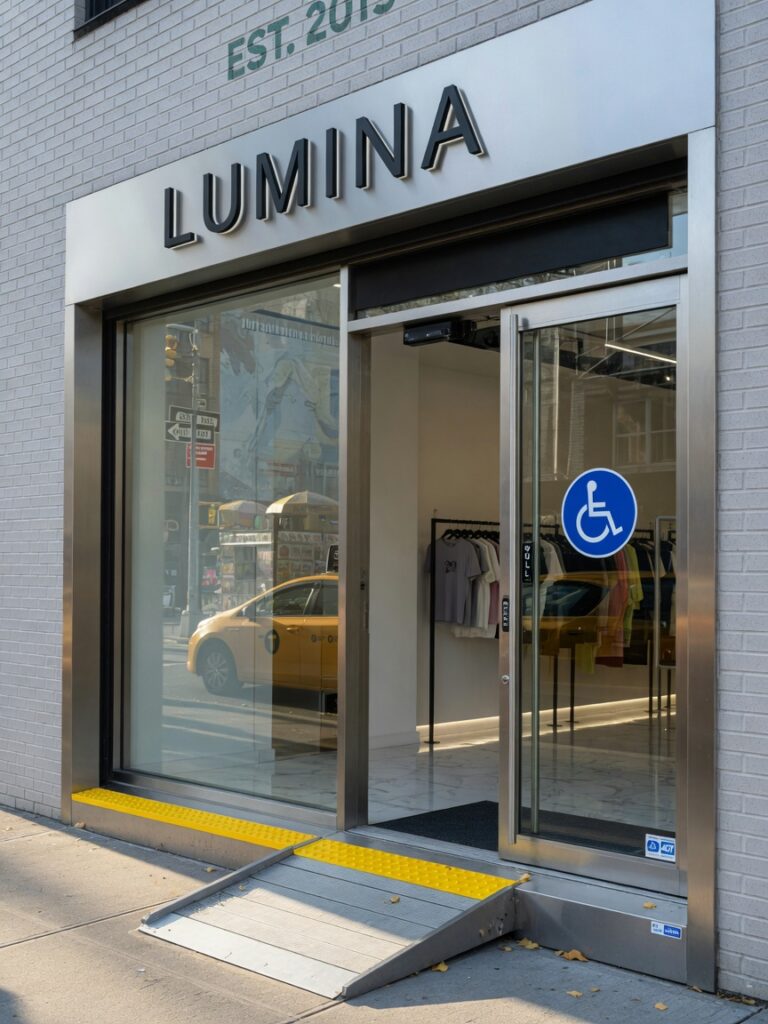
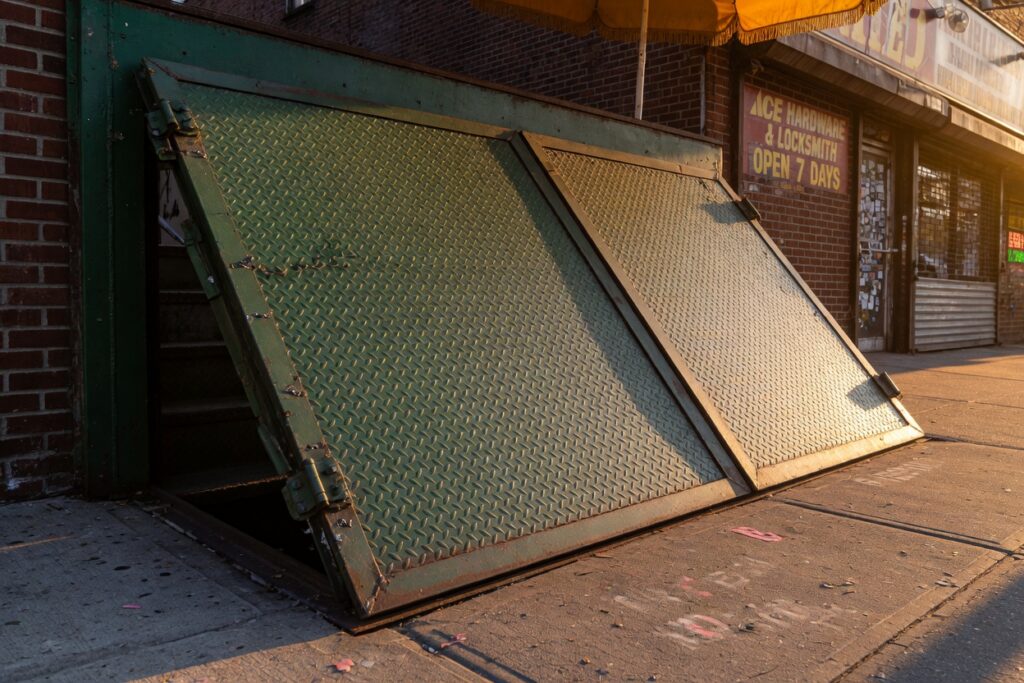
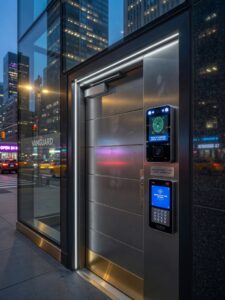
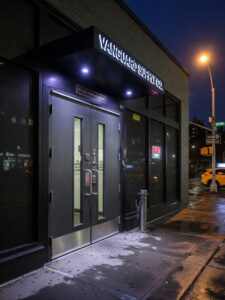
Image Grid 1

Understanding the Core Differences Between Steel and Aluminum Commercial Doors
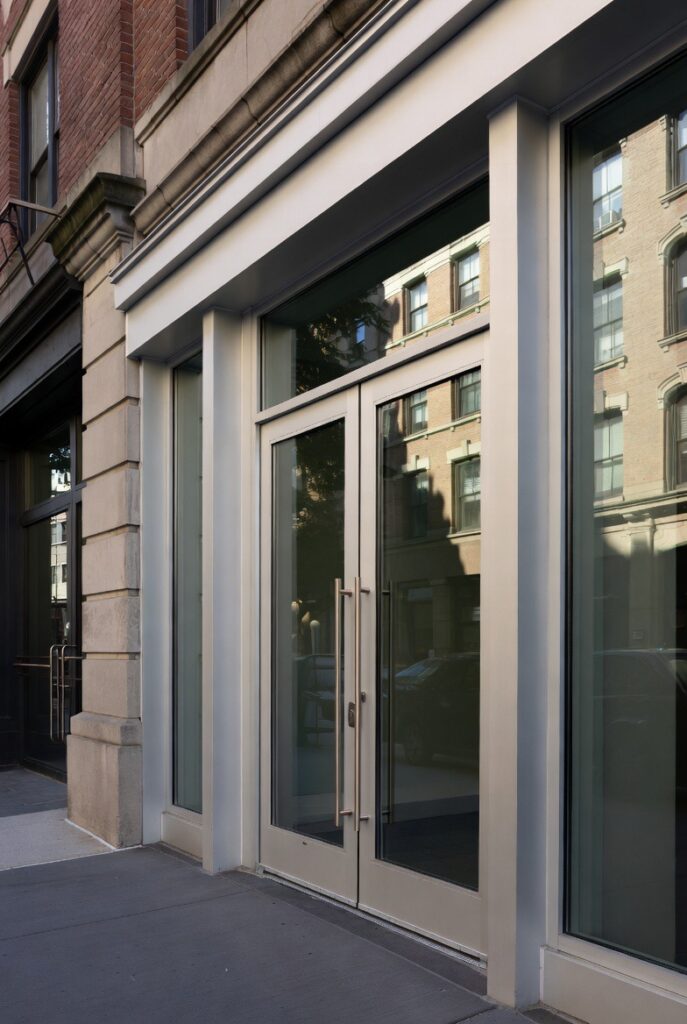
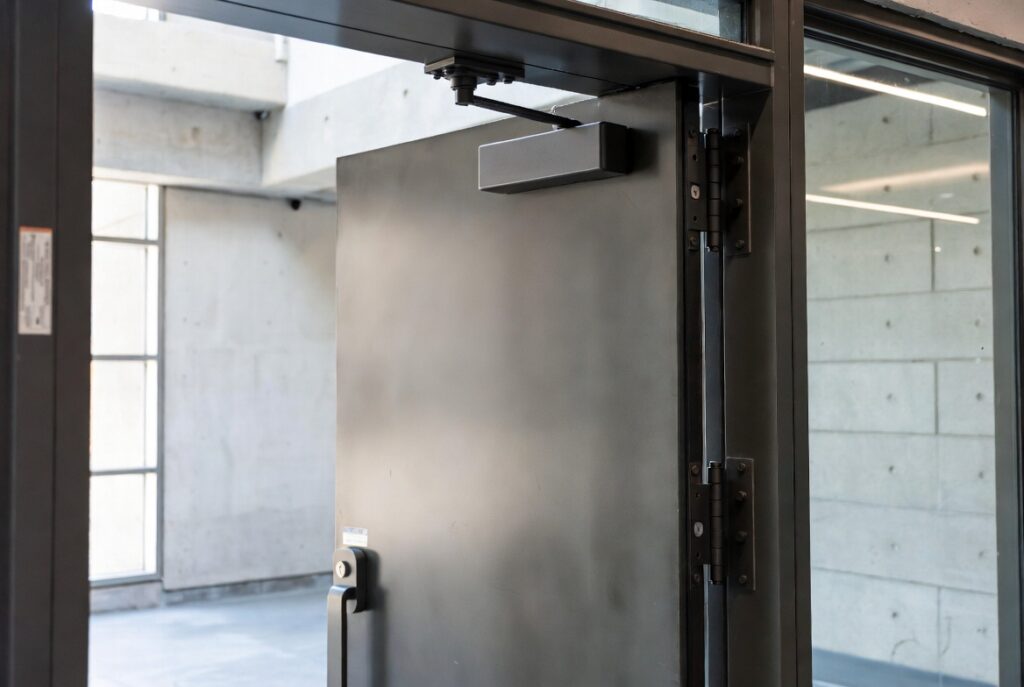
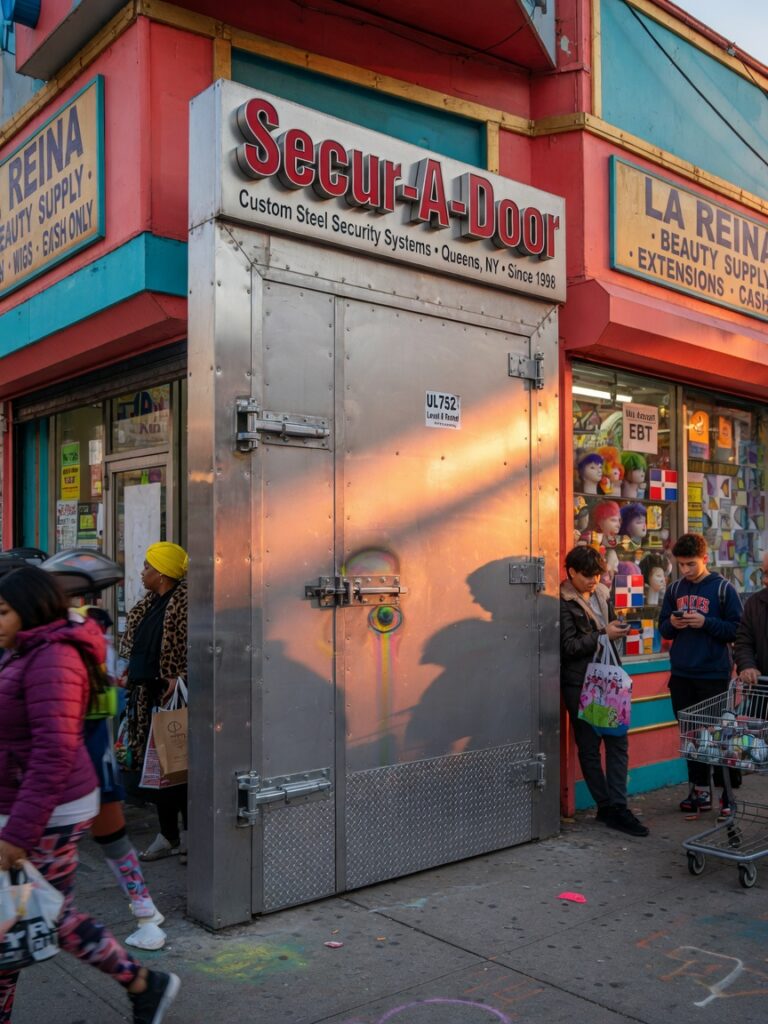
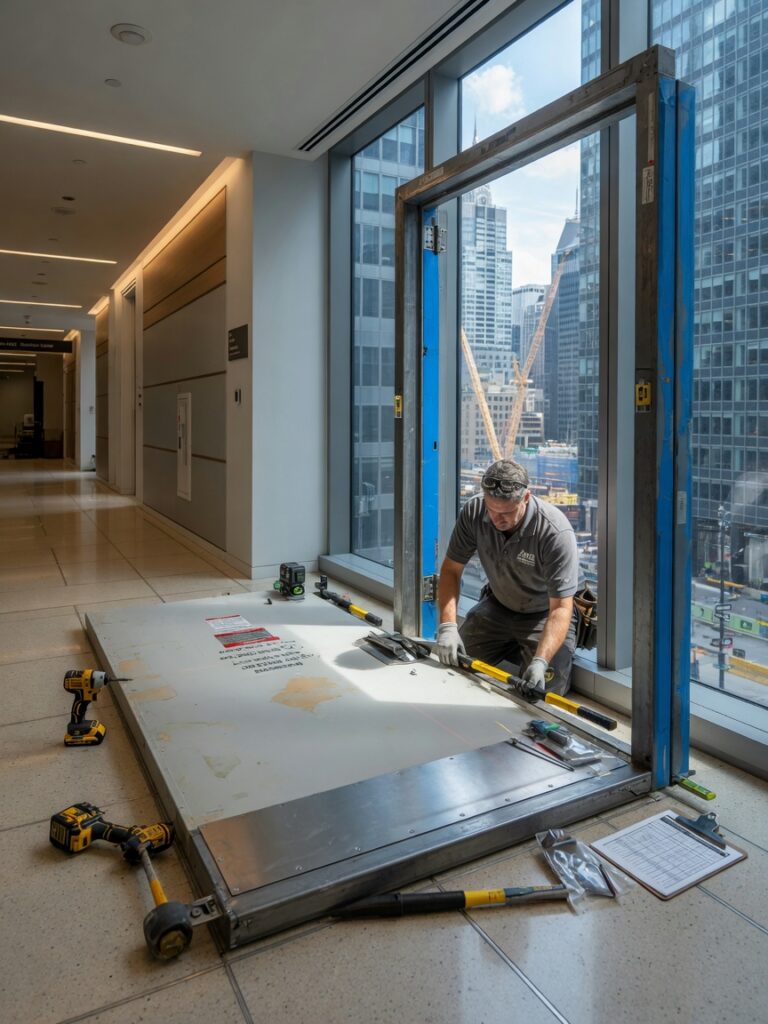
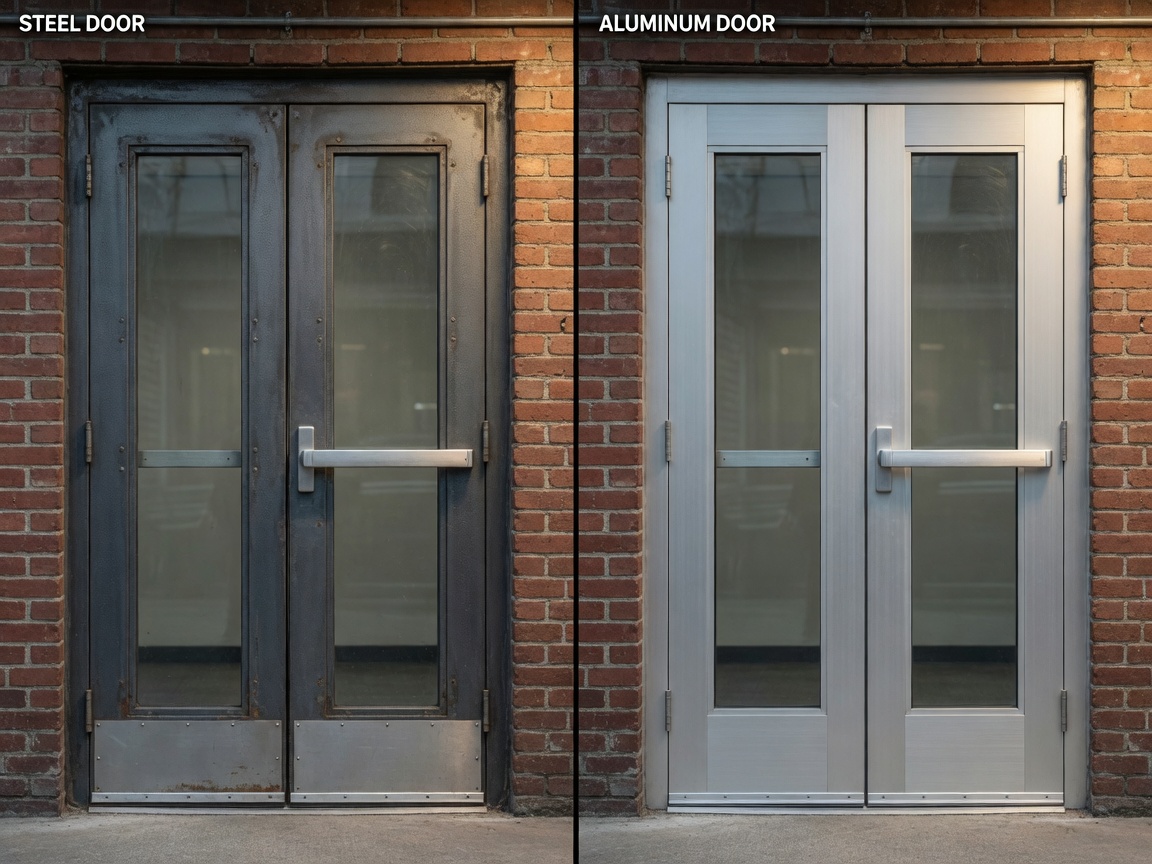
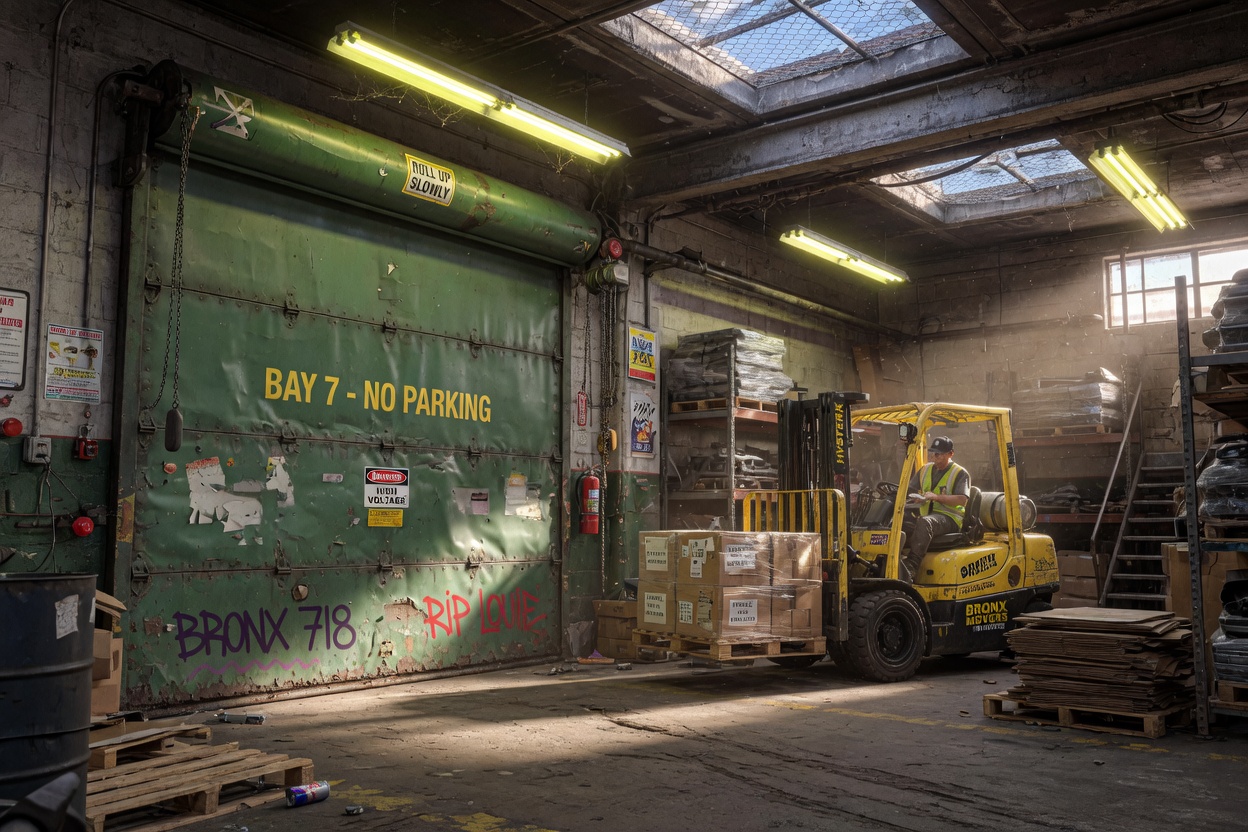
Heavy-gauge steel doors and aluminum storefront systems each offer distinct advantages depending on the specific demands of your NYC property. Steel provides superior strength and fire resistance, while aluminum delivers lighter weight, corrosion resistance, and modern aesthetics.
Material Properties at a Glance
- Steel (14-16 gauge): Higher tensile strength (approx. 65,000 psi), excellent fire rating, heavier weight (approx. 8-10 lbs per sq ft).
- Aluminum (0.125″ thick): Lower tensile strength (approx. 42,000 psi), naturally corrosion-resistant, significantly lighter (approx. 4-5 lbs per sq ft).
2026 Installed Cost Comparison in New York City
Real installed costs in NYC have shifted significantly due to supply chain stabilization, new tariffs, and stricter labor requirements under Local Law 196. Here is current 2026 data based on recent projects in Manhattan, Brooklyn, Queens, and the Bronx:
- Heavy-Gauge Steel Door (3′ x 7′, fire-rated 90-min): $4,850 – $6,750 installed.
- Aluminum Storefront System (10′ wide assembly): $5,900 – $8,200 installed.
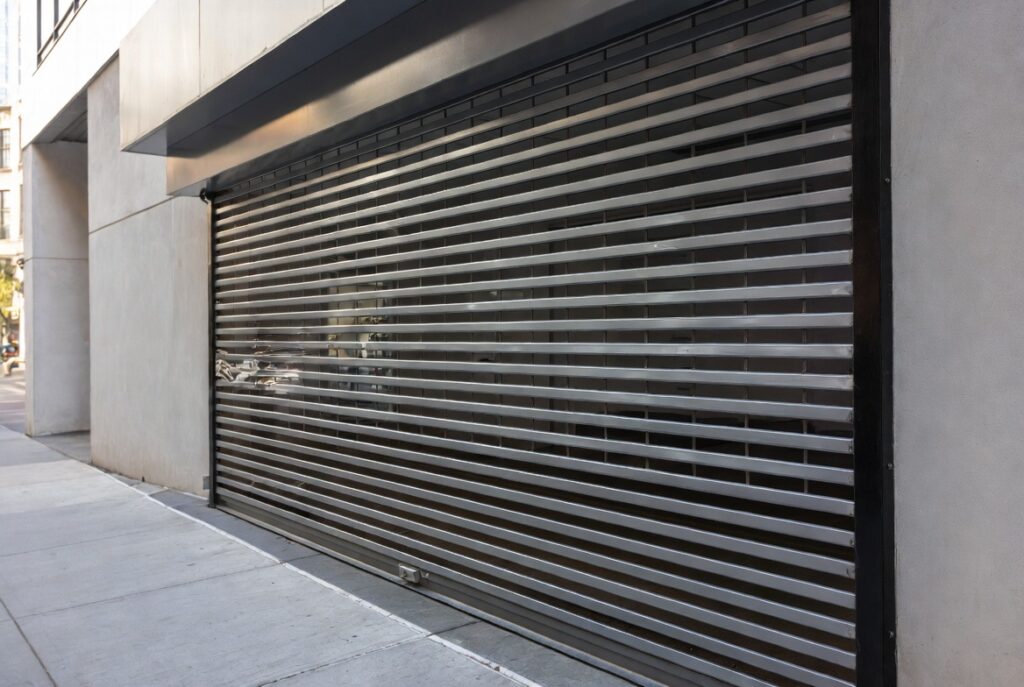
- Steel Roll-Up Security Door (8′ x 8′): $7,300 – $9,800 installed.
- Aluminum Impact-Glass Storefront (Hurricane-rated): $9,400 – $12,750 installed.
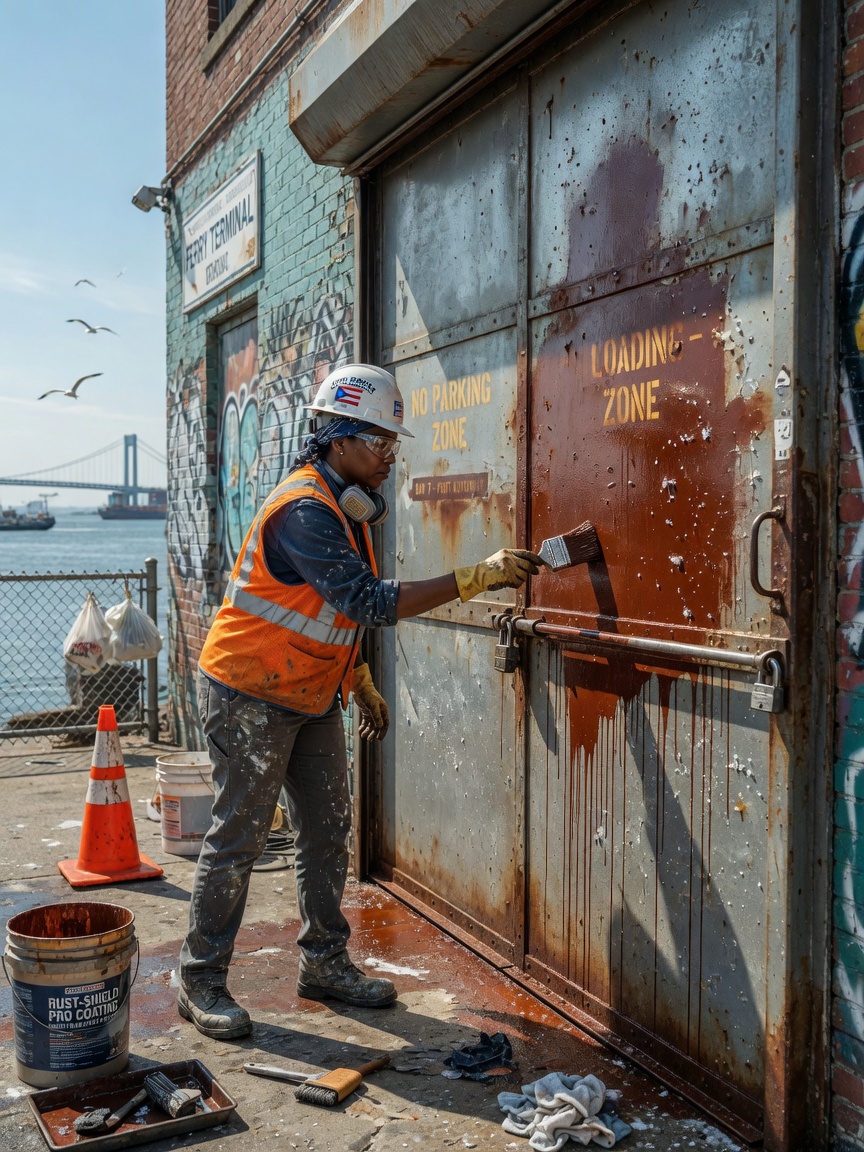
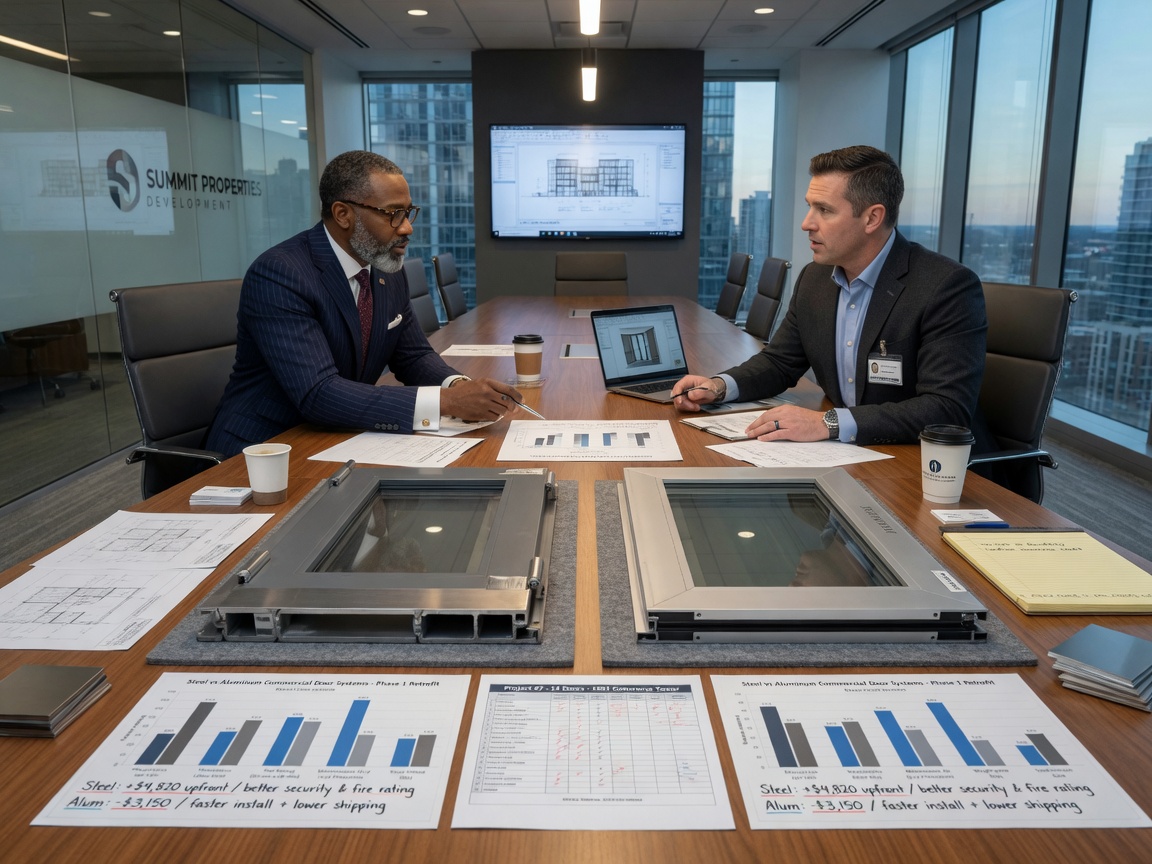
While aluminum systems often carry higher upfront material costs, steel frequently requires additional rust-prevention treatments in coastal boroughs, narrowing the total-cost-of-ownership gap.
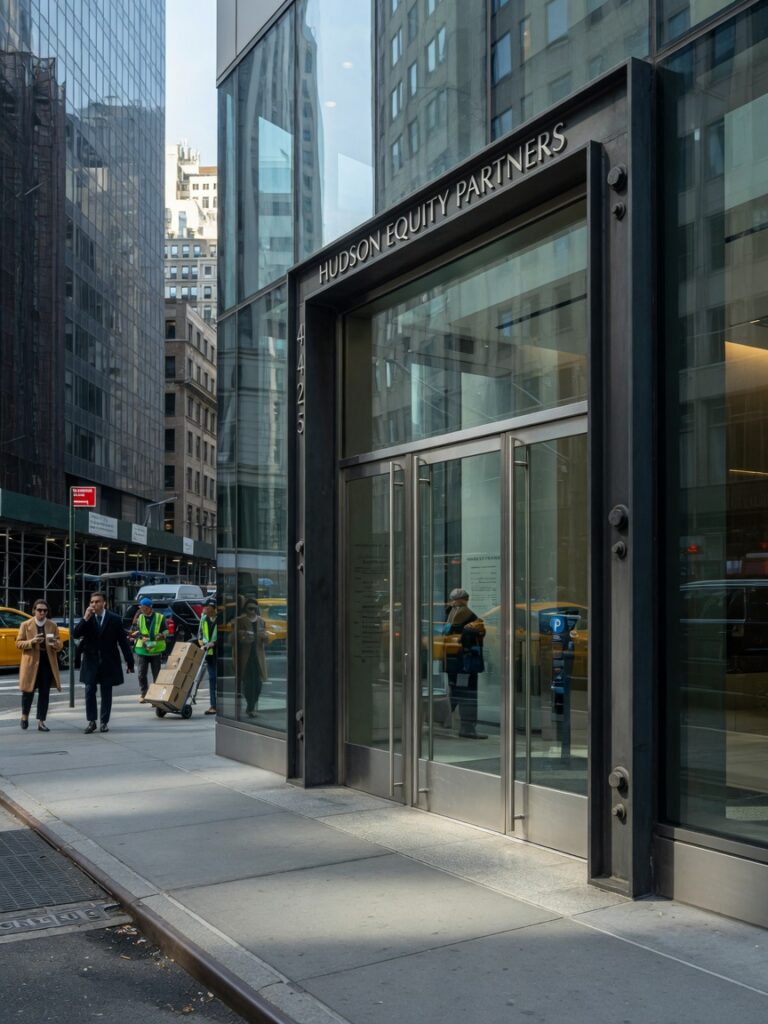
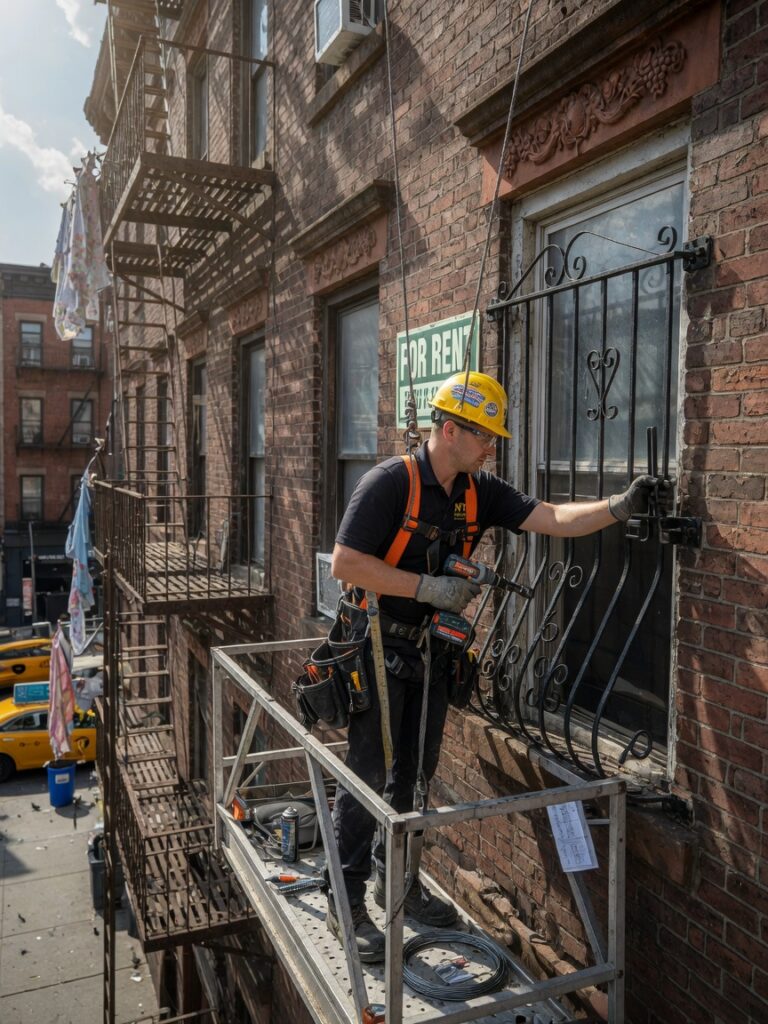
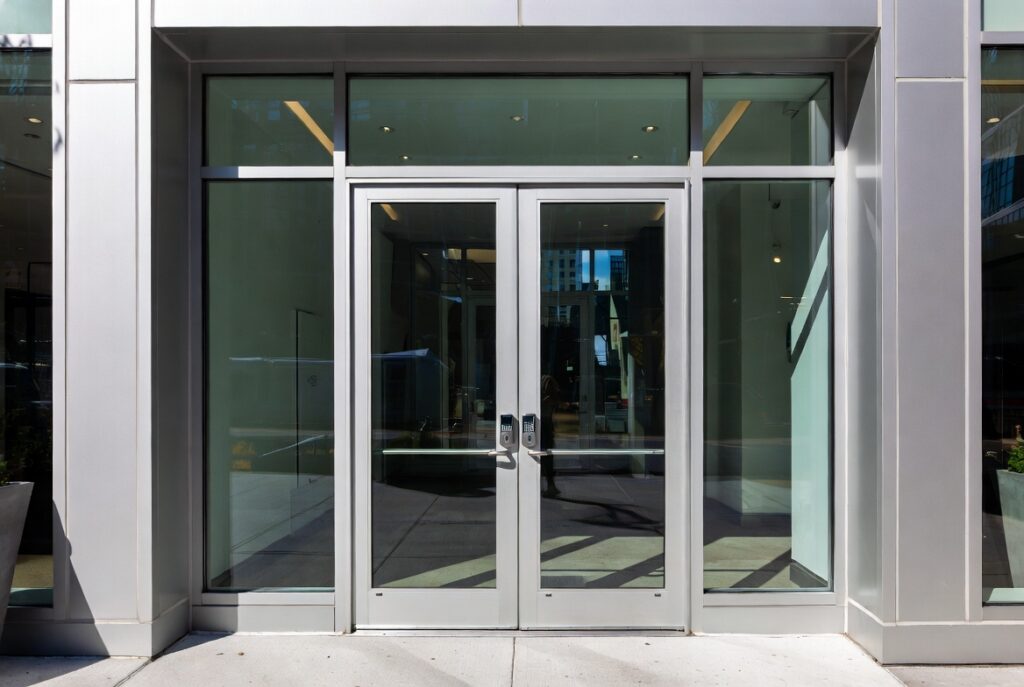
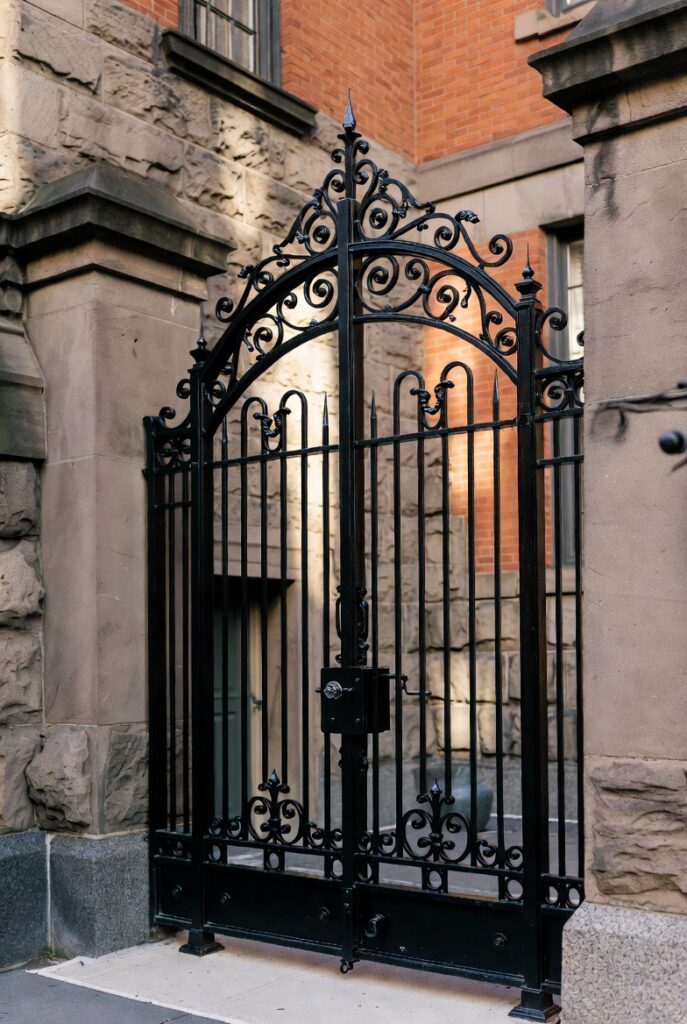
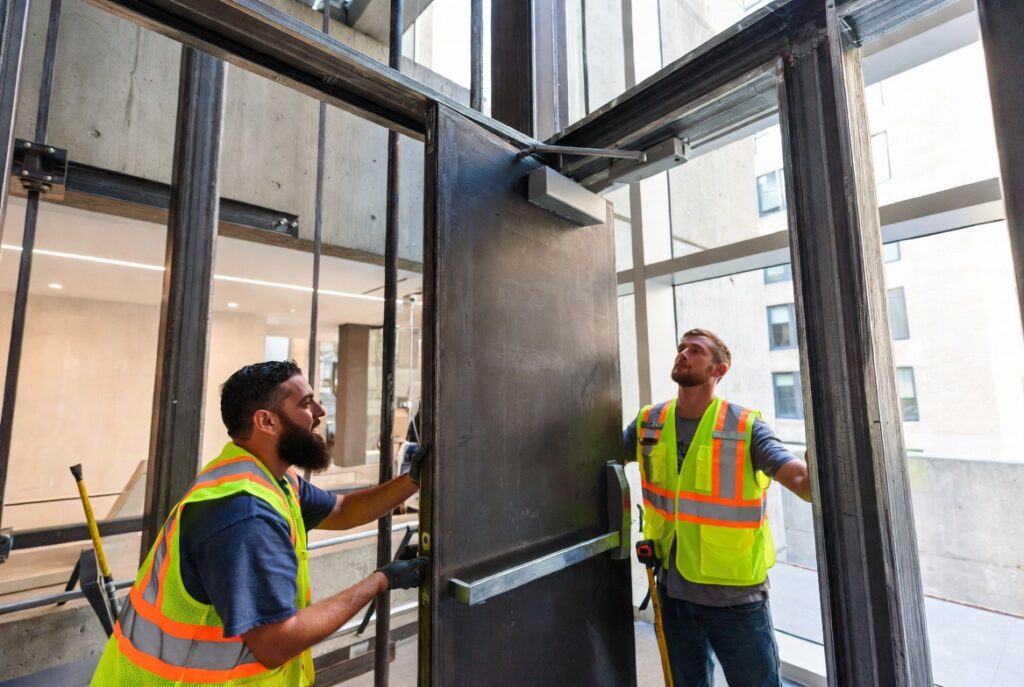
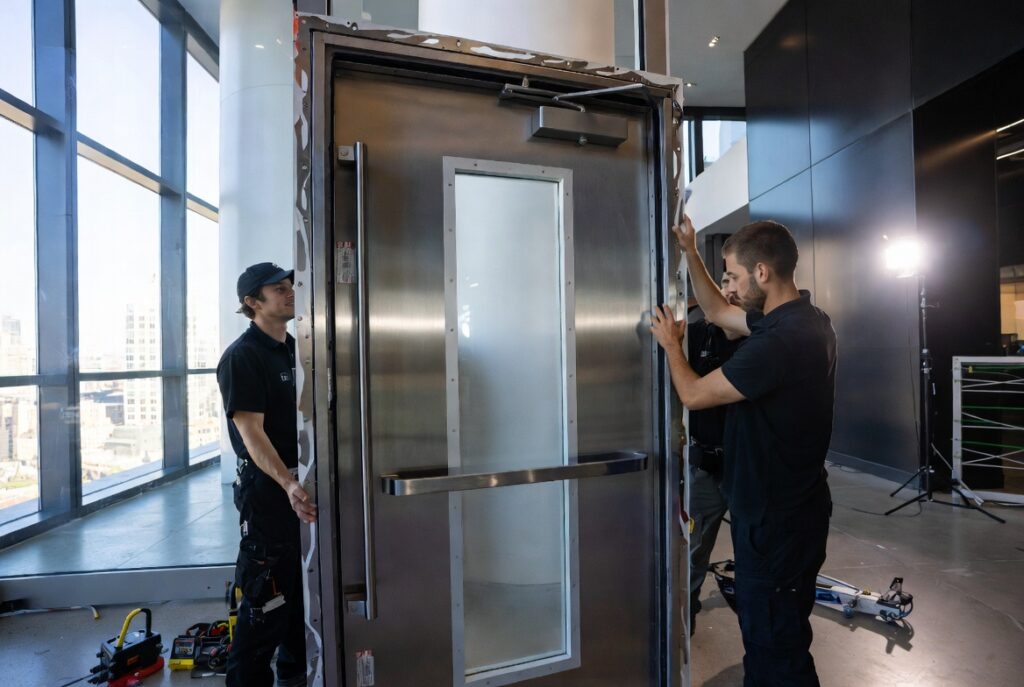
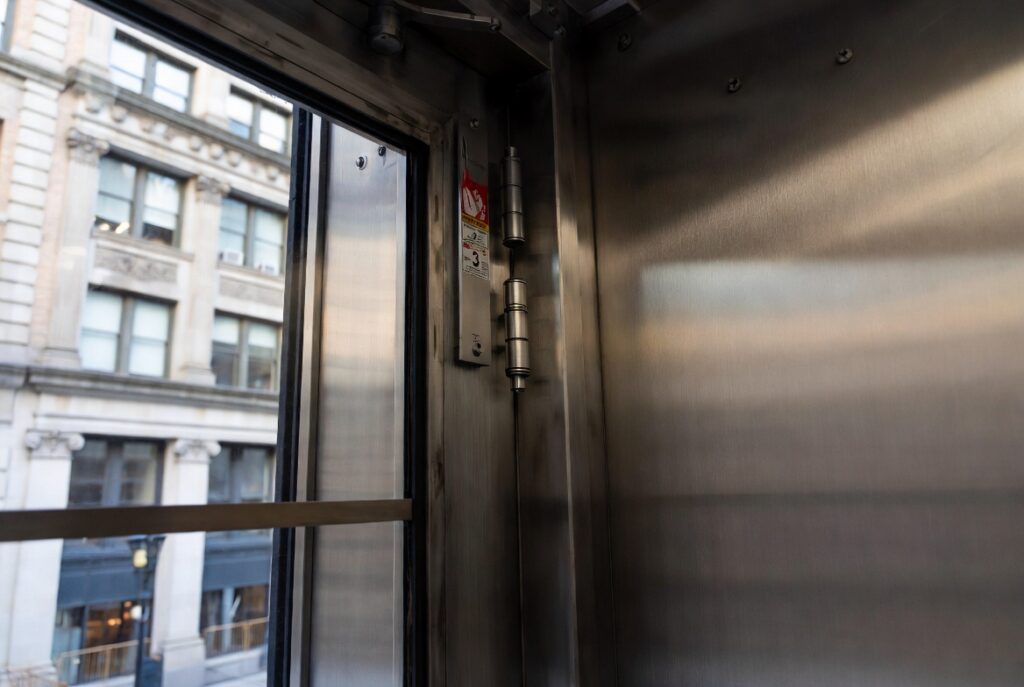
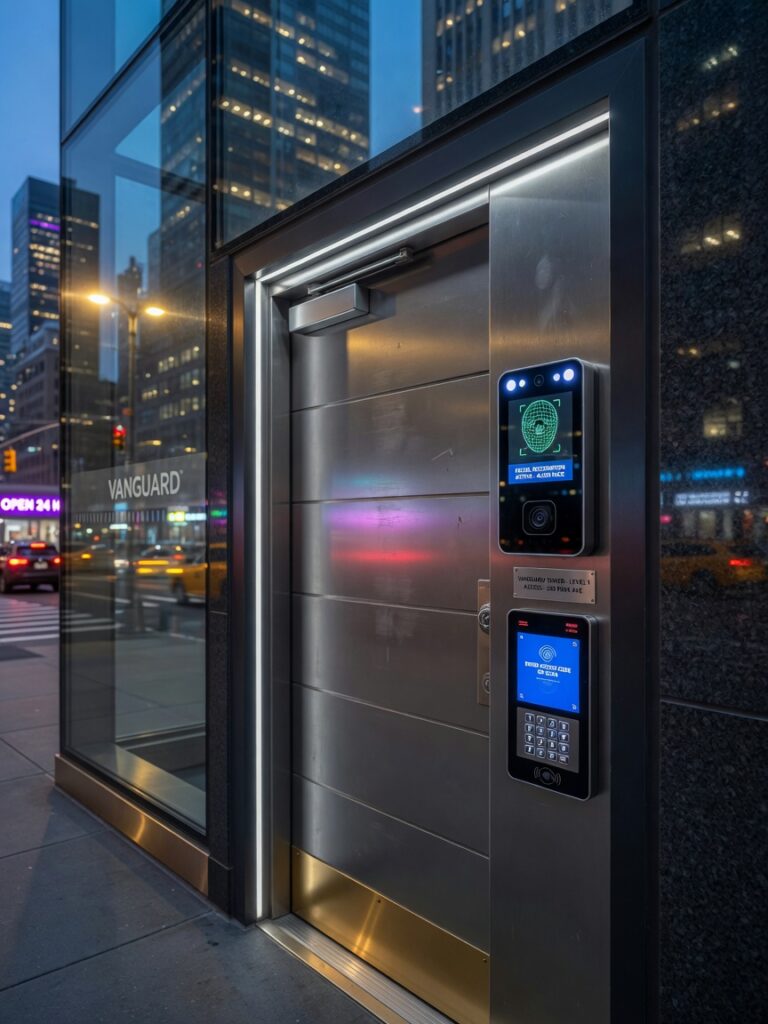
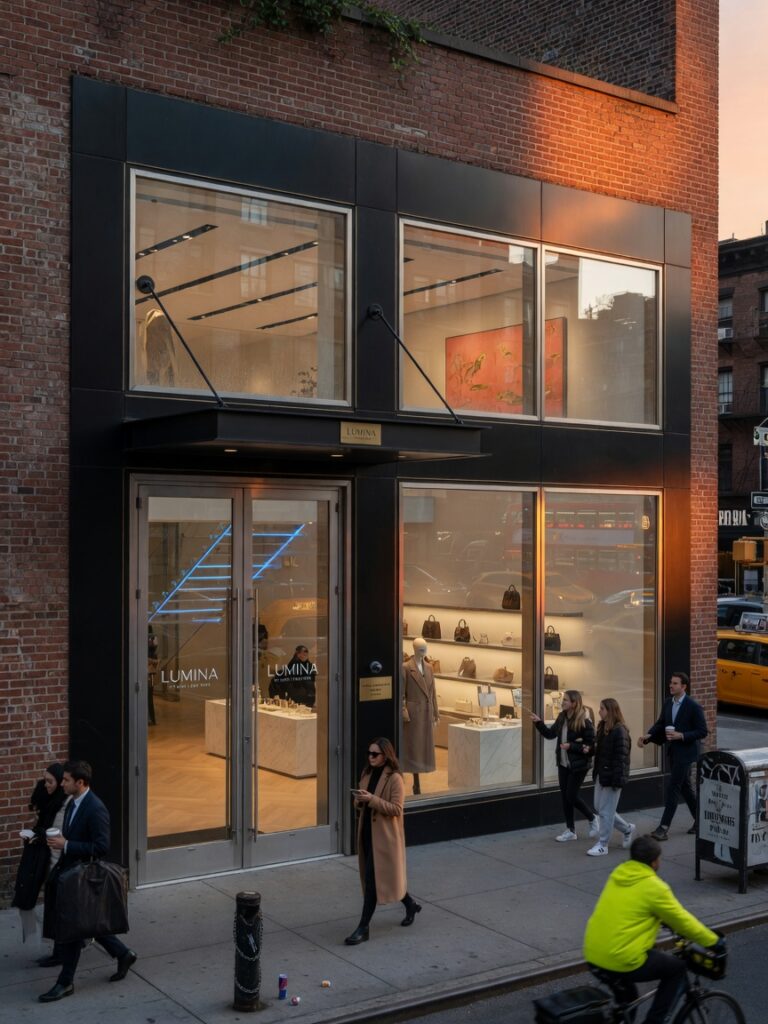
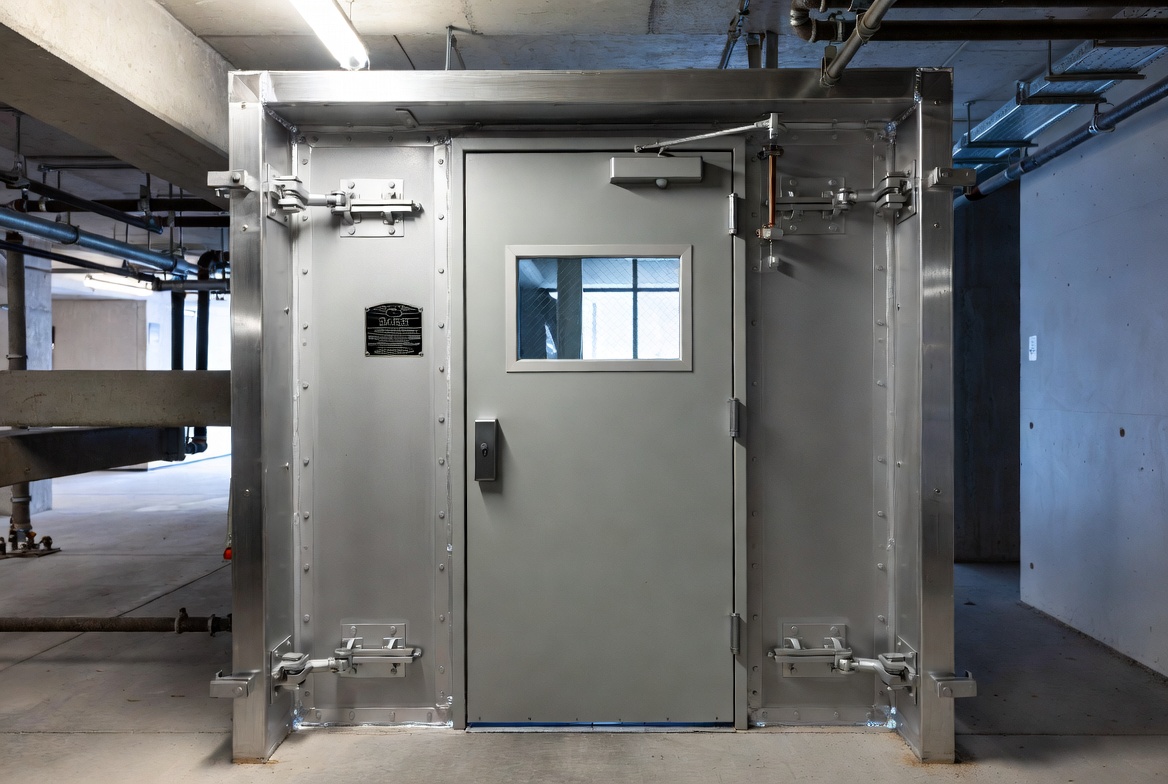
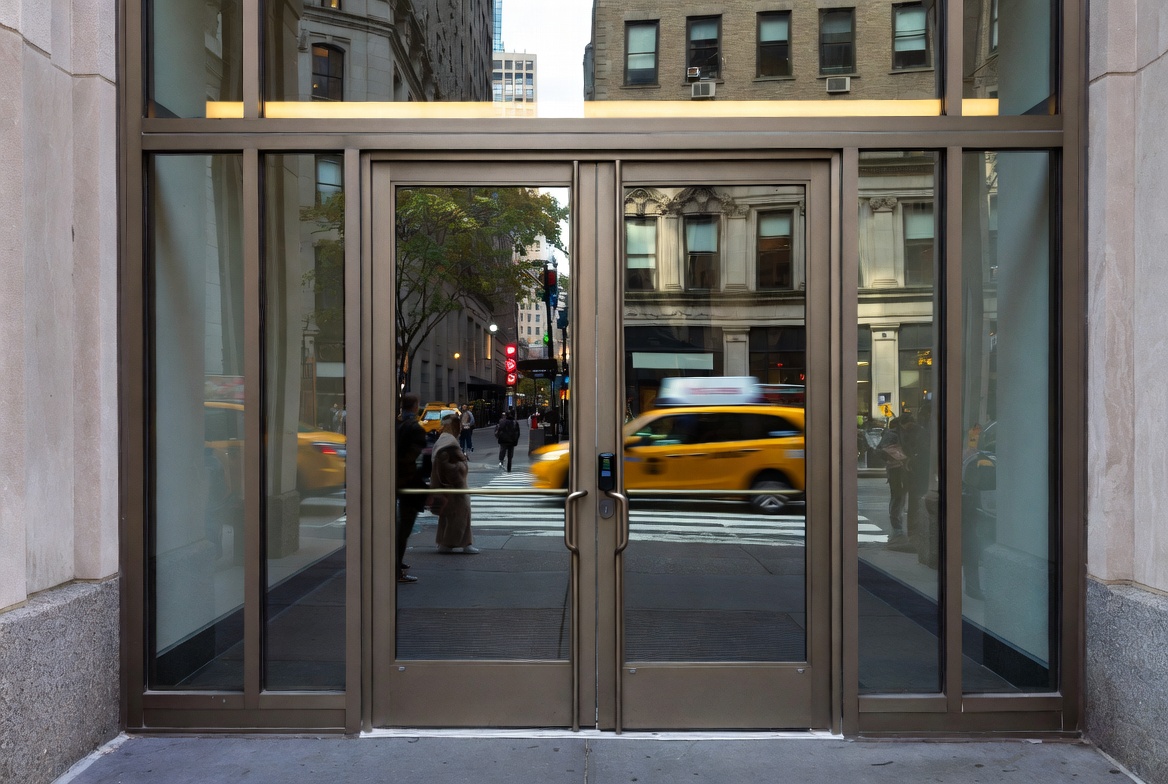
Image Grid 2

Security Performance: Wind Loads, Impact Resistance & Local Law 75
Local Law 75 (LL75), effective through 2026 and beyond, requires commercial buildings to maintain specific security standards for street-level entrances. Both materials can comply, but performance varies significantly by borough.
Wind Load Requirements by Borough
- Queens & Brooklyn (Coastal Exposure B/C): Steel doors typically outperform aluminum in 140+ mph wind zones without additional reinforcement.
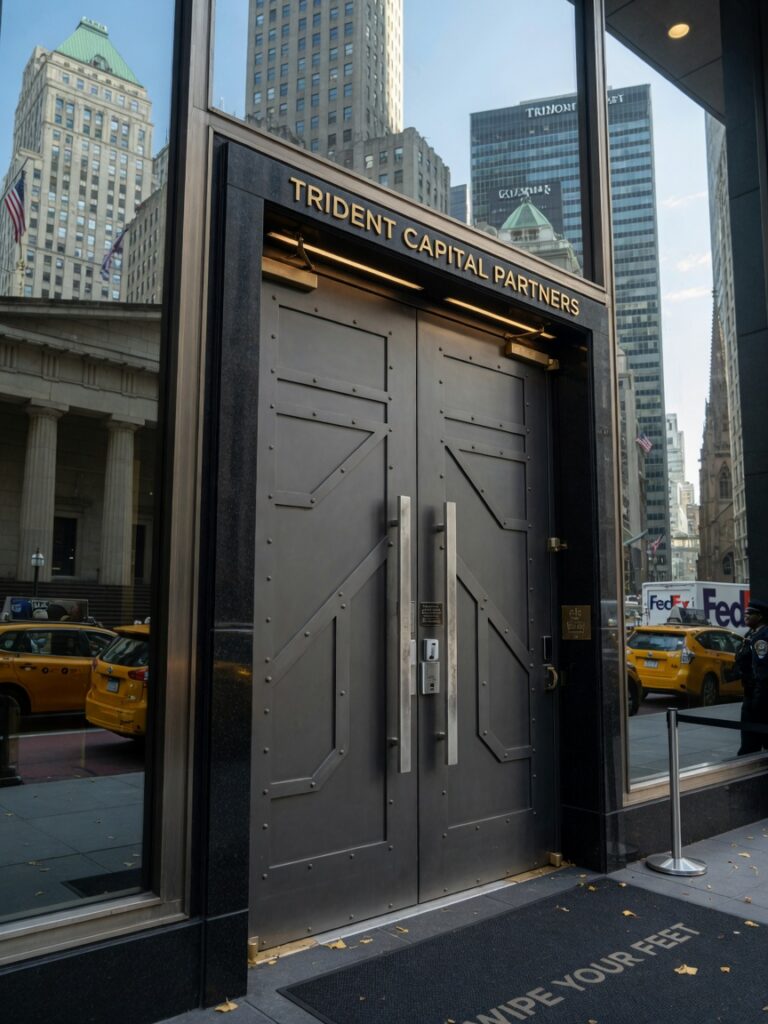
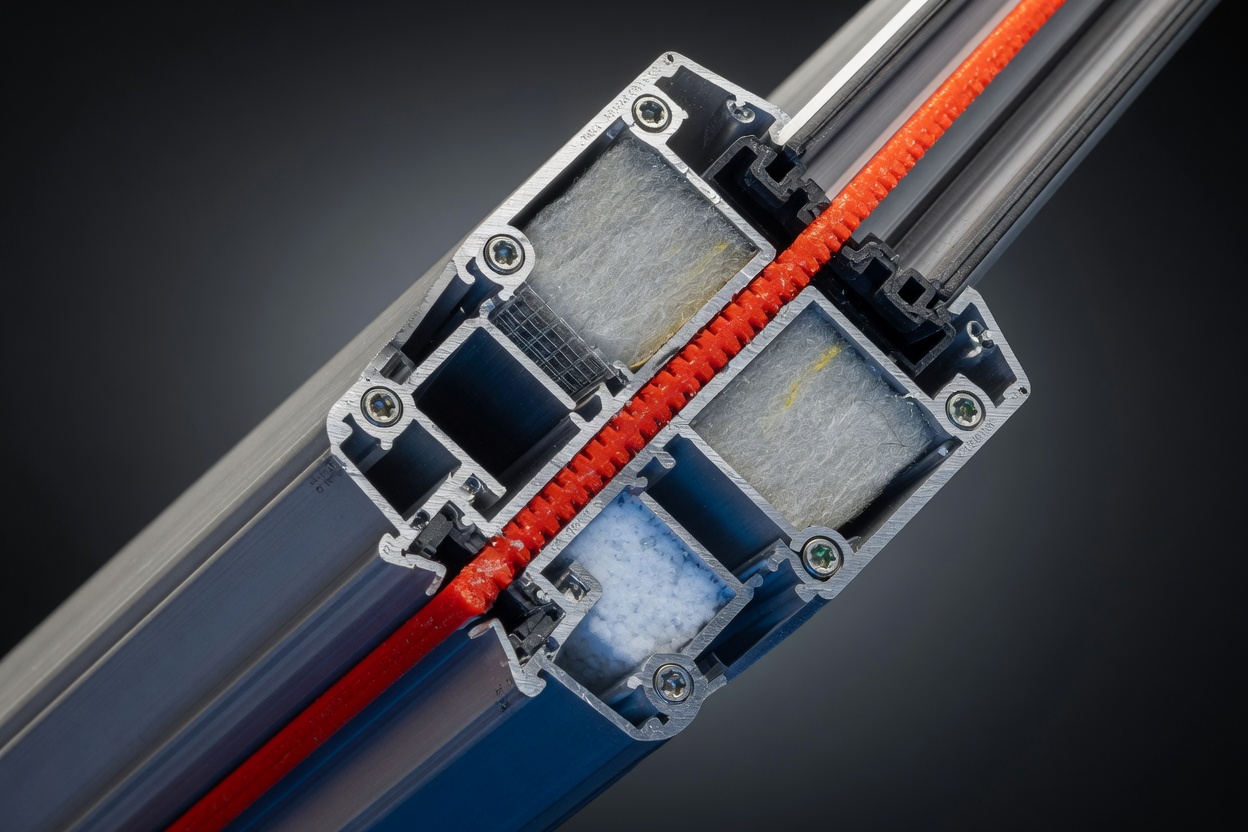
- Manhattan (High-Rise Corridor): Aluminum systems with proper thermal breaks meet energy codes more easily while maintaining modern aesthetics.
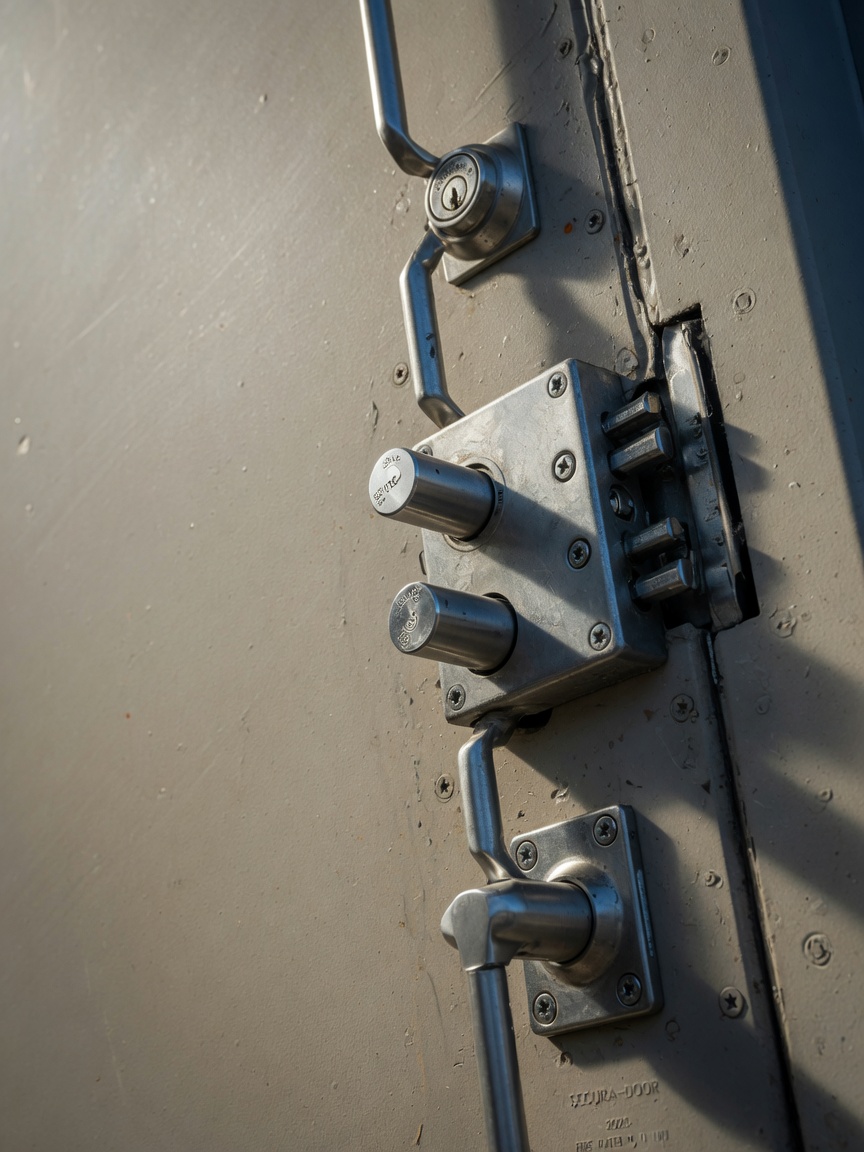
Steel doors provide superior forced-entry resistance (meeting ASTM F476 Level 40+), while properly engineered aluminum systems with laminated glass can achieve comparable results when paired with multi-point locking hardware.
Fire-Rating Differences That Matter for NYC Buildings
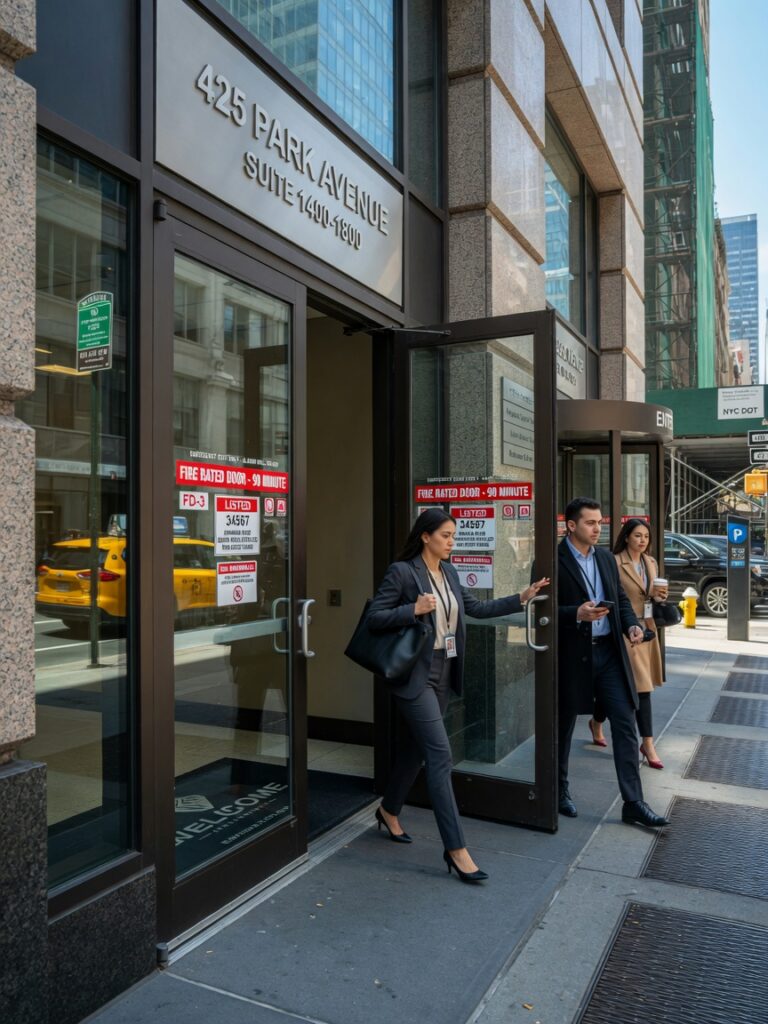
Fire safety remains a non-negotiable requirement under the NYC Fire Code and NFPA 80 standards updated in 2023.
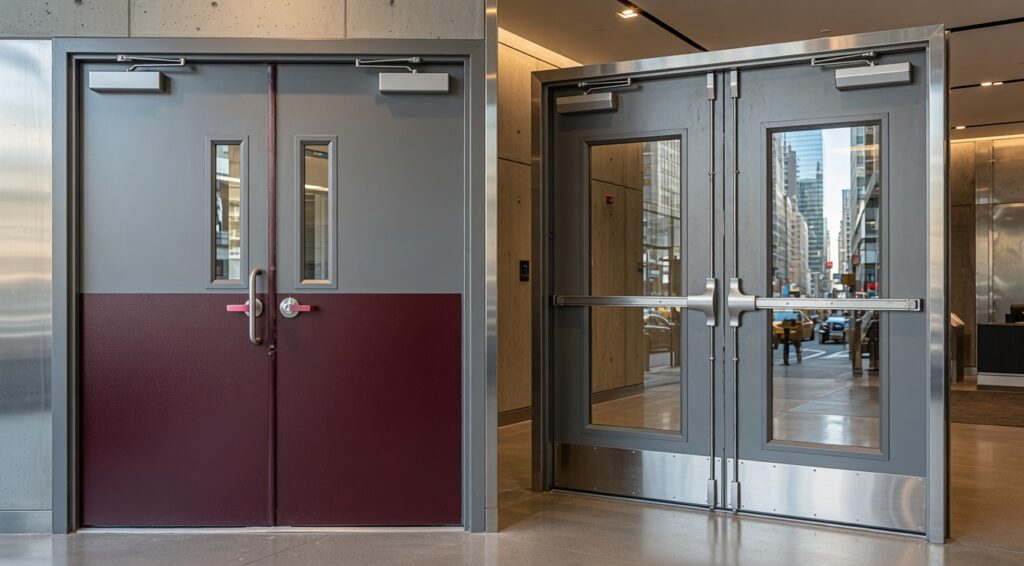
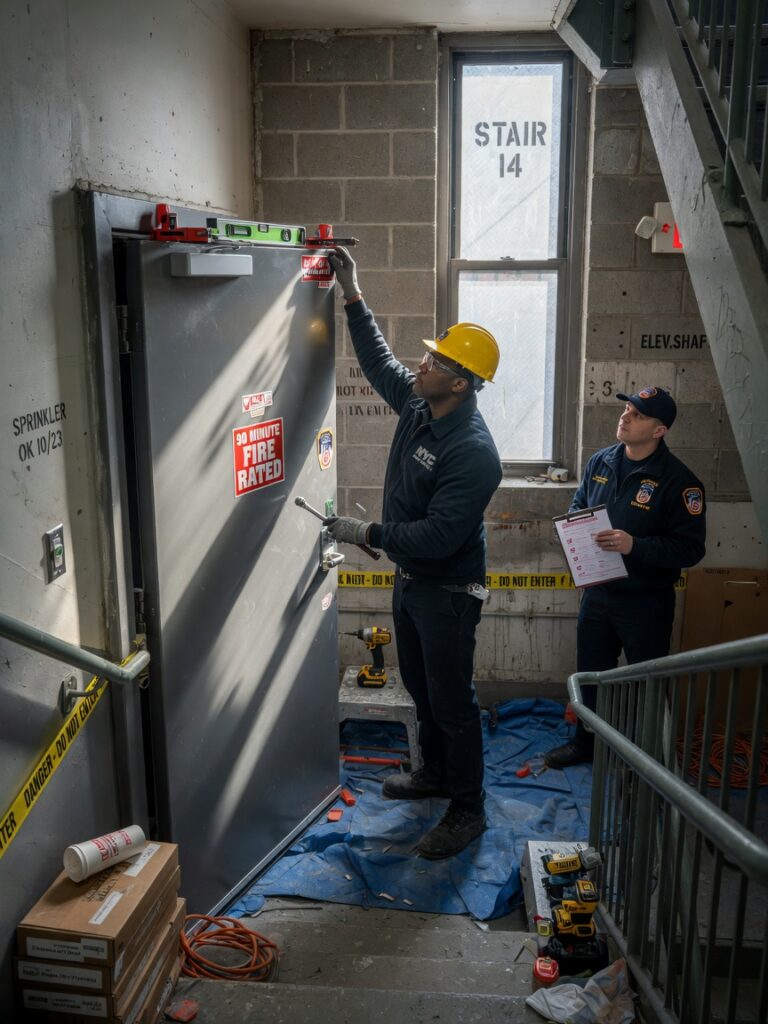
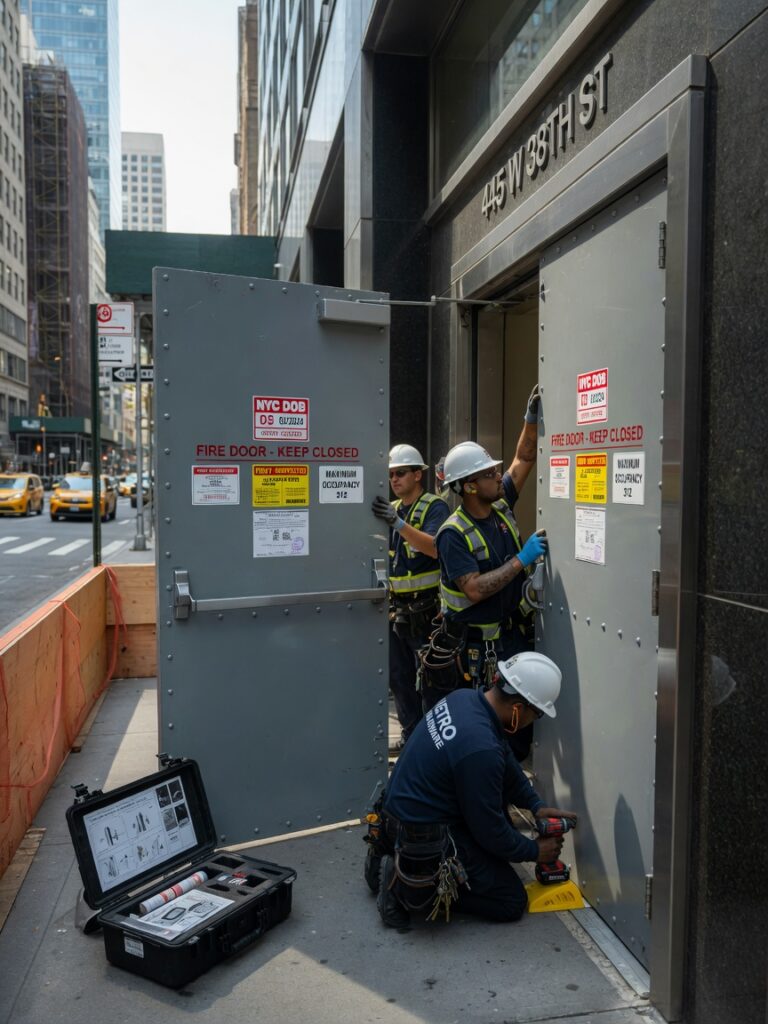
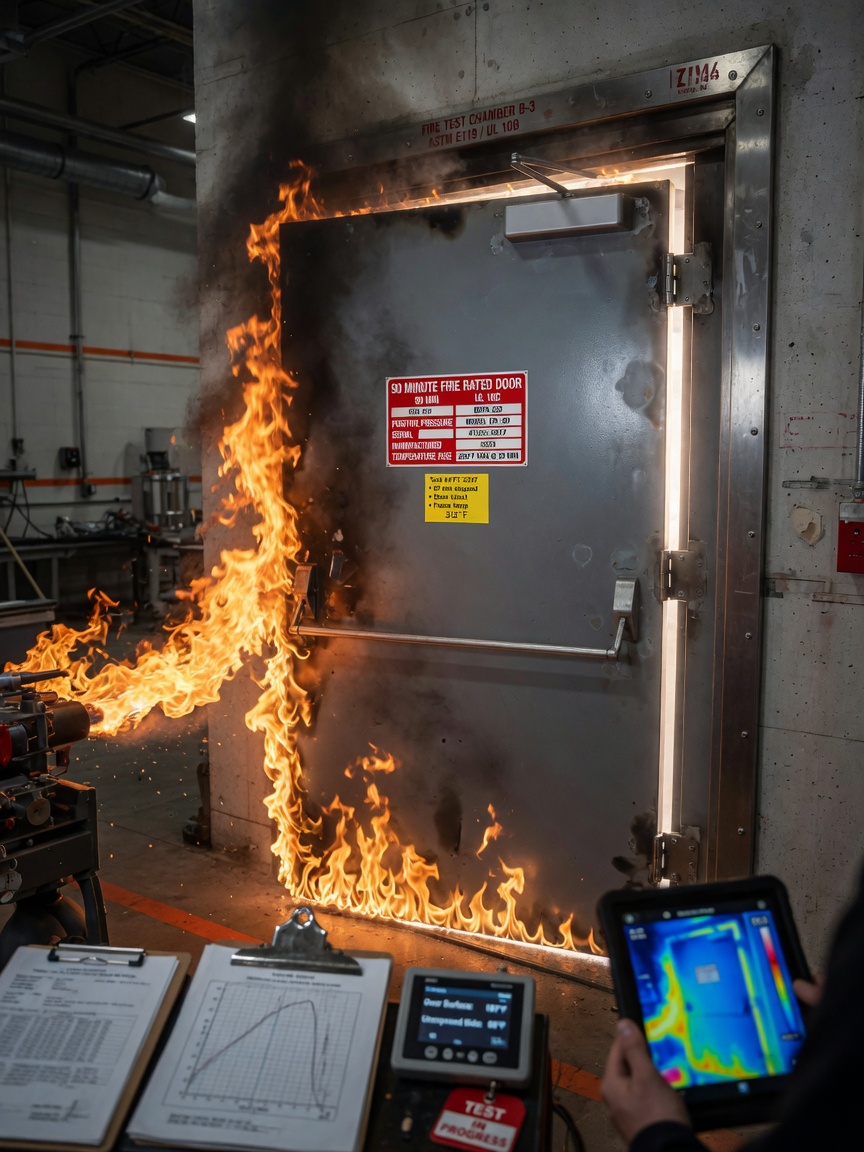
- Steel Doors: Naturally achieve 45-, 60-, 90-, and 180-minute fire ratings without intumescent coatings.
- Aluminum Doors: Limited to 20-45 minutes unless specialized fire-rated aluminum framing with ceramic cores is used (adds 35-45% to cost).
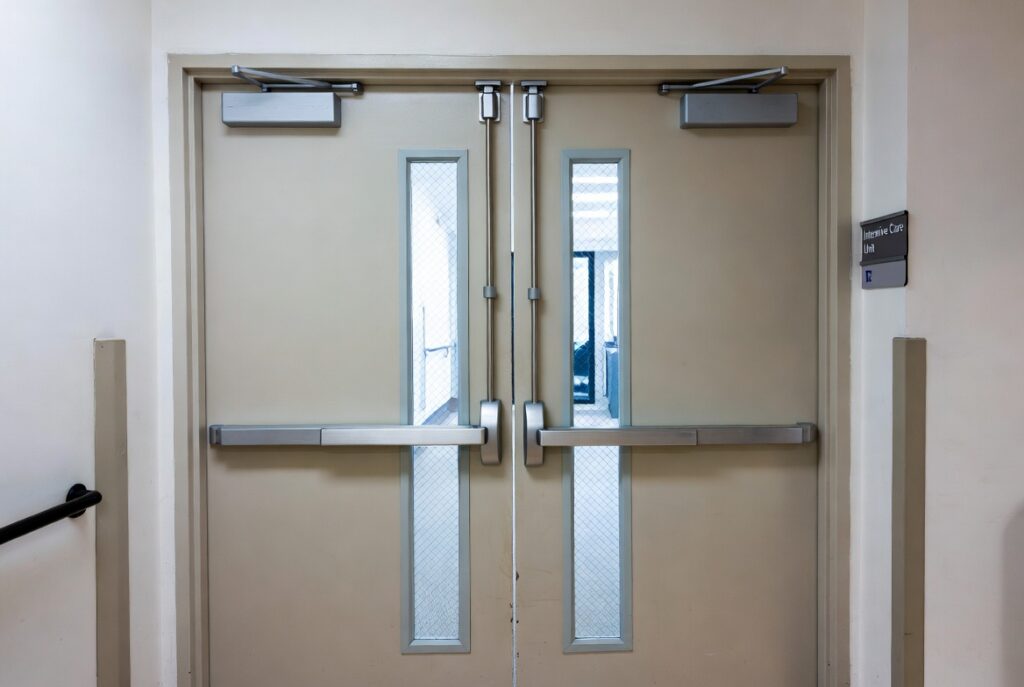
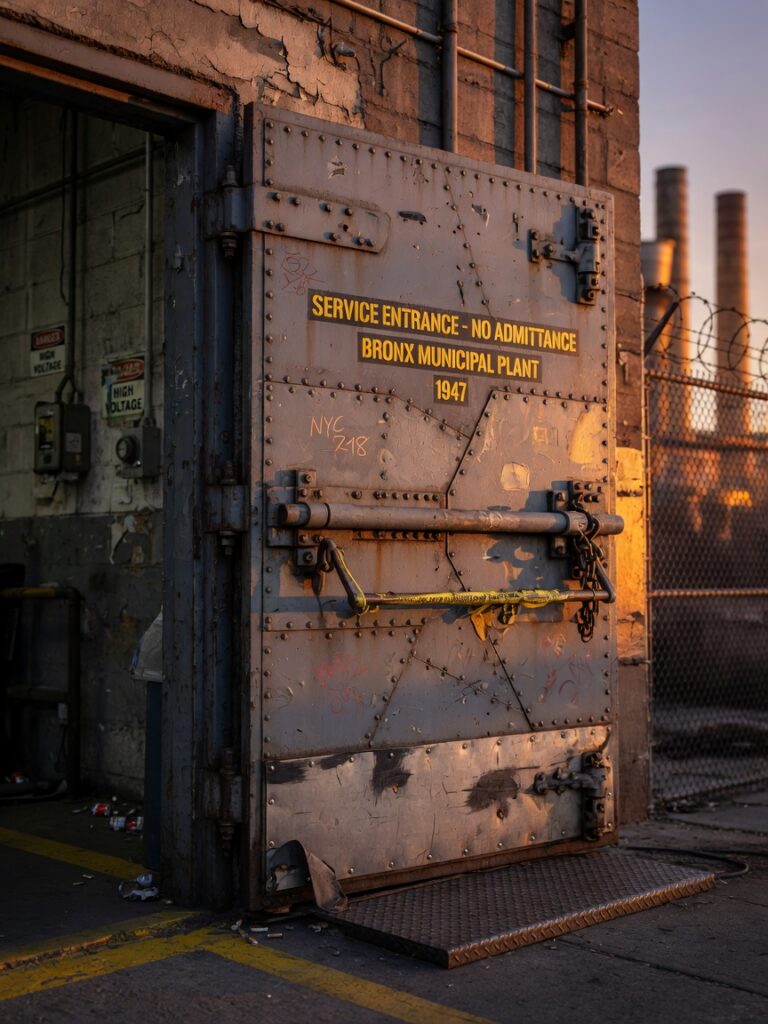
For warehouses, distribution centers, and mixed-use buildings in Brooklyn and the Bronx, heavy-gauge steel remains the pragmatic choice for stairwell and egress doors.
Maintenance Forecasts: 5-Year and 10-Year Projections
Long-term maintenance costs often determine the true winner in the steel vs aluminum debate.
Projected 10-Year Maintenance Costs (per standard 3’x7′ opening)
- Steel: $1,240 (includes repainting every 4-5 years, rust treatment in salt-air zones).
- Aluminum: $680 (primarily cleaning and occasional hardware lubrication).
Aluminum’s natural resistance to corrosion makes it the lower-maintenance option, especially for buildings near the waterfront in Staten Island and lower Manhattan.
Case Studies: Failed Installations in New York City
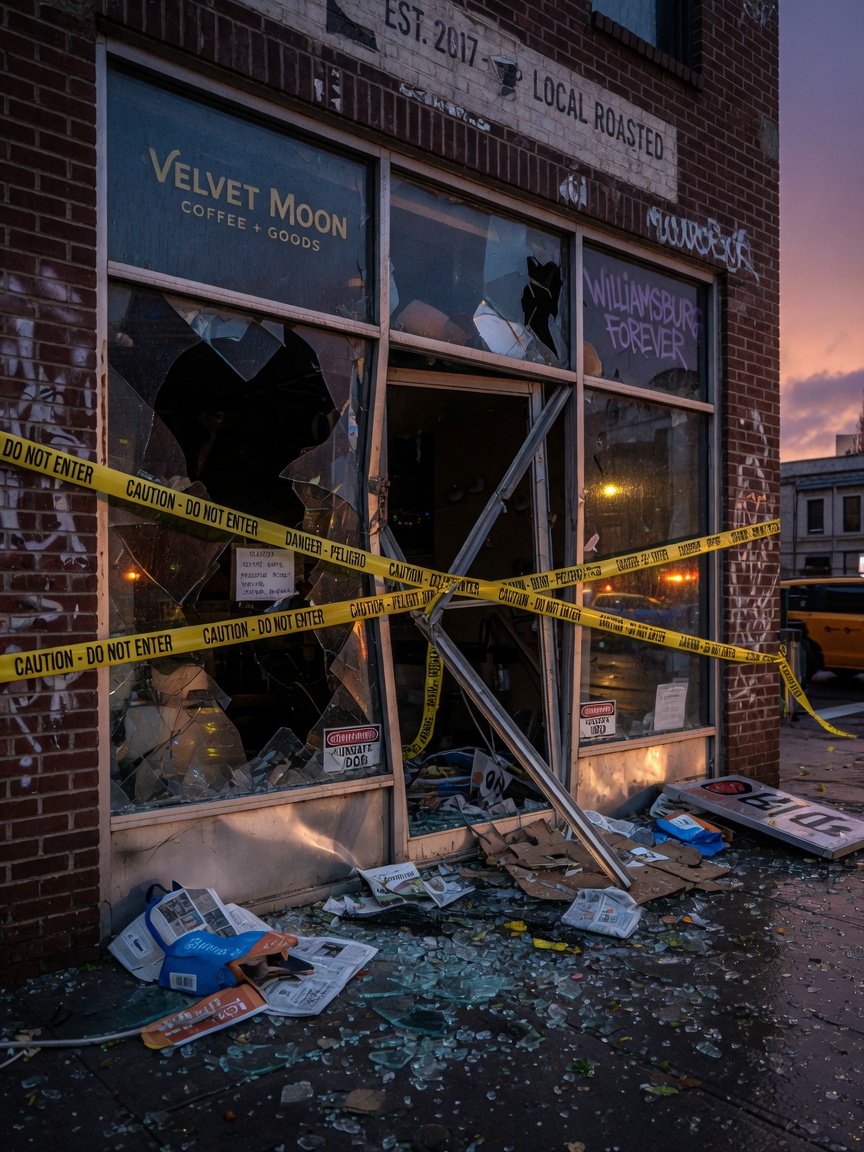
Case Study 1: Williamsburg Retail Storefront Failure (2024)
A popular retail chain installed non-impact-rated aluminum storefronts in a high-wind zone. During a 2024 nor’easter with 98 mph gusts, multiple panels failed, causing over $180,000 in interior damage and 11 days of closure. Post-incident analysis revealed insufficient anchoring and improper wind-load calculations.
Case Study 2: Bronx Warehouse Steel Door Corrosion (2023)
A 40,000 sq ft distribution center used standard 16-gauge steel without marine-grade coating. Within 26 months, visible rust compromised the fire rating, resulting in a $47,000 emergency replacement project and temporary occupancy violation.
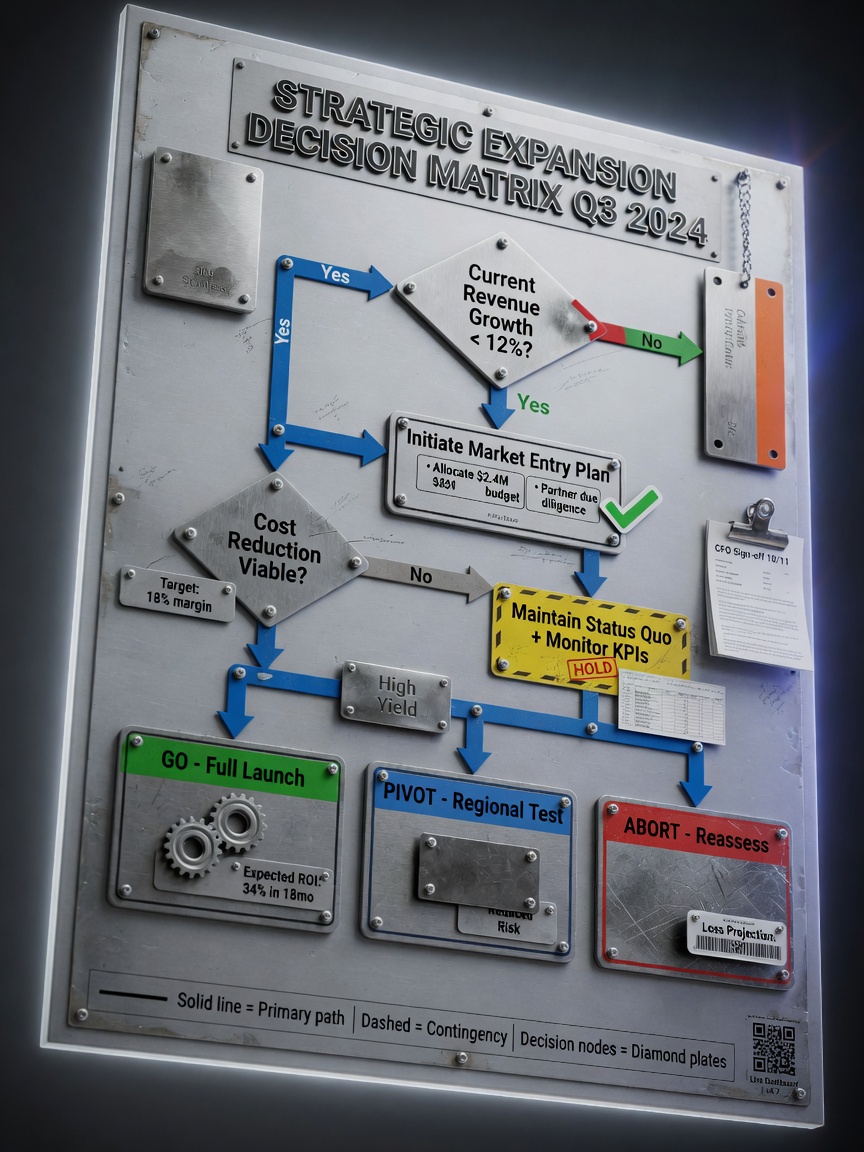
Decision Flowchart: Retail vs Warehouse Applications
Use the following decision framework for 2026 NYC projects:
- Primary Use Case – Retail/High-Traffic: Prioritize aluminum for aesthetics and lighter operation. Warehouse/Industrial: Choose steel for durability and fire protection.
- Wind Exposure Rating – If Exposure C or higher, verify steel or reinforced aluminum meets ASCE 7-22 requirements.
- Fire Rating Requirement – 60 minutes or greater: Steel is almost always required.
- Budget & Maintenance Tolerance – Lower long-term maintenance budget: Aluminum. Lowest total installed cost with proper coatings: Steel.
Updated Code References for 2026 Compliance
- NYC Building Code 2022 (with 2024 amendments)
- Local Law 75 of 2018 – Security Camera & Lighting Requirements
- Local Law 196 – Construction Safety (impacts installation labor)
- NFPA 80 (2022 edition) – Fire Door Standards
- ASTM E330 & E1886 – Wind Load & Impact Testing
Which Material Wins for Your NYC Property?
There is no universal winner between steel and aluminum commercial doors. For high-security warehouses and buildings requiring extended fire ratings, heavy-gauge steel remains the pragmatic authority. For modern retail environments in Manhattan and Brooklyn where aesthetics, natural light, and lower long-term maintenance matter most, aluminum systems often provide better value.
The key is matching the material to the specific challenges of your borough, building type, and traffic patterns. At SecuraDoor, we provide both solutions with full Local Law 75 compliance packages and detailed wind-load engineering.
Ready to make the right choice for your 2026 commercial door project? Contact our NYC team for a free compliance assessment and side-by-side material comparison tailored to your property.
Article updated January 2026. All cost data based on projects completed in Q4 2025 across the five boroughs.